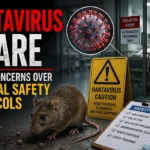
A single unnoticed exposure can sometimes become a serious healthcare emergency.
In 1993, healthcare professionals in the United States faced growing concern after a mysterious respiratory illness began affecting patients in the Southwest. Scientists later identified the cause: Hantavirus Pulmonary Syndrome (HPS), a rare but potentially life-threatening disease linked to rodent exposure.
Today, awareness about hantavirus exposure in healthcare settings: why infection control matters has become increasingly important for hospitals, clinics, laboratories, and healthcare workers worldwide.
While hantavirus infections remain relatively rare, they can lead to severe respiratory complications and high mortality rates if not recognized early. In healthcare environments where staff interact closely with patients, biological samples, and contaminated materials, infection control protocols play a vital role in protecting both workers and patients.
Why Hantavirus Exposure in Healthcare Settings Matters
Healthcare facilities are designed to heal people, but they can also become environments where infectious diseases spread if proper precautions are not followed.
Why healthcare settings face risks:
- Exposure to infected patients
- Handling contaminated specimens
- Environmental contamination
- Improper waste disposal
- Poor ventilation systems
This is why hantavirus exposure in healthcare settings: why infection control matters remains a critical public health topic.
How Hantavirus Spreads in Healthcare Environments
Unlike common viral infections, hantavirus does not usually spread easily from person to person.
However, healthcare-related exposure may occur through:
Airborne Particles
Rodent waste disturbed during cleaning can release infectious particles into the air.
Contaminated Surfaces
Virus particles may survive temporarily on contaminated equipment or surfaces.
Laboratory Exposure
Healthcare laboratory workers handling infected samples may face higher risks.
Improper Cleaning Practices
Dry sweeping or vacuuming rodent waste can increase airborne exposure.
Understanding these pathways helps hospitals strengthen prevention protocols.
Early Symptoms Healthcare Workers Should Recognize
One challenge with hantavirus is that early symptoms often resemble common illnesses.
Initial symptoms may include:
- Fever
- Fatigue
- Muscle aches
- Headache
- Chills
As the disease progresses:
- Shortness of breath may develop
- Severe respiratory distress can occur
- Hospitalization may become necessary
Early recognition improves treatment outcomes significantly.
Why Infection Control Protocols Are Essential
Strong infection prevention systems are the first line of defense against hantavirus exposure.
Key infection control measures include:
- Personal protective equipment (PPE)
- Surface disinfection
- Safe waste management
- Isolation precautions when necessary
- Staff education and training
Healthcare facilities that maintain strict infection control standards reduce overall exposure risks.
The Role of PPE in Preventing Hantavirus Exposure
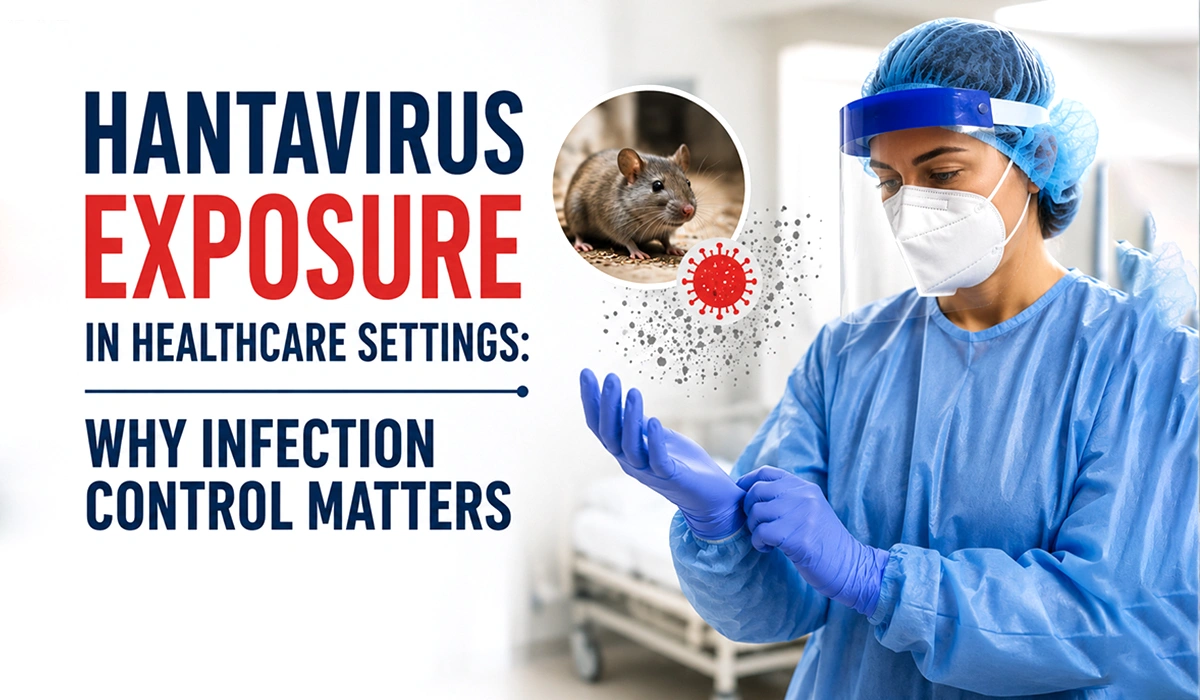
Proper PPE usage is one of the most effective preventive measures.
Recommended protective equipment:
- N95 respirators
- Gloves
- Protective gowns
- Eye protection
Healthcare workers cleaning potentially contaminated areas should avoid direct contact with rodent waste.
Using PPE correctly reduces airborne exposure risk.
Environmental Cleaning and Disinfection Strategies
Cleaning protocols matter greatly in preventing hantavirus spread.
Safe cleaning practices:
- Wet contaminated areas with disinfectant before cleaning
- Avoid dry sweeping
- Use approved hospital disinfectants
- Ensure adequate ventilation
The CDC recommends carefully disinfecting contaminated environments to prevent aerosolization.
Rodent Control in Healthcare Facilities
One of the most important preventive steps is effective rodent management.
Healthcare facilities should:
- Seal entry points
- Store food properly
- Conduct routine inspections
- Maintain sanitation standards
Hospitals located near rural or wooded areas may face higher exposure risks.
Strong pest control programs reduce contamination chances significantly.
How Laboratories Handle Hantavirus Risks
Laboratory workers face specialized exposure risks while handling samples.
Biosafety measures include:
- Biosafety cabinets
- Controlled airflow systems
- Sample containment
- Specialized PPE
Laboratories must follow strict biosafety guidelines to protect staff.
Hantavirus Exposure and Occupational Safety
Healthcare worker safety is a major concern.
Occupational health departments should:
- Provide staff training
- Conduct risk assessments
- Ensure PPE availability
- Develop exposure response protocols
Prepared healthcare teams respond more effectively during infectious disease events.
Comparing Hantavirus to Other Respiratory Viruses
Many people compare hantavirus to illnesses like COVID-19 or influenza, but important differences exist.
| Factor | Hantavirus | Influenza |
|---|---|---|
| Primary Source | Rodents | Human-to-human |
| Common Spread | Contaminated particles | Respiratory droplets |
| Severity | Often severe | Mild to severe |
| Prevention | Rodent control + PPE | Vaccination + hygiene |
This comparison highlights why environmental control is central to hantavirus prevention.
Public Health Awareness and Education
Awareness campaigns improve healthcare preparedness.
Important educational topics:
- Recognizing symptoms
- Safe cleaning methods
- Proper PPE use
- Reporting exposure incidents
Continuous education strengthens infection prevention systems across healthcare settings.
The Global Importance of Infection Control
Although hantavirus cases are relatively uncommon, global healthcare systems continue emphasizing infection prevention.
Why?
Because emerging infectious diseases can spread rapidly when precautions fail.
The COVID-19 pandemic reinforced the importance of:
- Preparedness
- PPE stockpiles
- Environmental hygiene
- Staff training
The same principles apply to hantavirus exposure in healthcare settings: why infection control matters.
Future Trends in Healthcare Infection Prevention
Healthcare systems are adopting advanced infection control technologies.
Emerging solutions include:
- Smart air filtration systems
- UV disinfection technology
- AI-powered infection monitoring
- Automated sanitation systems
These innovations may further reduce occupational exposure risks in the future.
Conclusion
Understanding hantavirus exposure in healthcare settings: why infection control matters is essential for modern healthcare safety.
Although hantavirus infections are relatively rare, the consequences can be severe. Strong infection prevention strategies—including PPE usage, environmental cleaning, staff education, and rodent control—remain the most effective ways to reduce risks.
Healthcare systems worldwide continue strengthening preparedness because prevention saves lives.
As infectious disease awareness grows globally, proactive infection control practices will remain one of healthcare’s strongest defenses.\