Introduction
It started with what seemed like an ordinary weekend cleaning routine.
A family opened an old storage room that had been closed for months. Dust filled the air. Boxes were moved. Corners were swept quickly without much thought. A few days later, one family member developed fever, body aches, and breathing problems that worsened rapidly.
What they didn’t realize was that indoor dust contaminated by rodent droppings could expose people to a rare but dangerous infection called hantavirus.
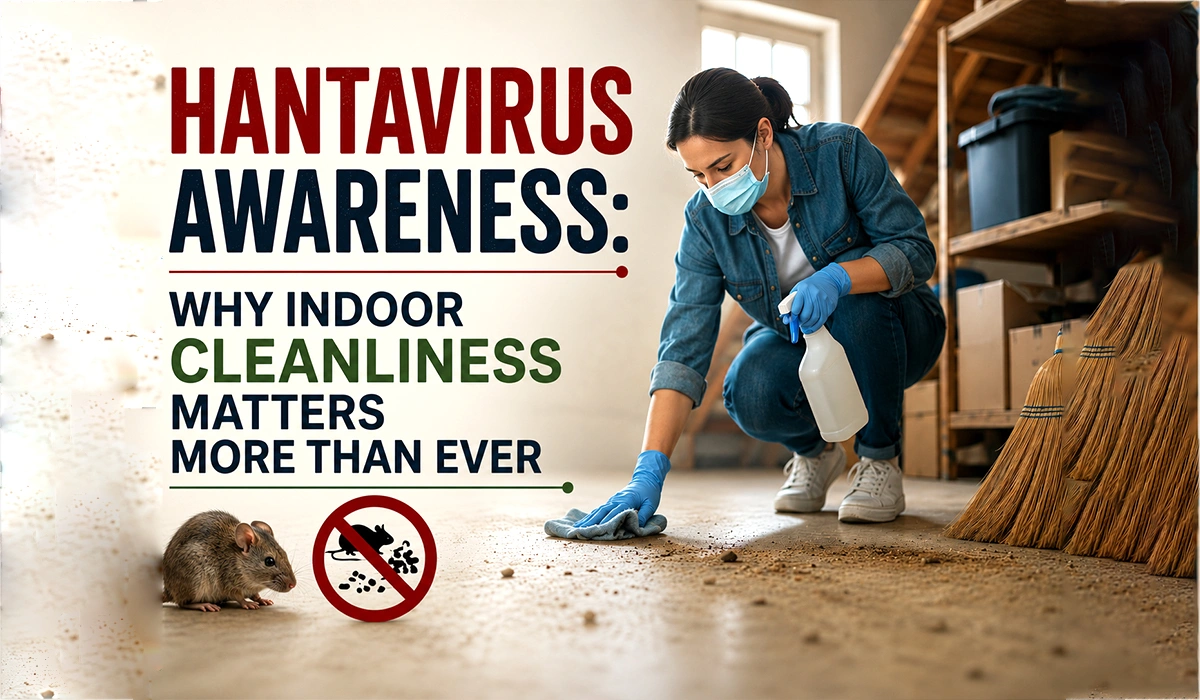
Today, Hantavirus Awareness: Why Indoor Cleanliness Matters More Than Ever has become an important global health topic, especially in countries like the United States where hantavirus cases are reported every year. While the disease remains relatively rare, its serious complications make awareness and prevention critical.
Understanding how hantavirus spreads, why indoor hygiene matters, and how to protect your family can help reduce health risks and create a safer living environment.
What Is Hantavirus?
Hantavirus is a group of viruses primarily carried by rodents. Humans can become infected when they come into contact with:
- Rodent urine
- Saliva
- Droppings
- Contaminated dust particles
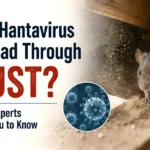
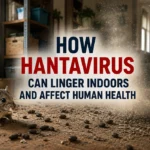
The virus can become airborne when contaminated areas are swept or disturbed.
This is why Hantavirus Awareness: Why Indoor Cleanliness Matters More Than Ever is so important in homes, cabins, garages, storage areas, and poorly ventilated indoor spaces.
Why Indoor Cleanliness Matters More Than Ever
Indoor cleanliness is no longer just about appearance—it is directly linked to health and disease prevention.
Rodents often hide in:
- Basements
- Attics
- Garages
- Abandoned rooms
- Storage spaces
- Farm buildings
When these spaces are not cleaned regularly, rodent waste can accumulate silently over time.
The danger increases when people suddenly disturb these areas, releasing contaminated particles into the air.
Maintaining indoor hygiene helps reduce:
- Rodent infestation
- Airborne contamination
- Exposure to infectious diseases
How Hantavirus Spreads Indoors
One of the biggest misconceptions is that hantavirus spreads like the flu between people. In most cases, it does not.
Common indoor transmission routes include:
- Breathing contaminated dust
- Touching infected surfaces
- Contact with rodent droppings
- Cleaning enclosed spaces improperly
This makes safe cleaning practices extremely important.
Early Symptoms of Hantavirus Infection
The symptoms often begin like a common viral illness, which makes early recognition difficult.
Early signs may include:
- Fever
- Muscle aches
- Fatigue
- Chills
- Headache
As the illness progresses, serious respiratory symptoms can develop.
Severe symptoms include:
- Shortness of breath
- Chest tightness
- Fluid buildup in lungs
Immediate medical attention is critical if symptoms worsen rapidly.
Why the USA Focuses Strongly on Hantavirus Awareness
The United States has reported hantavirus cases mainly in rural and semi-rural regions.
Higher-risk areas often include:
- Cabins and vacation homes
- Agricultural buildings
- Forest regions
- Areas with rodent activity
Public health agencies emphasize prevention because there is currently no specific cure for hantavirus pulmonary syndrome (HPS).
This is another reason why Hantavirus Awareness: Why Indoor Cleanliness Matters More Than Ever continues to gain global attention.
Common Places Where Indoor Contamination Happens
Many people underestimate how common rodent exposure can be.
High-risk indoor spaces include:
Garages
Unused corners and stored materials attract rodents.
Attics
Warm, hidden spaces often become nesting areas.
Basements
Moisture and darkness increase infestation risks.
Storage Units
Long-term storage spaces can remain untouched for months.
Cabins and Seasonal Homes
Vacant homes provide ideal shelter for rodents.
The Hidden Risk of Improper Cleaning
One of the most dangerous mistakes is dry sweeping or vacuuming rodent droppings.
Why?
Because this can release virus-containing particles into the air.
Unsafe cleaning methods:
- Sweeping dry droppings
- Using standard vacuum cleaners
- Cleaning without ventilation
Safer alternatives:
- Spray disinfectant first
- Use gloves and masks
- Wipe surfaces carefully
Understanding safe cleaning methods is essential in Hantavirus Awareness: Why Indoor Cleanliness Matters More Than Ever.
Safe Indoor Cleaning Practices
Prevention starts with proper hygiene and cleaning techniques.
Step 1: Ventilate the Area
Open windows and doors for at least 30 minutes before cleaning.
Step 2: Wear Protective Gear
Use:
- Gloves
- Face mask
- Closed shoes
Step 3: Disinfect Before Cleaning
Spray contaminated areas with disinfectant or bleach solution.
Step 4: Use Damp Cleaning Methods
Avoid sweeping dry dust.
Step 5: Dispose Safely
Seal waste materials in plastic bags before disposal.
How to Prevent Rodent Infestation
Prevention is the most effective defense.
Simple prevention strategies include:
- Seal holes and gaps
- Store food in airtight containers
- Remove clutter
- Dispose of garbage properly
- Clean regularly
A clean indoor environment reduces the chances of rodent activity.
Why Preventive Health Awareness Matters
Modern healthcare increasingly focuses on prevention instead of waiting for illness.
Hantavirus Awareness: Why Indoor Cleanliness Matters More Than Ever reflects a broader shift toward:
- Preventive healthcare
- Public hygiene awareness
- Environmental safety
- Home wellness practices
Small preventive actions can significantly reduce health risks.
Indoor Air Quality and Overall Wellness
Indoor air quality affects more than just respiratory health.
Poor indoor hygiene may contribute to:
- Allergies
- Asthma
- Respiratory infections
- Exposure to harmful microorganisms
Keeping indoor environments clean supports healthier living overall.
The Psychological Impact of Clean Spaces
Clean environments also support mental wellness.
Research shows organized and hygienic spaces may help reduce:
- Stress
- Anxiety
- Mental fatigue
A cleaner home creates a healthier and calmer environment.
Comparing Clean and Neglected Indoor Environments
| Clean Indoor Spaces | Neglected Indoor Spaces |
|---|---|
| Better air quality | Higher dust accumulation |
| Reduced rodent risk | Increased infestation risk |
| Safer living conditions | Potential disease exposure |
| Improved hygiene | Poor sanitation |
This comparison highlights why indoor cleanliness plays such a major role in preventive health.
Role of Community Awareness
Public education is essential.
Communities can reduce health risks by:
- Sharing hygiene awareness
- Reporting rodent infestations
- Promoting safe cleaning practices
When awareness increases, prevention becomes stronger.
Practical Daily Habits for Safer Indoor Living
Simple habits can make a major difference.
Healthy indoor habits:
- Clean hidden corners regularly
- Avoid food waste buildup
- Check storage areas frequently
- Improve ventilation
- Monitor for rodent signs
Consistency matters more than occasional deep cleaning.
Conclusion
Understanding Hantavirus Awareness: Why Indoor Cleanliness Matters More Than Ever is about more than fear—it’s about prevention, education, and healthier living.
Clean indoor environments help reduce exposure to harmful pathogens, improve air quality, and support overall wellness. While hantavirus infections are rare, awareness can save lives.
The most powerful protection often comes from simple daily habits:
- Clean regularly
- Prevent rodent infestation
- Practice safe hygiene
- Stay informed
A safer home begins with awareness and consistent preventive care.