Introduction
It started with a simple weekend cleaning project.
A family opened an old storage shed that had been closed for months. Dust filled the air as boxes were moved around. Within days, one family member developed fever, body aches, and severe breathing problems. What seemed like a seasonal illness turned out to be something far more serious—hantavirus exposure.
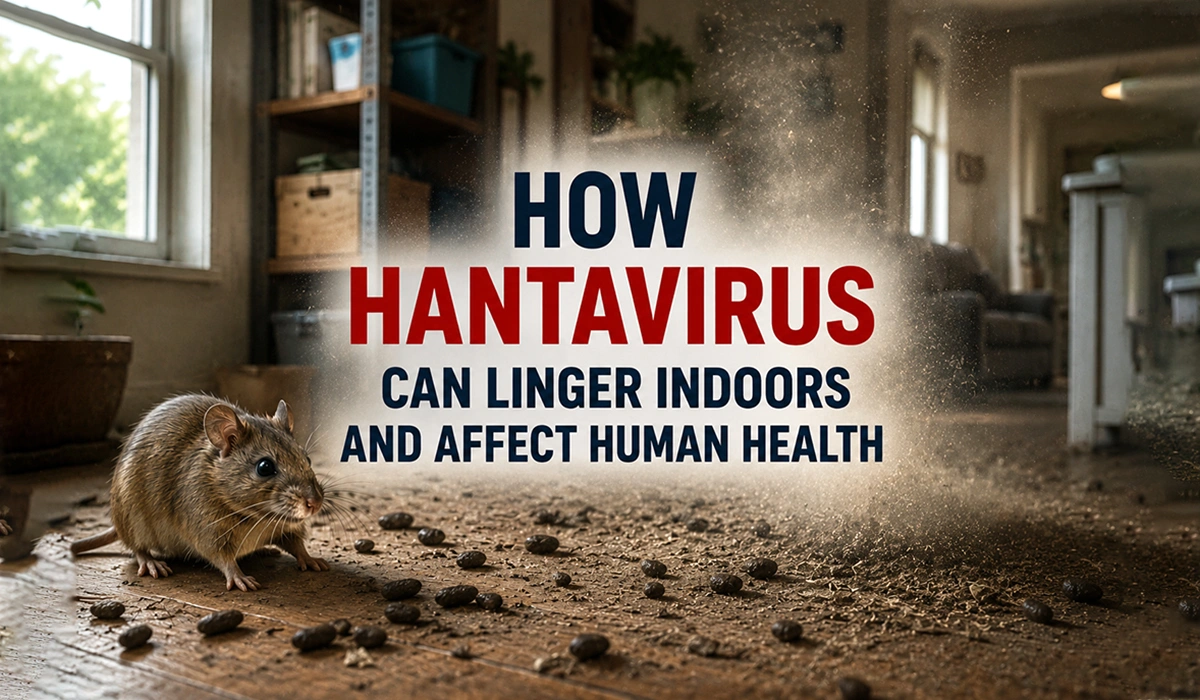
Understanding how hantavirus can linger indoors and affect human health is becoming increasingly important, especially in regions where rodent activity is common. While many people associate viruses with direct contact or contaminated food, hantavirus spreads in a different and often hidden way. Tiny airborne particles from rodent droppings, urine, or saliva can remain indoors for long periods, creating silent health risks.
In countries like the United States, hantavirus cases are rare but potentially life-threatening. Awareness and prevention are critical because early symptoms often resemble the flu, delaying diagnosis and treatment.
This guide explains how hantavirus survives indoors, how exposure happens, symptoms to watch for, and the steps every household should take to reduce risk.
What Is Hantavirus?
Hantavirus is a group of viruses primarily carried by rodents. Humans can become infected through exposure to infected rodent waste, saliva, or nesting materials.
The disease linked most commonly in the United States is Hantavirus Pulmonary Syndrome (HPS), a serious respiratory illness that can quickly become dangerous if untreated.
Common rodent carriers include:
- Deer mice
- Cotton rats
- Rice rats
- White-footed mice
Understanding how hantavirus can linger indoors and affect human health starts with understanding how these rodents contaminate indoor spaces.
Why Indoor Exposure Is Dangerous
Unlike many infections that spread person-to-person, hantavirus often spreads through the environment.
Indoor exposure becomes dangerous because:
- Rodent waste dries over time
- Disturbing contaminated dust releases virus particles into the air
- Enclosed spaces trap airborne particles longer
People are commonly exposed while:
- Cleaning garages
- Opening unused cabins
- Sweeping storage rooms
- Handling rodent nests
Poor ventilation increases the risk significantly.
How Hantavirus Can Linger Indoors and Affect Human Health
One of the most concerning aspects of hantavirus is its ability to remain infectious in indoor environments.
The virus may linger:
- In dust particles
- On contaminated surfaces
- Inside rodent nests
- In poorly ventilated spaces
Cool, dark, and enclosed areas allow contaminated materials to persist longer.
This explains why old sheds, attics, basements, and cabins are considered high-risk locations.
How Airborne Transmission Happens
Airborne transmission is the primary way humans become infected.
Here’s how it works:
- Rodents leave urine or droppings indoors
- Waste dries over time
- Sweeping or movement disturbs contaminated dust
- Virus particles enter the air
- People inhale the particles
Even small amounts of contaminated dust may pose risks.
This is why experts strongly advise against dry sweeping rodent waste.
Early Symptoms of Hantavirus Infection
The early symptoms often look like common viral illnesses, making diagnosis difficult.
Initial symptoms include:
- Fever
- Muscle aches
- Fatigue
- Headache
- Chills
- Nausea
After several days, severe respiratory symptoms may appear.
Advanced symptoms:
- Shortness of breath
- Chest tightness
- Difficulty breathing
Medical attention should be sought immediately if these symptoms follow rodent exposure.
Who Is Most at Risk?
Anyone exposed to contaminated indoor environments can be affected, but some groups face higher risks.
High-risk individuals include:
- Farmers
- Construction workers
- Campers
- Cleaning staff
- Homeowners cleaning storage areas
People in rural or rodent-prone areas are particularly vulnerable.
Common Indoor Locations Linked to Exposure
Understanding how hantavirus can linger indoors and affect human health also means identifying common danger zones.
High-risk indoor spaces:
- Garages
- Attics
- Basements
- Storage units
- Cabins
- Barns
- Warehouses
Unused or rarely cleaned areas often attract rodents.
How Long Can Hantavirus Survive Indoors?
Research suggests hantavirus can survive outside a rodent host for several days under favorable conditions.
Survival depends on:
- Temperature
- Humidity
- Sunlight exposure
- Ventilation
Cool indoor conditions may help the virus remain active longer.
Direct sunlight and disinfectants help reduce survival.
Safe Cleaning Practices to Prevent Exposure
One of the most important prevention steps is safe cleanup.
Never:
- Sweep dry droppings
- Vacuum contaminated dust
- Shake contaminated fabrics indoors
Instead:
- Ventilate the area for at least 30 minutes
- Wear gloves and a mask
- Spray disinfectant on contaminated areas
- Wipe using paper towels
- Dispose of waste safely
These precautions greatly reduce airborne exposure risks.
The Role of Rodent Control in Prevention
Prevention starts with reducing rodent activity.
Effective rodent control methods:
- Seal holes and gaps
- Store food securely
- Remove clutter
- Use traps when necessary
- Keep indoor spaces clean
Reducing nesting opportunities helps prevent contamination.
How Hantavirus Affects Human Health
The health impact of hantavirus can be severe.
Effects may include:
- Lung inflammation
- Breathing difficulty
- Oxygen deprivation
- Organ stress
In serious cases, hospitalization and intensive care may be required.
This is why understanding how hantavirus can linger indoors and affect human health is so important for public safety.
Why Early Detection Matters
Early treatment improves outcomes significantly.
Because symptoms resemble flu or viral infections, many people delay seeking medical help.
Tell your doctor if:
- You were recently exposed to rodent-infested areas
- You cleaned dusty indoor spaces
- You noticed rodent droppings before symptoms started
This information helps doctors identify hantavirus earlier.
Comparing Hantavirus to Other Respiratory Illnesses
Many respiratory illnesses spread person-to-person, but hantavirus behaves differently.
| Condition | Common Spread Method | Key Risk |
|---|---|---|
| Influenza | Person-to-person | Seasonal outbreaks |
| COVID-19 | Airborne transmission | Community spread |
| Hantavirus | Rodent-contaminated dust | Indoor rodent exposure |
This unique transmission method makes prevention strategies different.
Public Awareness and Preventive Health
Public awareness remains one of the strongest defenses against hantavirus.
Simple education about:
- Rodent risks
- Safe cleaning
- Early symptoms
can prevent serious illness.
Preventive health measures are especially important in homes, farms, cabins, and workplaces exposed to rodents.
How Climate and Environment Influence Risk
Environmental conditions affect rodent populations and virus exposure.
Risk may increase due to:
- Heavy rainfall
- Food availability for rodents
- Poor sanitation
- Seasonal rodent migration indoors
As urban and rural environments change, indoor rodent exposure may become more common.
Conclusion
Understanding how hantavirus can linger indoors and affect human health is essential for protecting homes, workplaces, and families.
The virus may remain hidden in dust, rodent waste, and enclosed indoor spaces for days. Simple cleaning mistakes can increase exposure risks, while proper prevention strategies can significantly reduce danger.
Awareness, safe cleaning practices, rodent control, and early medical attention are the strongest tools against hantavirus-related illness.
Pay attention to your environment, take preventive steps seriously, and never ignore symptoms after potential rodent exposure.