A simple sore throat. Mild fever. Extreme tiredness.
For millions of people, those symptoms seem harmless at first. But for some, they are linked to one of the world’s most common viruses — the Epstein-Barr Virus (EBV).
Researchers now believe that a new antibody for Epstein-Barr Virus treatment may open the door to safer and more targeted therapies. Scientists in the USA, Europe, and Asia are studying how antibodies can block the virus before it causes long-term complications.
As awareness grows around Epstein-Barr Virus and immune system disorders, healthcare experts are paying closer attention to treatments that go beyond symptom control.
This article explains the science behind EBV, why it matters globally, and how emerging antibody therapies could transform future healthcare.
What Is Epstein-Barr Virus (EBV)?
Epstein-Barr Virus is part of the herpes virus family.
It is one of the most common human viruses in the world. Most people become infected at some point in life.
EBV spreads through:
- Saliva
- Close personal contact
- Shared utensils or drinks
Many infections cause mild symptoms or no symptoms at all.
However, EBV is also linked to:
- Infectious mononucleosis (“mono”)
- Chronic fatigue issues
- Immune-related disorders
- Certain cancers
This is why interest in future treatments for Epstein-Barr Virus continues to grow.
Why Are Scientists Concerned About Epstein-Barr Virus?
For years, EBV was considered mostly harmless after the initial infection.
But newer studies show possible links between EBV and several chronic diseases.
Researchers are investigating connections between EBV and:
- Multiple sclerosis (MS)
- Lymphoma
- Nasopharyngeal cancer
- Autoimmune conditions
This growing evidence has increased interest in Epstein-Barr Virus antibody research and advanced therapies.
How Does Epstein-Barr Virus Affect the Body?
EBV attacks immune cells called B lymphocytes.
Once inside the body, the virus can remain inactive for years.
In some people, EBV may reactivate due to:
- Stress
- Weak immunity
- Illness
- Chronic inflammation
This reactivation may contribute to long-term health complications.
What Makes Antibody Therapy Different?
Traditional treatments mostly focus on symptom management.
Antibody-based therapies work differently.
Antibodies are proteins that:
- Recognize harmful viruses
- Attach to infected cells
- Help the immune system fight infection
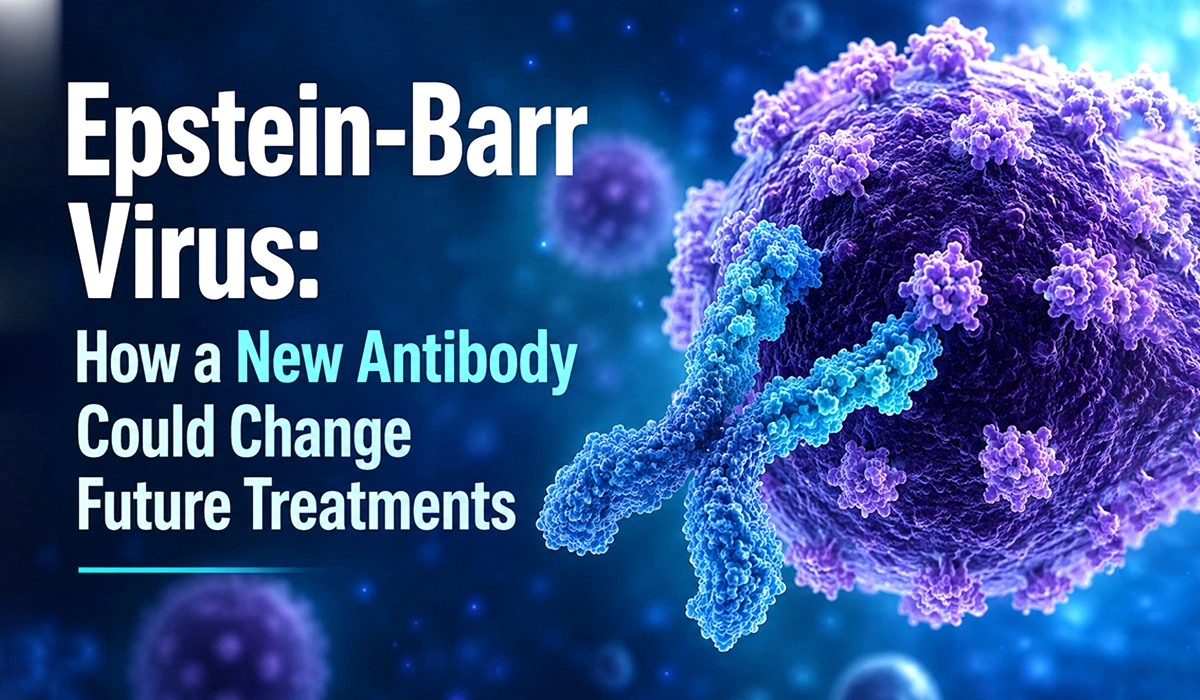
A new antibody for Epstein-Barr Virus treatment could potentially stop the virus from entering healthy cells.
This targeted approach may reduce damage to healthy tissues.
How Could a New Antibody Change Future Treatments?
Scientists believe antibody therapies may improve several areas of care.
Potential benefits include:
- Better immune targeting
- Reduced viral activity
- Lower inflammation
- Fewer long-term complications
Researchers hope these therapies may eventually help patients with severe EBV-related illnesses.
The Link Between Epstein-Barr Virus and Cancer
One of the most important areas of EBV research involves cancer.
Studies show EBV may play a role in:
- Hodgkin lymphoma
- Burkitt lymphoma
- Stomach cancer
- Nasopharyngeal carcinoma
Scientists are studying whether new antibody therapy for Epstein-Barr Virus could help reduce cancer-related risks linked to chronic infection.
Why the Immune System Matters in EBV Treatment
The immune system is the body’s natural defense mechanism.
In healthy individuals, immunity often keeps EBV under control.
Problems may occur when:
- Immunity weakens
- Inflammation increases
- Viral reactivation occurs repeatedly
This explains why researchers are focusing on Epstein-Barr Virus and immune system disorders when developing future therapies.
Current Treatments for Epstein-Barr Virus
At present, there is no complete cure for EBV.
Most treatments focus on:
- Rest
- Hydration
- Fever management
- Immune support
Severe complications may require additional medical care.
This treatment gap is one reason scientists are excited about future treatments for Epstein-Barr Virus.
How New Antibody Research Works
Modern antibody research uses advanced biotechnology.
Scientists study:
- Viral proteins
- Immune responses
- Cell interactions
The goal is to create antibodies that:
- Block viral spread
- Reduce inflammation
- Support long-term immune protection
This research is still evolving, but early findings are promising.
Could Antibody Therapy Help Autoimmune Diseases?
Some experts believe EBV may influence autoimmune conditions.
Research is exploring links between EBV and:
- Lupus
- Multiple sclerosis
- Rheumatoid arthritis
If EBV contributes to immune dysfunction, targeted antibodies may help reduce disease triggers.
This makes Epstein-Barr Virus antibody research important beyond infectious disease treatment alone.
Challenges in Developing EBV Antibody Treatments
Despite progress, several challenges remain.
Researchers still need to determine:
- Long-term safety
- Treatment effectiveness
- Best dosage strategies
- Cost and accessibility
Clinical trials are essential before these therapies become widely available.
Global Interest in Epstein-Barr Virus Research
Interest in EBV research is growing worldwide.
Countries including:
- United States
- India
- United Kingdom
- Japan
are investing in advanced virus and immunity research programs.
Healthcare experts believe future therapies may help millions of people globally.
The Future of Epstein-Barr Virus Treatment
The future of EBV care may include:
- Targeted antibodies
- Personalized medicine
- Immune-based therapies
- Preventive vaccines
Scientists are optimistic that antibody innovations may change how EBV-related diseases are managed in the coming years.
Lifestyle Habits That Support Immune Health
While research continues, healthy lifestyle habits remain important.
Daily habits that support immunity:
- Balanced nutrition
- Regular sleep
- Stress management
- Hydration
- Physical activity
Strong immunity may help the body manage viral infections more effectively.
Internal Health Guides
You may also like:
- Understanding Immune System Health
- The Role of Vitamins in Long-Term Wellness
- Early Signs of Chronic Inflammation
Conclusion
Understanding Epstein-Barr Virus: how a new antibody could change future treatments highlights how modern science is reshaping infectious disease care.
While EBV remains extremely common worldwide, new antibody-based therapies may offer more precise and effective ways to manage chronic infections and related complications.
From cancer research to immune health, the future of EBV treatment looks increasingly promising.
As science evolves, awareness, prevention, and early medical guidance remain essential for long-term wellness.