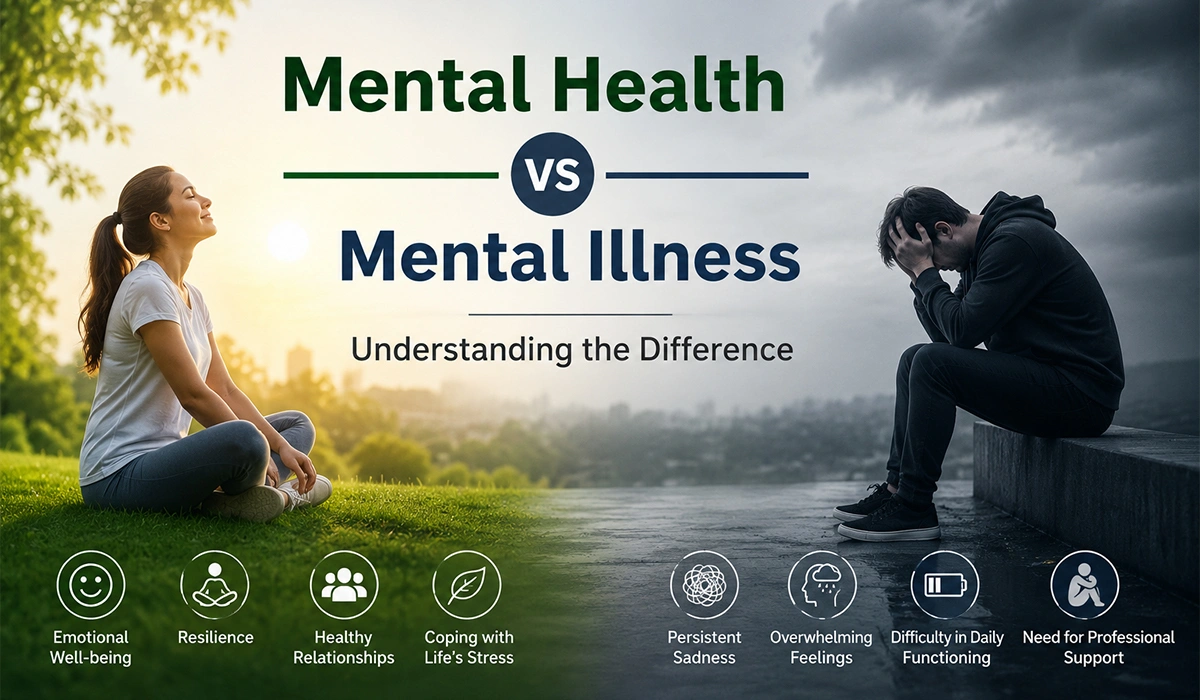
Mental Health vs Mental Illness: Understanding the Difference

Imagine waking up feeling exhausted, anxious, or overwhelmed after a stressful week at work. Does that mean you have a mental illness? Not necessarily.

Every person experiences emotional ups and downs. Feeling stressed before an exam, grieving after losing a loved one, or feeling anxious during major life changes is part of being human. However, when emotional, behavioral, or psychological changes become persistent and significantly affect daily life, they may indicate a mental illness.

One of the biggest misconceptions today is that mental health and mental illness mean the same thing. They don’t.

Understanding this difference helps reduce stigma, encourages early support, and empowers people to care for their emotional well-being before problems become severe.

This guide explains everything you need to know about Mental Health vs Mental Illness, including definitions, differences, symptoms, myths, treatments, prevention strategies, and practical ways to maintain better mental well-being.

What Is Mental Health?

Mental health refers to a person’s emotional, psychological, and social well-being. It affects how people think, feel, make decisions, manage stress, and build relationships.

Understanding Mental Health

Just as physical health changes throughout life, mental health also exists on a spectrum.

Good mental health allows people to:

  • Handle everyday stress
  • Build healthy relationships
  • Make thoughtful decisions
  • Stay productive
  • Adapt to life’s challenges
  • Enjoy life

Having good mental health doesn’t mean feeling happy all the time. It means having the resilience to recover from setbacks and manage emotions effectively.

Example

A student may feel nervous before exams but still attend classes, study effectively, and maintain friendships. This reflects healthy mental functioning despite temporary stress.

What Is Mental Illness?

Mental illness refers to diagnosable medical conditions that significantly affect a person’s thinking, mood, emotions, or behavior and often require professional treatment.

Understanding Mental Illness

Mental illnesses vary in severity and duration.

Some are temporary.

Others require lifelong management.

Common examples include:

  • Depression
  • Anxiety disorders
  • Bipolar disorder
  • Obsessive-compulsive disorder (OCD)
  • Schizophrenia
  • Eating disorders
  • Post-traumatic stress disorder (PTSD)

Mental illness is not caused by weakness or lack of willpower.

It results from a combination of:

  • Genetics
  • Brain chemistry
  • Trauma
  • Environment
  • Life experiences
  • Medical conditions

Mental Health vs Mental Illness: What’s the Difference?

Everyone has mental health, but not everyone has a mental illness.

Mental health refers to overall emotional well-being, while mental illness is a diagnosable condition that affects mental functioning.

Mental HealthMental Illness
Everyone has itNot everyone experiences it
Changes dailyMedical diagnosis
Can be positive or poorUsually requires professional care
Focuses on emotional wellnessFocuses on disorders
Can improve through lifestyleOften requires therapy, medication, or both

Think of it this way:

Physical health is to the body what mental health is to the mind.

Just as someone can have poor physical health without a disease, someone can experience poor mental health without having a mental illness.

Can Someone Have Poor Mental Health Without Mental Illness?

Yes.

People may experience poor mental health due to stress, burnout, grief, financial pressure, or relationship problems without meeting the criteria for a mental illness.

Common situations include:

  • Work stress
  • Examination anxiety
  • Divorce
  • Job loss
  • Caregiver fatigue
  • Lack of sleep
  • Financial concerns

Improving sleep, exercise, social support, and stress management often restores emotional well-being.

Can Someone with Mental Illness Have Good Mental Health?

Yes.

With proper treatment and support, many people with mental illness live healthy, productive, and fulfilling lives.

Recovery may include:

  • Therapy
  • Medication
  • Lifestyle improvements
  • Family support
  • Workplace accommodations
  • Community engagement

Mental illness does not define a person’s abilities or future.

Common Signs of Poor Mental Health

Watch for changes such as:

  • Feeling overwhelmed
  • Constant stress
  • Low motivation
  • Sleep disturbances
  • Difficulty concentrating
  • Mood swings
  • Social withdrawal
  • Irritability
  • Reduced productivity

Early recognition often prevents more serious problems.

Common Symptoms of Mental Illness

Symptoms vary depending on the condition but may include:

  • Persistent sadness
  • Excessive anxiety
  • Panic attacks
  • Hallucinations
  • Delusions
  • Extreme mood changes
  • Self-harm thoughts
  • Significant appetite changes
  • Loss of interest in activities
  • Difficulty functioning at work or school

If symptoms last for several weeks or interfere with daily life, professional evaluation is recommended.

What Causes Mental Illness?

Mental illness usually develops from multiple interacting factors rather than a single cause.

Common contributing factors include:

Biological

  • Genetics
  • Brain chemistry
  • Hormonal changes

Psychological

  • Childhood trauma
  • Abuse
  • Chronic stress

Environmental

  • Poverty
  • Family conflict
  • Social isolation
  • Substance misuse

Medical

  • Chronic illnesses
  • Neurological disorders
  • Certain medications

Understanding these factors helps reduce stigma and promotes compassion.

How to Maintain Good Mental Health

Maintaining mental health is an ongoing process.

Helpful habits include:

  • Getting enough sleep
  • Exercising regularly
  • Eating a balanced diet
  • Managing stress
  • Staying socially connected
  • Practicing mindfulness
  • Limiting alcohol and substance use
  • Seeking support when needed

Small, consistent habits often have the greatest long-term impact.

When Should You Seek Professional Help?

Consider consulting a mental health professional if:

  • Symptoms persist for more than two weeks.
  • Daily functioning becomes difficult.
  • Relationships are affected.
  • You experience panic attacks.
  • Anxiety feels uncontrollable.
  • You lose interest in everyday activities.
  • You have thoughts of self-harm or suicide.

Seeking help early often leads to better outcomes.

Common Myths About Mental Health and Mental Illness

MythReality
Mental illness is rareMillions of people experience mental illnesses worldwide.
Mental illness means weaknessMental illnesses are medical conditions.
Therapy is only for severe problemsTherapy benefits many people dealing with stress, anxiety, and life transitions.
Children don’t experience mental illnessMental health conditions can affect people of all ages.
Recovery isn’t possibleMany individuals recover or effectively manage their conditions with treatment.

Treatment Options for Mental Illness

Treatment depends on the diagnosis and individual needs.

Common approaches include:

Psychotherapy

Talking therapies such as cognitive behavioral therapy (CBT) help people identify and change unhelpful thought patterns.

Medication

Certain mental illnesses may benefit from prescription medications prescribed by qualified healthcare professionals.

Lifestyle Changes

  • Exercise
  • Healthy nutrition
  • Better sleep
  • Stress management
  • Mindfulness practices

Support Systems

Family, friends, support groups, schools, and workplaces all contribute to recovery.

Why Reducing Stigma Matters

Stigma often prevents people from asking for help.

Supportive conversations encourage:

  • Earlier diagnosis
  • Better treatment outcomes
  • Stronger relationships
  • Greater workplace inclusion
  • Improved quality of life

Simple acts of listening without judgment can make a meaningful difference.

Practical Tips to Support Someone Struggling

If someone you know is experiencing mental health challenges:

  • Listen without interrupting.
  • Avoid criticism.
  • Encourage professional support.
  • Stay connected.
  • Respect privacy.
  • Learn about their condition.
  • Offer practical help.

Support is often more powerful than advice.

Mental Health vs Mental Illness: Key Takeaways

  • Everyone has mental health.
  • Not everyone experiences mental illness.
  • Poor mental health can improve with healthy habits.
  • Mental illness is a medical condition requiring appropriate care.
  • Early support improves recovery.
  • Mental well-being deserves the same attention as physical health.

Understanding the difference helps create healthier individuals, families, schools, workplaces, and communities.

Mental Health vs Mental Illness Frequently Asked Questions

Is mental health the same as mental illness?

No. Mental health refers to overall emotional and psychological well-being, while mental illness refers to diagnosable mental health conditions.

Can stress cause mental illness?

Chronic stress can increase the risk of mental illness, especially when combined with other biological or environmental factors.

Can mental illness be cured?

Some mental illnesses can resolve completely, while others are managed successfully through treatment and ongoing support.

Is anxiety always a mental illness?

No. Temporary anxiety is a normal human response. Persistent, excessive anxiety that interferes with daily life may indicate an anxiety disorder.

Can children develop mental illness?

Yes. Mental health conditions can affect children, adolescents, adults, and older adults.

How can I improve my mental health?

Healthy sleep, regular physical activity, balanced nutrition, stress management, social support, and seeking professional help when needed all contribute to better mental health.

What is the first step if I think I have a mental illness?

Speak with a qualified healthcare professional or mental health specialist for an accurate assessment and guidance

Conclusion

Mental health and mental illness are closely related but not the same. Every person has mental health, and caring for it is just as important as caring for physical health. Recognizing the difference between everyday emotional challenges and diagnosable mental health conditions empowers individuals to seek timely support, reduce stigma, and build healthier communities.

Whether you’re supporting yourself or someone you care about, remember that seeking help is a sign of strength—not weakness. With greater awareness, compassion, and access to appropriate care, people can improve their mental well-being and lead meaningful, fulfilling lives.
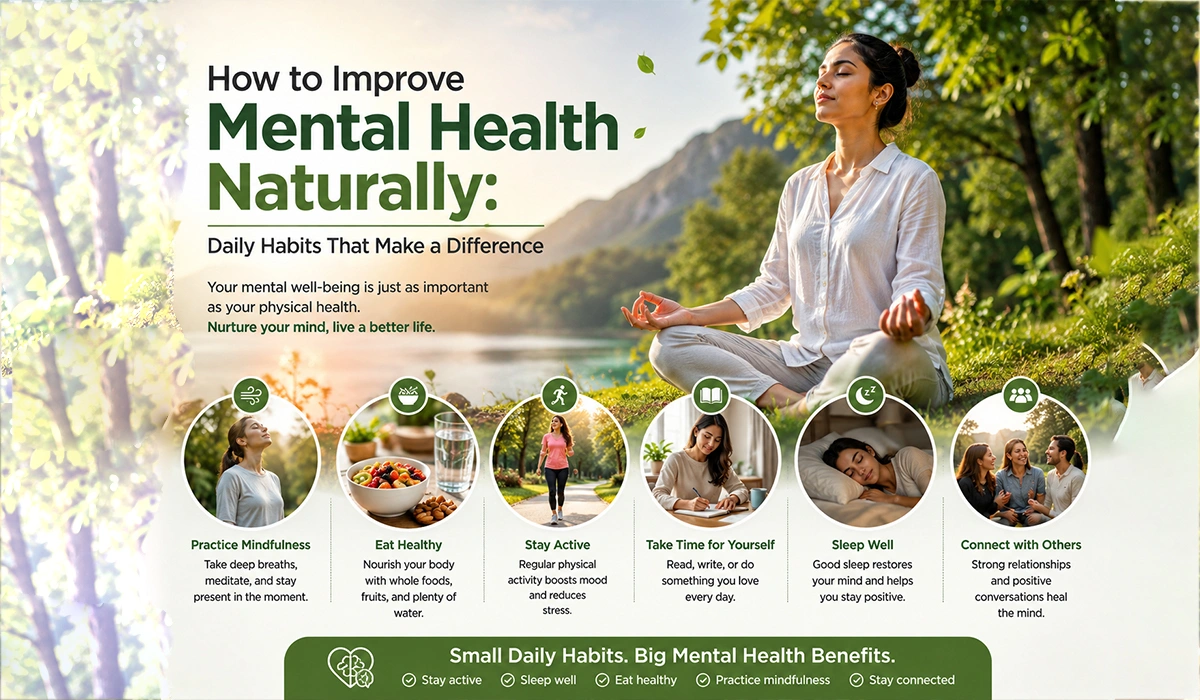
How to Improve Mental Health Naturally: Daily Habits That Make a Difference

Introduction: Small Daily Choices Can Change Your Mental Health

Imagine waking up every morning feeling overwhelmed before your day has even begun. Your phone is full of notifications, work deadlines are piling up, and personal responsibilities never seem to end. For millions of people, this has become a daily reality.

The good news is that improving mental health doesn’t always require dramatic life changes. Often, the most meaningful improvements come from simple habits practiced consistently.

Mental health is just as important as physical health. It affects how we think, feel, make decisions, build relationships, and handle stress. While professional support is essential for many mental health conditions, everyday lifestyle choices can play a powerful role in improving emotional well-being.

In this comprehensive guide, you’ll learn practical, research-backed ways to improve mental health naturally through daily habits that support a happier, healthier, and more balanced life.

What Does Mental Health Mean?

Mental health refers to emotional, psychological, and social well-being. It influences how we think, manage emotions, cope with stress, build relationships, and make decisions.

Why It Matters

Good mental health helps people:

  • Handle everyday challenges
  • Build healthy relationships
  • Stay productive
  • Make informed decisions
  • Enjoy life more fully

Poor mental health may affect sleep, concentration, physical health, work performance, and relationships.

Why Natural Habits Matter for Mental Well-Being

Healthy daily habits create a strong foundation for emotional resilience by supporting brain function, reducing stress hormones, and improving overall physical health.

Daily habits influence:

  • Brain chemistry
  • Hormone balance
  • Sleep quality
  • Energy levels
  • Emotional resilience

Natural lifestyle improvements complement—not replace—professional treatment when needed.

Signs Your Mental Health May Need Attention

Everyone experiences difficult days, but ongoing symptoms deserve attention.

Common signs include:

  • Constant stress
  • Feeling anxious frequently
  • Persistent sadness
  • Loss of motivation
  • Poor concentration
  • Irritability
  • Sleep problems
  • Fatigue
  • Social withdrawal
  • Loss of interest in hobbies

Early recognition often leads to better outcomes.

Daily Habit #1: Prioritize Quality Sleep

Adults generally benefit from 7–9 hours of quality sleep each night to support emotional balance and cognitive function.

Why Sleep Matters

Poor sleep increases:

  • Stress
  • Anxiety
  • Mood swings
  • Irritability
  • Poor decision-making

Better sleep supports:

  • Memory
  • Emotional regulation
  • Productivity
  • Immune function

Practical Tips

  • Sleep at the same time daily
  • Avoid caffeine late in the day
  • Reduce screen time before bed
  • Keep your bedroom cool and quiet
  • Follow a relaxing bedtime routine

Daily Habit #2: Exercise Regularly

Physical activity naturally boosts endorphins, reduces stress, and improves mood.

Exercise benefits include:

  • Reduced anxiety
  • Better focus
  • Increased confidence
  • Improved sleep
  • Higher energy

Recommended Activities

ActivityDuration
Walking30 minutes
Yoga20–40 minutes
Cycling30 minutes
Swimming30 minutes
Dancing30 minutes

Consistency matters more than intensity.

Daily Habit #3: Eat a Brain-Healthy Diet

Nutritious foods support healthy brain function and emotional well-being.

Include:

  • Fresh fruits
  • Vegetables
  • Whole grains
  • Lean proteins
  • Nuts
  • Seeds
  • Healthy fats

Limit:

  • Sugary drinks
  • Processed foods
  • Excess alcohol
  • Highly refined snacks

Hydration also plays an important role in mental performance.

Daily Habit #4: Practice Mindfulness

Mindfulness means paying attention to the present moment without judgment.

Benefits include:

  • Lower stress
  • Better concentration
  • Improved emotional awareness
  • Reduced anxiety

Simple mindfulness exercises:

  • Deep breathing
  • Guided meditation
  • Body scans
  • Nature walks
  • Gratitude journaling

Just 10 minutes daily can make a noticeable difference.

Daily Habit #5: Build Meaningful Relationships

Strong social connections protect mental health.

Spend quality time with:

  • Family
  • Friends
  • Neighbours
  • Community groups

Healthy conversations reduce feelings of loneliness and provide emotional support during difficult times.

Daily Habit #6: Reduce Digital Overload

Constant notifications can increase stress and reduce attention.

Healthy digital habits include:

  • Screen-free mornings
  • Phone-free meals
  • Scheduled social media breaks
  • Digital detox weekends
  • Turning off unnecessary notifications

Replacing screen time with real-life experiences often improves mood.

Daily Habit #7: Spend Time in Nature

Research consistently shows that spending time outdoors benefits mental health.

Nature can help:

  • Lower stress hormones
  • Improve concentration
  • Reduce anxiety
  • Increase happiness

Simple ideas:

  • Walk in a local park
  • Garden
  • Watch sunrise
  • Visit green spaces
  • Sit outdoors during breaks

Daily Habit #8: Learn Stress Management Techniques

Stress cannot always be avoided, but it can be managed effectively.

Helpful strategies:

  • Deep breathing
  • Meditation
  • Time management
  • Exercise
  • Journaling
  • Relaxation techniques

Recognizing stress triggers helps you respond more calmly.

Daily Habit #9: Set Realistic Goals

Large goals often feel overwhelming.

Instead:

  • Break tasks into smaller steps.
  • Celebrate small wins.
  • Track progress.
  • Avoid perfectionism.

Small achievements improve confidence and motivation.

Daily Habit #10: Practice Gratitude Every Day

Gratitude shifts attention toward positive experiences.

Daily gratitude may improve:

  • Happiness
  • Optimism
  • Sleep
  • Relationships
  • Emotional resilience

Simple practice:

Write three things you’re grateful for every evening.

Daily Habit #11: Limit Negative Self-Talk

Everyone has an inner voice.

Replace:

❌ “I’m not good enough.”

With:

✔ “I’m learning and improving.”

Positive self-talk supports healthier emotional habits over time.

Daily Habit #12: Know When to Seek Professional Help

Natural habits are valuable, but professional care is equally important when symptoms become severe or persistent.

Seek help if you experience:

  • Ongoing depression
  • Panic attacks
  • Thoughts of self-harm
  • Severe anxiety
  • Difficulty functioning daily

Mental health professionals provide evidence-based care tailored to individual needs.

Comparison Table: Healthy Habits and Their Benefits

Daily HabitMental Health Benefit
Quality SleepEmotional balance
ExerciseBetter mood
Healthy DietBrain health
MindfulnessReduced stress
GratitudePositive thinking
Social ConnectionEmotional support
Nature ExposureLower anxiety
Digital DetoxBetter focus
Goal SettingMotivation
JournalingEmotional awareness

Common Myths About Mental Health

MythFact
Mental health only matters during illness.Mental health affects everyone.
Asking for help is weakness.Seeking help shows strength.
Exercise only benefits physical health.It supports mental health too.
Stress is always harmful.Manageable stress can build resilience.
Mental health problems disappear on their own.Early support often leads to better outcomes.

Practical Daily Mental Wellness Routine

Morning

  • Drink water
  • Stretch
  • Deep breathing
  • Healthy breakfast
  • Positive affirmation

Afternoon

  • Balanced lunch
  • Walk outdoors
  • Short mindfulness break

Evening

  • Family time
  • Light exercise
  • Gratitude journal
  • Screen-free bedtime
  • Sleep on schedule

Expert Tips for Long-Term Mental Well-Being

Mental wellness is built through consistency rather than perfection.

Experts recommend:

  • Maintain regular routines.
  • Stay physically active.
  • Prioritize sleep.
  • Eat nutritious foods.
  • Stay socially connected.
  • Continue learning.
  • Seek professional support when necessary.

Small daily actions often produce significant long-term improvements.

How to Improve Mental Health Naturally Frequently Asked Questions

How can I improve my mental health naturally?

Improving mental health naturally involves healthy habits such as regular exercise, quality sleep, balanced nutrition, mindfulness, stress management, and maintaining strong social connections.

Which foods support mental health?

Foods rich in omega-3 fatty acids, whole grains, vegetables, fruits, nuts, seeds, and lean proteins help support brain health and emotional well-being.

Can exercise reduce stress?

Yes. Regular physical activity helps release endorphins, improve mood, reduce stress, and support overall mental wellness.

How much sleep is good for mental health?

Most adults benefit from 7–9 hours of quality sleep each night for optimal emotional and cognitive health.

Does meditation really help anxiety?

Mindfulness meditation has been shown to reduce stress, improve emotional regulation, and support overall mental well-being when practiced consistently.

Can spending time outdoors improve mental health?

Yes. Nature exposure may reduce stress, improve mood, increase focus, and promote relaxation.

Is professional help necessary?

If symptoms become severe, persistent, or interfere with daily life, consulting a qualified mental health professional is strongly recommended.

Conclusion

Improving mental health naturally isn’t about making one dramatic change—it’s about building small, sustainable habits that support emotional and physical well-being over time. Prioritizing quality sleep, eating nutritious foods, staying active, practicing mindfulness, managing stress, and nurturing meaningful relationships can all contribute to a healthier mind and a more balanced life.

Every positive choice, no matter how small, brings you one step closer to better mental wellness. Start with one habit today, stay consistent, and remember that seeking professional support is an important part of caring for your mental health whenever it’s needed.

Common Mental Health Disorders: Signs, Symptoms, and Support

Imagine waking up every morning feeling overwhelmed, anxious, or emotionally drained without understanding why. You may still go to work, attend school, or spend time with family, but internally, you’re struggling. For millions of people worldwide, this is their daily reality.

Mental health is just as important as physical health, yet many people hesitate to talk about it because of stigma, fear, or lack of awareness. According to the World Health Organization (WHO), one in eight people globally lives with a mental health condition. In India, mental health disorders are becoming increasingly common due to changing lifestyles, work pressure, academic stress, financial concerns, and social challenges.

The good news is that most mental health disorders can be effectively managed with the right support, professional care, and healthy lifestyle habits. Early recognition and timely intervention can make a significant difference in improving quality of life.

This guide explains the most common mental health disorders, their warning signs, symptoms, causes, treatment options, and ways to support yourself or someone you care about.

What Are Common Mental Health Disorders?

Common mental health disorders are conditions that affect a person’s emotions, thoughts, behavior, and overall well-being. They can influence daily life, relationships, work performance, and physical health.

Mental health disorders are medical conditions—not personal weaknesses or character flaws. Like diabetes or high blood pressure, they require understanding, proper diagnosis, and appropriate treatment.

Examples include:

  • Anxiety Disorders
  • Depression
  • Bipolar Disorder
  • Obsessive-Compulsive Disorder (OCD)
  • Post-Traumatic Stress Disorder (PTSD)
  • Eating Disorders
  • Schizophrenia
  • Substance Use Disorders

Why Mental Health Matters

Mental health affects every aspect of life.

It influences:

  • Emotional well-being
  • Physical health
  • Decision-making
  • Relationships
  • Academic performance
  • Workplace productivity
  • Sleep quality
  • Overall happiness

Poor mental health may increase the risk of:

  • Heart disease
  • Diabetes
  • Hypertension
  • Substance misuse
  • Chronic pain
  • Reduced immunity

Taking care of mental health is an investment in overall health.

Most Common Mental Health Disorders

DisorderCommon SymptomsTypical Age of Onset
Anxiety DisordersExcessive worry, panic, fearChildhood to adulthood
DepressionSadness, fatigue, hopelessnessAny age
Bipolar DisorderMood swings between highs and lowsLate teens to early adulthood
OCDRepetitive thoughts and compulsive behaviorsAdolescence
PTSDFlashbacks, nightmares, anxietyAfter traumatic events
Eating DisordersAbnormal eating habitsTeen years
SchizophreniaHallucinations, delusionsLate adolescence
Substance Use DisorderDependence on alcohol or drugsAny age

Anxiety Disorders

Anxiety disorders involve excessive fear, nervousness, or worry that interferes with daily life.

Common Symptoms

  • Constant worrying
  • Restlessness
  • Racing thoughts
  • Rapid heartbeat
  • Sweating
  • Difficulty sleeping
  • Panic attacks
  • Trouble concentrating

Types of Anxiety Disorders

  • Generalized Anxiety Disorder (GAD)
  • Panic Disorder
  • Social Anxiety Disorder
  • Specific Phobias

Practical Example

A student may feel nervous before an exam. However, someone with an anxiety disorder experiences overwhelming fear even during normal daily activities.

Depression

Depression is more than feeling sad. It is a medical condition that affects mood, thinking, energy levels, and interest in everyday activities.

Symptoms

  • Persistent sadness
  • Loss of interest
  • Fatigue
  • Sleep problems
  • Appetite changes
  • Difficulty concentrating
  • Feelings of worthlessness
  • Thoughts of self-harm or suicide (in some cases)

Risk Factors

  • Family history
  • Chronic illness
  • Major life changes
  • Trauma
  • Hormonal changes

Professional treatment can significantly improve symptoms.

Bipolar Disorder

Bipolar disorder causes extreme mood changes that include emotional highs (mania or hypomania) and lows (depression).

Symptoms During Mania

  • Increased energy
  • Less need for sleep
  • Fast talking
  • Impulsive decisions
  • Overconfidence

Symptoms During Depression

  • Fatigue
  • Hopelessness
  • Low motivation
  • Poor concentration
  • Withdrawal from others

Treatment usually includes medication, psychotherapy, and long-term monitoring.

Obsessive-Compulsive Disorder (OCD)

OCD is characterized by recurring unwanted thoughts (obsessions) and repetitive behaviors (compulsions).

Common Obsessions

  • Fear of germs
  • Fear of making mistakes
  • Need for symmetry

Common Compulsions

  • Excessive hand washing
  • Checking locks repeatedly
  • Counting rituals
  • Repeating phrases

Treatment often combines Cognitive Behavioral Therapy (CBT) and medication.

Post-Traumatic Stress Disorder (PTSD)

PTSD may develop after experiencing or witnessing a traumatic event.

Symptoms include:

  • Flashbacks
  • Nightmares
  • Emotional numbness
  • Hypervigilance
  • Avoiding reminders of the event
  • Difficulty sleeping

Early psychological support can improve recovery.

Eating Disorders

Eating disorders affect both physical and mental health.

Examples include:

  • Anorexia Nervosa
  • Bulimia Nervosa
  • Binge Eating Disorder

Warning signs:

  • Extreme dieting
  • Fear of weight gain
  • Excessive exercise
  • Secretive eating
  • Rapid weight changes

These conditions require professional treatment involving doctors, dietitians, and mental health specialists.

Warning Signs That You Should Seek Professional Help

Consult a mental health professional if symptoms:

  • Last longer than two weeks
  • Affect work or school
  • Disrupt relationships
  • Cause sleep problems
  • Lead to substance misuse
  • Cause self-harm thoughts
  • Reduce quality of life

Early intervention often leads to better outcomes.

Treatment Options

Mental health disorders are treatable.

Treatment may include:

Psychotherapy

  • Cognitive Behavioral Therapy (CBT)
  • Interpersonal Therapy
  • Family Therapy
  • Mindfulness-Based Therapy

Medication

Depending on the diagnosis, healthcare professionals may prescribe medications such as antidepressants, anti-anxiety medicines, or mood stabilizers.

Lifestyle Changes

  • Regular exercise
  • Balanced nutrition
  • Quality sleep
  • Stress management
  • Meditation
  • Limiting alcohol and substance use
  • Social support

How to Support Someone with a Mental Health Disorder

If someone you know is struggling:

  • Listen without judgment.
  • Encourage professional help.
  • Stay connected.
  • Avoid dismissive comments.
  • Learn about their condition.
  • Respect their recovery journey.
  • Offer practical assistance when needed.

Small acts of kindness can make a meaningful difference.

Mental Health in India

Mental health awareness in India has grown significantly in recent years. However, stigma remains a barrier to seeking care.

Many hospitals, mental health clinics, psychologists, psychiatrists, and teleconsultation services are now available across major cities, including Delhi, Mumbai, Bengaluru, Chennai, Hyderabad, Kolkata, Pune, and Ahmedabad. Government initiatives and awareness campaigns are also encouraging people to seek timely support.

Tips for Maintaining Good Mental Health

  • Stay physically active.
  • Get 7–9 hours of sleep.
  • Practice mindfulness or meditation.
  • Build healthy relationships.
  • Eat a balanced diet.
  • Take breaks from digital devices.
  • Manage stress through hobbies.
  • Seek help when needed.
  • Avoid substance misuse.
  • Practice gratitude and self-care.

Conclusion

Mental health disorders are common, but they are also manageable with the right care, support, and treatment. Recognizing the signs early and seeking professional help can improve quality of life and overall well-being.

Whether you’re experiencing anxiety, depression, bipolar disorder, OCD, PTSD, or another mental health condition, remember that help is available. Recovery is a journey, and no one has to face it alone.

Raising awareness, reducing stigma, and encouraging open conversations can help create healthier families, workplaces, schools, and communities. Prioritizing mental health is an important step toward living a balanced and fulfilling life.

Understanding Mental Health: Why It Matters More Than Ever

Imagine waking up every morning feeling overwhelmed, exhausted, or anxious without knowing why. You smile at work, attend family gatherings, and continue your daily routine, yet something feels missing inside. Millions of people experience this every day, often without speaking about it.

Mental health is no longer a topic that should remain hidden behind closed doors. In today’s fast-paced world, where work pressure, financial responsibilities, social media, and personal expectations continue to grow, taking care of your mental well-being has become just as important as caring for your physical health.

Whether you live in a busy metropolitan city like Delhi or Mumbai, or a culturally rich city like Varanasi, mental health challenges can affect anyone regardless of age, profession, or background.

Understanding mental health is the first step toward living a healthier, happier, and more balanced life.

What Is Mental Health?

Mental health refers to a person’s emotional, psychological, and social well-being. It affects how we think, feel, make decisions, handle stress, build relationships, and respond to life’s challenges.

Detailed Explanation

Mental health is not simply the absence of mental illness. A mentally healthy person is capable of managing stress, maintaining meaningful relationships, making informed decisions, and contributing positively to society.

Just like physical fitness requires regular exercise and proper nutrition, mental wellness also requires consistent care and attention.

Good mental health helps people:

  • Think clearly
  • Manage emotions effectively
  • Build healthy relationships
  • Handle life’s challenges
  • Stay productive
  • Maintain overall well-being

Poor mental health, on the other hand, can impact every aspect of daily life, including work performance, education, family relationships, sleep quality, and physical health.

Why Mental Health Matters More Than Ever

Mental health influences every decision we make, every relationship we build, and every challenge we face. With increasing stress, digital overload, and changing lifestyles, maintaining good mental health has become essential for overall quality of life.

Why It Matters Today

Several factors have made mental health one of the most important public health concerns worldwide:

  • Increasing workplace stress
  • Academic pressure among students
  • Social media comparison
  • Financial uncertainty
  • Loneliness and social isolation
  • Lifestyle disorders
  • Sleep deprivation
  • Post-pandemic emotional challenges

Modern lifestyles often prioritize productivity while neglecting emotional well-being, leading to higher levels of stress, anxiety, and burnout.

Mental Health by the Numbers

Understanding the scale of mental health challenges highlights why awareness and early support are so important.

Global Mental Health FactsOverview
Mental health conditions affect millions of people worldwide.Mental health challenges are among the leading causes of disability globally.
Anxiety and depression are among the most common mental health conditions.They affect people of all ages and backgrounds.
Many people delay seeking help due to stigma or lack of awareness.Early support often leads to better outcomes.
Workplace stress continues to rise globally.Organizations are increasingly investing in employee mental well-being.

In India, awareness of mental health is growing, but access to professional care, especially in smaller cities and rural areas, still needs improvement. Cities such as Varanasi are seeing increasing awareness through healthcare professionals, educational institutions, and community initiatives.

Common Signs That Your Mental Health Needs Attention

Persistent changes in mood, sleep, energy, concentration, or behavior may indicate that your mental health needs attention. Seeking support early can make a meaningful difference.

Common Signs

  • Feeling anxious most of the time
  • Constant sadness or low mood
  • Difficulty concentrating
  • Poor sleep quality
  • Lack of motivation
  • Loss of interest in hobbies
  • Increased irritability
  • Feeling overwhelmed
  • Changes in appetite
  • Social withdrawal

Experiencing one or more of these symptoms does not automatically mean someone has a mental health disorder, but persistent symptoms should not be ignored.

Mental Health vs Physical Health

Many people separate mental health from physical health, but they are deeply connected.

Mental HealthPhysical Health
Affects thoughts and emotionsAffects body systems
Influences decision-makingInfluences physical functioning
Can impact sleep qualityPoor sleep affects mental wellness
Stress affects emotional balanceStress can increase blood pressure and fatigue
Healthy mind supports healthy habitsHealthy body supports mental resilience

Research consistently shows that people who maintain both physical and mental wellness often experience a better overall quality of life.

Why Talking About Mental Health Is Important

One of the biggest barriers to mental wellness is stigma. Many people hesitate to discuss emotional struggles because they fear being judged or misunderstood.

Open conversations can:

  • Reduce stigma
  • Encourage early intervention
  • Improve relationships
  • Increase awareness
  • Help people seek professional support sooner
  • Create healthier families, workplaces, and communities

Mental health is a part of everyone’s life. Asking for help is a sign of strength, not weakness.

Why Homemade Sugar-Free Foods Are Better for Your Health

Introduction

Imagine starting your morning with a freshly made smoothie sweetened with ripe bananas and dates instead of refined sugar. For lunch, you enjoy a homemade vegetable salad with a light lemon dressing, and in the evening, you prepare a bowl of roasted makhana seasoned with herbs instead of reaching for packaged snacks. These simple choices may seem small, but over time, they can have a meaningful impact on your health.

Today, many processed foods and beverages contain added sugars that often go unnoticed. From breakfast cereals and flavored yogurts to sauces and packaged snacks, sugar has become a common ingredient in everyday diets. While enjoying sweet foods occasionally is perfectly fine, regularly consuming high amounts of added sugar may contribute to weight gain, tooth decay, and increase the risk of certain chronic health conditions when combined with other lifestyle factors.

Homemade sugar-free foods offer a healthier alternative because they allow you to control ingredients, reduce unnecessary additives, and focus on wholesome nutrition. Whether you’re preparing meals for your family in Varanasi, Delhi, Mumbai, or anywhere else, cooking at home without added sugar can support a balanced lifestyle.

This guide explores why homemade sugar-free foods are a smart choice, their health benefits, practical cooking tips, and easy ways to make healthier meals every day.

What Are Homemade Sugar-Free Foods?

Homemade sugar-free foods are meals, snacks, or drinks prepared at home without adding refined or processed sugar. They may naturally contain sweetness from fruits, vegetables, or dairy while avoiding added sugars commonly found in processed foods.

Why It Matters

The term “sugar-free” in homemade cooking generally refers to no added refined sugar. Many natural foods, such as apples, bananas, and milk, contain naturally occurring sugars that are part of a balanced diet.

Examples include:

  • Fresh fruit smoothies
  • Oats with berries
  • Vegetable soups
  • Homemade yogurt with fruit
  • Roasted chickpeas
  • Whole-grain salads
  • Fresh coconut water
  • Lemon water without sugar

Why Is Added Sugar a Health Concern?

Eating too much added sugar may contribute to excess calorie intake and can make it harder to maintain a healthy weight and balanced diet. Reducing added sugar is one step toward supporting long-term health.

Many packaged foods contain sugar under different names, including:

  • Sucrose
  • Glucose syrup
  • High-fructose corn syrup
  • Maltose
  • Dextrose
  • Brown sugar
  • Cane sugar

People often consume more sugar than they realize because it is present in:

  • Soft drinks
  • Bakery products
  • Flavored beverages
  • Breakfast cereals
  • Packaged fruit juices
  • Ice creams
  • Biscuits
  • Sauces and condiments

Homemade vs Packaged Sugar-Containing Foods

FeatureHomemade Sugar-Free FoodsPackaged Sweet Foods
Added SugarUsually noneOften high
PreservativesMinimal or noneCommon
Artificial FlavoursRareFrequently added
Ingredient ControlCompleteLimited
FreshnessHighDepends on shelf life
Nutritional QualityCan be tailoredVaries by product
Cost Over TimeOften economicalMay be more expensive

Preparing food at home gives you greater control over ingredients, portion sizes, and cooking methods.

Top Health Benefits of Homemade Sugar-Free Foods

1. Better Weight Management

Reducing added sugar may help lower excess calorie intake, making it easier to maintain a healthy weight when combined with balanced eating and regular physical activity.

Homemade meals often include:

  • Whole grains
  • Fresh vegetables
  • Lean protein
  • Healthy fats
  • Fiber-rich ingredients

These foods can help you feel satisfied for longer.

2. Supports Better Dental Health

Sugar feeds bacteria in the mouth that produce acids capable of damaging tooth enamel. Choosing homemade meals and limiting sugary snacks can support good oral hygiene alongside regular brushing and dental check-ups.

3. Better Ingredient Quality

One of the biggest advantages of cooking at home is knowing exactly what goes into your food.

You can avoid unnecessary:

  • Artificial colours
  • Preservatives
  • Excess sodium
  • Artificial flavours
  • Trans fats
  • Added sugars

Instead, you can use:

  • Fresh vegetables
  • Seasonal fruits
  • Whole grains
  • Lentils
  • Nuts
  • Seeds
  • Herbs and spices

4. More Balanced Nutrition

Homemade meals make it easier to include a variety of nutrient-rich foods, such as:

  • Leafy greens
  • Whole grains
  • Pulses
  • Fresh fruits
  • Dairy or fortified alternatives
  • Healthy oils in moderation

This helps create a more balanced diet that supports overall well-being.

Natural Ways to Add Sweetness Without Refined Sugar

If you enjoy sweet flavors, you can use naturally sweet ingredients instead of refined sugar in many recipes.

Some popular options include:

  • Ripe bananas
  • Dates
  • Apples
  • Pears
  • Raisins
  • Figs
  • Mango (seasonally)
  • Cinnamon for flavor enhancement
  • Vanilla extract
  • Unsweetened coconut

Remember that these ingredients still contain natural sugars, so portion size remains important.

Homemade Sugar-Free Breakfast Ideas

A healthy breakfast sets the tone for the day. Try options such as:

  • Oats topped with fresh berries and nuts
  • Vegetable poha with peanuts
  • Besan chilla with mint chutney
  • Plain yogurt with sliced fruit
  • Moong dal cheela
  • Sprout salad
  • Vegetable upma
  • Smoothie made with banana, spinach, and milk or a fortified plant-based drink

These meals provide fiber, protein, vitamins, and minerals without relying on added sugar.

Healthy Sugar-Free Snack Ideas

Instead of processed snacks, consider:

  • Roasted makhana
  • Roasted chana
  • Mixed nuts (unsalted)
  • Fresh fruit
  • Cucumber and carrot sticks
  • Homemade hummus
  • Boiled corn
  • Fruit chaat
  • Homemade vegetable soup

These options are easy to prepare and can help satisfy hunger between meals.E

Why Homemade Foods Are Popular in India

Across cities like Varanasi, families have long prepared traditional meals using fresh ingredients from local markets. Seasonal vegetables, lentils, whole grains, and fruits remain an important part of many regional cuisines.

Simple home-cooked dishes such as dal, sabzi, millet rotis, khichdi, and fresh salads naturally contain little or no added sugar, making them a nutritious foundation for everyday meals.

Buying fresh produce from local vendors also supports regional agriculture while encouraging healthier eating habits.

Practical Tips for Reducing Added Sugar

Making gradual changes is often more sustainable than eliminating sugar overnight. Here are a few practical tips:

  • Read nutrition labels and ingredient lists.
  • Choose plain yogurt instead of sweetened varieties.
  • Drink water or unsweetened beverages instead of sugary drinks.
  • Prepare snacks at home when possible.
  • Use fruit to add natural sweetness to recipes.
  • Limit packaged desserts and confectionery.
  • Cook more meals from scratch using fresh ingredients.

Conclusion

Homemade sugar-free foods are more than just a dietary trend—they’re a practical way to take greater control of your nutrition. By preparing meals at home with fresh, minimally processed ingredients and reducing added sugars, you can support healthier eating habits for yourself and your family.

Rather than aiming for perfection, focus on making small, consistent changes. Swapping one sugary snack for fresh fruit, preparing a homemade breakfast, or choosing water instead of a sweetened beverage are simple steps that can add up over time.

A balanced diet, regular physical activity, adequate sleep, and routine health check-ups all play important roles in overall wellness. Homemade meals can be a valuable part of that healthy lifestyle.

Disclaimer: This article is for educational purposes only and should not replace personalized medical or dietary advice. If you have diabetes, kidney disease, or another medical condition requiring dietary modifications, consult a qualified healthcare professional or registered dietitian before making significant changes to your eating pattern.

How to Make Sugar-Free Desserts at Home Using Natural Ingredients

Introduction

Imagine enjoying your favorite dessert without worrying about excessive sugar, empty calories, or blood sugar spikes. Sounds impossible? Fortunately, it isn’t.

Many traditional desserts rely on refined sugar for sweetness, but today’s health-conscious families are discovering that delicious treats can be made using naturally sweet ingredients such as fruits, dates, jaggery, raisins, and pure honey. These ingredients not only add flavor but also provide vitamins, minerals, fiber, and antioxidants that refined sugar lacks.

Whether you’re trying to reduce sugar intake, support better overall health, or simply enjoy wholesome homemade recipes, learning to prepare sugar-free desserts is a smart step toward a healthier lifestyle.

In cities like Varanasi and across India, many households are returning to traditional ingredients and homemade recipes that celebrate natural sweetness. This guide will show you how to create tasty sugar-free desserts using simple ingredients commonly found in Indian kitchens.

What Are Sugar-Free Desserts?

Sugar-free desserts are sweet dishes made without refined white sugar. Instead, they use natural sweeteners such as fruits, dates, jaggery, raisins, honey (where appropriate), or unsweetened fruit purees to provide sweetness while enhancing nutritional value.

Unlike commercially processed sweets, homemade sugar-free desserts allow you to control ingredients and reduce unnecessary additives.

Why Choose Homemade Sugar-Free Desserts?

Many packaged desserts contain:

  • Refined sugar
  • Artificial flavors
  • Preservatives
  • Hydrogenated fats
  • Artificial colors

Preparing desserts at home gives you complete control over the ingredients.

Benefits include:

✔ Better ingredient quality

✔ No artificial preservatives

✔ Less processed food

✔ Higher fiber content

✔ Rich in natural vitamins and minerals

✔ Easy to customize for family preferences

Natural Ingredients That Add Sweetness

Instead of refined sugar, try these naturally sweet options:

Natural IngredientBest Used InNutritional Benefit
DatesEnergy balls, puddingsFiber, potassium, iron
BananaCakes, pancakes, smoothiesPotassium, vitamin B6
Apple PureeMuffins, browniesNatural sweetness, fiber
RaisinsCookies, barsIron and antioxidants
FigsEnergy bitesCalcium and fiber
JaggeryTraditional Indian sweetsContains small amounts of minerals
Honey*Dressings, yogurt, some dessertsNatural sweetness (not suitable for infants under 1 year)
CoconutLaddoos, puddingsHealthy fats and flavor

Honey is still a form of sugar and should be consumed in moderation.

Best Homemade Sugar-Free Dessert Ideas

1. Date and Nut Energy Balls

Ingredients

  • Soft dates
  • Almonds
  • Cashews
  • Pistachios
  • Coconut powder
  • Cardamom

Blend everything together, roll into small balls, and refrigerate.

Why it’s healthy:

  • No refined sugar
  • Rich in healthy fats
  • High in fiber
  • Convenient snack

2. Banana Oat Pancakes

Ingredients:

  • Ripe banana
  • Oats
  • Eggs or plant-based alternative
  • Cinnamon

Naturally sweet and ideal for breakfast or dessert.

3. Chia Seed Pudding

Mix:

  • Chia seeds
  • Unsweetened milk
  • Fresh mango
  • Strawberries
  • Kiwi
  • Almonds

Refrigerate overnight for a creamy dessert rich in omega-3 fatty acids and fiber.

4. Fruit Yogurt Bowl

Combine:

  • Plain yogurt
  • Seasonal fruits
  • Walnuts
  • Pumpkin seeds
  • Flax seeds

A refreshing dessert packed with protein and probiotics.

5. Baked Apple with Cinnamon

Core an apple, sprinkle cinnamon, and bake until soft.

Top with chopped nuts for added texture.

Sugar-Free vs Refined Sugar Desserts

FeatureHomemade Sugar-FreeTraditional Desserts
Refined SugarNoUsually Yes
Artificial ColorsRarelyOften
PreservativesNoSometimes
FiberHigherLower
Nutritional ValueBetterLower
CustomizableYesLimited

Tips for Making Healthy Sugar-Free Desserts

Use Ripe Fruits

Naturally ripe fruits provide more sweetness without added sugar.

Include Healthy Fats

Add:

  • Almonds
  • Walnuts
  • Pistachios
  • Peanuts
  • Seeds

These improve texture and help you feel full.

Choose Whole Grains

Replace refined flour with:

  • Oats
  • Whole wheat flour
  • Almond flour
  • Millet flour

Add Natural Flavors

Instead of extra sweeteners, use:

  • Cinnamon
  • Cardamom
  • Vanilla
  • Nutmeg
  • Cocoa powder

These ingredients enhance flavor naturally.

Common Mistakes to Avoid

  • Adding too much honey or jaggery
  • Assuming “natural” means unlimited portions
  • Using sweetened packaged yogurt
  • Buying processed “sugar-free” products with artificial additives without reading labels
  • Ignoring portion sizes

Moderation is important, even when using natural ingredients.

Are Sugar-Free Desserts Suitable for Everyone?

Homemade desserts made with natural ingredients can fit into many balanced eating patterns, but individual needs vary.

People with diabetes, kidney disease, food allergies, or other medical conditions should seek personalized advice from a healthcare professional or registered dietitian before making significant dietary changes.

Healthy Dessert Ideas Using Seasonal Indian Fruits

India offers a variety of fruits that can naturally sweeten desserts throughout the year.

Summer

  • Mango
  • Watermelon
  • Muskmelon
  • Litchi

Monsoon

  • Pear
  • Plum
  • Jamun

Winter

  • Apple
  • Orange
  • Guava
  • Strawberry

Using seasonal fruits can improve flavor and support a varied diet.

Healthy Eating Tips for Families in Varanasi

Families in Varanasi can prepare nutritious desserts using locally available ingredients such as bananas, guava, dates, jaggery, roasted gram, peanuts, and fresh dairy products. Local markets often provide fresh seasonal produce that can be incorporated into wholesome homemade recipes.

Preparing desserts at home also encourages mindful eating and allows children to become familiar with healthier ingredients from an early age.

Frequently Asked Questions

Can I make desserts without refined sugar?

Yes. Natural ingredients such as dates, bananas, apples, raisins, and seasonal fruits can provide sweetness without using refined white sugar.

Is jaggery healthier than white sugar?

Jaggery contains small amounts of minerals, but it is still a source of sugar. It should be consumed in moderation as part of a balanced diet.

Which fruits are best for naturally sweet desserts?

Bananas, dates, mangoes, apples, pears, figs, berries, and ripe papaya are popular choices for homemade desserts.

Can children enjoy homemade sugar-free desserts?

Many homemade desserts prepared with wholesome ingredients can be suitable for children. Choose age-appropriate ingredients and consult a healthcare professional if your child has allergies or specific nutritional needs.

Are homemade desserts better than packaged sweets?

Homemade desserts allow better control over ingredients and can reduce the use of preservatives, artificial flavors, and excess added sugar compared with many packaged products.

Conclusion

Making sugar-free desserts at home using natural ingredients is a simple and enjoyable way to support healthier eating habits. By replacing refined sugar with naturally sweet foods like fruits, dates, and nuts, you can create delicious treats that are flavorful and nourishing.

Remember, no single food guarantees good health. A balanced diet, regular physical activity, adequate sleep, and mindful portion sizes all contribute to long-term wellness. Whether you’re preparing desserts for your family in Varanasi or anywhere else in the world, choosing wholesome ingredients is a meaningful step toward a healthier lifestyle.

Start with one recipe today, experiment with seasonal fruits and natural flavors, and discover how satisfying homemade sugar-free desserts can be.

Healthy Homemade Drinks Without Added Sugar You Can Enjoy Every Day

Imagine coming home on a hot afternoon and reaching for a chilled drink. Many packaged beverages promise refreshment, but they often contain hidden sugars, artificial flavors, and preservatives. While they may taste good, drinking them regularly can increase your daily sugar intake without providing much nutritional value.

The good news is that you don’t need sugary soft drinks or packaged juices to stay refreshed. Your kitchen already has many ingredients that can be transformed into delicious, naturally flavored beverages without adding refined sugar.

Healthy homemade drinks made with fruits, vegetables, herbs, spices, and dairy alternatives offer hydration, essential nutrients, and refreshing flavors. Whether you’re looking to improve your lifestyle, support your fitness goals, or simply enjoy healthier beverages, these drinks are excellent additions to your daily routine.

This guide explores the best homemade drinks without added sugar, their benefits, easy recipes, and practical tips to help you make healthier choices every day.

What Are Healthy Homemade Drinks Without Added Sugar?

Healthy homemade drinks without added sugar are beverages prepared using natural ingredients such as fresh fruits, vegetables, herbs, spices, yogurt, coconut water, or infused water without adding refined sugar, syrups, or artificial sweeteners.

These drinks provide hydration while supplying vitamins, minerals, antioxidants, and natural flavors.

Why Should You Avoid Added Sugar?

Many people consume far more added sugar than they realize.

Added sugar is commonly found in:

  • Soft drinks
  • Energy drinks
  • Packaged fruit juices
  • Flavored milk
  • Sweetened coffee
  • Sweetened tea
  • Sports drinks
  • Ready-to-drink beverages

Excess sugar intake has been linked to:

  • Weight gain
  • Higher calorie intake
  • Dental problems
  • Increased risk of type 2 diabetes
  • Heart disease
  • Fatty liver disease

Replacing sugary drinks with homemade alternatives is one of the easiest lifestyle changes you can make.

Benefits of Homemade Sugar-Free Drinks

Healthy homemade beverages provide several advantages.

Key Benefits

  • Better hydration
  • Naturally refreshing
  • Rich in vitamins and minerals
  • Free from preservatives
  • No artificial colors
  • No added refined sugar
  • Easy to prepare
  • Budget-friendly
  • Suitable for the whole family
  • Customizable to your taste

Best Healthy Homemade Drinks Without Added Sugar

1. Lemon Mint Water

Lemon mint water is one of the easiest homemade drinks for daily hydration.

Ingredients

  • 1 lemon
  • Fresh mint leaves
  • Cold water
  • Ice cubes

Benefits

  • Refreshing taste
  • Supports hydration
  • Naturally low in calories
  • Easy to prepare

2. Coconut Water

Fresh coconut water is naturally sweet and rich in electrolytes.

Benefits

  • Helps maintain hydration
  • Contains potassium
  • Refreshing after exercise
  • Naturally sugar-free (no added sugar)

3. Buttermilk (Chaas)

A traditional Indian drink that remains popular during summer.

Ingredients

  • Curd
  • Water
  • Roasted cumin
  • Mint
  • Coriander
  • Black salt (optional)

Benefits

  • Refreshing
  • Easy to digest
  • Supports hydration
  • Rich in probiotics

4. Green Smoothie

Blend:

  • Spinach
  • Cucumber
  • Apple
  • Mint
  • Water

No sugar required.

This drink provides vitamins, minerals, and fiber.

5. Fresh Vegetable Juice

Fresh vegetable juices can be prepared using:

  • Tomato
  • Carrot
  • Beetroot
  • Celery
  • Cucumber

Avoid adding sugar.

6. Watermelon Cooler

Blend chilled watermelon cubes with fresh mint and a squeeze of lemon.

No added sugar is necessary because watermelon already contains natural sweetness.

7. Cucumber Mint Cooler

This drink is especially refreshing during hot weather.

Ingredients include:

  • Cucumber
  • Mint
  • Lemon
  • Cold water

8. Ginger Lemon Drink

Fresh ginger and lemon create a refreshing beverage with bold flavor.

Serve chilled or warm.

9. Amla Drink

Indian gooseberry (Amla) is naturally rich in Vitamin C.

Blend:

  • Fresh amla
  • Water
  • Mint
  • Black pepper

No sugar needed.

10. Herbal Tea

Herbal teas can be enjoyed both hot and cold.

Popular choices include:

  • Chamomile
  • Hibiscus
  • Peppermint
  • Ginger
  • Tulsi

Comparison Table

DrinkBest ForMain IngredientAdded Sugar
Lemon WaterHydrationLemonNo
Coconut WaterElectrolytesCoconutNo
ButtermilkDigestionCurdNo
Green SmoothieNutritionSpinachNo
Amla DrinkVitamin CAmlaNo
Herbal TeaRelaxationHerbsNo
Watermelon CoolerSummerWatermelonNo
Cucumber CoolerHydrationCucumberNo

Tips for Making Healthy Homemade Drinks

  • Use fresh ingredients.
  • Avoid refined sugar.
  • Skip artificial syrups.
  • Add herbs for natural flavor.
  • Use seasonal fruits.
  • Drink immediately after preparation.
  • Store properly if needed.
  • Wash ingredients thoroughly.
  • Use clean drinking water.
  • Experiment with different combinations.

Common Mistakes to Avoid

Many homemade drinks become unhealthy because people unknowingly add too much sugar.

Avoid:

  • White sugar
  • Artificial syrups
  • Sweetened condensed milk
  • Sweetened fruit concentrates
  • Flavored creamers

Natural fruit sweetness is usually enough.

Frequently Asked Questions

Are homemade drinks healthier than packaged drinks?

In many cases, yes. Homemade drinks allow you to control the ingredients and avoid added sugars, artificial flavors, and preservatives.

Can I drink these beverages every day?

Most homemade sugar-free drinks can be enjoyed daily as part of a balanced diet, provided they are prepared hygienically and consumed in appropriate portions.

Which homemade drink is best during summer?

Lemon water, buttermilk, coconut water, cucumber cooler, and watermelon juice are popular choices for staying hydrated in hot weather.

Can children drink homemade sugar-free beverages?

Yes. Drinks prepared with fresh fruits, vegetables, yogurt, or herbs without added sugar can be suitable for children, depending on their age and dietary needs.

Do natural fruits contain sugar?

Yes. Fruits naturally contain sugars such as fructose, along with fiber, vitamins, minerals, and antioxidants, making them different from beverages with added refined sugar.

Conclusion

Making healthy homemade drinks without added sugar is one of the easiest ways to support a healthier lifestyle. Whether you choose refreshing lemon water, probiotic-rich buttermilk, nutrient-packed green smoothies, or naturally sweet coconut water, these beverages provide hydration and essential nutrients without relying on refined sugar.

By replacing sugary packaged drinks with fresh homemade alternatives, you can make a positive change for yourself and your family. Start with simple recipes, experiment with seasonal ingredients, and enjoy refreshing drinks that nourish your body naturally—one glass at a time.

10 Delicious Homemade Sugar-Free Snacks for a Healthier Lifestyle

Imagine it’s 4 PM. You’re hungry, your energy is dropping, and you reach for a packet of biscuits or a sugary snack. It feels satisfying for a moment—but soon, the energy crash follows.

What if you could enjoy delicious snacks that satisfy your cravings without added sugar?

Whether you’re trying to lose weight, manage diabetes, improve your family’s eating habits, or simply live healthier, homemade sugar-free snacks are a smart choice. They’re easy to prepare, budget-friendly, and packed with nutrients that help keep you energized throughout the day.

In India, especially in cities like Varanasi, where traditional homemade foods are still cherished, creating healthy snacks using local ingredients is easier than ever.

This guide shares 10 delicious homemade sugar-free snack ideas, their health benefits, preparation tips, and expert advice to help you snack smarter every day.

What Are Homemade Sugar-Free Snacks?

Homemade sugar-free snacks are foods prepared without adding refined sugar. They rely on naturally nutritious ingredients such as fruits, nuts, seeds, oats, yogurt, vegetables, and spices to provide flavor, fiber, protein, and essential nutrients.

Unlike processed packaged snacks, homemade options allow you to control ingredients and avoid unnecessary preservatives, artificial sweeteners, and excess calories.

Why Choose Sugar-Free Homemade Snacks?

Reducing added sugar offers several health benefits.

Benefits at a Glance

  • Supports healthy weight management
  • Helps maintain balanced energy levels
  • Supports healthy blood sugar levels
  • Rich in fiber and nutrients
  • Keeps you full for longer
  • Reduces processed food intake
  • Encourages mindful eating
  • Family-friendly and budget-friendly

Homemade vs Packaged Snacks

Homemade Sugar-Free SnacksPackaged Sugary Snacks
No refined sugarHigh added sugar
Fresh ingredientsPreservatives
High fiberLow fiber
Better nutritionEmpty calories
CustomizableFixed ingredients
Budget friendlyOften expensive

1. Roasted Mixed Nuts

Roasted almonds, walnuts, peanuts, and cashews make an excellent sugar-free snack.

Ingredients

  • Almonds
  • Walnuts
  • Peanuts
  • Pumpkin seeds
  • Sunflower seeds

Benefits

  • Rich in protein
  • Healthy fats
  • High fiber
  • Keeps you full

Preparation Tip: Dry roast for 5–7 minutes and store in an airtight container.

2. Greek Yogurt with Fresh Fruits

Plain yogurt paired with seasonal fruits creates a naturally sweet snack.

Add

  • Strawberries
  • Blueberries
  • Apple slices
  • Kiwi
  • Pomegranate

Why It Works

  • Protein-rich
  • Calcium source
  • Gut-friendly probiotics
  • Naturally sweet without refined sugar

3. Oats Energy Balls

These bite-sized snacks are perfect for busy mornings.

Ingredients

  • Rolled oats
  • Peanut butter
  • Chia seeds
  • Flaxseeds
  • Cinnamon

Roll into balls and refrigerate.

4. Sprouts Chaat

One of India’s healthiest snacks.

Ingredients

  • Green gram sprouts
  • Tomato
  • Onion
  • Cucumber
  • Lemon
  • Coriander
  • Black pepper

Rich in protein, vitamins, and fiber.

5. Vegetable Sticks with Hummus

Crunchy vegetables paired with hummus provide satisfying nutrition.

Best Vegetables

  • Carrot
  • Cucumber
  • Bell peppers
  • Celery

Hummus made from chickpeas adds protein and healthy fats.

6. Roasted Makhana (Fox Nuts)

A popular Indian superfood.

Season with:

  • Turmeric
  • Black pepper
  • Rock salt
  • Curry leaves

Benefits include:

  • Low calories
  • High protein
  • Rich minerals
  • Easy digestion

7. Chia Seed Pudding

Mix:

  • Chia seeds
  • Unsweetened milk
  • Cinnamon
  • Vanilla extract

Refrigerate overnight.

Top with berries or sliced almonds.

8. Peanut & Coconut Ladoo (No Sugar)

Instead of sugar, use naturally sweet dates if desired.

Ingredients:

  • Peanuts
  • Coconut
  • Cardamom
  • Dates (optional)

Perfect festive healthy snack.

9. Avocado Whole Wheat Toast

Simple yet filling.

Top whole wheat bread with mashed avocado.

Add:

  • Tomato
  • Pepper
  • Lemon
  • Chili flakes

Rich in healthy fats and fiber.

10. Fruit & Nut Trail Mix

Mix together:

  • Almonds
  • Pistachios
  • Pumpkin seeds
  • Unsweetened coconut flakes
  • Raisins (in moderation)

Ideal for travel or office snacks.

Which Snack Is Best?

SnackProteinFiberEasy to Make
Roasted Nuts★★★★★★★★★☆★★★★★
Yogurt Bowl★★★★☆★★★☆☆★★★★★
Sprouts Chaat★★★★★★★★★★★★★★☆
Makhana★★★☆☆★★★★☆★★★★★
Oats Balls★★★★☆★★★★☆★★★★☆

Healthy Snacking Tips

  • Read food labels carefully.
  • Avoid hidden sugars.
  • Prepare snacks in advance.
  • Drink enough water.
  • Choose seasonal fruits.
  • Include protein in every snack.
  • Control portion sizes.
  • Avoid sugary beverages.

Homemade Sugar-Free Snacks Frequently Asked Questions

1. What are sugar-free snacks?

Sugar-free snacks are foods prepared without added refined sugar while using naturally nutritious ingredients.

2. Are sugar-free snacks healthy?

They can be healthier when made with whole foods, balanced ingredients, and appropriate portion sizes.

3. Can people with diabetes eat homemade sugar-free snacks?

Many homemade sugar-free snacks can fit into a balanced meal plan, but individuals with diabetes should follow advice from their healthcare professional or dietitian.

4. Which Indian snacks are naturally sugar-free?

Roasted makhana, sprouts chaat, roasted nuts, vegetable salads, and plain yogurt are popular examples.

5. Can children eat sugar-free snacks?

Yes. Homemade snacks made from wholesome ingredients can be suitable for children as part of a balanced diet.

6. What ingredients should I avoid?

Limit refined sugar, sugary syrups, sweetened beverages, and heavily processed snacks.

7. Are fruits allowed?

Yes. Whole fruits provide natural sugars along with fiber, vitamins, and minerals.

8. Can sugar-free snacks help with weight management?

Replacing high-sugar processed snacks with balanced homemade options may support healthy weight management when combined with regular physical activity and an overall healthy diet.

9. How long do homemade snacks last?

Most can be stored in airtight containers for 2–7 days, depending on the ingredients.

10. Which snack is best before exercise?

A combination of fruit with nuts or yogurt can provide energy before physical activity.

Conclusion

Healthy eating doesn’t have to be complicated or boring. By choosing homemade sugar-free snacks, you can enjoy delicious flavors while reducing added sugar and increasing your intake of wholesome ingredients. From roasted makhana and sprouts chaat to yogurt bowls and chia pudding, these easy recipes fit seamlessly into everyday life.

Whether you’re in Varanasi, elsewhere in India, or anywhere in the world, preparing nutritious snacks at home is a simple step toward a healthier lifestyle. Small, consistent choices today can lead to lasting improvements in your overall well-being.

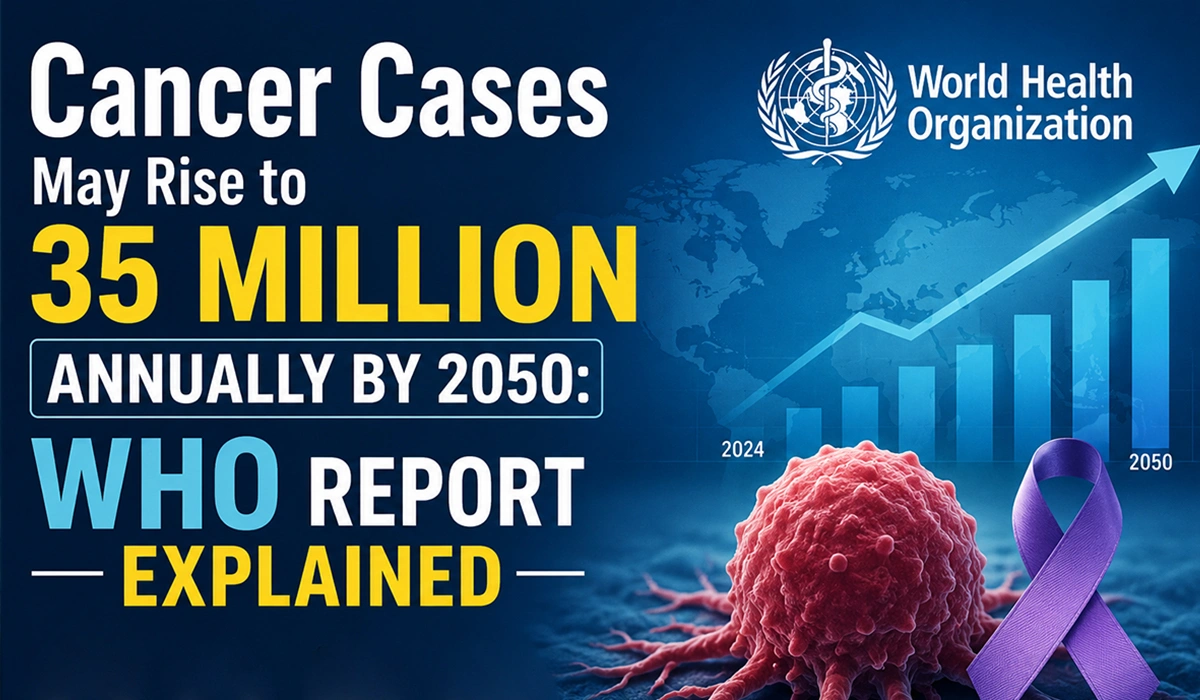
Cancer Cases May Rise to 35 Million Annually by 2050: WHO Report Explained

Imagine visiting a hospital where every oncology ward is full, waiting rooms are overflowing, and doctors are struggling to keep up with new cancer diagnoses every day. While this may sound like a scene from the distant future, global health experts warn it could become reality if current trends continue.

The World Health Organization (WHO), through the International Agency for Research on Cancer (IARC), has projected that the world could witness more than 35 million new cancer cases every year by 2050. That represents a staggering increase from approximately 20 million new cancer cases reported in 2022, highlighting one of the most significant public health challenges of the coming decades.

For countries like India, where rapid urbanization, an aging population, lifestyle changes, and environmental factors are reshaping healthcare needs, this prediction is particularly important. Cancer is no longer considered a disease affecting only older adults or developed nations. It is increasingly impacting younger populations and low- and middle-income countries.

Understanding why cancer cases are expected to rise—and more importantly, what individuals, healthcare providers, and governments can do about it—is essential.

Why does WHO predict cancer cases will reach 35 million annually by 2050?

According to the WHO’s International Agency for Research on Cancer (IARC), global cancer cases are expected to rise primarily because of population growth, increased life expectancy, aging populations, tobacco use, obesity, unhealthy diets, alcohol consumption, environmental pollution, physical inactivity, and unequal access to cancer prevention and early diagnosis.

What Does the WHO Report Actually Say?

The WHO’s International Agency for Research on Cancer analyzed cancer incidence across nearly every country and found that cancer cases are increasing at an unprecedented rate.

Key Findings

StatisticValue
New cancer cases (2022)Around 20 million
Projected annual cases (2050)More than 35 million
Expected increaseApproximately 77%
Global cancer deaths (2022)Nearly 10 million
Countries most affectedLow- and middle-income nations

The report emphasizes that while medical technology continues to improve, the number of people developing cancer is increasing faster than healthcare systems can expand.

Why Are Cancer Cases Increasing Worldwide?

Cancer is not caused by a single factor. Instead, it develops through a combination of biological, environmental, and lifestyle influences.

Several global trends are contributing to this projected increase.

1. Aging Population

Cancer risk increases with age because genetic mutations accumulate over time.

Today, people are living longer than ever before. As life expectancy rises, more individuals reach ages where cancer becomes more common.

2. Population Growth

The world’s population continues to grow rapidly.

Even if cancer rates remained unchanged, simply having more people would naturally result in more cancer diagnoses each year.

3. Tobacco Use

Smoking remains one of the leading preventable causes of cancer.

Tobacco is strongly associated with cancers of the:

  • Lung
  • Mouth
  • Throat
  • Esophagus
  • Bladder
  • Pancreas
  • Kidney

Millions of preventable cancer cases continue to occur due to smoking and smokeless tobacco use.

4. Obesity

Being overweight increases the risk of multiple cancers.

Research has linked obesity to cancers affecting:

  • Breast
  • Colon
  • Endometrium
  • Liver
  • Kidney
  • Pancreas

Modern sedentary lifestyles and processed foods are major contributors.

5. Poor Diet

A diet high in processed foods, sugary beverages, excessive salt, and unhealthy fats while lacking fruits, vegetables, and fiber may increase cancer risk over time.

Healthy eating patterns remain one of the simplest preventive strategies.

6. Alcohol Consumption

Alcohol has been linked with increased risks of several cancers, including those affecting the liver, breast, mouth, throat, and digestive system.

Even moderate drinking contributes to overall cancer risk.

7. Physical Inactivity

Modern lifestyles involve long hours sitting at desks, commuting, and reduced physical activity.

Regular exercise helps maintain healthy body weight and may lower the risk of several cancers.

8. Environmental Pollution

Air pollution, industrial chemicals, workplace exposures, and certain environmental toxins continue to contribute to cancer risk globally.

Rapid industrialization in many developing countries has increased exposure to these risk factors.

Why Is India Facing a Growing Cancer Burden?

India is experiencing one of the fastest increases in cancer cases worldwide.

Several factors contribute to this trend:

  • Larger aging population
  • Increased life expectancy
  • Urban lifestyles
  • Tobacco consumption
  • Air pollution
  • Dietary changes
  • Rising obesity
  • Better cancer detection

Healthcare experts expect India’s cancer burden to continue growing over the next two decades, making prevention and early detection more important than ever.

Most Common Types of Cancer in India

While cancer patterns differ globally, several cancers remain particularly common in India.

MenWomen
Oral CancerBreast Cancer
Lung CancerCervical Cancer
Esophageal CancerOvarian Cancer
Stomach CancerColorectal Cancer
Liver CancerThyroid Cancer

Many of these cancers are preventable or more treatable when detected early.

How Lifestyle Is Changing Cancer Risk

The shift from traditional lifestyles to more urban living has introduced several health challenges.

Common modern habits include:

  • Processed foods
  • Low physical activity
  • Increased screen time
  • Chronic stress
  • Poor sleep
  • Tobacco use
  • Alcohol consumption

While none of these guarantee cancer, together they increase long-term risk.

Public health experts emphasize that healthier daily habits can significantly reduce future disease burden.

Can Cancer Be Prevented?

Not every cancer can be prevented. Genetics, aging, and random cellular mutations also play important roles.

However, experts estimate that 30–50% of cancer cases may be preventable through healthier lifestyles and public health measures.

Practical prevention strategies include:

  • Avoid tobacco in all forms.
  • Limit alcohol consumption.
  • Maintain a healthy body weight.
  • Stay physically active.
  • Eat a balanced diet rich in fruits and vegetables.
  • Protect your skin from excessive sun exposure.
  • Get recommended vaccinations, such as HPV and Hepatitis B.
  • Participate in regular cancer screening programs.
  • Seek medical advice for persistent symptoms.

Prevention remains one of the most effective and cost-efficient approaches to reducing the future cancer burden.

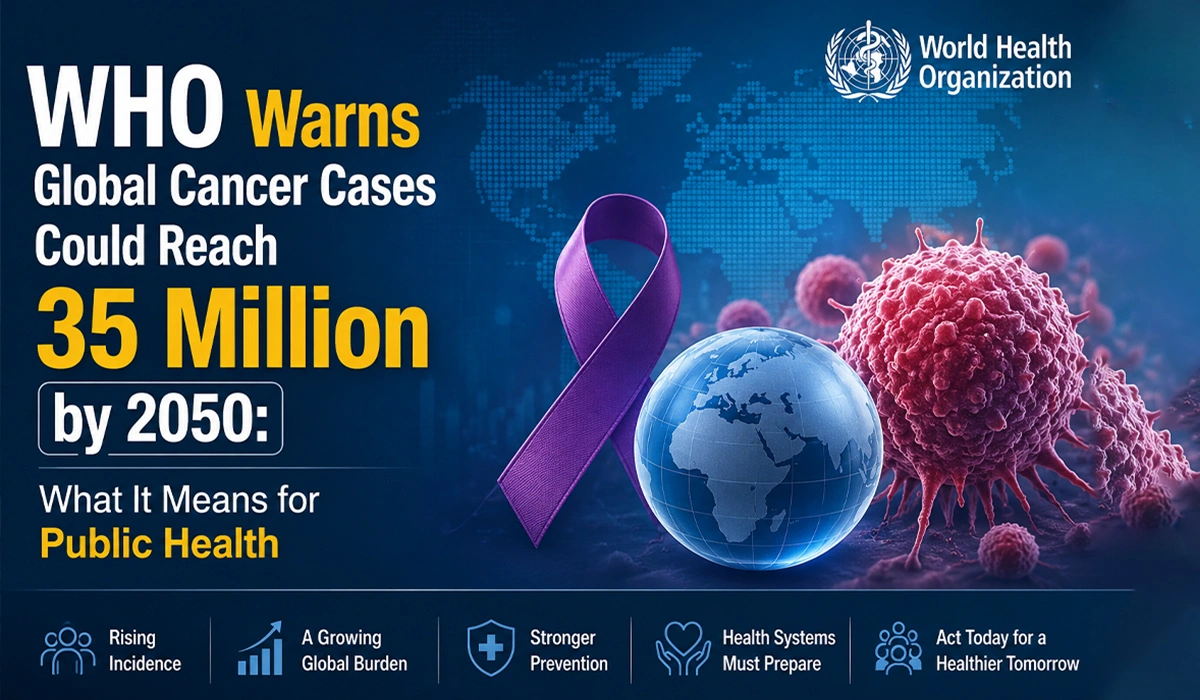
WHO Warns Global Cancer Cases Could Reach 35 Million by 2050: What It Means for Public Health

Introduction

Imagine walking into a hospital in 2050 where cancer clinics are overflowing with patients waiting for diagnosis and treatment. Doctors are working around the clock, healthcare systems are stretched beyond capacity, and families are struggling with emotional and financial burdens.

This scenario may become reality if the world fails to strengthen cancer prevention and early detection.

According to the World Health Organization (WHO) and the International Agency for Research on Cancer (IARC), global cancer cases are projected to increase to more than 35 million new cases annually by 2050, representing a dramatic rise from current levels. The increase is driven by population growth, aging, lifestyle changes, environmental risk factors, and unequal healthcare access.

For countries like India, where cancer incidence continues to rise alongside rapid urbanization and changing lifestyles, this warning highlights an urgent need for stronger public health policies, preventive healthcare, early screening, and improved awareness.

This article explores what the WHO projection means, why cancer cases are increasing, how it could affect India and the world, and what individuals, healthcare providers, and governments can do to reduce the future burden.

What does WHO’s warning about 35 million global cancer cases by 2050 mean?

The WHO estimates that new cancer cases worldwide could rise to over 35 million annually by 2050. This increase reflects aging populations, population growth, tobacco use, obesity, unhealthy diets, pollution, alcohol consumption, infections, and healthcare inequalities. Strengthening prevention, early diagnosis, and treatment can significantly reduce the impact.

Understanding WHO’s Cancer Projection

Cancer is already one of the world’s leading causes of death.

According to WHO and IARC, cancer affects millions of families every year, placing enormous pressure on healthcare systems.

The projected increase does not necessarily mean cancer is becoming more aggressive. Instead, several factors are contributing simultaneously:

  • More people are living longer.
  • Global populations continue growing.
  • Lifestyle-related risk factors are increasing.
  • Many cancers remain preventable.
  • Early diagnosis remains limited in many countries.

Why Could Global Cancer Cases Reach 35 Million?

Several demographic and lifestyle changes are driving the projected increase in cancer cases worldwide.

Major Contributors

Risk FactorImpact
Aging populationHigher lifetime cancer risk
Population growthMore total cases
Tobacco useLeading preventable cause
Alcohol consumptionIncreased cancer risk
ObesityLinked with multiple cancers
Physical inactivityHigher chronic disease risk
Environmental pollutionIncreased exposure to carcinogens
Viral infectionsHPV, Hepatitis B & C increase cancer risk

Cancer Statistics at a Glance

MetricCurrentProjected 2050
Annual new cancer cases~20 million>35 million
IncreaseAbout 77%
Highest growthLow- and middle-income countries
Major burdenHealthcare systems and economies

Why India Should Pay Close Attention

India is witnessing a steady increase in:

  • Breast cancer
  • Oral cancer
  • Cervical cancer
  • Lung cancer
  • Colorectal cancer
  • Liver cancer

Factors affecting India

  • Large aging population
  • Tobacco chewing
  • Smoking
  • Air pollution
  • Urban lifestyle
  • Rising obesity
  • Diabetes
  • Delayed diagnosis
  • Limited screening in rural areas

Without stronger preventive healthcare, India’s cancer burden is expected to grow substantially over the coming decades.

The Most Common Types of Cancer Worldwide

Breast Cancer

Most common among women worldwide.

Lung Cancer

Leading cause of cancer-related deaths globally.

Colorectal Cancer

Increasing due to dietary and lifestyle changes.

Prostate Cancer

Common among aging men.

Stomach Cancer

Associated with infections and dietary habits.

Liver Cancer

Often linked with hepatitis infections.

Cervical Cancer

Highly preventable through HPV vaccination and screening.

Risk Factors You Can Control

Many cancers are preventable through healthier lifestyle choices.

Lifestyle Changes

✔ Quit smoking

✔ Avoid tobacco chewing

✔ Maintain healthy weight

✔ Exercise regularly

✔ Eat fruits and vegetables

✔ Limit processed foods

✔ Reduce alcohol intake

✔ Protect skin from UV rays

✔ Get vaccinated (HPV & Hepatitis B)

✔ Participate in recommended cancer screenings

Importance of Early Detection

Early diagnosis dramatically improves treatment outcomes.

Recommended Screening

CancerScreening
BreastMammography
CervicalPap Test / HPV Test
ColorectalStool Test / Colonoscopy
OralVisual examination
ProstateMedical consultation based on risk

Public Health Challenges Ahead

Healthcare systems may face:

  • More cancer patients
  • Higher treatment costs
  • Workforce shortages
  • Increased need for specialized care
  • Demand for advanced diagnostics
  • Greater pressure on public hospitals

Governments must invest in:

  • Prevention programs
  • Screening initiatives
  • Healthcare infrastructure
  • Oncology workforce
  • Affordable medicines
  • Research and innovation

How Individuals Can Reduce Their Cancer Risk

Daily Habits

  • Eat a balanced diet.
  • Stay physically active.
  • Maintain a healthy body weight.
  • Avoid tobacco in all forms.
  • Limit alcohol consumption.
  • Get regular health checkups.
  • Stay vaccinated where appropriate.
  • Know your family medical history.
  • Seek medical advice for persistent symptoms.

Role of Preventive Healthcare

Preventive healthcare focuses on reducing disease risk before illness develops.

Key strategies include:

  • Nutrition
  • Vaccination
  • Lifestyle modification
  • Regular screening
  • Health education
  • Early medical consultation

Preventive care not only improves health outcomes but also reduces long-term healthcare costs.

How Healthcare Companies Can Support Public Health

Healthcare organizations can contribute by:

  • Promoting health awareness
  • Supporting preventive care campaigns
  • Providing quality healthcare products
  • Encouraging responsible medication use
  • Educating communities about healthy lifestyles
  • Collaborating with healthcare professionals

Public Health Priorities for the Future

Governments and healthcare organizations should prioritize:

  • National cancer screening programs
  • Tobacco control
  • HPV vaccination
  • Better nutrition education
  • Environmental protection
  • Air pollution reduction
  • Universal healthcare access
  • Digital health solutions
  • Cancer registries
  • Research funding

What This Means for Families

Families should:

  • Learn common warning signs.
  • Encourage routine health checkups.
  • Discuss family history with doctors.
  • Support healthy eating.
  • Promote physical activity.
  • Reduce tobacco exposure at home.

Small lifestyle changes today can lower future health risks.

Expert Perspective

Cancer prevention requires collaboration among governments, healthcare professionals, researchers, communities, and individuals.

While not every cancer can be prevented, many risk factors are modifiable. Public awareness, early diagnosis, and access to quality healthcare remain essential in reducing the global cancer burden.

Key Takeaways

ChallengeSolution
Rising cancer casesPrevention programs
Late diagnosisRegular screening
Tobacco-related cancersTobacco cessation
Lifestyle diseasesHealthy habits
Healthcare burdenStrong public health systems

WHO Warns Global Cancer Cases Could Reach 35 Million by 2050 – Frequently Asked Questions

Why does WHO predict cancer cases will increase?

Population aging, population growth, lifestyle changes, environmental risks, and healthcare inequalities contribute to the projected increase.

Can cancer be prevented?

Many cancers can be prevented by avoiding tobacco, maintaining a healthy lifestyle, getting vaccinated where recommended, and participating in regular screenings.

Which cancers are most common in India?

Breast, oral, cervical, lung, colorectal, and liver cancers are among the most common.

Why is early diagnosis important?

Early detection often improves treatment options and increases survival rates.

Does obesity increase cancer risk?

Yes. Excess body weight is associated with an increased risk of several types of cancer.

Is tobacco the biggest preventable cause of cancer?

Yes. Tobacco use remains one of the leading preventable causes of cancer worldwide.

How can governments reduce cancer cases?

By investing in prevention, screening, vaccination, tobacco control, research, and equitable healthcare access.

What role does nutrition play in cancer prevention?

A balanced diet rich in fruits, vegetables, whole grains, and fiber may help reduce the risk of certain cancers as part of a healthy lifestyle.

What should I do if I notice unusual symptoms?

Consult a qualified healthcare professional promptly for evaluation and guidance. Early medical advice is important for many health conditions.

What does the WHO projection mean for India?

India will likely need stronger cancer prevention programs, expanded screening services, improved public awareness, and better access to timely diagnosis and treatment to manage the expected rise in cancer cases.

Conclusion

The WHO’s projection that global cancer cases could exceed 35 million annually by 2050 is a call to action rather than a reason for panic. Aging populations, lifestyle changes, and unequal access to healthcare are driving this trend, but many cancers remain preventable through healthier living, vaccination, regular screening, and timely medical care. For India, investing in prevention, public awareness, and accessible healthcare will be critical to reducing the future burden of cancer. By acting today—both individually and collectively—we can help create a healthier future and lessen the impact of cancer on generations to come.

Nukind Healthcare

Pharmaceutical, nutraceutical & personal care manufacturing you can build a distribution business on.

4.9 partners & distributors
Call Us
Office Address
Plot No. 68, Phase-1, Faridabad, Haryana
Footer

Get in Touch

Well Being Products

Add to cart
Home

Get in Touch

May I help you?