Introduction: Why the 2026 Ebola Outbreak in the DRC Matters
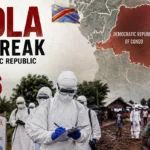
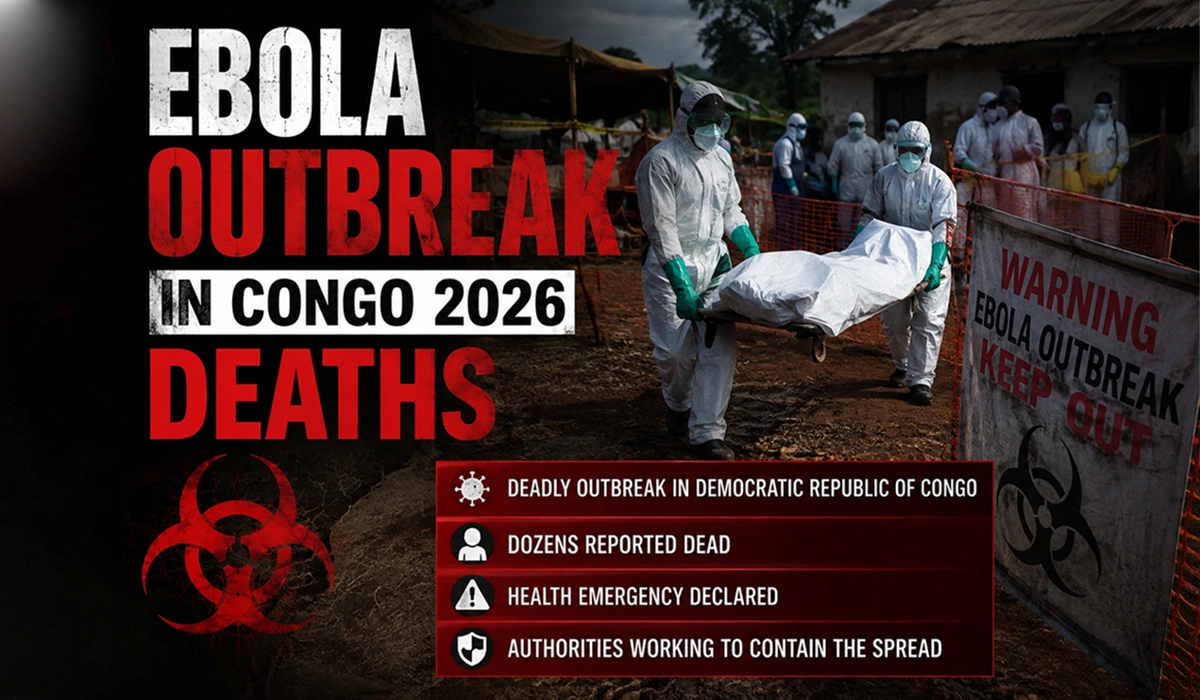
In May 2026, health authorities in the Democratic Republic of the Congo (DRC) and Uganda confirmed an outbreak of Bundibugyo virus disease, a form of Ebola disease. What began in the DRC’s Ituri Province later expanded across several provinces and health zones.
The situation has since become much larger.
According to WHO’s 1 August 2026 update, the DRC had reported 3,605 confirmed cases and 1,587 deaths as of 30 July. Cases had been reported in 49 health zones across five provinces. WHO described it as the largest Ebola outbreak ever reported in the DRC.
The outbreak is especially challenging because it is occurring alongside insecurity, population displacement, difficult road access and substantial population movement. These conditions can make early detection, contact tracing and delivery of healthcare more difficult.
But what exactly is happening?
How does Ebola spread? What symptoms should people know? How is the outbreak being controlled? And what does the situation mean for the rest of Africa and countries such as India?
This guide explains the 2026 Ebola outbreak in straightforward language.
What Is the Ebola Outbreak in the Democratic Republic of Congo in 2026?
The 2026 DRC outbreak is an outbreak of Bundibugyo virus disease, one of the diseases caused by viruses in the Ebola virus family. It was declared in May 2026 after cases were confirmed in the DRC and Uganda. Transmission in the DRC has since expanded geographically and remains active.
The outbreak is different from the Zaire ebolavirus outbreaks that have received extensive international attention in the past.
This outbreak involves the Bundibugyo virus.
WHO says there is currently no licensed vaccine or specific treatment for Bundibugyo virus disease, although research into candidate vaccines and treatments is continuing.
Key facts
| Factor | 2026 DRC outbreak |
|---|---|
| Disease | Bundibugyo virus disease |
| Country | Democratic Republic of the Congo |
| Outbreak confirmed | May 2026 |
| Initial major focus | Ituri Province |
| Provinces affected by 30 July | 5 |
| Health zones reporting cases by 30 July | 49 |
| Confirmed DRC cases by 30 July | 3,605 |
| Deaths by 30 July | 1,587 |
| Reported CFR | 44% |
| WHO global risk assessment | Low as of the 1 August update |
The figures are evolving as surveillance and laboratory testing continue, so readers should check WHO’s latest updates for the newest numbers.
How Did the 2026 Ebola Outbreak Begin?
The outbreak was confirmed in May 2026 after Bundibugyo virus disease was detected in the DRC and Uganda. In the DRC, the initial outbreak was concentrated in Ituri Province, particularly around affected health zones including Mongbwalu, Rwampara and Bunia. It subsequently spread to additional provinces and health zones.
The DRC’s first confirmed cases were reported in Ituri Province, an area that has previously experienced infectious disease emergencies.
By mid-June, WHO reported that Ituri accounted for more than 90% of confirmed cases, with Bunia, Rwampara and Mongbwalu among the most affected health zones.
As transmission continued, cases were reported beyond Ituri.
By 30 July, cases had been detected in:
- Ituri
- North Kivu
- South Kivu
- Haut-Uélé
- Tshopo
This geographic expansion is one reason the outbreak has become such a major public health concern.
How Serious Is the Ebola Outbreak in the DRC?
The outbreak is serious because transmission has continued to increase while the geographic area affected has expanded. By 30 July 2026, WHO reported 3,605 confirmed cases and 1,587 deaths in the DRC. The outbreak had surpassed the country’s previous largest Ebola outbreak of 2018–2020.
WHO reported that during epidemiological week 30, the outbreak recorded its highest weekly totals to date:
- 567 reported cases
- 296 reported deaths
These numbers demonstrate the speed at which transmission was occurring at that point in the outbreak.
However, case numbers can change as:
- More people are tested.
- Previously suspected cases are classified.
- Surveillance expands.
- Laboratory capacity improves.
- New transmission chains are detected.
Therefore, a rising number does not always represent newly infected people alone.
Which Areas of the DRC Are Affected?
As of 30 July 2026, confirmed cases had been reported across 49 health zones in five provinces: Ituri, North Kivu, South Kivu, Haut-Uélé and Tshopo. Ituri remained the main centre of transmission and accounted for the majority of confirmed cases.
The affected provinces include areas with significant population movement.
This matters because people may travel between:
- Villages
- Towns
- Major cities
- Healthcare facilities
- Markets
- Border regions
Movement does not automatically mean that Ebola will spread everywhere. But it makes surveillance and contact follow-up more important.
WHO and Africa CDC have emphasized the need for stronger early detection, contact follow-up and cross-border preparedness.
What Is Bundibugyo Virus Disease?
Bundibugyo virus disease is a viral illness caused by Bundibugyo virus, a member of the Ebola virus group. It can cause severe disease and death. Like other Ebola diseases, transmission is associated with direct exposure to infected body fluids, particularly during illness and after death.
The name comes from Bundibugyo, a district in western Uganda where the virus was first identified during an outbreak in 2007.
It is important not to confuse the different Ebola viruses.
There are several viruses in the broader Ebola group, and vaccines or treatments developed for one species may not automatically work against another.
That is particularly relevant to the 2026 outbreak because WHO says there is currently no licensed vaccine or specific treatment for Bundibugyo virus disease.
How Does Ebola Spread?
Ebola spreads mainly through direct contact with the blood or other body fluids of an infected person or someone who has died from the disease. Transmission can also occur through contaminated materials. The risk is especially important when caring for sick people or handling bodies without appropriate precautions.
Ebola is not generally spread like a common cold through casual everyday contact.
Transmission can occur when infectious body fluids come into contact with:
- Broken skin
- The eyes
- The mouth
- Other mucous membranes
Healthcare workers can face increased exposure risk if infection-prevention procedures are not followed.
This is why Ebola response teams emphasize:
early identification → isolation → testing → appropriate care → contact tracing
Practical tip
If someone is suspected of having Ebola, avoid direct contact with their body fluids and contact local health authorities or healthcare professionals rather than attempting to manage a suspected case independently.
What Are the Symptoms of Ebola?
Ebola disease can begin with symptoms such as fever, weakness, fatigue, muscle pain, headache and sore throat. Later symptoms can include vomiting, diarrhoea, rash and, in severe cases, bleeding or organ complications. Symptoms overlap with many other illnesses, so diagnosis requires appropriate medical testing.
Symptoms can develop after an incubation period following exposure.
Possible symptoms include:
- Fever
- Severe weakness
- Fatigue
- Muscle pain
- Headache
- Sore throat
- Vomiting
- Diarrhoea
- Rash
- Abdominal pain
- Bleeding in some severe cases
Not everyone develops the same symptoms.
And an important point is often missed:
Having a fever does not mean someone has Ebola.
Many common infections can cause similar symptoms.
The combination of symptoms, exposure history, epidemiological information and laboratory testing is needed for diagnosis.
Why Early Detection Matters
Early detection helps public health teams identify patients, provide appropriate supportive care, trace contacts and interrupt transmission chains. In an outbreak, every delay can make it harder to determine who may have been exposed and where transmission is occurring.
WHO’s 2026 response has emphasized:
- Surveillance
- Contact tracing
- Laboratory testing
- Clinical care
- Infection prevention
- Community engagement
- Cross-border preparedness
These activities work together.
For example, identifying one confirmed patient is only the first step.
Health teams then need to determine:
Who had close contact with the patient?
Those contacts may require monitoring for symptoms during the relevant follow-up period.
This is why contact tracing remains one of the most important tools during Ebola outbreaks.
How Are Health Workers Responding?
The DRC government, WHO, Africa CDC and partners are using surveillance, laboratory testing, contact follow-up, clinical care, infection prevention, supplies and community engagement to control the outbreak. WHO and Africa CDC have called for faster detection and stronger community-led response because operational challenges remain significant.
The response is not limited to hospitals.
It also includes:
1. Disease surveillance
Teams look for unusual illness and potential cases.
2. Laboratory testing
Testing helps distinguish Ebola from other diseases.
3. Contact tracing
Teams identify people who may have been exposed.
4. Treatment and supportive care
Patients require specialized medical management.
5. Infection prevention
Healthcare workers use appropriate protective measures.
6. Community engagement
People need accurate information and trust in healthcare services.
7. Cross-border preparedness
Neighbouring countries monitor for possible imported cases.
WHO and Africa CDC said in August that contact follow-up in the DRC stood at 75%, below the operational target of at least 95%, illustrating one of the response challenges.
Why Is Controlling This Outbreak So Difficult?
The outbreak is occurring in a difficult humanitarian environment involving insecurity, population displacement, poor road access, misinformation, population mobility and pressure on healthcare services. These factors can delay diagnosis, complicate contact tracing and make it harder to deliver supplies and care.
Public health response is easier when:
- Patients can reach hospitals quickly.
- Health workers can safely travel.
- Communities trust response teams.
- Contacts can be followed.
- Laboratories can receive samples rapidly.
In parts of the DRC, these conditions are difficult to maintain.
WHO’s August assessment specifically highlighted insecurity, movement, misinformation, limited access to care and shortages of essential supplies as response barriers.
This demonstrates an important lesson:
An outbreak is not only a medical problem. It can also become a logistics, communication and social-trust problem.
Does Ebola Spread Through the Air Like Flu?
Ebola is not considered an airborne respiratory infection like influenza or measles. Its principal transmission route is direct exposure to infectious body fluids. This is one reason infection-prevention practices, safe patient care and safe handling of bodies are central to controlling Ebola outbreaks.
This distinction is important because Ebola and influenza are very different diseases.
| Feature | Ebola | Influenza |
|---|---|---|
| Main transmission concern | Direct contact with infectious body fluids | Respiratory droplets/aerosols |
| Typical outbreak control | Isolation, contact tracing, infection prevention | Vaccination, respiratory precautions, antiviral treatment in some cases |
| Disease type | Viral haemorrhagic fever | Respiratory viral illness |
| Diagnosis | Laboratory testing | Laboratory testing when required |
The differences mean public health strategies must be tailored to the disease.
Is There a Vaccine for the 2026 Bundibugyo Virus Outbreak?
There is currently no licensed vaccine specifically for Bundibugyo virus disease, according to WHO’s 2026 outbreak information. Researchers are working on candidate vaccines and other medical countermeasures, but these should not be confused with an approved, widely available vaccine.
This is one of the most important differences between this outbreak and outbreaks caused by Zaire ebolavirus.
WHO established a technical advisory process to assess candidate vaccines for Bundibugyo virus during the 2026 response.
Research and preparedness work therefore remain important.
Is There a Specific Treatment for Bundibugyo Virus?
WHO currently reports that there is no licensed specific treatment for Bundibugyo virus disease. Medical care focuses on early diagnosis, specialized supportive care and management of complications, while researchers continue evaluating promising candidates.
Supportive medical care can include management of:
- Dehydration
- Electrolyte disturbances
- Fever
- Pain
- Shock
- Organ complications
- Other secondary medical problems
Early access to appropriate healthcare is therefore critical.
People should not attempt to self-treat suspected Ebola with medicines purchased without medical advice.
What Happened in Uganda and France?
The 2026 outbreak was not limited entirely to the DRC. Uganda reported linked cases, while one case was confirmed in France in a person who had been involved in supporting the response in the DRC. WHO reported no secondary transmission from the French case and Uganda declared the end of its outbreak in July after meeting the required period without new locally transmitted cases.
Uganda is an important example of why strong surveillance can make a difference.
On 28 July, Uganda declared its Bundibugyo outbreak over after 42 days without a new confirmed locally transmitted case following the discharge of its last confirmed case.
However, WHO continues to consider Uganda at risk of imported cases because transmission continues in neighbouring DRC.
This demonstrates both sides of outbreak response:
Transmission can be stopped—but vigilance must continue.
What Is the Risk to the Rest of Africa and the World?
WHO’s 1 August 2026 assessment rated the risk to the rest of the African region and globally as low, while emphasizing the need for heightened surveillance and preparedness because ongoing transmission and cross-border movement could lead to further spread.
A low global risk does not mean zero risk.
The risk can change if:
- Transmission expands geographically.
- International travel links affected areas.
- Cases are not detected quickly.
- Contact tracing is incomplete.
- Cross-border surveillance weakens.
For countries outside the affected region, the appropriate response is preparedness rather than panic.
What Does the Ebola Outbreak Mean for India?
For India, the current global risk assessment is low, and the DRC outbreak does not mean that Ebola is spreading through Indian communities. However, India’s healthcare system can benefit from continued awareness, travel-related surveillance and strong infection-prevention preparedness for imported infectious diseases.
India has extensive international travel and trade links with Africa.
That makes preparedness important even when the immediate public-health risk is low.
Healthcare professionals should remain aware of:
- Travel history
- Fever after travel from affected regions
- Relevant exposure history
- Infection-prevention protocols
- Official public-health alerts
People who have recently travelled to an outbreak-affected region and develop concerning symptoms should seek medical advice and disclose their travel and exposure history.
How Can People Help Prevent Ebola Transmission?
The most important prevention measures are avoiding direct contact with infected body fluids, following public-health instructions, seeking medical care promptly when symptoms occur after a relevant exposure, and cooperating with contact-tracing teams. Communities should rely on official health information rather than rumours or social media misinformation.
Practical prevention measures
Avoid direct contact with suspected patients’ body fluids.
Do not handle bodies of people who died from suspected Ebola without trained teams and appropriate precautions.
Follow instructions from local health authorities.
Seek medical advice after relevant exposure or concerning symptoms.
Cooperate with contact monitoring.
Avoid spreading unverified information.
WHO and Africa CDC have specifically emphasized community engagement as a critical part of controlling the 2026 outbreak.
Ebola Prevention: Myths vs Facts
| Myth | Fact |
|---|---|
| Ebola spreads like ordinary flu | Ebola’s main transmission route involves direct exposure to infectious body fluids |
| Every fever is Ebola | Many diseases cause fever |
| Ebola automatically means death | Survival is possible, particularly with appropriate supportive care |
| A vaccine is available for every Ebola virus | Vaccines differ by Ebola virus species |
| The DRC outbreak means a global pandemic is underway | WHO assessed global risk as low in its 1 August update |
| Social media posts are enough to diagnose Ebola | Diagnosis requires professional assessment and laboratory testing |
Why Community Trust Matters
Ebola control depends not only on laboratories and hospitals but also on community cooperation. People need to trust health workers enough to report symptoms, allow contact tracing, follow infection-prevention advice and accept accurate information.
Fear can create a dangerous cycle.
A person may fear being isolated and avoid reporting symptoms.
That can delay diagnosis.
Delayed diagnosis can create more opportunities for transmission.
More transmission creates greater fear.
Breaking this cycle requires clear communication and trusted healthcare workers.
WHO and Africa CDC’s August mission emphasized community-led response and acknowledged misinformation and resistance to some response measures as operational challenges.
What Can We Learn From the 2026 DRC Ebola Outbreak?
The outbreak provides several important public-health lessons.
1. Early detection matters
Finding cases quickly can limit transmission chains.
2. Laboratory capacity matters
Fast testing supports accurate decisions.
3. Healthcare workers need protection
Frontline workers can face significant exposure risk.
4. Communities are part of the response
Public-health programmes cannot succeed without local cooperation.
5. Borders do not stop infectious diseases
Regional surveillance is essential.
6. Preparedness must continue between outbreaks
Countries need trained teams, laboratories, supplies and response plans before emergencies occur.
7. Accurate information saves lives
Misinformation can delay care and undermine outbreak control.
Ebola Outbreak in DRC 2026: Key Facts at a Glance
| Question | Answer |
|---|---|
| What virus is involved? | Bundibugyo virus |
| When was the outbreak confirmed? | May 2026 |
| Where did it initially focus? | Ituri Province |
| How many DRC provinces were affected by 30 July? | Five |
| Health zones affected by 30 July | 49 |
| Confirmed DRC cases by 30 July | 3,605 |
| Deaths by 30 July | 1,587 |
| Is there a licensed Bundibugyo vaccine? | No |
| Is there a specific licensed treatment? | No |
| Global risk assessment in WHO’s 1 August update | Low |
| Main prevention strategy | Early detection, infection prevention, contact tracing and community engagement |
Figures are based on WHO’s 1 August 2026 update and can change as the outbreak evolves.
Frequently Asked Questions: Ebola Outbreak in Democratic Republic of Congo 2026
1. Is there an Ebola outbreak in the Democratic Republic of Congo in 2026?
Yes. The DRC is experiencing a major outbreak of Bundibugyo virus disease. WHO reported 3,605 confirmed cases and 1,587 deaths in the DRC as of 30 July 2026.
2. What type of Ebola is spreading in the DRC?
The 2026 outbreak is caused by Bundibugyo virus, a member of the Ebola virus group. It is distinct from Zaire ebolavirus, which caused several previous major outbreaks.
3. Where is Ebola spreading in the DRC?
As of 30 July, cases had been reported across 49 health zones in five provinces: Ituri, North Kivu, South Kivu, Haut-Uélé and Tshopo.
4. What are the first symptoms of Ebola?
Early symptoms can include fever, weakness, fatigue, muscle pain, headache and sore throat. Later symptoms can include vomiting, diarrhoea, rash and, in severe cases, bleeding.
5. How does Ebola spread?
Ebola primarily spreads through direct contact with infectious body fluids from an infected person or someone who has died from the disease.
6. Is Ebola airborne?
Ebola is not considered an airborne respiratory infection like influenza. Direct exposure to infectious body fluids is the main transmission concern.
7. Is there a vaccine for the 2026 Ebola outbreak?
WHO states that there is currently no licensed vaccine specifically for Bundibugyo virus disease. Candidate vaccines are being evaluated.
8. Is there a cure for Bundibugyo Ebola?
There is currently no licensed specific treatment for Bundibugyo virus disease. Patients require appropriate medical and supportive care.
9. Is Ebola spreading globally?
WHO’s 1 August 2026 assessment rated the risk to the rest of Africa and globally as low, although continued surveillance and preparedness are needed.
10. Should people in India be worried about the DRC Ebola outbreak?
The current WHO global risk assessment is low. People should not panic, but travellers returning from affected areas who develop concerning symptoms should seek medical advice and disclose their travel history.
11. Can Ebola be prevented?
Risk can be reduced through early detection, avoiding contact with infectious body fluids, appropriate infection-prevention measures, contact tracing and cooperation with public-health authorities.
12. Why is the DRC outbreak difficult to control?
Insecurity, population displacement, movement, poor road access, misinformation, limited access to care and shortages of supplies have complicated the response.
13. Is the 2026 outbreak the largest Ebola outbreak in the DRC?
Yes. WHO reported that the 2026 outbreak had surpassed the previous largest DRC Ebola outbreak of 2018–2020, which recorded 3,317 confirmed cases.
14. What should someone do after possible Ebola exposure?
They should avoid exposing others to potentially infectious body fluids and contact a healthcare or public-health service promptly. They should clearly report their exposure and travel history.
15. Where can I get the latest Ebola outbreak information?
WHO and Africa CDC provide official situation updates. Because outbreak numbers can change quickly, current official updates should be checked before relying on older figures.