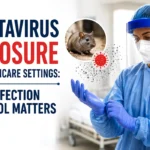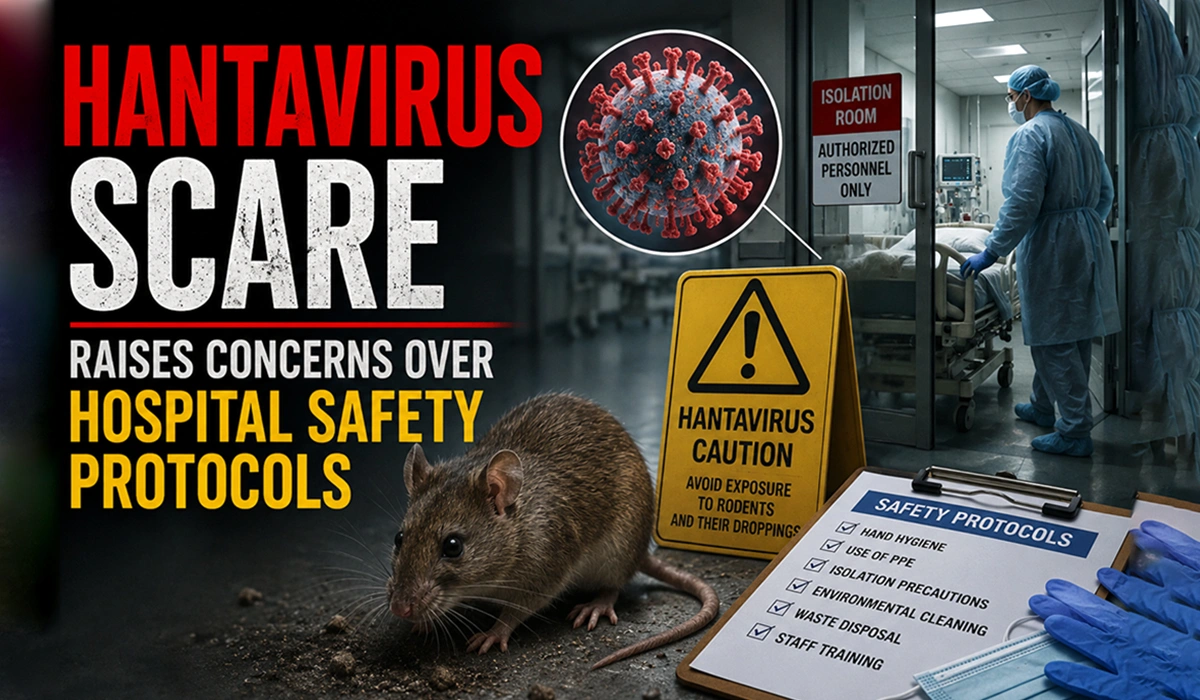
The recent Hantavirus scare raises concerns over hospital safety protocols and highlights the urgent need for stronger infection control, emergency preparedness, and healthcare sanitation standards. Experts stress that improved hospital hygiene and rapid response systems are critical to preventing future outbreaks.
A single virus outbreak can change the way the world looks at healthcare safety.
When reports of Hantavirus infections began circulating, fear spread quickly—not only among patients but also among healthcare workers and hospital administrators. While Hantavirus cases remain relatively rare compared to other infectious diseases, the incident exposed a larger issue: Are hospitals truly prepared to prevent and manage dangerous viral threats?
The growing discussion around Hantavirus scare raises concerns over hospital safety protocols is no longer just about one virus. It reflects wider concerns about infection control, emergency response systems, hospital sanitation, and patient safety standards worldwide.
For countries like the United States, India, and other major healthcare markets, the conversation is becoming increasingly important.
What Is Hantavirus?
Hantavirus is a rare but potentially serious viral infection primarily spread through contact with infected rodents, especially their urine, droppings, or saliva.
Common Hantavirus symptoms include:
- Fever
- Muscle pain
- Fatigue
- Shortness of breath
- Headaches
In severe cases, it may lead to Hantavirus Pulmonary Syndrome (HPS), a serious respiratory condition that can become life-threatening if not treated early.
Although Hantavirus outbreaks are uncommon, the high severity of infection makes healthcare preparedness essential.
Why the Hantavirus Scare Raises Concerns Over Hospital Safety Protocols
The recent Hantavirus scare triggered important questions:
- Are hospitals equipped to identify rare viral infections quickly?
- Do healthcare workers have proper protective equipment?
- Are sanitation protocols strong enough?
- How prepared are emergency response systems?
The concern is not just about Hantavirus itself. It is about whether healthcare systems can respond effectively to unexpected infectious disease threats.
How Hantavirus Spreads in Healthcare Environments
Unlike viruses that spread directly from person to person easily, Hantavirus is primarily associated with rodent exposure.
However, hospitals may still face risks through:
- Contaminated storage areas
- Improper waste handling
- Poor sanitation systems
- Delayed diagnosis
Healthcare facilities must maintain strict environmental hygiene to reduce exposure risks.
The Importance of Hospital Infection Control Measures
Strong infection control systems are the backbone of modern healthcare safety.
Key hospital safety protocols include:
- Routine disinfection
- Protective equipment usage
- Air filtration systems
- Waste management procedures
- Isolation protocols
When a Hantavirus scare raises concerns over hospital safety protocols, it reminds healthcare providers that infection prevention must remain a daily priority.
Why Healthcare Workers Face Higher Risk
Doctors, nurses, cleaning staff, and laboratory technicians are often the first line of defense during outbreaks.
Healthcare worker risks include:
- Exposure to contaminated materials
- Delayed recognition of rare infections
- High patient interaction
This is why hospitals must provide:
- PPE kits
- Safety training
- Emergency response education
- Infection monitoring systems
Protecting healthcare workers also protects patients and communities.
Hospital Sanitation Standards Under the Spotlight
Hospital cleanliness is more important than many people realize.
Poor sanitation can increase the spread of:
- Bacteria
- Viruses
- Fungal infections
Modern hospitals are now investing in:
- Advanced sterilization systems
- UV disinfection technology
- Automated cleaning systems
The Hantavirus discussion has renewed focus on maintaining safe healthcare environments.
Emergency Preparedness in Hospitals
One major lesson from infectious disease outbreaks is the importance of preparedness.
Hospitals must have:
- Emergency isolation units
- Rapid diagnostic systems
- Outbreak response teams
- Infection reporting systems
Quick action during early detection can significantly reduce risks.
Healthcare systems worldwide are now strengthening preparedness strategies for future outbreaks.
How Technology Improves Hospital Safety
Technology is transforming hospital infection control.
Modern solutions include:
- AI-powered disease monitoring
- Smart sanitation systems
- Contact tracing software
- Digital patient tracking
These technologies improve response time and reduce human error.
As the Hantavirus scare raises concerns over hospital safety protocols, hospitals are adopting smarter systems to strengthen patient safety.
Lessons Learned from Past Outbreaks
The COVID-19 pandemic already exposed weaknesses in global healthcare systems.
Now, concerns about Hantavirus reinforce several key lessons:
Important lessons:
- Early detection saves lives
- PPE availability is critical
- Staff training matters
- Transparent communication builds trust
Healthcare systems are becoming more proactive instead of reactive.
Why Public Awareness Matters
Many people know little about Hantavirus.
Public education helps individuals:
- Recognize symptoms early
- Reduce rodent exposure
- Seek timely medical care
- Avoid panic and misinformation
Awareness campaigns also improve community-level disease prevention.
Global Healthcare Systems Are Re-Evaluating Safety Standards
Countries worldwide are now reviewing:
- Hospital hygiene policies
- Infection prevention systems
- Healthcare worker training
- Emergency preparedness plans
This global shift aims to reduce future outbreak risks.
The focus is no longer only on treatment—but also prevention.
The Role of Preventive Healthcare in Disease Control
Preventive healthcare reduces the impact of infectious diseases before they spread widely.
Important preventive measures:
- Environmental sanitation
- Regular inspections
- Health monitoring systems
- Public education programs
Strong prevention systems help healthcare institutions respond more effectively during emergencies.
How Hospitals Can Improve Safety Protocols
Experts recommend several improvements:
Key recommendations:
- Increase infection control audits
- Improve ventilation systems
- Upgrade sanitation infrastructure
- Conduct regular staff training
- Maintain emergency supply reserves
Hospitals that invest in preparedness today may reduce future risks significantly.
Are Patients Losing Trust in Healthcare Safety?
After any outbreak scare, public confidence often declines temporarily.
Patients want assurance that hospitals are:
- Clean
- Safe
- Prepared
- Transparent
Clear communication and visible safety measures help rebuild trust.
Healthcare providers must continue prioritizing patient confidence alongside medical care.
Conclusion
The discussion around Hantavirus scare raises concerns over hospital safety protocols is ultimately about preparedness, prevention, and public trust.
Although Hantavirus infections remain relatively rare, the situation has highlighted how important strong healthcare safety systems truly are. Hospitals must continue investing in sanitation, infection control, staff protection, and emergency response systems to reduce future risks.
The future of healthcare depends not only on treating illness—but also on preventing outbreaks before they escalate.
As healthcare systems evolve globally, stronger hospital safety standards will remain essential for protecting both patients and healthcare professionals.