The Growing Popularity of Herbal Wellness Products

Introduction

A few years ago, most people focused on healthcare only when something went wrong. Today, that mindset is changing.

Consumers are becoming more proactive about health, immunity, stress management, and daily wellness. Instead of waiting for illness, many people now prefer preventive care and natural health solutions. This shift is one major reason behind the growing popularity of herbal wellness products across the world.

From India and the USA to Europe and Southeast Asia, herbal wellness has become a major trend. People are turning toward products made from natural ingredients like Ashwagandha, Turmeric, Aloe Vera, Tulsi, Neem, and Amla to support everyday health.

The herbal wellness industry is no longer a niche category. It is now a major part of modern healthcare, preventive wellness, and daily lifestyle routines.

What Are Herbal Wellness Products?

Herbal wellness products are health and wellness products made using plant-based ingredients, herbal extracts, and natural formulations to support overall well-being.

These products may include:

  • Herbal supplements
  • Ayurvedic products
  • Herbal syrups
  • Wellness capsules
  • Herbal skincare
  • Detox products
  • Immunity boosters

Their main goal is to support natural wellness and preventive healthcare.

Why Are Herbal Wellness Products Becoming Popular?

The demand for herbal wellness products is growing because people prefer natural, safer, and preventive healthcare solutions.

Consumers today want products that help them maintain:

  • Better immunity
  • Improved digestion
  • Stronger energy levels
  • Stress management
  • Better skin health
  • Long-term wellness

This demand is driving rapid growth in herbal healthcare.

The Shift Toward Preventive Healthcare

Healthcare is changing from reactive care to preventive care.

Earlier, people focused mostly on treatment.

Today, they prioritize:

  • Prevention
  • Wellness
  • Nutrition
  • Daily health support

This is one of the strongest reasons behind the growing popularity of herbal wellness products.

People want to stay healthy before health problems arise.

Benefits of Herbal Wellness Products

Herbal wellness products support overall health naturally and help reduce dependency on synthetic wellness solutions.

Major benefits include:

  • Natural ingredient support
  • Daily wellness improvement
  • Better immunity support
  • Gentle formulations
  • Holistic health benefits

Herbal wellness supports long-term health rather than short-term fixes.

Popular Herbal Ingredients Driving Market Growth

Several herbal ingredients are leading the wellness industry.

Herbal IngredientKey Benefits
AshwagandhaStress support
TurmericAnti-inflammatory support
TulsiImmunity support
Aloe VeraSkin and digestive wellness
NeemDetox support
AmlaVitamin C and immunity

These ingredients have strong consumer trust.

Growing Demand for Immunity Support Products

After global health awareness increased, immunity products became highly popular.

Consumers now actively search for:

  • Best immunity boosters
  • Herbal immunity supplements
  • Natural wellness products
  • Herbal healthcare solutions

Products containing:

  • Tulsi
  • Giloy
  • Turmeric
  • Vitamin-rich herbs

continue to grow in demand.

Herbal Wellness Products for Daily Lifestyle Support

Herbal wellness is no longer limited to healthcare stores.

Today’s products support daily life in areas such as:

  • Energy support
  • Stress management
  • Sleep wellness
  • Digestive support
  • Skin wellness

This makes herbal products part of modern daily routines

Herbal Wellness vs Conventional Wellness Products

FeatureHerbal WellnessConventional Wellness
IngredientsNaturalSynthetic or mixed
ApproachHolisticTargeted
UsageDaily wellnessSpecific needs
Consumer PreferenceGrowing rapidlyEstablished market

Both categories have value, but herbal wellness appeals strongly to health-conscious consumers.

Why Consumers Trust Herbal Brands

Trust plays a major role in wellness purchasing decisions.

Consumers prefer brands that offer:

  • Transparent ingredients
  • Quality manufacturing
  • Safe formulations
  • Trusted research
  • Proven wellness support

Brands with strong credibility are seeing higher demand.

The Role of Ayurveda in Herbal Wellness

Ayurveda has significantly influenced the herbal wellness industry.

For centuries, Ayurveda has promoted natural health using herbs and holistic wellness principles.

Popular Ayurvedic herbs include:

  • Ashwagandha
  • Brahmi
  • Neem
  • Tulsi
  • Haldi

These traditional ingredients are now widely used in modern wellness products.

Herbal Wellness Products in India

India is one of the biggest herbal wellness markets in the world.

Factors driving growth include:

  • Strong Ayurvedic heritage
  • Growing wellness awareness
  • Preventive healthcare demand
  • Rising disposable income

Consumers increasingly search for:

  • Best herbal wellness products in India
  • Herbal healthcare brands
  • Natural healthcare solutions

Herbal Wellness Products in the USA

The USA market is also growing rapidly.

American consumers increasingly prefer:

  • Clean-label products
  • Plant-based wellness
  • Organic supplements
  • Natural healthcare products

This trend is expanding herbal wellness globally.

How to Choose the Right Herbal Wellness Products

Choose products based on ingredient quality, brand credibility, certifications, and product transparency.

Before buying:

  • Check ingredient labels
  • Research the brand
  • Verify certifications
  • Read customer reviews
  • Ensure quality assurance

Good products come from trusted manufacturers.

Why Choose Nukind Herbal Wellness Products?

Nukind Healthcare focuses on preventive wellness and quality healthcare solutions.

Key strengths include:

  • Quality-focused manufacturing
  • Herbal wellness innovation
  • Preventive healthcare approach
  • Consumer-first formulations
  • Trusted wellness solutions

Nukind supports healthier lifestyles with wellness-focused products designed for modern healthcare needs.

The Future of Herbal Wellness Products

The future looks highly promising.

The herbal wellness market is expected to grow because of rising demand for:

  • Preventive healthcare
  • Clean wellness products
  • Natural immunity support
  • Holistic healthcare

Consumers want smarter, safer, and more natural wellness choices.

Herbal wellness fits perfectly into this future.

The Growing Popularity of Herbal Wellness Products Frequently Asked Questions

Why are herbal wellness products becoming more popular?

Herbal wellness products are becoming popular because consumers prefer natural, preventive, and holistic healthcare solutions.

Are herbal wellness products safe?

High-quality herbal wellness products from trusted brands are generally considered safe when used properly.

Which herbal ingredients are most popular?

Ashwagandha, Turmeric, Tulsi, Neem, Aloe Vera, and Amla are among the most popular herbal wellness ingredients.

Are herbal wellness products effective?

Many herbal ingredients have been used traditionally for centuries and continue to support modern wellness solutions.

Where can I buy herbal wellness products?

Herbal wellness products are available through healthcare brands, pharmacies, wellness stores, and online platforms.

Conclusion

The growing popularity of herbal wellness products reflects a major shift in global healthcare.

Consumers today want more than treatment—they want prevention, wellness, and long-term health support.

Herbal wellness products offer a natural, trusted, and effective approach to achieving better health. Whether it is immunity support, stress management, or daily wellness, herbal products are helping millions adopt healthier lifestyles.

The future of wellness is becoming more natural, more preventive, and more holistic.

And herbal wellness is leading that transformation.

How Ayurveda Supports Modern Preventive Healthcare

Introduction

What if healthcare was not only about treating illness but preventing it before it begins?

That idea may sound modern, but it has existed for over 5,000 years. Ayurveda, one of the world’s oldest wellness systems, has always focused on prevention rather than cure. Today, as people across India, the USA, and worldwide become more health-conscious, Ayurveda is making a powerful comeback in modern preventive healthcare.

Rising stress, poor eating habits, lack of sleep, and sedentary lifestyles have increased the risk of lifestyle disorders such as obesity, diabetes, heart disease, and weakened immunity. This has shifted attention toward wellness systems that promote long-term health.

This is where Ayurveda offers valuable insights.

Understanding how Ayurveda supports modern preventive healthcare helps individuals make smarter health decisions and adopt healthier lifestyles before illness develops.

What is Ayurveda?

Ayurveda is a traditional healthcare system from India focused on maintaining balance in the body, mind, and lifestyle to prevent disease and promote wellness.

The word Ayurveda comes from:

  • Ayur = Life
  • Veda = Knowledge

Ayurveda focuses on complete wellness through:

  • Balanced nutrition
  • Daily routines
  • Herbal support
  • Physical activity
  • Mental well-being
  • Seasonal care

Its core philosophy is simple: prevention is better than cure.

What is Preventive Healthcare?

Preventive healthcare focuses on preventing diseases through healthy habits, early awareness, regular checkups, and lifestyle improvements.

Examples include:

  • Healthy diet
  • Exercise
  • Stress management
  • Routine screenings
  • Nutritional support

Modern preventive healthcare aims to reduce long-term health risks before serious disease occurs.

Why Ayurveda Matters in Modern Healthcare

Ayurveda complements modern preventive healthcare by focusing on root causes rather than symptoms.

Modern healthcare excels in diagnostics and emergency care.

Ayurveda adds value by supporting:

  • Long-term wellness
  • Lifestyle correction
  • Daily health optimization
  • Natural preventive support

This combination creates a more balanced healthcare model.

The Core Principle: Balance Prevents Disease

Ayurveda believes disease begins when the body loses balance.

This imbalance may occur due to:

  • Poor diet
  • Stress
  • Lack of sleep
  • Poor digestion
  • Environmental factors

Ayurveda focuses on restoring balance before illness develops.

This is why Ayurveda aligns strongly with preventive healthcare.

Ayurveda and Immunity Support

Ayurveda supports immunity through nutrition, herbal wellness, and healthy lifestyle habits.

A strong immune system helps the body fight infections and stay resilient.

Common Ayurvedic herbs for immunity include:

  • Tulsi
  • Ashwagandha
  • Giloy
  • Turmeric
  • Amla

These herbs are widely used in preventive wellness products.

Ayurveda Supports Better Digestion

In Ayurveda, digestion plays a central role in health.

Poor digestion may lead to:

  • Low energy
  • Toxin buildup
  • Poor nutrient absorption
  • Weak immunity

Ayurvedic practices for digestive wellness include:

  • Eating on time
  • Warm meals
  • Herbal support
  • Mindful eating

Good digestion supports overall health.

Stress Management Through Ayurveda

Stress is one of the biggest health challenges today.

Chronic stress affects:

  • Sleep
  • Immunity
  • Heart health
  • Mental wellness

Ayurveda promotes stress management through:

  • Meditation
  • Yoga
  • Breathing exercises
  • Herbal wellness support

Popular herbs include:

  • Ashwagandha
  • Brahmi
  • Jatamansi

These support better mental balance.

Ayurveda for Better Sleep

Sleep is a major pillar of preventive healthcare.

Poor sleep may increase risks of:

  • Anxiety
  • Fatigue
  • Low productivity
  • Hormonal imbalance

Ayurvedic wellness practices include:

  • Fixed sleep routine
  • Herbal support
  • Relaxation techniques

Better sleep improves overall health.

Role of Ayurvedic Herbs in Daily Wellness

HerbCommon Benefits
TulsiImmunity support
AmlaAntioxidant support
TurmericWellness & inflammation support
AshwagandhaStress support
NeemSkin & wellness support

These herbs are widely used in modern wellness formulations.

Ayurveda vs Modern Preventive Healthcare

FeatureAyurvedaModern Preventive Healthcare
FocusBalance & preventionDisease prevention
ApproachHolisticClinical
ToolsLifestyle, herbs, routinesScreening, diagnostics
GoalLong-term wellnessRisk reduction

The best approach often combines both systems.

Why Ayurveda is Growing Worldwide

Ayurveda is gaining popularity in:

  • India
  • USA
  • UK
  • Australia
  • UAE

Consumers increasingly seek:

  • Natural wellness
  • Preventive care
  • Herbal healthcare
  • Clean living

Global demand for Ayurvedic products continues to rise.

How Ayurveda Supports Lifestyle Disease Prevention

Lifestyle diseases include:

  • Diabetes
  • Obesity
  • Hypertension
  • Heart disease

Ayurveda addresses key root causes:

  • Poor nutrition
  • Low activity
  • Stress
  • Poor routines

Small lifestyle changes create big long-term benefits.

Practical Ways to Apply Ayurveda Daily

Simple daily habits include:

  • Wake up early
  • Eat balanced meals
  • Stay hydrated
  • Practice yoga
  • Reduce stress
  • Use herbal wellness products
  • Sleep on time

Consistency matters more than perfection.

Why Choose Nukind for Ayurvedic Wellness?

Nukind Healthcare combines traditional Ayurvedic wisdom with modern healthcare innovation.

Benefits:

  • Quality herbal formulations
  • Preventive healthcare approach
  • Trusted wellness products
  • Natural ingredient focus
  • Daily health support

Nukind focuses on building healthier lifestyles through preventive wellness.

How Ayurveda Supports Modern Preventive Healthcare Frequently Asked Questions

Is Ayurveda good for preventive healthcare?

Yes. Ayurveda focuses strongly on prevention through lifestyle balance, nutrition, herbal support, and wellness routines.

Can Ayurveda improve immunity?

Ayurvedic herbs like Tulsi, Amla, and Giloy are commonly used to support immunity and overall wellness.

Is Ayurveda scientifically relevant today?

Yes. Many Ayurvedic principles align with modern preventive healthcare, especially lifestyle-based wellness.

Can Ayurveda reduce stress?

Yes. Practices like yoga, meditation, and herbal wellness support help manage stress naturally.

Can Ayurveda and modern healthcare work together?

Yes. Many experts believe combining modern diagnostics with Ayurvedic wellness creates better long-term health outcomes.

Conclusion

Understanding how Ayurveda supports modern preventive healthcare highlights an important truth—good health starts before illness begins.

Ayurveda teaches us that prevention is not complicated. Small daily habits, better nutrition, stress management, and natural wellness support can create meaningful long-term health benefits.

In today’s fast-moving world, combining Ayurvedic wisdom with modern healthcare offers a powerful path toward stronger immunity, better wellness, and healthier living.

The future of healthcare is preventive, proactive, and holistic.

Ayurveda has always understood that.

Personal Care Tips for Healthy Skin Throughout the Year

Introduction

Have you ever noticed how your skin changes with the seasons?

During summer, your skin may feel oily and sweaty. In winter, it often becomes dry and rough. Monsoon can bring unexpected breakouts, while pollution and stress can affect your skin every day. The truth is simple—healthy skin needs care all year, not just during one season.

Your skin is the largest organ of your body. It protects you from dust, pollution, harmful UV rays, and environmental stress. That is why daily personal care is not just about beauty. It is about overall health and wellness.

Understanding personal care tips for healthy skin throughout the year can help you maintain glowing, healthy skin in every season.

Why Skin Care Matters Throughout the Year

Healthy skin requires year-round care because weather, pollution, stress, and lifestyle changes affect skin health daily.

Each season impacts your skin differently:

  • Summer → Sweat, oil, sun damage
  • Winter → Dryness, irritation
  • Monsoon → Acne, fungal issues
  • Spring/Autumn → Sensitivity, allergies

Consistent skincare helps protect and nourish your skin.

Know Your Skin Type First

The best skincare routine starts with understanding your skin type.

Common skin types:

  • Oily Skin
  • Dry Skin
  • Combination Skin
  • Sensitive Skin
  • Normal Skin

Knowing your skin type helps you choose the right products.

Skin TypeCommon Issues
OilyAcne, breakouts
DryFlaky skin
SensitiveIrritation
CombinationOily T-zone

Daily Cleansing Is Essential

Quick Answer:

Cleansing removes dirt, sweat, oil, and pollution from the skin.

Wash your face twice daily using a gentle cleanser.

Benefits:

  • Removes impurities
  • Prevents clogged pores
  • Reduces acne risk
  • Keeps skin fresh

Avoid harsh face washes that strip natural oils.

Never Skip Moisturizing

Moisturizing keeps skin hydrated and supports the natural skin barrier.

Many people think oily skin does not need moisturizer. That is a myth.

Every skin type needs hydration.

Choose:

  • Gel moisturizers for oily skin
  • Cream-based for dry skin
  • Fragrance-free for sensitive skin

Sun Protection Is Non-Negotiable

Sunscreen protects skin from UV damage, tanning, pigmentation, and premature aging.

Use sunscreen daily—even indoors.

Experts recommend:

  • SPF 30 or higher
  • Broad spectrum protection
  • Reapply every 3–4 hours

Sun protection is essential in countries like India and the USA due to strong UV exposure.

Stay Hydrated for Healthy Skin

Hydration supports skin elasticity, glow, and overall skin health.

Drink enough water daily.

Benefits:

  • Better skin texture
  • Reduced dryness
  • Healthy glow
  • Improved skin repair

Hydration works from the inside out.

Eat Skin-Friendly Foods

Healthy skin starts with proper nutrition.

Best foods for healthy skin:

  • Fruits
  • Vegetables
  • Nuts
  • Seeds
  • Healthy fats
  • Protein-rich foods

Important nutrients:

  • Vitamin C
  • Vitamin E
  • Omega-3
  • Zinc

Seasonal Skin Care Tips

Summer Skincare

  • Use light moisturizers
  • Apply sunscreen
  • Wash face regularly

Monsoon Skincare

  • Keep skin clean
  • Avoid heavy products
  • Prevent fungal infections

Winter Skincare

  • Use thick moisturizers
  • Avoid hot showers
  • Keep skin hydrated

Avoid Common Skincare Mistakes

Common mistakes include:

  • Overwashing
  • Skipping sunscreen
  • Using too many products
  • Sleeping with makeup
  • Ignoring hydration

Simple habits often create the biggest results.

Importance of Herbal Personal Care Products

Herbal products offer gentle, natural skincare support.

Popular herbal ingredients:

  • Neem
  • Aloe Vera
  • Turmeric
  • Tea Tree
  • Rose

Benefits:

  • Gentle cleansing
  • Natural nourishment
  • Reduced harsh chemicals

Sleep and Stress Management Matter

Poor sleep and stress directly affect skin health.

Stress can cause:

  • Breakouts
  • Dullness
  • Dark circles
  • Premature aging

Good sleep supports skin repair.

Aim for:

  • 7–8 hours sleep
  • Lower stress
  • Better work-life balance

Build a Simple Daily Skincare Routine

Morning Routine

  1. Cleanser
  2. Moisturizer
  3. Sunscreen

Night Routine

  1. Cleanser
  2. Serum (optional)
  3. Moisturizer

Consistency matters more than complicated routines.

Why Preventive Skin Care Is Better

Preventive care focuses on protecting skin before problems become serious.

Benefits:

  • Fewer skin issues
  • Better long-term skin health
  • Reduced damage
  • Healthier appearance

Daily skincare is preventive healthcare.

Why Choose Nukind Personal Care?

Nukind combines personal care with preventive wellness.

Benefits:

  • Skin-friendly products
  • Herbal ingredients
  • Quality-focused formulations
  • Everyday personal care solutions

Nukind personal care products are designed for daily skincare needs.

Personal Care Tips for Healthy Skin Throughout the Year Frequently Asked Questions

How can I keep my skin healthy all year?

Follow a simple routine: cleanse, moisturize, protect with sunscreen, hydrate, and eat healthy foods.

Is sunscreen necessary every day?

Yes. Sunscreen protects against harmful UV rays and helps prevent premature aging and pigmentation.

What foods improve skin health?

Fruits, vegetables, nuts, seeds, protein, and omega-3-rich foods support healthier skin.

Are herbal skincare products good for daily use?

Yes. Many herbal products are suitable for daily use and offer gentle skincare support.

How much water should I drink for healthy skin?

Daily hydration needs vary, but drinking enough water supports healthier skin and overall wellness.

Conclusion

Healthy skin is built through daily habits, not overnight results.

Following the right personal care tips for healthy skin throughout the year can help protect your skin from seasonal changes, pollution, stress, and daily environmental damage.

Simple steps like cleansing, moisturizing, hydration, healthy eating, sun protection, and quality skincare products can make a huge difference.

Beautiful skin is not about perfection—it is about consistent care, smart choices, and long-term wellness.

How Modern Lifestyles Affect Skin and Hair Health

Introduction

Have you ever noticed more hair fall during stressful weeks? Or found your skin looking dull after long working hours, poor sleep, and endless screen time?

You are not alone.

Modern lifestyles have changed the way we live, work, eat, and care for ourselves. While technology and convenience have improved life in many ways, they have also introduced new challenges for our health—especially our skin and hair.

Today, how modern lifestyles affect skin and hair health has become an important topic in preventive wellness. Pollution, stress, processed food, poor sleep, dehydration, and excessive screen exposure are silently affecting millions of people across the USA, India, and worldwide.

The good news is simple: once you understand the root causes, small daily habits can make a big difference.

What Does Skin and Hair Health Really Mean?

Skin and hair health refers to the overall condition, strength, appearance, and function of your skin and hair.

Healthy skin acts as a protective barrier, while healthy hair reflects internal nutrition and wellness.

Signs of healthy skin:

  • Natural glow
  • Smooth texture
  • Balanced hydration
  • Even tone

Signs of healthy hair:

  • Strong roots
  • Good density
  • Smooth texture
  • Minimal breakage

When lifestyle habits become unhealthy, both skin and hair often show early warning signs.

Why Modern Lifestyles Are Affecting Skin and Hair More Than Ever

Fast-paced lifestyles increase stress, reduce recovery, and expose the body to environmental damage.

Major lifestyle changes affecting skin and hair include:

  • Long screen time
  • Poor diet
  • High stress
  • Lack of sleep
  • Air pollution
  • Sedentary routines
  • Dehydration

These factors may weaken skin barriers and affect scalp health.

The Impact of Stress on Skin and Hair

Chronic stress can trigger acne, dull skin, premature aging, and hair fall.

When stress increases, the body releases cortisol.

High cortisol levels may cause:

  • Increased oil production
  • Acne breakouts
  • Skin inflammation
  • Hair thinning

Example:

Many working professionals notice more hair fall during stressful project deadlines.

Practical Tip:

Practice stress management through:

  • Exercise
  • Meditation
  • Deep breathing
  • Proper rest

Poor Sleep and Its Effect on Skin Health

Sleep is essential for skin repair and recovery.

During sleep, the body repairs damaged skin cells.

Poor sleep may cause:

  • Dark circles
  • Puffy eyes
  • Dull skin
  • Fine lines

Sleep also affects hair growth cycles.

Practical Tip:

Aim for 7–8 hours of quality sleep daily.

How Diet Impacts Skin and Hair Health

Your diet directly influences skin glow, scalp health, and hair growth.

Poor nutrition may lead to:

  • Hair fall
  • Dry skin
  • Weak nails
  • Poor healing

Key nutrients include:

NutrientBenefit
ProteinHair growth
Vitamin CCollagen support
IronOxygen circulation
ZincHair strength
BiotinHair health

Best foods:

  • Fruits
  • Vegetables
  • Nuts
  • Seeds
  • Protein-rich foods

Dehydration and Skin Problems

Dehydration reduces skin moisture and elasticity.

Low water intake may cause:

  • Dry skin
  • Dullness
  • Rough texture
  • Tired appearance

Hydration is one of the easiest ways to improve skin health.

Practical Tip:

Drink enough water throughout the day.

Pollution and Environmental Damage

Pollution damages both skin and hair.

Daily exposure to pollution may cause:

  • Clogged pores
  • Acne
  • Skin irritation
  • Hair dryness
  • Scalp buildup

Pollutants generate free radicals that accelerate skin aging.

Protection Tips:

  • Daily cleansing
  • Sunscreen
  • Scalp hygiene
  • Antioxidant-rich skincare

Screen Time and Digital Stress

Long screen exposure can indirectly affect skin health.

Extended screen time often leads to:

  • Poor posture
  • Eye strain
  • Mental fatigue
  • Reduced sleep quality

This can worsen overall skin wellness.

Blue light exposure is also becoming a growing skincare concern.

Excessive Use of Chemical Products

Using too many harsh products may damage skin and hair barriers.

Common problems include:

  • Skin irritation
  • Scalp dryness
  • Hair damage
  • Sensitivity

Choose gentle and skin-friendly products.

Products with herbal ingredients may help support healthier care routines.

Hormonal Imbalance and Lifestyle

Lifestyle habits influence hormones that affect skin and hair.

Hormonal imbalance may trigger:

  • Acne
  • Oily skin
  • Hair thinning
  • Hair loss

Poor sleep, unhealthy diet, and stress often worsen hormonal issues.

How Exercise Supports Skin and Hair Wellness

Regular exercise improves circulation and supports healthier skin and hair.

Benefits include:

  • Better oxygen flow
  • Improved nutrient delivery
  • Reduced stress
  • Better sleep

Even 30 minutes of daily activity helps.

Herbal Personal Care in Modern Wellness

Herbal products support skin and hair care using nature-inspired ingredients.

Popular herbal ingredients include:

  • Aloe Vera
  • Neem
  • Tea Tree
  • Turmeric
  • Amla

Benefits include:

  • Gentle care
  • Better hydration
  • Reduced harsh chemical exposure

Herbal personal care is becoming increasingly popular worldwide.

Healthy Habits for Better Skin and Hair

Simple daily habits can improve long-term wellness.

Best habits:

✔ Sleep well
✔ Eat nutritious foods
✔ Stay hydrated
✔ Manage stress
✔ Exercise regularly
✔ Use quality products
✔ Protect against pollution

Consistency matters more than perfection.

Skin Care Routine vs Poor Lifestyle Habits

Healthy RoutinePoor Lifestyle
Good sleepSleep deprivation
HydrationDehydration
Healthy foodJunk food
ExerciseSedentary lifestyle
Stress controlChronic stress

Healthy routines create healthier skin and stronger hair.

Why Preventive Wellness Matters

Modern healthcare is shifting toward prevention.

Preventive wellness focuses on:

  • Healthy habits
  • Early awareness
  • Daily care

The best skincare and haircare routine begins with overall wellness.

Why Choose Nukind Personal Care?

Nukind focuses on preventive wellness through quality personal care solutions.

Benefits:

  • Herbal support
  • Quality ingredients
  • Skin-friendly formulations
  • Daily wellness approach

Nukind combines wellness, personal care, and healthier lifestyle support.

How Modern Lifestyles Affect Skin and Hair Health Frequently Asked Questions

Can stress cause hair fall?

Yes. Chronic stress can affect hair growth cycles and trigger hair fall.

Does poor sleep affect skin?

Yes. Poor sleep may cause dull skin, dark circles, and slower skin repair.

Can diet improve skin and hair health?

Yes. Balanced nutrition supports healthy skin, hair growth, and overall wellness.

Is pollution harmful for hair?

Yes. Pollution may cause scalp buildup, dryness, and hair damage.

Are herbal personal care products better?

Many herbal products offer gentle daily care and reduce exposure to harsh chemicals.

Conclusion

Understanding how modern lifestyles affect skin and hair health is the first step toward healthier living.

Stress, poor sleep, unhealthy diet, pollution, dehydration, and excessive screen time can quietly damage skin and hair over time.

The solution is not complicated.

Small daily habits—better nutrition, quality sleep, hydration, stress management, and proper personal care—can create lasting results.

Healthy skin and strong hair begin with healthy choices.

Take care from within, and the results will show outside.

Daily Hygiene Habits for Better Health

Introduction

Have you ever wondered how small daily habits can make a big difference in your health?

Most people think good health only depends on eating healthy food or exercising regularly. While these are important, one often overlooked factor is hygiene. Daily hygiene habits play a major role in protecting the body from infections, illnesses, and long-term health issues.

Simple routines like washing hands, brushing teeth, bathing regularly, wearing clean clothes, and maintaining personal cleanliness can significantly improve overall health and well-being.

In today’s fast-moving world, maintaining hygiene is more important than ever. Whether at home, school, office, or while traveling, good hygiene practices help reduce health risks and improve quality of life.

Understanding daily hygiene habits for better health is essential for individuals and families worldwide.

What Are Daily Hygiene Habits?

Daily hygiene habits are personal cleanliness practices followed every day to maintain health and prevent disease.

These habits include:

  • Handwashing
  • Bathing
  • Oral care
  • Hair care
  • Nail care
  • Clean clothing
  • Food hygiene

Good hygiene helps reduce exposure to harmful germs, bacteria, and viruses.

Why Hygiene Matters for Better Health

Good hygiene helps prevent infections, supports immunity, and improves physical and mental well-being.

Poor hygiene can lead to:

  • Skin infections
  • Dental issues
  • Stomach infections
  • Body odor
  • Viral illnesses

Benefits of hygiene include:

  • Better health
  • Improved confidence
  • Reduced infection risk
  • Cleaner environment

Handwashing: The Most Important Hygiene Habit

Handwashing is one of the easiest and most effective ways to prevent infections.

Hands carry germs from:

  • Phones
  • Door handles
  • Public surfaces
  • Money
  • Shared equipment

Wash hands:

  • Before eating
  • After using the restroom
  • After coughing or sneezing
  • After touching public surfaces

Wash with soap and water for at least 20 seconds.

Oral Hygiene and Dental Health

Oral hygiene prevents cavities, gum disease, and bad breath.

Daily oral care habits include:

  • Brushing twice daily
  • Flossing
  • Cleaning tongue
  • Using mouthwash

Poor oral hygiene may lead to:

  • Tooth decay
  • Gum disease
  • Bad breath
  • Infections

Healthy teeth support overall wellness.

Bathing and Skin Hygiene

Regular bathing helps remove sweat, dirt, bacteria, and dead skin cells.

Benefits include:

  • Fresh skin
  • Reduced odor
  • Lower infection risk
  • Better comfort

Use mild skincare products suitable for your skin type.

Hair Hygiene and Scalp Health

Clean hair and scalp improve comfort and reduce dandruff or infections.

Good habits:

  • Wash hair regularly
  • Use suitable shampoo
  • Keep scalp clean
  • Avoid sharing combs

Hair hygiene supports both appearance and scalp health.

Nail Hygiene and Germ Prevention

Dirty nails can carry harmful bacteria.

Maintain clean nails by:

  • Trimming regularly
  • Cleaning under nails
  • Avoiding nail biting

This helps reduce germ transfer.

Clean Clothes and Personal Hygiene

Wearing clean clothes supports comfort and hygiene.

Change:

  • Undergarments daily
  • Socks daily
  • Workout clothes after use

Clean clothes reduce odor and skin irritation.

Food Hygiene for Better Health

Food hygiene prevents foodborne illness.

Key habits:

  • Wash fruits and vegetables
  • Store food properly
  • Cook thoroughly
  • Keep kitchen surfaces clean

Safe food handling reduces health risks.

Hygiene at Work and Public Places

Offices and public spaces expose people to shared surfaces.

Maintain hygiene by:

  • Sanitizing hands
  • Cleaning desks
  • Using tissues
  • Staying hydrated

Good workplace hygiene reduces illness spread.

Hygiene and Mental Well-Being

Cleanliness also impacts mental health.

Benefits include:

  • Better mood
  • Improved confidence
  • Lower stress
  • Greater productivity

Clean surroundings often improve focus and emotional wellness.

Daily Hygiene Routine Table

HabitFrequencyMain Benefit
HandwashingMultiple times dailyInfection prevention
Brushing TeethTwice dailyOral health
BathingDailySkin hygiene
Hair Care2–3 times weeklyScalp health
Nail CareWeeklyGerm control
Clean ClothesDailyPersonal hygiene

Common Hygiene Mistakes

Avoid these mistakes:

  • Skipping handwashing
  • Poor oral care
  • Reusing dirty towels
  • Ignoring nail hygiene
  • Poor food handling

Small mistakes can increase health risks.

Best Hygiene Products for Daily Care

Useful hygiene essentials include:

  • Soap
  • Hand sanitizer
  • Toothbrush
  • Toothpaste
  • Face wash
  • Shampoo
  • Personal care products

Choose products based on skin type and needs.

Why Choose Quality Personal Care Products?

High-quality personal care products support:

  • Skin health
  • Hygiene
  • Comfort
  • Daily wellness

Using trusted personal care solutions improves hygiene routines.

Daily Hygiene Habits for Better Health Frequently Asked Questions

Why are daily hygiene habits important?

Daily hygiene habits reduce infection risk and support overall wellness.

How often should I wash my hands?

Wash hands frequently, especially before meals and after public contact.

What are basic hygiene habits?

Handwashing, bathing, oral care, clean clothes, and food hygiene.

Can hygiene improve health?

Yes. Good hygiene helps prevent illness and improves physical well-being.

How does hygiene affect mental health?

Cleanliness improves confidence, mood, and mental comfort.

Conclusion

Good health starts with small daily habits.

Understanding daily hygiene habits for better health helps people build healthier routines that protect against infections and improve overall well-being.

Simple habits like washing hands, brushing teeth, maintaining clean clothes, and following food hygiene practices can make a major difference.

The secret to better health is consistency. Small actions done daily create long-term wellness.

Because better hygiene leads to better health.

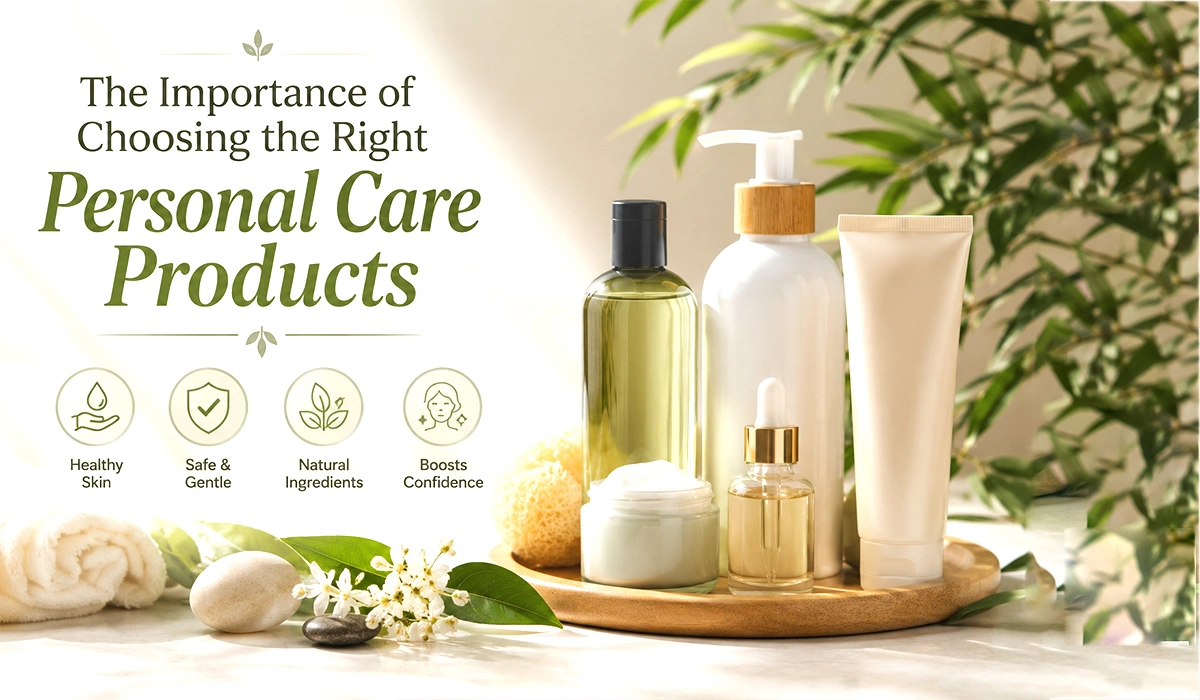
The Importance of Choosing the Right Personal Care Products

Introduction

Have you ever purchased a skincare or personal care product because of attractive packaging or social media hype, only to realize later that it did not suit your skin or daily needs?

You are not alone.

Every day, millions of people buy soaps, face washes, shampoos, creams, body lotions, and hygiene products without fully understanding what their body actually needs. The truth is simple: choosing the wrong personal care products can lead to skin irritation, dryness, breakouts, allergies, and long-term skin damage.

This is why understanding the importance of choosing the right personal care products matters more than ever.

Personal care is no longer just about looking good. It is about hygiene, health, wellness, confidence, and preventive care. The right products can improve skin health, support hygiene, and contribute to overall well-being.

In the USA, India, and globally, consumers are becoming more conscious about ingredients, safety, and product quality. People want products that are effective, safe, and suitable for their lifestyle.

This guide explains how to choose the right personal care products and why smart choices matter for healthier daily living.

What Are Personal Care Products?

Personal care products are products used for hygiene, grooming, skincare, haircare, and overall wellness.

These products include:

  • Face wash
  • Soap
  • Shampoo
  • Conditioner
  • Moisturizer
  • Sunscreen
  • Body wash
  • Hair oil
  • Deodorant
  • Oral care products

These products play an important role in maintaining daily hygiene and supporting healthy skin and hair.

Why Choosing the Right Personal Care Products Matters

The right personal care products support healthy skin, hygiene, comfort, and long-term wellness.

Choosing products randomly can create problems such as:

  • Skin irritation
  • Acne breakouts
  • Dryness
  • Hair damage
  • Allergic reactions

The right product helps protect and nourish your body while supporting daily wellness.

Understanding Your Skin Type Before Choosing Products

Knowing your skin type helps you choose products that match your needs.

Most skin types fall into these categories:

Skin TypeCharacteristics
OilyExcess oil, acne-prone
DryFlaky, rough, tight
CombinationOily T-zone, dry cheeks
SensitiveEasily irritated
NormalBalanced skin

Example:
A face wash for oily skin may cause excessive dryness if used on dry skin.

Key Ingredients to Look For

Always check active ingredients before buying personal care products.

Helpful ingredients include:

For Acne-Prone Skin

  • Neem
  • Salicylic acid
  • Tea tree oil

For Dry Skin

  • Aloe vera
  • Glycerin
  • Hyaluronic acid

For Sensitive Skin

  • Chamomile
  • Oat extracts
  • Fragrance-free formulas

For Hair Care

  • Keratin
  • Biotin
  • Natural oils

Ingredient awareness helps consumers make smarter decisions.

Ingredients to Be Careful About

Not every product is suitable for every person.

Some ingredients may cause irritation in sensitive individuals.

Examples include:

  • Strong alcohol
  • Artificial fragrance
  • Harsh sulfates
  • Parabens (depending on sensitivity)

Always perform a patch test before using a new product.

Personal Care and Preventive Healthcare

Personal care is an important part of preventive healthcare.

Good personal care habits help prevent:

  • Skin infections
  • Acne flare-ups
  • Scalp issues
  • Body odor
  • Hygiene-related concerns

Daily hygiene supports both physical health and confidence.

This is why personal care is increasingly linked with preventive wellness.

Choosing Products Based on Lifestyle

Your lifestyle affects what products you need.

Working Professionals

Need:

  • Pollution protection
  • Quick skincare
  • Sweat control

Students

Need:

  • Acne care
  • Oil control
  • Easy routines

Athletes

Need:

  • Deep cleansing
  • Sweat management
  • Skin protection

Older Adults

Need:

  • Gentle products
  • Moisture support
  • Sensitive skin care

The best personal care routine fits your daily lifestyle.

Natural vs Chemical-Based Products

One common question is whether natural products are better.

Both natural and scientifically formulated products can be effective.

Natural Products

Pros:

  • Plant-based ingredients
  • Herbal support
  • Gentle care

Science-Based Products

Pros:

  • Targeted solutions
  • Clinically tested ingredients
  • Fast results

The best choice depends on your needs and skin condition.

Importance of Product Quality

Quality matters in personal care.

Low-quality products may:

  • Irritate skin
  • Damage hair
  • Cause allergic reactions

High-quality products often offer:

  • Better safety
  • Better results
  • Reliable ingredients

Trusted brands invest in research, testing, and quality control.

Why Brand Trust Matters

Consumers should buy from brands that prioritize:

  • Quality
  • Transparency
  • Safety
  • Research
  • Customer trust

Reliable brands clearly mention:

  • Ingredients
  • Product benefits
  • Usage instructions

Brand trust reduces risk and improves satisfaction.

Building a Simple Personal Care Routine

A complicated routine is not always necessary.

A basic routine may include:

Morning

  • Cleanser
  • Moisturizer
  • Sunscreen

Evening

  • Face wash
  • Targeted care
  • Moisturizer

Weekly

  • Exfoliation
  • Deep cleansing
  • Hair care treatment

Consistency matters more than complexity.

Common Personal Care Mistakes

Many people unknowingly damage their skin and hair.

Common mistakes include:

  • Using too many products
  • Skipping sunscreen
  • Ignoring ingredient labels
  • Overwashing skin
  • Not patch testing

Avoiding these mistakes improves results.

Personal Care for Men, Women, and Families

Personal care needs vary across age groups and lifestyles.

Men

Focus on:

  • Grooming
  • Oil control
  • Hair care

Women

Focus on:

  • Skin hydration
  • Hair health
  • Specialized skincare

Families

Focus on:

  • Safe products
  • Daily hygiene
  • Gentle care

Choosing suitable products ensures better care for everyone.

Why Consumers Prefer Herbal Personal Care Products

Herbal personal care is growing globally.

Popular herbal ingredients include:

  • Neem
  • Aloe vera
  • Turmeric
  • Tea tree
  • Amla

Consumers prefer herbal products for:

  • Natural care
  • Gentle ingredients
  • Long-term wellness

This trend is especially strong in India.

How to Choose the Right Personal Care Brand

Choose brands that offer:

✔ Safe ingredients
✔ Quality assurance
✔ Research-backed products
✔ Good customer reviews
✔ Transparent labeling

This helps ensure long-term trust.

Why Choosing the Right Personal Care Products Supports Confidence

Healthy skin and hair affect confidence.

Good personal care can improve:

  • Self-esteem
  • Comfort
  • Appearance
  • Social confidence

Personal care is not only cosmetic. It supports emotional well-being too.

The Importance of Choosing the Right Personal Care Products Frequently Asked Questions

How do I choose the right personal care products?

Choose products based on skin type, lifestyle, ingredients, and personal needs.

Why is skin type important?

Skin type helps determine which products will work safely and effectively.

Are herbal personal care products better?

Herbal products can be beneficial, especially for gentle daily care, but effectiveness depends on ingredients and formulation.

How often should I change personal care products?

Only change products when necessary, such as seasonal changes or skin concerns.

What ingredients should I avoid?

Avoid ingredients that trigger irritation or allergies based on your skin sensitivity.

Can personal care affect long-term skin health?

Yes. The right products help protect, nourish, and maintain healthier skin over time.

Conclusion

Understanding the importance of choosing the right personal care products is essential for healthier living.

The products you use every day directly affect your skin, hair, hygiene, and overall wellness. Choosing wisely means understanding your skin type, reading ingredients, prioritizing quality, and selecting trusted brands.

Small daily choices create long-term results.

Healthy personal care is not about following trends. It is about choosing products that truly support your body, lifestyle, and well-being.

The right personal care products do more than improve appearance—they help build confidence, comfort, and healthier living every day.

How Skin Health Reflects Overall Wellness

Introduction

Have you ever looked in the mirror and noticed dull skin, unexpected acne, dryness, or irritation—and wondered if something deeper was happening inside your body?

Your skin often tells a story before the rest of your body does.

As the body’s largest organ, skin does much more than affect appearance. It acts as a protective barrier, regulates temperature, and reflects internal health. In many cases, skin changes can be early signs of nutritional deficiencies, dehydration, stress, hormonal imbalance, poor sleep, or other health concerns.

Understanding how skin health reflects overall wellness is becoming more important in modern healthcare. Today, dermatologists, wellness experts, and preventive healthcare professionals recognize that healthy skin is closely connected to healthy living.

Beautiful skin is not only about external skincare. It starts from within.

What Does Skin Health Reveal About Overall Wellness?

Skin health reflects hydration, nutrition, hormone balance, immunity, sleep quality, and overall physical health.

The skin often acts as a visible indicator of internal wellness.

Common skin changes may signal:

  • Poor nutrition
  • Stress
  • Dehydration
  • Digestive imbalance
  • Hormonal changes
  • Lack of sleep

Healthy skin usually reflects a healthy internal environment.

Why Skin Is Called the Mirror of Internal Health

Skin is one of the first organs to show signs of imbalance.

Warning signs include:

  • Dryness
  • Acne
  • Excess oil
  • Rashes
  • Pigmentation
  • Premature aging
  • Dark circles

These changes may indicate more than skincare issues.

For example:

  • Dry skin may suggest dehydration
  • Pale skin may indicate iron deficiency
  • Acne may point to hormonal imbalance

This is why experts say skin often mirrors internal health.

The Link Between Nutrition and Skin Health

Good nutrition supports skin repair, collagen production, hydration, and protection against damage.

Your skin depends on essential nutrients.

Key nutrients for healthy skin:

NutrientSkin BenefitSources
Vitamin CCollagen supportCitrus fruits
Vitamin EAntioxidant protectionNuts, seeds
ZincAcne supportLegumes, seeds
ProteinTissue repairEggs, dairy
Omega-3Skin hydrationFish, nuts

Poor nutrition often leads to dull or unhealthy-looking skin.

How Hydration Affects Skin Wellness

Water is essential for healthy skin.

Signs of dehydration:

  • Dry skin
  • Tightness
  • Flaky patches
  • Dull complexion

Hydration helps:

  • Maintain elasticity
  • Support skin barrier
  • Improve glow

Simple tip:
Drink enough water throughout the day and include water-rich foods.

Stress and Its Hidden Effects on Skin

Stress can trigger acne, inflammation, dullness, and premature aging.

Stress affects hormones, especially cortisol.

High cortisol levels may cause:

  • Acne breakouts
  • Oily skin
  • Redness
  • Sensitivity

Long-term stress also increases inflammation.

This explains why stressful periods often affect skin quality.

Poor Sleep and Skin Damage

Sleep is essential for skin repair.

During sleep, the body repairs tissues and supports cell regeneration.

Poor sleep may cause:

  • Dark circles
  • Puffy eyes
  • Dull skin
  • Fine lines

Beauty sleep is more than a phrase—it has real biological value.

Hormonal Imbalance and Skin Problems

Hormones strongly influence skin health.

Hormonal imbalance may lead to:

  • Acne
  • Oily skin
  • Pigmentation
  • Hair thinning

This is common during:

  • Puberty
  • Pregnancy
  • Menopause
  • Stressful periods

Hormonal changes often show visible effects on the skin.

Gut Health and Skin Connection

Modern research highlights a strong gut-skin connection.

Poor digestion may contribute to:

  • Acne
  • Inflammation
  • Skin sensitivity
  • Breakouts

A healthy gut supports:

  • Better nutrient absorption
  • Reduced inflammation
  • Stronger immunity

Healthy digestion often improves skin health.

Skin and Immunity: The Protective Connection

The skin acts as the first defense against external threats.

Healthy skin supports:

  • Protection from bacteria
  • Defense against pollutants
  • Barrier against irritants

Weak immunity may increase:

  • Skin infections
  • Sensitivity
  • Slow healing

This makes skin health an important part of preventive healthcare.

Pollution and Environmental Damage

Environmental stress affects skin daily.

Common skin concerns caused by pollution:

  • Premature aging
  • Pigmentation
  • Clogged pores
  • Skin irritation

Protection strategies include:

  • Cleansing properly
  • Using sunscreen
  • Maintaining hydration
  • Antioxidant-rich nutrition

Common Skin Problems and Their Possible Internal Causes

Skin ConcernPossible Internal Cause
AcneHormonal imbalance
Dry skinDehydration
Pale skinIron deficiency
Dark circlesPoor sleep
Hair fallNutritional deficiency
Dull skinStress or poor nutrition

This table shows how skin symptoms often connect to internal health.

Daily Habits for Better Skin and Better Wellness

Healthy skin requires healthy habits.

Daily wellness habits:

  • Eat balanced nutrition
  • Stay hydrated
  • Sleep 7–8 hours
  • Manage stress
  • Exercise regularly
  • Follow skincare routine

Consistency matters more than perfection.

External Skincare vs Internal Wellness

Both are important, but long-term skin health starts from within.

Skincare products help externally.

Internal wellness supports:

  • Skin repair
  • Cell regeneration
  • Long-term glow

Best results come from combining both.

Why Preventive Healthcare Matters for Skin Health

Preventive healthcare focuses on identifying early warning signs before bigger problems develop.

Regular checkups help monitor:

  • Hormones
  • Nutrition
  • Vitamin levels
  • Hydration
  • General health

Early action improves long-term skin and body wellness.

The Role of Personal Care Products in Skin Wellness

Quality skincare products support daily skin protection.

A good skincare routine helps:

  • Cleanse
  • Hydrate
  • Protect
  • Repair

Choosing products based on skin type improves long-term results.

For example, targeted skincare ranges like acne care, herbal face washes, moisturizing products, and skin creams can support healthier skin when paired with healthy lifestyle habits.

Why Healthy Skin Starts from Within

Healthy skin is a reflection of internal balance.

When the body gets:

  • Proper nutrition
  • Good sleep
  • Enough hydration
  • Low stress
  • Balanced hormones

The skin naturally looks healthier.

True skin wellness begins inside the body.

How Skin Health Reflects Overall Wellness – Frequently Asked Questions

Can skin problems indicate health issues?

Yes. Skin problems can sometimes indicate dehydration, hormonal imbalance, nutritional deficiencies, or stress.

How does nutrition affect skin health?

Nutrients like Vitamin C, Protein, Zinc, and Omega-3 help support healthy skin repair and protection.

Can stress affect skin?

Yes. Stress may trigger acne, inflammation, sensitivity, and dullness.

Does hydration improve skin?

Yes. Proper hydration supports elasticity, glow, and overall skin health.

Why does lack of sleep affect skin?

Poor sleep slows skin repair and may cause dullness, dark circles, and premature aging.

Is healthy skin only about skincare products?

No. Healthy skin depends on both external care and internal wellness.

Conclusion

Understanding how skin health reflects overall wellness helps us look beyond surface-level beauty.

Skin often reveals early signs of dehydration, stress, poor nutrition, hormonal imbalance, and lifestyle challenges. Healthy skin is built through balanced nutrition, hydration, quality sleep, stress management, and proper skincare.

The goal is not perfect skin. The goal is healthy skin supported by a healthy body.

Because when your body feels better, your skin often shows it first.

How Nutrition Impacts Energy, Strength, and Wellness

Introduction

Imagine starting every morning feeling refreshed, energetic, and ready to take on the day.

Now imagine the opposite—constant tiredness, low energy, poor concentration, and frequent illness.

The difference often comes down to one simple factor: nutrition.

Many people believe food is only meant to satisfy hunger. In reality, food is fuel. Every cell, muscle, organ, and system in the body depends on proper nutrition to function effectively.

Understanding how nutrition impacts energy, strength, and wellness is essential in today’s fast-paced world. Whether you are a student, working professional, athlete, or senior citizen, your daily nutrition directly affects your physical and mental performance.

What Is Nutrition?

Quick Answer

Nutrition is the process by which the body receives and uses nutrients from food for growth, energy, repair, and overall health.

Detailed Explanation

The body requires six major nutrients:

NutrientFunction
CarbohydratesEnergy source
ProteinMuscle repair and growth
Healthy FatsBrain and hormone health
VitaminsCellular functions
MineralsBone and organ support
WaterHydration and metabolism

Without balanced nutrition, the body cannot perform efficiently.

Why Nutrition Is the Foundation of Good Health

Quick Answer

Good nutrition supports every function in the body.

Benefits include:

  • Better energy levels
  • Strong muscles
  • Healthy bones
  • Improved immunity
  • Better concentration
  • Healthy skin and hair
  • Faster recovery

Healthcare experts worldwide agree that preventive nutrition is one of the best investments in long-term wellness.

How Nutrition Impacts Energy

Direct Answer

Food provides calories that the body converts into energy.

When meals lack essential nutrients, the body struggles to produce enough energy for daily activities.

Common causes of low energy:

  • Iron deficiency
  • Poor hydration
  • Skipping meals
  • Low protein intake
  • Vitamin B12 deficiency

Energy-supporting foods:

  • Whole grains
  • Fruits
  • Vegetables
  • Nuts
  • Dairy products
  • Eggs

The Relationship Between Nutrition and Strength

Muscles require nutrients to grow and recover.

Key nutrients for strength:

NutrientBenefit
ProteinMuscle building
CalciumBone support
Vitamin DCalcium absorption
MagnesiumMuscle function
PotassiumNerve and muscle activity

People who consume balanced nutrition often experience better physical performance.

Nutrition and Immune System Health

A healthy immune system protects the body against infections.

Nutrients that support immunity:

  • Vitamin C
  • Vitamin D
  • Zinc
  • Selenium
  • Protein

Balanced nutrition helps the immune system work efficiently.

Brain Health and Nutrition

The brain consumes a significant amount of the body’s daily energy.

Healthy nutrition supports:

  • Memory
  • Focus
  • Mood balance
  • Mental performance

Brain-friendly foods:

  • Omega-3 fatty acids
  • Nuts
  • Fruits
  • Green vegetables
  • Whole grains

Common Nutritional Deficiencies

Millions of people worldwide experience nutritional deficiencies.

Most common deficiencies:

  • Iron
  • Vitamin D
  • Calcium
  • Vitamin B12
  • Protein
  • Zinc
  • Magnesium

Warning signs:

  • Fatigue
  • Hair fall
  • Weakness
  • Muscle cramps
  • Poor immunity

The Importance of Hydration

Water is often overlooked as a nutrient.

Benefits of proper hydration:

  • Better energy
  • Healthy digestion
  • Temperature regulation
  • Improved concentration

Most adults should drink enough fluids throughout the day based on individual needs and activity levels.

Nutrition Through Different Stages of Life

Children

Need nutrients for growth and development.

Adults

Require balanced nutrition for productivity and wellness.

Older Adults

Need additional support for bones, muscles, and immunity.

Modern Lifestyle and Poor Nutrition

Busy schedules often lead to unhealthy eating patterns.

Common habits:

  • Fast food consumption
  • Processed snacks
  • Excess sugar
  • Irregular meals

These habits may increase the risk of nutritional deficiencies.

Preventive Healthcare and Nutrition

Good nutrition helps reduce health risks.

Preventive healthcare focuses on:

  • Healthy eating
  • Exercise
  • Regular health checkups
  • Stress management

Nutrition forms the foundation of preventive wellness.

How to Build a Balanced Plate

A healthy meal should include:

  • Whole grains
  • Lean protein
  • Vegetables
  • Fruits
  • Healthy fats
  • Water

Small improvements in daily eating habits create long-term health benefits.

Practical Tips to Improve Daily Nutrition

Start your day with breakfast
Eat colorful fruits and vegetables
Include protein with every meal
Reduce processed foods
Stay hydrated
Exercise regularly
Get adequate sleep

Consistency matters more than perfection.

Nutrition Myths vs Facts

MythFact
Skipping meals helps weight lossBalanced meals support metabolism
All fats are unhealthyHealthy fats are essential
Supplements replace foodWhole foods remain the best source
Carbohydrates are badComplex carbohydrates provide energy

Why Preventive Nutrition Matters for the Future

Healthcare is moving toward prevention rather than treatment.

People increasingly focus on:

  • Nutritional wellness
  • Functional foods
  • Daily supplementation
  • Healthy aging

Nutrition plays a major role in improving quality of life.

Why Choose a Preventive Wellness Approach

Benefits

  • Better energy
  • Stronger immunity
  • Healthy aging
  • Improved productivity
  • Better mental health

Real-World Example

A working professional experiencing fatigue and poor concentration improved energy levels after correcting Vitamin D and Iron deficiencies and adopting balanced nutrition habits.

This example highlights how small nutritional improvements can produce significant health benefits.

Comparison Table

Healthy Nutrition vs Poor Nutrition

Healthy NutritionPoor Nutrition
High energyConstant fatigue
Strong immunityFrequent illness
Better focusBrain fog
Healthy bonesWeak bones
Muscle strengthMuscle weakness

How Nutrition Impacts Energy, Strength, and Wellness Frequently Asked Questions

How does nutrition affect energy levels?

Nutrition provides the body with calories and nutrients needed to produce energy and maintain daily activities.

Which nutrients improve strength?

Protein, Calcium, Vitamin D, Magnesium, and Potassium support muscle and bone strength.

What are the signs of nutritional deficiencies?

Fatigue, weakness, hair fall, muscle cramps, poor immunity, and low energy may indicate deficiencies.

Can nutrition improve immunity?

Yes. Vitamins, minerals, proteins, and antioxidants support healthy immune function.

Is hydration important for wellness?

Yes. Water supports digestion, metabolism, energy production, and overall health.

Should nutritional supplements be taken daily?

Supplements should be used according to individual health needs and healthcare advice.

Conclusion

Understanding how nutrition impacts energy, strength, and wellness helps people make smarter choices for long-term health.

Balanced nutrition supports every system in the body, from muscles and bones to the brain and immune system. Small daily improvements such as eating nutrient-rich foods, staying hydrated, and maintaining healthy habits can significantly improve quality of life.

The future of healthcare is increasingly focused on prevention, and good nutrition remains one of the most powerful tools for building a healthier tomorrow.

Nutritional
Why Nutritional Supplements Are Important in Modern Lifestyles
Common Nutritional Deficiencies and How to Address Them
The Science Behind Daily Nutritional Support
How Nutrition Supports Immunity and Overall Health
Benefits of Calcium and Vitamin D3 for Bone Health
Understanding the Growing Importance of Nutraceuticals
How Nutrition Impacts Energy, Strength, and Wellness
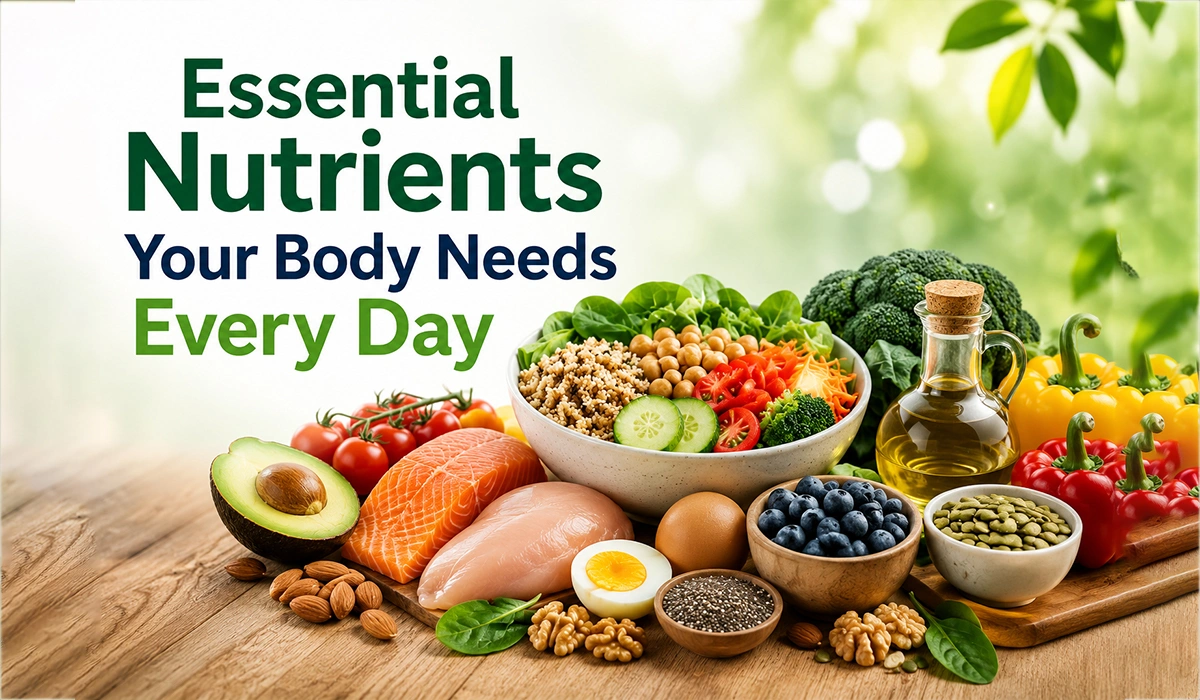
Essential Nutrients Your Body Needs Every Day

Understanding the Growing Importance of Nutraceuticals

A few decades ago, most people visited a doctor only after becoming sick. Today, that mindset is changing. People want to stay healthy rather than wait for health problems to appear. They are exercising more, choosing healthier foods, and adding nutritional supplements to their daily routines.

This shift has brought nutraceuticals into the spotlight.

According to global healthcare trends, consumers are increasingly looking for products that support immunity, heart health, bone strength, skin wellness, digestive health, and overall quality of life.

The growing importance of nutraceuticals lies in one simple idea:

Prevention is often better than treatment.

What Are Nutraceuticals?

Quick Answer

Nutraceuticals are products derived from food sources that provide additional health and wellness benefits beyond basic nutrition.

Detailed Explanation

The word “nutraceutical” combines two words:

  • Nutrition
  • Pharmaceutical

These products are designed to support overall health and may help address nutritional gaps.

Common forms include:

  • Capsules
  • Tablets
  • Softgels
  • Powders
  • Gummies
  • Functional beverages
  • Herbal extracts

Example

Vitamin D supplements, Omega-3 capsules, probiotics, herbal formulations, and antioxidant blends are common examples of nutraceutical products.

Why Are Nutraceuticals Becoming More Important?

Quick Answer

Modern lifestyles, nutritional deficiencies, and growing awareness about preventive healthcare have increased demand for nutraceuticals.

Major Reasons

FactorImpact
Busy lifestylesPoor eating habits
UrbanizationIncreased stress
Processed foodsNutrient deficiencies
Aging populationHigher wellness needs
Health awarenessPreventive care focus

Practical Tip

Regular health checkups can help identify nutritional deficiencies that may require dietary changes or supplementation.

Types of Nutraceuticals

Dietary Supplements

Contain vitamins, minerals, amino acids, and herbal ingredients.

Examples:

  • Vitamin C
  • Vitamin D3
  • Biotin
  • Zinc
  • Magnesium

Functional Foods

Foods enhanced with additional nutritional value.

Examples:

  • Fortified milk
  • Probiotic yogurt
  • High-fiber cereals

Herbal Nutraceuticals

Derived from natural plant ingredients.

Examples:

  • Turmeric
  • Ashwagandha
  • Aloe Vera
  • Green Tea Extract

Probiotics and Prebiotics

Support digestive health and gut microbiome balance.

Key Benefits of Nutraceuticals

1. Supports Immune Health

Many nutraceutical products contain vitamins and antioxidants that help support the body’s natural defense mechanisms.

2. Helps Address Nutritional Deficiencies

Modern diets may lack essential nutrients. Nutraceuticals can help bridge nutritional gaps.

3. Supports Healthy Aging

Antioxidants help protect cells from oxidative stress associated with aging.

4. Promotes Bone and Joint Wellness

Calcium, Vitamin D3, and collagen-supporting nutrients contribute to musculoskeletal health.

5. Supports Heart Health

Omega-3 fatty acids and selected nutritional ingredients are widely recognized for cardiovascular wellness.

6. Enhances Skin, Hair, and Nail Health

Biotin, Vitamin E, amino acids, and collagen-supporting nutrients contribute to beauty from within.

Nutraceuticals vs Pharmaceuticals

FeatureNutraceuticalsPharmaceuticals
PurposeWellness supportDisease treatment
SourceFood or natural ingredientsDrug formulations
UsageDaily nutritional supportMedical treatment
FocusPreventionTherapy
GuidanceDietician/Healthcare ProfessionalPhysician

The Role of Nutraceuticals in Preventive Healthcare

Direct Answer

Preventive healthcare focuses on maintaining health before illness develops, and nutraceuticals play an important supporting role.

Key Areas

  • Immunity support
  • Healthy aging
  • Weight management
  • Bone health
  • Nutritional wellness
  • Energy support

Global Nutraceutical Market Trends

Healthcare experts expect continuous growth because consumers increasingly prefer proactive wellness solutions.

Popular Categories

  • Immune health
  • Sports nutrition
  • Women’s wellness
  • Men’s wellness
  • Senior nutrition
  • Pediatric nutrition
  • Beauty nutrition

Why Consumers Prefer Nutraceuticals

Consumer Benefits

✔ Easy to consume

✔ Supports daily wellness

✔ Complements healthy lifestyles

✔ Available in multiple formats

✔ Convenient for busy schedules

How to Choose High-Quality Nutraceuticals

Look For

  • Trusted manufacturer
  • Quality certifications
  • Transparent ingredient labeling
  • Scientific formulation
  • Regulatory compliance
  • Professional guidance

Avoid

  • Unrealistic health claims
  • Unknown ingredients
  • Poor manufacturing standards

The Future of Nutraceuticals

Experts believe the future will include:

  • Personalized nutrition
  • AI-driven wellness recommendations
  • Functional foods
  • Precision supplementation
  • Sustainable ingredient sourcing
  • Digital healthcare integration

Why Quality Manufacturing Matters

Consumers should select products from organizations committed to:

  • Research-driven development
  • Quality assurance
  • Ethical manufacturing
  • Product consistency
  • Regulatory compliance

Strong manufacturing practices help build consumer confidence and support long-term wellness goals.

Real-World Example

A working professional with limited time may experience fatigue due to poor dietary habits.

By improving nutrition, increasing physical activity, and adding professionally recommended nutritional supplements, they may better support their daily wellness routine.

This demonstrates how nutraceuticals can complement a healthy lifestyle rather than replace one.

Nutraceuticals Frequently Asked Questions

What are nutraceuticals?

Nutraceuticals are food-derived products that provide nutritional and wellness benefits beyond basic dietary intake.

Why are nutraceuticals important?

They help support preventive healthcare, nutritional balance, and overall wellness.

Are nutraceuticals the same as medicines?

No. Nutraceuticals are designed to support health and nutrition, while medicines are intended for treating medical conditions.

What are common examples of nutraceuticals?

Vitamin supplements, probiotics, Omega-3 fatty acids, herbal extracts, antioxidants, and functional foods.

Can nutraceuticals support immunity?

Many nutraceutical ingredients such as vitamins and antioxidants help support normal immune function.

Who can use nutraceuticals?

Adults seeking nutritional support may use them under the guidance of a healthcare professional.

Are nutraceuticals popular in the USA?

Yes. The USA is one of the world’s largest nutraceutical markets due to increasing health awareness and preventive healthcare trends.

How do I choose the best nutraceutical product?

Look for trusted brands, quality certifications, scientific formulations, and transparent labeling.

Conclusion

Healthcare is evolving from treating illness to promoting wellness. Nutraceuticals have become an important part of this transformation by helping people maintain nutritional balance and support long-term health goals.

While they are not replacements for medical treatment, they can complement a healthy lifestyle that includes balanced nutrition, physical activity, adequate sleep, and regular health checkups.

The future of healthcare will likely combine science, nutrition, and technology to create more personalized wellness solutions. Understanding the growing importance of nutraceuticals today helps individuals and organizations prepare for a healthier tomorrow.

The best healthcare strategy is not simply living longer—it is living healthier.

Nutritional
Why Nutritional Supplements Are Important in Modern Lifestyles
Common Nutritional Deficiencies and How to Address Them
The Science Behind Daily Nutritional Support
How Nutrition Supports Immunity and Overall Health
Benefits of Calcium and Vitamin D3 for Bone Health
Understanding the Growing Importance of Nutraceuticals
How Nutrition Impacts Energy, Strength, and Wellness
Essential Nutrients Your Body Needs Every Day

Benefits of Calcium and Vitamin D3 for Bone Health: A Complete Guide to Stronger Bones and Lifelong Wellness

Imagine trying to build a strong house without a solid foundation. No matter how beautiful the walls or roof may look, the structure eventually weakens. The human body works the same way. Bones are the framework that supports every step, jump, and movement we make.

Many people only think about bone health after experiencing pain or fractures. However, healthy bones are built over a lifetime. Two nutrients play the biggest role in this process: Calcium and Vitamin D3.

According to health experts, inadequate calcium intake and low Vitamin D levels are common worldwide, affecting children, adults, and older individuals alike. Maintaining adequate nutrition can help support normal bone development, muscle function, and overall wellness.

This guide explains how Calcium and Vitamin D3 work together, why they matter, and practical ways to support lifelong bone health.

What Are Calcium and Vitamin D3?

Quick Answer

Calcium is an essential mineral that supports bones and teeth, while Vitamin D3 helps the body absorb and utilize calcium effectively.

Detailed Explanation

Nearly 99% of the body’s calcium is stored in bones and teeth. The remaining amount supports muscle contraction, nerve signaling, and blood clotting.

Vitamin D3, also called cholecalciferol, helps the intestines absorb calcium from food. Without enough Vitamin D3, the body cannot efficiently use the calcium consumed.

Why Are Strong Bones Important?

Direct Answer

Healthy bones support movement, protect organs, store minerals, and contribute to overall physical well-being.

Bone Functions

  • Supports body structure
  • Protects vital organs
  • Stores calcium and phosphorus
  • Helps produce blood cells
  • Supports muscle movement

Strong bones also contribute to maintaining an active lifestyle as people age.

How Calcium and Vitamin D3 Work Together

Simple Explanation

Think of calcium as the building material and Vitamin D3 as the delivery system.

Without Vitamin D3:

  • Calcium absorption decreases
  • Bone mineralization may be affected
  • Nutritional balance becomes more difficult

Together, they help support:

  • Bone density
  • Muscle function
  • Skeletal development
  • General wellness

Top Benefits of Calcium and Vitamin D3 for Bone Health

1. Supports Healthy Bone Density

Adequate intake helps maintain normal bone mineralization throughout life.

2. Helps Maintain Strong Teeth

Calcium is a major structural component of teeth and supports oral health.

3. Supports Muscle Function

Vitamin D contributes to normal muscle function, helping maintain strength and mobility.

4. Aids Calcium Absorption

Vitamin D3 enhances the body’s ability to absorb dietary calcium.

5. Supports Healthy Aging

Proper nutrition may help maintain bone health as age-related changes occur.

6. Encourages Active Living

Strong bones and muscles help people remain physically active.

Signs That May Indicate Low Calcium or Vitamin D

Common Signs

  • Muscle weakness
  • Fatigue
  • Bone discomfort
  • Frequent cramps
  • Dental concerns
  • General weakness

These symptoms may have multiple causes. Professional medical evaluation is recommended.

Who May Need More Attention to Bone Health?

Higher-Risk Groups

GroupReason
Older adultsNatural bone changes
Post-menopausal womenHormonal changes
Growing childrenRapid bone development
Individuals with limited sunlight exposureLower Vitamin D production
People with restricted dietsReduced nutrient intake

Natural Sources of Calcium

Foods Rich in Calcium

  • Milk
  • Yogurt
  • Cheese
  • Leafy green vegetables
  • Almonds
  • Sesame seeds
  • Fortified foods

Practical Tip

Include calcium-rich foods in daily meals rather than relying on a single source.

Natural Sources of Vitamin D3

Main Sources

  • Sunlight exposure
  • Fatty fish
  • Egg yolks
  • Fortified dairy products
  • Fortified cereals

Balanced sun exposure and a healthy diet can support Vitamin D levels.

Calcium vs Vitamin D3: Comparison Table

FeatureCalciumVitamin D3
TypeMineralVitamin
Primary RoleBuilds bonesHelps absorb calcium
Found InDairy, greens, nutsSunlight, fish, eggs
SupportsBones and teethBone and muscle function
Works BestWith Vitamin D3With Calcium

Lifestyle Habits That Support Bone Health

Daily Habits

✔ Regular physical activity

✔ Weight-bearing exercises

✔ Balanced nutrition

✔ Healthy body weight

✔ Adequate sleep

✔ Avoid excessive smoking and alcohol

Healthy habits work together with proper nutrition.

Bone Health Across Different Life Stages

Children

Support normal growth and development.

Adults

Maintain bone strength and active lifestyles.

Older Adults

Help preserve mobility and independence.

Bone health should be a lifelong priority.

Why Many Healthcare Professionals Recommend Combined Support

Experts often emphasize that Calcium and Vitamin D3 complement one another.

Benefits include:

  • Better nutritional balance
  • Improved calcium utilization
  • Comprehensive bone support
  • Daily wellness maintenance

Practical Example

A working professional spends most of the day indoors and avoids dairy products. Over time, dietary calcium intake and sunlight exposure may decrease.

Adding calcium-rich foods, safe sunlight exposure, regular exercise, and professional nutritional guidance can help support long-term bone wellness.

Why Quality Nutritional Solutions Matter

When selecting nutritional supplements, important factors include:

  • Quality manufacturing
  • Trusted ingredients
  • Regulatory compliance
  • Reliable sourcing
  • Clear labeling
  • Professional guidance

Choosing reputable healthcare brands helps support consumer confidence.

Benefits of Calcium and Vitamin D3 for Bone Health Frequently Asked Questions

What are the benefits of Calcium and Vitamin D3?

They help support bone health, calcium absorption, muscle function, and overall wellness.

Why does the body need both Calcium and Vitamin D3?

Vitamin D3 helps the body absorb and use calcium effectively.

Can I get Calcium and Vitamin D naturally?

Yes. Dairy products, leafy vegetables, sunlight, fish, and fortified foods are common sources.

Who should pay attention to bone health?

Children, older adults, post-menopausal women, and people with limited sunlight exposure may particularly benefit from maintaining healthy nutrient intake.

Does exercise help bone health?

Yes. Weight-bearing exercises help support strong bones and muscles.

What foods are rich in Calcium?

Milk, yogurt, cheese, almonds, leafy greens, and fortified foods.

What is the best source of Vitamin D3?

Sunlight is a natural source, while fish and fortified foods also contribute.

Can lifestyle affect bone health?

Yes. Diet, exercise, smoking, alcohol intake, and overall wellness habits influence bone health.

Conclusion

Bone health is not something to think about only later in life. Every meal, every walk, and every healthy habit contributes to building and maintaining strong bones.

Calcium provides the essential building blocks, while Vitamin D3 helps the body use those building blocks efficiently. Together, they support movement, strength, and everyday wellness.

The best approach combines balanced nutrition, active living, healthy lifestyle choices, and professional healthcare guidance.

After all, strong bones are not built in a day—they are built through consistent care over a lifetime.

Nutritional
Why Nutritional Supplements Are Important in Modern Lifestyles
Common Nutritional Deficiencies and How to Address Them
The Science Behind Daily Nutritional Support
How Nutrition Supports Immunity and Overall Health
Benefits of Calcium and Vitamin D3 for Bone Health
Understanding the Growing Importance of Nutraceuticals
How Nutrition Impacts Energy, Strength, and Wellness
Essential Nutrients Your Body Needs Every Day

Well Being Products

Add to cart
Home

Get in Touch

Footer

Get in Touch

May I help you?