Introduction
Have you ever looked in the mirror and noticed dull skin, unexpected acne, dryness, or irritation—and wondered if something deeper was happening inside your body?
Your skin often tells a story before the rest of your body does.
As the body’s largest organ, skin does much more than affect appearance. It acts as a protective barrier, regulates temperature, and reflects internal health. In many cases, skin changes can be early signs of nutritional deficiencies, dehydration, stress, hormonal imbalance, poor sleep, or other health concerns.
Understanding how skin health reflects overall wellness is becoming more important in modern healthcare. Today, dermatologists, wellness experts, and preventive healthcare professionals recognize that healthy skin is closely connected to healthy living.
Beautiful skin is not only about external skincare. It starts from within.
What Does Skin Health Reveal About Overall Wellness?
Skin health reflects hydration, nutrition, hormone balance, immunity, sleep quality, and overall physical health.
The skin often acts as a visible indicator of internal wellness.
Common skin changes may signal:
- Poor nutrition
- Stress
- Dehydration
- Digestive imbalance
- Hormonal changes
- Lack of sleep
Healthy skin usually reflects a healthy internal environment.
Why Skin Is Called the Mirror of Internal Health
Skin is one of the first organs to show signs of imbalance.
Warning signs include:
- Dryness
- Acne
- Excess oil
- Rashes
- Pigmentation
- Premature aging
- Dark circles
These changes may indicate more than skincare issues.
For example:
- Dry skin may suggest dehydration
- Pale skin may indicate iron deficiency
- Acne may point to hormonal imbalance
This is why experts say skin often mirrors internal health.
The Link Between Nutrition and Skin Health
Good nutrition supports skin repair, collagen production, hydration, and protection against damage.
Your skin depends on essential nutrients.
Key nutrients for healthy skin:
| Nutrient | Skin Benefit | Sources |
|---|---|---|
| Vitamin C | Collagen support | Citrus fruits |
| Vitamin E | Antioxidant protection | Nuts, seeds |
| Zinc | Acne support | Legumes, seeds |
| Protein | Tissue repair | Eggs, dairy |
| Omega-3 | Skin hydration | Fish, nuts |
Poor nutrition often leads to dull or unhealthy-looking skin.
How Hydration Affects Skin Wellness
Water is essential for healthy skin.
Signs of dehydration:
- Dry skin
- Tightness
- Flaky patches
- Dull complexion
Hydration helps:
- Maintain elasticity
- Support skin barrier
- Improve glow
Simple tip:
Drink enough water throughout the day and include water-rich foods.
Stress and Its Hidden Effects on Skin
Stress can trigger acne, inflammation, dullness, and premature aging.
Stress affects hormones, especially cortisol.
High cortisol levels may cause:
- Acne breakouts
- Oily skin
- Redness
- Sensitivity
Long-term stress also increases inflammation.
This explains why stressful periods often affect skin quality.
Poor Sleep and Skin Damage
Sleep is essential for skin repair.
During sleep, the body repairs tissues and supports cell regeneration.
Poor sleep may cause:
- Dark circles
- Puffy eyes
- Dull skin
- Fine lines
Beauty sleep is more than a phrase—it has real biological value.
Hormonal Imbalance and Skin Problems
Hormones strongly influence skin health.
Hormonal imbalance may lead to:
- Acne
- Oily skin
- Pigmentation
- Hair thinning
This is common during:
- Puberty
- Pregnancy
- Menopause
- Stressful periods
Hormonal changes often show visible effects on the skin.
Gut Health and Skin Connection
Modern research highlights a strong gut-skin connection.
Poor digestion may contribute to:
- Acne
- Inflammation
- Skin sensitivity
- Breakouts
A healthy gut supports:
- Better nutrient absorption
- Reduced inflammation
- Stronger immunity
Healthy digestion often improves skin health.
Skin and Immunity: The Protective Connection
The skin acts as the first defense against external threats.
Healthy skin supports:
- Protection from bacteria
- Defense against pollutants
- Barrier against irritants
Weak immunity may increase:
- Skin infections
- Sensitivity
- Slow healing
This makes skin health an important part of preventive healthcare.
Pollution and Environmental Damage
Environmental stress affects skin daily.
Common skin concerns caused by pollution:
- Premature aging
- Pigmentation
- Clogged pores
- Skin irritation
Protection strategies include:
- Cleansing properly
- Using sunscreen
- Maintaining hydration
- Antioxidant-rich nutrition
Common Skin Problems and Their Possible Internal Causes
| Skin Concern | Possible Internal Cause |
|---|---|
| Acne | Hormonal imbalance |
| Dry skin | Dehydration |
| Pale skin | Iron deficiency |
| Dark circles | Poor sleep |
| Hair fall | Nutritional deficiency |
| Dull skin | Stress or poor nutrition |
This table shows how skin symptoms often connect to internal health.
Daily Habits for Better Skin and Better Wellness
Healthy skin requires healthy habits.
Daily wellness habits:
- Eat balanced nutrition
- Stay hydrated
- Sleep 7–8 hours
- Manage stress
- Exercise regularly
- Follow skincare routine
Consistency matters more than perfection.
External Skincare vs Internal Wellness
Both are important, but long-term skin health starts from within.
Skincare products help externally.
Internal wellness supports:
- Skin repair
- Cell regeneration
- Long-term glow
Best results come from combining both.
Why Preventive Healthcare Matters for Skin Health
Preventive healthcare focuses on identifying early warning signs before bigger problems develop.
Regular checkups help monitor:
- Hormones
- Nutrition
- Vitamin levels
- Hydration
- General health
Early action improves long-term skin and body wellness.
The Role of Personal Care Products in Skin Wellness
Quality skincare products support daily skin protection.
A good skincare routine helps:
- Cleanse
- Hydrate
- Protect
- Repair
Choosing products based on skin type improves long-term results.
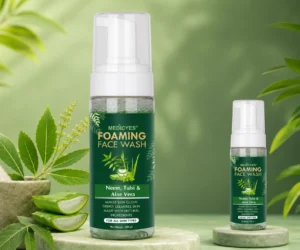
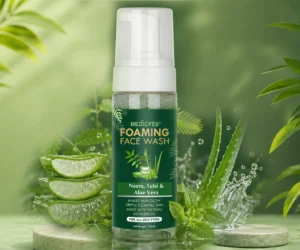
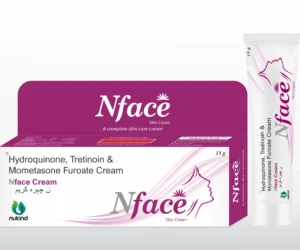
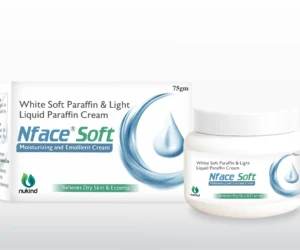
For example, targeted skincare ranges like acne care, herbal face washes, moisturizing products, and skin creams can support healthier skin when paired with healthy lifestyle habits.
Why Healthy Skin Starts from Within
Healthy skin is a reflection of internal balance.
When the body gets:
- Proper nutrition
- Good sleep
- Enough hydration
- Low stress
- Balanced hormones
The skin naturally looks healthier.
True skin wellness begins inside the body.
How Skin Health Reflects Overall Wellness – Frequently Asked Questions
Can skin problems indicate health issues?
Yes. Skin problems can sometimes indicate dehydration, hormonal imbalance, nutritional deficiencies, or stress.
How does nutrition affect skin health?
Nutrients like Vitamin C, Protein, Zinc, and Omega-3 help support healthy skin repair and protection.
Can stress affect skin?
Yes. Stress may trigger acne, inflammation, sensitivity, and dullness.
Does hydration improve skin?
Yes. Proper hydration supports elasticity, glow, and overall skin health.
Why does lack of sleep affect skin?
Poor sleep slows skin repair and may cause dullness, dark circles, and premature aging.
Is healthy skin only about skincare products?
No. Healthy skin depends on both external care and internal wellness.
Conclusion
Understanding how skin health reflects overall wellness helps us look beyond surface-level beauty.
Skin often reveals early signs of dehydration, stress, poor nutrition, hormonal imbalance, and lifestyle challenges. Healthy skin is built through balanced nutrition, hydration, quality sleep, stress management, and proper skincare.
The goal is not perfect skin. The goal is healthy skin supported by a healthy body.
Because when your body feels better, your skin often shows it first.