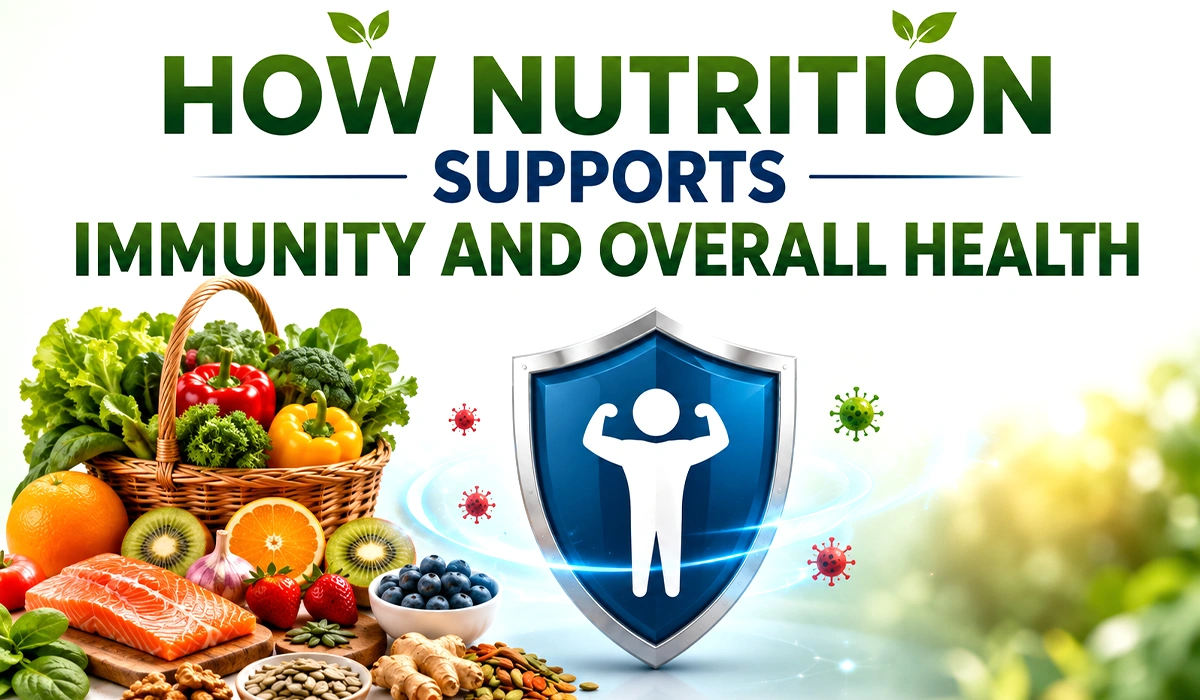
How nutrition supports immunity and overall health is one of the most important questions in preventive healthcare. A balanced diet rich in vitamins, minerals, proteins, healthy fats, and antioxidants helps strengthen the immune system, improve energy levels, support brain function, and reduce the risk of many lifestyle-related diseases.
Introduction
A young professional in Mumbai skips breakfast, drinks several cups of coffee, and works late into the night. Across the world in New York, a college student relies on fast food because of a busy schedule. Both feel tired, get frequent colds, and wonder why their energy levels are so low.
The answer may not always be a lack of sleep or a heavy workload. Sometimes, the body simply is not getting the nutrition it needs.
Modern healthcare is moving beyond treating diseases after they appear. Today, experts around the world agree that nutrition plays a major role in maintaining immunity and supporting overall health.
Understanding how nutrition supports immunity and overall health helps people make better daily choices that benefit their bodies for years to come.
What Is Nutrition?
Nutrition is the process by which the body obtains and uses nutrients from food to support growth, energy production, immunity, and overall well-being.
Detailed Explanation
The body requires different nutrients to function properly:
| Nutrient | Main Function |
|---|---|
| Protein | Muscle repair and immunity |
| Carbohydrates | Energy production |
| Healthy fats | Brain and hormone function |
| Vitamins | Cellular protection |
| Minerals | Bone, nerve, and muscle health |
| Water | Hydration and body balance |
Without proper nutrition, many body systems become weaker over time.
How Does Nutrition Support the Immune System?
Good nutrition helps the immune system produce protective cells and antibodies that fight infections.
Detailed Explanation
The immune system depends on nutrients to function effectively.
Key nutrients include:
- Vitamin C
- Vitamin D
- Zinc
- Iron
- Protein
- Selenium
When these nutrients are lacking, the body’s defense system may not perform efficiently.
Why Immunity Matters in Modern Life
The immune system protects the body from:
- Viruses
- Bacteria
- Fungi
- Environmental toxins
A strong immune system may help reduce the severity and frequency of common infections.
Poor nutrition, stress, lack of sleep, and sedentary lifestyles can weaken immunity over time.
Essential Nutrients That Support Immunity
Vitamin C
Benefits
- Supports white blood cells
- Protects against oxidative stress
- Helps wound healing
Food Sources
- Oranges
- Lemons
- Guava
- Kiwi
- Bell peppers
Vitamin D
Benefits
- Supports immune regulation
- Helps bone strength
- Assists calcium absorption
Sources
- Sunlight
- Fortified milk
- Egg yolks
- Fish
Zinc
Benefits
- Supports immune cell growth
- Helps tissue repair
Sources
- Nuts
- Seeds
- Whole grains
- Beans
Protein
Protein is essential because antibodies and immune cells are made from amino acids.
Good sources:
- Lentils
- Dairy products
- Eggs
- Fish
- Soy
The Connection Between Gut Health and Immunity
A healthy digestive system supports a healthy immune system.
Many experts believe that a significant portion of immune activity is connected to the gut.
Gut-friendly foods include:
- Yogurt
- Fruits
- Vegetables
- Whole grains
- Fiber-rich foods
Maintaining digestive health may improve overall wellness.
How Poor Nutrition Weakens the Body
Poor nutrition may contribute to:
- Fatigue
- Frequent infections
- Weak bones
- Hair fall
- Slow wound healing
- Poor concentration
Long-term nutritional imbalance may increase the risk of lifestyle-related health problems.
Nutrition and Overall Health
Good nutrition supports more than immunity.
It also benefits:
Brain Health
Healthy fats and vitamins support memory and concentration.
Heart Health
Balanced nutrition may help maintain healthy cholesterol and blood pressure levels.
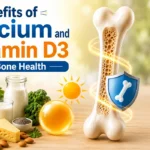
Bone Health
Calcium and Vitamin D help maintain strong bones.
Muscle Strength
Protein supports muscle growth and recovery.
Skin Health
Vitamins and antioxidants contribute to healthy-looking skin.
Best Foods for a Strong Immune System
Fruits
- Orange
- Papaya
- Kiwi
- Berries
Vegetables
- Spinach
- Broccoli
- Carrots
Protein Sources
- Lentils
- Eggs
- Fish
- Dairy
Healthy Fats
- Nuts
- Seeds
- Olive oil
Hydration
Water plays a critical role in nutrient transport and overall health.
Nutrition Across Different Age Groups
Children
Need nutrition for growth and development.
Adults
Need balanced nutrition to manage work and lifestyle stress.
Older Adults
Need additional support for immunity, muscles, and bones.
Common Nutritional Deficiencies
Some of the most common deficiencies include:
| Nutrient | Common Symptoms |
|---|---|
| Iron | Fatigue |
| Vitamin D | Bone weakness |
| Calcium | Muscle cramps |
| Vitamin B12 | Low energy |
| Protein | Muscle loss |
| Zinc | Poor immunity |
Regular health checkups may help identify nutritional gaps.
Can Nutritional Supplements Help?
Supplements may help when dietary intake is insufficient.
However, whole foods should remain the primary source of nutrition.
Healthcare professionals may recommend supplements based on individual needs.
Daily Habits That Support Immunity
Eat a balanced diet
Include fruits, vegetables, proteins, and whole grains.
Stay hydrated
Drink enough water throughout the day.
Sleep well
Quality sleep supports immune function.
Exercise regularly
Physical activity promotes overall wellness.
Manage stress
Chronic stress may weaken immunity.
Nutrition and Preventive Healthcare
Preventive healthcare focuses on avoiding illness before it develops.
Nutrition is one of the most effective preventive healthcare tools.
Healthy eating habits may help support:
- Immune health
- Heart health
- Brain function
- Healthy aging
Why Choose a Preventive Wellness Approach?
Modern healthcare is moving toward prevention rather than treatment.
Benefits include:
- Better long-term health
- Improved quality of life
- Lower healthcare costs
- Increased productivity
Small daily habits often create lasting health benefits.
Practical Example
Consider two office workers.
One regularly eats balanced meals, stays hydrated, and sleeps well.
The other frequently skips meals and relies on processed foods.
Over time, the first individual is more likely to maintain better energy, immunity, and overall wellness.
Nutrition influences everyday performance.
Nutrition Myths vs Facts
| Myth | Fact |
|---|---|
| Supplements can replace food | Whole foods remain the best source |
| Healthy eating is expensive | Simple balanced meals can be affordable |
| Only older adults need nutrition support | Every age group benefits |
| One superfood can improve health | Balanced diets work best |
How Nutrition Supports Immunity and Overall Health Frequently Asked Questions
How does nutrition support immunity and overall health?
Nutrition provides essential vitamins, minerals, proteins, and antioxidants that help the immune system function properly.
Which nutrients are most important for immunity?
Vitamin C, Vitamin D, Zinc, Iron, Protein, and Selenium are among the most important nutrients.
Can poor nutrition weaken the immune system?
Yes. Long-term nutritional deficiencies may reduce the body’s ability to fight infections.
What foods help improve immunity naturally?
Fruits, vegetables, whole grains, nuts, seeds, dairy products, and protein-rich foods support healthy immunity.
Are nutritional supplements necessary?
Supplements may be useful when deficiencies exist, but balanced diets remain the best foundation for health.
How much water should I drink daily?
Hydration needs vary, but regular water intake is essential for overall health and body function.
Conclusion
Understanding how nutrition supports immunity and overall health helps people make informed choices that benefit both the body and mind.
A healthy diet is not about perfection. It is about giving the body the nutrients it needs to function properly every day.
Small habits such as eating balanced meals, staying hydrated, exercising regularly, and getting enough sleep can strengthen immunity and improve overall wellness.
The future of healthcare is increasingly focused on prevention, and good nutrition remains one of the most powerful tools available.