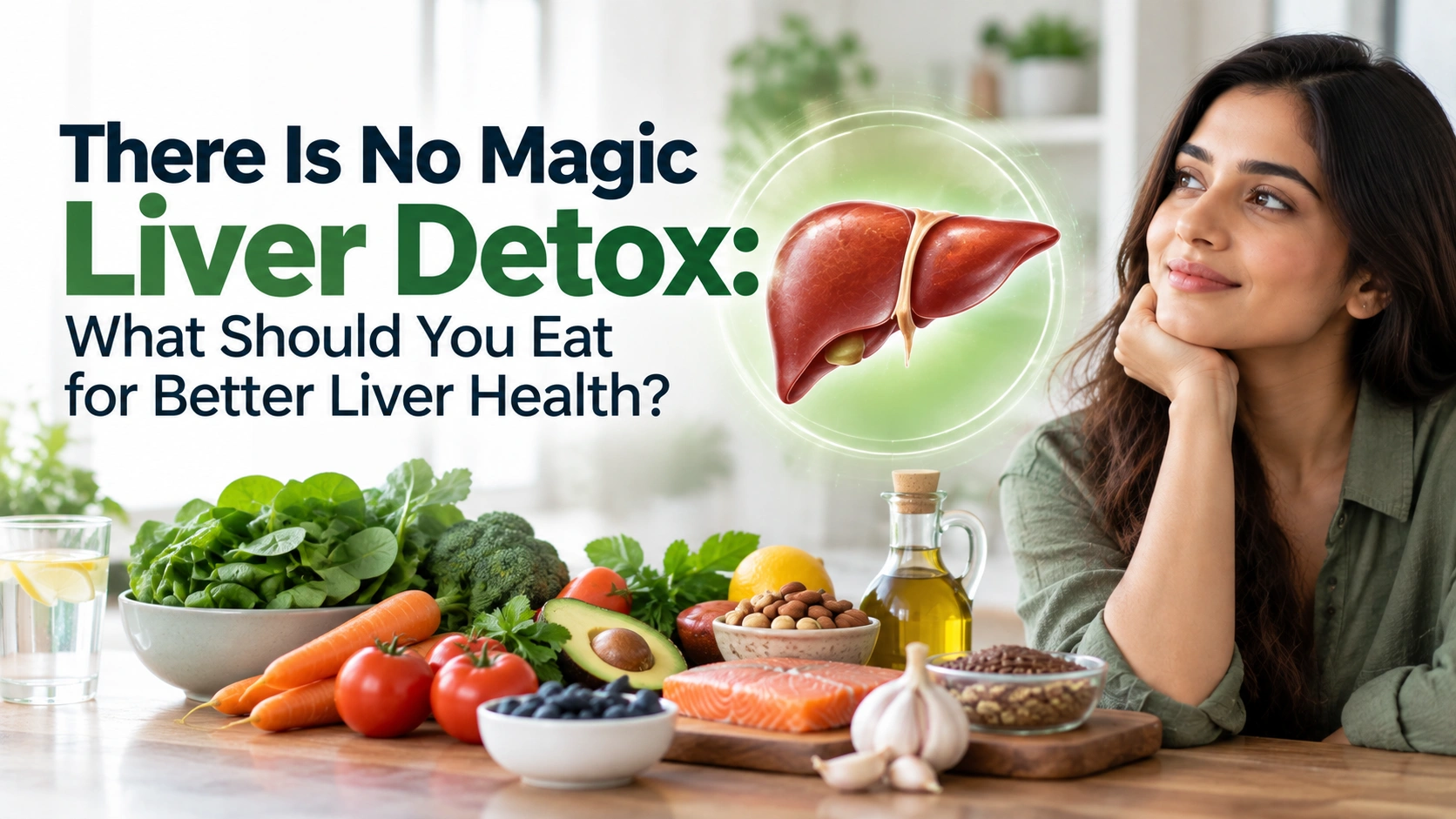
A “liver detox” drink, cleanse or supplement may sound like an easy solution after a week of heavy meals. But your liver does not need a special juice to perform its normal functions. For most people, better liver health is about consistent eating habits, physical activity, healthy weight management, and limiting alcohol rather than a short-term cleanse.
The liver performs hundreds of essential functions, including processing nutrients and helping the body handle substances from food, medicines and the environment. WHO recommends a balanced, diverse diet built around minimally processed foods, while liver-health guidance emphasizes nutrition, physical activity and management of metabolic risk factors.
What Does “Liver Detox” Actually Mean?
Quick answer: A liver detox or cleanse usually refers to a diet, drink or supplement marketed as helping remove “toxins.” There is no need for a special detox routine to make a healthy liver work normally.
Your liver already has sophisticated systems for processing substances in the body. Instead of searching for a quick cleanse, focus on habits that reduce factors associated with liver disease.
Practical tip: Think “liver-supportive lifestyle” rather than “liver cleanse.”
What Should You Eat for Better Liver Health?
Quick answer: Build meals around vegetables, fruits, whole grains, legumes, nuts, seeds and appropriate protein sources while limiting highly processed foods, excess added sugars and unhealthy fats.
WHO recommends a varied diet containing foods such as cereals, legumes, vegetables, fruits and animal-source foods where appropriate.
1. Eat More Vegetables and Fruits
Vegetables and fruits provide fibre and a range of vitamins, minerals and other nutrients.
Try adding:
Leafy greens
Carrots and other colourful vegetables
Tomatoes
Apples, oranges and other whole fruits
Seasonal produce available locally in India
Simple idea: Make vegetables a regular part of lunch and dinner rather than relying on a “detox” drink.
2. Choose Whole Grains and Legumes
Quick answer: Whole grains and legumes can provide fibre and useful nutrients while fitting into a balanced diet.
Options include oats, whole-wheat roti, brown rice, barley, dal, chickpeas and beans.
The goal is not to completely eliminate carbohydrates. Instead, choose nutrient-rich sources and maintain an overall balanced diet.
3. Include Healthy Protein Sources
Protein is important for maintaining muscle and overall nutrition. Depending on dietary preferences, meals can include dal, beans, fish, eggs, dairy, nuts, seeds or lean meat.
For people who already have liver disease, nutritional requirements can vary considerably. Medical or dietetic guidance may be needed rather than following a generic internet diet.
4. Cut Down on Added Sugar
Quick answer: Reducing sugary drinks, sweets and highly processed foods is a practical step toward a healthier overall diet.
WHO recommends limiting free sugars and choosing minimally processed foods as the foundation of a healthy diet.
Instead of making sugary beverages a daily habit, choose water or other unsweetened options.
5. Be Careful With Alcohol
Alcohol deserves particular attention because excessive consumption can contribute to liver injury. WHO states that less alcohol is better, and none is best for health.
People with certain liver conditions may need to avoid alcohol completely and should discuss this with their healthcare professional.
6. Don’t Ignore Your Weight and Metabolic Health
Quick answer: Maintaining a healthy weight and managing conditions such as diabetes, high blood pressure and abnormal cholesterol can be important parts of liver health.
WHO highlights healthy weight, blood-pressure and diabetes management alongside reducing alcohol as important for liver health.
For people with metabolic liver disease, even modest weight loss can improve liver-related outcomes.
7. What About Coffee?
Coffee is an interesting area of liver-health research. Some liver guidance associates coffee consumption with less advanced liver disease, but this does not mean everyone needs to start drinking coffee or that coffee is a treatment.
If you already drink coffee, discuss the amount with your healthcare professional if you have a liver condition or other medical concerns.
8. Do Liver Detox Juices Work?
Quick answer: A juice should not be considered a replacement for a balanced diet or medical treatment.
A drink made from fruits or vegetables can be part of a healthy diet, but calling it a “detox” does not automatically make it beneficial for the liver. Whole foods can also provide fibre that may be reduced when foods are processed into juice.
Better approach: Focus on your overall eating pattern rather than one “superfood.”
9. Can Exercise Help Liver Health?
Yes. Liver health is connected to overall metabolic health, and regular physical activity is an important lifestyle habit. WHO includes physical activity among core self-care practices.
Choose activities you can maintain, such as walking, cycling, swimming, strength training or yoga.
10. When Should You See a Doctor?
Persistent fatigue, jaundice, abdominal swelling, unexplained weight changes or other concerning symptoms should not be treated with a detox diet.
People with known liver disease, hepatitis, diabetes, obesity or abnormal liver tests should seek appropriate medical advice. Liver problems can sometimes have few obvious symptoms in their early stages.
Liver Detox vs Liver-Friendly Habits
Popular Detox Approach
Better Long-Term Approach
Short-term juice cleanse
Balanced eating pattern
“Detox” supplements
Evidence-based healthcare
Extreme food restriction
Adequate, varied nutrition
Quick weight-loss plan
Sustainable weight management
Ignoring alcohol intake
Reduce or avoid alcohol
One “superfood”
Overall healthy diet
A Simple Indian Liver-Friendly Plate
A practical meal could include vegetables + dal or another protein source + whole-grain roti or rice + curd, with fruit as an additional snack.
The exact diet should reflect your health conditions, medications, culture, budget and dietary preferences. WHO notes that healthy diets vary according to individual needs and local food availability.
The Bottom Line
There is no magic liver detox that can replace healthy daily habits. A varied diet rich in minimally processed foods, regular physical activity, healthy weight management and avoiding excessive alcohol are more meaningful ways to support liver health.
Your liver does not need a quick cleanse. It needs consistent care.
Frequently Asked Questions
Does the liver need a detox cleanse? No special cleanse is required for a healthy liver. Focus on balanced nutrition and healthy lifestyle habits.
Which foods are good for liver health? Vegetables, fruits, whole grains, legumes, nuts, seeds and appropriate protein sources can form part of a balanced liver-friendly diet.
Is fruit juice good for the liver? Fruit juice can contain significant amounts of free sugars and generally should not replace whole fruit. Whole fruits provide fibre.
Is alcohol bad for the liver? Alcohol can contribute to liver injury, particularly with higher consumption. Less is better, and some people with liver disease may need complete avoidance.
Can diet reverse fatty liver? Lifestyle changes can improve metabolic liver disease, and weight loss may improve liver abnormalities in people who are overweight or obese. Individual treatment should be guided by a healthcare professional.
Introduction: Could a Small Glass of Juice Affect Your Mood?
For years, fruit juice has had a complicated reputation. One day it is presented as a convenient source of vitamins; the next, people are warned that it contains too much sugar and too little fibre.
Now, a new study has added an interesting piece to the discussion.
Researchers from Newcastle University in the UK investigated whether adding fruit juice or smoothies to a diet could help people who were eating very little fruit and vegetables. After four weeks, participants who included fruit juice reported lower depression scores.
But does that mean daily fruit juice prevents depression?
No.
The study does not prove that juice itself is a treatment for depression. Instead, it suggests that incorporating a small amount of 100% fruit juice or a smoothie into a healthier overall diet may support mental wellbeing, particularly among people who struggle to consume enough fruit and vegetables.
That distinction matters.
For people in India, where fresh fruit, seasonal produce and traditional fruit-based drinks are common, the bigger lesson may not be “drink more juice.” It may be: look at the entire dietary pattern, choose minimally processed options and make whole fruits the foundation of your diet.
What Did the New Fruit Juice and Mental Health Study Find?
Quick Answer
A 2026 randomised controlled trial from Newcastle University found that adults with initially low fruit and vegetable intake who received support to reach five daily portions experienced improvements in their diets. The group that included a daily glass of 100% fruit juice or a smoothie also showed lower depression scores after four weeks.
The study was published in the British Journal of Nutrition in May 2026.
Participants initially consumed two or fewer portions of fruit and vegetables per day. Researchers helped them increase their intake toward the five-a-day target.
There were different dietary approaches, including one involving fruit juice or smoothies.
Both intervention groups successfully increased their fruit and vegetable intake. However, the group including fruit juice showed a statistically significant reduction in depression scores compared with the control group.
The difference in depression scores was approximately 2.52 points on a 27-point scale between the juice intervention and control groups.
Important limitation
This was a relatively short, four-week dietary intervention. It does not establish that fruit juice independently causes better mental health or that juice can treat depression.
The researchers themselves described the finding as promising and deserving of further investigation.
Does Daily Fruit Juice Improve Mental Health?
The latest study suggests a possible association between adding 100% fruit juice to a healthier diet and improved depression scores. However, the evidence is not strong enough to say that daily fruit juice directly improves mental health or treats depression.
Mental wellbeing is influenced by many factors, including sleep, physical activity, social connection, stress, overall diet and medical conditions.
The Newcastle research is important because it used a randomised controlled trial, rather than simply asking people how much juice they usually drink.
However, the intervention involved more than juice. Participants received support to increase their overall fruit and vegetable intake.
That means we should be careful about isolating juice as the only reason for the improvement.
Practical takeaway
Think of juice as a possible supporting part of a nutritious dietary pattern, not a mental-health treatment.
If you have persistent depression, anxiety or other mental-health symptoms, dietary changes should not replace professional assessment or treatment.
Why Could Fruit and Vegetable Intake Matter for Mental Wellbeing?
Fruits and vegetables provide fibre, vitamins, minerals and plant compounds that contribute to overall health. Research has also found associations between higher fruit and vegetable intake and better mental-health outcomes, although the exact mechanisms are complex and still being studied.
The brain needs a steady supply of nutrients to function properly.
Fruits and vegetables provide nutrients such as:
Vitamin C
Folate
Potassium
Carotenoids
Polyphenols
Other antioxidant compounds
Dietary fibre
These nutrients contribute to overall physiological health, which can indirectly support wellbeing.
There may also be a connection between diet, inflammation, metabolism and the gut-brain axis.
But nutrition is only one part of the picture.
A person eating plenty of fruit but sleeping four hours a night, experiencing severe stress or dealing with untreated depression cannot expect food alone to solve the problem.
Practical tip
Instead of focusing on a single “mood food,” build a varied diet containing fruits, vegetables, pulses, whole grains, nuts, seeds and adequate protein.
Fruit Juice vs Whole Fruit: Which Is Better?
Whole fruit is generally the preferred choice because it provides fibre and takes longer to consume. Fruit juice can still provide nutrients, but much of the fruit’s physical structure and fibre is lost during juicing. Indian dietary guidance states that whole fruits are preferable and recommends freshly made juice without added sugar only in limited quantities.
Consider an orange.
Eating the whole orange gives you:
Fibre
Water
Vitamin C
Plant compounds
Greater chewing and satiety
Juicing several oranges creates a drink that can be consumed quickly.
This makes portion control important.
The ICMR-National Institute of Nutrition’s Dietary Guidelines for Indians specifically state that whole fruits are preferable because they contain fibre and other nutrients. The guidance says freshly made juice for one person should be made from no more than approximately 100–150 g of fruit.
Simple comparison
Whole Fruit
100% Fruit Juice
Higher fibre
Less fibre
More filling
Easier to consume quickly
Slower eating
Faster intake
Usually better for satiety
Portion control matters
Preferred option
Can be used occasionally/in moderation
Best approach: Make whole fruit your everyday choice and use unsweetened 100% juice as an occasional or measured addition.
Is 100% Fruit Juice the Same as a Sugary Soft Drink?
Quick Answer
No. They are nutritionally different, although both can contribute significant sugar. 100% fruit juice contains naturally occurring nutrients and plant compounds, while sugar-sweetened beverages typically provide added sugars with little nutritional value. WHO still classifies sugars naturally present in fruit juice as free sugars that should be limited.
This is one of the most important distinctions in the fruit-juice debate.
100% fruit juice contains juice from fruit without added sugar.
A fruit drink or sweetened beverage may contain:
Added sugar
Flavourings
Sweeteners
Concentrates
Smaller amounts of actual fruit
Always read the label.
For example, a brightly packaged “fruit drink” should not automatically be considered equivalent to freshly prepared 100% fruit juice.
Practical tip
Look for:
“100% fruit juice”
rather than products marketed simply as:
“fruit drink,” “fruit beverage” or “juice drink.”
How Much Fruit Juice Should You Drink?
There is no universal amount that suits everyone. Current guidance generally favours whole fruit and moderation with juice. UK guidance cited in reporting around the 2026 study limits fruit juice to about 150 ml per day, while Indian dietary guidance recommends freshly made juice without added sugar and says it should be prepared from no more than about 100–150 g of fruit for one person.
The important point is that more is not necessarily better.
WHO recommends that people over age 10 consume at least 400 g of fruits and vegetables per day, while also noting that fruit juice can contain significant amounts of free sugars.
Therefore, drinking several large glasses of juice is not a shortcut to meeting healthy-diet recommendations.
A practical approach
If you enjoy juice:
Choose 100% juice.
Avoid added sugar.
Keep the serving modest.
Prefer whole fruit most of the time.
Drink it with a meal rather than continuously sipping it.
Maintain variety in your diet.
Can Fruit Juice Reduce Depression?
The 2026 Newcastle study found lower depression scores among participants whose intervention included fruit juice or smoothies, but it does not establish that fruit juice prevents or treats clinical depression. More research is needed to determine whether the relationship is caused by juice, increased fruit and vegetable intake, or other changes in the participants’ diet and lifestyle.
This distinction is especially important for health communication.
Depression is a medical condition.
It can involve:
Persistent sadness
Loss of interest
Sleep changes
Appetite changes
Fatigue
Difficulty concentrating
Feelings of hopelessness
A glass of juice cannot replace professional care when someone has depression.
The new research simply suggests that improving dietary quality may be one component of supporting mental wellbeing.
What Makes the 2026 Study Different?
One strength of the Newcastle research is that it was a randomised controlled trial rather than simply an observational study. Researchers actively supported participants in changing their fruit and vegetable intake and assessed outcomes after four weeks. However, the short duration and broader dietary intervention mean the findings should be interpreted cautiously.
Compare two research approaches.
Observational study
Researchers might ask:
“People who drink more fruit juice—do they report different mental-health outcomes?”
This can identify associations but cannot establish cause and effect.
Randomised controlled trial
Researchers actively assign people to an intervention and compare outcomes.
This generally provides stronger evidence about whether an intervention may have an effect.
The Newcastle study therefore adds useful evidence to an already developing research area.
But four weeks is still a short period.
Longer studies involving larger and more diverse populations would help determine whether the observed changes persist.
What About Earlier Research on Fruit Juice and Mental Health?
Earlier research has produced mixed findings. A 2021 CDC analysis found no overall association between 100% fruit juice consumption and poor mental health among adults, while a 2022 analysis of US survey data found that 100% fruit juice consumers reported fewer days of feeling anxious in some age groups. These studies cannot establish causation.
This is why the latest study should not be interpreted in isolation.
The evidence has included:
Observational research
Dietary surveys
Randomised interventions
Studies of cognitive outcomes
Studies of depression and anxiety
Results have not always pointed in exactly the same direction.
For example, the CDC study found no overall association between 100% fruit juice and poor mental health, although a higher-frequency association appeared in one female subgroup.
Meanwhile, the 2022 study involving more than 62,000 US adults found an inverse association between usual 100% fruit juice intake and days of feeling anxious among some groups.
Taken together, the research suggests an interesting area for further study—not a settled medical conclusion.
Could Antioxidants in Fruit Juice Support Brain Health?
Fruit juices can contain vitamin C, carotenoids and polyphenols, depending on the fruit. These compounds participate in antioxidant and other biological processes. However, it is not established that drinking juice specifically produces a clinically meaningful improvement in mental health because of antioxidants alone.
Different fruits contain different compounds.
For example:
Citrus fruits are rich in vitamin C.
Pomegranate contains various polyphenols.
Tomato products contain lycopene.
Berries provide several polyphenolic compounds.
But “antioxidant” does not automatically mean “antidepressant.”
Nutrition science is more complicated than a single nutrient.
The overall food matrix, dietary pattern, metabolism, lifestyle and individual health status all matter.
What Are the Downsides of Drinking Juice Every Day?
The main concerns are sugar concentration, lower fibre compared with whole fruit, calories and dental exposure. WHO recommends limiting free sugars, including sugars naturally present in fruit juice. Indian dietary guidance also warns about commercially available fruit juices and recommends whole fruit over juice.
Potential concerns include:
1. Less fibre
Juicing removes much of the fibre found in whole fruit.
2. Easy calorie intake
It is easier to consume several fruits in a drink than by eating them whole.
3. Sugar concentration
Even without added sugar, fruit juice can contain substantial naturally occurring sugars.
4. Dental health
Frequent exposure to acidic or sugary drinks may contribute to dental problems.
5. Blood glucose considerations
People with diabetes or impaired glucose regulation may need to pay particular attention to portions and beverage choices.
Practical tip
Do not treat juice as unlimited simply because it is made from fruit.
What Should People in India Know About Fruit Juice?
For Indian consumers, the best approach is to prioritize seasonal whole fruits, vegetables and traditional minimally processed foods. ICMR-NIN guidance recommends whole fruits over juice and suggests that freshly made juice without added sugar can be used in moderation.
India offers an enormous variety of fruits, including:
Guava
Papaya
Orange
Mosambi
Pomegranate
Watermelon
Mango
Amla
Banana
Berries where locally available
This diversity makes it unnecessary to rely heavily on juice.
For example, instead of having a large glass of mango juice, you could eat a portion of whole mango alongside a balanced meal.
Similarly, guava can provide both vitamin C and fibre when eaten whole.
Practical Indian diet strategy
Breakfast: Whole fruit + protein-rich food Lunch: Vegetables + dal + whole grains Snack: Seasonal fruit or a small serving of unsweetened juice Dinner: Vegetables + protein + whole grains
The objective is dietary balance, not one “superfood.
Fruit Juice, Smoothies or Whole Fruit: Which Should You Choose?
Option
Fibre
Convenience
Portion Control
Best Use
Whole fruit
High
High
Easy
Everyday choice
Smoothie with whole fruit
Moderate–high
High
Moderate
Convenient nutrition
100% fruit juice
Low
Very high
Requires attention
Small serving
Sweetened juice drink
Low
Very high
Poor
Best limited
Soft drink
Very low
Very high
Poor
Best limited
The 2026 study included both fruit juice and smoothies as ways of helping participants increase their fruit and vegetable intake.
A smoothie made with whole fruit can retain considerably more fibre than strained juice.
Still, portion size matters.
Does Fruit Juice Replace Mental-Health Treatment?
No. Fruit juice is a food, not a treatment for depression, anxiety or other mental-health disorders. A healthy diet can support general wellbeing, but persistent or severe mental-health symptoms require appropriate professional assessment and care.
If someone experiences:
Persistent low mood
Severe anxiety
Loss of interest in normal activities
Major sleep changes
Thoughts of self-harm
Difficulty functioning in everyday life
they should seek appropriate medical or mental-health support.
Nutrition can complement treatment—but should not replace it.
7 Smart Ways to Include Fruit in a Healthy Diet
1. Choose whole fruit first
Make whole fruit the foundation.
2. Select 100% juice
Avoid drinks with added sugar when you choose juice.
3. Keep portions small
A small glass is very different from several large glasses.
4. Don’t add sugar
Fruit is naturally sweet.
5. Vary your choices
Rotate citrus fruits, berries, guava, papaya, pomegranate and other seasonal options.
6. Combine with balanced meals
Pair carbohydrates with protein, healthy fats and fibre.
7. Don’t rely on juice for mental health
Use it as part of a healthy dietary pattern rather than as a treatment.
The Bigger Lesson: Your Overall Diet Matters More Than One Drink
The strongest message from current nutrition research is not that one glass of juice is a magic solution. A healthier dietary pattern—rich in fruits, vegetables, pulses, whole grains and other nutritious foods—is more important than any single food or drink. WHO recommends dietary diversity, moderation, balance and adequacy as the foundations of healthy eating. (World Health Organization)
Think about your diet as a complete picture.
A person who drinks one small glass of 100% orange juice but regularly eats vegetables, pulses, whole grains and whole fruit has a very different dietary pattern from someone who drinks multiple glasses of juice while eating mostly ultra-processed foods.
That is why headlines such as “One glass of juice boosts mental health” can oversimplify the science.
The latest study is encouraging—but it is one piece of a much larger puzzle.
What Should You Do After Reading the New Study?
If you currently eat very little fruit and vegetables, start small.
This week:
Step 1: Add one serving of whole fruit each day. Step 2: Add another serving of vegetables. Step 3: Choose whole grains or pulses more often. Step 4: If you enjoy juice, keep it to a modest serving and choose 100% juice without added sugar. Step 5: Pay attention to sleep, physical activity and stress as well.
The goal is not to turn fruit juice into a daily prescription.
The goal is to make healthier eating easier and more sustainable.
Frequently Asked Questions: Daily Fruit Juice and Mental Health
Can drinking fruit juice every day improve mental health?
A 2026 randomised controlled trial found lower depression scores among participants whose intervention included daily 100% fruit juice or smoothies. However, the study does not prove that juice itself prevents or treats depression.
What did the latest fruit juice study find?
Newcastle University researchers found that adults with low fruit and vegetable intake who were supported to improve their diet increased their intake successfully. The juice/smoothie group also showed lower depression scores after four weeks.
Is whole fruit healthier than fruit juice?
Generally, yes. Whole fruit contains more intact fibre and is usually more filling. ICMR-NIN dietary guidance specifically states that whole fruits are preferable to juice.
Is 100% fruit juice healthy?
100% fruit juice can provide nutrients, but it should be consumed in moderation because it contains free sugars and generally has less fibre than whole fruit. WHO recommends limiting free sugar intake, including sugars naturally present in fruit juice.
Can fruit juice treat depression?
No. Fruit juice should not be considered a treatment for depression. Anyone experiencing persistent or severe symptoms should speak with a qualified healthcare professional.
Is fruit juice better than soda?
100% fruit juice and sugar-sweetened soft drinks are not nutritionally equivalent. Fruit juice can provide vitamins and plant compounds, while sugar-sweetened beverages generally provide added sugar with little nutritional value. Both should be consumed thoughtfully.
How much fruit juice should I drink?
There is no single amount for everyone. Indian dietary guidance recommends freshly made juice without added sugar in moderation, while UK guidance generally uses a 150 ml daily limit.
Is fruit juice good for anxiety?
Research is mixed. Some observational research has reported associations between 100% fruit juice consumption and fewer days of feeling anxious, but this does not establish that juice prevents anxiety.
Can people with diabetes drink fruit juice?
People with diabetes should discuss appropriate beverage choices and portions with their healthcare professional. Juice can contain substantial carbohydrate and sugar even when no sugar has been added.
Is fresh juice better than packaged juice?
Freshly made juice without added sugar can be preferable to many commercial sweetened juice products. However, it still contains less fibre than whole fruit and should not be consumed without considering portion size.
Does fruit juice contain antioxidants?
Many fruit juices contain vitamin C, carotenoids, polyphenols and other plant compounds. The exact nutritional profile depends on the fruit and processing method.
Should I drink juice instead of eating fruit?
Usually, no. Whole fruit should remain the preferred choice because it provides intact fibre and tends to be more filling.
Can children drink fruit juice every day?
Children have different nutritional needs and should generally prioritize whole fruits and water. Parents should discuss regular juice intake with a paediatrician or dietitian when there are concerns about nutrition, weight, blood glucose or dental health.
Conclusion: Juice May Be Part of the Picture—Not the Whole Story
The latest Newcastle University research gives fruit juice an interesting new role in the conversation around nutrition and mental wellbeing.
Adults who started with low fruit and vegetable intake were able to improve their diets with targeted support. The group that included a daily serving of 100% fruit juice or a smoothie also showed lower depression scores after four weeks.
But the study does not mean that everyone should start drinking large amounts of juice.
Whole fruits remain an important choice because they provide fibre and other nutrients. WHO recommends a diverse diet rich in fruits, vegetables, pulses and whole grains while limiting free sugars.
For Indian households, the practical message is simple: enjoy the enormous variety of seasonal fruits available, make whole fruit your first choice, and if you choose juice, keep it 100%, unsweetened and portion-controlled.
Most importantly, mental health cannot be reduced to a single drink.
A healthier mind starts with a healthier lifestyle—and every small, sustainable choice can be part of that journey.
Introduction: What If Cancer Treatment Could Be Chosen by the Tumor’s Biology?
For decades, cancer treatment was largely organized around where a tumor started.
A patient might be told they have lung cancer, breast cancer, colorectal cancer or another type of cancer. Doctors would then consider the cancer’s stage, grade and other clinical characteristics before selecting treatment.
Today, scientists are adding another layer to that picture.
Instead of asking only, “Where is the cancer?”, modern oncology increasingly asks:
“What is driving this particular tumor?”
That question is at the heart of precision cancer treatment.
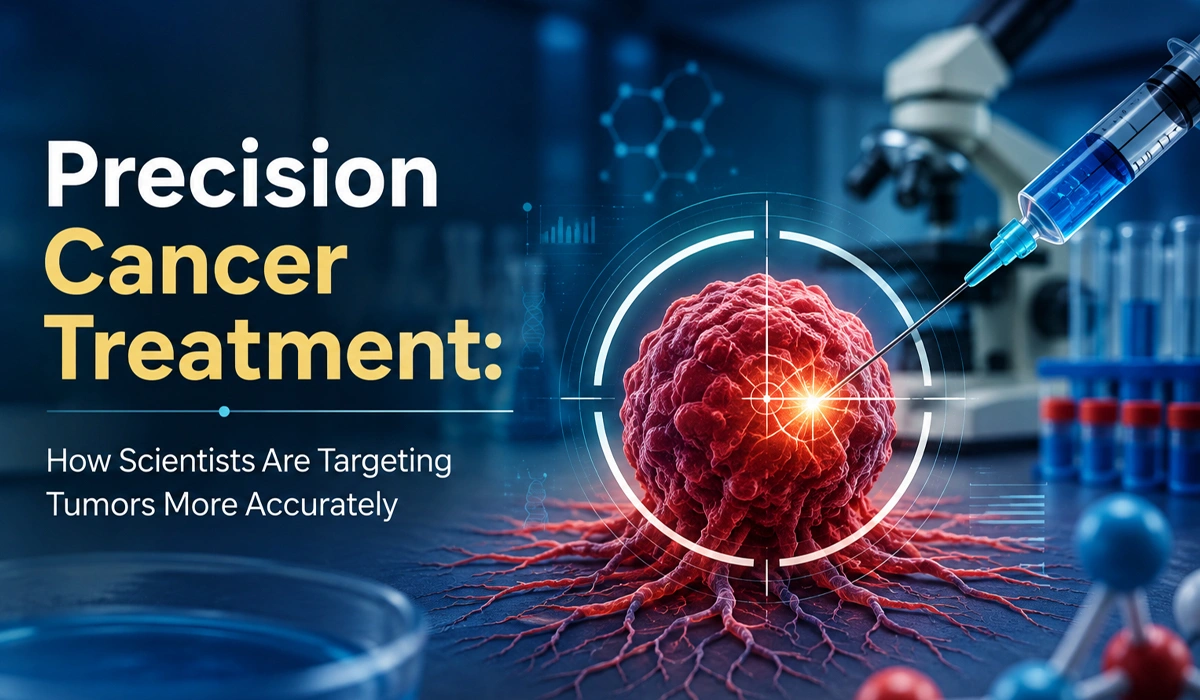
Precision medicine uses information about genes, proteins and other characteristics of a patient’s cancer to help guide diagnosis and treatment. In some cases, testing can identify a molecular change that can be targeted by a specific medicine.
This does not mean cancer treatment has become a simple matter of taking a genetically matched drug. Cancer is complex. Tumors can contain different groups of cells, biomarkers can change over time, and a treatment that works for one person may not work for another.
But the direction is clear: cancer research is moving toward more detailed tumor characterization and more selective treatment decisions.
The World Health Assembly also endorsed a 2026 resolution supporting precision medicine as a path toward more targeted, personalized and equitable healthcare.
So, how does precision cancer treatment actually work?
1. What Is Precision Cancer Treatment?
Precision cancer treatment is an approach that uses information about a tumor’s molecular, genetic and biological characteristics to help select treatment. Instead of relying only on the cancer’s location, doctors may use biomarkers and genomic information to identify treatments that are more likely to work for a particular tumor.
Precision medicine is sometimes called personalized medicine.
In cancer care, it can involve:
Tumor genomic testing
Biomarker testing
Molecular profiling
Protein testing
Targeted therapies
Immunotherapy selection
Clinical trials based on tumor characteristics
The National Cancer Institute describes precision medicine as using specific information about a person’s tumor to help diagnose cancer, plan treatment, evaluate treatment response and estimate prognosis.
Why does this matter?
Two people may have the same broad cancer diagnosis but have different molecular features.
Those differences can influence:
How quickly the cancer grows
How it responds to treatment
Whether a targeted drug may work
Whether immunotherapy may be appropriate
Whether a clinical trial may be relevant
Practical takeaway: A cancer diagnosis is the beginning of treatment planning—not necessarily the end of the investigation.
2. Why Are Scientists Studying Tumors at the Molecular Level?
Cancer develops through changes that affect how cells grow, divide, survive and spread. By studying these changes, scientists can identify molecular features that may act as treatment targets or biomarkers. This helps researchers develop therapies designed to interfere with specific cancer-driving pathways.
Cancer cells can acquire changes in DNA and other biological systems.
Some changes can activate growth signals. Others may help cancer cells avoid immune attack or become resistant to treatment.
Cancer genomics research now examines not only DNA but also gene expression, proteins and other molecular characteristics.
This has changed how researchers think about cancer.
A simple example
Imagine two tumors located in the same organ.
Tumor A: has a molecular alteration that activates a particular growth pathway.
Tumor B: does not have that alteration but has another biological feature.
Although both tumors may look similar under conventional examination, their molecular profiles may be different.
That difference could influence treatment selection.
Practical tip: Ask your oncology team whether molecular or biomarker testing is relevant to your specific cancer type and treatment stage.
3. What Is Biomarker Testing in Cancer?
Biomarker testing looks for genes, proteins or other biological features in cancer that may help doctors select treatment. Some biomarkers can indicate whether a tumor may respond to a targeted therapy or immunotherapy. Testing may involve tumor tissue, blood or other samples depending on the situation.
Biomarker testing is also called:
Tumor testing
Tumor profiling
Genomic profiling
Molecular profiling
Tumor genetic testing
Somatic testing
The National Cancer Institute notes that biomarker testing is an important part of precision medicine and can help doctors identify treatments that may be appropriate for certain tumors.
Some tests examine a single biomarker. Others examine multiple genes simultaneously through multigene or panel testing.
What can a result show?
A test may identify:
Result
Possible meaning
Actionable biomarker
A treatment targeting that feature may exist
Biomarker associated with treatment response
A therapy may be considered
Resistance-associated feature
A treatment may be less likely to work
Variant of unknown significance
More evidence may be needed
No actionable finding
No currently established matched therapy may be available
Importantly, a biomarker match does not guarantee treatment success.
Cancer biology is more complicated than one genetic result
4. How Does Tumor Genomic Testing Work?
Tumor genomic testing generally begins with a cancer sample obtained through biopsy or surgery. A specialized laboratory analyzes DNA and sometimes other molecular features. The resulting report identifies relevant biomarkers and may list therapies or clinical trials that could potentially match those findings.
A simplified process looks like this:
Step 1: Cancer diagnosis Doctors establish the cancer type and stage.
Step 2: Sample collection Tumor tissue may be collected through biopsy or surgery.
Step 3: Laboratory analysis Scientists analyze selected genes, proteins or other biomarkers.
Step 4: Molecular report The laboratory reports relevant findings.
Step 5: Clinical interpretation The oncology team considers whether any finding has treatment relevance.
Step 6: Treatment decision The result is considered alongside cancer stage, previous treatment, overall health and clinical evidence.
A liquid biopsy may sometimes be used when tumor tissue is difficult or unsafe to obtain.
Important distinction
Tumor genetic testing is not the same as inherited genetic testing.
Tumor testing generally looks for changes that developed in cancer cells during a person’s lifetime. Inherited genetic testing looks for genetic changes that may have been present from birth and can have implications for family members.
5. What Are Targeted Cancer Therapies?
Targeted therapy is designed to interfere with specific proteins or biological pathways that help cancer cells grow, divide or spread. Unlike conventional chemotherapy, which can affect many rapidly dividing cells, targeted therapies are designed around particular molecular targets, although they can still cause significant side effects.
Targeted therapy is considered a foundation of precision medicine.
There are two broad categories:
Small-molecule medicines
These can enter cells and interfere with targets inside the cell.
Monoclonal antibodies
These laboratory-produced proteins can attach to specific targets, including targets on cancer cells.
Depending on the medicine, targeted therapy may:
Block growth signals
Prevent cancer cells from dividing
Help the immune system recognize cancer cells
Deliver a toxic substance to cancer cells
Interfere with processes needed for tumor survival
However, targeted does not mean risk-free.
Patients can experience side effects, and cancer cells can sometimes develop resistance.
6. Precision Treatment and Immunotherapy: What Is the Difference?
Targeted therapy directly focuses on a molecular target associated with cancer, while immunotherapy works by helping the immune system recognize or attack cancer. Biomarker testing can help identify patients who may benefit from certain immunotherapies, depending on the cancer and the biomarker.
Precision approach
Main idea
Targeted therapy
Blocks a specific cancer-related target
Immunotherapy
Helps the immune system fight cancer
Biomarker testing
Identifies biological features that may guide treatment
Genomic profiling
Looks for multiple genetic alterations
Liquid biopsy
Looks for cancer-related material in blood
Some immunotherapies depend on specific biomarkers.
For example, tumor characteristics such as microsatellite instability-high (MSI-H) or mismatch repair deficiency can help identify patients who may benefit from certain immune checkpoint therapies.
The key point is that not every patient benefits from every immunotherapy.
7. Can Precision Cancer Treatment Work for Every Patient?
No. Precision cancer treatment does not work for every patient. Some tumors have actionable biomarkers, while others do not. Even when a target is identified, the matched treatment may not work because tumors are biologically diverse, biomarkers can change, or resistance can develop.
This is one of the most important realities of precision oncology.
A genomic report can provide valuable information without producing a simple treatment answer.
The NCI notes several limitations, including:
Insufficient tumor tissue
No actionable biomarker
No available matched treatment
Limited evidence for a particular finding
Insurance or affordability barriers
Clinical trial eligibility limitations
Tumor heterogeneity
Changes in biomarkers over time
Example
Suppose a tumor contains a target that can be treated with a specific therapy.
That does not necessarily mean every cancer cell contains the same target.
Some cells may survive treatment and continue growing.
This is one reason cancer treatment often requires ongoing monitoring and adjustment.
8. How Scientists Are Tackling Cancer Drug Resistance
Cancer treatment resistance can occur when some cancer cells survive therapy and continue growing. Scientists are studying tumor evolution, molecular changes, combination therapies and repeated testing to understand why resistance develops and how treatment can be adapted.
Resistance is one of the biggest challenges in oncology.
A tumor is not always a single uniform population of cells.
Different groups of cancer cells may have different characteristics. Treatment can eliminate sensitive cells while resistant cells remain.
Researchers are therefore investigating:
Combination treatments
New molecular targets
Next-generation targeted therapies
Sequential treatment strategies
Repeated biomarker testing
Liquid biopsy approaches
Adaptive clinical trials
The NCI notes that tumor biomarkers can change over time, meaning an earlier test may not always represent the cancer’s current biology.
Practical takeaway: Precision oncology is not necessarily a one-time test. In some circumstances, doctors may consider additional testing when cancer returns or changes.
9. What Role Does Artificial Intelligence Play in Precision Oncology?
AI can help researchers and clinicians analyze large amounts of biological and clinical information, identify patterns and support research into cancer diagnosis and treatment. However, AI does not replace oncologists, laboratory validation or clinical evidence.
Cancer research generates enormous amounts of information.
A single tumor can produce data involving:
DNA
RNA
Proteins
Imaging
Pathology
Treatment history
Clinical outcomes
AI and computational tools can help researchers analyze these complex datasets.
Potential applications include:
Medical image analysis
Pathology analysis
Genomic pattern recognition
Drug discovery
Clinical trial matching
Treatment-response prediction
Research into cancer resistance
But an algorithm’s prediction is not automatically a clinically proven treatment recommendation.
Human oversight, validation and appropriate medical judgment remain essential.
10. Precision Cancer Treatment in India: What Patients Should Know
Precision oncology is developing in India, but access is not uniform. Availability of molecular testing, specialized laboratories, oncology expertise, targeted medicines and clinical trials can vary between hospitals and cities. Patients should discuss the relevance, evidence, cost and availability of testing with their oncology team.
India has a growing cancer research and treatment ecosystem, but access remains an important challenge.
The International Agency for Research on Cancer has highlighted barriers to timely cancer diagnosis and treatment access in India.
Recent international discussions also emphasize that precision oncology requires infrastructure, trained professionals, reliable diagnostics and equitable access—not simply new medicines.
For patients in cities such as:
Delhi
Mumbai
Bengaluru
Chennai
Hyderabad
Kolkata
Pune
Ahmedabad
specialized oncology services may be available through major cancer centres and tertiary hospitals. Availability varies by institution.
Before ordering a test, ask:
Why is this test being recommended?
What treatment decision could it change?
Is tissue testing or liquid biopsy more appropriate?
Which biomarkers are being tested?
How long will results take?
What will the test cost?
Is the matched treatment clinically established?
Could the result identify a clinical trial?
Do not order an expensive genomic test simply because it is marketed as “advanced.”
The test should have a meaningful clinical purpose.
11. Precision Oncology vs Traditional Cancer Treatment
Precision oncology does not completely replace conventional cancer treatment. Instead, it adds molecular information to established clinical factors. Surgery, radiation, chemotherapy, hormone therapy, targeted therapy and immunotherapy may all have important roles depending on the cancer.
Approach
What guides treatment?
Main role
Conventional approach
Cancer type, stage, grade and clinical factors
Established cancer treatment
Precision oncology
Clinical factors + molecular/biological information
More individualized treatment selection
Targeted therapy
Specific molecular target
Blocks cancer-related pathways
Immunotherapy
Immune system + relevant biomarkers
Helps immune system attack cancer
Clinical trial
Defined eligibility criteria
Tests new or improved treatments
Precision medicine should therefore be viewed as an additional layer of information, not a replacement for evidence-based cancer care.
WHO emphasizes that high-quality cancer treatment depends on accurate diagnosis and staging, evidence-based standards and equitable access.
12. What Are the Benefits and Limitations of Precision Cancer Treatment?
Precision cancer treatment can improve treatment selection by identifying molecular features that may be matched with specific therapies. However, it has limitations, including uncertain test results, lack of actionable targets, treatment resistance, cost and unequal access. The benefits depend on the cancer type and the quality of available evidence.
Potential benefits
More detailed tumor characterization
Identification of actionable biomarkers
Better treatment selection in appropriate cancers
Avoiding some treatments unlikely to help
Identification of relevant clinical trials
Better understanding of tumor biology
Potential limitations
Not every tumor has an actionable target
Testing can be expensive
Results can be difficult to interpret
Biomarkers can change
Matched therapies may not be available
Treatment can still fail
Access differs between regions
The NCI specifically notes that biomarker testing does not help everyone and that even a matched therapy may not work.
This balanced view is essential when discussing precision cancer treatment.
13. How Should Patients Evaluate a Precision Oncology Option?
Patients should evaluate precision oncology based on clinical relevance, test quality, medical expertise, treatment evidence, affordability and access to follow-up care. A reputable oncology team should explain what the test can realistically tell you and how its results could affect your treatment.
Patient checklist
Question
Why it matters
Is testing appropriate for my cancer?
Not every cancer requires the same testing
What biomarkers will be analyzed?
Different tests examine different features
Will the result change treatment?
Helps determine clinical value
Is the laboratory appropriately qualified?
Test quality matters
Who will interpret the report?
Results need clinical context
Is there an approved treatment?
A target does not always mean an available therapy
Is a clinical trial possible?
Some treatments remain investigational
What are the costs?
Testing and treatment may be expensive
What happens after the test?
Follow-up planning is essential
A good precision oncology service should combine testing + expert interpretation + treatment planning, rather than treating the laboratory report as the final answer.
14. Why Access and Affordability Matter in Precision Cancer Treatment
The scientific promise of precision oncology can only benefit patients when appropriate diagnostics, medicines, trained professionals and follow-up care are accessible. Cost, laboratory infrastructure, geographic location and availability of targeted treatments can create barriers, particularly in lower- and middle-income settings.
This issue is especially important for countries such as India.
WHO and the European Observatory have highlighted infrastructure, workforce, cost, data protection and unequal access as important challenges for wider implementation of precision oncology.
Recent WHO discussions also emphasize the need to make precision medicine more equitable rather than allowing advanced technologies to benefit only patients with access to highly specialized centres.
What does this mean for patients?
The “best” test is not necessarily the most expensive test.
The most useful test is the one that:
answers a relevant clinical question → produces reliable information → can influence treatment.
15. What Does the Future of Precision Cancer Treatment Look Like?
The future of precision cancer treatment is likely to combine genomics, molecular diagnostics, pathology, imaging, artificial intelligence and clinical data. Researchers are also investigating treatments based on tumor characteristics rather than only the organ where cancer began. However, these advances must be supported by strong clinical evidence and equitable access.
Cancer research is moving toward increasingly detailed biological classification.
In some cases, tumors can be grouped according to molecular features that occur across different organs.
The NCI notes that genomic research has revealed similarities between tumors from different parts of the body and has contributed to treatments based on specific molecular features rather than location alone.
Future precision oncology may increasingly involve:
Multi-omics testing
More sensitive liquid biopsies
AI-assisted pathology
AI-supported drug discovery
Real-time monitoring of treatment response
More personalized immunotherapy
Combination targeted therapies
Biomarker-driven clinical trials
But scientific progress must be matched by responsible implementation.
Frequently Asked Questions About Precision Cancer Treatment
1. What is precision cancer treatment?
Precision cancer treatment uses information about a tumor’s genes, proteins and other biological characteristics to help doctors select treatment. It may involve biomarker testing, genomic profiling, targeted therapy or immunotherapy.
2. Is precision cancer treatment better than chemotherapy?
Not necessarily. Precision treatment and chemotherapy serve different purposes. Some patients benefit from targeted therapy or immunotherapy, while chemotherapy remains an important treatment for many cancers. The appropriate approach depends on cancer type, stage, biomarkers and individual circumstances.
3. What is biomarker testing for cancer?
Biomarker testing examines genes, proteins or other features of cancer cells that may help doctors select or avoid particular treatments.
4. Is genomic testing necessary for every cancer patient?
No. The usefulness of genomic testing depends on the cancer type, stage, treatment history and available treatment options. Patients should discuss whether testing could change their treatment plan.
5. Can genomic testing find a cure for cancer?
No. Genomic testing does not itself cure cancer. It may identify a biomarker that can help guide treatment, but a matched therapy is not guaranteed to work.
6. What is targeted therapy?
Targeted therapy uses medicines designed to interfere with specific proteins or pathways involved in cancer growth and spread.
7. What is liquid biopsy?
A liquid biopsy uses a sample of blood or another body fluid to look for cancer-related biomarkers. It may be useful in selected situations, but it does not replace every conventional biopsy.
8. Is precision oncology available in India?
Precision oncology services are available at some specialized hospitals and cancer centres in India, but availability of molecular testing, targeted medicines and clinical trials varies between locations and institutions.
9. How much does precision cancer treatment cost in India?
There is no single cost. Expenses can vary substantially depending on the cancer, molecular test, laboratory, medicine, hospital and treatment plan. Patients should request a detailed estimate from their healthcare provider.
10. Can AI choose my cancer treatment?
AI can support research and clinical decision-making, but it should not independently replace an oncologist. AI-generated recommendations require appropriate validation and medical interpretation.
11. Can precision treatment stop cancer from coming back?
Not always. Treatment response depends on many factors, and cancer cells can develop resistance. Precision approaches may help identify treatment options but cannot guarantee that cancer will not return.
12. Should I get a second opinion before precision cancer treatment?
For major treatment decisions, seeking a second opinion from a qualified oncologist or multidisciplinary cancer centre can be reasonable, particularly when the treatment plan is complex or involves expensive molecular testing or targeted therapy.
Why Choose a Precision Oncology Provider?
There is no universal “best” precision oncology provider for every patient. Instead of choosing a centre solely because it advertises advanced technology, evaluate whether it provides:
Qualified oncology specialists
Molecular pathology expertise
Appropriate biomarker testing
Multidisciplinary treatment planning
Access to evidence-based targeted therapies
Clinical trial opportunities where appropriate
Clear explanation of test results
Transparent cost information
Follow-up and treatment monitoring
Appropriate patient data protection
For patients searching for precision cancer treatment in India, precision oncology in Delhi, molecular cancer testing in Mumbai, or targeted cancer therapy near me, the most important factor is not simply geographic proximity. It is whether the centre can provide clinically appropriate, evidence-based care.
Conclusion: The Future Is More Precise, But Not One-Size-Fits-All
Cancer treatment is entering an era where the biology of a tumor can be as important as its location.
Genomic testing, biomarker analysis, targeted therapies and immunotherapy are giving scientists new ways to understand why cancers behave differently and why treatments work for some patients but not others.
Yet precision cancer treatment is not a magic formula.
A genetic finding does not automatically mean there is an effective medicine. A targeted drug does not guarantee a response. And advanced testing is not automatically useful for every patient.
The strongest approach combines accurate diagnosis, cancer staging, molecular information, clinical evidence and experienced medical judgment.
For patients in India and around the world, the most useful question may therefore not be:
“What is the newest cancer treatment?”
It may be:
“What information can help my cancer care team choose the treatment most appropriate for my particular cancer?”
That is the real promise of precision oncology: not simply more treatment, but more informed treatment.
Primary Keyword: Early Warning Signs of Vitamin B12 Deficiency
Vitamin B12 is one of the most important nutrients your body needs to produce healthy red blood cells, support nerve function, and maintain brain health. Yet, Vitamin B12 deficiency often develops slowly, making its early symptoms easy to overlook. Many people mistake fatigue, forgetfulness, or tingling in the hands and feet as signs of stress or aging when they may actually indicate a nutritional deficiency.
In India, Vitamin B12 deficiency is increasingly common due to vegetarian diets, digestive disorders, and age-related absorption issues. Recognizing the warning signs early can help prevent serious complications and improve overall well-being.
What Is Vitamin B12 Deficiency?
Vitamin B12 deficiency occurs when your body does not have enough Vitamin B12 to produce healthy red blood cells and maintain normal nerve function.
Vitamin B12, also known as Cobalamin, is a water-soluble vitamin that plays a vital role in:
Red blood cell formation
DNA synthesis
Brain function
Nervous system health
Energy production
Without enough Vitamin B12, your body’s cells cannot function efficiently.
Why Is Vitamin B12 Important?
Vitamin B12 helps maintain many essential body functions.
Function
Importance
Red Blood Cell Production
Prevents certain types of anemia
Brain Function
Supports memory and concentration
Nerve Health
Protects nerve cells
DNA Formation
Supports healthy cell growth
Energy Metabolism
Helps convert food into usable energy
Early Warning Signs of Vitamin B12 Deficiency
Quick Answer
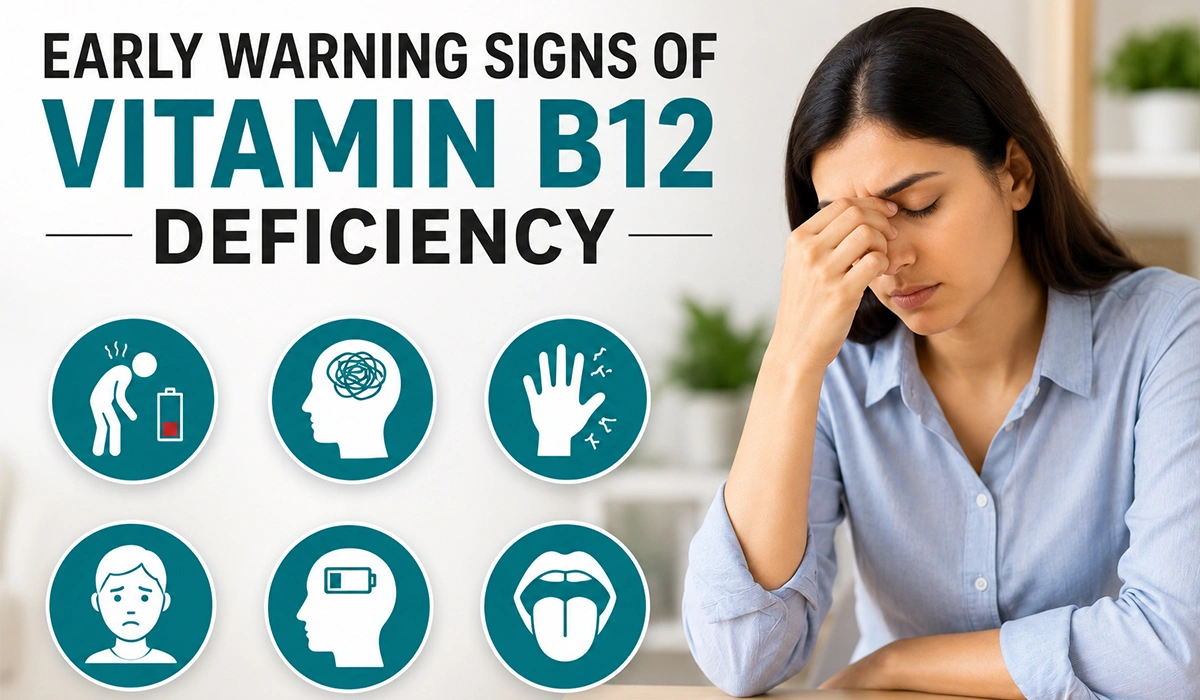
Early symptoms may include fatigue, weakness, numbness, memory problems, dizziness, and pale skin. These symptoms often develop gradually.
1. Constant Fatigue
Feeling tired despite adequate sleep is one of the earliest signs.
People may notice:
Low energy
Reduced productivity
Difficulty completing routine tasks
Frequent exhaustion
This happens because the body cannot produce enough healthy red blood cells to transport oxygen efficiently.
2. Weakness
Muscle weakness may occur even without strenuous activity.
Common signs include:
Difficulty climbing stairs
Weak grip strength
Reduced stamina
Feeling physically drained
3. Tingling or Numbness
Vitamin B12 supports healthy nerves.
A deficiency may lead to:
Tingling in hands
Tingling in feet
Burning sensation
Pins and needles
Persistent symptoms should be evaluated by a healthcare professional.
4. Difficulty Walking or Poor Balance
People with prolonged deficiency may experience:
Poor coordination
Loss of balance
Frequent stumbling
Muscle instability
Nerve damage can affect normal movement if left untreated.
5. Memory Problems
Vitamin B12 plays an important role in brain health.
Possible symptoms include:
Forgetfulness
Difficulty concentrating
Mental fog
Reduced attention span
These symptoms may resemble stress or aging.
6. Mood Changes
Some individuals experience:
Irritability
Anxiety
Low mood
Difficulty focusing
Although Vitamin B12 deficiency is only one possible cause, nutritional status should be considered during evaluation.
7. Pale or Yellowish Skin
Reduced red blood cell production can make the skin appear:
Pale
Yellowish
Dull
Some people also notice reduced facial brightness.
8. Shortness of Breath
Reduced oxygen delivery may cause:
Breathlessness while walking
Faster heartbeat
Reduced exercise tolerance
9. Mouth Ulcers and Sore Tongue
Vitamin B12 deficiency may affect oral health.
Symptoms include:
Red tongue
Burning sensation
Mouth ulcers
Difficulty eating spicy foods
10. Vision Changes
Although less common, severe Vitamin B12 deficiency can affect the optic nerve.
Symptoms may include:
Blurred vision
Double vision
Reduced visual clarity
Prompt medical evaluation is recommended if these symptoms occur.
Who Is Most at Risk?
Certain groups have a higher risk of developing Vitamin B12 deficiency.
Individuals with Crohn’s disease or celiac disease
Common Causes of Vitamin B12 Deficiency
Cause
Explanation
Vegetarian Diet
Limited natural Vitamin B12 intake
Poor Absorption
Digestive disorders reduce absorption
Aging
Lower stomach acid production
Certain Medicines
Long-term medication may affect absorption
Autoimmune Disorders
Pernicious anemia affects Vitamin B12 absorption
Gastrointestinal Surgery
Reduced absorption after surgery
Foods Rich in Vitamin B12
Natural dietary sources include:
Animal-Based Foods
Fish
Chicken
Eggs
Milk
Cheese
Yogurt
Meat
Fortified Foods
Fortified cereals
Fortified plant-based milk
Nutritional yeast
People following vegetarian or vegan diets may need fortified foods or supplements as advised by a healthcare professional.
How Is Vitamin B12 Deficiency Diagnosed?
Diagnosis typically includes:
Medical history
Physical examination
Blood tests
Complete Blood Count (CBC)
Serum Vitamin B12 level
Folate testing (if needed)
Additional investigations based on symptoms
Your healthcare provider will determine the most appropriate evaluation.
Can Vitamin B12 Deficiency Be Prevented?
Yes. Prevention often includes:
Eating a balanced diet
Including Vitamin B12-rich or fortified foods
Regular health check-ups
Following medical advice regarding supplements if recommended
Managing underlying digestive conditions
For individuals at higher risk, periodic monitoring may be advised by a healthcare professional.
When Should You See a Doctor?
Consult a healthcare professional if you experience:
Persistent fatigue
Numbness or tingling
Memory difficulties
Balance problems
Pale skin
Unexplained weakness
Frequent dizziness
Early diagnosis can help prevent long-term complications.
Vitamin B12 Deficiency vs General Tiredness
Vitamin B12 Deficiency
General Tiredness
Persistent fatigue
Improves after rest
Tingling sensations
Usually absent
Memory issues
Less common
Pale skin
Usually normal
Balance problems
Rare
May require medical treatment
Often improves with sleep
Tips for Maintaining Healthy Vitamin B12 Levels
Eat a nutrient-rich balanced diet.
Include Vitamin B12-containing foods regularly.
Stay physically active.
Have routine health screenings.
Follow your healthcare professional’s advice regarding supplementation.
Avoid self-medicating with high-dose supplements without medical guidance.
Conclusion
Vitamin B12 deficiency is a common but often overlooked health concern. Early symptoms such as fatigue, weakness, numbness, memory problems, and balance issues should not be ignored. Recognizing these warning signs and seeking timely medical advice can help prevent complications and support long-term health.
A balanced diet, regular health check-ups, and appropriate medical guidance are key to maintaining healthy Vitamin B12 levels. If you have persistent symptoms or belong to a high-risk group, consult a qualified healthcare professional for evaluation and personalized care.
Rajesh, a 38-year-old professional from Varanasi, spent most of his day working at a desk. Long hours, irregular meals, little exercise, and poor sleep gradually affected his health. He often felt tired, gained weight, and noticed increasing stress.
Like Rajesh, many men focus on their careers and family responsibilities while ignoring their own health. Small unhealthy habits repeated every day can slowly affect energy levels, heart health, mental well-being, and overall quality of life.
The encouraging news is that improving men’s wellness doesn’t require dramatic changes. Simple lifestyle habits practiced consistently can make a significant difference over time.
Whether you are in your 20s, 40s, or beyond, adopting healthier daily routines can support physical fitness, mental resilience, and long-term wellness.
What Is Men’s Wellness?
Men’s wellness refers to maintaining physical, mental, emotional, and social health through healthy habits, preventive care, balanced nutrition, regular exercise, quality sleep, and stress management.
True wellness is about more than avoiding illness. It means feeling energetic, staying active, and supporting overall health throughout life.
Why Men’s Health Matters
Men are often less likely than women to seek preventive healthcare. Regular health check-ups and healthy habits can help identify potential health concerns early.
Healthy lifestyle choices may support:
Heart health
Muscle strength
Healthy weight
Mental well-being
Bone health
Better sleep
Energy levels
Healthy ageing
Build a Healthy Morning Routine
A positive morning routine helps prepare the body and mind for the day. Healthy mornings often improve focus, productivity, and overall well-being.
Start Your Morning With:
Drink a glass of water
Stretch for 5–10 minutes
Eat a nutritious breakfast
Spend a few minutes outdoors
Avoid checking your phone immediately after waking
Practical Example
Instead of rushing to work without breakfast, choose a meal with protein, whole grains, and fruit to provide sustained energy.
Eat a Balanced Diet Every Day
A nutritious diet provides the vitamins, minerals, protein, healthy fats, and fibre needed to support energy, muscle health, and overall wellness.
Include More Of:
Fresh fruits
Green vegetables
Whole grains
Lentils
Eggs
Fish
Lean chicken
Milk and dairy products
Nuts and seeds
Limit:
Sugary drinks
Deep-fried foods
Processed snacks
Excess salt
Excess sugar
Alcohol (if consumed)
Practical Tip
Fill half your plate with vegetables at lunch and dinner to increase fibre and nutrient intake.
Adults should aim for at least 150 minutes of moderate-intensity physical activity per week, along with muscle-strengthening activities on two or more days.
Activities You Can Try
Brisk walking
Cycling
Swimming
Running
Yoga
Strength training
Sports like badminton or football
Benefits
Better stamina
Improved mood
Healthy weight
Stronger muscles
Better sleep
Strength Training Is Important
Strength training is not only for athletes.
It helps maintain:
Muscle mass
Bone strength
Joint health
Balance
Metabolism
Simple exercises include:
Push-ups
Squats
Lunges
Resistance bands
Dumbbell exercises
Two or three sessions each week can provide long-term benefits.
Prioritize Quality Sleep
Sleep is essential for recovery, hormone regulation, mental performance, and overall health.
Adults generally need 7–9 hours of quality sleep each night.
Healthy Sleep Habits
Sleep at the same time daily
Reduce screen time before bed
Keep your bedroom quiet and cool
Avoid caffeine late in the evening
Maintain a relaxing bedtime routine
Manage Stress Effectively
Stress affects both physical and mental health.
Healthy ways to manage stress include:
Meditation
Deep breathing
Yoga
Walking outdoors
Reading
Listening to music
Spending time with family
Practicing hobbies
Ignoring long-term stress may affect sleep, mood, and overall well-being.
Stay Hydrated
Water supports digestion, circulation, body temperature regulation, and overall health.
Simple tips:
Carry a reusable water bottle
Drink water regularly throughout the day
Increase fluid intake during hot weather or exercise
Limit sugary beverages
Avoid Tobacco and Limit Alcohol
Tobacco use is linked to several serious health conditions. Avoiding smoking and smokeless tobacco is one of the most important steps for long-term wellness.
If you choose to drink alcohol, do so in moderation and follow your healthcare provider’s advice.
Daily Wellness Checklist
✔ Eat balanced meals
✔ Exercise regularly
✔ Sleep 7–9 hours
✔ Drink enough water
✔ Manage stress
✔ Avoid tobacco
✔ Limit processed foods
✔ Stay socially connected
✔ Schedule routine health check-ups
✔ Keep learning about healthy living
Why Regular Health Check-ups Matter
Routine health check-ups help detect potential health concerns early, often before symptoms appear. Preventive care supports better long-term health and allows timely medical guidance.
Many men visit a doctor only when they feel unwell. However, preventive screenings are one of the smartest investments in your health.
Recommended Health Screenings
Blood pressure
Blood sugar
Cholesterol
Body Mass Index (BMI)
Eye examination
Dental check-up
Liver and kidney function (when advised)
Prostate health (age and risk dependent)
Practical Tip
Schedule a complete health check-up once a year and keep a record of your reports.
Heart Health Should Be a Priority
Heart disease remains one of the leading health concerns among men. Healthy lifestyle habits can help support cardiovascular wellness throughout life.
Heart-Friendly Habits
Walk daily
Eat more fruits and vegetables
Reduce salt intake
Maintain a healthy weight
Exercise regularly
Manage stress
Sleep well
Avoid tobacco
Foods That Support Heart Health
Oats
Almonds
Walnuts
Fatty fish
Olive oil
Green vegetables
Fresh fruits
Mental Health Is Part of Men’s Wellness
Mental health is just as important as physical health. Emotional well-being influences relationships, work performance, sleep, and overall quality of life.
Many men hesitate to discuss stress or emotional challenges. Seeking support is a sign of strength.
Signs You Shouldn’t Ignore
Constant fatigue
Anxiety
Feeling overwhelmed
Poor sleep
Irritability
Loss of motivation
Difficulty concentrating
Healthy Ways to Improve Mental Wellness
Spend time with family
Practice mindfulness
Exercise regularly
Take breaks from work
Connect with friends
Seek professional support if needed
Maintain a Healthy Weight
Maintaining a healthy weight supports heart health, joint function, energy levels, and metabolic wellness.
Instead of focusing only on the number on the scale, build habits that are sustainable.
Healthy Weight Tips
Eat slowly
Control portions
Increase protein intake
Avoid sugary beverages
Walk after meals
Strength train regularly
Even small lifestyle improvements can have lasting benefits.
Build Strong Bones and Muscles
As men age, bone density and muscle mass naturally decline.
Healthy habits can help maintain strength.
Support Bone Health
Calcium-rich foods
Vitamin D
Weight-bearing exercise
Resistance training
Outdoor activities
Support Muscle Health
Protein-rich meals
Regular strength training
Proper recovery
Adequate hydration
Hydration and Nutrition Go Together
Hydration is essential for digestion, circulation, temperature regulation, and physical performance.
Daily Hydration Tips
Start the day with water
Carry a reusable bottle
Drink before and after exercise
Eat water-rich foods like cucumber and watermelon
Healthy Habits for Busy Professionals
Many professionals struggle to maintain healthy routines due to demanding schedules.
Simple changes include:
Walk during phone calls
Use stairs
Carry healthy snacks
Stretch every hour
Pack your lunch
Sleep on time
Consistency matters more than perfection.
Age-Wise Men’s Wellness Guide
Age
Wellness Focus
20–30 Years
Fitness, nutrition, mental health, healthy habits
30–40 Years
Weight management, stress reduction, preventive care
Bone health, mobility, routine screenings, active ageing
Healthy Lifestyle vs Unhealthy Lifestyle
Healthy Habits
Unhealthy Habits
Daily exercise
Sitting all day
Balanced meals
Processed foods
Quality sleep
Late-night screen time
Regular check-ups
Ignoring symptoms
Stress management
Chronic stress
Drinking water
Sugary drinks
No tobacco
Smoking or chewing tobacco
Men’s Wellness in Varanasi
Men living in Varanasi can improve their health by combining modern preventive care with active daily living.
Simple ideas include:
Morning walks along the ghats
Fresh seasonal fruits and vegetables from local markets
Yoga in parks
Cycling short distances
Routine health check-ups at trusted healthcare centers
Staying hydrated during hot summer months
These habits can support long-term wellness while fitting naturally into everyday life.
Expert Tips for Better Men’s Health
Health experts recommend focusing on sustainable routines rather than quick fixes.
Daily Wellness Formula
✔ Eat nutritious meals
✔ Exercise for at least 30 minutes
✔ Sleep 7–9 hours
✔ Stay hydrated
✔ Maintain a healthy weight
✔ Avoid tobacco
✔ Limit alcohol
✔ Reduce stress
✔ Stay socially connected
✔ Get preventive health check-ups
Real-Life Example
Amit, a 45-year-old businessman from Varanasi, decided to make small changes instead of following extreme diets.
He started walking every morning, reduced sugary drinks, added strength training twice a week, and prioritized sleep.
Within a few months, he felt more energetic, managed his weight better, and found it easier to stay active throughout the day. His experience shows how consistent habits can lead to meaningful improvements over time.
Long-Term Benefits of Healthy Lifestyle Habits
Healthy lifestyle habits benefit every part of the body. While improvements like increased energy may be noticeable within weeks, long-term consistency supports overall health, mobility, and quality of life as men age.
Benefits Include
Better heart health
Healthy blood pressure
Stronger muscles and bones
Healthy body weight
Improved immunity
Better sleep quality
Higher energy levels
Improved concentration
Better emotional well-being
Healthy ageing
Every healthy decision today contributes to better health tomorrow.
Small Daily Habits That Make a Big Difference
Many men believe they need dramatic lifestyle changes to improve their health. In reality, consistency matters more than intensity.
Start with These Simple Habits
Walk 8,000–10,000 steps daily.
Drink 2–3 litres of water.
Eat fresh fruits every day.
Include vegetables in every meal.
Exercise for at least 30 minutes.
Take short breaks from prolonged sitting.
Spend time outdoors.
Avoid late-night snacking.
Sleep on a regular schedule.
Stay connected with family and friends.
Healthy Lifestyle Comparison
Healthy Habit
Benefit
Morning Walk
Supports heart health & energy
Strength Training
Builds muscle & bone strength
Balanced Diet
Supports nutrition & weight management
Quality Sleep
Helps recovery & hormone balance
Hydration
Supports metabolism & digestion
Stress Management
Improves mental well-being
Preventive Check-ups
Early detection of health concerns
Tobacco-Free Lifestyle
Supports lung & heart health
Weekly Men’s Wellness Plan
Day
Activity
Monday
30-minute brisk walk + balanced meals
Tuesday
Strength training + hydration
Wednesday
Yoga or stretching + healthy dinner
Thursday
Cardio workout + early sleep
Friday
Outdoor activity + fruit-rich diet
Saturday
Sports or cycling + family time
Sunday
Health check, relaxation & meal planning
Why Prevention Is Better Than Cure
Preventive healthcare helps identify risks before they become serious problems.
Prevention Includes
Annual health check-ups
Healthy eating
Daily exercise
Weight management
Blood pressure monitoring
Blood sugar screening
Cholesterol testing
Mental health awareness
Making prevention a habit today can reduce health risks in the future.
Lifestyle Habits That Support Men’s Wellness Frequently Asked Questions
1. What are the best lifestyle habits for men’s wellness?
Healthy eating, regular exercise, quality sleep, stress management, staying hydrated, avoiding tobacco, limiting alcohol, and regular health check-ups are among the most effective habits.
2. How much exercise should men do each week?
Most adults benefit from at least 150 minutes of moderate-intensity physical activity each week, along with muscle-strengthening activities on two or more days.
A balanced diet including fruits, vegetables, whole grains, lean protein, dairy, nuts, seeds, and healthy fats supports overall health.
5. Can stress affect men’s physical health?
Yes. Long-term stress may affect sleep, heart health, blood pressure, digestion, and emotional well-being.
6. Why should men have regular health check-ups?
Routine health screenings help detect conditions such as high blood pressure, diabetes, and high cholesterol early, allowing timely medical advice.
7. Is strength training important after 40?
Yes. Strength training helps maintain muscle mass, bone strength, balance, and mobility as men age.
8. How much water should men drink daily?
Hydration needs vary, but many adults benefit from drinking enough fluids throughout the day based on activity level, climate, and individual health needs.
Persistent fatigue, poor sleep, weight gain, frequent stress, lack of physical activity, and unhealthy eating habits may indicate the need for lifestyle changes.
11. How can busy professionals stay healthy?
Simple habits such as walking during breaks, carrying healthy snacks, exercising regularly, and maintaining a consistent sleep schedule can support better health.
12. Is preventive healthcare important for men?
Yes. Preventive healthcare helps identify health concerns early and supports long-term wellness through regular screenings and healthy lifestyle choices.
13. Which lifestyle habit has the biggest impact on men’s wellness?
There is no single habit. A combination of balanced nutrition, regular physical activity, adequate sleep, stress management, and preventive healthcare offers the greatest benefits.
14. Can healthy habits improve energy levels?
Yes. Regular exercise, nutritious meals, quality sleep, and hydration often contribute to better energy and productivity.
15. When should men consult a healthcare professional?
Men should seek medical advice for persistent symptoms such as chest pain, unexplained weight changes, prolonged fatigue, high blood pressure, elevated blood sugar, or ongoing mental health concerns.
Conclusion
Good health isn’t built overnight—it grows from the choices you make every day. Whether it’s taking a morning walk, eating balanced meals, getting enough sleep, staying hydrated, or scheduling regular health check-ups, each healthy habit contributes to a stronger and more active life.
For men in Varanasi, across India, and around the world, wellness starts with consistency rather than perfection. By focusing on sustainable lifestyle habits, you can improve your physical fitness, mental well-being, and long-term quality of life.
Start with one positive change today. Over time, those small daily habits can become the foundation for a healthier, more energetic, and fulfilling future.
Rajesh, a 52-year-old working professional from Delhi, noticed that he felt tired more often than before. His workouts became harder, he gained weight despite eating the same diet, and his motivation declined. Initially, he assumed these changes were simply part of aging. After consulting a healthcare professional, he discovered that his testosterone levels were lower than expected.
Many men experience similar concerns as they grow older. While testosterone naturally declines with age, understanding this process can help individuals make informed decisions about their health and well-being.
What Is Testosterone?
Testosterone is the primary male sex hormone responsible for muscle mass, bone strength, energy levels, libido, mood, and reproductive health. Although women also produce testosterone in smaller amounts, it plays a much larger role in men’s overall health and healthy aging.
Detailed Explanation
Produced mainly in the testicles
Controlled by the brain and pituitary gland
Essential for physical and mental health
Supports muscle, bones, red blood cell production and sexual health
Include illustration suggestion.
Why Does Testosterone Decline With Age?
Quick Answer
Detailed Explanation
Include:
Decline after age 30
Approximately 1% yearly decrease
Lifestyle influence
Medical conditions
Chronic stress
Sleep problems
Comparison Table
Normal Aging
Low Testosterone
Mild energy reduction
Persistent fatigue
Slight muscle loss
Significant muscle weakness
Stable mood
Depression or irritability
Normal libido
Reduced libido
What Are the Symptoms of Low Testosterone?
Answer
Include:
✓ Fatigue
✓ Low libido
✓ Erectile dysfunction
✓ Weight gain
✓ Belly fat
✓ Mood changes
✓ Depression
✓ Anxiety
✓ Poor concentration
✓ Brain fog
✓ Hair loss
✓ Reduced muscle mass
✓ Bone weakness
✓ Poor sleep
Causes of Low Testosterone Besides Aging
Discuss
Obesity
Diabetes
Chronic illness
Pituitary disorders
Certain medications
Alcohol
Smoking
Sleep apnea
Stress
How Is Low Testosterone Diagnosed?
Explain
Morning blood test
Physical examination
Medical history
Hormone profile
Repeat testing
Additional investigations
Lifestyle Changes That Support Healthy Testosterone
Include:
Sleep
7–9 hours
Nutrition
Protein
Healthy fats
Vitamin D
Zinc
Magnesium
Exercise
Strength training
HIIT
Walking
Weight Management
Stress Reduction
Meditation
Yoga
Breathing
Table
Lifestyle Habit
Benefit
Strength Training
Muscle & Hormones
Sleep
Hormone Production
Healthy Diet
Nutrient Support
Weight Loss
Better Hormonal Balance
Foods That May Support Healthy Testosterone
Include
Eggs
Fish
Nuts
Seeds
Spinach
Beans
Lean meat
Dairy
Fruits
Vegetables
Explain nutrients.
Exercise and Testosterone
Explain
Resistance training
Compound lifts
Walking
HIIT
Mobility
Recovery
Testosterone Replacement Therapy (TRT)
What is TRT?
Who may benefit?
Potential risks
Monitoring requirements
When not appropriate
Balanced discussion.
Comparison Table
Natural Lifestyle
TRT
Supports overall health
Medical treatment
Lower risk
Requires monitoring
Suitable for most people
Appropriate only when prescribed
Common Myths About Testosterone
Myth vs Fact Table
Myth
Fact
Low testosterone only affects older men
Younger men can also develop it
Supplements always increase testosterone
Evidence varies
TRT is for everyone
Only for selected patients
Aging always means low testosterone
Not necessarily
When Should You See a Doctor?
Persistent fatigue
Reduced libido
Muscle loss
Depression
Infertility
Erectile dysfunction
Healthy Aging Tips for Men
Maintain healthy weight
Exercise
Annual health check-up
Manage diabetes
Control BP
Avoid smoking
Limit alcohol
Stress management
Balanced nutrition
Sleep
Expert Insights
Include evidence-based statements such as:
Testosterone naturally declines with age, but symptoms and hormone levels vary between individuals.
Diagnosis should be based on both symptoms and laboratory testing performed under medical supervision.
Lifestyle measures remain an important part of maintaining overall health regardless of testosterone levels.
Practical Case Example
“A 50-year-old office worker who improved sleep, lost weight through regular exercise, and adopted a balanced diet noticed better energy and overall well-being. While lifestyle changes may not resolve every case of low testosterone, they can contribute positively to general health.”
Why Choose Nukind Healthcare?
Nukind Healthcare is committed to supporting everyday wellness through high-quality nutraceutical and healthcare solutions. Our focus includes:
Quality-driven manufacturing standards
Wide product portfolio
Trusted distribution network across India
Customer-focused healthcare solutions
Commitment to innovation and wellness
Conclusion
Aging is a natural part of life, but it does not automatically mean poor health or low energy. Understanding testosterone, recognizing potential symptoms, maintaining a healthy lifestyle, and seeking medical advice when needed can help support healthy aging. Regular exercise, balanced nutrition, quality sleep, and timely health check-ups remain the foundation of long-term wellness.
Imagine Raj, a 38-year-old software engineer in Bengaluru. Between tight deadlines, family responsibilities, and long commutes, stress became part of his daily routine. At first, he ignored the warning signs—poor sleep, constant fatigue, headaches, and irritability. Months later, routine health tests revealed high blood pressure and elevated cholesterol levels.
Raj’s story reflects the experience of millions of men in India and around the world.
Stress is not simply an emotional challenge. When it becomes chronic, it can affect the heart, brain, hormones, digestion, immune system, and overall quality of life.
Understanding the connection between stress and men’s health is the first step toward building a healthier future.
What Is Stress?
Stress is the body’s natural response to physical, emotional, or psychological challenges. Short-term stress can be helpful, but chronic stress may negatively affect overall health.
Detailed Explanation
Stress activates the body’s “fight or flight” response, releasing hormones such as cortisol and adrenaline. While these hormones help us respond to immediate challenges, prolonged exposure can increase the risk of health problems.
How Does Stress Affect Men’s Health?
Long-term stress can affect nearly every body system, including the cardiovascular, endocrine, digestive, nervous, reproductive, and immune systems.
Major Effects
High blood pressure
Poor sleep
Reduced testosterone
Weight gain
Heart disease risk
Anxiety
Depression
Digestive discomfort
Weakened immunity
Reduced concentration
Table: Short-Term vs Chronic Stress
Short-Term Stress
Chronic Stress
Temporary
Lasts weeks or months
Helps improve focus
Reduces productivity
Temporary hormone increase
Constant cortisol elevation
Quick recovery
Long-term health effects
Common Symptoms of Stress in Men
Stress may appear through physical, emotional, behavioral, and cognitive symptoms.
Physical Symptoms
Fatigue
Headaches
Muscle tension
Chest discomfort
Digestive issues
Sleep disturbances
Frequent illness
Emotional Symptoms
Irritability
Anxiety
Mood swings
Feeling overwhelmed
Lack of motivation
Behavioral Symptoms
Overeating
Smoking
Alcohol misuse
Reduced physical activity
Social withdrawal
Stress and Heart Health
Chronic stress may contribute to high blood pressure, unhealthy lifestyle habits, and increased cardiovascular risk.
Possible Effects
Elevated blood pressure
Increased heart rate
Inflammation
Poor cholesterol profile
Reduced exercise
Unhealthy eating habits
Stress and Hormonal Health
Long-term stress may influence hormone balance, including testosterone levels.
Possible Signs
Low energy
Reduced muscle strength
Low motivation
Decreased libido
Mood changes
Mental Health and Emotional Well-being
Persistent stress can increase the likelihood of anxiety, depression, and emotional burnout.
Common Signs
Constant worry
Difficulty concentrating
Feeling emotionally exhausted
Poor memory
Loss of interest in activities
Stress and Sleep
Stress often disrupts healthy sleep patterns, making it harder to fall asleep and stay asleep.
Poor Sleep Can Lead To
Low energy
Poor concentration
Mood changes
Increased appetite
Reduced immunity
Lifestyle Changes That Help Manage Stress
Daily Habits
✔ Exercise regularly
✔ Eat a balanced diet
✔ Stay hydrated
✔ Get 7–9 hours of sleep
✔ Practice meditation
✔ Spend time outdoors
✔ Connect with family and friends
✔ Limit alcohol and tobacco
✔ Reduce screen time before bed
✔ Maintain a healthy work-life balance
Comparison Table
Healthy Stress Management
Unhealthy Coping
Walking
Smoking
Yoga
Alcohol misuse
Meditation
Overeating
Talking to family
Social isolation
Time management
Ignoring symptoms
Foods That Support Stress Management
Helpful Foods
Fruits
Vegetables
Whole grains
Nuts
Seeds
Fatty fish
Yogurt
Green leafy vegetables
Limit
Sugary drinks
Processed foods
Excess caffeine
Alcohol
Fast food
Exercise for Stress Relief
Best Activities
Walking
Cycling
Swimming
Strength training
Yoga
Stretching
Deep breathing
Outdoor sports
Aim for at least 150 minutes of moderate-intensity physical activity each week, along with muscle-strengthening activities on two or more days, if appropriate for your health status.
When Should Men Seek Medical Advice?
Seek professional evaluation if stress is accompanied by:
Chest pain
Persistent insomnia
Severe anxiety
Depression
Panic attacks
Thoughts of self-harm
Ongoing fatigue
Unexplained weight changes
High blood pressure
Difficulty functioning in daily life
Why Early Stress Management Matters
Early intervention may help:
Improve quality of life
Support heart health
Enhance sleep
Boost productivity
Improve relationships
Promote mental well-being
Reduce the risk of chronic health problems
Conclusion
Stress is a normal part of life, but chronic stress should never be ignored. It can affect physical health, mental well-being, relationships, and overall quality of life. By recognizing early signs, adopting healthy habits, and seeking professional guidance when needed, men can better manage stress and protect their long-term health. Small daily changes—such as regular exercise, balanced nutrition, quality sleep, and relaxation techniques—can make a meaningful difference over time.
Rajesh, a 42-year-old working professional from Delhi, believed he was healthy. He rarely fell sick, managed a busy career, and focused on providing for his family. Like many men, he ignored occasional fatigue, mild chest discomfort, and rising stress levels, assuming they were simply part of everyday life.
During a routine health check-up, his doctor discovered high blood pressure and elevated cholesterol levels—two major risk factors for heart disease. That appointment became a turning point. With healthier eating, regular exercise, and routine medical check-ups, Rajesh improved his heart health and reduced his long-term cardiovascular risk.
His story reflects the reality faced by millions of men across India and around the world.
Heart disease remains one of the leading causes of death globally. Many heart-related conditions develop silently over time, often without noticeable symptoms until a serious event occurs. The good news is that many risk factors can be managed through healthy lifestyle choices and timely medical care.
This guide explains why heart health deserves every man’s attention and provides practical strategies to support lifelong cardiovascular wellness.
What Is Heart Health?
Heart health refers to the proper functioning of the heart and blood vessels. A healthy heart efficiently pumps oxygen-rich blood throughout the body, supporting every organ, muscle, and tissue.
Good heart health depends on several factors:
Healthy blood pressure
Balanced cholesterol levels
Normal blood sugar
Healthy body weight
Regular physical activity
Nutritious eating habits
Quality sleep
Stress management
Avoiding tobacco
Limiting alcohol consumption
Maintaining these habits helps support cardiovascular health throughout life.
Why Should Men Prioritize Heart Health?
Men often develop cardiovascular risk factors earlier than women and may delay seeking medical care. Prioritizing heart health can reduce the risk of heart attacks, stroke, and other cardiovascular conditions while improving overall quality of life.
Several factors contribute to increased risk:
Busy work schedules
High stress
Sedentary lifestyle
Smoking
Poor dietary habits
Lack of preventive health check-ups
Taking preventive action early can make a significant difference.
How Does the Heart Work?
The heart is a muscular organ that pumps blood continuously, delivering oxygen and nutrients while removing waste products.
Its main functions include:
Pumping blood to the lungs
Receiving oxygen-rich blood
Circulating oxygen throughout the body
Maintaining blood pressure
Supporting every organ system
The heart beats approximately 100,000 times each day, making cardiovascular health essential for overall wellness.
Why Are Heart Diseases Increasing Among Men in India?
Rapid lifestyle changes, urbanization, dietary patterns, reduced physical activity, tobacco use, and increasing rates of diabetes and obesity have contributed to a growing burden of cardiovascular disease in India.
Common contributing factors include:
Sedentary Lifestyle
Many professionals spend long hours sitting at desks or commuting.
High Stress Levels
Work-related pressure and limited work-life balance can affect heart health over time.
Unhealthy Diet
Frequent consumption of processed foods, sugary drinks, excessive salt, and unhealthy fats may increase cardiovascular risk.
Lack of Exercise
Insufficient physical activity can contribute to obesity, hypertension, and diabetes.
Tobacco Use
Smoking and smokeless tobacco remain significant risk factors for cardiovascular disease.
Major Risk Factors for Heart Disease
Heart disease usually develops through a combination of modifiable and non-modifiable risk factors.
Non-Modifiable Risk Factors
These cannot be changed.
Increasing age
Family history
Male sex
Certain genetic conditions
Although these factors cannot be modified, understanding them helps guide preventive care.
Modifiable Risk Factors
These can often be improved through healthy habits.
High Blood Pressure
Often called the “silent killer,” high blood pressure may not cause noticeable symptoms but can damage blood vessels over time.
High Cholesterol
Elevated LDL (“bad”) cholesterol can contribute to plaque buildup in arteries, reducing blood flow.
Diabetes
Poorly controlled blood sugar increases the risk of cardiovascular complications.
Obesity
Excess body weight, particularly around the abdomen, is associated with increased cardiovascular risk.
Smoking
Smoking damages blood vessels, reduces oxygen delivery, and increases the likelihood of heart attacks and stroke.
Physical Inactivity
Regular movement supports cardiovascular fitness and helps manage weight, blood pressure, and blood sugar.
Warning Signs Men Should Never Ignore
Not every heart problem begins with severe chest pain. Recognizing early warning signs and seeking prompt medical attention can be life-saving.
Potential warning signs include:
Chest pain or pressure
Shortness of breath
Pain spreading to the jaw, neck, shoulder, or arm
Unusual fatigue
Dizziness or fainting
Cold sweats
Nausea
Rapid or irregular heartbeat
If you or someone else experiences symptoms suggestive of a heart attack, seek emergency medical care immediately.
Heart Disease: Myths vs Facts
Myth
Fact
Only older men develop heart disease.
Heart disease can affect younger adults, especially when risk factors are present.
If I exercise occasionally, my heart is protected.
Regular physical activity and other healthy habits work together to support heart health.
No symptoms means no heart disease.
Many cardiovascular conditions develop silently before symptoms appear.
Thin people cannot develop heart disease.
Heart disease can occur in people of any body size.
Family history means heart disease is unavoidable.
Healthy lifestyle choices and regular medical care can help reduce overall risk.
Why Prevention Matters
Heart disease often develops gradually over many years. Preventive measures can reduce risk and improve long-term health.
Healthy prevention includes:
Regular health screenings
Healthy eating
Physical activity
Managing stress
Maintaining a healthy weight
Avoiding tobacco
Getting adequate sleep
Following medical advice
Investing in heart health today supports better health in the future.
Key Takeaways
Heart disease is one of the leading health concerns among men.
Many cardiovascular risk factors are preventable or manageable.
Routine health check-ups help identify silent risk factors early.
Small, consistent lifestyle improvements can support lifelong heart health.
What Is the Best Diet for Heart Health?
A heart-healthy diet focuses on fresh, nutrient-rich foods that help maintain healthy blood pressure, cholesterol, blood sugar, and body weight. Eating a balanced diet consistently is one of the most effective ways to support long-term cardiovascular health.
Heart-Healthy Foods to Include
Choose foods rich in vitamins, minerals, fiber, and healthy fats:
Green leafy vegetables
Tomatoes
Broccoli
Carrots
Whole grains
Oats
Brown rice
Fresh fruits
Almonds and walnuts
Flaxseeds and chia seeds
Fatty fish
Skinless chicken
Lentils and beans
Olive oil and mustard oil
Low-fat dairy products
Foods to Limit
Reduce foods that may increase cardiovascular risk:
Fried foods
Sugary beverages
Packaged snacks
Bakery products
Processed meats
Excess salt
Foods high in trans fats
Excess sweets
Practical Tip
Instead of making drastic dietary changes overnight, replace one unhealthy meal each day with a healthier alternative.
Best Exercises for a Healthy Heart
Regular physical activity strengthens the heart, improves blood circulation, supports weight management, and helps maintain healthy blood pressure and cholesterol levels.
Adults should aim for at least 150 minutes of moderate-intensity aerobic activity per week, along with muscle-strengthening exercises on two or more days.
Walking
One of the easiest and most effective exercises.
Benefits include:
Better circulation
Improved stamina
Weight management
Stress reduction
Cycling
Cycling supports:
Heart health
Muscle strength
Joint-friendly exercise
Improved endurance
Swimming
Swimming provides a full-body workout while placing minimal stress on the joints.
Strength Training
Building muscle helps improve:
Metabolism
Blood sugar control
Overall cardiovascular fitness
Examples include:
Dumbbells
Resistance bands
Push-ups
Bodyweight squats
Stretching and Yoga
Yoga may help:
Improve flexibility
Reduce stress
Support relaxation
Enhance breathing
How Does Stress Affect the Heart?
Long-term stress may contribute to high blood pressure, unhealthy eating habits, poor sleep, and other lifestyle factors that influence heart health.
As men age, cardiovascular risk gradually increases. Regular health check-ups become increasingly important after the age of 40.
Recommended health screenings may include:
Blood pressure
Cholesterol profile
Blood sugar
Weight and BMI
Waist circumference
ECG (if recommended)
Cardiac evaluation based on medical advice
Early detection often allows timely management.
Smoking, Alcohol, and Heart Disease
Smoking significantly increases cardiovascular risk by damaging blood vessels and reducing oxygen supply. Excessive alcohol intake can also affect heart health.
Smoking
Smoking may contribute to:
Heart attacks
Stroke
Peripheral artery disease
High blood pressure
Quitting smoking offers health benefits at any age.
Alcohol
If consumed, alcohol should be within medically recommended limits. Excessive intake may contribute to:
High blood pressure
Irregular heartbeat
Weight gain
Liver disease
Consult your healthcare professional for personalized advice.
Daily Habits That Keep Your Heart Healthy
Simple habits can have lasting benefits.
✔ Walk daily
✔ Stay physically active
✔ Eat more vegetables
✔ Choose whole grains
✔ Drink enough water
✔ Manage stress
✔ Sleep well
✔ Avoid tobacco
✔ Limit alcohol
✔ Get regular health check-ups
Heart-Healthy Foods Comparison
Eat More
Eat Less
Fresh fruits
Sugary drinks
Green vegetables
Fried foods
Whole grains
Refined flour
Fish
Processed meat
Nuts
Packaged snacks
Beans
Excess sweets
Olive oil
Trans fats
Lifestyle Comparison
Healthy Habit
Long-Term Benefit
Walking 30 minutes
Supports heart fitness
Balanced diet
Helps manage cholesterol
Healthy weight
Reduces cardiovascular risk
Quality sleep
Supports blood pressure
Stress management
Promotes overall wellness
Routine check-ups
Early detection of health concerns
Expert Recommendations
Cardiologists and preventive health experts commonly recommend:
Know your blood pressure numbers.
Monitor cholesterol and blood sugar regularly.
Exercise consistently rather than occasionally.
Avoid tobacco in all forms.
Maintain a healthy body weight.
Follow prescribed medications if advised.
Schedule annual preventive health check-ups.
Heart health is built through daily habits—not occasional efforts.
Real-Life Example
Amit, a 46-year-old entrepreneur from Bengaluru, rarely exercised and often skipped breakfast due to a demanding work schedule. During a routine medical examination, he learned he had high blood pressure and elevated cholesterol. Instead of waiting for symptoms, he began walking 45 minutes daily, reduced processed foods, managed stress through yoga, and attended regular follow-ups. Within a year, his overall cardiovascular risk profile improved significantly, demonstrating how consistent lifestyle changes can make a meaningful difference.
Why Heart Health Should Be Every Man’s Priority – Frequently Asked Questions
1. Why is heart health important for men?
Heart health is important because men have a higher risk of developing cardiovascular diseases as they age. Maintaining a healthy lifestyle, managing risk factors, and having regular health check-ups can help support long-term heart health.
2. What are the early warning signs of heart disease?
Common warning signs include chest pain or discomfort, shortness of breath, unusual fatigue, dizziness, irregular heartbeat, pain in the jaw or left arm, and excessive sweating. Seek immediate medical attention if you experience symptoms of a heart attack.
3. What are the biggest risk factors for heart disease?
Major risk factors include high blood pressure, high cholesterol, diabetes, obesity, smoking, physical inactivity, unhealthy eating habits, excessive alcohol consumption, chronic stress, and a family history of heart disease.
4. Can heart disease be prevented?
Many heart diseases can be prevented or their risk reduced through a balanced diet, regular exercise, maintaining a healthy weight, avoiding tobacco, limiting alcohol, managing stress, and routine health screenings.
5. Which foods are best for heart health?
Heart-friendly foods include fruits, vegetables, whole grains, oats, nuts, seeds, legumes, fatty fish, lean proteins, and healthy oils such as olive oil. These foods provide nutrients that support cardiovascular wellness.
6. How much exercise is recommended for a healthy heart?
Adults should aim for at least 150 minutes of moderate-intensity aerobic activity or 75 minutes of vigorous activity each week, along with muscle-strengthening exercises on two or more days.
7. Does stress affect heart health?
Yes. Long-term stress may contribute to high blood pressure, unhealthy lifestyle habits, poor sleep, and an increased risk of cardiovascular disease. Stress management is an important part of heart health.
8. How often should men have a heart health check-up?
Men should have regular health check-ups based on their age, family history, and risk factors. After the age of 40, annual cardiovascular screening is often recommended by healthcare professionals.
9. Can young men develop heart disease?
Yes. Heart disease can affect younger men, especially those with risk factors such as smoking, obesity, diabetes, high blood pressure, or a family history of cardiovascular disease.
10. How does smoking affect the heart?
Smoking damages blood vessels, reduces oxygen supply, raises blood pressure, and significantly increases the risk of heart attacks, stroke, and other cardiovascular diseases.
11. Is high cholesterol harmful even without symptoms?
Yes. High cholesterol usually has no noticeable symptoms but can gradually lead to plaque buildup in arteries, increasing the risk of heart disease and stroke if left unmanaged.
12. Can losing weight improve heart health?
Yes. Maintaining a healthy weight can help improve blood pressure, cholesterol levels, blood sugar control, and reduce the overall risk of cardiovascular disease.
13. Does sleep play a role in heart health?
Yes. Getting 7–9 hours of quality sleep each night supports healthy blood pressure, metabolism, hormone balance, and overall cardiovascular function.
14. What are the best daily habits for a healthy heart?
Healthy habits include eating a balanced diet, exercising regularly, staying hydrated, avoiding tobacco, limiting alcohol, managing stress, getting enough sleep, and attending routine health check-ups.
15. When should I consult a doctor about heart health?
Consult a healthcare professional if you experience chest pain, shortness of breath, dizziness, irregular heartbeat, persistent fatigue, high blood pressure, or if you have multiple cardiovascular risk factors. Early evaluation can help identify potential problems and guide appropriate care.
At 42, Rajesh thought he was perfectly healthy. He rarely visited a doctor, stayed busy with work, and believed occasional tiredness was simply part of getting older. Then, during a routine company health check-up, he discovered he had high blood pressure, elevated cholesterol, and prediabetes—all without obvious symptoms.
Rajesh’s story is increasingly common. Many men spend years focusing on careers and family responsibilities while neglecting their own health. By the time symptoms appear, certain conditions may have already progressed.
Turning 40 doesn’t mean your health will decline. Instead, it marks the perfect time to invest in preventive care. Healthy lifestyle choices, regular screenings, balanced nutrition, and early medical check-ups can significantly reduce the risk of chronic diseases and improve quality of life.
Whether you live in India or anywhere else in the world, understanding men’s health after 40 empowers you to make informed decisions for a healthier future.
What Changes in Men’s Health After 40?
After age 40, natural changes occur in metabolism, hormone levels, muscle mass, cardiovascular health, and recovery time. These changes increase the importance of preventive healthcare and healthy lifestyle habits.
While aging is natural, many age-related health problems can be delayed or managed through regular monitoring and healthy daily routines.
Common changes include:
Slower metabolism
Gradual loss of muscle mass
Increased body fat
Reduced energy levels
Higher risk of heart disease
Increased risk of diabetes
Hormonal changes
Joint stiffness
Vision changes
These changes happen gradually, making preventive care more valuable than waiting for symptoms.
Why Preventive Healthcare Matters
Preventive healthcare helps detect health problems before they become serious, often leading to better treatment outcomes and lower healthcare costs.
Many serious diseases develop silently.
Examples include:
High blood pressure
Diabetes
High cholesterol
Fatty liver disease
Kidney disease
Certain cancers
Routine health screenings can identify these conditions early.
Common Health Risks for Men Over 40
Health Condition
Risk Increases After 40
Prevention
High Blood Pressure
High
Regular BP checks
Type 2 Diabetes
High
Healthy diet & exercise
Heart Disease
High
Lifestyle changes
High Cholesterol
Moderate to High
Lipid screening
Obesity
High
Balanced nutrition
Fatty Liver
Increasing
Weight management
Prostate Problems
Moderate
Regular check-ups
Vitamin Deficiencies
Moderate
Balanced nutrition
Essential Health Screenings Every Man Should Have
Regular screenings help detect hidden health conditions before symptoms develop.
Recommended health checks include:
Every Year
Blood pressure
Blood sugar (Fasting/HbA1c)
Lipid profile
Weight and BMI
Waist circumference
Every 1–3 Years (or as advised)
Liver function test
Kidney function test
Vitamin D
Vitamin B12
Thyroid profile
Age-Specific Screenings
Depending on your age, family history, and medical advice:
Prostate health assessment
Colon cancer screening
Eye examination
Dental examination
Hearing evaluation
Always discuss the appropriate schedule with your healthcare professional.
Heart Health Should Be Your Priority
Heart disease remains one of the leading health concerns for men over 40, but many risk factors can be managed through lifestyle changes.
Protect your heart by:
Walking 30–45 minutes daily
Limiting processed foods
Eating more fruits and vegetables
Reducing salt intake
Managing stress
Maintaining a healthy weight
Avoiding tobacco
Limiting alcohol
Even small improvements can significantly reduce cardiovascular risk over time.
Nutrition After 40
A balanced diet becomes increasingly important after 40 to support muscle health, heart health, metabolism, and overall well-being.
Focus on:
Protein
Supports muscle maintenance.
Sources include:
Lentils
Eggs
Fish
Lean chicken
Paneer
Soy products
Healthy Fats
Choose:
Nuts
Seeds
Olive oil
Fatty fish
Fiber
Eat more:
Whole grains
Fruits
Vegetables
Beans
Hydration
Drink sufficient water throughout the day.
Limit:
Sugary drinks
Ultra-processed foods
Excess salt
Excess alcohol
Exercise Is Medicine
Regular physical activity supports heart health, muscle strength, flexibility, bone health, and mental well-being.
A weekly routine should include:
150 minutes of moderate exercise
Strength training 2–3 days per week
Stretching exercises
Balance exercises
Walking whenever possible
Consistency matters more than intensity.
Maintaining Muscle Strength
After 40, muscle loss naturally accelerates.
Strength training helps:
Improve metabolism
Protect joints
Increase bone strength
Reduce injury risk
Improve posture
Simple resistance exercises performed regularly can provide long-term benefits.
Sleep and Stress Management
Poor sleep affects:
Blood sugar
Blood pressure
Weight
Mood
Memory
Hormone balance
Aim for:
7–9 hours of quality sleep
Regular sleep schedule
Reduced screen time before bed
Stress management through meditation, yoga, or breathing exercises
Mental well-being is an essential part of overall health.
Healthy Habits That Make a Difference
Simple daily habits can have a lasting impact:
Eat breakfast regularly.
Stay physically active.
Drink enough water.
Avoid smoking.
Limit alcohol consumption.
Maintain a healthy weight.
Manage stress.
Prioritize sleep.
Schedule regular health check-ups.
Stay socially connected.
Small changes practiced consistently often lead to meaningful long-term health improvements.
Conclusion
Men’s health after 40 is not about fearing aging—it’s about preparing for healthy aging. Regular preventive care, balanced nutrition, physical activity, stress management, and routine medical check-ups can reduce the risk of many chronic diseases while improving energy, mobility, and quality of life.
Whether you’re in your early 40s or beyond, every healthy decision you make today contributes to a stronger future. Prioritize your well-being, stay informed, and partner with your healthcare professional to build a personalized preventive care plan. Healthy aging begins with consistent, proactive choices—not waiting for illness to appear.
Have you ever wondered why your energy suddenly drops, your mood changes without warning, or your sleep becomes restless even though nothing in your routine has changed?
For many people, the answer lies in hormones.
Hormones quietly regulate almost every important function in the body. They influence growth, metabolism, emotions, sleep, reproduction, digestion, immunity, and even memory. When hormone levels change naturally or become imbalanced, they can affect both physical and mental health.
Hormonal changes are a normal part of life. They occur during puberty, pregnancy, menopause, aging, and even because of everyday stress. However, persistent hormonal imbalances may require medical evaluation and treatment.
In India and around the world, lifestyle changes, irregular eating habits, lack of physical activity, poor sleep, and chronic stress have contributed to an increasing number of hormone-related health concerns. Understanding how hormones work is the first step toward maintaining better health.
This guide explains how hormonal changes affect overall health, common symptoms, causes, diagnosis, treatment options, and practical lifestyle strategies to support hormonal balance.
What Are Hormones?
Hormones are chemical messengers produced by glands in the endocrine system. They travel through the bloodstream and help regulate essential body functions, including metabolism, growth, mood, reproduction, sleep, and energy production.
Without hormones, the body cannot maintain normal biological processes.
Some of the most important hormone-producing glands include:
Pituitary gland
Thyroid gland
Adrenal glands
Pancreas
Ovaries
Testes
Pineal gland
Each gland releases specific hormones that work together to keep the body functioning properly.
Why Are Hormones Important for Overall Health?
Hormones coordinate communication between organs and tissues. Balanced hormone levels help maintain physical, emotional, and mental well-being.
Hormones influence:
Energy levels
Body weight
Blood sugar regulation
Heart health
Sleep cycles
Mood
Brain function
Fertility
Bone strength
Muscle growth
Skin health
Immune response
Even small hormonal fluctuations can affect multiple body systems.
Major Hormones and Their Functions
Hormone
Produced By
Main Function
Insulin
Pancreas
Regulates blood sugar
Thyroxine (T3/T4)
Thyroid
Controls metabolism
Cortisol
Adrenal glands
Stress response
Estrogen
Ovaries
Female reproductive health
Progesterone
Ovaries
Supports menstrual cycle and pregnancy
Testosterone
Testes/Ovaries
Muscle strength, libido, bone health
Melatonin
Pineal gland
Sleep regulation
Growth Hormone
Pituitary
Growth and tissue repair
Oxytocin
Pituitary
Bonding and childbirth
Serotonin
Brain
Mood and emotional well-being
What Causes Hormonal Changes?
Hormonal changes can occur naturally throughout life or develop because of medical conditions, medications, or lifestyle factors.
Common Causes
Puberty
Pregnancy
Menopause
Aging
Chronic stress
Poor nutrition
Obesity
Diabetes
Thyroid disorders
Polycystic Ovary Syndrome (PCOS)
Certain medications
Lack of sleep
Excessive exercise
Chronic illness
Some hormonal changes are temporary, while others require long-term management.
Common Signs of Hormonal Changes
Hormonal changes affect people differently depending on age, gender, and overall health.
Physical Symptoms
Unexplained weight gain or loss
Fatigue
Hair thinning
Acne
Dry skin
Increased sweating
Hot flashes
Reduced muscle strength
Joint discomfort
Emotional Symptoms
Mood swings
Anxiety
Irritability
Depression
Difficulty concentrating
Brain fog
Reproductive Symptoms
Irregular menstrual cycles
Fertility concerns
Low libido
Erectile dysfunction
Vaginal dryness
Sleep Symptoms
Difficulty falling asleep
Frequent nighttime awakening
Poor sleep quality
If symptoms persist, consult a qualified healthcare professional.
How Hormonal Changes Affect Different Body Systems
Hormones influence nearly every organ.
Brain
Hormonal fluctuations may affect:
Memory
Concentration
Mood
Learning
Stress response
Heart
Certain hormone imbalances may influence:
Blood pressure
Cholesterol levels
Heart rhythm
Bones
Reduced estrogen and testosterone levels may contribute to decreased bone density over time.
Muscles
Hormonal imbalance may lead to:
Muscle weakness
Reduced endurance
Slower recovery
Skin
Hormonal changes may contribute to:
Acne
Dryness
Oiliness
Pigmentation changes
Hormonal Changes in Women
Women experience several natural hormonal transitions throughout life.
Puberty
Breast development
Menstrual cycles begin
Growth spurts
Emotional changes
Pregnancy
Increased estrogen
Increased progesterone
Physical and emotional changes
Menopause
Common symptoms include:
Hot flashes
Night sweats
Mood changes
Sleep disturbances
Bone density changes
Hormonal Changes in Men
Hormone levels also change in men, especially with aging.
Common symptoms include:
Reduced energy
Lower muscle mass
Mood changes
Reduced libido
Difficulty concentrating
Fatigue
Lifestyle habits often play an important role in maintaining hormonal health.
Stress and Hormonal Balance
Stress is one of the most common causes of hormonal disruption.
During stress, the body releases cortisol.
Long-term elevated cortisol may affect:
Sleep
Blood sugar
Appetite
Weight
Immune function
Mood
Stress management techniques such as meditation, exercise, deep breathing, and adequate rest may help support overall well-being.
Nutrition and Hormonal Health
A balanced diet supports healthy hormone production.
Include:
Fresh fruits
Vegetables
Whole grains
Lean proteins
Healthy fats
Nuts and seeds
Dairy or fortified alternatives
Plenty of water
Limit:
Excess sugar
Highly processed foods
Trans fats
Excess alcohol
Proper nutrition supports metabolism and overall endocrine function.
How Are Hormonal Imbalances Diagnosed?
Hormonal imbalances are diagnosed using a combination of medical history, physical examination, laboratory tests, and imaging studies when necessary. The goal is to identify the underlying cause rather than treating only the symptoms.
If you experience persistent symptoms such as fatigue, unexplained weight changes, irregular menstrual cycles, excessive hair loss, or mood disturbances, a healthcare professional may recommend further evaluation.
Common Diagnostic Tests
Test
Purpose
Blood Tests
Measure hormone levels such as thyroid hormones, estrogen, testosterone, insulin, and cortisol
Urine Tests
Evaluate hormone metabolites over 24 hours
Saliva Tests
Assess cortisol levels in selected situations
Ultrasound
Detect ovarian cysts or thyroid abnormalities
MRI or CT Scan
Examine pituitary or adrenal glands when indicated
Early diagnosis often leads to better management and improved quality of life.
Common Hormonal Disorders
Hormonal changes are sometimes linked to medical conditions requiring professional care.
Thyroid Disorders
The thyroid gland regulates metabolism.
Hypothyroidism
Symptoms include:
Fatigue
Weight gain
Cold intolerance
Dry skin
Slow heart rate
Constipation
Hyperthyroidism
Symptoms include:
Weight loss
Rapid heartbeat
Anxiety
Tremors
Excessive sweating
Heat intolerance
Both conditions can usually be managed effectively with medical treatment.
Diabetes
Insulin regulates blood glucose.
When insulin production or function is impaired, blood sugar levels rise.
Common symptoms include:
Frequent urination
Increased thirst
Fatigue
Blurred vision
Slow wound healing
Lifestyle management and medical treatment are essential.
Polycystic Ovary Syndrome (PCOS)
PCOS is one of the most common hormonal disorders among women of reproductive age.
Symptoms include:
Irregular periods
Acne
Weight gain
Increased facial hair
Difficulty conceiving
Early diagnosis and appropriate treatment can help manage symptoms.
Adrenal Disorders
The adrenal glands produce cortisol and other hormones.
Excess or insufficient cortisol production may affect:
Blood pressure
Weight
Mood
Energy
Immunity
Hormonal Changes Across Different Life Stages
Hormonal health changes naturally throughout life.
Life Stage
Common Hormonal Changes
Childhood
Growth hormone supports development
Puberty
Increased estrogen or testosterone
Reproductive Years
Monthly hormonal fluctuations
Pregnancy
Significant increase in reproductive hormones
Menopause
Decline in estrogen and progesterone
Older Age
Gradual decline in several hormones
Understanding these stages helps distinguish normal changes from medical concerns.
Lifestyle Habits That Support Hormonal Balance
Healthy daily habits can positively influence hormone regulation and overall health.
1. Eat a Balanced Diet
Choose foods rich in:
Fruits
Vegetables
Whole grains
Healthy fats
Lean protein
Fiber
Avoid excessive:
Refined sugar
Processed foods
Sugary beverages
2. Exercise Regularly
Regular physical activity helps support:
Insulin sensitivity
Weight management
Mood
Sleep quality
Heart health
Aim for at least 150 minutes of moderate physical activity each week, along with strength training on two or more days, as appropriate for your health status.
3. Prioritize Sleep
Sleep plays an important role in hormone regulation.
Adults generally benefit from 7–9 hours of quality sleep each night.
Poor sleep may influence:
Cortisol
Insulin
Growth hormone
Melatonin
4. Manage Stress
Long-term stress affects hormone production.
Helpful strategies include:
Meditation
Yoga
Deep breathing
Reading
Walking
Spending time outdoors
Talking with family or friends
5. Maintain a Healthy Weight
Healthy body weight supports:
Insulin balance
Estrogen regulation
Testosterone production
Thyroid function
Foods That Support Hormonal Health
Food Group
Examples
Potential Benefits
Healthy Fats
Nuts, seeds, olive oil
Hormone production
Protein
Eggs, fish, legumes
Tissue repair
Fiber
Oats, vegetables, fruits
Blood sugar balance
Omega-3 Foods
Flaxseed, walnuts, fatty fish
Heart and brain health
Leafy Greens
Spinach, kale
Essential nutrients
Dairy/Fortified Foods
Milk, yogurt
Bone health
Whole Grains
Brown rice, millet
Sustained energy
Lifestyle Habits That May Affect Hormonal Health
Healthy Habits
Habits That May Disrupt Hormonal Health
Regular exercise
Sedentary lifestyle
Balanced meals
Excess processed foods
Good sleep
Chronic sleep deprivation
Stress management
Persistent stress
Staying hydrated
Dehydration
Healthy body weight
Obesity
Routine medical checkups
Ignoring symptoms
When Should You Consult a Healthcare Professional?
Seek medical advice if you experience:
Persistent fatigue
Rapid weight changes
Irregular menstrual cycles
Severe mood changes
Hair loss
Difficulty sleeping
Persistent acne
Low libido
Fertility concerns
Excessive thirst or urination
Timely evaluation can help identify the underlying cause and guide appropriate management.
Can Hormonal Changes Be Prevented?
Not all hormonal changes can be prevented because many are a normal part of life, such as puberty, pregnancy, and menopause.
However, healthy habits may help support overall hormonal health:
Eat nutritious meals.
Stay physically active.
Get enough sleep.
Manage stress.
Avoid smoking and excessive alcohol.
Attend regular health check-ups.
Follow medical advice for existing conditions.
Myths vs Facts About Hormonal Changes
Myth
Fact
Hormonal changes affect only women.
Men also experience hormonal changes throughout life.
Mood swings always mean hormonal imbalance.
Mood changes can have many different causes.
Every weight gain is caused by hormones.
Diet, activity, sleep, and medical conditions also influence weight.
Supplements alone fix hormonal imbalance.
Treatment depends on the underlying cause and should be guided by a healthcare professional.
Hormonal disorders cannot be managed.
Many conditions can be effectively managed with appropriate medical care and healthy lifestyle changes.