Ashwagandha Safety Warnings: Side Effects & Risks

Ashwagandha has a long history in Ayurveda and is widely used in India as a herbal supplement. Some people take it to support stress management and sleep. However, being natural does not automatically mean a product is safe for everyone. Understanding ashwagandha safety warnings can help you make informed decisions before adding it to your routine.

1. What Is Ashwagandha?

Ashwagandha (Withania somnifera) is a medicinal herb traditionally used in Ayurvedic practices. Modern supplements commonly contain root powder or root extract. Although some studies suggest benefits for stress and sleep, research remains limited, and results may vary between preparations.

2. What Are the Common Side Effects?

Quick answer: Ashwagandha may cause stomach discomfort, nausea, loose stools, vomiting, and drowsiness.

These effects may vary depending on the individual, dosage, and formulation. Stop taking the supplement and seek medical advice if symptoms persist or worsen. Do not assume that increasing the dose will improve its effects.

3. Can Ashwagandha Affect Liver Health?

Rare cases of liver injury have been associated with ashwagandha supplements. Warning signs can include yellowing of the skin or eyes, dark urine, unusual itching, persistent nausea, and abdominal discomfort.

Practical tip: Stop taking ashwagandha and seek prompt medical attention if liver-related symptoms appear. People with existing liver disease should consult a healthcare professional before considering it.

4. Who Should Avoid Ashwagandha?

Ashwagandha may not be appropriate for everyone. Extra caution is necessary for:

  • Pregnant or breastfeeding women.
  • People with thyroid or autoimmune disorders.
  • People with existing liver disease.
  • Individuals with hormone-sensitive prostate cancer.
  • People preparing for surgery.

Consult a qualified healthcare professional to determine whether it is appropriate for your circumstances.

5. Can Ashwagandha Interact With Medicines?

Yes. Ashwagandha may interact with medicines used for diabetes, high blood pressure, thyroid disorders, immune suppression, seizures, and sedation.

These interactions may affect how medicines work or increase certain risks. Tell your doctor or pharmacist about all supplements you take, including Ayurvedic products, before starting ashwagandha.

6. Is Long-Term Ashwagandha Use Safe?

The safety of ashwagandha beyond approximately three months has not been established adequately. Many human studies have examined relatively short periods of use, leaving important questions about prolonged consumption unanswered.

Avoid assuming that daily use over several years is safe simply because the product is herbal.

7. Ashwagandha Root vs. Leaves: What Is the Difference?

Ashwagandha supplements commonly use the root or its extract, while some formulations may contain other plant parts. Their composition can differ, so products should not automatically be treated as equivalent.

In India, an FSSAI advisory dated April 16, 2026, clarified that ashwagandha leaves, in crude, extract, or other forms, are not permitted in specified food-product categories covered by the relevant regulations. Consumers should check product labels and applicable regulatory requirements.

8. How Can You Choose an Ashwagandha Supplement More Carefully?

Before purchasing an ashwagandha supplement:

  1. Check the ingredient list and plant part used.
  2. Read the recommended-use instructions and warnings.
  3. Review the manufacturer’s details and applicable regulatory information.
  4. Avoid products making unrealistic medical claims.
  5. Consult a healthcare professional if you take medication or have a medical condition.

No supplement should replace prescribed treatment without medical advice.

9. Ashwagandha Safety Warnings: Frequently Asked Questions

Is ashwagandha safe for daily use?

Its suitability depends on the individual, formulation, and duration. Long-term safety remains uncertain, so seek professional advice before regular use.

Can ashwagandha damage the liver?

Rare cases of liver injury have been linked to ashwagandha supplements. Stop use and seek medical attention if symptoms such as jaundice or dark urine develop.

Can I take ashwagandha with thyroid medicine?

Ashwagandha may affect thyroid function and interact with thyroid medication. Consult your healthcare professional before combining them.

Is ashwagandha safe during pregnancy?

Ashwagandha should be avoided during pregnancy because of potential safety concerns.

Is ashwagandha approved for everyone in India?

No. Regulatory requirements depend on the product category and intended use. Check applicable Indian regulations and the product’s labelling before purchasing.

Conclusion

Ashwagandha may offer benefits for some people, but its possible side effects, liver risks, thyroid effects, medication interactions, and uncertain long-term safety deserve attention. Before using an ashwagandha supplement, review its label and consult a qualified healthcare professional, especially if you are pregnant, have a medical condition, or take prescription medicines.

Remember: informed decisions are an essential part of responsible herbal wellness.

Ashwagandha Safety and Regulations: Common Questions Answered

Ashwagandha has been used in traditional Indian wellness practices for generations. Today, it is available in capsules, powders, extracts, and health supplements. However, growing popularity raises important questions: Is ashwagandha safe for everyone? What are its side effects? And how is it regulated in India?

Understanding ashwagandha safety and regulations helps consumers make informed choices. Although some studies suggest potential benefits for stress and sleep, scientific evidence remains limited for several uses, and the herb can cause adverse effects or interact with medicines.

1. What Is Ashwagandha?

Ashwagandha (Withania somnifera) is a plant traditionally used in Ayurveda. Its root is commonly used in herbal preparations and supplements.

Quick answer: Ashwagandha is a traditional herbal ingredient, but its effects depend on the preparation, dose, and individual health.

Some research suggests that certain extracts may help with stress and sleep. However, these findings do not establish that every ashwagandha product delivers the same results.

2. Is Ashwagandha Safe for Daily Use?

Short-term use appears tolerable for many adults, but long-term safety is not established.

Practical tip: Consult a healthcare professional before starting regular supplementation, particularly if you have a medical condition or take prescription medicines.

3. What Are the Common Side Effects?

Possible side effects include:

  • Stomach discomfort
  • Nausea or vomiting
  • Loose stools or diarrhoea
  • Drowsiness

Rare cases of liver injury have also been associated with ashwagandha supplements. Stop taking the product and seek medical advice if you develop yellowing of the skin or eyes, dark urine, or unusual abdominal discomfort.

4. Who Should Avoid Ashwagandha?

Ashwagandha may not be suitable for everyone. Pregnancy, breastfeeding, thyroid disorders, autoimmune conditions, and hormone-sensitive prostate cancer require particular caution.

People preparing for surgery should also seek medical advice. A clinician can assess personal risks and possible interactions before recommending use.

5. What Are the Ashwagandha Regulations in India?

India regulates products according to their legal category.

Quick answer: Ashwagandha products may fall under food regulations or the Ayurvedic drug framework, depending on their classification and intended use.

The Food Safety and Standards Authority of India (FSSAI) regulates health supplements and nutraceuticals under applicable food safety regulations. Ayurvedic medicines are governed by the relevant drug laws and licensing requirements. These categories should not be treated as interchangeable.

6. Are Ashwagandha Leaves Permitted in Products?

This is an important compliance issue for manufacturers and consumers.

In its advisory dated 16 April 2026, FSSAI clarified that only ashwagandha roots and their extracts are permitted in specified food product categories under the applicable regulations. Ashwagandha leaves and their extracts are not permitted in those products.

The Ministry of Ayush also directed Ayurvedic drug manufacturers to use roots rather than leaves. Businesses should consult the current official requirements before formulating or marketing products.

7. How Can You Choose a Quality Product?

Before purchasing an ashwagandha supplement, check:

  • Manufacturer and product details
  • Applicable FSSAI or AYUSH licence information
  • Ingredient list and plant part used
  • Batch number, expiry date, and storage instructions
  • Clear directions and safety warnings

A licence or registration alone does not prove that a supplement is effective for every claimed benefit.

8. What Dosage Is Appropriate?

There is no single dosage suitable for every ashwagandha preparation. Research studies use different extracts, concentrations, and quantities.

Practical tip: Follow the product label and professional advice rather than copying a dosage from social media. Do not increase the dose or combine supplements without checking for possible interactions.

9. Can Ashwagandha Interact With Medicines?

Yes. Ashwagandha may interact with medicines for diabetes, high blood pressure, thyroid conditions, seizures, and immune suppression, as well as sedatives.

Tell your doctor or pharmacist about all supplements you use, including herbal powders and combination products. This helps them assess potential interactions and recommend appropriate precautions.

10. Does Ashwagandha Work for Stress and Sleep?

Some clinical studies suggest that certain preparations may help reduce perceived stress or improve sleep. However, research is limited, and results cannot automatically be applied to every product.

Ashwagandha should not replace prescribed treatment or professional support for persistent anxiety, sleep problems, or other medical concerns.

11. Frequently Asked Questions About Ashwagandha Safety and Regulations

Is ashwagandha approved by FSSAI?
Food products containing ashwagandha must comply with the requirements applicable to their category. Product-specific compliance should be verified.

Can I take ashwagandha without consulting a doctor?
Professional advice is particularly important if you take medication, have a health condition, or are pregnant or breastfeeding.

Is ashwagandha safe for long-term use?
Reliable evidence on long-term safety remains insufficient.

Can ashwagandha cure anxiety or thyroid disease?
It should not be presented as a proven cure or a replacement for prescribed treatment.

12. Conclusion: Make Informed Choices About Ashwagandha

Ashwagandha may offer benefits for certain people, but safety, product quality, and regulatory compliance matter. Consumers should check labels, understand possible side effects, and seek professional guidance when necessary.

For manufacturers and distributors in India, following applicable FSSAI or AYUSH requirements is essential. Responsible use begins with reliable information, transparent labelling, and realistic health claims.

Ashwagandha Regulations Around the World: Frequently Asked Questions

Ashwagandha has a long history in Ayurveda and is now widely sold in capsules, powders, and herbal supplements. However, a product available in India may face different regulatory requirements in the United States, United Kingdom, Canada, or Australia. Understanding these rules helps consumers make informed choices and helps businesses prepare for international markets.

What are ashwagandha regulations? They are the laws and standards governing how ashwagandha can be manufactured, labelled, marketed, and sold. Requirements depend on the product category, ingredients, claims, and destination country.

1. How Is Ashwagandha Regulated in India?

In India, the rules depend on whether ashwagandha is sold as an Ayurvedic medicine or a food supplement.

The Food Safety and Standards Authority of India (FSSAI) regulates health supplements and nutraceuticals under its applicable food regulations. Ayurvedic medicines fall under a separate regulatory framework.

An important update came in April 2026: FSSAI clarified that ashwagandha roots and their extracts are permitted in specified food supplement categories, subject to applicable requirements, while leaves are not permitted in those products. The Ministry of Ayush also directed Ayurvedic drug manufacturers to use roots rather than leaves in Ayurvedic products.

Practical tip: Check the product category, licence requirements, permitted plant parts, and applicable labelling rules before manufacturing or selling ashwagandha in India.

2. Are Ashwagandha Supplements Legal in the United States?

Ashwagandha supplements can be marketed in the United States, subject to applicable dietary supplement laws.

The US Food and Drug Administration (FDA) does not approve dietary supplements for safety and effectiveness before they enter the market. Manufacturers and distributors remain responsible for meeting legal requirements, including applicable safety, labelling, and manufacturing standards.

Practical tip: Businesses exporting to the US should review ingredient status, manufacturing controls, labelling, and the evidence supporting product claims.

3. What Are the Rules in the United Kingdom?

In Great Britain, ashwagandha’s regulatory position depends partly on how it is used in food.

The Food Standards Agency states that non-concentrated aqueous root infusions have evidence of a history of food use before the relevant cutoff date. It also indicates that ashwagandha plant parts are not considered novel for food supplements, while other food uses require novel food authorisation. General food safety and labelling rules still apply.

Practical tip: Check the intended product format and use rather than assuming that one approval covers every ashwagandha product.

4. Can Ashwagandha Be Sold in Canada?

Yes, certain ashwagandha products are licensed for sale in Canada as natural health products.

Health Canada uses product licensing requirements, and licensed products can be identified by an eight-digit Natural Product Number (NPN) or, where applicable, a DIN-HM. Requirements depend on the product and its authorised conditions of use.

Practical tip: Search Health Canada’s Licensed Natural Health Products Database to verify a product’s licence and permitted use before purchasing or importing it.

5. What About Australia and the European Union?

Rules vary across both markets. In Australia, complementary medicines are regulated through the Therapeutic Goods Administration framework. In July 2026, the TGA issued a safety alert noting reports of rare liver injury associated with ashwagandha-containing preparations.

In the European Union, food ingredients classified as novel generally require pre-market authorisation. Businesses must check the ingredient’s status and the requirements of the relevant market before selling a product.

Practical tip: Verify current country-specific rules before launching a product or making health claims.

6. Ashwagandha Regulation: Country Comparison

MarketKey regulatory consideration
IndiaFSSAI food rules or applicable Ayurvedic medicine requirements
United StatesDietary supplement laws and manufacturer responsibilities
United KingdomFood supplement rules and novel food status for other uses
CanadaNatural health product licensing requirements
AustraliaApplicable therapeutic goods requirements and safety guidance
European UnionNovel food status, authorisation, and national requirements

This is a general overview, not a complete legal assessment. Requirements can differ by formulation, intended use, and product claims.

7. What Should Consumers Check Before Buying Ashwagandha?

Consumers should review the product label, ingredient list, recommended use, warnings, and manufacturer details.

Look for:

  • The exact plant part and extract information.
  • Clear directions for use and storage.
  • Applicable licence or registration details.
  • Transparent manufacturer and importer information.
  • Claims that do not promise to cure or prevent diseases without appropriate authorisation.

A product’s availability online does not automatically mean it meets every local requirement.

8. Why Do Ashwagandha Regulations Differ Between Countries?

Countries classify products according to their intended use, ingredients, evidence, and local laws. A capsule marketed as a food supplement may face different requirements from an Ayurvedic medicine or a food ingredient used in a beverage.

For manufacturers, regulatory checks should be part of product development, not an afterthought.

9. Is Ashwagandha Safe for Everyone?

No herbal supplement is suitable for everyone. The Ministry of Ayush’s safety review discusses possible adverse events and the importance of appropriate use. Australia’s TGA has also highlighted rare reports of liver injury.

People who are pregnant or breastfeeding, have existing health conditions, or take medicines should consult a qualified healthcare professional before using ashwagandha.

10. How Can Businesses Prepare for International Markets?

Before exporting ashwagandha products, businesses should:

  1. Identify the product’s legal category in the destination country.
  2. Confirm permitted ingredients and plant parts.
  3. Review manufacturing, quality, and testing requirements.
  4. Verify labelling and health-claim restrictions.
  5. Confirm import, registration, and documentation requirements.
  6. Recheck official guidance before launch.

This process helps reduce compliance risks and supports more responsible product development.

Ashwagandha Regulations Around the World: Frequently Asked Questions

Is ashwagandha legal worldwide? No single rule applies worldwide. Its permitted use and sale depend on each country’s laws and the product category.

Can ashwagandha leaves be used in Indian food supplements? FSSAI’s April 2026 advisory states that ashwagandha leaves are not permitted in the specified food supplement categories; roots and root extracts may be used subject to applicable requirements.

Does the FDA approve ashwagandha supplements before sale? The FDA does not generally approve dietary supplements for safety and effectiveness before marketing. Companies must meet applicable legal requirements.

How can I verify a Canadian ashwagandha product? Search Health Canada’s Licensed Natural Health Products Database and check its licence details.

Can ashwagandha cause side effects? Yes. Adverse effects have been reported, and rare cases of liver injury have been highlighted by Australia’s TGA. Seek professional advice if you have concerns.

Conclusion

Ashwagandha regulations around the world reflect differences in product classification, safety requirements, and permitted claims. For consumers, checking labels and local authorisation is essential. For businesses, reviewing official guidance in every target market helps support responsible manufacturing and international trade.

The key takeaway: understand the rules before you buy, manufacture, market, or export an ashwagandha product.

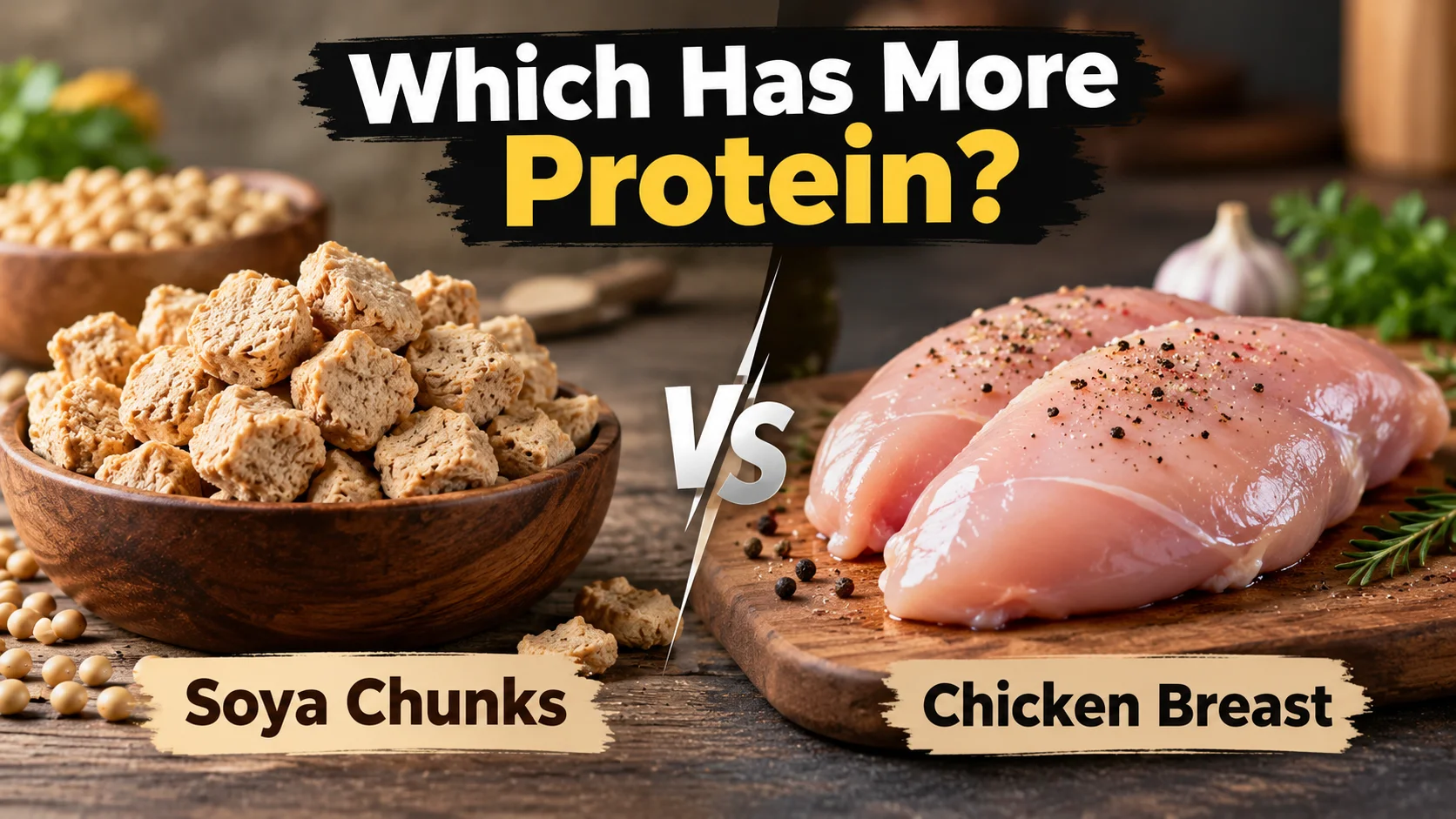
Soya Chunks vs Chicken Breast: Which Has More Protein?

If you want to build muscle, lose fat, or improve your daily nutrition, choosing the right protein source matters. In India, two popular options are soya chunks and chicken breast. But which provides more protein, and which is better for your fitness goals?

Quick answer: Dry soya chunks contain approximately 50–52 g of protein per 100 g, while raw, skinless chicken breast provides around 22–24 g. However, 100 g of cooked chicken breast provides approximately 30–31 g of protein, compared with around 15–18 g in cooked soya chunks. The comparison depends on whether you measure the food before or after cooking.

1. What Are Soya Chunks?

Soya chunks are a plant-based protein food commonly used in Indian meals. They are generally made from defatted soy flour and are popular among vegetarians, gym-goers, and people looking for affordable protein sources.

Example: Add boiled soya chunks to pulao, curry, salads, or wraps.

Practical tip: Check the nutrition label on your packet because protein content varies by brand.

2. What Is Chicken Breast?

Chicken breast is a lean animal-based protein source containing essential amino acids needed for muscle growth and tissue repair.

Example: Grilled chicken breast with roti, rice, and vegetables can make a balanced meal.

Practical tip: Choose grilled, roasted, or lightly cooked chicken instead of relying on deep-fried preparations.

3. Soya Chunks vs Chicken Breast: Protein Comparison

The following values are approximate and depend on the product and cooking method.

Nutrition measureSoya chunksChicken breast
Protein per 100 g, dry/raw50–52 g, dry22–24 g, raw
Protein per 100 g, cooked15–18 g30–31 g
Protein sourcePlant-basedAnimal-based
Dietary fibreYesNo
All nine essential amino acidsYesYes
Suitable for vegetariansYesNo

Sources: typical soya chunk nutrition values and USDA chicken breast nutrition data. Values are estimates, not universal product specifications.

4. Why Does Cooking Change Protein Values?

Cooking changes food weight, mainly because soya chunks absorb water while chicken breast loses moisture.

For example, 100 g of dry soya chunks can provide approximately 50–52 g of protein. After soaking and boiling, the same quantity weighs more, so its protein concentration per 100 g decreases.

Practical tip: Compare dry soya with raw chicken, or cooked soya with cooked chicken. Avoid comparing different preparation stages.

5. Which Is Better for Muscle Building?

Both foods can support muscle growth when combined with appropriate resistance training and sufficient daily protein.

Chicken breast provides highly digestible protein and essential amino acids. Soya protein is also a complete protein, containing all nine essential amino acids.

Practical tip: Choose the option that fits your diet, budget, preferences, and daily protein requirements.

6. Which Is Better for Weight Management?

Both can fit into a weight-management diet. Chicken breast is naturally low in carbohydrates, while soya chunks provide protein, carbohydrates, and dietary fibre.

However, total calories depend on portion size, cooking oil, sauces, and other ingredients.

Practical tip: Use measured portions and limit excess oil, creamy sauces, and deep-frying.

7. Which Is More Affordable in India?

Soya chunks are often an economical way to increase protein intake, particularly for vegetarian households. Chicken prices vary by city, retailer, and product quality.

Practical tip: Compare the price per serving and protein delivered, rather than comparing packet prices alone.

8. Can Vegetarians Get Enough Protein from Soya Chunks?

Yes. Soya chunks can contribute significantly to a vegetarian diet. You can combine them with dal, beans, dairy products, nuts, seeds, and whole grains to increase dietary variety.

Practical tip: Include different protein-rich foods throughout the day instead of depending on a single ingredient.

9. Are Soya Chunks and Chicken Breast Equally Nutritious?

Both provide valuable protein, but their nutritional profiles differ. Soya chunks provide fibre and plant compounds, while chicken breast supplies nutrients such as vitamin B12 and niacin.

Neither food is automatically better for everyone. Individual requirements, dietary restrictions, and overall meal quality matter.

10. How Much Protein Should You Eat Daily?

Protein requirements depend on body weight, age, activity level, health status, and fitness goals. People who exercise regularly may need more protein than sedentary adults.

Practical tip: Calculate your daily requirement based on your circumstances, and consult a qualified dietitian if you have a medical condition or specific dietary needs.

Soya Chunks vs Chicken Breast: Frequently Asked Questions

Which has more protein per 100 g?

Dry soya chunks contain more protein per 100 g than raw chicken breast. Cooked chicken breast generally contains more protein per 100 g than cooked soya chunks.

Can I eat soya chunks every day?

Soya chunks can be part of a balanced diet if you tolerate soy and vary your food choices. Follow appropriate portions and consider individual allergies or medical advice.

Are soya chunks good for gym beginners?

Yes. They offer affordable plant-based protein and can support a balanced diet alongside regular training.

Is chicken breast better than soya chunks for weight loss?

Neither guarantees weight loss. Your overall calorie intake, activity, portion sizes, and dietary consistency matter most.

Conclusion

Soya chunks vs chicken breast: which has more protein? The answer depends on how you measure them. Dry soya chunks have more protein per 100 g than raw chicken breast, but cooked chicken breast generally has more protein per 100 g than cooked soya chunks.

Choose according to your nutritional needs, budget, and dietary preferences. Ultimately, consistent, balanced eating matters more than relying on one protein source.

Soya Chunks vs Chicken Breast: Protein Comparison per 100g

Building muscle, managing weight, or simply eating better starts with choosing the right protein sources. In India, two popular options are affordable soya chunks and lean chicken breast. But which provides more protein per 100 grams, and which is better for your daily diet?

The answer depends on whether you weigh soya chunks dry or cooked and chicken raw or cooked.

1. How Much Protein Is in Soya Chunks per 100g?

Quick answer: 100 g of dry soya chunks typically provides approximately 50–52 g of protein. Once boiled, the protein concentration per 100 g decreases because the chunks absorb water.

Soya chunks, also called meal maker or textured soy protein, are made from defatted soy flour. They are popular in Indian households because they provide concentrated plant protein at an affordable price.

For example, a 30 g dry serving provides approximately 15–16 g of protein. After soaking and boiling, it becomes a larger portion.

Practical tip: Weigh soya chunks before soaking if you want to calculate protein using the nutrition information on the packet.

2. How Much Protein Is in Chicken Breast per 100g?

Quick answer: Raw, skinless chicken breast contains approximately 22.5 g of protein per 100 g. Cooked, roasted chicken breast contains around 31 g per 100 g because cooking reduces its water content.

Chicken breast is a complete animal-protein source containing all nine essential amino acids. It also supplies nutrients such as vitamin B6, niacin, and selenium.

Grilled, roasted, or boiled chicken breast can fit into a balanced diet. The final calorie content depends on the cooking method and added ingredients.

3. Soya Chunks vs Chicken Breast: Nutrition Comparison

Quick answer: Dry soya chunks contain more protein per 100 g than raw chicken breast. However, comparing dry soya with cooked chicken directly is misleading because their moisture levels differ.

Nutrient per 100 gSoya chunks, dryChicken breast, rawChicken breast, roasted
Protein50–52 g22.5 g31 g
CaloriesApproximately 345 kcal120 kcal165 kcal
FatApproximately 0.5–1 g2.6 g3.6 g
CarbohydratesApproximately 33 g0 g0 g
Dietary fibrePresent0 g0 g

Values are approximate reference figures. Brands and cooking methods can change nutritional values.

4. Which Is Better for Muscle Building?

Quick answer: Both foods can support muscle growth when combined with adequate total protein, resistance training, and sufficient calories.

Chicken breast provides concentrated protein with no carbohydrates. Soya chunks offer plant protein alongside carbohydrates and fibre.

Soy protein contains all nine essential amino acids, making it a useful option for vegetarian diets. Your overall protein intake, training routine, sleep, and recovery matter more than choosing only one food.

Practical tip: Include the protein source you enjoy and can consistently afford.

5. Which Is Better for Weight Management?

Quick answer: Both can fit into a weight-management diet. The better choice depends on portion size, total calories, cooking oil, and the rest of your meals.

Chicken breast is naturally low in carbohydrates. Dry soya chunks contain more carbohydrates and fibre, but they also provide substantial protein.

For either option, avoid assuming that deep-fried preparations or heavy gravies have the same nutrition as plain cooked ingredients.

6. Soya Chunks vs Chicken Breast: Which Is More Affordable?

Quick answer: Soya chunks are often a budget-friendly vegetarian protein option in India. Chicken breast prices vary by city, retailer, quality, and availability.

Compare the cost of the actual serving you eat rather than only the price per kilogram. Calculate how much protein you receive from each rupee spent.

This approach helps students, families, and fitness enthusiasts make practical food choices without exceeding their budgets.

7. How Should You Prepare Soya Chunks?

Quick answer: Boil soya chunks, drain them, squeeze out excess water, and cook them with your preferred ingredients.

Try these everyday Indian preparations:

  • Soya chunk curry with roti.
  • Soya pulao with vegetables.
  • Soya bhurji with spices.
  • Soya chunks added to salads or wraps.

Measure the dry quantity before cooking for easier nutrition tracking.

8. How Should You Prepare Chicken Breast?

Quick answer: Grilling, roasting, or boiling chicken breast can help you prepare a protein-rich meal without relying on deep frying.

Try grilled chicken with vegetables, boiled chicken in a salad, or homemade chicken curry with a measured amount of oil.

Cook chicken thoroughly and follow safe food-handling practices.

9. Can Vegetarians Replace Chicken With Soya Chunks?

Quick answer: Yes. Soya chunks can be an important protein source in a vegetarian diet, although portion sizes and the overall balance of nutrients matter.

They provide protein, fibre, and other nutrients. Pair them with vegetables, whole grains, pulses, and other foods to create varied meals.

People with soy allergies should avoid soya chunks. Anyone following a medically restricted diet should seek personalised guidance from a qualified healthcare professional or registered dietitian.

10. Which Protein Source Should You Choose?

Quick answer: Choose soya chunks if you prefer plant-based protein and affordability. Choose chicken breast if you eat animal products and prefer a lean protein source with no carbohydrates.

Neither food is universally better. Your dietary preferences, nutritional needs, budget, and meal plan should guide your decision.

11. Frequently Asked Questions

Are soya chunks higher in protein than chicken breast?

Per 100 g dry, soya chunks typically contain 50–52 g of protein. Raw chicken breast contains about 22.5 g per 100 g. Always compare foods in the same state.

How much protein does 50 g of dry soya chunks provide?

Approximately 25–26 g of protein, depending on the brand.

Is chicken breast better than soya chunks for muscle gain?

Both can support muscle growth as part of a suitable diet and resistance-training programme.

Can I eat soya chunks every day?

Soya chunks can be included regularly in a balanced diet if tolerated. Portion sizes should suit your nutritional needs and overall food intake.

Which is better for vegetarians in India?

Soya chunks are a convenient, widely available vegetarian option. Check the product label for exact nutritional values.

12. Conclusion: Soya Chunks vs Chicken Breast

Soya chunks and chicken breast are both valuable protein sources. Dry soya chunks offer approximately 50–52 g of protein per 100 g, while raw chicken breast provides around 22.5 g and roasted chicken breast around 31 g per 100 g.

The most important lesson is to compare like with like. Dry and cooked weights can produce very different numbers, even when the underlying food portion is similar.

Choose a source that matches your dietary preferences, budget, and fitness goals—and build your meals around a varied, balanced diet.

Could AI Trigger the Next Pandemic? Understanding the Risks and Evidence

Imagine a scientist using artificial intelligence (AI) to discover a new medicine in days instead of months. Now imagine the same technology being misused to support dangerous biological research. This contrast raises an important question: Could AI trigger the next pandemic?

The short answer is that AI could increase certain biological risks, but there is no conclusive evidence that it will cause the next pandemic. Understanding the risks, scientific evidence, and available safeguards is essential for India and the rest of the world.

1. What Is AI-Enabled Biological Research?

AI-enabled biological research uses computer systems to analyse biological data, study proteins, support drug discovery, and help scientists understand diseases. These applications can improve healthcare, but some capabilities may also be misused.

2. Could AI Trigger the Next Pandemic?

AI could potentially make certain biological research tasks faster or easier for people with harmful intentions. However, designing a dangerous pathogen is far more complex than generating an answer on a computer. Biological feasibility, laboratory access, and real-world transmission all matter.

3. How Could AI Increase Biological Risks?

AI may contribute to biological risks in three broad ways:

  • Knowledge assistance: Helping users understand complex scientific information.
  • Research acceleration: Supporting biological design and analysis.
  • Automation: Connecting AI systems with laboratory equipment or research workflows.

These capabilities do not automatically create a pandemic. The actual risk depends on how the technology is used and what safeguards are in place.

4. What Does Scientific Evidence Say?

A 2025 report from the US National Academies of Sciences, Engineering, and Medicine examined the benefits and biosecurity concerns of AI-enabled biological tools. It highlighted the need to understand how these technologies could be misused while preserving their scientific benefits.

Researchers continue to investigate how much AI changes real-world biological risk. Current evidence does not justify treating a future AI-driven pandemic as inevitable.

5. AI Risks Versus Natural Pandemic Risks

FactorAI-related biological riskNatural outbreak risk
Potential sourceMisuse of AI-assisted researchPathogens circulating in nature
Human involvementMay involve deliberate misuseMay involve animal-to-human transmission
PreventionAI safeguards and biosecuritySurveillance and infection prevention
Main uncertaintyHow much AI changes harmful capabilitiesWhen and where new outbreaks emerge

Both risks require scientific monitoring and effective public-health systems.

6. How Can AI Help Prevent Pandemics?

AI can also strengthen pandemic preparedness. It can help researchers analyse disease surveillance data, identify patterns, support drug discovery, and improve outbreak forecasting.

The World Health Organization recognises AI’s potential in disease surveillance and outbreak response while emphasising responsible development and oversight.

7. What Safeguards Are Needed?

Governments, researchers, and technology companies can reduce risks through:

  • Testing advanced AI systems before release.
  • Restricting assistance that could enable serious biological harm.
  • Strengthening laboratory biosafety and biosecurity.
  • Screening orders for synthetic genetic material.
  • Supporting independent safety evaluations and international cooperation.

No single safeguard eliminates every risk, so multiple layers of protection are necessary.

8. What Should India Do?

India can strengthen pandemic preparedness by investing in disease surveillance, public-health laboratories, responsible AI research, and coordination between healthcare institutions and technology developers.

Hospitals, researchers, policymakers, and public-health agencies should establish clear procedures for evaluating AI tools and reporting potential safety concerns.

9. Frequently Asked Questions About AI and the Next Pandemic

Can AI create a new virus?
AI can assist biological research, but generating a model or prediction does not prove that a viable, transmissible virus can be created.

Is an AI-caused pandemic inevitable?
No. Current evidence does not establish that an AI-caused pandemic will occur.

Can AI help prevent pandemics?
Yes. AI can support disease surveillance, research, and outbreak response when properly evaluated and supervised.

Is AI in healthcare dangerous?
Not inherently. AI offers significant benefits, but high-risk applications require appropriate safeguards and human oversight.

10. Conclusion: Preparation Matters More Than Prediction

AI could change the biological risk landscape, but it can also help detect outbreaks and accelerate medical research. The priority is to develop useful technology responsibly, strengthen public-health systems, and monitor emerging risks.

For India and the global community, the goal should not be to fear every AI breakthrough. It should be to ensure that scientific progress is matched by strong safety measures.

The next pandemic is not predetermined by AI. Our preparedness, oversight, and responsible use of technology will help shape the risks ahead.

Can AI-Enhanced Virtual Reality Help Manage Menopause Symptoms?

Imagine putting on a virtual reality headset after a difficult night of hot flashes and poor sleep. Instead of feeling overwhelmed, you enter a peaceful virtual garden where guided breathing and relaxation exercises help you unwind. Could technology like this make menopause easier to manage?

AI-enhanced virtual reality for menopause symptoms is an emerging area of digital healthcare. It combines immersive virtual environments, artificial intelligence (AI), and psychological techniques to explore new ways of supporting women through menopause. However, research is still limited, and this technology should not replace professional medical care.

What Is AI-Enhanced Virtual Reality for Menopause Symptoms?

Quick answer: It uses virtual reality experiences and AI-supported features to deliver personalised relaxation, mindfulness, or cognitive behavioural therapy (CBT)-based exercises that may help people cope with selected menopause symptoms.

A system might offer guided relaxation, calming environments, or exercises tailored to a user’s feedback. AI could help personalise sessions, although its capabilities depend on the specific platform.

Which Menopause Symptoms Could It Help With?

Quick answer: VR-based programmes may help support emotional well-being, stress management, and sleep. Their effectiveness for menopause-related hot flashes and other symptoms remains under investigation.

Menopause can involve hot flashes, night sweats, sleep difficulties, mood changes, and anxiety. A virtual relaxation session may provide a structured way to practise coping skills. However, it cannot be assumed to control the hormonal changes responsible for these symptoms.

How Does AI and VR Work Together?

Quick answer: VR creates an immersive environment, while AI may adapt the experience using information such as user preferences, session feedback, or symptom logs.

A typical session could involve:

  1. Choose an experience: Select a calming landscape or guided exercise.
  2. Follow instructions: Practise relaxation or CBT-based techniques.
  3. Record feedback: Note mood, comfort, sleep, or symptoms.
  4. Personalise future sessions: Where supported, AI may adjust recommendations.

Personalisation should be transparent, and sensitive health data should be protected.

What Does Scientific Research Say?

A 2025 review published in Menopause examined the potential of VR for menopause symptom management. It identified one study specifically targeting related symptoms: a pilot study involving 42 women with breast or ovarian cancer who experienced hot flashes.

The intervention combined immersive VR, AI, CBT-based techniques, and mindfulness. Researchers reported improvements in hot-flash frequency and several well-being measures. However, symptoms could have been related to cancer or its treatment, limiting how confidently the findings can be applied to menopause generally. More research is needed.

Can VR Replace Hormone Therapy or Medical Treatment?

No. VR is an emerging supportive approach, not an established replacement for hormone therapy or evidence-based treatments.

Menopausal hormone therapy can be an effective option for suitable patients. Menopause-specific CBT and certain prescription medicines may also help, depending on symptoms and individual circumstances. A healthcare professional can discuss their benefits, risks, and suitability.

AI-Enhanced VR vs Traditional Menopause Support

FeatureAI-enhanced VRTraditional support
PersonalisationMay adapt digital sessionsCan be tailored by a clinician
AccessibilityDepends on devices and availabilityIncludes in-person and remote care
Evidence for menopauseLimited, emerging researchEstablished options have clinical guidance
Medical assessmentCannot independently replace a clinicianEnables individual assessment

How Can Women Explore VR Safely?

Before trying a menopause-focused VR programme:

  • Ask a healthcare professional whether it suits your needs.
  • Start with short sessions and stop if you experience dizziness, nausea, or discomfort.
  • Check the provider’s privacy policy before sharing health information.
  • Choose programmes that explain their evidence and limitations.
  • Continue prescribed treatment unless your clinician advises otherwise.

Is AI Menopause Support Available in India?

Digital health services and VR experiences may be available through selected providers in India, but availability of menopause-specific, clinically validated programmes can vary. Women in Delhi NCR, Mumbai, Bengaluru, and other cities can ask a gynaecologist or menopause specialist about appropriate digital support alongside standard care.

Frequently Asked Questions

Can virtual reality reduce menopause hot flashes?

Early research is promising, but there is not enough evidence to conclude that VR reliably reduces hot flashes caused by menopause.

Is AI-based menopause therapy safe?

Safety depends on the device and programme. Consider motion sickness, privacy, accessibility, and whether the content is professionally developed.

Is VR better than traditional menopause treatment?

There is currently insufficient evidence to say VR is better. Established treatments should be discussed with a qualified healthcare professional.

Where can I find menopause support in India?

Start with a qualified gynaecologist or menopause specialist who can assess your symptoms and discuss suitable treatment and support options.

Conclusion: Could Virtual Reality Shape the Future of Menopause Care?

AI-enhanced virtual reality for menopause symptoms offers an interesting possibility: making relaxation and psychological support more immersive and personalised. Early findings justify further research, but the evidence is not yet strong enough to establish VR as a standard menopause treatment.

For now, the best approach is to combine reliable medical guidance with carefully evaluated supportive tools. Technology may help improve the menopause experience, but evidence—not excitement—should guide healthcare decisions.

Best Morning Exercises to Strengthen Knees After Age 65

After age 65, getting out of bed and taking the first few steps can sometimes feel difficult because of stiff or uncomfortable knees. The good news is that gentle movement can help older adults maintain strength, balance, and mobility. The best morning exercises to strengthen knees after age 65 focus on improving the muscles that support the knee without putting excessive stress on the joint.

Before starting a new exercise routine, consult a healthcare professional if you have arthritis, a recent injury, severe knee pain, or difficulty walking.

1. Why Are Morning Knee Exercises Important After 65?

Quick answer: Gentle morning exercises can reduce stiffness, improve flexibility, and strengthen the muscles supporting the knees.

As people age, muscle strength and joint mobility may decline. Regular, low-impact movement helps maintain independence and makes everyday activities, such as walking, standing, and climbing stairs, easier.

2. Gentle Warm-Up Before Exercising

Quick answer: Start with five minutes of comfortable movement before strengthening your knees.

Sit in a sturdy chair and slowly march your feet in place. Move your ankles up and down, then straighten and bend each knee gently. Avoid sudden movements, particularly if your knees feel stiff after waking up.

Practical tip: Move slowly and stay within a comfortable range.

3. Seated Knee Extensions

Quick answer: Seated knee extensions strengthen the quadriceps, the muscles at the front of your thighs.

Sit upright in a chair with your feet flat on the floor. Slowly straighten one knee, hold for three to five seconds, and lower your foot. Repeat with the other leg.

Begin with 5–10 repetitions per leg, increasing gradually as comfortable.

4. Heel Slides

Quick answer: Heel slides gently improve knee movement and flexibility.

Lie on your back on a comfortable surface with your legs straight. Slowly slide one heel toward your body, bending the knee as far as comfortable. Slide it back to the starting position.

Repeat 5–10 times per leg without forcing the movement.

5. Straight Leg Raises

Quick answer: Straight leg raises help strengthen the quadriceps without repeatedly bending the knee.

Lie on your back with one knee bent and the other leg straight. Tighten the thigh muscle of the straight leg and lift it approximately 15–20 centimetres. Hold briefly, then lower it slowly.

Start with five repetitions if comfortable. Skip this exercise if it causes pain or you cannot perform it safely.

6. Sit-to-Stand Exercises

Quick answer: Standing up from a chair strengthens the thighs and buttocks for everyday activities.

Use a sturdy chair placed against a wall. Lean forward slightly, push through your feet, and stand up slowly. Sit down with control.

Begin with 3–5 repetitions. Use your hands for support if needed, and have someone nearby if your balance is uncertain.

7. Calf Raises for Better Support

Quick answer: Calf raises strengthen the lower-leg muscles and support balance while standing and walking.

Hold a sturdy chair or kitchen counter. Slowly lift your heels, rise onto your toes, and lower them gently.

Try 5–10 repetitions while keeping your movements controlled.

8. Which Exercises Are Best for Beginners?

ExerciseMain benefitStarting amount
Seated knee extensionsThigh strength5–10 per leg
Heel slidesKnee mobility5–10 per leg
Straight leg raisesQuadriceps strength5 per leg
Sit-to-standFunctional strength3–5 repetitions
Calf raisesLower-leg strength and balance5–10 repetitions

Choose exercises according to your ability. You do not need to complete every exercise in one session.

9. How Often Should Seniors Exercise Their Knees?

Quick answer: Start with a short routine and increase gradually according to comfort and professional advice.

Gentle mobility exercises may be suitable daily, while strengthening exercises can be performed on several days each week, depending on your condition and recovery. Consistency matters more than intensity.

10. What Should You Avoid During Knee Exercises?

Quick answer: Avoid movements that cause sharp pain, excessive strain, or instability.

Do not force deep squats, sudden twists, or painful knee bends. Stop if you experience sharp pain, increasing swelling, dizziness, or a feeling that your knee may give way. Seek medical advice for persistent symptoms.

11. When Should You Consult a Physiotherapist?

A physiotherapist can recommend exercises based on your strength, balance, medical history, and knee condition. Seek prompt medical attention if your knee becomes suddenly very painful, hot, red, or significantly swollen, especially with fever or difficulty bearing weight.

12. Frequently Asked Questions

What is the best morning exercise for weak knees after 65?
Seated knee extensions are a gentle starting option for many older adults, but the best exercise depends on individual ability and medical history.

Can walking strengthen knees after 65?
Yes. Comfortable walking can support mobility and leg strength. Start with short distances and increase gradually.

Should seniors exercise with knee arthritis?
Many people with knee arthritis benefit from appropriate low-impact exercise. A healthcare professional can help select safe movements.

How long should a morning knee routine last?
Start with 5–10 minutes and increase gradually if comfortable.

Conclusion

The best morning exercises to strengthen knees after age 65 include seated knee extensions, heel slides, straight leg raises, sit-to-stands, and calf raises. Start gently, maintain good technique, and adapt your routine to your abilities. Strong, supported movement can help you stay active and independent as you age.

Brain Tumour Symptoms: When Frequent Headaches Need Medical Attention

A headache after a stressful day, poor sleep or long hours in front of a screen is common. But what happens when headaches keep returning, feel different from usual or gradually become worse?

For some people, persistent headaches can be an important reason to seek medical advice. Although most headaches are not caused by brain tumours, recognising unusual symptoms and getting the right medical assessment can help identify serious conditions.

1. What Are Brain Tumour Symptoms?

Quick answer: Brain tumour symptoms are changes caused by abnormal growth in or around the brain. They depend on the tumour’s location, size and growth rate.

A brain tumour may be benign (non-cancerous) or malignant (cancerous). Both types can sometimes affect normal brain function, so symptoms should be assessed rather than judged by pain alone.

2. Can Frequent Headaches Be a Sign of a Brain Tumour?

Quick answer: Yes, headaches can occur with brain tumours, but headaches alone are rarely enough to identify the cause.

Pay attention if a headache is new, progressively worsening, persistent or different from your usual pattern. A doctor can assess whether it may be related to migraine, tension, another medical condition or a more serious cause.

3. Which Headache Warning Signs Should You Notice?

Some headache patterns deserve medical attention, particularly when they occur with other symptoms.

  • Headaches that steadily worsen over days or weeks
  • Pain that repeatedly wakes you from sleep
  • Headaches accompanied by nausea or vomiting
  • Pain that changes with coughing, straining or bending
  • Headaches associated with new vision or neurological problems

These signs do not confirm a tumour, but they should not be ignored.

4. What Other Brain Tumour Symptoms Can Occur?

Quick answer: Symptoms may include seizures, vision changes, speech difficulties, weakness, balance problems and changes in memory or behaviour.

The symptoms depend on which brain functions are affected. For example, a person may develop difficulty finding words, experience unexplained weakness on one side or notice new problems with coordination. Persistent or progressive changes require medical assessment.

5. When Is a Headache a Medical Emergency?

Seek emergency medical care if a headache begins suddenly and is extremely severe, or occurs with a first seizure, loss of consciousness, sudden weakness or difficulty speaking. These symptoms may indicate a serious neurological emergency and should not wait for a routine appointment.

6. Brain Tumour Headaches vs Common Headaches

FeatureCommon headache patternsPotential warning signs
PatternMay relate to stress, migraine or other triggersNew or progressively worsening
DurationOften improves, though some recurMay persist or change over time
Other symptomsDepend on the headache typeMay include seizures or neurological changes
Next stepDepends on severity and historyMedical assessment if unusual or worsening

This comparison is a guide, not a diagnostic test. Headache patterns overlap, and only a clinician can determine what investigation is appropriate.

7. How Are Brain Tumours Diagnosed?

Quick answer: Doctors assess symptoms and medical history, perform a neurological examination and may recommend imaging.

Depending on the findings, investigations may include an MRI or CT scan. If imaging identifies a suspected tumour, further tests, sometimes including a biopsy, may be needed to determine its type. A scan is not automatically required for every headache.

8. Who Should You Consult in India?

If headaches are persistent or unusual, begin with a qualified doctor or general physician. Depending on the symptoms, you may be referred to a neurologist or neurosurgeon.

Patients searching for a neurologist or brain scan centre in Delhi NCR, Mumbai, Bengaluru or another Indian city should check the clinician’s qualifications, facility credentials and whether the recommended investigation is medically appropriate.

9. What Should You Do If Headaches Keep Returning?

Keep a short record of when headaches occur, how long they last, their severity, associated symptoms and any medicines taken. Share this information during your appointment.

Do not repeatedly rely on painkillers to manage worsening or unexplained headaches without seeking medical advice.

10. Frequently Asked Questions About Brain Tumour Symptoms

Are frequent headaches always a sign of brain cancer? No. Most headaches are caused by conditions other than brain tumours. Persistent or unusual headaches should be assessed in context.

Are morning headaches a warning sign? They can occur with brain tumours and other conditions. Repeated morning headaches, especially with vomiting or neurological symptoms, deserve medical assessment.

Can a brain tumour occur in young adults? Yes. Brain tumours can affect people of different ages, including young adults. Symptoms and risk vary by tumour type.

Should everyone with headaches get an MRI? No. A clinician decides whether imaging is needed based on the history, examination and warning signs.

Conclusion

Frequent headaches are common, and they usually do not indicate a brain tumour. However, a headache that changes, worsens or occurs with neurological symptoms deserves attention.

Notice the pattern, recognise warning signs and seek medical advice when something feels different. Early assessment helps doctors identify the cause and choose the right next step.

Menopause Explained: How Hormonal Changes Affect the Entire Body

Understanding menopause symptoms, hormonal changes, bone and heart health, and practical ways to support women’s well-being in India and worldwide.

A woman in her late 40s may begin waking up at night feeling unusually hot, notice changes in her periods, or struggle with concentration during the workday. She may wonder whether stress, ageing or another health problem is responsible. Sometimes, these changes are linked to menopause—a natural transition that can affect much more than menstruation.

Menopause is the stage when a person has gone 12 consecutive months without a menstrual period, when no other cause explains the absence. It usually occurs between ages 45 and 55. Changing levels of oestrogen and progesterone can affect physical, emotional and sexual health, although every woman’s experience is different.

1. What Happens to Hormones During Menopause?

Quick answer: The ovaries gradually produce less oestrogen and progesterone as reproductive function changes. These hormonal shifts affect the menstrual cycle and can influence temperature regulation, sleep, mood, bones and the genital and urinary systems.

The years leading up to menopause are called perimenopause. Periods may become irregular, and symptoms can appear before menstruation stops completely. Menopause can also occur earlier because of surgery or certain medical treatments.

2. How Does Menopause Affect the Whole Body?

Quick answer: Menopause may affect several body systems, including the brain, heart, bones, skin, sleep and urinary health. The intensity and duration of symptoms vary, and some women experience few noticeable changes.

Body areaPossible changes
Brain and moodBrain fog, anxiety, low mood
Temperature regulationHot flashes and night sweats
Bones and jointsBone density loss, joint discomfort
Heart and metabolismChanges in cholesterol and body fat distribution
Skin and hairDryness, itching or hair thinning
Vaginal and urinary healthDryness, discomfort and urinary symptoms

3. Why Do Hot Flashes and Night Sweats Happen?

Quick answer: Hormonal changes can affect the brain’s temperature-regulation system, causing sudden feelings of heat, sweating and sometimes a noticeable heartbeat. Night sweats may interrupt sleep and contribute to tiredness during the day.

Keeping the bedroom cool, wearing breathable clothing and tracking potential triggers may help. If symptoms interfere with daily life, discuss treatment options with a healthcare professional.

4. Can Menopause Affect the Brain and Mood?

Quick answer: Yes. Some women experience difficulty concentrating, forgetfulness, irritability, anxiety or low mood during the menopause transition. Sleep disruption and hormonal changes may both contribute, but persistent symptoms should not automatically be attributed to menopause.

Regular sleep routines, physical activity and emotional support may help. Seek professional advice if low mood, anxiety or memory difficulties persist or affect everyday functioning.

5. What Happens to Bones and Joints?

Quick answer: Lower oestrogen levels accelerate bone loss, increasing the risk of osteoporosis and fractures. Some women also report muscle or joint discomfort during the menopause transition.

Weight-bearing exercise, appropriate calcium and vitamin D intake, and avoiding smoking can support bone health. Ask a clinician whether your age, medical history or fracture risk warrants a bone-density assessment.

6. Does Menopause Affect Heart Health and Weight?

Quick answer: Menopause may coincide with changes in cholesterol, body-fat distribution and cardiovascular risk. Ageing, activity levels, blood pressure and other health factors also matter, so these changes should be assessed as part of overall health rather than blamed on hormones alone.

A balanced diet, regular activity, adequate sleep and checks of blood pressure, blood sugar and cholesterol can help support long-term health.

7. How Can Menopause Affect Vaginal and Urinary Health?

Quick answer: Reduced oestrogen can make vaginal tissues drier and more sensitive. Some women experience discomfort during sex, urinary urgency or recurrent urinary tract infections. These symptoms are common, but they do not need to be endured without support.

A healthcare professional can discuss options such as vaginal moisturisers, lubricants or prescription treatments, depending on symptoms and medical history.

8. What Can Help Manage Menopause Symptoms?

Quick answer: Menopause care may include lifestyle changes, psychological support, hormone therapy or non-hormonal treatments. The right approach depends on symptoms, personal preferences, medical history and potential risks.

Helpful steps include:

  • Maintain a balanced diet and regular exercise routine.
  • Keep a sleep schedule and identify hot-flash triggers.
  • Discuss persistent symptoms with a gynaecologist or qualified clinician.
  • Review treatment benefits, risks and alternatives before starting medication.

9. Is Hormone Therapy Right for Everyone?

Quick answer: No. Menopausal hormone therapy can relieve symptoms such as hot flashes and may help prevent bone loss in some women, but it is not suitable for everyone. Decisions should be individualised with a healthcare professional.

Do not start hormone medicines or herbal supplements without appropriate advice. A clinician can explain available options, expected benefits and possible risks.

10. When Should You Seek Medical Advice?

Consult a healthcare professional if symptoms affect your daily life, you suspect early menopause, or you need help choosing a treatment. Any vaginal bleeding after 12 months without periods should be medically assessed, even if it occurs only once.

Frequently Asked Questions About Menopause

At what age does menopause usually begin? Natural menopause most commonly occurs between ages 45 and 55, although it can happen earlier.

How long do menopause symptoms last? It varies. Some symptoms improve over time, while others, such as vaginal dryness, may continue after periods stop.

Can menopause cause weight gain? Weight gain is common during midlife, but hormones, ageing, activity, sleep and diet can all contribute.

Where can women in India seek menopause care? Start with a qualified gynaecologist or healthcare provider in your city who can assess symptoms and discuss suitable treatment options.

Conclusion: Menopause Is a Transition, Not an Illness

Menopause is a natural life stage, but its effects can extend beyond periods and hot flashes. Understanding changes in sleep, mood, bone health, cardiovascular risk and intimate health helps women make informed decisions about their well-being.

For women in India and worldwide, the most useful first step is to recognise symptoms, seek evidence-based guidance and create a personalised health plan. Understanding your changing body is the first step towards feeling supported through every stage of life.

Nukind Healthcare

Pharmaceutical, nutraceutical & personal care manufacturing you can build a distribution business on.

4.9 partners & distributors
Call Us
Office Address
Plot No. 68, Phase-1, Faridabad, Haryana
Footer

Get in Touch

Well Being Products

Add to cart
Home

Get in Touch

May I help you?