Hearing the word “virus” often makes people think about direct contact or crowded places. But what if a dangerous virus could spread through something as ordinary as dust floating in the air?
That possibility is exactly why health experts continue to warn people about hantavirus. While rare, this disease can become serious very quickly. Many cases begin in places people least expect—garages, barns, attics, cabins, storage rooms, or abandoned buildings filled with rodent droppings and dust.
Understanding “Can Hantavirus Spread Through Dust? What Experts Want You to Know” is important for families, travelers, outdoor workers, homeowners, and anyone cleaning enclosed spaces. Across the United States and other parts of the world, experts continue to educate people about the risks linked to airborne particles contaminated by rodents.
This guide explains how hantavirus spreads, why dust can become dangerous, symptoms to watch for, prevention methods, and expert-backed safety tips that can help protect your health.
What Is Hantavirus?
Hantavirus is a group of viruses mainly carried by rodents. Humans can become infected after coming into contact with infected rodents, their saliva, urine, or droppings.
The disease is rare but potentially life-threatening. In the United States, the most common type is linked to deer mice.
Common rodents associated with hantavirus:
- Deer mice
- Cotton rats
- Rice rats
- White-footed mice
The virus does not usually make rodents sick, but humans can develop severe respiratory illness after exposure.
Can Hantavirus Spread Through Dust?
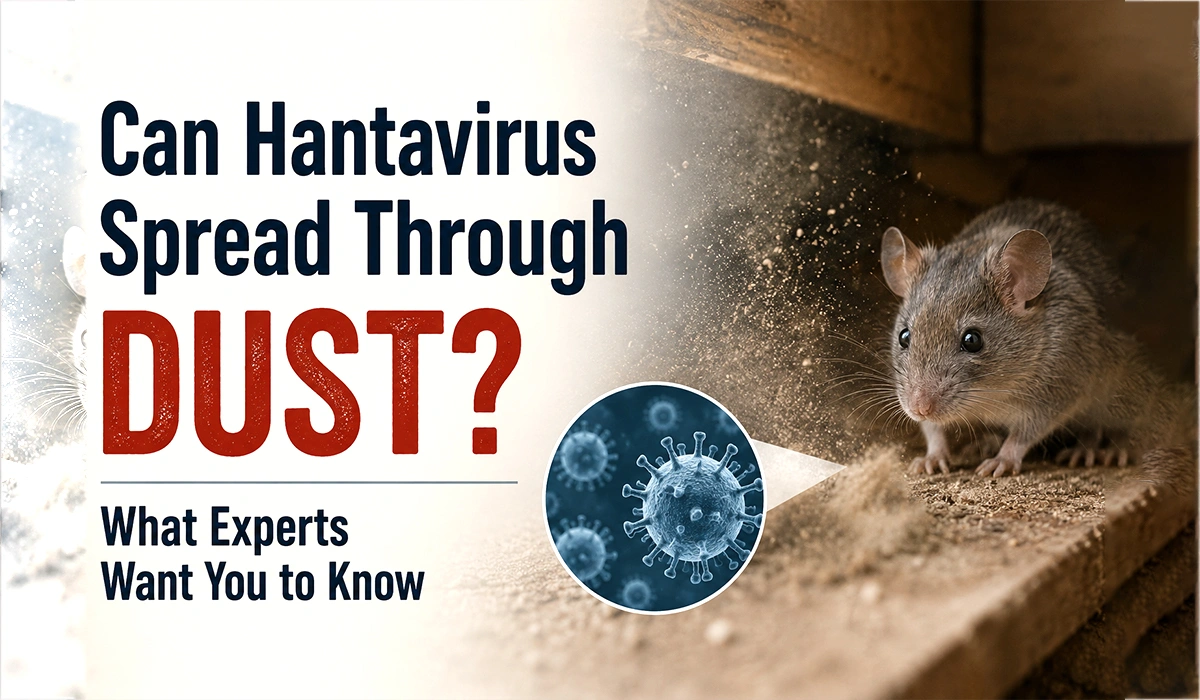
Yes. According to health experts, hantavirus can spread through contaminated airborne dust particles.
This happens when:
- Rodent droppings dry out
- Urine evaporates
- Dust becomes disturbed during cleaning
When contaminated particles enter the air, people may inhale them without realizing it.
This is why sweeping or vacuuming rodent waste is strongly discouraged by health authorities.
The concern around “Can Hantavirus Spread Through Dust? What Experts Want You to Know” continues to grow because many exposures happen during normal household cleaning activities.
How Dust Becomes a Health Risk
Dust itself is not the problem. The risk comes from virus-contaminated particles hidden inside the dust.
Common situations that increase exposure:
- Cleaning old sheds
- Opening unused cabins
- Sweeping garages
- Entering closed storage rooms
- Handling rodent nests
Once particles become airborne, they may stay suspended long enough to be inhaled.
Experts warn that even small amounts of contaminated dust can pose a risk in enclosed spaces.
Why Hantavirus Cases Often Start Indoors
Most hantavirus infections begin in indoor or semi-enclosed environments.
High-risk locations include:
- Attics
- Basements
- Barns
- Farmhouses
- Cabins
- Warehouses
- Campsites
Poor ventilation increases the chance of inhaling contaminated particles.
In the USA, many reported cases involve people cleaning seasonal cabins or rural properties after long periods of closure.
Symptoms of Hantavirus Infection
Early symptoms can feel similar to the flu, making detection difficult at first.
Early symptoms:
- Fever
- Fatigue
- Muscle aches
- Headaches
- Chills
- Dizziness
As the disease progresses, more severe symptoms may develop.
Advanced symptoms:
- Shortness of breath
- Coughing
- Chest tightness
- Fluid buildup in lungs
This severe condition is known as Hantavirus Pulmonary Syndrome (HPS).
Immediate medical care is critical if breathing problems develop.
How Long Does It Take for Symptoms to Appear?
Symptoms typically appear between 1 and 8 weeks after exposure.
This delay often makes it difficult for people to connect symptoms to earlier cleaning or rodent exposure.
Experts recommend remembering recent activities if unexplained respiratory symptoms occur.
Can Hantavirus Spread From Person to Person?
In most cases found in North America, hantavirus does not spread from person to person.
The primary risk comes from:
- Inhaling contaminated dust
- Direct contact with rodent waste
- Touching contaminated surfaces
Some rare strains in South America have shown limited human transmission, but this is uncommon.
Who Is Most at Risk?
Anyone exposed to rodent-infested areas may be at risk, but some groups face higher exposure levels.
Higher-risk individuals include:
- Farmers
- Construction workers
- Campers
- Pest control workers
- Rural homeowners
- Warehouse staff
People cleaning neglected spaces are particularly vulnerable.
Why Prevention Matters More Than Treatment
There is currently no specific cure for hantavirus infection.
Medical treatment focuses on supportive care, including:
- Oxygen therapy
- Intensive respiratory support
- Hospital monitoring
Because severe symptoms can develop rapidly, prevention is considered the most effective protection.
This is one reason why awareness around “Can Hantavirus Spread Through Dust? What Experts Want You to Know” is so important.
Safe Cleaning Methods Experts Recommend
Health experts strongly advise against dry sweeping or vacuuming rodent droppings.
Recommended cleaning steps:
1. Ventilate the Area
Open doors and windows for at least 30 minutes before cleaning.
2. Wear Protection
Use:
- Gloves
- N95 mask if possible
- Protective eyewear
3. Spray Before Cleaning
Use disinfectant or bleach solution to wet contaminated areas.
4. Wipe Instead of Sweep
Use paper towels or damp cloths.
5. Dispose Carefully
Seal waste in plastic bags before disposal.
These methods help reduce airborne dust exposure.
How to Reduce Rodent Infestation at Home
Preventing rodents is one of the best ways to reduce hantavirus risk.
Effective prevention tips:
- Seal holes and cracks
- Store food properly
- Remove clutter
- Keep garbage sealed
- Clean pet food areas
- Trim vegetation near buildings
Rodent-proofing homes and storage areas greatly lowers exposure risk.
Rural Areas and Outdoor Risks
Rural environments naturally increase exposure opportunities.
Common outdoor risk factors:
- Camping in rodent-infested areas
- Sleeping in unused cabins
- Cleaning hunting sheds
- Handling firewood
Experts advise checking enclosed areas carefully before use.
What Experts Say About Airborne Transmission
Health authorities like the CDC continue to emphasize airborne exposure as the main transmission route in the United States.
Experts explain that:
- The virus survives temporarily in dust particles
- Enclosed spaces create higher exposure risks
- Disturbing droppings increases airborne spread potential
This is why professional cleaning guidelines are so strict.
The Psychological Impact of Hidden Health Risks
Diseases linked to invisible exposure often create anxiety.
People may feel uneasy after:
- Discovering rodent infestations
- Cleaning contaminated areas
- Experiencing unexplained symptoms
Understanding proper prevention methods can reduce fear and improve preparedness.
Knowledge is one of the strongest tools for protection.
Common Myths About Hantavirus
Myth 1: Only Dirty Homes Have Rodents
Rodents can enter clean homes, especially during cold weather.
Myth 2: Hantavirus Is Extremely Common
The disease is rare, though serious.
Myth 3: Vacuuming Is Safe
Vacuuming can spread contaminated particles into the air.
Myth 4: Only Rural Areas Are Affected
Urban storage areas and buildings can also attract rodents.
How Climate and Seasons Affect Rodent Activity
Rodent activity often increases:
- During colder months
- After environmental disruption
- During food shortages
This can increase indoor infestation risk and human exposure opportunities.
Seasonal awareness helps improve prevention efforts.
Importance of Public Health Awareness
Public awareness campaigns play a major role in reducing infection risk.
Education helps people:
- Recognize warning signs
- Clean safely
- Prevent infestations
- Seek medical care early
The more people understand “Can Hantavirus Spread Through Dust? What Experts Want You to Know,” the better communities can protect themselves.
Conclusion
Understanding “Can Hantavirus Spread Through Dust? What Experts Want You to Know” can help people make safer decisions during everyday cleaning and outdoor activities.
Although hantavirus infections are uncommon, the disease can become serious very quickly. The biggest danger often comes from invisible airborne particles created when contaminated dust is disturbed.
Simple preventive steps—ventilating spaces, avoiding dry sweeping, using disinfectants, and controlling rodents—can significantly reduce risk.
Awareness, caution, and safe cleaning habits remain the best defense against exposure.