Introduction
Imagine two people living in the same city, eating similar foods, and working similar jobs. One follows a simple daily routine—maintaining hygiene, caring for their skin, staying hydrated, exercising regularly, and paying attention to their health. The other ignores these habits until a health problem appears.
Years later, the difference can be significant.
Preventive healthcare is often associated with medical checkups, vaccinations, and health screenings. However, one of the most powerful and accessible forms of preventive healthcare begins at home: personal care.
Personal care is more than looking good. It is about maintaining physical, mental, and emotional well-being through daily habits that support long-term health. From skincare and oral hygiene to nutrition and stress management, personal care helps prevent health issues before they develop into larger concerns.
Understanding why personal care is an important part of preventive healthcare can help individuals make better choices that support a healthier future.
What Is Personal Care?
Personal care refers to daily habits and practices that help maintain hygiene, appearance, health, and overall well-being.
Detailed Explanation
Personal care includes:
- Skin care
- Hair care
- Oral hygiene
- Hand hygiene
- Nutrition
- Sleep habits
- Physical activity
- Mental wellness practices
These activities help protect the body from illness, infection, and lifestyle-related health challenges.
Practical Tip
Think of personal care as daily maintenance for your body, much like servicing a vehicle before problems occur.
What Is Preventive Healthcare?
Preventive healthcare focuses on preventing diseases and maintaining health rather than treating illness after it develops.
Key Components
| Preventive Healthcare Activity | Purpose |
|---|---|
| Vaccinations | Disease prevention |
| Health screenings | Early detection |
| Nutrition | Wellness support |
| Exercise | Disease risk reduction |
| Personal care | Daily health protection |
Preventive healthcare helps people stay healthier for longer and may reduce healthcare costs over time.
Why Personal Care and Preventive Healthcare Are Connected
Personal care supports preventive healthcare by reducing risks and promoting healthy body functions.
How They Work Together
Personal care habits:
- Help reduce infection risks
- Support skin health
- Improve oral health
- Enhance immunity
- Encourage healthier lifestyles
Daily self-care often serves as the first line of defense against many health concerns.
How Personal Care Supports Skin Health
Why It Matters
The skin is the body’s largest organ and acts as a protective barrier.
Benefits of Proper Skin Care
- Maintains skin barrier function
- Reduces irritation
- Supports hydration
- Promotes healthy appearance
- Protects against environmental stressors
Common Personal Care Products
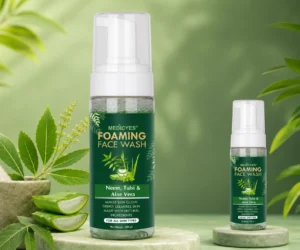
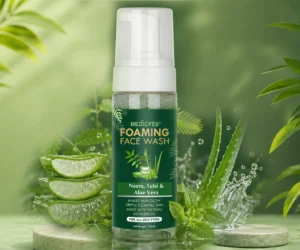
- Face washes
- Moisturizers
- Sunscreens
- Cleansers
- Herbal skincare products
Example
A daily skincare routine can help maintain healthy skin and support overall hygiene.
Oral Hygiene: A Key Part of Preventive Healthcare
Quick Answer
Good oral care supports both dental and overall health.
Benefits
- Reduces plaque buildup
- Supports healthy gums
- Helps prevent tooth decay
- Supports overall wellness
Best Practices
- Brush twice daily
- Floss regularly
- Visit a dentist periodically
- Limit excessive sugar intake
Research continues to show connections between oral health and overall health outcomes.
Personal Hygiene and Infection Prevention
Why It Matters
Simple hygiene practices can significantly reduce the spread of harmful microorganisms.
Essential Habits
- Hand washing
- Bathing regularly
- Wearing clean clothes
- Proper nail care
Practical Example
Regular handwashing remains one of the simplest and most effective preventive health practices worldwide.
Hair Care and Scalp Wellness
Healthy hair begins with a healthy scalp.
Benefits of Proper Hair Care
- Maintains scalp hygiene
- Reduces buildup
- Supports healthy hair appearance
- Enhances confidence
Personal Care Tips
- Use suitable hair care products
- Avoid excessive heat exposure
- Maintain balanced nutrition
Nutrition Is Personal Care from the Inside Out
What you eat directly affects your skin, hair, energy levels, and overall health.
Nutrients That Support Wellness
| Nutrient | Benefits |
|---|---|
| Protein | Tissue repair |
| Vitamin C | Skin support |
| Vitamin D | Bone health |
| Calcium | Strong bones |
| Zinc | Immunity support |
Practical Tip
Balanced nutrition is one of the most effective forms of preventive healthcare.
Mental Wellness Is Personal Care Too
Why Mental Health Matters
Personal care extends beyond physical appearance.
Healthy Mental Wellness Habits
- Meditation
- Mindfulness
- Adequate sleep
- Stress management
- Social connections
Benefits
- Improved focus
- Better emotional balance
- Enhanced resilience
Mental well-being plays a major role in overall health.
Sleep and Preventive Healthcare
Quick Answer
Sleep is one of the most important personal care practices.
Benefits of Quality Sleep
- Supports immunity
- Promotes recovery
- Enhances concentration
- Helps regulate hormones
Recommended Habits
- Maintain a consistent sleep schedule
- Reduce screen time before bed
- Create a relaxing bedtime routine
Physical Activity as Daily Self-Care
Why Exercise Matters
Movement supports both preventive healthcare and personal wellness.
Benefits
- Better cardiovascular health
- Stronger muscles
- Improved mood
- Enhanced energy levels
Simple Activities
- Walking
- Yoga
- Cycling
- Stretching
Consistency is more important than intensity.
The Role of Personal Care Products in Preventive Healthcare
Personal care products support hygiene, wellness, and daily health maintenance.
Examples
- Face washes
- Moisturizers
- Herbal soaps
- Hair care products
- Oral care products
What to Look For
- Quality ingredients
- Suitable formulations
- Safety standards
- Trusted manufacturers
Personal Care Across Different Life Stages
Children
Focus on hygiene and healthy habits.
Teenagers
Support skin care and nutrition.
Adults
Balance wellness, work, and self-care.
Seniors
Prioritize skin hydration, oral care, and mobility.
Personal care needs evolve throughout life.
Why Consumers Are Choosing Preventive Wellness
Current Trends
People are becoming more proactive about health.
Growing Areas
- Nutraceuticals
- Herbal wellness
- Skincare
- Personal care products
- Preventive healthcare solutions
The goal is no longer simply treating illness—it is maintaining wellness.
Why Choose Quality Personal Care Solutions?
Key Benefits
- Supports daily hygiene
- Encourages healthier habits
- Helps maintain confidence
- Complements preventive healthcare
Trust Signals
When choosing personal care products, look for:
- Quality manufacturing
- Safety standards
- Research-backed formulations
- Consumer trust
Comparison Table: Reactive Healthcare vs Preventive Healthcare
| Factor | Reactive Healthcare | Preventive Healthcare |
|---|---|---|
| Focus | Treat illness | Prevent illness |
| Timing | After symptoms | Before symptoms |
| Cost | Often higher | Often lower |
| Health Outcome | Recovery-focused | Wellness-focused |
| Personal Care Role | Limited | Essential |
Real-Life Example
A busy office professional began experiencing skin irritation, fatigue, and poor sleep. Instead of waiting for symptoms to worsen, they improved their personal care routine by focusing on hygiene, hydration, balanced nutrition, skincare, and stress management.
Within months, overall wellness improved significantly.
This illustrates how small personal care habits can support long-term preventive healthcare goals.
Why Personal Care Is an Important Part of Preventive Healthcare – Frequently Asked Questions
Why is personal care important for preventive healthcare?
Personal care helps maintain hygiene, wellness, and healthy daily habits that may reduce health risks and support overall well-being.
What are examples of personal care?
Examples include skincare, oral hygiene, bathing, hair care, nutrition, exercise, and sleep management.
How does personal care affect overall health?
Personal care supports physical, mental, and emotional wellness while promoting healthier lifestyle habits.
Is skincare considered preventive healthcare?
Yes. Proper skincare helps maintain skin health and supports the body’s natural protective barrier.
Can personal care improve quality of life?
Yes. Consistent personal care habits often contribute to better health, confidence, and overall well-being.
How can I create a personal care routine?
Start with hygiene, balanced nutrition, sleep, hydration, exercise, and suitable personal care products.
Conclusion
Personal care is far more than a daily routine. It is a practical and powerful form of preventive healthcare that supports physical health, emotional well-being, and long-term wellness.
Simple habits such as maintaining hygiene, caring for your skin, eating nutritious foods, staying active, and prioritizing sleep can make a meaningful difference over time.
The healthiest future is often built through the small choices we make every day. Personal care is one of those choices—and one of the most important investments you can make in your overall well-being.