Introduction
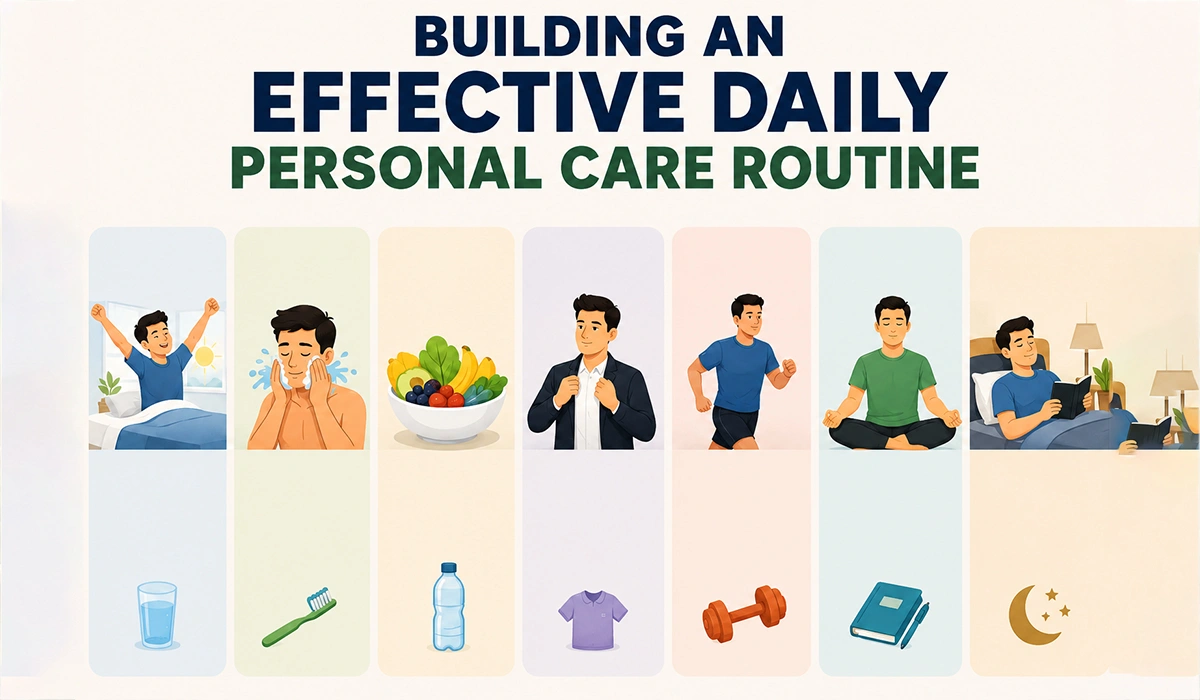
Imagine starting every day feeling refreshed, confident, and ready to take on new challenges. Now imagine ending each day knowing you have taken care of your health, appearance, and well-being through simple daily habits.
Many people associate personal care only with skincare products or grooming routines. However, personal care is much broader. It includes hygiene, skin health, oral care, hair care, nutrition, hydration, sleep, and overall wellness.
In today’s fast-paced world, building an effective daily personal care routine is more important than ever. Whether you live in New York, Mumbai, London, Sydney, or any other city, daily personal care habits directly impact physical health, self-confidence, and quality of life.
This guide explores how to create a sustainable personal care routine that supports long-term wellness while helping you look and feel your best every day.
What Is a Daily Personal Care Routine?
A daily personal care routine is a set of consistent habits that support cleanliness, hygiene, skin health, grooming, wellness, and overall self-care.
Detailed Explanation
Personal care goes beyond appearance. It focuses on maintaining physical health, preventing common skin and hygiene problems, and improving self-confidence.
A complete personal care routine includes:
- Skin care
- Hair care
- Oral hygiene
- Bathing habits
- Hydration
- Sleep management
- Nutrition support
- Stress management
These daily actions contribute to long-term well-being.
Why Personal Care Matters for Overall Health
Personal care helps prevent infections, improves confidence, supports healthy skin, and promotes better physical and mental wellness.
Detailed Explanation
Good personal care supports:
| Benefit | Impact |
|---|---|
| Better Hygiene | Reduces risk of infections |
| Healthy Skin | Improves skin appearance |
| Oral Health | Protects teeth and gums |
| Self-Confidence | Improves social interactions |
| Wellness | Supports physical and mental health |
Many healthcare professionals view personal care as an important part of preventive healthcare.
Step 1: Start Your Day with Proper Cleansing
Cleansing removes dirt, sweat, oil, and environmental pollutants that accumulate overnight.
Best Practices
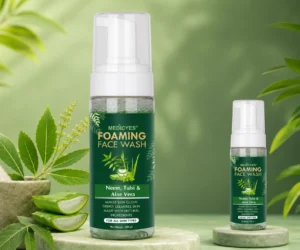
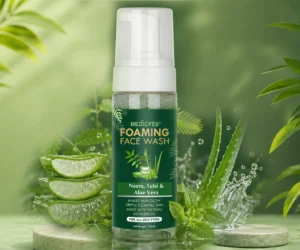
- Wash your face using a gentle cleanser.
- Use lukewarm water.
- Avoid harsh soaps.
- Pat skin dry instead of rubbing.
Practical Example
People living in cities such as Delhi, Mumbai, New York, or Los Angeles may face higher exposure to pollution, making daily cleansing especially important.
Step 2: Build an Effective Skincare Routine
A skincare routine protects the skin barrier and helps maintain healthy-looking skin.
Basic Skincare Routine
Morning
- Cleanser
- Moisturizer
- Sunscreen
Evening
- Cleanser
- Treatment products (if needed)
- Moisturizer
Common Skin Concerns
- Dry skin
- Acne
- Oily skin
- Sensitive skin
- Pigmentation
Choosing products suitable for your skin type is essential.
Step 3: Prioritize Oral Care Every Day
Good oral hygiene prevents cavities, gum disease, and bad breath.
Daily Oral Care Checklist
- Brush twice daily
- Floss once daily
- Clean your tongue
- Use mouthwash if recommended
- Visit a dentist regularly
Expert Insight
Oral health is often linked to overall health, including heart health and immune function.
Step 4: Maintain Healthy Hair Care Habits
Proper hair care supports scalp health and reduces damage.
Hair Care Tips
- Wash hair according to hair type
- Avoid excessive heat styling
- Use mild shampoos
- Maintain scalp cleanliness
- Eat nutrient-rich foods
Common Hair Problems
- Hair fall
- Dandruff
- Dry scalp
- Frizzy hair
Step 5: Stay Hydrated Throughout the Day
Hydration supports skin health, energy levels, digestion, and overall wellness.
Daily Hydration Tips
- Drink water regularly
- Limit sugary beverages
- Consume water-rich fruits
- Monitor hydration during hot weather
Benefits of Hydration
| Hydration Benefit | Health Impact |
|---|---|
| Healthy Skin | Improved moisture balance |
| Better Digestion | Supports gut function |
| Energy Support | Reduces fatigue |
| Temperature Regulation | Supports body functions |
Step 6: Nutrition and Personal Care
Healthy nutrition plays a major role in skin, hair, nails, and overall wellness.
Nutrients That Support Personal Care
- Protein
- Vitamin C
- Vitamin D
- Calcium
- Zinc
- Omega-3 Fatty Acids
Food Sources
- Fruits
- Vegetables
- Whole grains
- Nuts
- Dairy products
- Lean proteins
Healthy skin often starts with healthy nutrition.
Step 7: Practice Good Bathing and Hygiene Habits
Daily hygiene helps remove sweat, bacteria, and environmental contaminants.
Hygiene Essentials
- Daily bathing
- Hand washing
- Clean clothing
- Nail care
- Foot care
These habits reduce the risk of infections and promote comfort.
Step 8: Protect Your Skin from Sun Damage
Quick Answer
Sun protection helps reduce premature aging and supports long-term skin health.
Sun Protection Checklist
- Apply sunscreen daily
- Wear protective clothing
- Seek shade during peak hours
- Reapply sunscreen when outdoors
Why It Matters
Excessive UV exposure may contribute to skin damage over time.
Step 9: Manage Stress for Better Personal Wellness
Quick Answer
Stress affects both physical appearance and overall health.
Common Effects of Stress
- Acne flare-ups
- Hair fall
- Poor sleep
- Fatigue
Stress Management Techniques
- Meditation
- Exercise
- Deep breathing
- Time management
- Hobbies
Mental wellness is an important part of personal care.
Step 10: Prioritize Quality Sleep
Quick Answer
Sleep supports recovery, skin repair, and overall health.
Healthy Sleep Habits
- Sleep 7–9 hours
- Follow a consistent schedule
- Limit screen exposure before bed
- Create a relaxing bedtime routine
Benefits
- Improved skin appearance
- Better mood
- Increased energy
- Enhanced concentration
Personal Care Routine Comparison
| Basic Routine | Advanced Routine |
|---|---|
| Face Wash | Cleanser + Serum + Moisturizer |
| Daily Bath | Customized Skin Care |
| Brushing Teeth | Complete Oral Care |
| Water Intake | Hydration Tracking |
| Basic Grooming | Comprehensive Wellness Approach |
Why Consistency Matters More Than Perfection
Small daily habits create long-term results.
Real-World Example
Someone who follows a simple personal care routine every day often sees better results than someone who follows an intensive routine occasionally.
Consistency builds healthier habits and sustainable wellness.
How Personal Care Supports Preventive Healthcare
Personal care helps identify and prevent potential health concerns early.
Preventive Benefits
- Better skin monitoring
- Improved hygiene
- Early identification of concerns
- Increased wellness awareness
Healthcare experts increasingly recognize personal care as part of preventive health management.
Common Personal Care Mistakes to Avoid
Mistakes Include
- Skipping sunscreen
- Overwashing skin
- Ignoring hydration
- Inconsistent routines
- Poor sleep habits
- Using unsuitable products
Avoiding these mistakes can improve long-term results.
Why Choose Quality Personal Care Products?
Key Considerations
- Ingredient quality
- Safety standards
- Skin compatibility
- Product transparency
- Trusted manufacturers
Consumers should choose products that align with their individual needs and wellness goals.
Building an Effective Daily Personal Care Routine Frequently Asked Questions
What is the most important step in a personal care routine?
Consistency is the most important factor. Daily cleansing, hydration, oral care, and sun protection form the foundation.
How often should I follow my personal care routine?
Personal care habits should be followed daily for the best long-term results.
Can personal care improve confidence?
Yes. Good hygiene, healthy skin, and grooming habits often contribute to greater self-confidence.
How much water should I drink daily?
Individual needs vary, but regular hydration throughout the day supports overall wellness.
Is skincare necessary even if I have healthy skin?
Yes. Preventive skincare helps maintain skin health and protect against environmental stressors.
What role does nutrition play in personal care?
Nutrition supports healthy skin, hair, nails, energy levels, and overall wellness.
Conclusion
Building an effective daily personal care routine is one of the simplest and most powerful investments you can make in your health and well-being.
Daily habits such as cleansing, hydration, skincare, oral care, proper nutrition, stress management, and quality sleep work together to support long-term wellness. Personal care is not about perfection or expensive products—it is about consistency.
When practiced regularly, these habits can improve confidence, support preventive healthcare, and contribute to a healthier, happier life.
The best routine is the one you can maintain every day. Start small, stay consistent, and let healthy habits create lasting results.