Introduction
What if food could do more than simply satisfy hunger?
Imagine two people eating the same number of calories every day. One feels energetic, focused, and healthy, while the other struggles with fatigue, poor digestion, and low immunity. The difference often lies not in how much they eat, but in what their food does for their body.
This is where functional nutrition comes into the picture.
Modern healthcare is increasingly moving toward prevention rather than treatment. Across the United States, India, and many other countries, people are becoming more interested in how nutrition influences energy, immunity, gut health, mental well-being, and long-term disease prevention.
Understanding the role of functional nutrition in healthy living can help individuals make informed choices that support overall wellness and improve quality of life.
Quick Summary
Functional nutrition focuses on how food supports the body’s systems and addresses individual health needs. By prioritizing nutrient-dense foods, balanced eating habits, and personalized nutrition strategies, people can improve energy, immunity, digestion, and long-term wellness.
What Is Functional Nutrition?
Functional nutrition is a personalized approach to nutrition that focuses on how food affects the body’s systems, health outcomes, and overall well-being.
Detailed Explanation
Unlike traditional nutrition, which often focuses primarily on calorie intake and nutrient requirements, functional nutrition examines the relationship between food, lifestyle, genetics, environment, and health.
The goal is to identify root causes of health concerns and use nutrition as a tool to support optimal body function.
Practical Example
Instead of simply treating fatigue, functional nutrition may explore:
- Iron levels
- Vitamin B12 status
- Sleep quality
- Gut health
- Dietary patterns
Why Functional Nutrition Matters Today
Modern lifestyles have increased the need for nutrition strategies that support long-term health and disease prevention.
Key Challenges
- Processed food consumption
- Sedentary lifestyles
- Chronic stress
- Sleep disruption
- Nutritional deficiencies
Functional nutrition addresses these challenges through evidence-based dietary choices.
How Functional Nutrition Supports Healthy Living
Functional nutrition supports healthy living by optimizing the body’s natural systems.
Benefits
- Better energy production
- Improved immunity
- Enhanced digestion
- Healthy aging
- Mental wellness
- Hormonal balance
Practical Tip
Focus on nutrient density rather than simply counting calories.
Functional Nutrition vs Traditional Nutrition
| Feature | Traditional Nutrition | Functional Nutrition |
|---|---|---|
| Focus | Nutrient intake | Whole-body wellness |
| Approach | General guidelines | Personalized strategies |
| Goal | Prevent deficiency | Optimize health |
| Assessment | Diet evaluation | Lifestyle, environment, health history |
| Long-Term Focus | Basic nutrition | Root-cause wellness |
The Connection Between Nutrition and Immunity
A strong immune system depends on adequate nutrition.
Important Nutrients
- Vitamin C
- Vitamin D
- Zinc
- Selenium
- Protein
Functional Nutrition Approach
Instead of focusing on a single nutrient, functional nutrition emphasizes overall dietary quality and lifestyle habits.
Functional Nutrition and Gut Health
A healthy gut plays a major role in digestion, immunity, and overall wellness.
Foods That Support Gut Health
- Yogurt
- Fermented foods
- Fruits
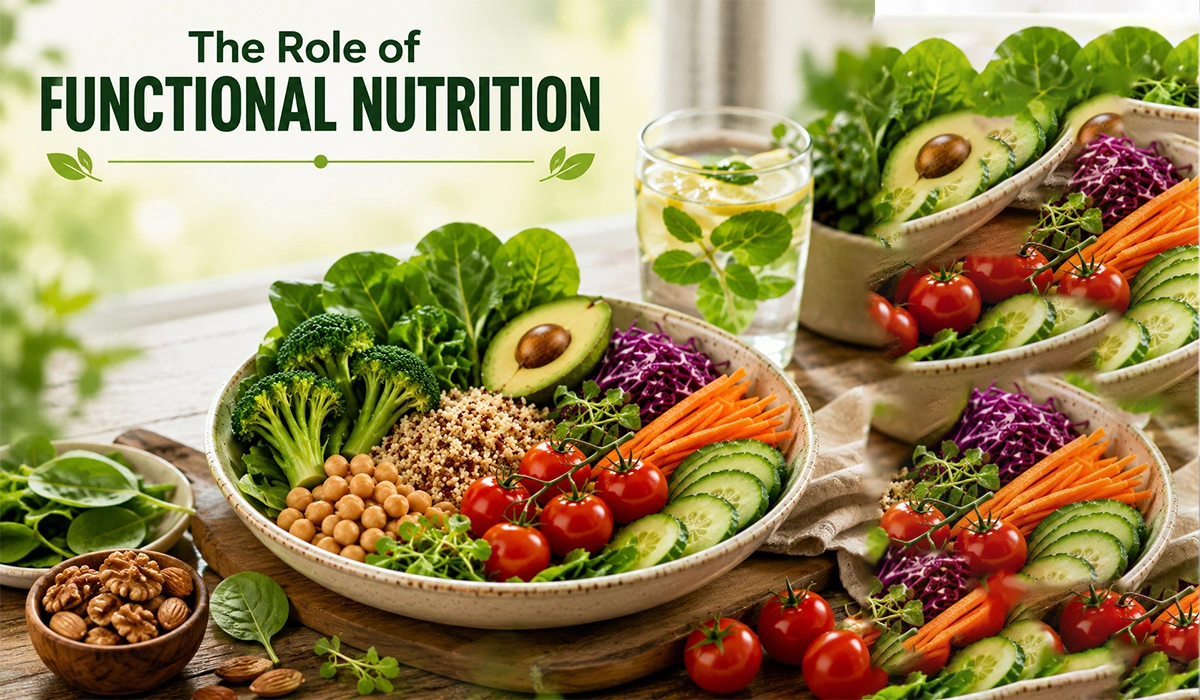
- Vegetables
- Whole grains
Why It Matters
Research continues to show strong connections between gut health and overall health outcomes.
The Role of Functional Nutrition in Energy Production
The body converts nutrients into usable energy.
Nutrients That Support Energy
- Iron
- Vitamin B12
- Magnesium
- Protein
- Complex carbohydrates
Common Signs of Nutritional Gaps
- Fatigue
- Brain fog
- Weakness
- Poor concentration
Functional Nutrition and Mental Wellness
Nutrition influences brain health, mood, and cognitive performance.
Important Nutrients
- Omega-3 fatty acids
- Magnesium
- B vitamins
- Zinc
Example
Individuals consuming balanced diets often report improved focus and productivity.
Functional Nutrition and Healthy Aging
Healthy aging begins with proper nutrition.
Key Areas
- Bone health
- Muscle preservation
- Heart health
- Cognitive support
Nutrients for Healthy Aging
- Calcium
- Vitamin D
- Protein
- Antioxidants
Personalized Nutrition: Why One Size Doesn’t Fit All
Functional nutrition recognizes that every person is unique.
Factors Considered
- Age
- Gender
- Activity level
- Medical history
- Lifestyle
- Nutritional needs
A personalized approach often leads to better health outcomes.
Essential Nutrients in Functional Nutrition
Macronutrients
Protein
Supports growth and repair.
Carbohydrates
Provide energy.
Healthy Fats
Support hormones and brain function.
Micronutrients
Vitamins
Support body regulation.
Minerals
Support bone health, immunity, and metabolism.
Functional Foods and Their Benefits
Examples of Functional Foods
| Food | Potential Benefits |
|---|---|
| Turmeric | Antioxidant support |
| Oats | Heart health |
| Yogurt | Gut health |
| Berries | Antioxidant support |
| Nuts | Healthy fats and minerals |
Functional foods provide nutrients beyond basic nutrition.
Common Mistakes People Make
Skipping Meals
May affect energy and concentration.
Excess Processed Foods
Often provide calories without adequate nutrition.
Poor Hydration
Can affect physical and mental performance.
Ignoring Nutritional Deficiencies
May contribute to long-term health concerns.
Functional Nutrition for Busy Professionals
Many professionals struggle to maintain healthy eating habits.
Practical Strategies
- Plan meals ahead
- Keep healthy snacks available
- Stay hydrated
- Prioritize breakfast
- Limit excessive sugar intake
Small improvements can create meaningful long-term results.
Why Preventive Healthcare and Functional Nutrition Work Together
Preventive healthcare aims to reduce future health risks.
Functional nutrition supports this goal by:
- Addressing nutritional gaps
- Supporting healthy habits
- Encouraging proactive wellness
Together, they form a strong foundation for lifelong health.
Why Choose a Functional Nutrition Approach?
Benefits
✔ Personalized wellness support
✔ Focus on root causes
✔ Long-term health optimization
✔ Better lifestyle integration
✔ Preventive healthcare alignment
✔ Sustainable healthy habits
Real-World Example
A corporate employee experienced fatigue, poor sleep, and low productivity.
Rather than relying only on temporary solutions, they improved:
- Nutrient intake
- Hydration
- Sleep habits
- Meal planning
Within several months, energy levels and overall wellness improved significantly.
This demonstrates the practical value of functional nutrition in daily life.
The Role of Functional Nutrition in Healthy Living Frequently Asked Questions
What is functional nutrition?
Functional nutrition is a personalized approach that uses food and lifestyle factors to support overall health and address root causes of wellness concerns.
Direct Answer
It focuses on how nutrition affects the body’s systems rather than simply counting calories.
How is functional nutrition different from traditional nutrition?
Functional nutrition looks at the whole person, including lifestyle, environment, and health history, while traditional nutrition often focuses on general dietary recommendations.
Can functional nutrition improve gut health?
Yes. Functional nutrition often emphasizes foods that support digestion, gut microbiome balance, and overall digestive wellness.
Is functional nutrition suitable for healthy individuals?
Absolutely. Functional nutrition is not only for managing health concerns but also for optimizing wellness and preventing future problems.
What foods are commonly used in functional nutrition?
Fruits, vegetables, whole grains, nuts, seeds, lean proteins, fermented foods, and nutrient-dense functional foods are commonly recommended.
How does functional nutrition support healthy aging?
It provides nutrients that support bone health, muscle maintenance, cognitive function, and overall vitality as people age.
Conclusion
The role of functional nutrition in healthy living extends far beyond basic nutrition. It focuses on understanding how food interacts with the body’s systems and supports long-term wellness.
By prioritizing nutrient-dense foods, healthy lifestyle habits, and personalized nutrition strategies, individuals can improve energy, immunity, digestion, mental well-being, and overall quality of life.
In a world increasingly focused on preventive healthcare, functional nutrition offers a practical and sustainable path toward healthier living. The choices made today can become the foundation for better health tomorrow.