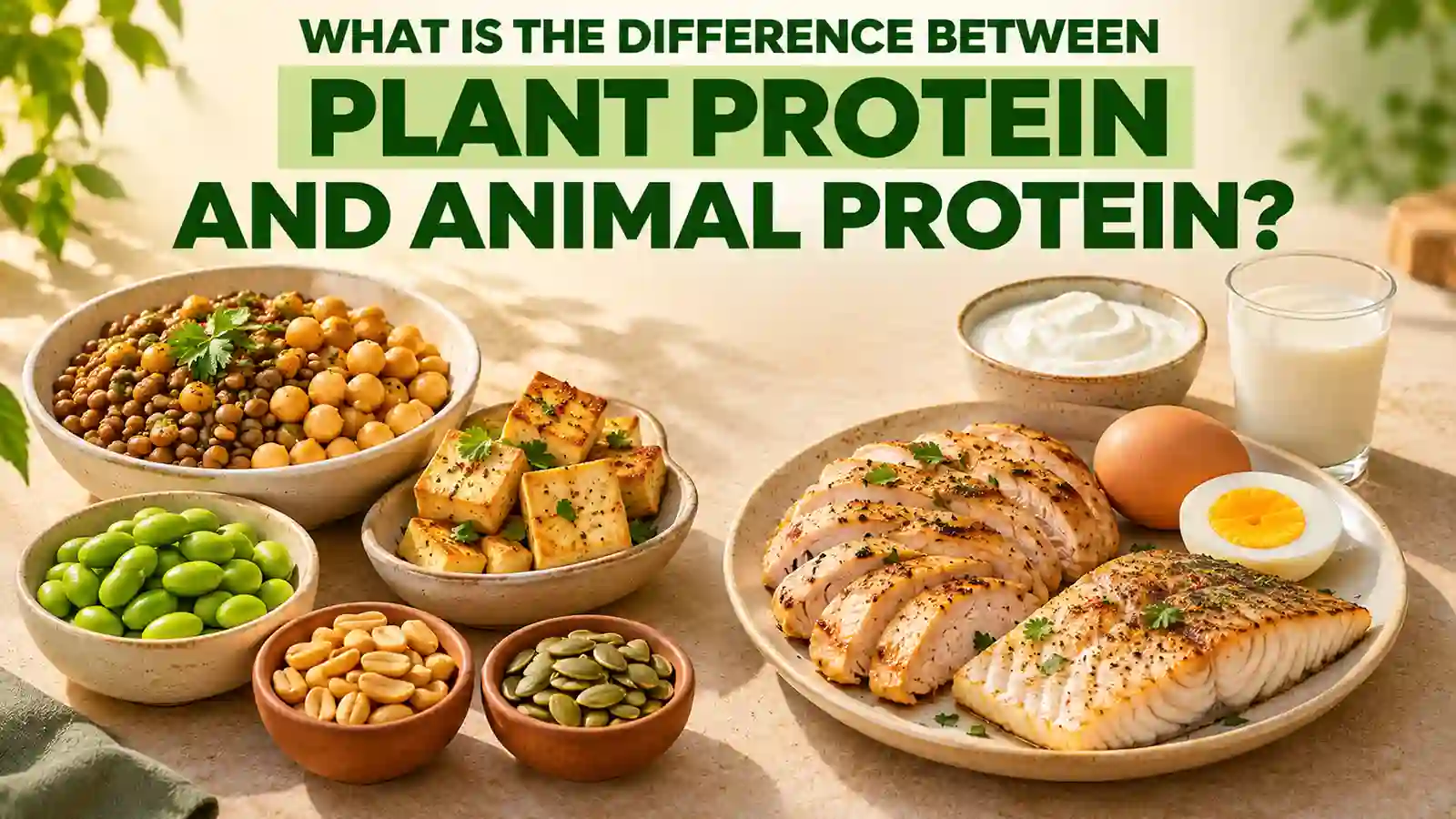
Protein is essential for building muscles, repairing tissues and maintaining overall health. But when choosing between dal, paneer, eggs, chicken or soybeans, many people wonder: What is the difference between plant protein and animal protein?
Both provide essential nutrients, but they differ in amino acid composition, digestibility, additional nutrients and health benefits. Understanding these differences can help Indian consumers make smarter food choices without following unnecessary diet trends.
1. What Is Plant Protein?
Quick Answer: Plant protein is protein obtained from plant-based foods such as pulses, beans, nuts, seeds, soybeans and whole grains.
Plant proteins support muscle development, tissue repair and normal body functions. Popular Indian sources include rajma, chana, moong dal, masoor dal, peanuts and tofu.
Example: A bowl of rajma with rice provides protein from two different plant sources.
Practical Tip: Include different pulses, grains, nuts and seeds in your daily diet.
2. What Is Animal Protein?
Quick Answer: Animal protein comes from animal-based foods, including eggs, milk, curd, paneer, fish, chicken and meat.
These foods generally contain all nine essential amino acids in proportions that are useful for human nutrition. Dairy products and eggs are convenient options for people who do not eat meat.
Example: Eggs, milk and chicken are commonly used to increase daily protein intake.
Practical Tip: Choose nutrient-rich options such as eggs, fish, dairy and lean poultry.
3. What Is the Main Difference Between Plant Protein and Animal Protein?
Quick Answer: The main difference is their amino acid profile, digestibility and additional nutritional content. Animal proteins are generally more digestible, while plant proteins provide fibre and other beneficial plant compounds.
| Feature | Plant Protein | Animal Protein |
|---|---|---|
| Sources | Dal, beans, soy | Eggs, milk, fish |
| Amino acids | Varies by source | Generally complete |
| Digestibility | Varies | Generally higher |
| Fibre | Often contains fibre | Contains no fibre |
| Vitamin B12 | Usually absent | Available in many sources |
| Saturated fat | Generally lower | Varies by food |
| Cholesterol | No dietary cholesterol | Present in animal-derived foods |
Practical Tip: Compare the complete nutritional profile, not just the protein content.
4. What Are Essential Amino Acids?
Quick Answer: Essential amino acids are nine amino acids that the human body cannot produce in sufficient amounts and must obtain through food.
They help build muscles, repair tissues and support important biological processes.
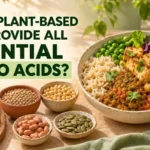
Animal foods generally provide all nine essential amino acids. Some plant foods, including soy and quinoa, also provide all nine.
Example: Soybeans are a useful complete plant protein source.
Practical Tip: Eat a variety of protein-rich foods throughout the day.
5. Which Protein Is Better for Muscle Growth?
Quick Answer: Both plant and animal proteins can support muscle growth when consumed in sufficient quantities alongside regular resistance training.
Animal proteins such as eggs, milk and whey are convenient because of their amino acid composition and digestibility. Soy, tofu, lentils and other plant proteins can also support muscle development.
Example: A vegetarian can include tofu, milk, dal and soybeans in a muscle-building diet.
Practical Tip: Focus on total daily protein intake, exercise and recovery.
6. Which Protein Is Easier to Digest?
Quick Answer: Animal proteins are generally more digestible, but digestibility varies depending on the food, preparation and processing method.
Some plant foods contain compounds that reduce nutrient absorption. Soaking, cooking, sprouting and fermenting pulses can improve their nutritional availability.
Example: Properly cooked rajma is easier to digest than raw or undercooked kidney beans.
Practical Tip: Prepare beans and pulses properly before eating.
7. What Are the Health Benefits of Plant Protein?
Quick Answer: Plant protein foods often provide fibre, antioxidants, vitamins and minerals alongside protein.
A diet rich in legumes, nuts, seeds, vegetables and whole grains can support heart health and digestive health.
Example: Chana, oats and almonds offer protein along with other beneficial nutrients.
Practical Tip: Prefer minimally processed plant-based foods.
8. What Are the Health Benefits of Animal Protein?
Quick Answer: Animal protein foods can provide highly digestible protein and nutrients such as vitamin B12, zinc and iron.
Eggs, dairy, fish and poultry can contribute to a balanced diet. However, processed meats and excessive red meat consumption should be limited.
Example: Milk provides protein and calcium, while fish can provide protein and omega-3 fatty acids.
Practical Tip: Choose a variety of nutrient-rich animal protein sources.
9. Can Vegetarians Get Enough Protein?
Quick Answer: Yes. Vegetarians can meet their protein requirements through a balanced combination of pulses, beans, dairy, soy products, nuts and seeds.
The Indian Council of Medical Research–National Institute of Nutrition (ICMR-NIN) recommends combining cereals and pulses in an approximate 3:1 ratio to improve dietary protein quality.
Example: Dal with rice, roti with chana and paneer with vegetables.
Practical Tip: Include a protein source in every major meal.
10. How Much Protein Does Your Body Need Daily?
Quick Answer: A commonly used adult protein recommendation is approximately 0.8 grams per kilogram of body weight daily, although individual requirements vary.
For example, an adult weighing 70 kg would need approximately 56 grams daily using this general guideline.
Children, pregnant women, older adults, athletes and people with certain medical conditions may have different requirements.
Practical Tip: Consult a qualified dietitian for a personalised protein target.
11. Plant Protein vs Animal Protein: Which Should You Choose?
Quick Answer: Neither is universally better. The right choice depends on dietary preferences, nutritional needs, health conditions, lifestyle and food availability.
- Choose plant protein for fibre-rich, plant-based eating.
- Choose animal protein for convenient sources of complete protein.
- Combine different plant sources for a balanced amino acid intake.
- Consider a mixed diet if it suits your preferences and health needs.
12. Frequently Asked Questions About Plant Protein and Animal Protein
Q1. Is plant protein as good as animal protein?
Yes, plant protein can meet nutritional needs when you consume sufficient quantities and a variety of protein sources.
Q2. Is paneer plant protein or animal protein?
Paneer is an animal-derived protein because it is made from milk.
Q3. Which plant protein is closest to animal protein?
Soy protein is one of the highest-quality plant protein options and contains all nine essential amino acids.
Q4. Can I build muscle with plant protein?
Yes. Soy, tofu, lentils, beans and other plant protein sources can support muscle growth with appropriate intake and exercise.
Q5. Is animal protein necessary for good health?
No. A properly planned vegetarian or vegan diet can provide adequate protein, although vitamin B12 and certain other nutrients require attention.
Q6. Which protein is better for Indians?
Both can work. Dal, rajma, chana, soy, paneer, eggs, milk and fish are practical options depending on dietary preferences.
Conclusion
The difference between plant protein and animal protein goes beyond their sources. Animal protein generally offers higher digestibility and a complete amino acid profile, while plant protein provides fibre and valuable plant nutrients. For Indian consumers, foods such as dal, rajma, chana, paneer, soybeans, eggs and fish can all contribute to a nutritious diet.