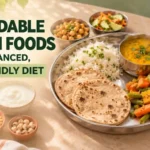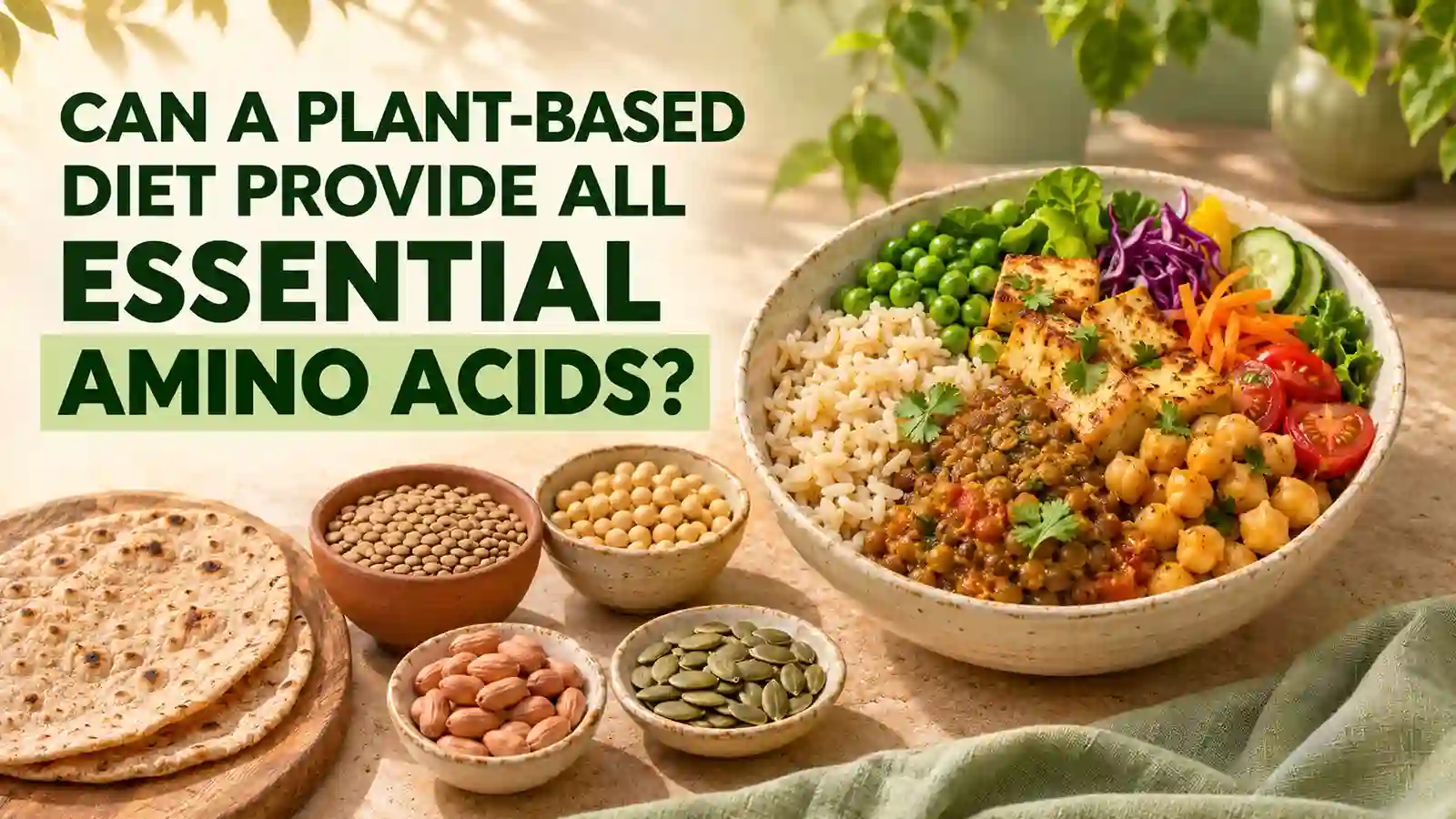
Imagine starting your morning with a bowl of oats, enjoying dal and rice for lunch, and having tofu with vegetables for dinner. These everyday plant-based foods may provide more nutritional value than you realise.
One common concern about vegetarian and vegan diets is whether they provide all the essential amino acids needed by the human body.
The answer is yes! A well-planned plant-based diet can provide all nine essential amino acids. The key is eating enough protein and including different protein-rich foods throughout the day.
Let’s understand how it works and which foods can help you meet your daily nutritional needs.
1. What Are Essential Amino Acids?
Essential amino acids are building blocks of protein that the body cannot produce in sufficient amounts. Therefore, we must obtain them through food.
There are nine essential amino acids:
- Histidine
- Isoleucine
- Leucine
- Lysine
- Methionine
- Phenylalanine
- Threonine
- Tryptophan
- Valine
They support muscle growth, tissue repair, hormone production, and several important body functions.
2. Can a Plant-Based Diet Provide All Essential Amino Acids?
Yes. Plant-based foods contain all nine essential amino acids, although individual foods may have different amounts of each.
For example, lentils are rich in lysine but relatively lower in methionine. Grains generally provide methionine but contain less lysine.
Eating different plant protein sources helps create a balanced amino acid intake throughout the day.
3. What Are the Best Plant-Based Protein Sources?
Several affordable foods commonly available in India can help meet protein requirements.
| Food | Protein benefits |
|---|---|
| Soybeans | High-quality protein |
| Lentils (dal) | Rich in protein and lysine |
| Chickpeas | Provide protein and fibre |
| Kidney beans (rajma) | Good source of plant protein |
| Tofu | Contains all nine essential amino acids |
| Quinoa | Provides complete protein |
| Pumpkin seeds | Supply protein and minerals |
| Peanuts | Affordable protein source |
Including these foods regularly can improve the nutritional quality of everyday meals.
4. What Is a Complete Plant Protein?
A complete protein contains all nine essential amino acids in adequate proportions.
Some plant-based foods, including soybeans, tofu, tempeh, and quinoa, are considered complete protein sources.
However, having all nine amino acids does not automatically mean that every food provides them in ideal amounts for every serving.
Practical tip: Include different protein sources instead of depending on a single food.
5. Do You Need to Combine Proteins at Every Meal?
No. You do not need to combine specific foods at every meal to obtain all essential amino acids.
Eating a variety of protein sources throughout the day is generally sufficient for healthy adults.
For example:
- Dal with rice
- Rajma with whole-wheat roti
- Hummus with whole-grain bread
- Peanut butter with whole-wheat toast
These combinations provide complementary amino acid profiles.
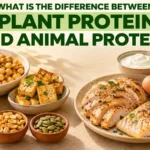
6. Plant-Based Protein vs Animal Protein: What’s the Difference?
Both plant and animal foods can provide essential amino acids. However, their protein quality, digestibility, and additional nutrients can differ.
| Feature | Plant Protein | Animal Protein |
|---|---|---|
| Protein sources | Dal, soy, beans, nuts | Eggs, fish, milk, meat |
| Fibre | Often contains fibre | Generally contains no fibre |
| Complete proteins | Some sources | Many sources |
| Nutritional variety | Fibre and plant nutrients | Often provides vitamin B12 |
| Dietary suitability | Suitable for vegan diets | Not suitable for vegan diets |
Neither category automatically guarantees a healthy diet. Food quality, variety, and overall nutritional balance matter.
7. How Can Indians Meet Their Daily Protein Needs?
Traditional Indian meals already include several useful plant protein sources.
A simple daily eating pattern could include:
- Breakfast: Oats with soy milk and nuts.
- Lunch: Rajma, brown rice, and vegetable salad.
- Evening snack: Roasted chickpeas or peanuts.
- Dinner: Tofu with whole-wheat roti and vegetables.
Choose portions according to your energy and protein requirements.
8. Are Plant-Based Proteins Good for Muscle Growth?
Yes. Plant-based proteins can support muscle development, recovery, and tissue repair when total protein intake and essential amino acid intake are adequate.
Soy, tofu, lentils, and other protein-rich foods can be useful options for people following vegetarian or vegan fitness diets.
Practical tip: Combine resistance training with sufficient daily protein, calories, and recovery.
9. What Nutrients Should Vegans Pay Attention To?
Although plant-based diets can provide essential amino acids, protein is not the only nutritional consideration.
Vegans should pay particular attention to:
- Vitamin B12: Use reliable fortified foods or an appropriate supplement.
- Iron: Include lentils, beans, and leafy vegetables alongside vitamin C-rich foods.
- Calcium: Choose calcium-fortified plant milk, tofu, and suitable green vegetables.
- Vitamin D: Consider fortified foods and supplements when appropriate.
- Omega-3: Include chia seeds, flaxseeds, and walnuts.
A registered dietitian can help identify individual nutritional requirements.
10. What Are Common Mistakes in Plant-Based Protein Diets?
Some people assume that eating vegetables alone provides enough protein. Others depend heavily on carbohydrates while consuming very few legumes, soy products, nuts, or seeds.
Common mistakes include:
- Eating insufficient total protein.
- Depending on only one protein source.
- Ignoring vitamin B12 intake.
- Replacing nutritious meals with highly processed vegan foods.
- Not considering individual nutritional requirements.
A balanced approach is more effective than following unnecessary food restrictions.
11. How Can You Build a Balanced Plant-Based Diet?
Start with a simple approach:
- Include a protein-rich food in your main meals.
- Rotate between lentils, beans, soy, nuts, and seeds.
- Choose whole grains for additional nutrients.
- Eat a variety of colourful vegetables and fruits.
- Check your vitamin B12 intake if following a vegan diet.
- Adjust portions according to your activity level and health needs.
Consistency and variety are more important than complicated food combinations.
12. Why Choose a Well-Planned Plant-Based Nutrition Approach?
A well-planned plant-based diet can provide protein, fibre, vitamins, minerals, and beneficial plant compounds.
It can also offer flexibility through affordable and widely available Indian foods.
When choosing nutritional products or professional dietary services, look for transparent ingredient information, appropriate quality standards, and guidance from qualified nutrition professionals. Avoid relying on unsupported health claims or unverified testimonials.
Frequently Asked Questions About Plant-Based Diets and Essential Amino Acids
1. Can vegans get all nine essential amino acids?
Yes. A varied vegan diet containing legumes, soy products, whole grains, nuts, and seeds can provide all nine essential amino acids.
2. Which plant food contains all nine essential amino acids?
Soybeans, tofu, tempeh, and quinoa are examples of plant-based foods containing all nine essential amino acids.
3. Is dal and rice a complete protein combination?
Dal and rice complement each other’s amino acid profiles, making them a useful combination in a balanced vegetarian diet.
4. Do plant proteins build muscle?
Yes. Adequate plant protein intake, combined with resistance exercise and sufficient calories, can support muscle growth and recovery.
5. Is plant protein better than animal protein?
Neither is universally better. Both can provide essential amino acids. Their nutritional benefits depend on food quality, dietary requirements, and overall eating patterns.
6. Can Indians meet protein requirements without meat?
Yes. Dal, rajma, chickpeas, soybeans, tofu, peanuts, and seeds are accessible options for meeting protein needs.
7. Do vegans need protein supplements?
Not necessarily. Many people can meet their protein requirements through food. Supplements may be useful when dietary intake is insufficient or individual needs are higher.
Conclusion
So, can a plant-based diet provide all essential amino acids? Absolutely!
A balanced combination of lentils, beans, soy products, whole grains, nuts, and seeds can supply all nine essential amino acids needed by the body.
You do not need expensive foods or complicated meal combinations to build a nutritious diet. Start with everyday ingredients, maintain variety, and pay attention to nutrients such as vitamin B12.