Introduction
In today’s connected world, a health crisis in one country can quickly become a global concern.
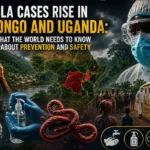
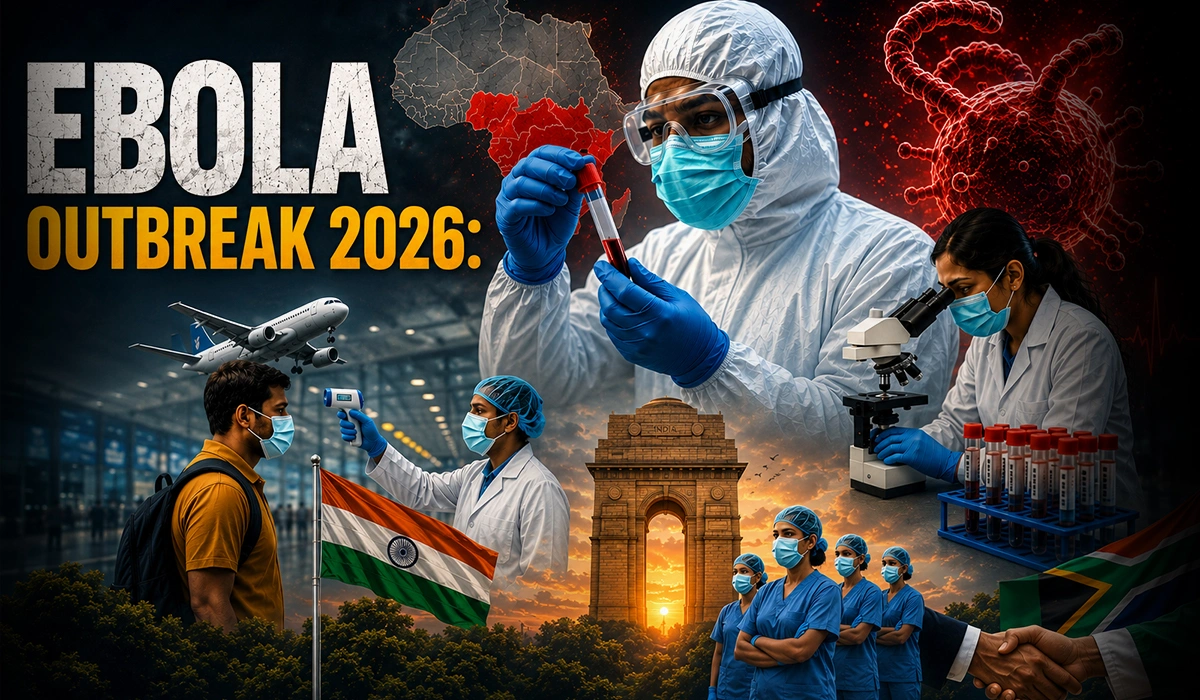
As reports of rising Ebola cases in parts of Africa continue to gain international attention, many countries are once again reviewing their emergency healthcare systems, travel safety protocols, and disease surveillance strategies. Among them, India is taking proactive steps to strengthen healthcare preparedness and reduce potential risks before they become larger public health concerns.
The topic “Ebola Outbreak 2026: How India Is Strengthening Healthcare Preparedness Amid Rising Cases in Africa” has become highly relevant not only for India but also for healthcare systems worldwide, including the United States and Europe. The lessons learned from COVID-19, monkeypox outbreaks, and earlier Ebola emergencies have changed how governments respond to infectious disease threats.
Today, preparedness is no longer optional—it is essential.
Understanding the Ebola Virus
Ebola Virus Disease (EVD) is a severe and often life-threatening illness caused by the Ebola virus.
The virus spreads through:
- Direct contact with infected bodily fluids
- Contaminated surfaces or medical equipment
- Contact with infected animals
Common Ebola symptoms include:
- Fever
- Severe weakness
- Headache
- Vomiting
- Internal or external bleeding
Ebola outbreaks have historically affected several African nations, where healthcare infrastructure and emergency response systems are sometimes challenged by rapid disease spread.
Why the Ebola Outbreak 2026 Is Raising Global Concern
The phrase “Ebola Outbreak 2026: How India Is Strengthening Healthcare Preparedness Amid Rising Cases in Africa” reflects growing international concern about cross-border disease transmission.
Modern global travel means infectious diseases can move across continents faster than ever before.
Healthcare experts worry about:
- International travel exposure
- Delayed symptom detection
- Pressure on hospitals
- Public panic and misinformation
Although Ebola is not as easily transmissible as respiratory viruses, its high fatality rate makes preparedness extremely important.
How India Is Responding to the Ebola Threat
India’s healthcare authorities are focusing on prevention, monitoring, and rapid response systems.
Key preparedness measures include:
- Airport screening protocols
- International traveler monitoring
- Isolation facility readiness
- Emergency medical training
- Disease surveillance systems
Indian healthcare agencies are coordinating closely with:
- WHO (World Health Organization)
- National Centre for Disease Control (NCDC)
- State health departments
The goal is early identification and rapid containment.
Airport Surveillance and Travel Monitoring
One of the first lines of defense is airport health screening.
International airports in major Indian cities are increasing:
- Thermal screening
- Health declarations
- Travel history checks
- Medical observation protocols
Passengers arriving from affected regions may undergo additional health monitoring to reduce the risk of imported cases.
This reflects how seriously India is treating the Ebola Outbreak 2026 healthcare preparedness strategy.
Strengthening Hospital Preparedness Across India
Hospitals play a critical role during infectious disease outbreaks.
India is improving:
- Isolation ward capacity
- Emergency response training
- PPE availability
- Infection control systems
Selected hospitals are being prepared as specialized treatment centers capable of handling suspected Ebola cases safely.
Lessons from COVID-19 have significantly improved India’s emergency healthcare readiness.
The Importance of Rapid Disease Detection
Early detection can prevent large outbreaks.
Healthcare systems are focusing on:
- Faster laboratory testing
- Contact tracing
- Digital surveillance systems
- Real-time reporting mechanisms
Advanced diagnostic technologies are helping authorities identify risks more efficiently than in previous outbreaks.
How Africa’s Rising Cases Impact Global Healthcare
The rise in Ebola cases in parts of Africa affects global healthcare systems because infectious diseases do not remain limited by borders.
Global concerns include:
- International travel risks
- Healthcare supply chain disruptions
- Pressure on emergency systems
- Increased public anxiety
Countries worldwide are monitoring developments closely to avoid widespread transmission.
Public Awareness and Preventive Education
Public awareness is one of the strongest tools in outbreak management.
Healthcare organizations are encouraging people to:
- Follow verified health updates
- Avoid misinformation
- Report symptoms early
- Practice hygiene precautions
Clear communication reduces fear and improves public cooperation during health emergencies.
What India Learned from COVID-19
The COVID-19 pandemic changed global healthcare forever.
India learned several important lessons:
- The need for stronger healthcare infrastructure
- Faster emergency response systems
- Better supply chain management
- Importance of healthcare awareness
These lessons are now helping improve preparedness for potential Ebola-related risks.
The Role of Healthcare Workers During Outbreaks
Doctors, nurses, and frontline healthcare workers remain central to outbreak management.
Their responsibilities include:
- Early patient identification
- Infection prevention
- Emergency treatment
- Community awareness
Protecting healthcare workers through proper training and PPE remains a top priority.
Vaccine Research and Ebola Treatment Advances
Scientists continue researching:
- Ebola vaccines
- Antiviral therapies
- Faster testing methods
- Immune response strategies
Some Ebola vaccines have already shown effectiveness in reducing outbreak severity in affected regions.
Global research collaborations continue to improve future outbreak management.
Why Preventive Healthcare Matters More Than Ever
The Ebola outbreak discussion highlights the growing importance of preventive healthcare systems.
Strong preventive healthcare includes:
- Disease monitoring
- Public awareness
- Strong immunity
- Hygiene practices
- Healthcare accessibility
Countries investing in prevention are often better prepared to handle health emergencies.
The Role of Technology in Modern Disease Surveillance
Technology is transforming healthcare preparedness.
Modern systems now use:
- AI-based surveillance
- Data analytics
- Real-time outbreak tracking
- Digital healthcare platforms
These technologies help governments respond more quickly to emerging threats.
Mental Health and Public Anxiety During Outbreaks
Outbreaks can create stress, fear, and misinformation.
Many people experience:
- Anxiety
- Social panic
- Fear of travel
- Healthcare uncertainty
Responsible media communication and public education help reduce unnecessary fear while promoting awareness.
How Global Collaboration Helps Prevent Future Outbreaks
No country can fight infectious diseases alone.
Global healthcare organizations continue working together through:
- Data sharing
- Vaccine development
- Emergency response coordination
- Medical research collaboration
International cooperation remains essential in managing diseases like Ebola.
Long-Term Impact on Healthcare Systems
The Ebola Outbreak 2026: How India Is Strengthening Healthcare Preparedness Amid Rising Cases in Africa may continue influencing healthcare systems long after the immediate threat reduces.
Long-term improvements may include:
- Better emergency planning
- Stronger public health systems
- Faster outbreak response
- Increased investment in healthcare infrastructure
Preparedness today can save lives tomorrow.
Conclusion
The growing discussion around “Ebola Outbreak 2026: How India Is Strengthening Healthcare Preparedness Amid Rising Cases in Africa” reflects how interconnected global healthcare has become.
India’s proactive steps—including airport surveillance, hospital readiness, public awareness, and healthcare coordination—demonstrate the importance of prevention and preparedness in today’s world.
While Ebola remains primarily concentrated in affected African regions, the situation serves as a reminder that strong healthcare systems, early response strategies, and global cooperation are critical for protecting public health everywhere.
Preparedness is no longer just a healthcare strategy—it is a national responsibility.