Introduction
A sudden fever. Extreme weakness. Fear spreading faster than the disease itself.
When Ebola outbreaks begin making headlines, the world pays attention—and for good reason. Recent reports about rising Ebola cases in the Democratic Republic of Congo (DR Congo) and Uganda have once again raised concerns among healthcare experts, governments, and global health organizations.
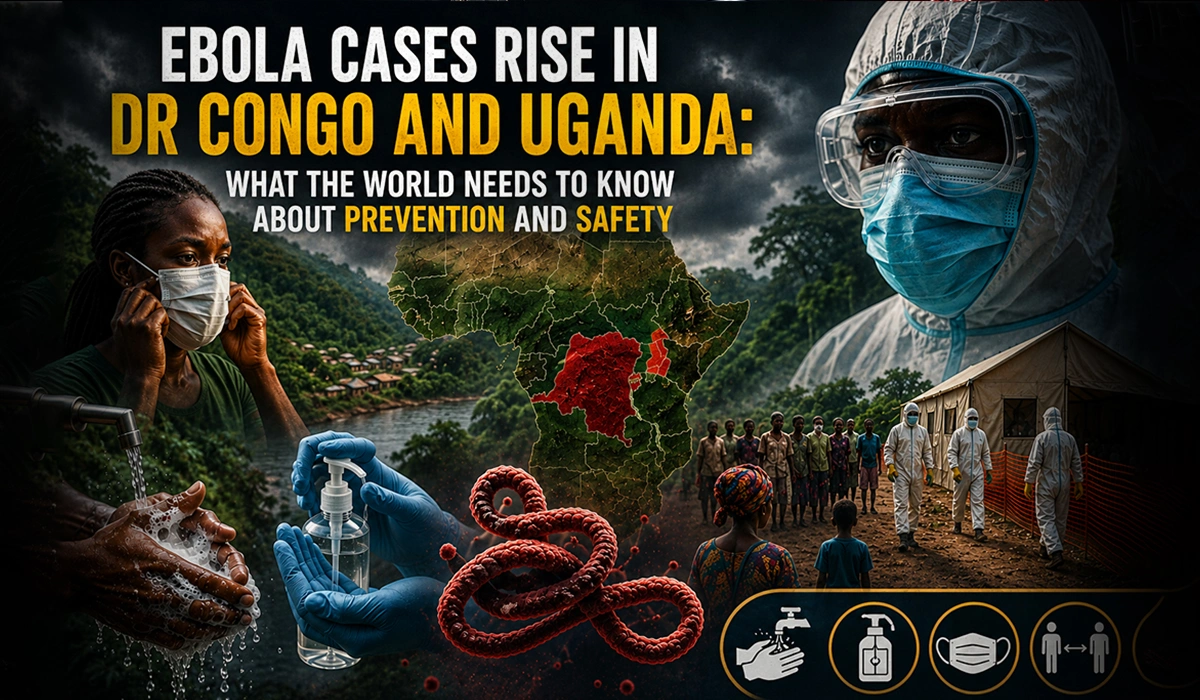
Understanding Ebola Cases Rise in DR Congo and Uganda: What the World Needs to Know About Prevention and Safety is important not only for Africa but for people across the globe, including the United States and other international regions connected through travel, trade, and global healthcare systems.
While Ebola remains a serious viral disease, modern medicine, faster response systems, and public awareness have significantly improved outbreak management. The key today is prevention, education, early action, and global cooperation.
This article explains what Ebola is, why new outbreaks matter, how the virus spreads, symptoms to watch for, and what individuals and communities can do to stay safe.
What Is Ebola Virus Disease?
Ebola Virus Disease (EVD) is a severe and often life-threatening viral infection caused by the Ebola virus.
The disease was first identified in 1976 near the Ebola River in Central Africa. Since then, several outbreaks have occurred, mainly in African countries.
Ebola affects:
- Humans
- Primates such as monkeys and gorillas
The virus spreads through direct contact with infected bodily fluids and contaminated surfaces.
Why Are Ebola Cases Rising in DR Congo and Uganda?
The recent rise in Ebola cases in DR Congo and Uganda has increased global concern because these regions have experienced outbreaks in the past.
Several factors contribute to outbreaks:
- Limited healthcare access
- Delayed diagnosis
- Population movement across borders
- Contact with infected wildlife
- Weak public health infrastructure in some areas
Health authorities continue working to contain outbreaks quickly to prevent wider spread.
Why the World Should Pay Attention
Many people wonder:
“Why should countries like the USA care about Ebola outbreaks in Africa?”
The answer is simple:
Modern travel connects the world faster than ever before.
A local outbreak can become an international concern if:
- Travelers carry infections across borders
- Healthcare systems are unprepared
- Public awareness is low
This is why Ebola Cases Rise in DR Congo and Uganda: What the World Needs to Know About Prevention and Safety is globally relevant.
How Ebola Spreads
Ebola does not spread through the air like the common cold.
The virus spreads through:
- Blood
- Saliva
- Sweat
- Vomit
- Urine
- Other bodily fluids
People can become infected through:
- Direct physical contact
- Caring for infected individuals
- Touching contaminated surfaces
- Unsafe burial practices
Understanding transmission is critical for prevention.
Early Symptoms of Ebola
Early Ebola symptoms often resemble common viral illnesses.
Common symptoms include:
- Fever
- Headache
- Muscle pain
- Weakness
- Fatigue
- Sore throat
As the disease progresses, symptoms may become more severe:
- Vomiting
- Diarrhea
- Internal bleeding
- Organ complications
Early diagnosis improves survival chances significantly.
Why Fast Detection Matters
One major lesson from previous outbreaks is that rapid response saves lives.
Early detection helps:
- Isolate infected patients
- Reduce transmission
- Protect healthcare workers
- Improve treatment outcomes
Modern healthcare systems now use:
- Faster diagnostic testing
- Contact tracing
- Community awareness programs
These tools help control outbreaks more effectively than in the past.
The Role of Healthcare Workers During Outbreaks
Healthcare professionals are often the first line of defense during Ebola outbreaks.
They face high risks because of close patient contact.
Protective measures include:
- PPE kits (Personal Protective Equipment)
- Isolation units
- Strict sanitation protocols
- Safe medical waste disposal
Training and protection for healthcare workers remain essential during outbreaks.
Ebola Vaccines: A Major Medical Advancement
One of the biggest breakthroughs in recent years is Ebola vaccine development.
Vaccines have helped reduce:
- Severe outbreaks
- Transmission rates
- Mortality in high-risk areas
The rVSV-ZEBOV Ebola vaccine has shown positive results in outbreak control efforts.
Vaccination programs now play a major role in preventing wider spread.
Can Ebola Be Treated?
There is no universal “cure” for Ebola, but supportive treatment greatly improves survival rates.
Treatment focuses on:
- Hydration
- Electrolyte balance
- Oxygen support
- Blood pressure management
- Infection control
Early medical care significantly increases recovery chances.
Why Public Awareness Is Critical
Fear and misinformation can spread faster than viruses.
Public awareness helps communities:
- Recognize symptoms early
- Seek medical help quickly
- Avoid unsafe practices
- Reduce panic and stigma
This is why global health organizations continue promoting education campaigns.
Prevention and Safety Measures Everyone Should Know
Understanding Ebola Cases Rise in DR Congo and Uganda: What the World Needs to Know About Prevention and Safety starts with prevention.
Important safety measures:
- Wash hands regularly
- Avoid direct contact with infected individuals
- Follow travel health advisories
- Use protective equipment when necessary
- Practice safe hygiene
Travelers visiting affected regions should stay updated with official health guidance.
How Global Organizations Respond to Ebola Outbreaks
Several international organizations help control Ebola outbreaks.
Major organizations include:
- World Health Organization (WHO)
- CDC (Centers for Disease Control and Prevention)
- UNICEF
- Médecins Sans Frontières (Doctors Without Borders)
Their work includes:
- Emergency medical response
- Vaccination campaigns
- Community education
- Research support
Global collaboration is essential during outbreaks.
Ebola and Global Travel Concerns
Although Ebola outbreaks mainly affect specific regions, international travel raises concerns about cross-border spread.
Airports and travel systems now use:
- Health screening
- Monitoring systems
- Emergency response protocols
Travel restrictions may be implemented in high-risk situations to limit transmission.
Lessons Learned from Previous Ebola Outbreaks
Past Ebola outbreaks taught the world valuable lessons.
Key lessons include:
- Speed matters
- Transparency saves lives
- Public trust is essential
- Healthcare preparedness is critical
Countries now invest more in epidemic preparedness and disease surveillance systems.
Mental Health During Disease Outbreaks
Outbreaks create emotional stress for patients, families, and healthcare workers.
Common emotional challenges include:
- Anxiety
- Fear
- Social isolation
- Trauma
Mental health support has become an important part of outbreak management strategies.
The Importance of Preventive Healthcare
The growing discussion around Ebola Cases Rise in DR Congo and Uganda: What the World Needs to Know About Prevention and Safety highlights the importance of preventive healthcare globally.
Preventive healthcare includes:
- Early screening
- Strong hygiene practices
- Vaccination awareness
- Health education
- Community preparedness
Prepared communities respond better during public health emergencies.
How Technology Is Improving Outbreak Response
Modern technology is transforming global healthcare response systems.
Advanced tools now include:
- AI-based outbreak tracking
- Mobile health reporting
- Digital contact tracing
- Real-time health surveillance
These technologies help health authorities respond faster and more efficiently.
Conclusion
The rise in Ebola cases in DR Congo and Uganda reminds the world that infectious diseases remain a global challenge.
However, healthcare systems today are far more prepared than in the past. Better vaccines, faster testing, improved awareness, and stronger international cooperation are helping control outbreaks more effectively.
Understanding Ebola Cases Rise in DR Congo and Uganda: What the World Needs to Know About Prevention and Safety empowers individuals, communities, and governments to respond responsibly instead of reacting with fear.
Awareness, prevention, and preparedness remain the strongest tools in protecting global public health.