Imagine carrying a virus in your body for years without even knowing it.
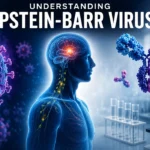
That’s the reality for millions of people worldwide living with the Epstein-Barr virus (EBV). In fact, experts estimate that nearly 90–95% of adults globally have been infected with EBV at some point in their lives. For many, it causes mild symptoms or infectious mononucleosis, commonly called “mono.” But in some cases, EBV has been linked to serious health conditions, including immune disorders and certain cancers.
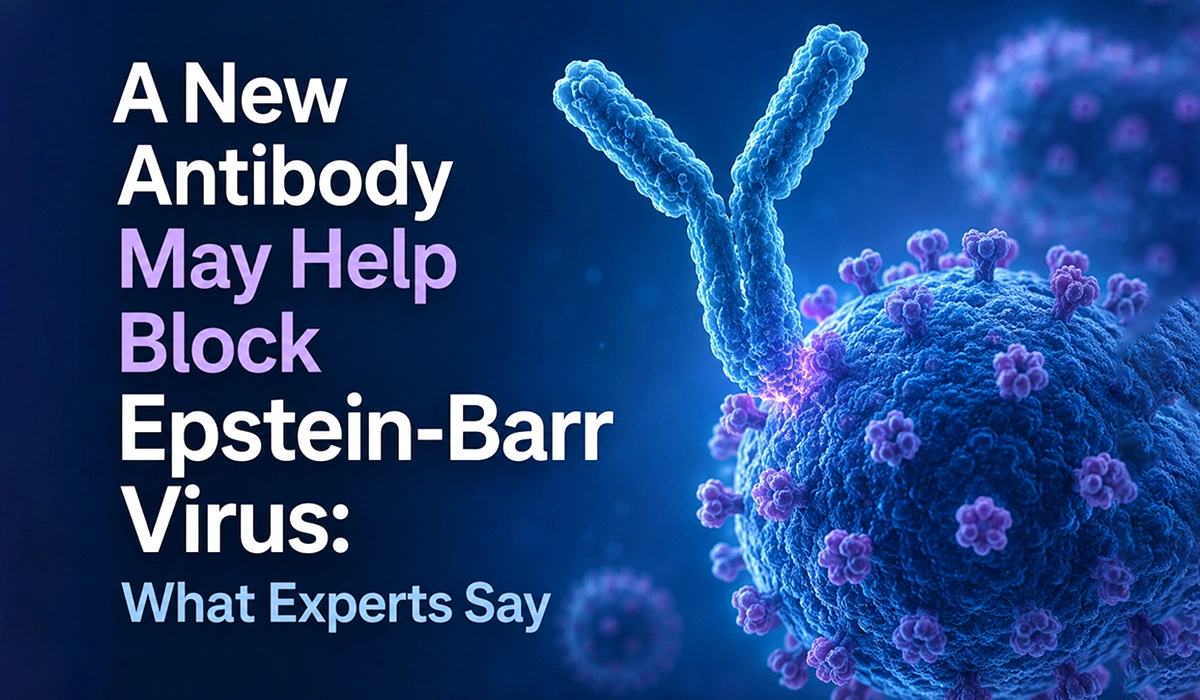
Now, scientists are exploring a major medical breakthrough: a new antibody may help block Epstein-Barr virus before it spreads or causes long-term complications.
This development is attracting global attention because it could reshape how doctors approach EBV prevention, treatment, and immune protection in the future.
What Is Epstein-Barr Virus (EBV)?
Epstein-Barr virus is part of the herpesvirus family.
It spreads mainly through:
- Saliva
- Close personal contact
- Shared drinks or utensils
Many people become infected during childhood. Others develop symptoms later during adolescence or adulthood.
Common EBV symptoms include:
- Fatigue
- Fever
- Sore throat
- Swollen lymph nodes
- Weakness
Once infected, the virus stays in the body permanently in a dormant state.
Why Are Scientists Concerned About EBV?
Researchers have spent years studying the connection between EBV and chronic diseases.
Studies suggest EBV may contribute to:
- Multiple sclerosis (MS)
- Certain lymphomas
- Nasopharyngeal cancer
- Autoimmune diseases
This is why the news that a new antibody may help block Epstein-Barr virus has generated excitement in the medical community.
What Is the New Antibody Researchers Are Studying?
An antibody is a protein produced by the immune system to fight harmful invaders like viruses and bacteria.
The newly researched antibody is designed to:
- Recognize EBV quickly
- Prevent the virus from entering healthy cells
- Reduce viral spread inside the body
Experts believe this targeted approach may offer stronger protection than traditional methods alone
How Could the Antibody Block Epstein-Barr Virus?
The Epstein-Barr virus infects specific immune cells called B cells.
Scientists discovered that the antibody may:
- Attach to viral surface proteins
- Block viral entry into cells
- Interfere with infection pathways
In simple terms, the antibody acts like a protective shield that stops the virus from attaching to healthy cells.
This is why researchers say a new antibody may help block Epstein-Barr virus in ways that were previously difficult.
Why This Discovery Matters Globally
EBV affects millions of people in:
- The United States
- India
- Europe
- Asia
- Africa
Because the virus is so widespread, even small medical advances can have a major public health impact.
Potential benefits include:
- Reduced long-term complications
- Better immune protection
- Lower risk of EBV-linked diseases
This research could also support future vaccine development.
Could This Lead to an Epstein-Barr Virus Vaccine?
Many experts believe antibody research is an important step toward an EBV vaccine.
Vaccines work by training the immune system to recognize threats before infection happens.
Researchers are exploring:
- Antibody-based therapies
- Preventive vaccines
- Immune-targeted treatments
Although more studies are needed, scientists remain optimistic.
The Link Between Epstein-Barr Virus and Cancer
One reason EBV research is so important is its association with certain cancers.
Studies have linked EBV to:
- Hodgkin lymphoma
- Burkitt lymphoma
- Nasopharyngeal carcinoma
- Gastric cancer
Researchers believe the virus may influence abnormal cell growth under certain conditions.
This makes the possibility that a new antibody may help block Epstein-Barr virus even more significant for long-term healthcare.
What Experts Are Saying About the New Antibody
Medical researchers describe the antibody findings as “promising” but still in early stages.
Experts emphasize:
- More human studies are needed
- Long-term effectiveness must be evaluated
- Safety testing remains critical
While the results are encouraging, scientists caution against viewing it as an immediate cure.
How the Immune System Fights EBV Naturally
The immune system already works hard to control Epstein-Barr virus.
Key immune defenders include:
- T cells
- Natural killer cells
- Antibodies
In healthy individuals, the immune system usually keeps EBV inactive after initial infection.
Problems may arise when:
- Immunity weakens
- Chronic inflammation develops
- Viral reactivation occurs
Who Could Benefit Most from Future EBV Therapies?
Potential future beneficiaries may include:
- Individuals with weakened immunity
- Organ transplant patients
- Cancer patients
- People at higher risk of autoimmune diseases
Early prevention may become especially important for vulnerable populations.
Challenges Researchers Still Face
Although antibody research is advancing, several challenges remain.
Key challenges include:
- EBV’s ability to stay dormant
- Viral mutations
- Complex immune interactions
Scientists continue working to better understand how EBV behaves inside the body over time.
Could Lifestyle and Immunity Also Matter?
While antibody research progresses, maintaining strong immunity remains important.
Healthy habits include:
- Proper nutrition
- Regular exercise
- Stress management
- Adequate sleep
A healthy immune system may help the body manage viral infections more effectively.
The Future of Epstein-Barr Virus Research
Experts believe the next decade may bring major advances in:
- Antibody therapies
- Viral prevention
- Precision immunology
- Personalized medicine
If successful, these innovations could transform how EBV-related diseases are managed worldwide.
Conclusion
The possibility that a new antibody may help block Epstein-Barr virus represents an exciting development in modern healthcare research.
Although more studies are needed, experts believe this discovery could improve future prevention, immune protection, and treatment strategies for EBV-related conditions.
As science continues to evolve, awareness and early understanding of viral health remain essential. Staying informed about advances in immunity, viruses, and preventive healthcare may help individuals make smarter health decisions in the future.