Introduction
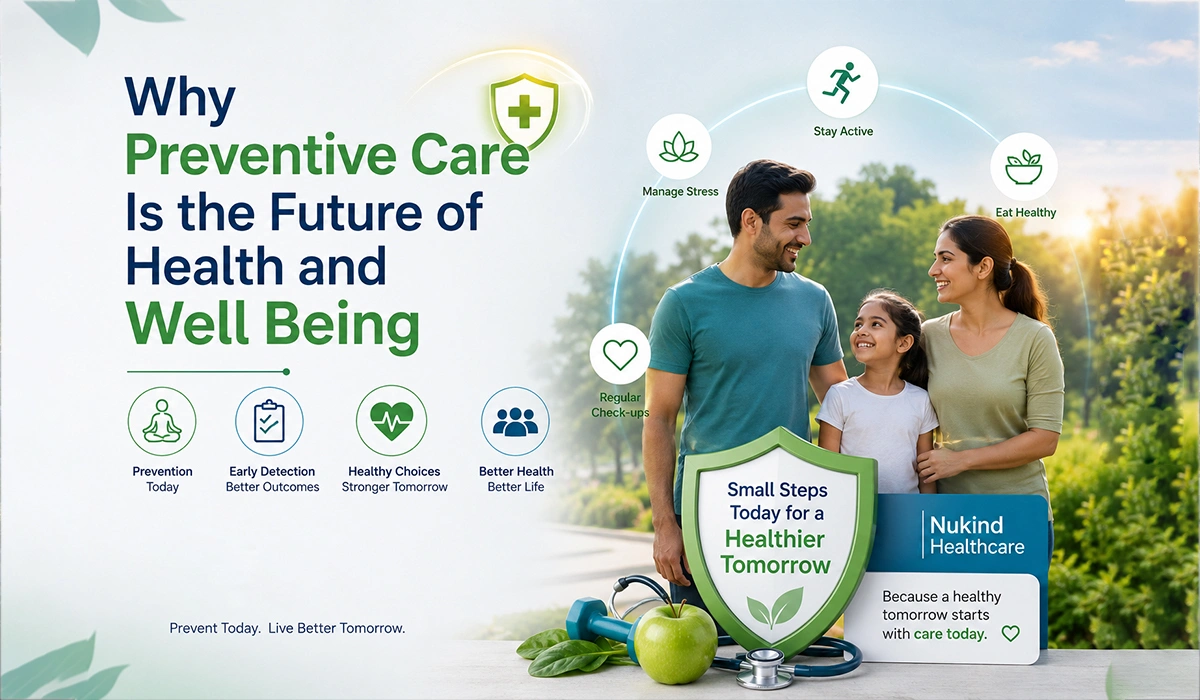
What if the biggest step toward a healthier future is not treating illness, but preventing it before it begins?
For years, healthcare systems around the world focused mainly on treatment. People often visited doctors only after symptoms appeared. But today, the conversation is changing. More individuals are beginning to understand that small daily health decisions can shape long-term wellness.
From healthy eating and exercise to nutritional supplementation and regular health checkups, preventive care is becoming a powerful part of modern living.
In countries like the USA, the UK, India, Canada, and Australia, healthcare experts are encouraging people to focus on prevention rather than waiting for health problems to grow. Rising stress levels, unhealthy lifestyles, poor sleep, pollution, and changing eating habits have made preventive healthcare more important than ever before.
Preventive care is not just about avoiding illness. It is about building strength, improving quality of life, supporting immunity, and helping people stay active and independent for longer.
At Nukind Healthcare, preventive wellness is seen as a long-term commitment toward healthier living. The goal is simple: help people support their health every day instead of reacting only when problems appear.
What Is Preventive Care?
Preventive care refers to steps taken to maintain health and reduce the risk of illness before symptoms develop.
It includes:
- Healthy lifestyle habits
- Regular health screenings
- Balanced nutrition
- Daily physical activity
- Stress management
- Proper sleep
- Nutritional support
- Wellness-focused healthcare
Instead of focusing only on treatment, preventive healthcare focuses on strengthening the body and improving overall well-being.
The idea behind preventive care is simple:
“Prevention is easier, safer, and often more affordable than treatment.”
Why Preventive Care Matters More Today
Modern lifestyles have changed dramatically over the past decade.
Many people now experience:
- Long working hours
- Sedentary lifestyles
- Poor eating habits
- High stress levels
- Reduced physical activity
- Sleep disturbances
- Nutritional deficiencies
These factors may increase the risk of long-term health concerns and reduce overall wellness.
Preventive care helps people create healthier routines before health challenges become serious.
Today’s consumers are becoming more health-conscious. They want to stay fit, energetic, mentally strong, and productive. This shift is one of the biggest reasons preventive healthcare is growing rapidly worldwide.
The Shift From Treatment to Prevention
Traditional healthcare systems mainly focused on treating illness after diagnosis. While treatment remains important, many experts now believe prevention should play a larger role in healthcare planning.
The future of healthcare is moving toward:
- Early awareness
- Wellness management
- Daily nutrition support
- Healthy lifestyle guidance
- Long-term health monitoring
This change benefits both individuals and healthcare systems.
Preventive care can help reduce:
- Health complications
- Frequent hospital visits
- Long-term medical costs
- Lifestyle-related health risks
At the same time, it improves:
- Energy levels
- Daily productivity
- Physical strength
- Mental wellness
- Quality of life
Daily Wellness Habits That Support Preventive Care
Preventive care starts with simple daily habits.
Eat Balanced Meals
Nutrition plays a major role in maintaining health.
A balanced diet with:
- Fruits
- Vegetables
- Protein
- Fiber
- Healthy fats
- Hydration
can help support overall wellness and energy levels.
Stay Physically Active
Daily movement improves circulation, flexibility, stamina, and overall fitness.
Activities may include:
- Walking
- Yoga
- Cycling
- Stretching
- Strength exercises
Even 30 minutes of movement each day can make a difference.
Sleep Properly
Sleep helps the body recover and recharge.
Poor sleep habits may affect:
- Energy
- Mood
- Focus
- Immunity
- Daily performance
Adults should aim for consistent and quality sleep every night.
Manage Stress
Mental wellness is an important part of preventive healthcare.
Stress management techniques may include:
- Meditation
- Breathing exercises
- Reading
- Outdoor activities
- Spending time with family
The Role of Nutrition in Preventive Healthcare
Modern diets do not always provide complete nutritional support.
Busy lifestyles and processed foods may contribute to nutritional gaps.
This is why many people today include:
- Vitamins
- Minerals
- Protein supplements
- Antioxidants
- Herbal wellness products
as part of their daily wellness routine.
Nutritional support can help maintain:
- Energy levels
- Bone health
- Immunity
- Muscle wellness
- Daily performance
Healthcare professionals often recommend wellness-focused nutritional support based on individual needs.
Why Immunity Support Has Become a Global Priority
In recent years, people across the world have become more aware of immunity and wellness.
Consumers now understand the importance of:
- Healthy eating
- Hydration
- Exercise
- Rest
- Nutritional supplementation
Strong immunity support is closely connected with preventive wellness.
People are now searching online for:
- Best immunity boosters
- Daily wellness supplements
- Antioxidant support
- Herbal healthcare products
- Preventive healthcare solutions
This growing awareness is shaping the future of the healthcare industry.
Preventive Care and Mental Well Being
Health is not only physical. Mental wellness is equally important.
Modern stress, digital overload, work pressure, and lifestyle imbalance may affect emotional health.
Preventive mental wellness practices include:
- Healthy routines
- Mindfulness
- Social connection
- Physical activity
- Relaxation techniques
Mental wellness support can improve:
- Confidence
- Productivity
- Emotional balance
- Sleep quality
- Overall happiness
The future of healthcare combines both physical and emotional wellness together.
Preventive Healthcare for Families
Preventive wellness is not limited to one age group.
Children, adults, and seniors all benefit from healthy routines and wellness support.
For Children
- Balanced nutrition
- Physical activity
- Healthy habits
- Regular wellness monitoring
For Adults
- Stress management
- Fitness support
- Energy management
- Nutritional balance
For Seniors
- Bone health support
- Mobility care
- Wellness-focused nutrition
- Active lifestyle maintenance
Families today are becoming more aware of long-term health management and preventive living.
How Technology Is Changing Preventive Healthcare
Technology is making preventive healthcare more accessible than ever.
Today people use:
- Health tracking apps
- Smart watches
- Fitness trackers
- Online wellness consultations
- Digital health reports
These tools help individuals monitor:
- Sleep patterns
- Activity levels
- Heart rate
- Hydration
- Daily movement
Digital healthcare is encouraging people to become more involved in their own wellness journey.
The Growing Demand for Wellness Products
Consumers are actively looking for products that support daily health and wellness.
Popular categories include:
- Nutraceuticals
- Herbal supplements
- Calcium support
- Protein nutrition
- Energy wellness products
- Antioxidants
- Personal care products
People now prefer wellness-focused healthcare solutions that fit naturally into everyday routines.
Brands like Nukind Healthcare focus on preventive wellness solutions designed for modern lifestyles and long-term health support.
Preventive Care and Workplace Wellness
Many companies now understand that healthier employees are more productive and engaged.
Corporate wellness programs often include:
- Fitness activities
- Health awareness sessions
- Stress management workshops
- Nutritional guidance
Preventive care in workplaces can help improve:
- Productivity
- Employee morale
- Focus
- Daily energy
- Overall wellness culture
The future of healthcare is becoming more proactive inside homes and workplaces alike.
Why Younger Generations Are Choosing Preventive Wellness
Millennials and Gen Z consumers are changing healthcare trends.
They are more interested in:
- Fitness
- Wellness routines
- Mental health
- Clean nutrition
- Preventive healthcare products
Instead of waiting for illness, younger generations want to stay ahead of health concerns.
Social media, wellness education, and digital healthcare awareness have made preventive living more popular worldwide.
The Future of Preventive Healthcare
Healthcare experts believe preventive care will continue growing over the next decade.
Future healthcare trends may include:
- Personalized wellness plans
- Preventive nutrition
- AI-driven health monitoring
- Wellness-focused healthcare products
- Digital healthcare support
People are beginning to see healthcare not just as treatment, but as a daily lifestyle choice.
The future belongs to:
- Health awareness
- Daily wellness
- Active lifestyles
- Balanced nutrition
- Long-term wellness support
How Nukind Healthcare Supports Preventive Wellness
Nukind Healthcare believes health should be supported every day, not only during illness.
The brand focuses on:
- Nutraceutical wellness
- Herbal healthcare
- Nutritional support
- Preventive wellness solutions
- Daily healthcare support
By promoting wellness-focused healthcare, Nukind Healthcare aims to encourage healthier lifestyles and long-term well-being.
Preventive care is becoming part of everyday life, and healthcare brands are playing an important role in supporting that shift.
Conclusion
Healthcare is changing around the world.
People no longer want to focus only on treatment after illness appears. They want to build stronger, healthier lives through prevention, wellness, and daily care.
Preventive care is helping individuals become more aware of their health choices. From nutrition and exercise to immunity support and wellness-focused lifestyles, small daily habits are creating long-term impact.
The future of health and well-being will be shaped by:
- Awareness
- Healthy routines
- Preventive nutrition
- Active living
- Wellness-focused healthcare
Brands like Nukind Healthcare are supporting this growing movement toward preventive wellness and healthier living.
Because true healthcare is not only about treating illness.
It is about building strength, supporting wellness, and staying healthier every day.