Introduction
For years, millions of women were told they had “PCOS” and that it was mainly a problem related to irregular periods, acne, or ovarian cysts. But many women felt there was more to the story. They struggled with fatigue, weight gain, anxiety, insulin resistance, infertility, inflammation, hair loss, and even heart health concerns. The symptoms didn’t feel limited to the ovaries alone.
Today, healthcare experts are beginning to rethink the condition entirely.
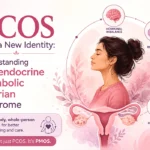
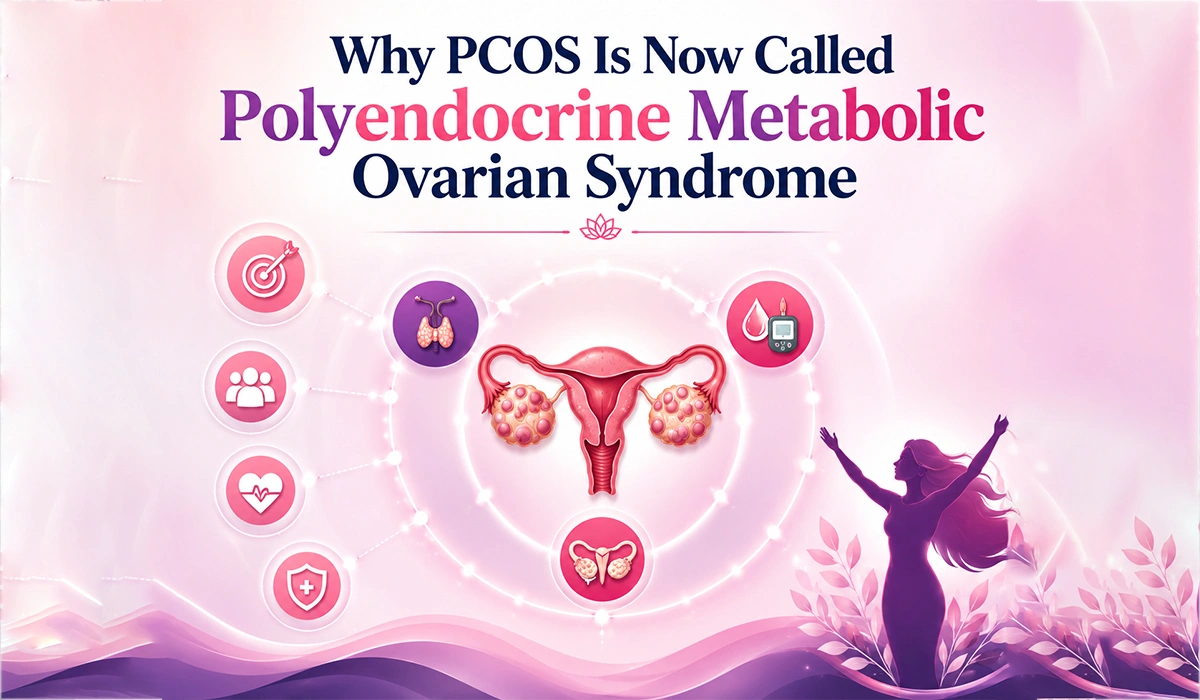
A growing number of researchers now believe the term Polycystic Ovary Syndrome (PCOS) does not fully explain the complexity of the disorder. That is why many specialists are referring to it as Polyendocrine Metabolic Ovarian Syndrome — a name that better reflects how deeply this condition affects hormones, metabolism, and overall health.
This shift is important because it changes how women understand their bodies, how doctors approach treatment, and how preventive healthcare is managed worldwide.
In this article, we’ll explore why PCOS is now called Polyendocrine Metabolic Ovarian Syndrome, what the new terminology means, how it impacts women’s health, and why this evolving understanding could improve diagnosis and treatment in the future.
What Is PCOS?
PCOS, or Polycystic Ovary Syndrome, is one of the most common hormonal disorders affecting women of reproductive age. According to global estimates, millions of women worldwide live with the condition, though many remain undiagnosed.
Traditionally, PCOS has been associated with:
- Irregular periods
- Ovarian cysts
- Acne
- Weight gain
- Excess facial or body hair
- Fertility challenges
However, doctors now understand that PCOS involves much more than reproductive health.
The condition affects multiple systems in the body, including:
- Hormonal balance
- Metabolism
- Insulin function
- Inflammation
- Mental health
- Cardiovascular health
This broader understanding is one reason why experts are reconsidering the name.
Why the Name “PCOS” Is Considered Incomplete
The original name focuses mainly on the ovaries and cysts. But there are two major problems with this definition:
Many Women With PCOS Don’t Have Ovarian Cysts
A woman can be diagnosed with PCOS even if no cysts are present on ultrasound.
The Condition Affects More Than the Ovaries
PCOS is strongly linked to:
- Insulin resistance
- Obesity
- Type 2 diabetes
- Chronic inflammation
- Metabolic syndrome
- Hormonal imbalances across multiple glands
Because of this, many experts believe the old name oversimplifies the disorder.
What Does Polyendocrine Metabolic Ovarian Syndrome Mean?
The newer term may sound complex, but it explains the condition more accurately.
Let’s break it down.
Polyendocrine
“Polyendocrine” means multiple hormone-producing glands are involved.
This includes:
- Ovaries
- Pancreas
- Adrenal glands
- Pituitary gland
- Thyroid in some cases
PCOS is not only an ovarian disorder. It involves communication problems between several hormonal systems.
Metabolic
This part highlights how PCOS affects metabolism.
Women with PCOS often experience:
- Insulin resistance
- Difficulty losing weight
- Increased belly fat
- Blood sugar imbalance
- Increased diabetes risk
These metabolic changes can significantly impact long-term health.
Ovarian Syndrome
The ovaries still play a central role because ovulation and reproductive hormones are affected.
So the new name recognizes both reproductive and whole-body health.
The Link Between PCOS and Insulin Resistance
One of the biggest discoveries in PCOS research is the role of insulin resistance.
Insulin is the hormone that helps move sugar from the bloodstream into cells for energy.
In many women with PCOS:
- The body produces extra insulin
- Cells become resistant to insulin
- Blood sugar becomes harder to regulate
This triggers a chain reaction.
Higher insulin levels can increase androgen production, often called “male hormones,” leading to symptoms like:
- Acne
- Facial hair growth
- Hair thinning
- Irregular ovulation
This explains why PCOS is increasingly viewed as a metabolic disorder, not just a reproductive one.
Why Experts Are Pushing for a Name Change
The proposed term “Polyendocrine Metabolic Ovarian Syndrome” aims to improve awareness and treatment.
Better Understanding for Patients
Many women feel confused when told they have ovarian cysts even though their symptoms go beyond reproductive issues.
A broader name helps women understand the full-body impact.
More Accurate Medical Approach
Doctors may focus more on:
- Metabolic health
- Heart disease prevention
- Diabetes risk
- Lifestyle management
- Mental health
rather than treating symptoms individually.
Improved Research and Awareness
A more accurate name can help encourage broader research into:
- Hormonal disorders
- Inflammation
- Genetics
- Preventive healthcare
Common Symptoms of Polyendocrine Metabolic Ovarian Syndrome
Symptoms vary from person to person.
Some women experience mild symptoms, while others face more severe health challenges.
Reproductive Symptoms
- Irregular periods
- Missed periods
- Difficulty getting pregnant
- Ovarian cysts
Skin and Hair Changes
- Acne
- Oily skin
- Excess facial hair
- Hair thinning
Metabolic Symptoms
- Weight gain
- Fatigue
- Sugar cravings
- Difficulty losing weight
Emotional Symptoms
- Anxiety
- Mood swings
- Depression
- Low self-esteem
Understanding these symptoms as interconnected can lead to more effective care.
How Lifestyle and Modern Habits Influence PCOS
Modern lifestyles may worsen symptoms.
Factors that can contribute include:
- Sedentary lifestyle
- Poor sleep
- Chronic stress
- Processed foods
- Lack of physical activity
Many experts believe preventive healthcare is essential in managing the condition.
Simple changes can make a meaningful difference:
- Balanced nutrition
- Strength training
- Better sleep habits
- Stress management
- Regular health screenings
This is another reason why the “metabolic” aspect of the syndrome matters so much.
The Role of Nutrition in Managing PCOS
Nutrition plays a major role in symptom management.
Many healthcare professionals recommend:
Protein-Rich Meals
Protein helps stabilize blood sugar and reduce cravings.
Fiber-Rich Foods
Vegetables, fruits, legumes, and whole grains support gut and metabolic health.
Healthy Fats
Omega-3 fatty acids may help reduce inflammation.
Lower Sugar Intake
Reducing processed sugar may help improve insulin sensitivity.
No single diet works for everyone, but consistent healthy habits can improve energy and hormone balance over time.
Why Preventive Healthcare Matters More Than Ever
Many women are diagnosed with PCOS only after symptoms become severe.
But early intervention can reduce future complications.
Preventive healthcare may help lower risks related to:
- Type 2 diabetes
- High cholesterol
- Hypertension
- Infertility
- Obesity
- Cardiovascular disease
Regular monitoring and lifestyle support are becoming central parts of modern PCOS care.
Mental Health and PCOS: The Hidden Connection
PCOS doesn’t only affect physical health.
Research increasingly shows strong links between PCOS and mental wellness.
Women with PCOS may experience:
- Anxiety
- Depression
- Emotional eating
- Body image concerns
- Chronic stress
Hormonal imbalance, inflammation, and social pressure can all contribute.
This is why holistic treatment approaches are becoming more common.
Is PCOS the Same Worldwide?
Although PCOS affects women globally, experiences may vary across regions.
In the USA
There is growing awareness about:
- Metabolic health
- Weight management
- Functional medicine approaches
- Hormonal wellness
In Asia
Urban lifestyles, stress, and dietary changes are increasing PCOS cases among younger women.
In Europe
Research is focusing heavily on genetics and endocrine disruption.
Despite regional differences, the need for better education and early care is universal.
Future of PCOS Diagnosis and Treatment
The future of PCOS care is moving toward personalization.
Healthcare providers are beginning to focus on:
- Individual hormone patterns
- Metabolic markers
- Lifestyle history
- Mental wellness
- Long-term prevention
Treatment may include:
- Nutrition support
- Exercise plans
- Stress management
- Supplements
- Hormonal treatment when needed
The shift toward the term “Polyendocrine Metabolic Ovarian Syndrome” reflects this broader medical understanding.
Why the Name Change Matters for Women
Names shape understanding.
When a condition is described only as an ovarian issue, women may overlook:
- Blood sugar health
- Cardiovascular risks
- Inflammation
- Mental health support
The updated terminology encourages a more complete and compassionate view of women’s health.
It reminds patients and healthcare providers that the condition affects the entire body, not just one organ.
Conclusion
The shift from “Polycystic Ovary Syndrome” to “Polyendocrine Metabolic Ovarian Syndrome” reflects a major change in how healthcare professionals understand women’s health.
This condition is no longer viewed as just an ovarian disorder. It is now recognized as a complex interaction between hormones, metabolism, inflammation, and lifestyle.
That understanding matters because it encourages earlier care, more personalized treatment, and stronger focus on preventive health.
For millions of women worldwide, this evolving perspective may lead to better awareness, improved support, and healthier futures.
The conversation around PCOS is changing—and that change could redefine women’s healthcare for years to come.