Introduction
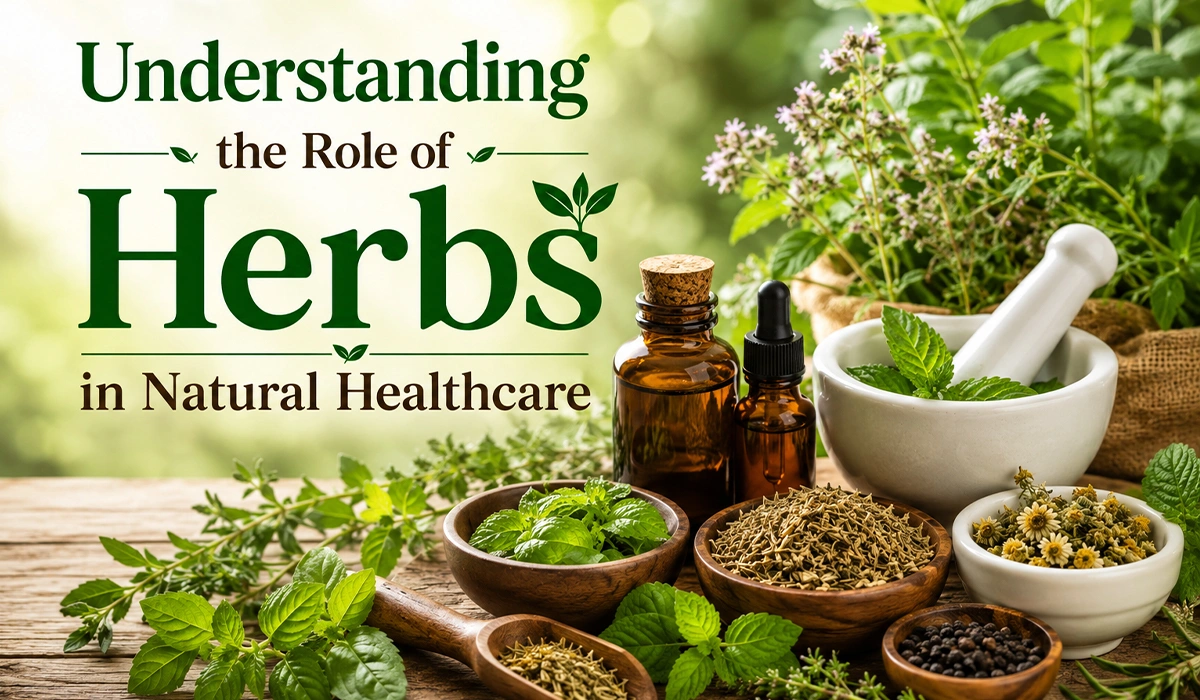
For generations, herbs have been an important part of daily wellness routines across the world. In India, especially in culturally rich cities like Varanasi, herbal remedies remain deeply connected to traditional healthcare practices. Long before modern medicine became widely accessible, households relied on herbs like Tulsi, Ashwagandha, Turmeric, Neem, and Aloe Vera for maintaining health and wellness.
Today, natural healthcare is seeing renewed interest. People are becoming more conscious about preventive wellness, immunity support, digestion, stress management, and holistic living. As a result, herbal healthcare products are gaining popularity among people seeking balanced wellness solutions.
But what exactly is the role of herbs in natural healthcare? Why do they matter so much in modern wellness?
The answer lies in one simple truth: herbs support the body naturally by promoting balance, improving resilience, and supporting long-term wellness.
What Is Natural Healthcare?
Natural healthcare refers to wellness practices that use natural ingredients, lifestyle changes, and preventive approaches to support overall health.
Natural healthcare focuses on helping the body function at its best through nutrition, herbal support, exercise, sleep, and stress management.
It includes:
- Herbal remedies
- Nutritional supplements
- Ayurveda
- Yoga
- Dietary management
- Preventive healthcare
Unlike approaches that only address symptoms, natural healthcare emphasizes long-term wellness.
What Are Herbs in Healthcare?
Quick Answer:
Herbs are plant-based ingredients used to support health, wellness, and bodily functions naturally.
Herbs may come from:
- Leaves
- Roots
- Seeds
- Flowers
- Bark
- Fruits
Examples include:
- Tulsi
- Ashwagandha
- Aloe Vera
- Turmeric
- Mulethi
- Amla
- Neem
These herbs contain bioactive compounds that may support immunity, digestion, energy, metabolism, and overall health.
Why Are Herbs Important in Natural Healthcare?
Herbs help support the body’s natural functions and promote preventive wellness.
Modern lifestyles often include:
- Stress
- Poor sleep
- Unhealthy eating
- Pollution exposure
- Low physical activity
These factors impact health over time.
Herbs help by supporting:
- Immunity
- Digestion
- Energy
- Mental wellness
- Recovery
- Skin & hair health
This makes herbs highly valuable in natural healthcare systems.
Key Benefits of Herbs in Natural Healthcare
| Benefit | Role |
|---|---|
| Immunity Support | Helps strengthen body defenses |
| Digestive Wellness | Supports better digestion |
| Energy Support | Helps reduce fatigue |
| Stress Management | Promotes calm and balance |
| Skin Wellness | Supports healthy skin |
| Hair Care | Helps scalp and hair health |
| Recovery Support | Supports healing and rejuvenation |
Herbal wellness works best when combined with a healthy lifestyle.
Herbs for Immunity Support
Many herbs help support immune function naturally.
Popular herbs for immunity:
- Tulsi
- Amla
- Giloy
- Turmeric
- Ashwagandha
These herbs are widely used in India for daily immunity support.
Example:
Amla is known as a rich source of Vitamin C and antioxidants. It supports overall wellness and immune health.
Practical Tip:
Including herbal supplements, herbal syrups, or daily wellness products can help support immunity.
Herbs for Digestive Wellness
Herbs can help improve digestion and support gut health naturally.
Digestive herbs include:
- Isabgol
- Saunf
- Mulethi
- Harad
- Senna
These herbs help with:
- Bloating
- Acidity
- Constipation
- Gas
- Digestive discomfort
Good digestion is essential because it impacts overall wellness.
Example:
Herbal digestive products are commonly used for daily gut care and bowel regulation.
Herbs for Energy and Stamina
Certain herbs support energy production, vitality, and physical stamina.
Common herbs include:
- Ashwagandha
- Shilajit
- Safed Musli
- Ginseng
Benefits may include:
- Improved stamina
- Reduced fatigue
- Better endurance
- Strength support
This is especially useful for active individuals, professionals, and people recovering from weakness.
Herbs for Stress and Mental Wellness
Adaptogenic herbs help the body handle stress better.
Popular herbs:
- Ashwagandha
- Brahmi
- Jatamansi
Potential benefits:
- Calmness
- Better focus
- Mental clarity
- Stress support
With increasing mental stress in modern life, herbal wellness is becoming increasingly relevant.
Herbs for Skin and Hair Wellness
Herbal ingredients support healthy skin and hair naturally.
Common skin herbs:
- Aloe Vera
- Neem
- Saffron
- Sandalwood
Common hair herbs:
- Amla
- Reetha
- Bhringraj
- Shikakai
Benefits include:
- Skin hydration
- Oil control
- Hair nourishment
- Scalp care
- Improved texture
This is why herbal skincare and personal care products continue to grow in demand.
Ayurveda and Herbal Healthcare in India
Ayurveda is India’s traditional healthcare system that uses herbs for holistic wellness.
Ayurveda focuses on balance between:
- Body
- Mind
- Lifestyle
Cities like Varanasi have long-standing connections with Ayurvedic practices and herbal wellness traditions.
Ayurveda emphasizes:
- Prevention
- Natural healing
- Long-term wellness
This philosophy aligns perfectly with today’s preventive healthcare movement.
Herbal Healthcare vs Synthetic Healthcare
| Feature | Herbal Healthcare | Synthetic Healthcare |
|---|---|---|
| Source | Natural | Chemical-based |
| Focus | Wellness support | Symptom management |
| Usage | Long-term wellness | Condition-specific |
| Approach | Holistic | Targeted |
Both have important roles. The best approach depends on health needs and professional guidance.
Why Consumers Are Choosing Herbal Wellness Products
Consumers increasingly prefer products with natural ingredients and wellness-focused benefits.
Key reasons:
- Growing wellness awareness
- Preference for natural ingredients
- Focus on preventive care
- Rising demand for holistic wellness
Market trends show strong growth in:
- Herbal supplements
- Herbal syrups
- Nutraceuticals
- Ayurvedic wellness products
How to Choose Quality Herbal Products
Choose trusted brands with quality-focused manufacturing and transparent ingredient sourcing.
Look for:
✔ Quality assurance
✔ Ingredient transparency
✔ Scientific formulation
✔ Trusted brand reputation
✔ Safety standards
Avoid products with unclear labeling or questionable claims.
Why Herbal Healthcare Matters for the Future
Natural healthcare is no longer just a traditional practice. It is becoming a global wellness movement.
As healthcare shifts toward prevention, herbs will continue playing an important role in:
- Wellness
- Nutrition
- Recovery
- Lifestyle support
Herbal healthcare combines ancient wisdom with modern wellness needs.
That makes it highly relevant for the future.
Understanding the Role of Herbs in Natural Healthcare Frequently Asked Questions
1. What is the role of herbs in natural healthcare?
Herbs support overall wellness by helping improve immunity, digestion, energy, recovery, and long-term health naturally.
2. Why are herbs important in healthcare?
Herbs help support preventive healthcare and promote holistic wellness.
3. Which herbs are best for immunity?
Tulsi, Amla, Giloy, and Turmeric are commonly used for immunity support.
4. Which herbs support digestion?
Isabgol, Saunf, Mulethi, Senna, and Harad support digestive wellness.
5. Are herbal healthcare products safe?
Quality herbal products from trusted brands are generally designed for wellness support when used as directed.
6. Why is herbal wellness growing in India?
Growing awareness around natural wellness, Ayurveda, and preventive care is driving demand.
7. Is Ayurveda part of natural healthcare?
Yes, Ayurveda is one of India’s oldest natural healthcare systems.
8. Can herbs support daily wellness?
Yes, herbs are widely used for daily wellness, energy, immunity, and overall balance.
Conclusion
Herbs have been supporting human wellness for centuries, and their relevance continues to grow in modern healthcare. From immunity and digestion to energy, skin, and overall wellness, herbal solutions provide a natural path toward better health.
The future of healthcare is not only about treatment—it is also about prevention, balance, and sustainable wellness.
And herbs will continue to play a major role in that journey.