Introduction
Can the vitamins you take every day influence your cancer risk?
It’s a question many people are asking as awareness about nutrition and preventive healthcare continues to grow in both the USA and India. Walk into any pharmacy or health store, and you’ll find shelves filled with multivitamins, antioxidants, immune boosters, and wellness supplements promising better health and stronger immunity.
But when it comes to cancer prevention, the relationship between vitamins and cancer risk is more complex than many people realize.
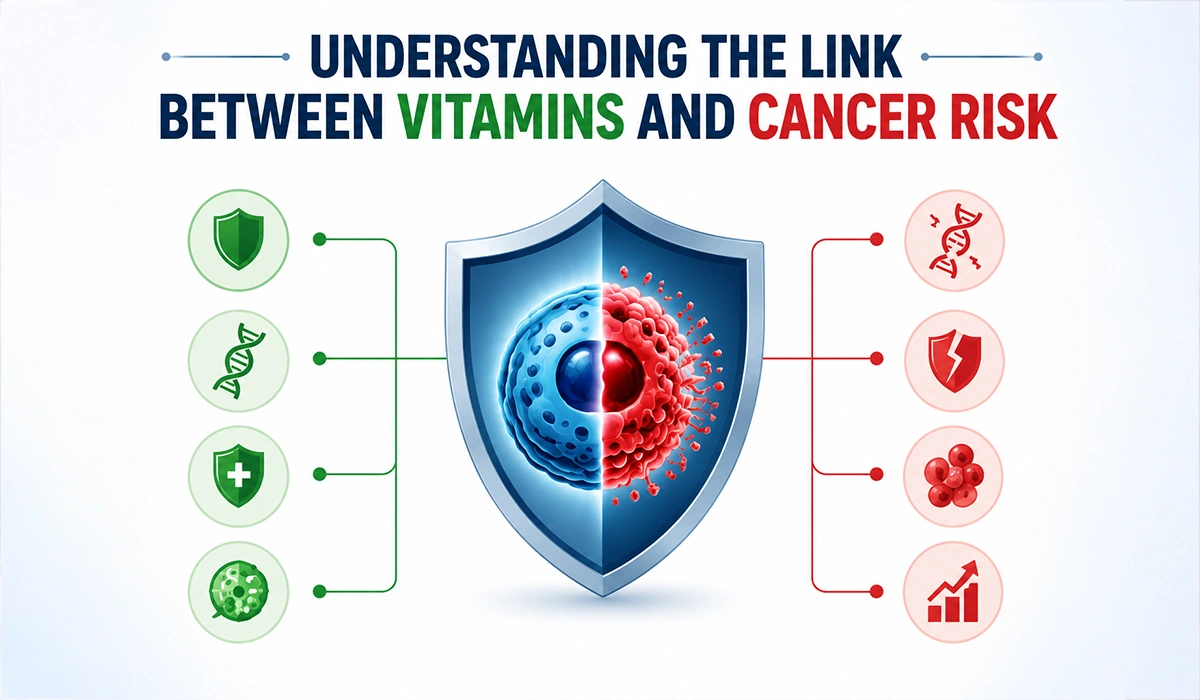
Some vitamins may help protect cells from damage, support immunity, and reduce inflammation. Others, when taken in excess, may increase health risks in certain individuals. That’s why understanding the link between vitamins and cancer risk is important for making safe and informed health decisions.
This guide explores the science behind vitamins, their role in the body, how deficiencies affect health, and what research says about their connection to cancer prevention and cancer risk.
What Does “Understanding the Link Between Vitamins and Cancer Risk” Mean?
The phrase understanding the link between vitamins and cancer risk refers to studying how vitamins influence the body’s ability to:
- Repair damaged cells
- Support immune function
- Reduce oxidative stress
- Maintain healthy tissues
Cancer develops when cells grow abnormally and uncontrollably. Since vitamins play a role in cell growth and repair, researchers continue exploring whether proper nutrition can reduce cancer risk—or whether excessive supplementation may sometimes have the opposite effect.
Why Vitamins Matter for Overall Health
Vitamins are essential nutrients the body needs to function properly.
They support:
- Immune health
- Energy production
- Bone strength
- Brain function
- Cell repair
Without enough vitamins, the body becomes more vulnerable to infections, inflammation, and chronic diseases.
In both India and the USA, lifestyle changes, processed foods, stress, and poor eating habits have increased vitamin deficiencies among adults and children.
The Role of Antioxidants in Cancer Prevention
One major reason vitamins are linked to cancer research is because many vitamins act as antioxidants.
Antioxidants help:
- Neutralize harmful free radicals
- Protect cells from oxidative damage
- Reduce inflammation
Oxidative stress is believed to contribute to cancer development over time.
Important antioxidant vitamins include:
- Vitamin C
- Vitamin E
- Vitamin A
These nutrients help maintain healthy cells and support the body’s natural defense systems.
Vitamin D and Cancer Risk
Vitamin D is one of the most researched nutrients in cancer prevention.
Why Vitamin D matters:
- Supports immune function
- Helps regulate cell growth
- Maintains bone health
Research suggests low Vitamin D levels may be associated with increased risk of certain cancers, including:
- Colon cancer
- Breast cancer
- Prostate cancer
In countries like India, Vitamin D deficiency is extremely common despite abundant sunlight due to indoor lifestyles and limited sun exposure.
Vitamin C and Cellular Protection
Vitamin C is known for supporting immunity, but it also plays a role in protecting cells from damage.
Benefits of Vitamin C:
- Supports collagen production
- Helps repair tissues
- Protects against oxidative stress
Fruits like oranges, amla, strawberries, and guava are rich natural sources of Vitamin C.
Studies continue to examine whether diets high in Vitamin C-rich foods may help lower cancer risk.
The Complex Role of Vitamin E
Vitamin E is another antioxidant linked to cell protection.
However, research on Vitamin E supplements has shown mixed results.
Important findings:
- Natural food sources appear beneficial
- Excessive supplementation may not always help
- High-dose supplements may carry risks for certain groups
This highlights why balanced nutrition is safer than overusing supplements without medical guidance.
Can Too Many Vitamins Increase Cancer Risk?
One of the most important aspects of understanding the link between vitamins and cancer risk is recognizing that more is not always better.
Excess supplementation may:
- Disrupt natural body balance
- Cause toxicity
- Interfere with medications
For example:
- Excess Vitamin A can harm the liver
- High-dose beta carotene supplements were linked to increased lung cancer risk in smokers in some studies
This is why medical supervision is important when taking supplements regularly.
Food Sources vs Supplements
Experts generally recommend getting vitamins from food whenever possible.
Whole foods provide:
- Fiber
- Phytochemicals
- Minerals
- Natural nutrient balance
Healthy foods include:
- Leafy vegetables
- Fruits
- Nuts and seeds
- Whole grains
- Dairy products
Supplements may help when deficiencies exist, but they should not replace a balanced diet.
Lifestyle Factors That Matter More Than Supplements
While vitamins are important, cancer prevention depends on multiple factors.
Key lifestyle habits include:
- Avoiding tobacco
- Limiting alcohol
- Maintaining healthy weight
- Exercising regularly
- Managing stress
A healthy lifestyle combined with proper nutrition offers better protection than relying on supplements alone.
The Gut Microbiome and Nutrient Absorption
Modern research shows gut health influences how vitamins are absorbed and used by the body.
Poor gut health may affect:
- Nutrient absorption
- Immune response
- Inflammation levels
This is why digestive health is increasingly connected to cancer prevention research.
Supporting gut health through:
- Fiber-rich foods
- Probiotics
- Hydration
can improve overall wellness.
Vitamin Deficiencies Common in India and the USA
Both countries face nutritional challenges, though for different reasons.
Common deficiencies include:
- Vitamin D
- Vitamin B12
- Iron
- Folate
Causes:
- Processed diets
- Sedentary lifestyles
- Poor eating habits
- Stress and sleep imbalance
Addressing deficiencies early supports long-term health and wellness.
Should You Take Multivitamins Daily?
Daily multivitamins may benefit some individuals, especially those with:
- Poor dietary intake
- Pregnancy-related nutritional needs
- Elderly health concerns
- Medical deficiencies
However, unnecessary supplementation without testing may not provide additional benefits.
Healthcare professionals often recommend:
- Blood testing
- Nutritional assessment
- Personalized supplementation plans
Understanding Cancer Prevention Beyond Vitamins
Cancer prevention is not about a single nutrient or miracle supplement.
It involves:
- Balanced nutrition
- Physical activity
- Regular screening
- Healthy habits
Understanding the link between vitamins and cancer risk helps people make smarter health choices rather than relying on marketing claims alone.
Practical Daily Habits for Better Health
Simple wellness habits include:
✔ Eat colorful fruits and vegetables
✔ Spend time in sunlight safely
✔ Stay physically active
✔ Drink enough water
✔ Sleep 7–8 hours daily
✔ Reduce processed foods
Small daily choices create long-term health benefits.
The Future of Nutrition and Preventive Healthcare
Healthcare is shifting toward prevention instead of treatment alone.
Researchers are now exploring:
- Personalized nutrition
- Genetic influence on nutrient needs
- Advanced nutritional therapies
- Role of microbiome in cancer prevention
The future of preventive healthcare will likely combine:
- Medical science
- Nutrition
- Lifestyle medicine
for better long-term outcomes.
Conclusion
Understanding the link between vitamins and cancer risk is about balance, awareness, and informed health decisions.
Vitamins play an essential role in maintaining immunity, protecting cells, and supporting overall wellness. But no supplement alone can replace a healthy lifestyle.
The best approach combines:
- Balanced nutrition
- Regular physical activity
- Preventive healthcare
- Medical guidance when needed
Whether you live in the USA, India, or anywhere else in the world, small daily habits can create a stronger foundation for long-term health.
Listening to your body, maintaining proper nutrition, and focusing on prevention can help you stay healthier for years to come.