Introduction
Can something as simple as a daily vitamin really influence cancer risk?
Millions of people in the USA, India, and around the world take vitamins every day to support immunity, energy, bone strength, and overall wellness. Vitamins are often seen as harmless—even essential. But in recent years, scientists and healthcare experts have started asking an important question: can certain vitamins affect cancer growth, prevention, or progression?
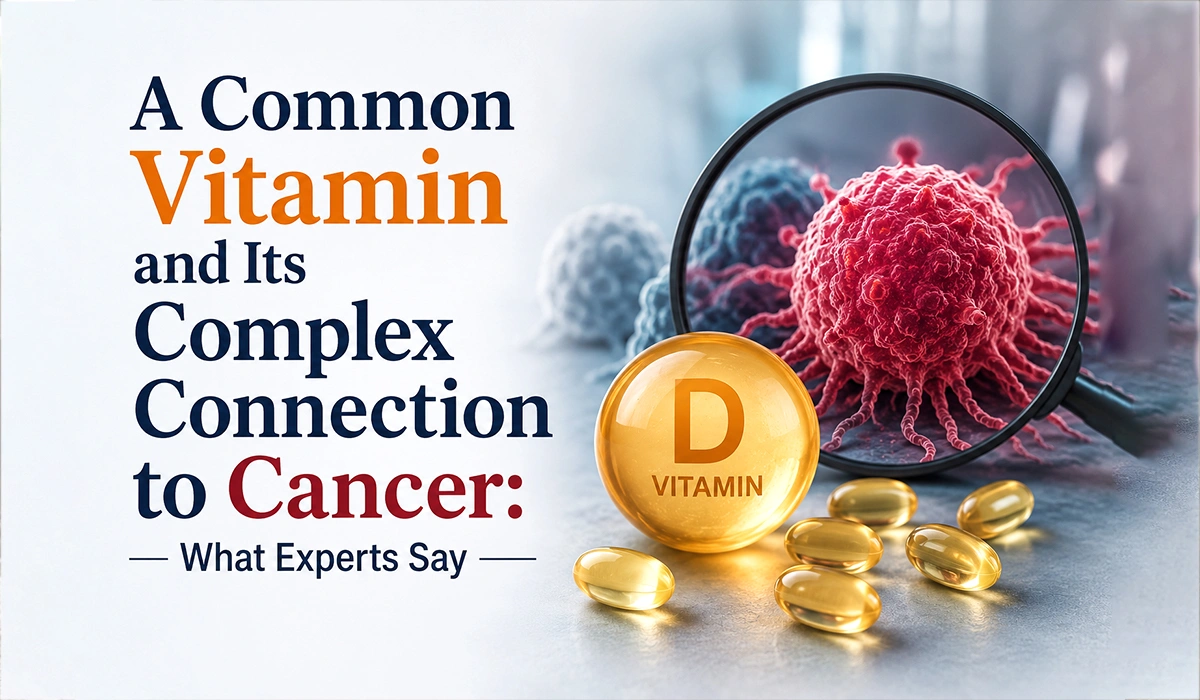
The discussion around a common vitamin and its complex connection to cancer: what experts say has gained global attention. From research studies to health debates online, people are searching for answers about whether vitamins help protect the body or, in some cases, create unexpected risks.
This article explores what experts currently know, how vitamins interact with the body, and why balance matters more than most people realize.
What Does “A Common Vitamin and Its Complex Connection to Cancer” Mean?
The phrase a common vitamin and its complex connection to cancer: what experts say refers to scientific discussions about how certain vitamins may influence cancer development, prevention, or progression.
Vitamins are essential nutrients that help the body function properly. They support:
- Immune health
- Cell repair
- Bone strength
- Energy production
- Brain function
However, researchers have discovered that the relationship between vitamins and cancer is not always simple.
Some vitamins may:
- Help reduce inflammation
- Protect cells from damage
- Support immune defense
But excessive supplementation or imbalance may sometimes affect how cells grow and behave.
This is why experts describe the connection as “complex.”
Why Vitamins Matter for Overall Health
The human body depends on vitamins every day.
Without them, important systems begin to weaken.
Vitamins help with:
- Healthy blood circulation
- Nerve function
- Hormone regulation
- Cell growth and repair
- Immune protection
Deficiencies can lead to fatigue, weak immunity, poor bone health, and other complications.
But health experts also warn that “more” is not always “better.”
The Vitamin Most Often Discussed in Cancer Research
Among all nutrients, Vitamin D is one of the most studied when it comes to cancer.
Why Vitamin D gets attention:
- It helps regulate cell growth
- Supports immune function
- Influences inflammation levels
Researchers are studying whether low Vitamin D levels may be linked to:
- Colon cancer
- Breast cancer
- Prostate cancer
- Lung cancer
At the same time, experts caution that high-dose supplementation without medical advice is not recommended.
Understanding the Body’s Cell Growth Process
To understand a common vitamin and its complex connection to cancer: what experts say, it helps to understand how cancer develops.
The body constantly creates new cells.
Normally:
- Old cells die naturally
- New cells replace them
- Growth stays controlled
Cancer occurs when abnormal cells grow uncontrollably.
Some vitamins influence:
- Cell division
- DNA repair
- Immune response
This is why researchers study their possible role in cancer prevention and progression.
Can Vitamins Help Prevent Cancer?
Some evidence suggests that healthy vitamin levels may support cancer prevention.
Experts believe vitamins may help by:
- Reducing oxidative stress
- Supporting immune defense
- Lowering chronic inflammation
- Protecting healthy cells
For example:
- Vitamin C acts as an antioxidant
- Vitamin D supports immune regulation
- Vitamin A supports cell growth control
However, experts emphasize that vitamins alone do not prevent cancer.
A healthy lifestyle remains essential.
When Too Much Supplementation Becomes a Concern
One major concern is excessive supplementation.
Many people assume vitamins are completely safe because they are easily available.
But high doses may sometimes create risks.
Potential problems with over-supplementation:
- Toxicity
- Organ stress
- Nutrient imbalance
- Unexpected cellular effects
Some studies have even linked excessive supplementation of certain nutrients with increased health risks in specific groups.
This is why healthcare professionals recommend personalized guidance instead of self-prescribing high-dose supplements.
The Difference Between Food-Based Nutrients and Supplements
Experts often encourage obtaining vitamins naturally through food whenever possible.
Food-based sources provide:
- Better nutrient balance
- Fiber and antioxidants
- Natural absorption support
Examples include:
- Citrus fruits for Vitamin C
- Fish and sunlight for Vitamin D
- Leafy greens for folate
Supplements may still help people with:
- Nutritional deficiencies
- Medical conditions
- Restricted diets
But balance is key.
Chronic Inflammation and Cancer Risk
Inflammation is another important factor.
Long-term inflammation may damage healthy cells and increase disease risk.
Some vitamins help regulate inflammation levels.
Anti-inflammatory nutrients include:
- Vitamin D
- Vitamin E
- Vitamin C
This is why researchers continue studying a common vitamin and its complex connection to cancer: what experts say.
Lifestyle Matters More Than One Nutrient
Experts agree on one major point:
No single vitamin determines cancer risk alone.
Overall lifestyle has a much bigger impact.
Key protective habits include:
- Eating a balanced diet
- Exercising regularly
- Avoiding tobacco
- Limiting alcohol
- Managing stress
- Getting enough sleep
Vitamins work best as part of a healthy lifestyle—not as a replacement for it.
Why Vitamin Deficiency Is Still a Global Problem
While excessive supplementation gets attention, vitamin deficiency remains a major issue worldwide.
In both India and the USA:
- Vitamin D deficiency is common
- Poor diet affects nutrient intake
- Indoor lifestyles reduce sun exposure
Deficiency may weaken:
- Immunity
- Bone strength
- Energy levels
This is why maintaining healthy nutrient levels is important.
What Doctors and Researchers Currently Say
Medical experts continue researching the topic.
Current evidence suggests:
Healthy vitamin levels are important for:
- Immune support
- Cell health
- General wellness
But experts also caution:
- Avoid megadoses without supervision
- Don’t rely on supplements alone
- Use evidence-based healthcare guidance
The focus today is on balanced nutrition rather than extreme supplementation.
Practical Tips for Safe Vitamin Use
If you use supplements, experts recommend a careful approach.
Smart supplement habits:
- Get regular health checkups
- Test for deficiencies if needed
- Follow dosage instructions
- Choose quality products
- Consult healthcare professionals
This helps reduce unnecessary risks.
The Future of Nutrition and Cancer Research
Research around vitamins and cancer is evolving rapidly.
Scientists are exploring:
- Personalized nutrition
- Genetic influences
- Microbiome health
- Precision supplementation
Future healthcare may become more customized based on individual needs.
Conclusion
The discussion around a common vitamin and its complex connection to cancer: what experts say highlights one important truth—health is rarely simple.
Vitamins play a vital role in immunity, energy, and wellness, but balance matters more than extremes. While research continues to explore how nutrients influence cancer risk, experts agree that smart nutrition, preventive healthcare, and healthy habits offer the strongest foundation for long-term wellness.
Instead of chasing miracle solutions, focus on consistency:
- Eat balanced meals
- Stay active
- Get regular health screenings
- Use supplements responsibly
Small daily choices often create the biggest long-term impact.