Introduction
What touches your skin every day matters more than you think.
From face wash and soaps to shampoos and creams, personal care products are a part of daily life. But have you ever stopped to check what ingredients these products contain? Many conventional personal care products include synthetic chemicals, artificial fragrances, and harsh ingredients that may not suit every skin type.
This growing awareness has led millions of people worldwide to switch toward herbal personal care products. Consumers today are becoming more mindful of what they apply to their skin, hair, and body. They want products that are effective, gentle, and inspired by nature.
This is why understanding the benefits of herbal personal care products has become increasingly important in modern healthcare and wellness.
Herbal personal care products combine natural ingredients, traditional wellness knowledge, and modern product innovation to support healthier skin and better overall wellness. From the USA to India and beyond, herbal beauty and personal care products are shaping the future of daily self-care.
What Are Herbal Personal Care Products?
Herbal personal care products are skincare, haircare, and hygiene products made using plant-based ingredients, botanical extracts, and herbal formulations.
These products may include ingredients such as:
- Aloe Vera
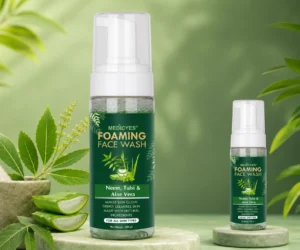
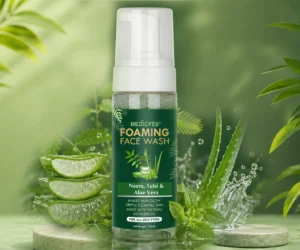
- Neem
- Tulsi
- Turmeric
- Sandalwood
- Tea Tree
- Rose
- Coconut Oil
Herbal formulations are often designed to cleanse, nourish, and protect the skin naturally.
Why Are Herbal Personal Care Products Becoming Popular?
Consumers are choosing herbal personal care products because they prefer safer, gentler, and more natural alternatives.
The global beauty and wellness industry is changing rapidly.
Modern consumers now look for:
- Natural ingredients
- Chemical-free products
- Gentle skincare solutions
- Sustainable wellness products
- Holistic self-care
This trend is especially strong among younger consumers and health-conscious families.
Key Benefits of Herbal Personal Care Products
Herbal products offer multiple benefits including gentle care, reduced chemical exposure, better skin compatibility, and long-term wellness support.
Major benefits include:
- Skin-friendly formulations
- Natural nourishment
- Fewer harsh chemicals
- Suitable for daily use
- Holistic wellness support
Herbal products focus on supporting skin health naturally rather than using aggressive chemical treatments.
Gentle on Sensitive Skin
One of the biggest benefits of herbal personal care products is their gentler nature.
People with:
- Sensitive skin
- Acne-prone skin
- Dry skin
- Irritated skin
often prefer herbal solutions.
Ingredients like aloe vera and chamomile may help calm irritated skin while supporting hydration.
Natural Ingredients Support Better Skin Health
Herbal products are often rich in natural nutrients.
Plant-based ingredients may contain:
- Antioxidants
- Vitamins
- Essential oils
- Anti-inflammatory compounds
These components help support:
- Skin repair
- Hydration
- Protection from environmental stress
Natural ingredients work in harmony with the skin’s natural barrier.
Reduced Exposure to Harsh Chemicals
Many conventional products contain:
- Sulfates
- Parabens
- Artificial colors
- Synthetic fragrances
Repeated exposure may irritate some skin types.
Herbal personal care products often reduce dependency on harsh ingredients.
This makes them attractive for people seeking cleaner beauty routines.
Popular Herbal Ingredients and Their Benefits
| Ingredient | Common Benefits |
|---|---|
| Neem | Supports acne care and cleansing |
| Aloe Vera | Hydration and soothing |
| Turmeric | Skin brightening and antioxidant support |
| Tea Tree | Supports acne-prone skin |
| Rose | Refreshing and soothing |
| Coconut Oil | Nourishment and moisture |
These ingredients are widely used in herbal skincare and personal care products.
Herbal Skincare vs Chemical-Based Skincare
| Feature | Herbal Products | Chemical-Based Products |
|---|---|---|
| Ingredients | Plant-based | Synthetic/chemical |
| Skin Compatibility | Usually gentler | May cause irritation |
| Daily Use | Often suitable | Depends on formulation |
| Wellness Approach | Holistic | Targeted treatment |
Both categories have value, but herbal products are preferred for natural daily care.
Benefits for Hair Care
Herbal personal care products are not limited to skincare.
Herbal shampoos, oils, and hair care solutions help support:
- Healthy scalp
- Hair strength
- Reduced dryness
- Better nourishment
Popular ingredients include:
- Amla
- Bhringraj
- Aloe Vera
- Reetha
These ingredients have been used in traditional hair care for generations.
Herbal Products and Sustainable Living
Modern consumers care about sustainability.
Many herbal brands focus on:
- Eco-friendly packaging
- Ethical sourcing
- Sustainable ingredients
- Responsible manufacturing
This aligns with growing global demand for environmentally conscious products.
The Role of Ayurveda in Herbal Personal Care
Ayurveda has influenced herbal personal care for centuries.
Ayurvedic wellness focuses on balance and natural healing.
Common Ayurvedic ingredients include:
- Neem
- Haldi
- Tulsi
- Ashwagandha
- Sandalwood
These ingredients continue to shape modern herbal skincare and wellness products.
Who Should Use Herbal Personal Care Products?
Herbal personal care products are suitable for many people, including:
- Teenagers
- Working professionals
- Men and women
- Sensitive skin users
- Wellness-conscious consumers
Anyone looking for gentler and more natural daily care may benefit.
How to Choose the Right Herbal Personal Care Products
Always choose products based on ingredients, skin type, product quality, and brand credibility.
Before buying:
- Read ingredient labels
- Check skin compatibility
- Research the brand
- Look for quality certifications
Trusted brands focus on safety, transparency, and quality manufacturing.
Why Consumers Trust Herbal Brands
Consumers trust brands that offer:
- Quality ingredients
- Safe formulations
- Transparent labeling
- Proven results
Trust is essential in the personal care industry.
Brands that combine nature and science often perform well in today’s market.
Why Herbal Personal Care Is the Future
The future of personal care is shifting toward:
- Natural wellness
- Preventive care
- Clean beauty
- Sustainable products
Consumers want products that support both beauty and wellness.
Herbal personal care aligns strongly with this future.
Understanding the Benefits of Herbal Personal Care Products Frequently Asked Questions
Are herbal personal care products better for sensitive skin?
Yes, many herbal products are formulated to be gentler and more suitable for sensitive skin types.
Do herbal skincare products really work?
Yes. Many herbal ingredients offer proven skincare benefits including hydration, soothing, and cleansing support.
Can herbal products help acne-prone skin?
Ingredients like neem, tea tree, and aloe vera may support acne-prone skin and daily cleansing.
Are herbal personal care products safe for daily use?
Most high-quality herbal products are designed for daily use, but users should always check ingredient compatibility.
Which herbal ingredients are best for skincare?
Neem, aloe vera, turmeric, tea tree, rose, and sandalwood are among the most popular herbal skincare ingredients.
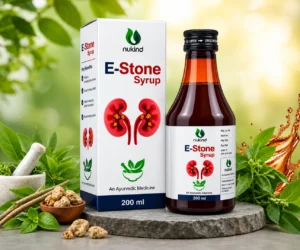
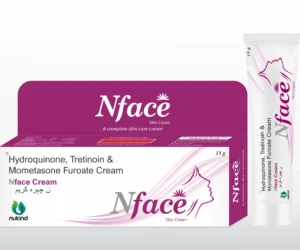
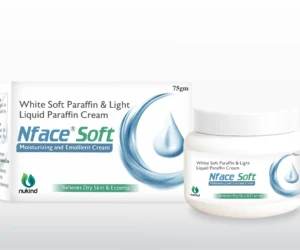
Why Choose Nukind Personal Care?
Nukind combines herbal wellness with modern personal care innovation.
Benefits include:
- Quality-focused formulations
- Herbal ingredient support
- Skin-friendly products
- Preventive wellness approach
- Daily personal care solutions
Nukind’s personal care range is designed to support everyday skin and wellness needs.
Conclusion
Understanding the benefits of herbal personal care products helps consumers make smarter daily wellness choices.
Herbal products offer a balanced approach to skincare, haircare, and personal hygiene by combining nature-inspired ingredients with modern quality standards.
As global demand for natural wellness continues to grow, herbal personal care products are becoming an important part of healthier lifestyles.
Choosing the right herbal products can support better skin health, reduced chemical exposure, and long-term personal wellness.
The future of personal care is simple: healthier ingredients, smarter choices, and natural wellness.