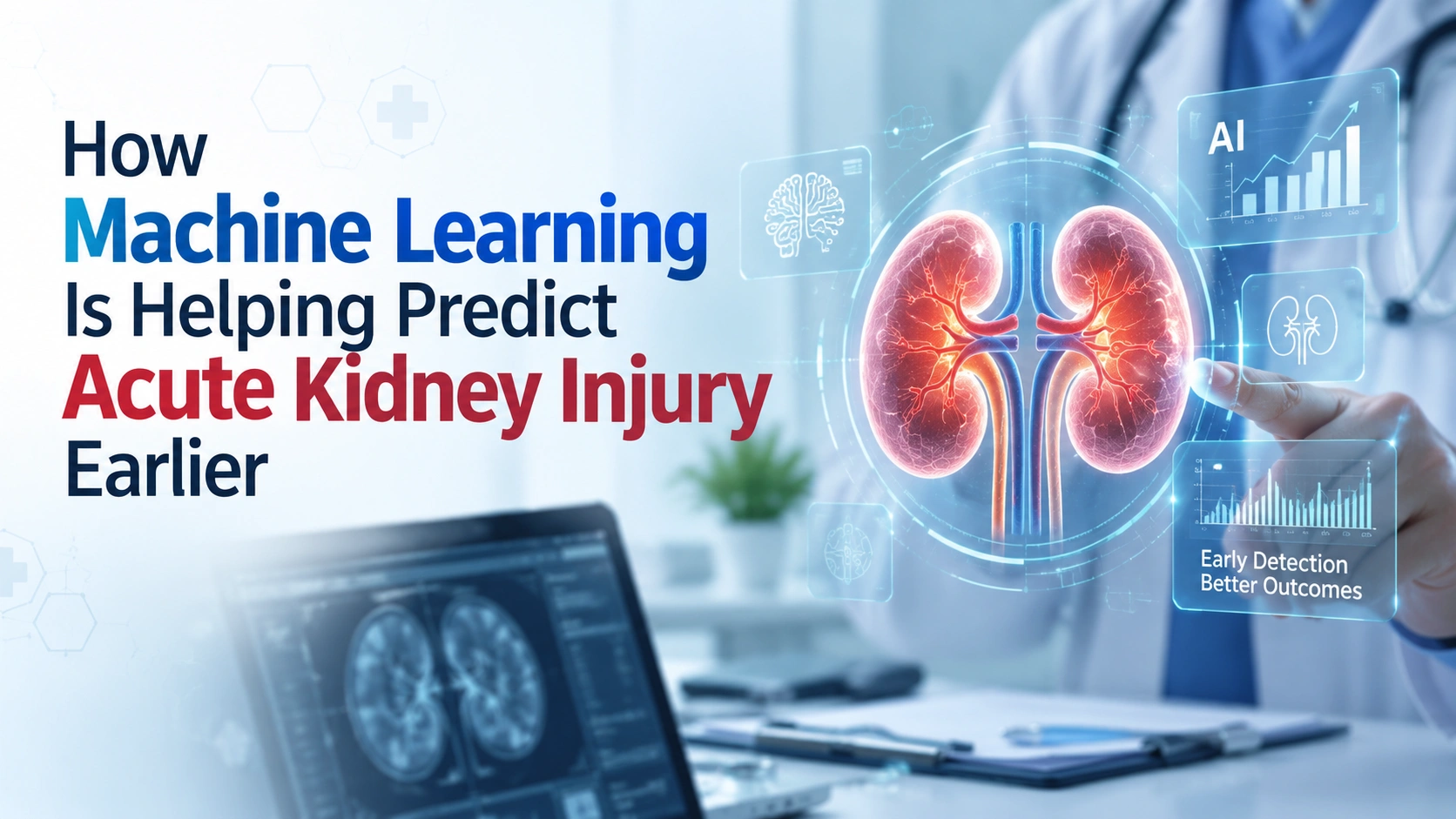
A patient in a hospital may look stable while subtle changes are already appearing in their laboratory results, vital signs, medications, fluid balance, and other clinical data. Acute kidney injury (AKI) can develop quickly, making early recognition important. Today, researchers are exploring whether machine learning can identify patterns that signal increased AKI risk before conventional clinical indicators become obvious.
This does not mean AI replaces doctors. Instead, machine-learning systems can potentially analyze large volumes of patient information and provide an additional early warning for healthcare professionals.
What Is Acute Kidney Injury?
Quick answer: Acute kidney injury is a sudden decline in kidney function that can develop over hours or days. It is commonly assessed using changes in serum creatinine and urine output. Current KDIGO guidance also places greater emphasis on earlier identification, risk prediction and prevention.
AKI can occur in different settings, including hospitals and intensive-care units. Causes may include severe illness, reduced blood flow to the kidneys, infections, certain medicines, or other kidney stressors.
Early recognition gives clinicians an opportunity to investigate the cause and manage potentially contributing factors.
Why Is Early AKI Prediction Important?
Quick answer: Kidney injury can evolve rapidly, so identifying patients at increased risk before AKI becomes clinically obvious may give healthcare teams more time to evaluate and respond.
Traditional monitoring often depends on laboratory measurements and clinical observations. Machine learning adds another approach: analyzing multiple data points simultaneously to identify patterns associated with future AKI.
How Does Machine Learning Predict AKI?
Quick answer: Machine-learning models learn relationships from patient data and use those patterns to estimate the likelihood of AKI developing.
A simplified process looks like this:
Collect data – laboratory results, vital signs, medications and other clinical information.
Train the model – algorithms learn patterns from historical patient records.
Test performance – researchers evaluate the model on separate data.
Generate risk estimates – the system identifies patients who may have elevated AKI risk.
Support clinical review – healthcare professionals interpret the information alongside the patient’s overall condition.
The FDA describes machine learning as techniques that train AI algorithms to improve performance on a particular task.
What Patient Information Can AI Analyze?
Machine-learning systems may incorporate several types of clinical information, depending on how the model was developed.
Data Type
Possible Role
Serum creatinine
Indicator used to assess kidney function
Urine output
Important measure in AKI assessment
Blood pressure
May provide information about kidney perfusion
Medication information
Can help identify potential risk factors
Vital signs
Provides information about a patient’s condition
Laboratory results
Adds broader clinical context
Demographic information
May contribute to risk modelling
The exact variables differ between models, and not every algorithm uses the same information.
What Does the Research Show?
Quick answer: Research suggests machine learning has potential for AKI risk classification, but performance varies between models and clinical settings.
A 2025 systematic review and meta-analysis examined machine-learning models developed for AKI risk classification, highlighting growing research interest in this application.
Importantly, a promising research result does not automatically mean a model is ready for routine clinical use.
Can AI Detect AKI Before It Happens?
Quick answer: Some research models are designed specifically to predict future AKI risk rather than simply identify AKI after it has already developed.
This distinction matters. A prediction system could potentially provide an earlier warning, allowing clinicians to review the patient’s condition and possible contributing factors.
However, prediction accuracy depends on the quality of the training data, patient population, clinical setting and model validation.
What Are the Benefits of Machine-Learning AKI Prediction?
Potential advantages include:
Earlier risk identification
Analysis of large clinical datasets
Continuous monitoring of available patient information
Support for clinical decision-making
Identification of complex patterns
Potentially more personalized risk assessment
The FDA notes that AI/ML technologies can support applications including early disease detection, diagnosis, prognosis and risk assessment.
What Are the Challenges?
Machine learning is not automatically accurate simply because it uses large amounts of data.
Important challenges include:
Poor-quality or incomplete clinical data
Bias in training datasets
Differences between hospitals and patient populations
False alarms
Difficulty explaining some algorithmic predictions
Limited external validation
Changes in clinical practice over time
The FDA specifically highlights concerns around bias, uncertainty, performance evaluation and real-world monitoring of AI-enabled medical technologies.
AI Should Support Doctors, Not Replace Them
Quick answer: Machine learning should be viewed as a clinical-support technology rather than an independent replacement for medical judgment.
For healthcare AI to be useful, clinicians need to understand the intended use, relevant inputs, validation evidence and limitations of a model. FDA guidance on clinical decision-support software emphasizes transparency and enabling healthcare professionals to independently review the basis of recommendations.
What Could the Future Look Like?
Future AKI prediction systems may combine laboratory results, electronic health records, continuous monitoring and other clinical information to produce more timely risk assessments.
The 2026 KDIGO AKI/AKD guideline update places increased emphasis on risk prediction, early identification and prevention, including validated risk models, biomarkers and electronic alerts.
This creates an important opportunity for AI research—but clinical validation remains essential.
Frequently Asked Questions About Machine Learning and Acute Kidney Injury
Can machine learning predict acute kidney injury?
Yes. Research has developed machine-learning models designed to classify or predict AKI risk, although their accuracy and clinical usefulness vary between models and settings.
How can AI help detect AKI earlier?
AI can analyze multiple clinical variables and identify patterns associated with increased AKI risk, potentially providing an additional warning for clinicians.
Does AI diagnose acute kidney injury?
AI can support risk assessment and clinical decision-making, but diagnosis and treatment should remain under appropriate healthcare professional oversight.
What is the main benefit of early AKI prediction?
Earlier identification may give clinicians more time to investigate potential causes and manage the patient’s condition.
Is machine learning ready to replace doctors in AKI care?
No. Machine-learning systems have limitations and should complement—not replace—clinical assessment and professional judgment.
Final Takeaway
Machine learning is creating new possibilities for earlier AKI risk prediction by finding patterns across complex clinical data. But the goal is not to replace medical professionals—it is to give them better information, earlier, so that clinical decisions can be made with greater context.
You wake up after a restless night and tell yourself, “I’ll manage today.” Maybe you reach for another cup of coffee, push through work, and hope the tiredness disappears.
But poor sleep can show up in more ways than simply feeling sleepy. It can affect attention, memory, mood, reaction time, appetite and everyday performance. Over time, consistently inadequate sleep is also associated with several health risks.
For adults, sleep experts generally recommend 7–9 hours of sleep per night. Individual needs can vary, but regularly getting less than you need deserves attention.
What Is Sleep Deprivation?
Quick answer: Sleep deprivation means not getting enough sleep, while sleep deficiency is a broader term that can also include poor-quality sleep, sleeping at the wrong time, or a sleep disorder.
A single poor night does not automatically mean you have a sleep disorder. However, repeated sleep problems can affect daily functioning and overall health.
Practical tip: Look at your sleep pattern over several days rather than judging your sleep from one night alone.
1. Daytime Sleepiness
Question: Why am I extremely sleepy after a bad night?
Quick answer: Insufficient sleep can reduce daytime alertness and make it difficult to stay awake during routine activities.
You may feel like you could fall asleep while reading, watching television, sitting in a meeting or travelling. Excessive daytime sleepiness is one of the clearest signs that your sleep may not be adequate.
Tip: Take unusual daytime sleepiness seriously, particularly before driving.
2. Brain Fog and Poor Concentration
Quick answer: Poor sleep can interfere with attention, learning, memory, decision-making and reaction time.
You might read the same sentence repeatedly, forget small tasks or struggle to concentrate during a meeting. Sleep plays an important role in learning and memory, so a tired brain may not perform at its usual level.
3. Irritability and Mood Changes
Question: Can lack of sleep affect your mood?
Yes. Sleep deficiency can make it harder to manage emotions and cope with everyday challenges. You may become more irritable, frustrated or emotionally sensitive after inadequate sleep.
Real-life example: A small disagreement that normally feels manageable may seem much more stressful after a poor night.
4. Slower Reaction Time
Quick answer: Sleep loss can slow reactions and increase mistakes.
This matters particularly when driving, operating machinery or performing tasks requiring sustained attention. Sleep deficiency can also cause microsleeps—brief, uncontrollable episodes of sleep while you appear to be awake.
Tip: If you feel dangerously sleepy, don’t rely on coffee alone to make driving safe.
5. Changes in Appetite
Quick answer: Inadequate sleep can influence hormones involved in hunger and fullness and may increase food intake.
Sleep deficiency has been associated with changes in ghrelin and leptin, hormones involved in appetite regulation. It can also be associated with greater consumption of fatty, sweet and salty foods.
This may explain why a poor night can leave you craving convenient, energy-dense foods.
6. Headaches and Physical Discomfort
Some people experience headaches, aches, exhaustion or general physical discomfort when sleep is poor. These symptoms can also have many other causes, so they should not automatically be attributed to lack of sleep.
7. Your Immune System May Feel the Impact
Quick answer: Sleep supports normal immune function, while ongoing sleep deficiency can affect how the body’s defenses respond.
That does not mean one sleepless night will automatically make you sick. The bigger concern is persistent or repeated inadequate sleep. (NHLBI, NIH)
8. When One Bad Night Becomes a Pattern
Occasional poor sleep is common. The concern increases when sleep problems happen repeatedly or interfere with everyday life.
Occasional Poor Sleep
Ongoing Sleep Problem
May follow stress or travel
Happens repeatedly
Temporary tiredness
Persistent daytime sleepiness
Usually improves
May affect work and relationships
Short-term concentration problems
Ongoing attention and mood problems
Often resolves with better sleep
May require professional assessment
The NHS notes that a few nights of poor sleep are usually not a reason for concern, but regular sleep problems can affect mood, appetite, relationships and daily activities.
9. How Much Sleep Do You Need?
Quick answer: Most adults should aim for 7–9 hours of sleep per night.
Sleep requirements vary by age. Teenagers generally need more sleep than adults, while children need considerably more.
The goal is not simply to spend more time in bed. Consistent, good-quality sleep matters too.
10. Simple Ways to Improve Sleep
Try these practical habits:
Keep a consistent sleep and wake schedule.
Give yourself enough time for sleep.
Keep the bedroom quiet, cool and dark.
Avoid caffeine close to bedtime.
Avoid heavy meals shortly before bed.
Limit alcohol before bedtime.
Use the hour before bed for quieter activities.
Stay physically active during the day.
Small changes are often easier to maintain than trying to completely redesign your routine overnight.
11. When Should You Talk to a Doctor?
Quick answer: Seek medical advice when sleep problems are persistent, daytime sleepiness is significant, or you regularly wake feeling unrefreshed.
Tell a healthcare professional if you frequently have difficulty falling asleep, repeatedly wake during the night, experience excessive daytime sleepiness, or have symptoms such as loud snoring or waking up gasping. Sleep evaluation can help identify conditions such as sleep apnea and other sleep disorders.
12. The Bigger Picture: Sleep Is Part of Health
Sleep is not simply “downtime.” It supports brain function, physical health, metabolism, immune function and cardiovascular health. Persistent sleep deficiency is associated with increased risks of conditions including obesity, high blood pressure, diabetes, heart disease and stroke.
The important distinction is that association with poor sleep does not mean every health problem is caused by one sleepless night. Long-term patterns and individual health factors matter.
The Bottom Line
A sleepless night can have many faces: sleepiness, brain fog, irritability, slower reactions, appetite changes and reduced concentration.
One bad night may simply mean you need to recover. But if poor sleep becomes a regular part of life, don’t normalize it.
Better sleep isn’t a luxury—it is part of taking care of your health.
Frequently Asked Questions
What are the common signs of sleep deprivation? Common signs include daytime sleepiness, difficulty concentrating, slower reactions, memory problems, irritability and reduced ability to manage everyday tasks.
How many hours should adults sleep? Adults generally need around 7–9 hours of sleep per night. Individual sleep needs can vary.
Can one sleepless night affect concentration? Yes. Even short-term sleep loss can affect attention, learning, reaction time and decision-making.
Can poor sleep affect appetite? Yes. Sleep deficiency can affect hormones involved in hunger and fullness and has been associated with increased food consumption.
When should I see a doctor about poor sleep? Consider speaking with a healthcare professional if sleep problems are frequent, you regularly feel unrefreshed, or significant daytime sleepiness interferes with daily life.
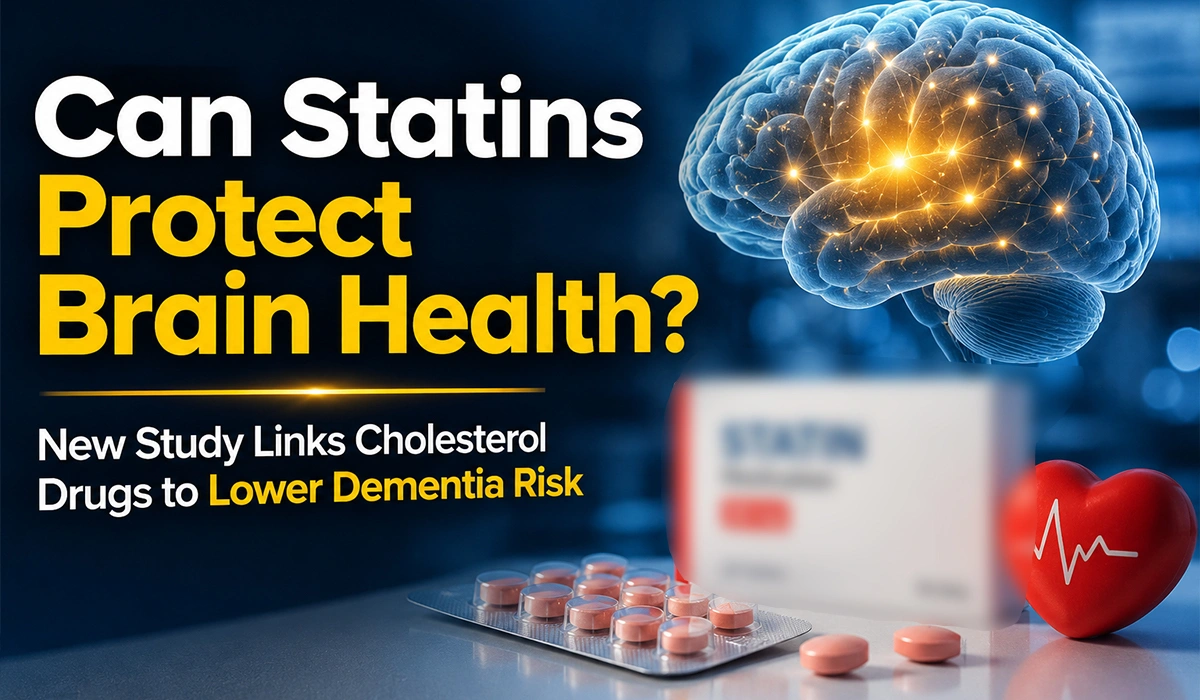
A daily cholesterol-lowering pill is usually associated with one thing: protecting the heart. But new research is raising another question—could statins also help protect the brain?
A nationwide Danish study involving 132,585 people with newly diagnosed type 2 diabetes found that people who started statin treatment within one year of their diabetes diagnosis had a 15% lower relative risk of developing dementia over 10 years, compared with people who did not start statins within five years. Those who started statins later had a 10% lower relative risk.
The findings are encouraging, but there is an important catch: this was an observational study, so it cannot prove that statins prevent dementia. Researchers say randomized clinical trials are still needed.
So, what does the study actually tell us? How might cholesterol affect brain health? And should people take statins specifically to prevent dementia?
Let’s look at the evidence.
What Are Statins and Why Are They Prescribed?
Quick answer: Statins are medicines that lower LDL (“bad”) cholesterol and reduce the risk of cardiovascular problems such as heart attack and stroke. They are primarily prescribed for cardiovascular protection, not as dementia medicines.
Statins work mainly by reducing the liver’s production of cholesterol and increasing its removal from the bloodstream. Common statins include atorvastatin, rosuvastatin, simvastatin and pravastatin.
High LDL cholesterol can contribute to atherosclerosis, where fatty deposits build up inside arteries. Over time, this can restrict blood flow and increase cardiovascular risk.
The connection to the brain is important because the brain depends on a healthy blood supply. Conditions that damage blood vessels—including high blood pressure, diabetes, high cholesterol and stroke—can also contribute to cognitive decline and vascular dementia.
The World Health Organization (WHO) identifies management of cholesterol, blood pressure and blood sugar among strategies that can help reduce dementia risk.
Practical tip: If you have been prescribed a statin, take it according to your clinician’s instructions rather than changing the dose based on dementia-related news.
What Did the New Statin and Dementia Study Find?
Quick answer: The 2026 Danish study found an association between earlier statin treatment after type 2 diabetes diagnosis and a lower 10-year risk of dementia. Early statin initiation was associated with a 15% lower relative risk, while later initiation was associated with a 10% lower relative risk.
Researchers used nationwide Danish health registers to study 132,585 people who developed type 2 diabetes between 2006 and 2019 and had not previously used statins.
They compared three groups:
Group
Statin timing
Estimated 10-year dementia risk
No statin initiation
No statin within 5 years
3.9%
Early initiation
Within 1 year
3.3%
Late initiation
1–5 years
3.5%
The early-treatment group therefore had an estimated 0.59 percentage-point lower absolute risk compared with the no-initiation group, alongside the reported 15% lower relative risk. Late initiation was associated with a 0.38 percentage-point lower absolute risk.
The median follow-up was 7.1 years, although the researchers estimated outcomes over a 10-year period.
Why does the timing matter?
One possibility is that controlling cardiovascular risk factors earlier may reduce cumulative damage to blood vessels. However, this is an interpretation—not proof that the timing itself caused the lower dementia risk.
Does a 15% Lower Risk Mean Statins Prevent Dementia?
Quick answer: No. A 15% lower relative risk does not mean that statins prevent 15% of dementia cases, and it does not establish cause and effect.
This distinction is extremely important.
The Danish study was observational. Researchers compared health outcomes among people according to when they started statins rather than randomly assigning participants to statin treatment or placebo.
That means other differences between groups could partly explain the findings.
For example, people who begin treatment earlier may differ in:
Healthcare access
General health
Medication adherence
Blood pressure control
Diabetes management
Lifestyle
Frequency of medical checkups
Other cardiovascular risk factors
Researchers used statistical methods designed to make the comparison more closely resemble a target trial, but observational research can still have residual confounding.
The study authors themselves concluded that trial evidence is needed to confirm the findings.
Bottom line: The research supports an association, not a prescription to use statins solely for dementia prevention.
Why Could Cholesterol and Brain Health Be Connected?
Quick answer: The brain is highly dependent on healthy blood vessels, and cardiovascular risk factors can damage those vessels. Lowering circulating LDL cholesterol may therefore contribute indirectly to better brain health, particularly through vascular pathways.
Dementia is not one single disease. Alzheimer’s disease is the most common form, while vascular dementia results from problems affecting the brain’s blood vessels.
Poor vascular health can contribute to strokes and small-vessel damage. Repeated or cumulative vascular injury can affect thinking, memory and other cognitive abilities.
This is why the relationship between heart health and brain health has received growing scientific attention.
The WHO’s 2026 dementia-risk guidelines emphasize managing modifiable health factors such as hypertension, diabetes and high cholesterol alongside healthy behaviours.
An important distinction
Blood cholesterol and brain cholesterol are not simply the same thing.
The brain has its own cholesterol metabolism, and most cholesterol in the brain is produced locally. Therefore, it would be incorrect to say that lowering blood cholesterol simply “cleans cholesterol out of the brain.”
The potential benefit of statins may instead involve their effects on cardiovascular and vascular health, although researchers continue to investigate other possible biological mechanisms.
What Does Diabetes Have to Do With Dementia?
Quick answer: Type 2 diabetes is an established risk factor for dementia, making cardiovascular risk management especially important in people with diabetes.
The new Danish study specifically focused on people with type 2 diabetes.
Diabetes can affect the body in several ways that may also influence brain health. Persistently elevated blood glucose can damage blood vessels and nerves and is associated with cardiovascular disease.
Diabetes frequently occurs alongside other risk factors such as:
High blood pressure
High cholesterol
Overweight or obesity
Physical inactivity
Cardiovascular disease
These conditions can combine over many years.
The WHO lists high blood sugar, high blood pressure and overweight or obesity among factors associated with increased dementia risk.
This makes the Danish study particularly relevant: controlling cardiovascular risk in people with diabetes may potentially have benefits extending beyond the heart.
Practical tip: People with diabetes should discuss their overall cardiovascular-risk profile with their healthcare professional rather than focusing on cholesterol alone.
What Does Earlier Statin Treatment Mean?
Quick answer: In the Danish research, “early” treatment meant starting a statin within one year after the diagnosis of type 2 diabetes. The study found the strongest association with lower dementia risk in this group.
The researchers compared early treatment with no statin initiation during the first five years after diabetes diagnosis.
The results were:
Early statin initiation: 15% lower relative dementia risk
Late statin initiation: 10% lower relative dementia risk
No statin initiation: reference group
Importantly, the absolute differences were much smaller than the relative percentages might initially suggest.
The estimated 10-year risk was 3.9% without statin initiation, compared with 3.3% with early initiation.
This is a useful lesson when reading health headlines: relative risk and absolute risk tell different parts of the story.
What Do Earlier Studies Say About Statins and Dementia?
Quick answer: Previous research has produced mixed results. Several observational studies and meta-analyses have found associations between statin use and lower dementia risk, but randomized clinical trials have not established statins as dementia-prevention drugs.
A 2025 systematic review and meta-analysis examined 55 observational studies involving more than 7 million patients. Statin use was associated with a lower risk of all-cause dementia, with a pooled hazard ratio of 0.86. It also found an association with lower Alzheimer’s disease risk.
Another 2025 meta-analysis of cohort studies included more than 6.3 million people and found that statin use was associated with lower incidence of dementia and Alzheimer’s disease.
But observational evidence has limitations.
An umbrella review published in Molecular Psychiatry noted that several meta-analyses reported lower dementia risk among statin users, while also highlighting substantial heterogeneity and bias in much of the underlying evidence. It found that randomized evidence has not consistently demonstrated a dementia-prevention effect.
Earlier Cochrane evidence also found no reduction in dementia incidence in the randomized trials available at that time.
What should readers take from this?
The evidence is promising but not definitive.
Can Statins Protect Against Alzheimer’s Disease?
Quick answer: It is too early to say that statins prevent Alzheimer’s disease. Some observational studies show lower Alzheimer’s risk among statin users, but these findings do not establish that statins directly prevent the disease.
Alzheimer’s disease involves complex biological changes, including abnormal protein accumulation, inflammation and changes in brain cells.
Vascular health may influence overall brain resilience and may overlap with Alzheimer’s disease risk. However, Alzheimer’s is not simply a cholesterol disorder.
The 2025 cohort meta-analysis reported a 29% lower relative risk of Alzheimer’s disease among statin users, but the included studies were observational.
That means the result should be viewed as an important research signal—not proof that taking a statin prevents Alzheimer’s.
What About Vascular Dementia?
Quick answer: The connection between cardiovascular health and vascular dementia is biologically plausible because vascular dementia is associated with damage to blood vessels supplying the brain.
Vascular dementia can occur after strokes or because of small-vessel disease and other vascular injuries.
This is one reason controlling cardiovascular risk factors is important.
High blood pressure, diabetes, smoking and abnormal cholesterol levels can all contribute to vascular disease. Managing these conditions may help reduce the risk of brain injury.
The 2025 statin meta-analysis found an association between statin use and lower all-cause dementia risk, while its result for vascular dementia did not reach conventional statistical significance.
Therefore, it would be misleading to claim that statins are proven treatments for vascular dementia.
Are Statins Safe for the Brain?
Quick answer: Current evidence does not show that statins generally cause dementia. Concerns about cognitive effects have been studied, but major health organizations do not consider statins established causes of dementia.
Some people have reported memory or concentration problems while taking statins. Such symptoms should not automatically be dismissed, but they also do not prove that a statin is causing dementia.
The Alzheimer’s Association notes that there is no strong evidence that statins directly increase Alzheimer’s or dementia risk.
The recent Australian STAREE randomized trial also reported no increased risk of dementia among healthy adults aged over 70 taking statins, while finding cardiovascular benefits.
However, individual medication responses can vary.
Practical tip: If you notice new or persistent cognitive symptoms after starting a medication, speak with your healthcare professional before stopping treatment.
Should You Take Statins to Prevent Dementia?
Quick answer: Statins should not currently be started solely as a dementia-prevention medication. They should be prescribed when a person’s cardiovascular risk and clinical circumstances indicate that cholesterol-lowering treatment is appropriate.
This is perhaps the most important takeaway from the new research.
The Danish study does not mean that everyone should start a statin to protect their memory.
Instead, it adds to evidence that managing cardiovascular risk may have broader health benefits.
A clinician may consider factors such as:
LDL cholesterol
Blood pressure
Diabetes
Previous cardiovascular disease
Age
Smoking
Family history
Overall cardiovascular risk
Other medical conditions
Current medications
Treatment decisions should be individualized.
Statins vs Lifestyle: Which Is Better for Brain Health?
Quick answer: It is not an either-or decision. Healthy lifestyle habits remain central to dementia-risk reduction, while statins may be appropriate for people who need cholesterol-lowering treatment.
A statin cannot replace:
Regular physical activity
A balanced diet
Good blood-pressure control
Diabetes management
Smoking cessation
Healthy sleep
Maintaining a healthy weight
Social and cognitive engagement
The WHO’s updated 2026 recommendations emphasize a broad, life-course approach to dementia-risk reduction. They highlight physical activity, healthy diet, tobacco avoidance, reduced harmful alcohol use, management of hypertension, diabetes and cholesterol, cognitive engagement and other risk factors.
A practical brain-health checklist
Area
Helpful action
Cholesterol
Monitor and manage LDL when medically indicated
Blood pressure
Keep it under appropriate control
Blood sugar
Manage diabetes and prediabetes
Exercise
Stay physically active
Diet
Choose a balanced, nutrient-rich diet
Smoking
Avoid tobacco
Alcohol
Avoid harmful use
Sleep
Address persistent sleep problems
Social health
Stay socially connected
Cognitive health
Continue mentally stimulating activities
Brain health is therefore best viewed as part of overall health, not as a single-medication problem.
What Does This Mean for People in India?
Quick answer: The findings are relevant to Indian readers because diabetes and cardiovascular risk are important public-health concerns in India, but the Danish results should not be directly assumed to apply identically to every Indian population.
The study was conducted using Danish nationwide health registers. Differences in genetics, healthcare systems, diet, lifestyle, disease patterns and treatment practices can affect how findings translate to other countries.
However, the underlying message about cardiovascular health is broadly relevant.
For people living with diabetes in India, routine management may include monitoring:
Blood glucose
HbA1c
Blood pressure
Lipid profile
Weight
Kidney health
Cardiovascular risk
A doctor can determine whether statin therapy is appropriate based on an individual’s risk profile.
Important: Do not start, stop or change a statin without medical advice.
What Researchers Still Need to Find Out
Quick answer: Researchers need randomized clinical trials to determine whether statins themselves reduce dementia incidence and whether benefits differ according to age, diabetes status, cholesterol level, statin type or treatment duration.
Several questions remain open.
1. Do statins directly prevent dementia?
The new Danish study cannot answer this definitively.
2. Does starting treatment earlier provide greater protection?
The association was stronger among people who started within one year of diabetes diagnosis, but randomized evidence is needed.
3. Are some statins more beneficial for brain health?
Different statins have different properties, but evidence is not strong enough to recommend a particular statin specifically for dementia prevention.
4. Does the effect differ by age?
This remains an active research question.
5. Does lowering LDL itself explain the association?
Researchers need more evidence to separate the effect of LDL reduction from other health and treatment factors.
Statins and Dementia Risk: What We Know vs What We Don’t
Question
What the evidence currently suggests
Do statins lower LDL cholesterol?
Yes
Do statins reduce cardiovascular risk?
Yes, when appropriately prescribed
Are statins associated with lower dementia risk?
Several studies suggest this
Did the new Danish study find a 15% lower relative risk?
Yes, with early initiation after diabetes diagnosis
Does the study prove statins prevent dementia?
No
Should statins be prescribed solely to prevent dementia?
Not based on current evidence
Do statins cause dementia?
There is no strong evidence that they do
Are randomized trials still needed?
Yes
The distinction between association and causation should remain at the center of the discussion.
Expert Takeaway: Heart Health and Brain Health Are Closely Connected
The emerging research supports a broader idea: protecting cardiovascular health may also be important for protecting cognitive health.
The 2026 Danish study provides new evidence linking earlier statin treatment with lower dementia risk among people with type 2 diabetes. Early statin initiation was associated with a 15% lower relative risk over 10 years, while later treatment was associated with a 10% lower relative risk.
But the result should not be interpreted as “statins are a dementia cure.”
Instead, it reinforces the importance of addressing modifiable risk factors throughout life.
The WHO’s updated 2026 guidelines emphasize that a substantial proportion of dementia risk may be linked to modifiable factors, including cardiovascular and metabolic conditions.
That means brain health is not only about memory exercises or supplements. It also involves taking care of the systems that keep the brain supplied with oxygen and nutrients.
Frequently Asked Questions About Statins and Dementia Risk
Can statins reduce dementia risk?
Some observational research suggests that statin use is associated with a lower risk of dementia. A 2026 Danish study found a 15% lower relative risk among people with type 2 diabetes who started statins within one year of diagnosis. However, this does not prove that statins prevent dementia.
What did the new 2026 statin study find?
The study followed 132,585 Danish people with newly diagnosed type 2 diabetes. Early statin initiation was associated with a 15% lower relative risk of dementia over 10 years, while late initiation was associated with a 10% lower relative risk.
Does a 15% lower risk mean statins prevent 15% of dementia cases?
No. The reported 15% figure is a relative-risk reduction. The estimated absolute 10-year dementia risk was 3.9% without statin initiation and 3.3% with early initiation.
Should I take a statin to prevent Alzheimer’s disease?
Not solely for that purpose. Statins are primarily prescribed to reduce cardiovascular risk. Evidence about their role in dementia prevention remains under investigation.
Can high cholesterol affect brain health?
High cholesterol is one of several cardiovascular risk factors associated with poorer vascular health. Managing cholesterol, blood pressure and blood sugar is part of a broader approach to reducing dementia risk.
Do statins cause memory loss or dementia?
There is no strong evidence that statins generally cause dementia. If you experience concerning cognitive symptoms after starting medication, discuss them with your healthcare professional.
Are statins useful for people with diabetes?
Statins are commonly used to reduce cardiovascular risk in people with diabetes when clinically indicated. The new Danish research also suggests a possible association between earlier statin treatment and lower dementia risk, but this is not yet proof of a dementia-prevention effect.
Can lifestyle changes reduce dementia risk?
Yes. Regular physical activity, a healthy diet, avoiding tobacco, managing blood pressure, controlling blood sugar and cholesterol, staying socially connected and maintaining cognitive activity can contribute to dementia-risk reduction.
Is this study relevant to people in India?
The findings are scientifically relevant, but the study was conducted in Denmark. Indian patients should discuss cholesterol, diabetes and cardiovascular-risk management with their healthcare professional rather than directly applying the study results to themselves.
Should I stop taking my statin because of concerns about dementia?
No. Do not stop prescribed medication without speaking with your healthcare professional. The current evidence does not establish statins as a cause of dementia.
Conclusion: A Promising Signal, Not a Dementia Prescription
The question “Can statins protect brain health?” does not yet have a simple yes-or-no answer.
The latest Danish study provides an important clue. Among more than 132,000 people with type 2 diabetes, starting statins earlier was associated with a lower risk of dementia over the following decade. The association was strongest among those who began treatment within one year of diabetes diagnosis.
But association is not causation.
For now, the strongest reason to use statins remains appropriate cardiovascular-risk reduction. Any possible benefit for dementia prevention is an encouraging area of research rather than an established indication.
The bigger lesson may be even more important: what protects the heart can often help protect the brain too.
Managing cholesterol, blood pressure and blood sugar, staying physically active, eating well, avoiding tobacco and maintaining social and cognitive activity can all contribute to healthier ageing.
Protecting brain health may begin long before memory problems appear—and it may start with protecting the blood vessels that keep the brain healthy.
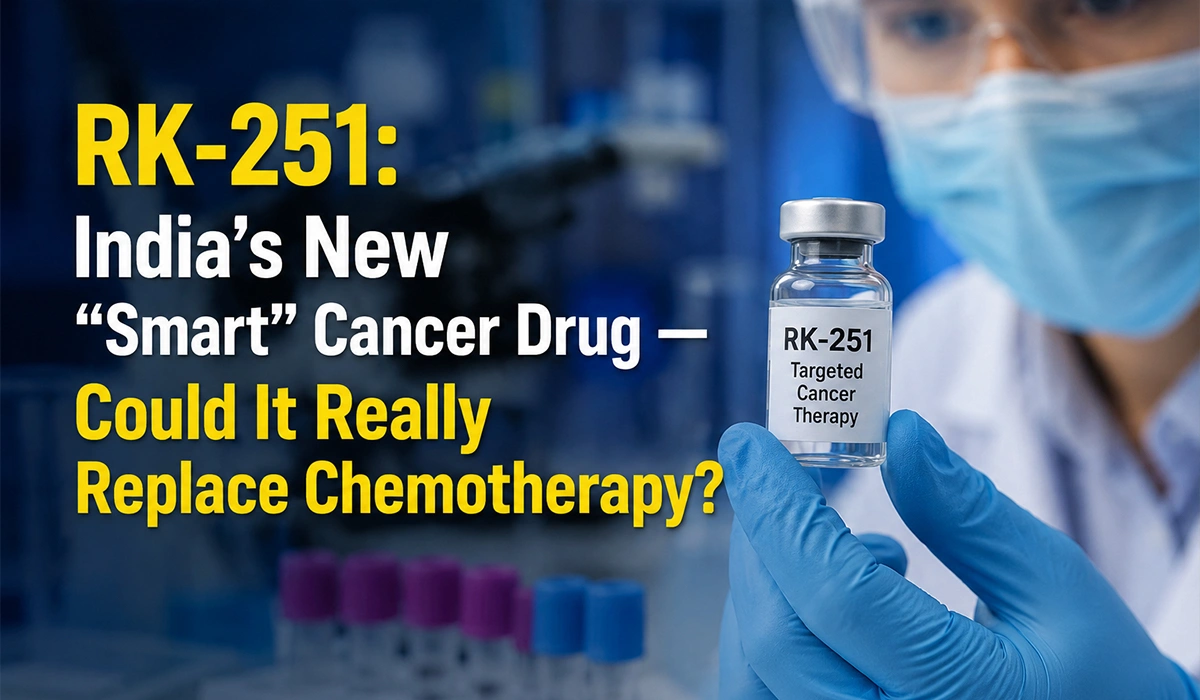
A new experimental cancer drug developed by Indian researchers has attracted attention for a simple but powerful idea: what if a cancer medicine could remain relatively inactive in normal tissues and switch on mainly inside cancer cells?
That is the concept behind RK-251, a research-stage prodrug developed through collaboration between scientists at the Institute of Advanced Study in Science and Technology (IASST) and IIT Guwahati. Early laboratory research suggests that RK-251 can respond to higher levels of reactive oxygen species (ROS) associated with cancer cells and release an active anticancer compound called NBDHEX.
But there is an important distinction between “promising cancer drug candidate” and “replacement for chemotherapy.” RK-251 has not yet been tested in human clinical trials. Its current evidence comes from laboratory experiments and early preclinical testing, including work involving triple-negative breast cancer cells and zebrafish embryos.
So, could RK-251 eventually change cancer treatment? Potentially—but it is far too early to say that it can replace chemotherapy.
What Is RK-251?
RK-251 is an experimental, ROS-responsive prodrug designed to become activated primarily in cancer cells. Researchers developed it as a way to deliver the anticancer compound NBDHEX more selectively, with the aim of reducing unwanted effects on healthy cells. It is currently a preclinical research candidate, not an approved cancer treatment.
The research was led by Dr. Asis Bala of IASST and Dr. Krishna P. Bhabak of IIT Guwahati, along with Rahul Kesarwani, Nikita Pal and Dorothy Das. The findings were published in the Journal of Medicinal Chemistry in 2026.
The scientific paper is titled “Rational Development of Activatable Prodrugs of the GSTP1 Inhibitor NBDHEX: Turn-On NIR Fluorogenic Drug Delivery with Selective Anticancer Activity.” It was published online on July 2, 2026, and appeared in the July 23 issue of the journal.
At a glance
Feature
RK-251
Drug type
Experimental prodrug
Development stage
Preclinical
Developed in
India
Research institutions
IASST and IIT Guwahati
Activation trigger
Reactive oxygen species (ROS)
Active anticancer compound
NBDHEX
Main target studied
GSTP1-related cancer biology
Cancer model highlighted
Triple-negative breast cancer cells
Human clinical trials
Not yet reported
Approved cancer treatment?
No
Why Is RK-251 Being Called a “Smart” Cancer Drug?
The term “smart” refers to the drug’s activatable design. Instead of delivering its active anticancer compound immediately, RK-251 is designed to respond to a biological condition—higher ROS levels—and release NBDHEX after activation. The goal is greater selectivity between cancerous and non-cancerous cells.
Cancer cells can have altered metabolism and elevated levels of reactive oxygen species compared with normal cells. Researchers are exploring whether this difference can be used as a biological trigger.
This does not mean that RK-251 literally “knows” which cell is cancerous. Rather, it has been chemically designed to respond to a particular cellular environment.
That distinction matters when communicating the science.
How Does RK-251 Work?
RK-251 is designed as a ROS-responsive prodrug. When it encounters ROS, the molecule undergoes activation and releases NBDHEX. NBDHEX is a GSTP1 inhibitor with anticancer activity. The research combines drug delivery and fluorescence, allowing researchers to observe activation through a fluorescence signal.
The mechanism involves several steps.
Step 1: The candidate enters cells
RK-251 is designed to reach cellular environments while keeping the active anticancer compound in a masked form.
Step 2: ROS acts as the trigger
The researchers incorporated a ROS-responsive component into the molecule.
When ROS levels are sufficient, the chemical structure can undergo the intended activation process.
Step 3: NBDHEX is released
Activation results in the release of NBDHEX, the active anticancer component studied in the research.
Step 4: GSTP1 becomes a target
The research focuses on glutathione-S-transferase pi (GSTP1), a protein associated with cancer biology and drug resistance mechanisms.
The study describes NBDHEX as a potent GSTP1 inhibitor.
Step 5: Researchers can observe activation
RK-251 is also fluorogenic. Its activation produces a fluorescence signal, allowing researchers to investigate where and when activation occurs.
This combination of drug activation + fluorescence is one of the interesting features of the research.
Why Is GSTP1 Important?
GSTP1 is an enzyme that can be overexpressed in cancer cells and is involved in cellular defense and drug-response pathways. The research uses NBDHEX to inhibit GSTP1, potentially making this pathway useful for anticancer treatment.
According to the published study, GSTP1 can contribute to the inactivation of some electrophilic anticancer drugs through glutathionylation.
This creates an interesting research problem:
Can blocking GSTP1 improve anticancer activity while limiting effects on healthy cells?
NBDHEX has already been investigated as a GSTP1 inhibitor, but the researchers point out that it has limitations including poor aqueous solubility and bioavailability. RK-251 was developed as an activatable prodrug approach to address some of these delivery challenges.
This is why RK-251 should not simply be described as “a new chemotherapy drug.”
It represents a different drug-delivery and activation strategy.
What Did the RK-251 Study Find?
Preclinical experiments found that RK-251 demonstrated anticancer activity against the triple-negative breast cancer cell line MDA-MB-231, while showing comparatively lower effects on nonmalignant cells. Researchers also observed ROS-dependent fluorescence and tested the compound in developing zebrafish embryos.
One important part of the research involved MDA-MB-231 cells, a laboratory model of triple-negative breast cancer.
The study reported an IC50 of approximately 10.9 ± 0.8 µM for RK-251 in this model. For comparison, the reported values were higher in the nonmalignant cell models tested, although these numbers should not be interpreted as evidence of clinical effectiveness in patients.
The researchers also examined RK-251 in developing zebrafish embryos.
They observed:
ROS-triggered fluorescence
The expected activation behavior
No noticeable abnormalities under the experimental conditions
No obvious acute toxicity in the zebrafish study
These findings support further research, but they do not establish human safety.
What Is Triple-Negative Breast Cancer?
Triple-negative breast cancer (TNBC) is a breast cancer subtype that does not have the three commonly targeted receptors—estrogen receptor, progesterone receptor and HER2. Because these targets are absent, treatment options differ from those used for receptor-positive breast cancers.
The RK-251 research specifically highlighted activity against MDA-MB-231 triple-negative breast cancer cells.
This is important because the study did not demonstrate that RK-251 treats every type of cancer.
It tested a specific laboratory cancer model.
Therefore, headlines suggesting that RK-251 is already a universal cancer treatment would go beyond the available evidence.
How Is RK-251 Different From Traditional Chemotherapy?
Traditional chemotherapy generally works by killing or slowing rapidly dividing cells. Because some healthy cells also divide rapidly, chemotherapy can affect normal tissues and cause side effects. RK-251 takes a different experimental approach by attempting to activate its anticancer payload preferentially in a cancer-associated environment.
Chemotherapy remains an important part of cancer care.
According to the U.S. National Cancer Institute, chemotherapy can be used to cure cancer, reduce the chance of recurrence, slow cancer growth or control symptoms. It is also frequently combined with surgery, radiation, targeted therapy or immunotherapy.
The challenge is that many chemotherapy drugs affect rapidly dividing healthy cells as well as cancer cells.
This can contribute to side effects such as:
Fatigue
Nausea
Mouth sores
Hair loss
Low blood counts
Increased infection risk
However, chemotherapy is not simply a “bad” treatment. It can be highly effective for particular cancers and clinical situations, and its benefits can outweigh its risks.
RK-251 vs chemotherapy
Feature
Traditional chemotherapy
RK-251
Current status
Established treatment category
Experimental candidate
Main concept
Attacks rapidly dividing cells
ROS-responsive activation
Active research payload
Depends on chemotherapy drug
NBDHEX
Selectivity goal
Cancer cells are generally more vulnerable
Preferential activation in cancer-associated ROS environment
Human evidence
Extensive for many drugs
Not yet available
Clinical use
Yes
No
Approved replacement for chemotherapy?
Not applicable
No
Does RK-251 Really Replace Chemotherapy?
Quick answer: No—not at this stage. RK-251 has not yet demonstrated in humans that it can replace chemotherapy. Current evidence is preclinical, meaning it comes from laboratory and early biological models rather than human clinical trials.
This is perhaps the most important point in the entire story.
The Indian government’s Department of Science and Technology described RK-251 as a smart drug that could replace traditional chemotherapy, but the same official communication states that additional research is needed before the technology can be tested in patients.
That means “could” is the key word.
Before RK-251 could become a clinical cancer treatment, researchers would need to establish:
Appropriate dosing
Pharmacokinetics
Safety in humans
Toxicity profile
Drug distribution
Tumour penetration
Effectiveness across appropriate cancer models
Clinical benefit in patients
Interaction with other cancer treatments
Long-term safety
Only properly conducted clinical trials can answer these questions.
Why Human Clinical Trials Matter
Results in cancer cells and animal models are essential early steps, but they cannot predict with certainty how a drug will behave in humans. Clinical trials are needed to determine whether a candidate is safe, tolerable and effective in people. RK-251 has not yet reached that stage.
Drug development is a long process.
A compound may show impressive activity in a laboratory model but fail later because of:
Unexpected toxicity
Poor absorption
Poor distribution
Insufficient tumour exposure
Lack of effectiveness in humans
Unacceptable side effects
Manufacturing challenges
Therefore, preclinical success is encouraging, but it is not proof of a successful medicine.
For patients, this distinction is especially important.
Someone diagnosed with cancer should not delay or discontinue an established treatment because of news about an experimental drug.
Treatment decisions should be made with a qualified oncologist based on the person’s cancer type, stage, biomarkers and overall health.
What Makes RK-251 Promising?
Quick answer: RK-251 is promising because it combines selective activation, anticancer activity and real-time fluorescence into one experimental design. Laboratory findings suggest activity against a difficult breast cancer model with comparatively less effect on nonmalignant cells.
Several aspects make the research interesting.
1. A biological trigger
Instead of relying solely on conventional drug distribution, RK-251 uses ROS as an activation signal.
2. A targeted payload
The prodrug releases NBDHEX, which targets GSTP1.
3. Potentially improved selectivity
The research observed greater activity against cancer cells than the nonmalignant models tested.
4. Imaging capability
The fluorescence component provides researchers with a way to monitor activation.
5. Indian research contribution
The work demonstrates advanced drug-design research emerging from Indian academic institutions.
But “promising” should not be confused with “proven.”
What Are the Limitations of RK-251 Research?
Quick answer: The biggest limitation is the stage of development. RK-251 has been evaluated in laboratory and preclinical models, not in human patients. The current research therefore cannot establish clinical effectiveness, optimal dosage or long-term safety.
Other limitations include:
Limited cancer models
The study highlighted MDA-MB-231 triple-negative breast cancer cells. More cancer models will be needed to understand how broadly the approach works.
Laboratory conditions differ from patients
Cancer cells grown in laboratories do not reproduce the complete human tumour environment.
ROS is not exclusive to cancer
ROS are biologically important molecules found in normal physiology as well. Therefore, researchers must carefully establish whether activation is sufficiently selective in living organisms.
Animal-model evidence is early
Zebrafish embryo testing is useful for early toxicology and biological investigation, but it cannot substitute for human clinical trials.
No established patient outcomes
There is currently no evidence showing that RK-251 improves survival, tumour response or quality of life in cancer patients.
Could RK-251 Become a New Generation of Cancer Treatment?
Quick answer: It could contribute to a broader movement toward more selective and activatable cancer therapies, but its clinical future remains uncertain. The most realistic interpretation today is that RK-251 represents an interesting preclinical proof-of-concept, not a finished cancer medicine.
Cancer research is increasingly focused on precision.
Instead of asking only:
“How can we kill cancer cells?”
researchers are also asking:
“How can we kill cancer cells while protecting healthy tissue?”
This has encouraged research into:
Targeted therapies
Antibody-drug conjugates
Immunotherapy
Molecularly targeted drugs
Tumour-activated prodrugs
Nanomedicine
Precision drug delivery
Biomarker-guided treatment
RK-251 fits into this larger scientific direction.
Its ROS-responsive mechanism is particularly interesting because it attempts to exploit a biological difference between cancerous and normal cells.
Why This Research Matters for India
India faces a substantial cancer burden while also expanding its research capabilities. IARC’s GLOBOCAN 2022 estimate recorded more than 1.41 million new cancer cases and about 916,827 cancer deaths in India for that year.
The significance of RK-251 therefore extends beyond one molecule.
It demonstrates collaboration between:
IIT Guwahati
IASST
Indian researchers in chemistry
Cancer biology researchers
Drug-discovery scientists
The Government of India’s Department of Science and Technology has also highlighted the work as an example of Indian scientific research in advanced cancer-drug development.
India’s cancer-care ecosystem includes screening, surgery, radiotherapy, chemotherapy, targeted treatments and supportive care. The Ministry of Health and Family Welfare also continues to support tertiary cancer-care infrastructure through government programmes.
Future drug discoveries could potentially add more options—but they must pass through the same rigorous scientific and regulatory process.
What Should Cancer Patients Do Right Now?
Patients should not treat RK-251 as an available alternative to chemotherapy. Because it remains an experimental candidate, cancer treatment should continue to be guided by an oncologist and established clinical evidence.
If you or someone you know has cancer:
Do not stop prescribed treatment based on social-media claims.
Ask the oncologist about all appropriate treatment options.
Ask whether clinical trials are available for the specific cancer.
Discuss targeted therapy and immunotherapy when medically appropriate.
Understand the cancer subtype and stage.
Ask about expected benefits and side effects.
Seek a second oncology opinion when appropriate.
The arrival of promising research is a reason for hope and scientific interest—not self-treatment.
RK-251: What We Know vs What We Don’t Know
Question
Current evidence
Is RK-251 a real research compound?
Yes
Was it developed by Indian researchers?
Yes
Is it designed to activate in response to ROS?
Yes
Does it release NBDHEX?
Yes
Has it shown activity in cancer-cell experiments?
Yes
Was triple-negative breast cancer studied?
Yes
Was zebrafish testing performed?
Yes
Has it been tested in humans?
Not yet reported
Is it an approved cancer medicine?
No
Can it currently replace chemotherapy?
No evidence supports this
Could it eventually contribute to cancer treatment?
Potentially, but further research is required
The Bigger Picture: From Chemotherapy to Precision Oncology
The future of cancer treatment is unlikely to be about one universal replacement for chemotherapy. Instead, cancer care is increasingly moving toward combinations of treatments selected according to tumour biology, biomarkers, disease stage and individual patient factors.
Chemotherapy remains highly valuable.
The NCI notes that chemotherapy can be used alone or alongside surgery, radiation, targeted therapy and immunotherapy.
At the same time, researchers are developing technologies that aim to improve selectivity and reduce unnecessary damage.
RK-251 represents one such experimental strategy.
Its most important contribution may ultimately be the concept:
Activate the medicine where the cancer is, rather than activating it equally throughout the body.
Whether that concept becomes a successful human therapy will depend on the results of future studies.
Final Verdict: Could RK-251 Replace Chemotherapy?
Not today.
RK-251 is an exciting Indian preclinical cancer-drug candidate with a scientifically interesting mechanism. It is designed to respond to elevated ROS levels, release NBDHEX and inhibit GSTP1-related cancer pathways. Early research has shown activity against triple-negative breast cancer cells and encouraging findings in zebrafish embryo studies.
But there is a large distance between a promising laboratory discovery and an approved medicine.
RK-251 still needs human clinical research.
Until those studies demonstrate safety and meaningful clinical benefit, it should not be described as a proven replacement for chemotherapy.
The bigger story, however, is worth watching. Cancer researchers around the world are working toward treatments that are more precise, more selective and potentially less damaging to healthy tissues.
RK-251 may be one early step in that direction.
RK-251 Frequently Asked Questions
What is RK-251?
RK-251 is an experimental ROS-responsive prodrug developed by researchers from IASST and IIT Guwahati. It is designed to release the anticancer compound NBDHEX in response to ROS.
Is RK-251 available for cancer patients?
No. It is currently a preclinical research candidate and has not been established as an approved treatment for patients.
Can RK-251 replace chemotherapy?
Not currently. It has not undergone the human clinical testing required to determine whether it can replace established cancer treatments.
Which cancer has RK-251 been tested against?
The published research reported activity against MDA-MB-231 triple-negative breast cancer cells.
What does ROS mean?
ROS stands for reactive oxygen species. These are chemically reactive molecules produced during normal cellular processes and can become elevated under certain biological conditions.
What is NBDHEX?
NBDHEX is a GSTP1 inhibitor with anticancer activity that researchers used as the active payload in the RK-251 prodrug design.
Has RK-251 been tested in humans?
There is currently no reported human clinical evidence establishing its safety or effectiveness. Recent reporting describes RK-251 as being at the preclinical stage.
Is chemotherapy still important?
Yes. Chemotherapy remains an important treatment for many cancers and may be used alone or with surgery, radiation, targeted therapy or immunotherapy.
Should a cancer patient stop chemotherapy because of RK-251?
No. Patients should never stop or change cancer treatment based on preliminary research or news reports. Treatment decisions should be made with a qualified oncology team.
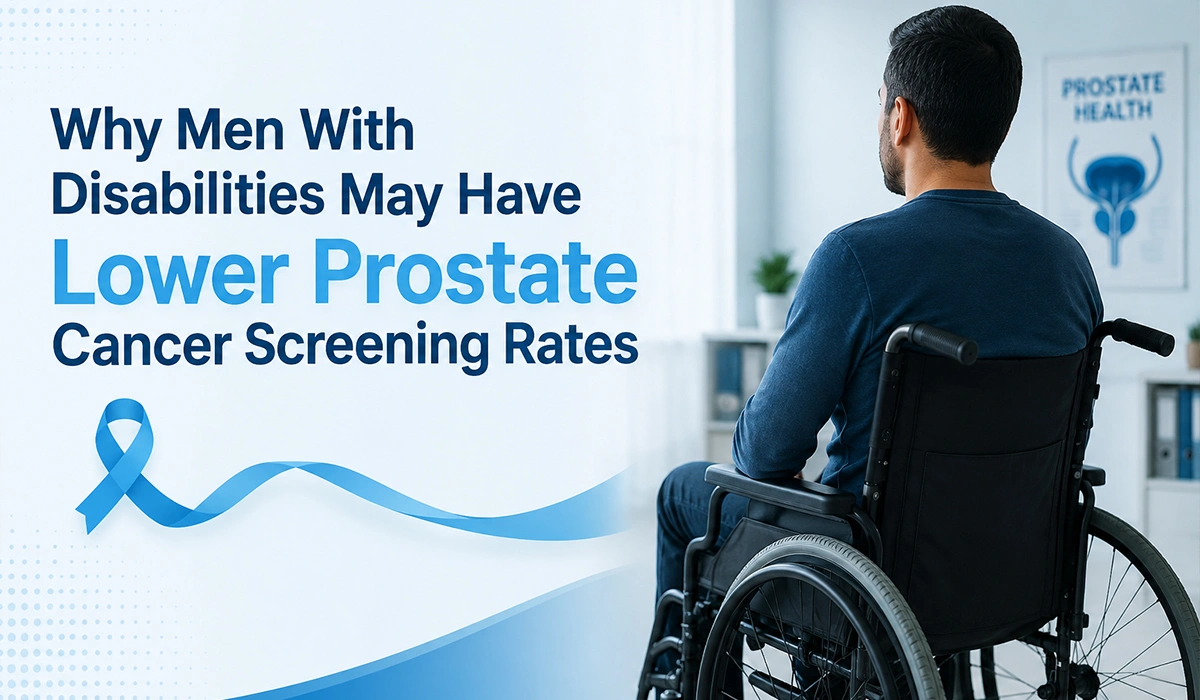
Imagine a man in his 60s who uses a wheelchair. He has regular medication, manages his daily health carefully, and rarely misses an appointment when he needs treatment.
But preventive care is different.
His clinic may be difficult to access. The appointment system may not accommodate his needs. The doctor may focus on his existing disability and chronic conditions rather than cancer prevention. Or he may simply never receive clear information about prostate cancer screening.
None of these situations necessarily means that he does not care about his health.
Sometimes, the healthcare system makes prevention harder to reach.
This matters because disability affects a large part of the global population. The World Health Organization estimates that about 1.3 billion people—16% of the world’s population—experience significant disability. WHO also identifies physical, communication, financial, transportation and attitudinal barriers as contributors to health inequities.
Research specifically examining prostate-specific antigen (PSA) testing found that men with disabilities in the United States were less likely to undergo PSA testing than men without disabilities.
So, why might this happen?
And more importantly, what can patients, families, clinicians and healthcare systems do about it?
1. What Is Prostate Cancer Screening?
Prostate cancer screening means checking for possible prostate cancer before symptoms appear. PSA testing is the main blood test used in prostate cancer early detection. Depending on the person’s risk and test results, a clinician may recommend further evaluation, which can include examination, imaging or biopsy.
The prostate is a small gland located below the bladder in men. Prostate cancer can develop without obvious symptoms, particularly during its earlier stages.
The most common screening test is the prostate-specific antigen (PSA) blood test. PSA is a protein produced by prostate tissue. However, PSA is not specific to cancer. Levels can also rise because of benign prostate enlargement or inflammation.
That distinction is important.
A high PSA does not automatically mean cancer.
Similarly, screening is not the same as diagnosis. A screening result may indicate that further evaluation is appropriate.
Practical example
A man has a PSA test and receives an elevated result. Rather than assuming he has cancer, his clinician considers his age, symptoms, medical history and other factors and may repeat the test or recommend additional investigation.
2. Why Can Men With Disabilities Have Lower Prostate Cancer Screening Rates?
Research suggests that men with disabilities may experience lower PSA testing rates because of a combination of healthcare access barriers, communication difficulties, competing health priorities, transportation challenges, and differences in healthcare utilization. Disability itself should not be assumed to cause lower screening; the evidence points toward disparities in access and preventive care.
A 2021 study using U.S. Health Information National Trends Survey data compared 782 men with disabilities with 4,569 men without disabilities. After adjustment, men with any disability had lower odds of PSA testing, with an odds ratio of 0.77 (95% CI 0.62–0.96). Having a healthcare provider, health insurance and living with a partner were among factors associated with greater PSA testing.
The study also found particularly notable differences among deaf and blind men.
This does not mean every man with a disability receives inadequate preventive care.
Instead, it highlights a population-level disparity that deserves attention.
3. Physical Accessibility Can Affect Preventive Care
A healthcare appointment is not truly accessible if a patient cannot comfortably enter the building, reach the examination area, use medical equipment, or complete the appointment without unnecessary physical barriers.
For some men with mobility disabilities, getting healthcare can involve several steps:
Arranging transportation.
Entering an accessible building.
Navigating corridors and elevators.
Accessing an appropriate examination room.
Using accessible medical equipment.
Returning home.
If any step becomes difficult, a preventive appointment can be postponed.
WHO identifies inaccessible transportation, buildings and healthcare environments among barriers that can contribute to health inequities for people with disabilities.
Practical tip for healthcare providers
Before scheduling an appointment, ask:
Does the patient need accessible transportation?
Is the entrance wheelchair accessible?
Is accessible examination equipment available?
Does the patient need additional appointment time?
Does the patient need a support person or interpreter?
Accessibility should be planned rather than improvised.
4. Communication Barriers Can Reduce Screening Awareness
Men with hearing, vision, cognitive or communication disabilities may not receive preventive-health information in a format that works for them. Clear communication, accessible information and direct conversations with patients can improve the opportunity to make informed screening decisions.
WHO notes that people with disabilities can encounter communication barriers during interactions with healthcare staff and may have difficulty accessing health information in standard formats.
For example:
A deaf patient may require a sign-language interpreter.
A patient with low vision may need large-print or accessible digital information.
A person with cognitive disabilities may benefit from simple language and visual explanations.
Someone with a speech disability may need additional time to communicate.
The key principle
Talk to the patient—not only to the caregiver.
A disability does not automatically mean that a person cannot understand, decide or participate in healthcare decisions.
5. Existing Health Conditions Can Push Cancer Prevention Into the Background
Many people with disabilities also manage other health conditions, medications, rehabilitation needs or regular specialist appointments. When healthcare becomes focused on immediate or ongoing problems, preventive services such as cancer screening can receive less attention.
Consider a patient who has appointments with:
Neurology
Physiotherapy
Orthopedics
Cardiology
Primary care
Rehabilitation services
A routine discussion about prostate cancer screening may never happen.
WHO emphasizes that people with disabilities can experience multiple health inequities and barriers within healthcare systems.
This creates an important opportunity for integrated preventive care.
A primary-care visit should not only ask, “What problem brought you here today?”
It can also ask:
“What preventive care is due for you?”
6. Transportation and Cost Can Become Hidden Screening Barriers
Transportation, appointment logistics and healthcare costs can make preventive services harder to access. These barriers may be particularly important when a screening test is not connected to an immediate symptom.
A person may think:
“I feel fine, so I can do the test later.”
But the reason screening exists is that some diseases may be present before noticeable symptoms develop.
WHO reports that people with disabilities can face substantially greater difficulty with inaccessible or unaffordable transportation and healthcare access.
CDC resources on reducing screening barriers similarly identify long travel distances, limited transportation, burdensome scheduling and facilities that are not disability-friendly as obstacles to completing cancer screening.
Practical solution
Healthcare systems can reduce friction by:
Coordinating appointments.
Offering accessible scheduling.
Providing clear directions.
Offering appropriate transportation assistance where available.
Making laboratory testing easier to access.
Using accessible digital communication.
Small changes can make preventive care much easier.
7. Healthcare Providers May Not Always Recognize Preventive-Care Needs
A disability can unintentionally become the main focus of a medical encounter. When clinicians concentrate heavily on disability-related conditions, preventive services may be overlooked unless they are deliberately incorporated into routine care.
This is not necessarily a problem of individual negligence.
It can be a system-design problem.
WHO describes inadequate provider knowledge, negative attitudes and inaccessible services as factors contributing to healthcare barriers for people with disabilities.
Healthcare professionals can help by incorporating preventive-care checklists into routine appointments.
For an eligible patient, that could include discussions about:
Cancer screening
Cardiovascular risk
Diabetes
Vaccination
Medication review
Mental health
Bone health
Lifestyle and nutrition
Practical tip
A disability-focused appointment and a preventive-health appointment do not always have to be separate.
8. Does Having a Disability Mean a Man Should Automatically Get PSA Screening?
No. Disability alone does not determine whether PSA screening is appropriate. Screening decisions depend on factors such as age, life expectancy, overall health, personal preferences and prostate-cancer risk factors. Men should discuss the potential benefits and harms with a clinician rather than assuming that screening is automatically necessary or unnecessary.
This distinction is essential.
The evidence showing lower PSA testing among men with disabilities is evidence of a screening disparity, not proof that every man with a disability should receive a PSA test.
Current international guidance emphasizes individualized risk assessment.
For example, the European Association of Urology recommends an individualized risk-adapted strategy for well-informed men with sufficient life expectancy, with earlier PSA testing for certain higher-risk groups.
The USPSTF’s current published recommendation is older and is being updated. Its 2018 guidance recommends an individual decision about PSA-based screening for men aged 55–69 after discussion of benefits and harms, and recommends against routine PSA screening for men 70 and older.
Therefore, age alone should not be used as the only consideration.
9. What Are the Main Risk Factors for Prostate Cancer?
The strongest established risk factors include increasing age and family history. Certain genetic factors and ancestry can also affect risk. A man’s personal risk profile should therefore be considered when discussing early detection.
Important factors include:
Risk factor
Why it matters
Increasing age
Prostate cancer becomes more common with age
Family history
Having close relatives with prostate cancer can increase risk
Genetic mutations
BRCA2 and some other inherited mutations can increase risk
Ancestry
Some populations have higher risk of developing aggressive disease
Previous medical findings
Certain findings may influence future risk assessment
The EAU recommends earlier PSA testing for some higher-risk men, including those with a family history, men of African descent and men carrying BRCA2 mutations.
Disability should therefore be considered alongside the person’s complete health and risk profile, rather than treated as a standalone screening indication.
10. What Happens After a PSA Test?
An abnormal PSA result does not automatically mean prostate cancer. PSA can rise for several reasons, so clinicians may repeat the test, assess risk factors and use additional diagnostic tools before deciding whether a biopsy is needed.
A simplified pathway may look like this:
PSA test → risk assessment → repeat PSA if appropriate → additional evaluation → MRI/risk assessment → biopsy when indicated
The EAU recommends repeating PSA in certain asymptomatic men with PSA levels between 3 and 10 ng/mL before moving to further investigations. For appropriate patients, MRI, validated risk calculators or additional biomarkers may help determine whether biopsy is warranted.
This is one reason why PSA screening should be approached as a decision-making process, rather than a simple yes-or-no test.
11. Why Screening Can Help—but Also Has Risks
Prostate cancer screening may help detect clinically important cancer earlier, but it can also lead to false-positive results, unnecessary biopsies, overdiagnosis and treatment-related harms. The right decision depends on an individual’s risk and preferences.
The USPSTF estimates that among 1,000 men invited to PSA screening in the evidence base it reviewed, some would experience positive tests, biopsies and treatment-related harms, while a smaller number could avoid metastatic disease or death from prostate cancer.
This is why responsible health communication should avoid statements such as:
“Everyone should get a PSA test.”
or
“PSA screening is unnecessary.”
Neither statement is appropriate for every man.
Instead:
“Discuss your individual risk and the benefits and harms of screening with your healthcare professional.”
12. How Can Healthcare Become More Disability-Inclusive?
Improving screening rates requires more than telling patients to “get screened.” Healthcare organizations need to remove barriers across the entire patient journey—from booking and transportation to communication, examination and follow-up.
A disability-inclusive prostate cancer screening pathway can include:
Before the appointment
Accessible booking systems
Clear information about screening
Transportation guidance
Interpreter arrangements
Longer appointment slots when necessary
During the appointment
Accessible entrances and rooms
Appropriate examination equipment
Direct communication with the patient
Plain-language explanations
Shared decision-making
After screening
Accessible test-result communication
Easy-to-understand next steps
Coordinated referrals
Assistance arranging follow-up appointments
WHO emphasizes that disability inclusion requires addressing physical, informational and attitudinal barriers across health systems.
13. What Can Men With Disabilities Do?
Men with disabilities can take an active role by asking whether prostate cancer screening is appropriate for them, sharing their family history and health information, and explaining any accessibility needs before an appointment.
A useful checklist:
Before your appointment, know:
Your age
Your family history of prostate cancer
Any known inherited cancer-risk mutation
Your current medications
Any previous PSA results
Any urinary or other concerning symptoms
Your accessibility requirements
Then ask:
Am I at increased risk of prostate cancer?
Should I consider a PSA test?
What are the possible benefits and harms for me?
If my PSA is elevated, what happens next?
How often would testing be appropriate if I choose it?
These questions can turn a routine appointment into a meaningful preventive-care conversation
14. What Can Families and Caregivers Do?
Families and caregivers can support preventive care by helping with transportation, appointment scheduling, communication and follow-up while respecting the man’s autonomy and decision-making rights.
Support can include:
Helping arrange accessible transportation.
Checking whether the clinic can meet accessibility needs.
Helping prepare questions.
Supporting appointment reminders.
Helping organize previous medical records.
Joining appointments when the patient wants assistance.
The goal is support, not substitution.
A caregiver should not automatically make medical decisions for an adult simply because the person has a disability.
15. What Should Healthcare Organizations Do?
Healthcare organizations can reduce prostate cancer screening disparities by making preventive care accessible by design. This means collecting disability-related access information, training staff, improving physical accessibility, providing communication support and tracking preventive-care outcomes.
A practical framework is:
Area
Action
Accessibility
Ensure entrances, rooms and equipment are usable
Communication
Provide interpreters and accessible information
Staff training
Teach disability-inclusive healthcare practices
Scheduling
Offer flexible and accessible appointment processes
Prevention
Add cancer screening prompts to routine care
Data
Monitor screening rates by disability status where appropriate
Follow-up
Make referrals and results accessible
Patient voice
Include people with disabilities when designing services
This approach moves the responsibility from the patient alone to the healthcare system.
That shift is important.
16. India: Why This Conversation Matters
India has a large and diverse population with substantial healthcare-access differences between urban and rural settings. Prostate cancer is an important male cancer in India, while disability-related screening data specifically focused on PSA testing remain less developed than the U.S. evidence base.
IARC’s GLOBOCAN 2022 India fact sheet lists prostate cancer among the leading cancers affecting Indian men, with an estimated 6.4% incidence proportion and 4.9% mortality proportion among male cancers in its India estimates.
However, it would be inappropriate to assume that the U.S. finding on lower PSA testing among men with disabilities directly represents India.
Healthcare systems, disability definitions, screening practices, insurance structures and access patterns differ between countries.
What India can learn
The broader lesson is transferable:
Cancer prevention should be accessible to people with disabilities, not merely available to them.
That means hospitals, diagnostic centres and primary-care providers should consider:
Accessible facilities
Affordable testing
Rural access
Transportation challenges
Language diversity
Sign-language support
Accessible digital health information
Disability-sensitive staff training
17. Disability Should Not Become an Invisible Health Risk
A disability should never cause healthcare professionals to assume that preventive care is unnecessary. Men with disabilities have the same right to participate in informed health decisions, including decisions about cancer prevention and screening.
The WHO describes disability-related health inequities as arising partly from unfair conditions and barriers within health systems.
This changes the question.
Instead of asking:
“Why aren’t these patients coming for screening?”
healthcare systems should also ask:
“What barriers are preventing them from getting there?”
That question leads to better solutions.
18. Prostate Cancer Screening in Men With Disabilities: Key Takeaways
The evidence points to an important but often overlooked issue: men with disabilities may be less likely to receive PSA testing, but disability itself does not determine whether screening is medically appropriate.
The most important lessons are:
Screening disparities exist. A U.S. study found lower PSA testing among men with disabilities.
Barriers can be physical, financial, informational and attitudinal.
PSA is not a cancer diagnosis. Elevated PSA can have non-cancer causes.
Screening decisions should be individualized.
Age, family history, ancestry, genetics and life expectancy matter.
Accessible communication is part of good healthcare.
Healthcare providers should not overlook preventive care because of disability.
Patients should be involved in decisions about their own health.
India needs more disability-disaggregated evidence on cancer screening.
Accessibility should be designed into healthcare systems from the beginning.
Prostate Cancer Screening in Men With Disabilities: Frequently Asked Questions
Do men with disabilities have lower prostate cancer screening rates?
Evidence from a U.S. national survey analysis found that men with disabilities were less likely to undergo PSA testing than men without disabilities. The study found an adjusted odds ratio of 0.77 for PSA testing among men with disabilities.
Does having a disability increase the risk of prostate cancer?
Disability itself should not be treated as a general prostate-cancer risk factor. Risk assessment should consider age, family history, ancestry, genetics and other individual factors.
Should every man with a disability get a PSA test?
No. PSA screening should be based on individual risk, age, health status, life expectancy and personal preferences. A healthcare professional can help determine whether testing is appropriate.
What is a PSA test?
PSA testing is a blood test that measures prostate-specific antigen. PSA can be elevated because of prostate cancer, but also because of benign prostate enlargement, inflammation and other conditions.
What age should men start prostate cancer screening?
There is no single worldwide starting age. The EAU recommends individualized early detection, with PSA testing generally beginning around age 50 for men at typical risk and earlier for certain higher-risk groups. The USPSTF’s published recommendation supports individual decision-making for men aged 55–69.
Does a high PSA mean prostate cancer?
No. PSA is not cancer-specific. An elevated result may have several causes, which is why clinicians may repeat PSA or use other assessments before recommending a biopsy.
Can a man with a disability ask for an accessible screening appointment?
Yes. Patients can tell healthcare providers about accessibility needs involving mobility, hearing, vision, communication, transportation or additional appointment time.
What are common healthcare barriers for people with disabilities?
Common barriers include inaccessible buildings and equipment, transportation difficulties, communication problems, financial barriers, scheduling challenges and negative attitudes or inadequate disability-related knowledge among healthcare workers.
Is prostate cancer screening available in India?
PSA testing and prostate cancer diagnostic services are available through healthcare facilities in India, but availability, cost and clinical practice vary by location. Men should consult a qualified clinician regarding whether testing is appropriate.
Should men with urinary symptoms wait for screening?
No. Screening generally refers to testing people without symptoms. New or concerning urinary, sexual, pelvic or other symptoms should be discussed with a healthcare professional rather than waiting for a routine screening appointment.
Only add links where the destination page actually exists and provides the promised information.
Conclusion: Prevention Should Be Accessible to Everyone
The question is not simply whether men with disabilities want prostate cancer screening.
The more important question is whether healthcare systems make that screening accessible, understandable and appropriate.
Research indicates that men with disabilities can be less likely to receive PSA testing, while WHO evidence shows that people with disabilities face substantial barriers across healthcare systems.
At the same time, prostate cancer screening is not a one-size-fits-all decision. PSA testing has potential benefits as well as harms, and recommendations differ by age, risk and individual circumstances.
For patients, the next step is simple: ask the question.
For clinicians, it is to make the conversation accessible.
And for healthcare systems, it is to remove barriers before they become missed opportunities.
Good preventive healthcare is not just about offering a test. It is about making sure every eligible person has a fair opportunity to understand it, access it and make an informed choice.
Introduction: The Kidney Problem May Start at the Grocery Aisle
Imagine a normal weekday.
Breakfast is rushed. A packaged snack goes into the office bag. Lunch comes from a restaurant. A sugary drink helps get through the afternoon. Dinner arrives late, and a heavily seasoned or processed meal feels like the easiest option.
None of these choices automatically causes chronic kidney disease (CKD). The concern is what happens when a dietary pattern like this becomes routine.
CKD is a long-term condition in which the kidneys become damaged or lose filtering ability. It is increasingly important worldwide. The latest Global Burden of Disease analysis estimated that 788 million adults aged 20 years and older were living with CKD in 2023, compared with 378 million in 1990.
Diet is not the only explanation. Diabetes, high blood pressure, cardiovascular disease, ageing, infections, genetic conditions, some medicines and other causes can contribute to kidney disease. But food can influence several of the conditions that place pressure on the kidneys—especially high blood pressure, obesity and abnormal blood glucose.
There is also growing research directly connecting certain dietary patterns with kidney outcomes. A 2024 meta-analysis found that higher consumption of ultra-processed foods was associated with greater CKD risk, while a 2025 meta-analysis involving more than 786,000 participants found an association between higher ultra-processed food intake and declining renal function. These studies are mainly observational, so they show association rather than proving that a particular food directly causes CKD.
So the important question is not “Which single food destroys the kidneys?”
It is:
Which everyday dietary patterns can increase kidney-related risk, and what can we realistically do about them?
1. What Is Chronic Kidney Disease?
Chronic kidney disease is a persistent abnormality in kidney structure or function lasting at least three months. The kidneys help remove waste and extra fluid, regulate minerals and blood pressure, and perform other essential functions. CKD can progress gradually and may remain unnoticed in its early stages.
The kidneys perform several jobs:
Filter waste products from the blood
Help control fluid balance
Regulate electrolytes and minerals
Contribute to blood-pressure regulation
Support red-blood-cell production
Help maintain bone and mineral health
One challenge is that CKD may produce few or no obvious symptoms during its early stages. WHO notes that kidney disease can remain asymptomatic until later stages, making testing important for people at increased risk.
Why diet matters
Food does not simply travel through the digestive system and disappear. Nutrients are absorbed into the bloodstream, processed by the body and eventually handled partly by the kidneys.
When kidney function is reduced, the body’s ability to maintain the balance of certain substances can change. This is why dietary management becomes particularly important after CKD develops.
Practical tip: If you have diabetes, hypertension, cardiovascular disease, a family history of kidney disease, or another kidney-risk factor, discuss appropriate screening with a healthcare professional.
2. How Can Diet Influence Kidney Health?
Diet can affect kidney health both directly and indirectly. High-sodium diets can raise blood pressure; excess calories can contribute to obesity; high intake of free sugars can contribute to metabolic problems; and highly processed dietary patterns often combine sodium, sugar and unhealthy fats. These factors can increase cardiometabolic stress associated with kidney disease.
WHO describes unhealthy diets as a major risk factor for disease and disability. It recommends dietary patterns built around variety, balance, moderation and diversity, with minimally processed foods forming the foundation.
This does not mean every person following an unhealthy diet will develop CKD. Genetics, environment, medical history and other factors matter.
In India
The dietary landscape is also changing. WHO India highlights the increased availability and consumption of highly processed convenience foods containing high amounts of energy, fats, free sugars or salt/sodium.
Traditional Indian foods are not inherently unhealthy. The issue is often balance, portion size, preparation method and frequency.
3. High-Sodium Foods: One of the Biggest Dietary Concerns
Excess sodium is important because it can contribute to higher blood pressure, a major risk factor for kidney disease. Sodium is common in packaged foods, restaurant meals, processed meats, sauces, instant foods and salty snacks—not just in the salt shaker. WHO recommends less than 2 grams of sodium per day for adults, equivalent to less than 5 grams of salt.
Common high-sodium choices include:
Food category
Examples
Packaged snacks
Chips, salted crackers, namkeen
Instant foods
Instant noodles, soup mixes
Processed meats
Sausages, cured meats
Sauces
Soy sauce, packaged dressings
Restaurant foods
Fast food, heavily seasoned meals
Convenience foods
Ready-to-eat meals
Condiments
Pickles, salty chutneys and seasoning mixes
NIDDK notes that sodium is found in table salt and many processed foods, and excess sodium can cause fluid retention and raise blood pressure.
Why hidden sodium matters
A meal may not taste extremely salty and still contain substantial sodium.
WHO reports that in many countries, a large proportion of salt comes from processed foods.
Practical swap
Instead of:
Instant noodles + packaged sauce
Try:
Vegetable noodles prepared at home + herbs/spices + controlled salt
The goal is not tasteless food. Herbs, lemon, garlic, ginger, coriander and other spices can add flavour without relying entirely on salt.
4. Sugary Drinks: A Risk Worth Watching
Frequent consumption of sugar-sweetened beverages can contribute to excess sugar and calorie intake and may indirectly increase kidney risk through obesity, diabetes and metabolic disease. Emerging population-level research also suggests a relationship between sugar-sweetened beverage intake and CKD burden, although individual risk depends on the overall dietary and health context.
Sugar-sweetened beverages can include:
Soft drinks
Sweetened energy drinks
Sweetened packaged beverages
Some flavoured drinks
Sweetened tea or coffee
Syrups and other sugary beverages
WHO recommends limiting free sugars to less than 10% of total daily energy intake, with further reduction toward 5% potentially providing additional health benefits.
A recent global analysis of CKD attributable to dietary factors found that a diet high in sugar-sweetened beverages was associated with the largest increase in CKD burden among the dietary risks examined in that analysis.
That finding should be interpreted carefully: it does not mean one soft drink causes CKD. It highlights why long-term dietary patterns deserve attention.
Better everyday choices
Water
Unsweetened beverages
Plain milk where appropriate
Whole fruit instead of sugary drinks
Unsweetened tea or coffee
5. Ultra-Processed Foods: Convenience Comes With a Nutrition Trade-Off
Ultra-processed foods are industrially formulated products that often contain combinations of refined ingredients, additives and flavouring agents. Many are high in sodium, free sugars or unhealthy fats and relatively low in fibre and nutritional quality. Higher consumption has been associated with CKD and declining kidney function in recent observational research.
Examples may include:
Packaged chips
Processed meat products
Some frozen meals
Packaged pastries
Candy and confectionery
Sugary beverages
Some instant meals
Highly formulated snack products
KDIGO’s 2024 CKD guideline recommends that people with CKD adopt healthy, diverse diets with more plant-based foods than animal-based foods and less ultra-processed food.
A 2024 systematic review and meta-analysis found high ultra-processed food consumption was associated with a 25% higher relative risk of CKD compared with lower consumption. Another 2025 analysis involving 786,216 participants found higher UPF intake was associated with greater risk of declining renal function.
However, these are observational findings. They cannot establish that processing itself is the sole cause.
Practical rule
Instead of asking:
“Is this food processed?”
Ask:
“How often am I eating highly processed foods compared with minimally processed foods?”
That is a more useful question for everyday life.
6. Processed Meat and High-Salt Animal Foods
Processed meats can be problematic because they may contain substantial sodium and other additives. For kidney health, the broader dietary pattern matters more than declaring all animal foods harmful.
Processed meats can include:
Sausages
Bacon
Cured meats
Some deli meats
Salted or preserved meat products
WHO recommends limiting processed meats as part of a healthy diet, particularly because they can be high in salt and fat.
For someone without CKD, a balanced diet can include different protein sources according to individual nutritional needs.
For someone with CKD, however, protein quantity and sources may need individualized planning.
Important: Do not assume that replacing every animal protein with unlimited plant protein is automatically appropriate. Kidney disease changes nutritional requirements, and a renal dietitian can help determine the right approach.
7. Too Much Protein: Is High Protein Always Better?
No. Protein is essential, but people with CKD may need an appropriate—not excessive—amount. Protein produces nitrogen-containing waste that the kidneys help remove. KDIGO recommends individualized dietary management, while NIDDK emphasizes finding an appropriate protein balance that supports nutrition without creating unnecessary problems.
This is particularly relevant because high-protein diets have become popular for:
Weight loss
Muscle building
Fitness
Low-carbohydrate eating
For a healthy person, protein requirements differ from those of someone with CKD.
For people with CKD, dietary protein should not be dramatically reduced without professional guidance because inadequate intake can contribute to malnutrition.
Practical tip
If you have CKD and use:
Protein powders
High-protein shakes
Sports nutrition products
High-protein diets
Multiple protein supplements
discuss them with your doctor or renal dietitian.
8. Phosphorus: The “Hidden” Ingredient on Food Labels
Phosphorus becomes especially important when kidney function is reduced because damaged kidneys may have difficulty maintaining normal phosphorus levels. Processed foods may contain phosphorus additives that are readily absorbed.
NIDDK specifically advises people with CKD to watch for phosphorus additives in packaged and processed foods. Ingredient lists may contain terms including “phos,” such as phosphoric acid or disodium phosphate.
Common sources can include:
Processed meats
Packaged foods
Some flavoured beverages
Processed cheese products
Boxed foods
Certain convenience foods
But this does not mean everyone should avoid phosphorus-rich foods.
Phosphorus is naturally present in nutritious foods such as dairy, beans, nuts, seeds and meats.
The correct approach depends on:
CKD stage
Blood phosphorus level
Diet
Medication
Overall nutritional status
Practical tip: If you have CKD, learn to read ingredient lists rather than simply eliminating entire food groups.
9. Potassium: Healthy for Many, Restricted for Some
Potassium is an essential mineral, and many potassium-rich foods are healthy. However, some people with CKD develop high blood potassium and may need individualized restrictions. Therefore, “low potassium” is not automatically the right diet for every person with kidney disease.
NIDDK explains that CKD can make it harder for the kidneys to remove potassium, potentially causing levels to become too high. High or low potassium levels can cause serious heart and muscle problems.
This is one reason generic “kidney diet food lists” can be misleading.
For one person, a food may be completely appropriate.
For another person with CKD and hyperkalemia, portion size or preparation may need to change.
Practical tip
Do not eliminate bananas, tomatoes, potatoes, oranges or other nutritious foods solely because an online list calls them “bad for kidneys.”
Know your blood test results and follow individualized advice.
10. Red Meat, Plant Foods and Overall Dietary Pattern
The evidence increasingly supports dietary patterns that include more minimally processed plant foods and less ultra-processed food, while keeping animal foods in appropriate amounts. KDIGO recommends higher consumption of plant-based foods compared with animal-based foods for people with CKD.
Plant-forward eating can include:
Vegetables
Fruits
Whole grains
Pulses
Beans
Lentils
Nuts and seeds where appropriate
Other minimally processed foods
KDIGO notes that dietary patterns such as DASH and Mediterranean-style diets emphasize vegetables, fruits, whole grains, legumes and other minimally processed foods and may offer benefits for people with CKD.
The key word is pattern.
Eating one salad does not cancel a highly processed diet. Similarly, eating one restaurant meal does not make an otherwise balanced diet unhealthy.
11. What Should You Eat More Often?
For general kidney-risk reduction, focus on a varied diet built mainly from minimally processed foods, with appropriate portions and less sodium, free sugar and ultra-processed food. For established CKD, the exact balance of potassium, phosphorus, protein, fluids and other nutrients should be individualized.
A practical framework:
Eat more often
Eat less often
Vegetables
Highly salted snacks
Whole or minimally processed grains
Sugary drinks
Pulses and legumes
Processed meats
Whole fruits
Ultra-processed snacks
Appropriate protein sources
Excessively salty restaurant meals
Unsalted or lightly salted foods
Foods with frequent phosphorus additives
Home-prepared meals
Highly processed convenience meals
WHO recommends a diverse diet including vegetables, fruits, legumes, whole grains and appropriate protein sources while limiting foods high in unhealthy fats, free sugars and sodium.
12. A Simple Kidney-Friendly Plate Strategy
A useful general strategy is to build meals around minimally processed foods, vegetables or other plant foods, an appropriate protein source and a suitable whole-grain or staple carbohydrate, while controlling added salt and sugar. People with CKD may need further modifications based on laboratory results and disease stage.
For someone without a medically prescribed renal diet, a simple meal could look like:
½ plate: vegetables ¼ plate: appropriate protein ¼ plate: whole grain or other staple food Plus: fruit or another suitable food according to individual needs
But CKD changes this equation.
For example, a person with advanced CKD, high potassium, high phosphorus or fluid restrictions may require a different plan.
Home-cooked grain + vegetables + suitable protein + water/unsweetened beverage
The second meal does not have to be perfect. It simply shifts the dietary pattern in a healthier direction.
13. Foods to Watch: A Quick Comparison
Food or category
Why watch it?
Better approach
Chips/namkeen
Often high in sodium
Smaller portions; unsalted alternatives
Sugary drinks
High free sugar; excess calories
Water or unsweetened drinks
Instant noodles
Often high sodium and highly processed
Homemade noodles with vegetables
Processed meats
Often high salt and additives
Less frequent; minimally processed alternatives
Packaged pastries
Sugar, unhealthy fats, refined ingredients
Whole-food snacks more often
Fast food
Often high sodium, calories and saturated fat
Home-prepared meals more often
High-protein supplements
May provide more protein than needed for some CKD patients
Use only when appropriate
Foods with phosphate additives
Can raise phosphorus exposure in CKD
Check labels
Salt substitutes
Some contain potassium chloride
Ask a clinician if CKD is present
14. What About Indian Foods?
Indian cuisine can absolutely fit a kidney-conscious eating pattern. The focus should be on preparation, portions, sodium, added sugar and individual medical needs—not on labeling traditional Indian foods as universally good or bad.
Potentially useful everyday choices include:
Dal in an appropriate portion
Vegetables prepared with controlled salt
Whole grains where suitable
Fresh fruit where potassium restrictions do not apply
Homemade meals
Unsalted or lightly salted foods
Herbs and spices for flavour
Foods to watch include:
Pickles
Papad
Packaged namkeen
Instant noodles
Highly salted chutneys and sauces
Processed meats
Sugary beverages
Restaurant foods with heavy seasoning
WHO India specifically recognizes the growing consumption of highly processed convenience foods high in energy, fats, free sugars and sodium as a dietary concern.
Practical Indian meal principle
“Ghar ka khana” is not automatically kidney-friendly—but it gives you greater control over salt, sugar, oil and ingredients.
15. How to Read a Food Label for Kidney Health
Start with serving size, sodium and the ingredient list. If you have CKD, also look for phosphorus additives and check potassium when advised by your healthcare professional.
When shopping, check:
1. Serving size
A packet may contain several servings.
2. Sodium
Compare similar products and select lower-sodium options when possible.
3. Added sugars
Look for products with less added/free sugar.
4. Ingredients containing “phos”
This can indicate added phosphorus.
5. Potassium
Pay attention if your clinician has advised potassium restriction.
NIDDK recommends checking food labels for sodium and phosphorus additives and notes that processed foods can contain substantial amounts of both.
16. What If You Already Have CKD?
Do not make major dietary restrictions based on a generic internet list. CKD nutrition is individualized. Kidney function, CKD stage, diabetes, blood pressure, potassium, phosphorus, protein requirements, medications and dialysis status can all change dietary recommendations.
KDIGO recommends education from renal dietitians or accredited nutrition providers regarding sodium, phosphorus, potassium and protein according to individual needs and CKD severity.
For example:
Person A: Early CKD + normal potassium + normal phosphorus → May need emphasis on sodium, overall dietary quality and appropriate protein.
Person B: Advanced CKD + high potassium → May need potassium-specific modifications.
Person C: Dialysis patient → Protein and fluid requirements may differ significantly.
That is why a single “kidney food chart” cannot safely replace individualized care.
17. Can Changing Your Diet Prevent CKD?
Healthy eating can reduce important risk factors for CKD, but no diet can guarantee prevention. Diabetes, hypertension, age, genetics, infections, medications and other causes also influence kidney health.
NIDDK recommends healthy meals and reducing salt and added sugars as part of CKD prevention.
High blood pressure is particularly important. WHO identifies hypertension as a major cause of CKD, while diabetes is also a leading cause of kidney failure.
18. A 7-Day Habit Reset for Better Dietary Awareness
Rather than attempting an extreme “kidney detox,” try a simple seven-day experiment.
Day 1
Check how much sodium is in your most frequently eaten packaged food.
Day 2
Replace one sugary beverage with water or an unsweetened drink.
Day 3
Prepare one meal at home with less added salt.
Day 4
Add an extra serving of vegetables or another suitable plant food.
Day 5
Read the ingredient list of a packaged food and look for phosphorus-related additives if relevant to you.
Day 6
Choose a minimally processed snack instead of an ultra-processed snack.
Day 7
Review your week.
Ask:
Did I reduce packaged food?
Did I reduce sugary drinks?
Did I reduce excess salt?
Did I eat more whole/minimally processed foods?
Can I repeat these habits?
Small changes that become routine are generally more sustainable than extreme short-term diets.
Frequently Asked Questions About Dietary Risks Driving the Rising Global CKD Burden
1. What foods increase the risk of chronic kidney disease?
There is no single food that universally causes CKD. Dietary patterns high in sodium, free sugars and ultra-processed foods may increase risk, particularly through hypertension, diabetes and other metabolic pathways. Research has also associated higher ultra-processed food consumption with CKD and declining renal function.
2. Are salty foods bad for the kidneys?
Excess sodium can contribute to fluid retention and high blood pressure, which can place additional stress on the cardiovascular system and kidneys. Common sources include processed foods, restaurant meals, salty snacks, sauces and processed meats.
3. Are sugary drinks linked to kidney disease?
Frequent sugary-drink consumption can contribute to excess free sugar and calories and may increase metabolic risk. A global dietary-risk analysis found sugar-sweetened beverages were associated with a substantial increase in CKD burden among the dietary risks studied.
4. Are ultra-processed foods bad for kidney health?
Higher intake of ultra-processed foods has been associated with greater CKD risk and declining renal function in several observational studies and meta-analyses. However, association does not prove that ultra-processing itself causes CKD.
5. Should everyone with CKD avoid bananas and tomatoes?
No. Potassium restrictions depend on kidney function and blood potassium levels. Some people with CKD need potassium restriction, while others do not. Dietary decisions should be individualized.
6. Is a high-protein diet safe for people with CKD?
Not necessarily. Protein is essential, but excessive intake may be inappropriate for some people with CKD. Protein needs should be determined according to kidney function, nutritional status and medical advice.
7. What is the best diet for kidney health?
There is no universal kidney diet. In general, a varied diet based more heavily on minimally processed plant foods and lower in ultra-processed foods, sodium and excess free sugars is consistent with major health guidance. People with CKD may require additional restrictions.
8. Can diet reverse chronic kidney disease?
Diet alone cannot be assumed to reverse CKD. Appropriate nutrition can help manage risk factors and complications and may help slow progression in some circumstances. Treatment should be based on the cause and stage of CKD.
9. Should people with CKD stop eating all processed foods?
Not necessarily. The practical goal is to reduce highly processed foods and identify important nutrients such as sodium and phosphorus additives. A renal dietitian can help create realistic choices without unnecessary food restrictions.
10. What should I do if I am worried about my kidney health?
Speak with a healthcare professional about your individual risk. Testing may include blood and urine assessments depending on your circumstances. Early CKD can be difficult to detect from symptoms alone, so people at increased risk may benefit from appropriate screening.
Practical Takeaways
The biggest lesson is not that you need to fear individual foods.
It is that dietary patterns matter.
Watch more closely:
Excess sodium
Frequent sugary drinks
Highly processed snacks
Processed meats
Excessive fast food
Diets heavily dependent on ultra-processed foods
Unsupervised high-protein diets
Foods with phosphorus additives when CKD is present
Build more often around:
Vegetables
Fruits when appropriate
Whole or minimally processed grains
Pulses and legumes
Appropriate protein
Home-prepared foods
Water and unsweetened beverages
Herbs and spices instead of excessive salt
The latest global evidence shows that CKD is already a major health burden, with hundreds of millions of adults affected worldwide.
But the solution is not a miracle “kidney detox.”
It is better food environments, better awareness, earlier testing for people at risk, appropriate treatment of diabetes and hypertension, and sustainable dietary habits.
Your kidneys do not need a perfect diet. They need a healthier pattern, repeated consistently.
India-Specific Perspective
For readers in India, kidney-health nutrition should be adapted to local eating habits rather than copied from Western food lists.
A practical Indian approach can include:
More often: Dal, vegetables, whole/minimally processed grains, suitable fruits, home-cooked meals and appropriate protein sources.
Less often: Packaged namkeen, pickles, instant noodles, processed meats, sugary beverages, highly salted restaurant foods and heavily processed snacks.
However, if CKD is already diagnosed, even healthy Indian foods may need portion or preparation changes based on potassium, phosphorus, sodium and protein requirements.
This is particularly important because India faces a substantial burden of diabetes and hypertension—two major conditions connected with kidney disease. WHO India reports that diabetes is among the leading causes of kidney failure and that hypertension remains a major cardiovascular risk factor.
Why This Matters for Healthcare Brands and Public Health
The dietary CKD conversation is not simply about telling people what they cannot eat.
Healthcare organizations, nutrition professionals and public-health communicators can make a bigger difference by translating complex kidney science into practical decisions:
How to read a food label
How to reduce sodium without losing flavour
How to recognize ultra-processed foods
How to choose drinks
When protein intake needs professional guidance
Why potassium advice differs between patients
Why early kidney testing matters
How diabetes and blood-pressure control connect to kidney health
This approach is more useful than fear-based messaging.
The goal should be better decisions, not food anxiety.
Introduction: Why the 2026 Ebola Outbreak Is Drawing Global Attention
In May 2026, health authorities in the Democratic Republic of the Congo (DRC) confirmed a new Ebola outbreak in Ituri Province. What initially appeared to be clusters of severe illness quickly became a major public-health emergency.
The outbreak is caused by Bundibugyo virus, a species of Ebola virus that has caused outbreaks before but is much less common than some other Ebola species. WHO says the DRC outbreak was declared on 15 May, and on 17 May the WHO Director-General determined that the outbreak in DRC and Uganda constituted a Public Health Emergency of International Concern (PHEIC).
The situation has since changed dramatically.
As of 17 August 2026, reports put the outbreak at 4,945 confirmed cases and at least 2,325 deaths, making it the deadliest Ebola outbreak in the DRC’s history. It has expanded to six provinces, with Ituri remaining the main centre of transmission.
WHO says the outbreak could still potentially be brought under control within months if sufficient resources are mobilized, but delayed detection, insecurity, strained healthcare systems and gaps in surveillance remain major challenges.
So what exactly is happening?
What is Bundibugyo virus? How does Ebola spread? What are the symptoms? And what can communities and travellers do to reduce the risk?
Let’s break it down.
What Is the Ebola Outbreak in the Democratic Republic of Congo 2026?
The 2026 DRC Ebola outbreak is an ongoing outbreak of Bundibugyo virus disease, first confirmed in Ituri Province in May 2026. It has since spread to multiple provinces and across borders, including Uganda. WHO and national authorities are coordinating surveillance, testing, treatment, infection prevention and community engagement.
Ebola is a severe viral disease that can cause serious illness and death.
The 2026 outbreak is unusual because it involves Bundibugyo virus, rather than the more commonly discussed Zaire ebolavirus.
The outbreak began in northeastern DRC, with the initial cluster linked to the Mongbwalu and Rwampara health zones in Ituri Province. Laboratory testing by the National Institute of Biomedical Research confirmed the virus.
Why it matters
The outbreak is occurring in an area affected by:
Insecurity and armed conflict
Population movement
Mining activity
Limited healthcare access
Cross-border travel
Displacement
Misinformation
These factors can make it harder to identify cases quickly and trace people who may have been exposed.
How Large Is the Ebola Outbreak in DRC?
The outbreak has grown rapidly. WHO reported 3,605 confirmed cases and 1,587 deaths by 30 July. By 17 August, media reports citing health authorities reported 4,945 confirmed cases and at least 2,325 deaths. The outbreak has expanded from Ituri to six provinces.
The numbers have increased partly because surveillance and testing have expanded.
This is important when interpreting outbreak statistics.
An increase in reported cases can sometimes reflect better detection, not only a sudden increase in transmission.
However, in this outbreak, WHO has also documented sustained transmission and geographic expansion.
By late July, WHO described it as the largest Ebola outbreak ever reported in the DRC. At that stage, cases had been identified across five provinces and 49 health zones.
The outbreak later expanded to Bas-Uele, becoming the sixth affected province.
Current situation at a glance
Indicator
2026 situation
Country
Democratic Republic of the Congo
Virus
Bundibugyo virus
First confirmed
May 2026
Main epicentre
Ituri Province
Provinces affected
Six by mid-August
International spread
Uganda reported linked cases
International status
PHEIC declared in May
Main challenges
Surveillance, insecurity, healthcare capacity and resources
Because the outbreak is ongoing, readers should use WHO and DRC Ministry of Health updates for the newest numbers.
What Is Bundibugyo Virus?
Bundibugyo virus is one of the viruses that causes Ebola disease. It was first identified in Uganda’s Bundibugyo district in 2007. It can cause severe disease, and previous outbreaks have had case-fatality rates ranging from roughly 30% to 50%, according to WHO.
The virus belongs to the group of viruses responsible for Ebola disease.
One important feature of the 2026 outbreak is that there is no licensed vaccine or specific treatment specifically approved for Bundibugyo virus, according to WHO’s outbreak information. Research into candidate vaccines and treatments is ongoing.
This does not mean patients have no medical care.
Supportive treatment is extremely important.
Healthcare teams can manage complications, maintain hydration, monitor vital functions and provide intensive supportive care.
Early medical care can make an important difference.
Where Did the 2026 Ebola Outbreak Begin?
The outbreak was first detected in Mongbwalu Health Zone in Ituri Province, northeastern DRC. WHO was alerted on 5 May after reports of severe illness and deaths, including deaths among healthcare workers. Laboratory testing confirmed Bundibugyo virus on 15 May.
Ituri is an important region for understanding why this outbreak has been difficult to control.
The province has:
Major population movement
Mining activity
Remote communities
International borders
Security challenges
Limited infrastructure in some areas
The initial outbreak was associated with areas where people move for work, healthcare and trade.
That creates challenges for contact tracing.
If someone becomes infected in one location and travels before symptoms are recognized, health authorities must identify and monitor people who may have been exposed.
How Does Ebola Spread?
Ebola spreads primarily through direct contact with the blood or other body fluids of an infected person who has symptoms, or through contact with contaminated materials. Transmission can also occur during unsafe handling of bodies after death. Ebola is not spread simply by being near someone in the same room without contact.
The virus can be present in bodily fluids such as:
Blood
Vomit
Diarrhoeal fluids
Urine
Saliva
Breast milk
Semen
Other body fluids
Risk increases when people provide close physical care to someone who is sick without appropriate protection.
Traditional burial practices can also become a transmission risk if mourners come into contact with the body.
This is why safe and dignified burial procedures are a major part of Ebola outbreak response.
Practical takeaway
The safest approach is not to handle the body or bodily fluids of someone suspected or confirmed to have Ebola and to follow instructions from public-health authorities.
For years, the conversation around lung cancer has sounded simple: smoking causes lung cancer, so non-smokers are not at risk.
But real life is more complicated.
Consider a person living in a major Indian city. They may never have smoked a cigarette, yet spend years exposed to outdoor air pollution, traffic emissions or workplace dust. Another person may have spent decades around biomass cooking smoke. Someone else may have a family history of lung cancer or a chronic lung condition.
Does that automatically mean they should receive a CT scan every year?
No.
But it does mean that lung cancer risk cannot always be understood by asking only one question: “Do you smoke?”
The World Health Organization identifies tobacco smoking as the leading risk factor for lung cancer, while also recognizing secondhand smoke, outdoor and household air pollution, occupational exposures, radon, chronic lung disease and genetic susceptibility as important contributors.
This distinction is particularly important in India, where exposure patterns can differ from those in Western populations.
At the same time, there is an important medical reality: India does not currently have a universally adopted national lung cancer screening programme for the general population. The National Institute of Cancer Prevention and Research (NICPR) states that there are no recommended national guidelines for lung cancer screening in India and identifies low-dose CT as the screening method used for appropriately selected high-risk people.
So the goal is not to suggest that everyone should get screened.
The goal is to understand who may be at higher risk, what screening can and cannot do, and why a broader risk conversation matters.
1. What Is Lung Cancer Screening?
Lung cancer screening is testing people who do not have symptoms to look for lung cancer at an earlier stage. The established screening test for people at sufficiently high risk is low-dose computed tomography (LDCT). It is different from diagnostic testing, which is performed when symptoms or other findings already suggest disease.
What does screening actually mean?
Screening is not the same as checking whether your lungs are “healthy.”
A screening programme is designed to identify possible cancer before symptoms appear, in people whose risk is high enough that the benefits of early detection are expected to outweigh potential harms.
LDCT uses a lower radiation dose than a standard diagnostic CT scan and can identify small lung abnormalities that may not be visible on a conventional chest X-ray.
However, an abnormal scan does not automatically mean cancer.
A lung nodule can have many possible causes, including previous infection, inflammation or other non-cancerous conditions.
Practical tip: Do not order a CT scan simply because you are worried about lung cancer. Discuss your age, smoking history, symptoms, family history and environmental or occupational exposures with a qualified doctor first.
2. Why Smoking Is Not the Only Lung Cancer Risk Factor
Smoking remains the most important preventable risk factor for lung cancer, but it is not the only one. WHO lists secondhand smoke, household and outdoor air pollution, occupational exposures such as asbestos and silica, radon, certain chronic lung diseases and genetic susceptibility among other risk factors.
The misconception that “non-smoker equals no risk” can create a false sense of security.
India has several exposure patterns worth considering:
Risk factor
Possible exposure
Active smoking
Cigarettes, bidis and other tobacco products
Secondhand smoke
Household, workplace or social exposure
Outdoor air pollution
PM2.5, traffic and industrial emissions
Household air pollution
Smoke from solid fuels and poor ventilation
Occupational exposure
Asbestos, silica, diesel exhaust and industrial dust
Chronic lung disease
Certain long-standing lung conditions
Family history
Genetic susceptibility may contribute
Radon
Naturally occurring radioactive gas in some environments
These factors do not mean that exposure will inevitably cause cancer.
Rather, they help explain why lung cancer risk is multifactorial.
3. How Air Pollution Changes the Conversation in India
Long-term exposure to air pollution is an established lung cancer risk factor. WHO identifies both outdoor and household air pollution among important contributors to lung cancer. However, air pollution exposure alone does not currently mean that every non-smoker should receive routine LDCT screening.
Air pollution is particularly relevant to conversations about lung health in densely populated Indian cities.
Fine particulate matter can penetrate deep into the respiratory system. Long-term exposure can contribute to respiratory and cardiovascular disease and is also associated with lung cancer risk.
But there is a crucial distinction:
Risk factor ≠ screening eligibility.
Someone may have significant pollution exposure but still not meet evidence-based criteria for routine lung cancer screening.
This is one reason personalized medical assessment is important.
Practical example
A 42-year-old person who has never smoked but lives in a heavily polluted urban environment should not automatically conclude that they need annual CT scans.
Instead, a doctor may consider:
Age
Symptoms
Duration and intensity of exposure
Occupational history
Family history
Existing lung disease
Previous imaging
Overall health
4. What About Lung Cancer in Non-Smokers?
Yes, lung cancer can occur in people who have never smoked. WHO recognizes several non-smoking-related risk factors. However, current major screening recommendations generally focus on people at substantially elevated risk, particularly based on age and smoking history, rather than recommending routine LDCT for every non-smoker.
This is an important balance.
The fact that non-smokers can develop lung cancer does not mean that every non-smoker should undergo CT screening.
At present, there is insufficient evidence to support population-wide LDCT screening of all people who have never smoked.
Research is continuing to investigate whether more sophisticated risk models can identify additional groups who could benefit.
Some Indian clinical observations have also drawn attention to lung cancer among never-smokers, particularly women. For example, a 2024 ASCO-reported observational study examined 89 never-smoking women from non-smoking families at a cancer centre in Karnataka and highlighted the need to investigate environmental and other potential risk factors.
Such studies are important—but they should not be interpreted as proof that every non-smoker requires CT screening.
5. Which Indian Workers May Face Higher Risk?
Certain occupations can involve long-term exposure to substances associated with lung cancer, including asbestos, silica, diesel exhaust, dust and industrial fumes. A detailed occupational history can therefore be an important part of assessing lung cancer risk, especially when exposure has been prolonged.
Occupational history is sometimes overlooked during routine health discussions.
People who have worked around:
Construction dust
Asbestos-containing materials
Mining environments
Silica
Diesel exhaust
Industrial chemicals
Welding fumes
Heavy particulate matter
may have exposures worth discussing with a healthcare professional.
The risk depends on the substance, intensity and duration of exposure, workplace controls and other personal factors.
Practical tip
If you have spent years in an industrial or dusty workplace, don’t simply tell your doctor that you are a “non-smoker.”
Explain what you worked with and for how many years.
That information may be clinically more useful.
6. Does Family History Matter?
A family history of lung cancer may contribute to an individual’s overall risk, although it does not mean that a person will develop the disease. Family history should be considered alongside age, smoking, environmental exposure, occupational exposure and other health factors.
Genes can influence how the body responds to environmental exposures.
A person with a close relative who developed lung cancer may therefore reasonably ask whether their own risk is higher.
The answer depends on the broader picture.
Doctors may consider:
Which relative had lung cancer
Their age at diagnosis
Whether they smoked
Whether multiple relatives were affected
The patient’s own smoking history
Environmental and occupational exposure
A family history is a risk signal, not a diagnosis.
7. What Role Do Chronic Lung Conditions Play?
Some chronic lung diseases are associated with increased lung cancer risk. WHO lists certain chronic lung diseases among lung cancer risk factors. A person with persistent respiratory problems should discuss their symptoms and medical history with a healthcare professional rather than relying on routine screening alone.
Long-standing lung disease can make the clinical picture more complicated.
For example, symptoms such as chronic cough or breathlessness may be attributed to an existing condition when another problem needs investigation.
This is why doctors consider changes from a person’s normal pattern.
Important distinction
Screening: for people without symptoms.
Diagnostic evaluation: for someone with symptoms or an abnormal clinical finding.
If a person develops concerning symptoms, they should not wait for a routine screening appointment.
8. When Is Low-Dose CT Recommended?
There is strong evidence for annual LDCT screening in appropriately selected high-risk adults. For example, the USPSTF recommends annual LDCT for adults aged 50–80 years who have at least a 20 pack-year smoking history and currently smoke or quit within the previous 15 years. These criteria are not an Indian national guideline.
A pack-year measures cumulative cigarette smoking exposure.
For example:
1 pack per day for 20 years = 20 pack-years
2 packs per day for 10 years = 20 pack-years
½ pack per day for 40 years = 20 pack-years
The USPSTF criteria are useful as an international evidence reference, but they should not simply be copied into Indian healthcare practice.
NICPR specifically notes that India does not currently have recommended national lung cancer screening guidelines.
This makes individualized medical decision-making particularly important.
9. Can Lung Cancer Screening Go Beyond Smoking?
Risk assessment can go beyond smoking, but routine LDCT screening for non-smokers is not yet established as a universal recommendation. Doctors can consider environmental exposures, occupational history, family history, age and underlying lung conditions when deciding whether an individual needs further evaluation.
This distinction is central to the future of lung cancer prevention.
International guidelines have begun exploring more sophisticated approaches to identifying high-risk individuals.
The CHEST guideline, for example, discusses validated risk-prediction calculations and life-year-gained approaches for selected people who do not fit traditional age-and-smoking criteria but may still have a sufficiently high predicted net benefit from screening.
That does not mean every person with pollution exposure should receive LDCT.
It means the future of screening may become more risk-based and personalized.
10. Screening vs Diagnostic Testing: What Is the Difference?
Feature
Screening
Diagnostic evaluation
Main purpose
Find disease before symptoms
Investigate symptoms or abnormal findings
Typical population
Selected high-risk people without symptoms
People with symptoms or concerning findings
Common imaging method
LDCT in eligible high-risk groups
CT or other tests depending on the situation
Does an abnormal result confirm cancer?
No
No
May require biopsy?
Sometimes, depending on findings
Sometimes
Requires medical interpretation?
Yes
Yes
Quick answer
Screening is not a substitute for seeing a doctor when symptoms occur. A person with persistent symptoms may need diagnostic evaluation regardless of whether they meet screening criteria. Screening programmes are intended for people without symptoms who have sufficient risk to justify testing.
This distinction can prevent dangerous delays.
11. What Symptoms Should Never Be Ignored?
Possible symptoms of lung cancer include a persistent cough, chest pain, shortness of breath, coughing up blood, unexplained weight loss, fatigue and repeated lung infections. These symptoms can also occur with many other conditions, so they do not automatically indicate cancer.
Seek medical evaluation if symptoms are:
Persistent
Getting worse
Unexplained
Different from your usual respiratory symptoms
Particularly important warning signs include:
Cough that does not go away
Blood in sputum
Unexplained weight loss
Persistent chest discomfort
Increasing breathlessness
Repeated respiratory infections
Unexplained fatigue
Do not wait for a screening scan simply because you want to “check.”
If symptoms are present, medical evaluation comes first.
12. How Can Indians Understand Their Personal Lung Cancer Risk?
A useful risk conversation should look beyond smoking and consider age, tobacco exposure, secondhand smoke, air pollution, household fuel exposure, occupation, family history, chronic lung disease and symptoms. The result should be discussed with a healthcare professional rather than interpreted through a single online risk calculator.
A simple personal checklist can help.
Ask yourself:
1. Tobacco exposure Have I ever smoked? For how long and how much?
2. Secondhand smoke Have I lived or worked around regular tobacco smoke?
3. Air pollution Have I experienced prolonged exposure to high levels of outdoor or indoor pollution?
4. Occupation Have I worked around asbestos, silica, diesel exhaust, dust or industrial chemicals?
5. Family history Has a close family member developed lung cancer?
6. Lung health Do I have a chronic lung condition?
7. Symptoms Do I have persistent or unexplained respiratory symptoms?
8. Age and overall health Would screening provide meaningful benefit given my age and health status?
This framework does not diagnose cancer.
It simply creates a better conversation with a doctor.
13. Benefits and Limitations of Low-Dose CT Screening
LDCT can detect lung cancer earlier in appropriately selected high-risk populations and has been shown to reduce lung cancer mortality. However, screening can also produce false-positive findings, overdiagnosis and radiation exposure. Therefore, it is most useful when targeted to people likely to benefit.
Potential benefits
Earlier detection
Greater opportunity for potentially curative treatment
Reduced lung cancer mortality in appropriately selected high-risk populations
Detection of small abnormalities before symptoms appear
Potential limitations
False-positive findings
Anxiety from indeterminate nodules
Additional imaging
Possible invasive procedures
Overdiagnosis
Radiation exposure
This is why “more screening” does not automatically mean “better healthcare.”
The right question is:
Who is most likely to benefit from screening, and who is more likely to experience its harms?
14. What Should India Do About Lung Cancer Risk Beyond Smoking?
India needs a broader approach combining tobacco control, air-pollution reduction, workplace safety, public awareness, timely diagnosis and research into risk-based screening. At present, India does not have a universally recommended national lung cancer screening programme, making evidence-based clinical assessment particularly important.
A future lung cancer strategy could involve several layers.
Prevention
Reduce tobacco use
Avoid secondhand smoke
Improve workplace safety
Reduce exposure to hazardous dust and fumes
Improve household ventilation
Address air pollution
Early detection
Improve awareness of warning symptoms
Strengthen diagnostic facilities
Reduce delays between symptoms and diagnosis
Improve access to specialist care
Research
Study Indian-specific risk patterns
Understand lung cancer among never-smokers
Evaluate pollution-related risk
Develop validated risk-prediction models
Determine whether broader screening strategies are beneficial
India needs solutions based on Indian evidence, not simply guidelines imported from another population.
15. What Should You Do If You Are Worried About Your Risk?
Start with a risk assessment rather than automatically booking a CT scan. Tell your doctor about smoking, secondhand smoke, pollution, occupational exposures, family history, chronic lung conditions and any persistent symptoms. The doctor can then determine whether observation, diagnostic testing, specialist referral or screening is appropriate.
A practical approach is:
Step 1: Know your exposure history. Write down your smoking and occupational history.
Step 2: Review your symptoms. Do not dismiss persistent respiratory changes.
Step 3: Discuss your family history.
Step 4: Ask whether you meet evidence-based screening criteria.
Step 5: If you do not meet standard criteria but have unusual risk factors, ask whether specialist risk assessment is appropriate.
Step 6: Do not rely on commercial “lung cancer screening packages” without understanding what they actually include.
A chest X-ray, CT scan, blood test or “full-body check-up” should not automatically be described as an effective lung cancer screening programme.
Lung Cancer Screening in India: Key Takeaways
Question
Key point
Is smoking the biggest risk factor?
Yes, smoking remains the leading preventable risk factor.
Can non-smokers develop lung cancer?
Yes.
Can air pollution contribute to risk?
Yes, outdoor and household air pollution are recognized risk factors.
Does every non-smoker need LDCT?
No. Routine screening of all non-smokers is not currently established.
What is the established screening test?
Low-dose CT for appropriately selected high-risk individuals.
Does India have a national lung cancer screening guideline?
NICPR currently states that there are no recommended national guidelines.
Are symptoms the same as screening eligibility?
No. Symptoms require diagnostic evaluation.
Can family and occupational history matter?
Yes.
Can screening cause harm?
Yes, including false positives, overdiagnosis and radiation exposure.
What is the best first step?
Individual risk assessment with a healthcare professional.
Frequently Asked Questions: Lung Cancer Screening in India
1. Can non-smokers get lung cancer?
Yes. Lung cancer can occur in people who have never smoked. Other recognized risk factors include secondhand smoke, air pollution, occupational exposures, chronic lung diseases and genetic susceptibility.
2. Should non-smokers in India get a low-dose CT scan?
Not routinely. Current evidence does not support LDCT screening for every non-smoker. A doctor should assess the person’s overall risk and determine whether further evaluation is appropriate.
3. Is air pollution a risk factor for lung cancer?
Yes. WHO recognizes outdoor and household air pollution as important lung cancer risk factors.
4. What is the best test for lung cancer screening?
Low-dose CT is the established screening test for appropriately selected high-risk populations. Chest X-rays and sputum cytology are not equivalent substitutes for LDCT screening.
5. Is there a lung cancer screening programme in India?
India does not currently have a universally adopted national lung cancer screening guideline. NICPR notes that no national screening guidelines are currently recommended.
6. Can a chest X-ray detect lung cancer early?
A chest X-ray is not considered an adequate substitute for LDCT lung cancer screening in high-risk populations because of its lower sensitivity for detecting early disease.
7. Who qualifies for lung cancer screening?
Eligibility depends on the guideline being used and the individual’s risk. The USPSTF, for example, recommends annual LDCT for adults aged 50–80 with at least 20 pack-years who currently smoke or quit within the previous 15 years.
8. What is a pack-year?
A pack-year measures cumulative cigarette exposure. Smoking one pack per day for 20 years equals 20 pack-years.
9. Can pollution exposure alone qualify someone for CT screening?
Not necessarily. Pollution is a recognized risk factor, but exposure alone does not automatically establish eligibility for routine LDCT screening.
10. When should I see a doctor?
Seek medical evaluation for persistent cough, coughing blood, unexplained weight loss, chest pain, increasing breathlessness, persistent fatigue or repeated respiratory infections.
11. Can lung cancer be prevented?
Not every case can be prevented, but risk can be reduced by avoiding tobacco, reducing secondhand smoke and hazardous workplace exposures, and addressing environmental risks such as air pollution.
12. Is lung cancer screening the same as a full-body health check?
No. Lung cancer screening is a specific process designed for people at sufficiently high risk. A general health package does not automatically provide evidence-based lung cancer screening.
What This Means for Indian Families
The biggest mistake is to think about lung cancer in only two categories:
“Smoker” or “non-smoker.”
Real-world risk is more complicated.
A person may have multiple exposures, while another may have very few. Some people may benefit from screening, while others may experience more harm than benefit from unnecessary scans.
That is why the future of lung cancer prevention is likely to involve better risk assessment, stronger prevention and more personalized early-detection strategies.
For now, the practical message is straightforward:
Do not ignore symptoms because you do not smoke.
Do not assume pollution exposure automatically means you need a CT scan.
Do not use a commercial screening package as a substitute for medical advice.
And if you have a significant combination of risk factors, discuss them with a qualified healthcare professional
Conclusion: Lung Cancer Risk Is Bigger Than a Smoking Question
Lung cancer prevention in India needs a wider conversation.
Smoking remains the most important preventable risk factor, but it is not the whole story. Air pollution, secondhand smoke, workplace exposures, household air pollution, family history and certain chronic lung conditions can also influence risk.
At the same time, risk beyond smoking does not automatically mean screening beyond smoking.
That distinction matters.
LDCT screening has proven value for appropriately selected high-risk populations, but unnecessary scans can also cause false alarms, additional procedures, overdiagnosis and radiation exposure.
For India, where national lung cancer screening guidance remains limited, the most responsible approach is to combine prevention, awareness, individualized risk assessment and timely medical evaluation.
The message is simple:
You don’t need to smoke to take your lung health seriously.
And early action does not always mean getting a scan. Sometimes, it starts with asking the right questions about the air you breathe, the work you do, your medical history and the symptoms you should never ignore.
Imagine visiting a beach where thousands of seabirds once nested, only to find it unusually quiet. Nearby, a stranded seal lies on the shore, while wildlife experts work urgently to understand what is happening. Across different parts of the world, similar scenes are becoming more common as highly pathogenic avian influenza (HPAI), commonly known as bird flu, spreads beyond birds.
What was once considered a disease affecting mainly poultry and wild birds is now impacting mammals such as seals, sea lions, foxes, dolphins, and even polar bears. Scientists are closely monitoring this trend because it represents an important wildlife conservation challenge and may increase opportunities for the virus to infect new animal species.
Understanding how bird flu affects wildlife is essential for protecting biodiversity, supporting conservation efforts, and improving disease surveillance worldwide.
What Is Bird Flu?
Bird flu, or avian influenza, is a viral disease that primarily infects birds. Certain strains, particularly H5N1, can also infect mammals under specific conditions.
Detailed Explanation
Avian influenza viruses naturally circulate among wild waterfowl such as ducks, geese, and swans. These birds often carry the virus without becoming seriously ill. However, when the virus spreads to domestic poultry or susceptible wildlife, it can cause severe disease and high mortality.
The H5N1 strain has become one of the most closely monitored because of its ability to infect multiple animal species across continents.
Why Is Bird Flu Spreading Beyond Birds?
Bird flu spreads beyond birds when mammals come into contact with infected birds, contaminated environments, or infected carcasses.
How Transmission Happens
Common transmission pathways include:
Eating infected birds
Scavenging dead wildlife
Contact with contaminated water
Exposure to infected bird droppings
Close interaction among marine mammals
Scientists believe environmental contamination also plays an important role, especially in coastal ecosystems.
Wildlife Species Most at Risk
Bird flu is now affecting a wider variety of wildlife than ever before.
Wildlife
Risk Level
Main Source of Infection
Penguins
Very High
Infected seabirds
Seals
Very High
Coastal bird colonies
Sea Lions
Very High
Contact within colonies
Dolphins
Moderate
Marine ecosystem exposure
Foxes
High
Eating infected birds
Polar Bears
Moderate
Hunting infected birds
Otters
Moderate
Contaminated habitats
This expanding host range has raised concerns among wildlife conservationists worldwide.
Why Are Penguins Especially Vulnerable?
Penguins live in large breeding colonies, making it easier for contagious diseases to spread rapidly.
Detailed Explanation
Many penguin species spend much of their lives in densely populated colonies where thousands of birds nest close together.
If bird flu reaches one colony:
Infection can spread rapidly.
Chicks may have lower survival rates.
Breeding success declines.
Entire colonies can experience significant losses.
Species already facing threats from climate change may become even more vulnerable.
How Dolphins May Be Affected
Although dolphins are not birds, marine ecosystems connect many wildlife species.
Researchers believe dolphins may become infected through:
Contact with infected marine mammals
Contaminated coastal waters
Shared food sources
Scientists continue studying how frequently dolphins become infected and how the virus behaves in marine environments.
Why Marine Mammals Are Becoming Infected
Marine mammals such as seals and sea lions often share habitats with seabirds.
Several factors increase their risk:
Feeding near bird colonies
Contact with infected carcasses
Large breeding groups
Shared coastal environments
Mass mortality events among marine mammals have been reported in several regions, highlighting the importance of ongoing surveillance.
How Bird Flu Impacts Entire Ecosystems
Bird flu affects more than individual animals. It can disrupt ecological balance by reducing populations of key species.
Possible impacts include:
Fewer predators controlling prey populations
Changes in food webs
Reduced biodiversity
Disrupted breeding cycles
Long-term ecosystem changes
Healthy wildlife populations are essential for maintaining resilient ecosystems.
Climate Change and Disease Spread
Changing environmental conditions may influence how diseases spread among wildlife.
Factors include:
Altered migration patterns
Warmer temperatures
Habitat loss
Increased overlap between species
Environmental stress
While climate change does not directly cause bird flu, it can affect interactions between wildlife and influence disease dynamics.
Is Bird Flu Dangerous to Humans?
The current risk to the general public remains low, but people should avoid handling sick or dead wild birds and follow guidance from public health authorities.
Safety Tips
Do not touch dead wildlife.
Report unusual wildlife deaths to local authorities.
Wash hands after outdoor activities.
Cook poultry products thoroughly.
Follow official health advisories.
Individuals who work with poultry or wildlife may require additional protective measures.
How Scientists Monitor Bird Flu
Wildlife experts use several methods to track outbreaks:
Laboratory testing
Bird migration monitoring
Satellite tracking
Wildlife surveillance
Environmental sampling
Genetic sequencing of viruses
Early detection helps conservation agencies respond more effectively.
What Conservation Organizations Are Doing
Wildlife agencies around the world are working together to:
Monitor bird populations
Test infected animals
Protect endangered species
Improve disease surveillance
Study virus evolution
Share information internationally
Collaboration between governments, veterinarians, researchers, and conservation groups is essential.
How People Can Help Protect Wildlife
Everyone can contribute to wildlife conservation by following simple practices:
Avoid disturbing wild animals.
Never feed wild birds or marine mammals.
Report sick or dead wildlife.
Support conservation programs.
Respect protected habitats.
Stay informed through reliable sources.
Small actions can make a meaningful difference.
Why This Matters for India
India lies along important migratory bird routes and regularly monitors avian influenza in wild birds and poultry. Strong surveillance, public awareness, and rapid response help protect wildlife, livestock, and public health.
People living near wetlands, bird sanctuaries, and coastal areas should follow guidance from local wildlife and animal health authorities if unusual bird deaths are observed.
Conclusion
Bird flu is no longer only a concern for birds. The virus has affected a growing range of wildlife, including penguins, seals, sea lions, foxes, dolphins, and other mammals. This expanding impact highlights the importance of protecting ecosystems, monitoring wildlife health, and strengthening global disease surveillance.
Scientists continue to study how the virus spreads between species and how future outbreaks can be managed. While the current public health risk remains low, protecting wildlife through conservation, responsible behavior, and ongoing research is essential.
Healthy wildlife populations are a cornerstone of healthy ecosystems—and safeguarding them benefits both nature and people.
“I never imagined a simple fall could lead to a broken bone,” says Meera, a 52-year-old working professional from Delhi. Like many women, she believed bone problems only affected old age. A routine health check later revealed early osteoporosis—a condition that had silently weakened her bones for years.
Stories like Meera’s are becoming increasingly common. Bone health often goes unnoticed until pain, fractures, or reduced mobility appear. Yet the foundation for strong bones is built much earlier—during childhood, adolescence, and adulthood.
Women are naturally at a higher risk of bone loss due to hormonal changes, pregnancy, breastfeeding, and menopause. According to the International Osteoporosis Foundation, one in three women over the age of 50 may experience osteoporotic fractures during their lifetime. In India, nutritional deficiencies, low calcium intake, and widespread vitamin D deficiency further increase the risk.
The encouraging news is that healthy lifestyle habits started early can significantly improve bone strength and reduce future complications. This guide explains everything women need to know about bone health, risk factors, prevention strategies, nutrition, exercise, and long-term care
What Is Bone Health?
Bone health refers to maintaining strong, dense, and healthy bones that support movement, protect internal organs, and store essential minerals such as calcium and phosphorus.
Bones are living tissues that continuously break down and rebuild. During childhood and early adulthood, new bone forms faster than old bone is removed. Peak bone mass is usually reached by the age of 30. After that, bone loss gradually begins, making preventive care increasingly important.
Healthy bones contribute to:
Better mobility
Reduced fracture risk
Improved posture
Joint support
Healthy aging
Why Bone Health Matters More for Women
Women experience greater bone loss than men because estrogen—a hormone that protects bones—declines significantly after menopause.
Several life stages affect bone health:
Puberty
Rapid bone growth occurs during adolescence. Adequate calcium, vitamin D, and physical activity help maximize bone density.
Pregnancy
The growing baby requires calcium for bone development. If dietary intake is inadequate, the mother’s bones may temporarily provide calcium.
Breastfeeding
Bone mineral density may decrease slightly but usually recovers after breastfeeding ends.
Menopause
Estrogen levels fall sharply, accelerating bone loss and increasing the risk of osteoporosis.
Older Age
Bone remodeling slows, making fractures more common.
Common Causes of Weak Bones
Bone weakness develops due to a combination of aging, poor nutrition, hormonal changes, sedentary lifestyle, and certain medical conditions.
Major risk factors include:
Low calcium intake
Vitamin D deficiency
Lack of physical activity
Smoking
Excess alcohol consumption
Hormonal disorders
Thyroid disease
Long-term steroid use
Low body weight
Family history of osteoporosis
In India, vitamin D deficiency is common despite abundant sunlight because of indoor lifestyles, air pollution, and limited sun exposure.
Signs Your Bones May Need Attention
Bone loss often develops silently.
Watch for warning signs such as:
Frequent fractures
Back pain
Loss of height
Poor posture
Stooped shoulders
Weak grip strength
Persistent bone pain
Difficulty climbing stairs
Many women experience no symptoms until a fracture occurs, making regular health check-ups important.
Bone Health Across Different Age Groups
Age Group
Primary Focus
Key Nutrients
10–20 Years
Build peak bone mass
Calcium, Vitamin D, Protein
20–40 Years
Maintain bone density
Calcium, Exercise, Protein
40–50 Years
Slow bone loss
Vitamin D, Magnesium
50+ Years
Prevent fractures
Calcium, Vitamin D, Strength Training
Essential Nutrients for Strong Bones
Calcium
Calcium is the primary building block of bones.
Good dietary sources include:
Milk
Yogurt
Paneer
Ragi
Sesame seeds
Almonds
Soy products
Green leafy vegetables
Vitamin D
Vitamin D helps the body absorb calcium effectively.
Sources include:
Morning sunlight
Fortified milk
Egg yolk
Fatty fish
Supplements (if prescribed)
Protein
Protein supports bone structure and muscle strength.
Healthy sources include:
Lentils
Chickpeas
Eggs
Dairy
Soybeans
Lean meat
Magnesium
Supports bone mineralization.
Sources:
Pumpkin seeds
Nuts
Whole grains
Spinach
Vitamin K
Important for healthy bone formation.
Sources:
Broccoli
Kale
Spinach
Cabbage
Zinc
Supports bone tissue repair.
Sources include:
Beans
Nuts
Seeds
Dairy
Whole grains
Best Exercises for Bone Health
Weight-bearing and resistance exercises are among the most effective ways to maintain bone density.
Recommended activities include:
Walking
Stair climbing
Jogging
Dancing
Yoga
Resistance band exercises
Strength training
Light weight lifting
Aim for at least 150 minutes of moderate physical activity each week, along with muscle-strengthening exercises on two or more days, unless otherwise advised by a healthcare professional.
Foods That Support Bone Health
Include More
Limit Intake
Milk
Soft drinks
Yogurt
Excess salt
Paneer
Processed foods
Ragi
Excess sugar
Almonds
Smoking
Sesame Seeds
Excess alcohol
Green Vegetables
Highly processed snacks
Fruits
Excess caffeine
Lifestyle Habits That Protect Bones
Healthy bones depend on more than nutrition.
Daily habits that make a difference include:
Maintain a healthy body weight.
Spend time outdoors for sunlight exposure.
Exercise regularly.
Avoid smoking.
Limit alcohol intake.
Get enough sleep.
Manage stress.
Eat a balanced diet rich in whole foods.
Stay physically active throughout the day.
Schedule regular health check-ups.
These lifestyle choices can help preserve bone strength and support overall well-being throughout life.
How to Prevent Osteoporosis Before It Starts
The best way to prevent osteoporosis is to build strong bones early in life and maintain healthy habits throughout adulthood. Prevention is far easier than treating fractures later.
Osteoporosis develops slowly and often has no symptoms until a fracture occurs. Many women are unaware they have weakened bones until they experience a broken wrist, hip, or spine.
Prevention Checklist
Eat calcium-rich foods daily.
Maintain adequate vitamin D levels.
Exercise regularly.
Avoid smoking and tobacco.
Limit alcohol consumption.
Maintain a healthy weight.
Reduce excessive salt intake.
Get regular health screenings.
Discuss bone health with your healthcare provider after age 40.
Manage chronic medical conditions appropriately.
Bone Density Test (DEXA Scan): When Should Women Get Tested?
A Bone Mineral Density (BMD) or DEXA scan measures bone strength and helps identify osteoporosis or osteopenia before fractures occur.
Women who may benefit from screening include:
Women aged 65 years and older
Postmenopausal women with additional risk factors
Women with previous fractures
Women taking long-term steroid medications
Women with thyroid disorders
Women with rheumatoid arthritis
Women with a strong family history of osteoporosis
What Does the Test Measure?
Bone mineral density
Fracture risk
Osteoporosis progression
Response to treatment
The test is painless, quick, and non-invasive.
Pregnancy, Breastfeeding, and Bone Health
Pregnancy and breastfeeding increase calcium demands, making proper nutrition essential for maintaining maternal bone health.
During pregnancy, the baby’s skeleton develops rapidly.
Women should focus on:
Calcium-rich foods
Vitamin D intake
Protein-rich meals
Prenatal supplements (when prescribed)
Moderate exercise
Safe sunlight exposure
Breastfeeding may temporarily reduce bone density, but most women recover after weaning if nutritional needs are met.
Menopause and Bone Health
Menopause is one of the most important periods for bone health because estrogen levels decline rapidly, accelerating bone loss.
Women can lose significant bone density during the first few years after menopause.
Healthy habits include:
Strength training
Calcium-rich diet
Vitamin D supplementation (if prescribed)
Regular walking
Weight-bearing exercise
Bone density monitoring
Early lifestyle changes can help reduce fracture risk later in life.
Bone Health Myths vs Facts
Myth
Fact
Only elderly women get osteoporosis.
Bone loss begins much earlier.
Drinking milk alone is enough.
Exercise, vitamin D, and protein are equally important.
Thin women are the only ones at risk.
Bone health depends on multiple risk factors.
Bone pain always means osteoporosis.
Osteoporosis usually develops silently.
Fractures are a normal part of aging.
Many fractures can be prevented with healthy habits.
Best Daily Habits for Strong Bones
Healthy bones require consistent care rather than occasional attention.
Morning
Spend 15–20 minutes in sunlight (where appropriate).
Eat a protein-rich breakfast.
Stretch or walk.
Afternoon
Stay hydrated.
Include calcium-rich foods in lunch.
Take short movement breaks if sitting for long hours.
Evening
Engage in strength or resistance exercises.
Eat a balanced dinner with vegetables and protein.
Get adequate sleep to support tissue repair.
Bone Health Comparison
Healthy Bone Habits
Poor Bone Health Habits
Regular exercise
Sedentary lifestyle
Calcium-rich diet
Low calcium intake
Adequate vitamin D
Limited sunlight exposure
Healthy body weight
Underweight or obesity
Regular health check-ups
Ignoring symptoms
Balanced nutrition
Processed food-heavy diet
Strength training
No resistance exercise
Good sleep
Chronic sleep deprivation
When Should You Consult a Doctor?
Seek medical advice if you experience:
Repeated fractures
Persistent bone pain
Loss of height
Family history of osteoporosis
Early menopause
Long-term steroid use
Vitamin D deficiency
Difficulty walking
Chronic back pain
Early diagnosis improves long-term outcomes.
Supporting Bone Health Naturally
A healthy lifestyle can help maintain bone strength over time.
Consider these habits:
Eat a varied diet with fruits, vegetables, whole grains, and protein.
Stay physically active.
Avoid tobacco use.
Limit alcohol intake.
Follow medical advice regarding supplements if deficiencies are identified.
Maintain regular follow-up with your healthcare provider.
No single food or supplement can replace a balanced diet and healthy lifestyle.
Bone Health in India
Bone health is becoming an important public health concern in India due to:
High prevalence of vitamin D deficiency
Low dietary calcium intake
Urban indoor lifestyles
Reduced physical activity
Increasing life expectancy
Women living in cities such as Delhi, Mumbai, Bengaluru, Chennai, Hyderabad, Kolkata, Pune, Ahmedabad, Jaipur, Lucknow, and Chandigarh should prioritize regular health check-ups, balanced nutrition, and physical activity to support lifelong bone health.
Healthcare professionals may recommend bone health assessments based on age, risk factors, and medical history.
Why Prevention Should Start Early
Building strong bones during childhood and early adulthood creates a stronger foundation for later life. Healthy nutrition, regular exercise, and routine medical guidance throughout adulthood can reduce the risk of osteoporosis and fractures.
Women who prioritize bone health today are more likely to maintain independence, mobility, and quality of life as they age.