Introduction
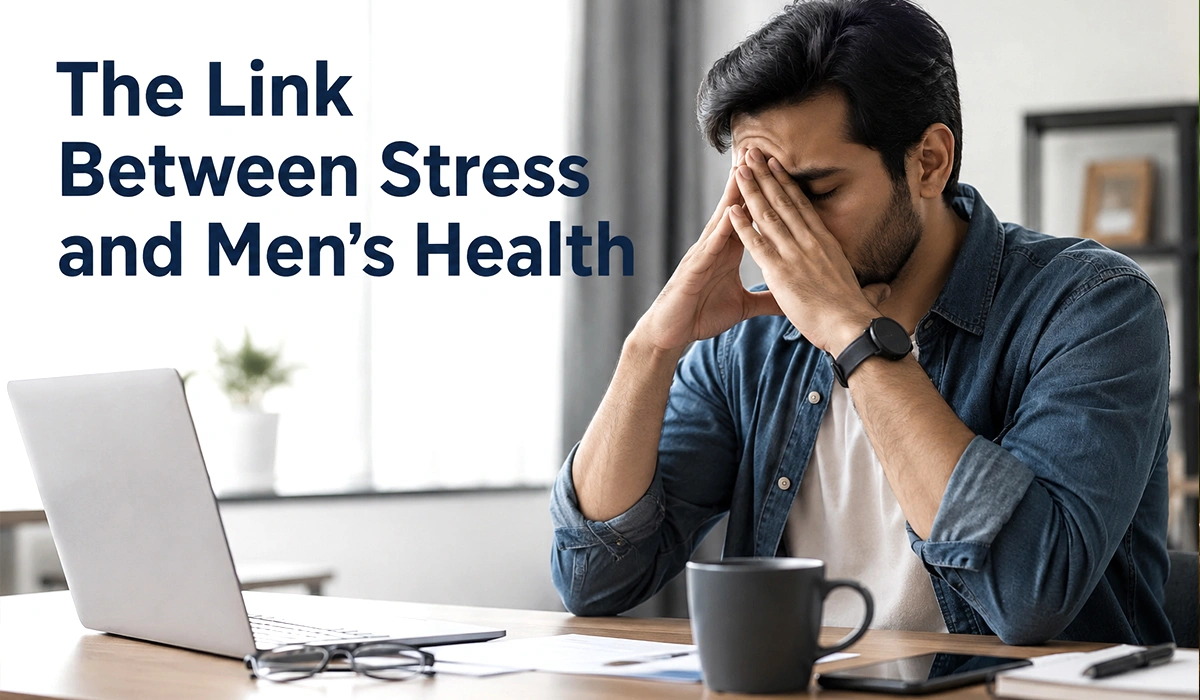
Imagine Raj, a 38-year-old software engineer in Bengaluru. Between tight deadlines, family responsibilities, and long commutes, stress became part of his daily routine. At first, he ignored the warning signs—poor sleep, constant fatigue, headaches, and irritability. Months later, routine health tests revealed high blood pressure and elevated cholesterol levels.
Raj’s story reflects the experience of millions of men in India and around the world.
Stress is not simply an emotional challenge. When it becomes chronic, it can affect the heart, brain, hormones, digestion, immune system, and overall quality of life.
Understanding the connection between stress and men’s health is the first step toward building a healthier future.
What Is Stress?
Stress is the body’s natural response to physical, emotional, or psychological challenges. Short-term stress can be helpful, but chronic stress may negatively affect overall health.
Detailed Explanation
Stress activates the body’s “fight or flight” response, releasing hormones such as cortisol and adrenaline. While these hormones help us respond to immediate challenges, prolonged exposure can increase the risk of health problems.
How Does Stress Affect Men’s Health?
Long-term stress can affect nearly every body system, including the cardiovascular, endocrine, digestive, nervous, reproductive, and immune systems.
Major Effects
- High blood pressure
- Poor sleep
- Reduced testosterone
- Weight gain
- Heart disease risk
- Anxiety
- Depression
- Digestive discomfort
- Weakened immunity
- Reduced concentration
Table: Short-Term vs Chronic Stress
| Short-Term Stress | Chronic Stress |
|---|---|
| Temporary | Lasts weeks or months |
| Helps improve focus | Reduces productivity |
| Temporary hormone increase | Constant cortisol elevation |
| Quick recovery | Long-term health effects |
Common Symptoms of Stress in Men
Stress may appear through physical, emotional, behavioral, and cognitive symptoms.
Physical Symptoms
- Fatigue
- Headaches
- Muscle tension
- Chest discomfort
- Digestive issues
- Sleep disturbances
- Frequent illness
Emotional Symptoms
- Irritability
- Anxiety
- Mood swings
- Feeling overwhelmed
- Lack of motivation
Behavioral Symptoms
- Overeating
- Smoking
- Alcohol misuse
- Reduced physical activity
- Social withdrawal
Stress and Heart Health
Chronic stress may contribute to high blood pressure, unhealthy lifestyle habits, and increased cardiovascular risk.
Possible Effects
- Elevated blood pressure
- Increased heart rate
- Inflammation
- Poor cholesterol profile
- Reduced exercise
- Unhealthy eating habits
Stress and Hormonal Health
Long-term stress may influence hormone balance, including testosterone levels.
Possible Signs
- Low energy
- Reduced muscle strength
- Low motivation
- Decreased libido
- Mood changes
Mental Health and Emotional Well-being
Persistent stress can increase the likelihood of anxiety, depression, and emotional burnout.
Common Signs
- Constant worry
- Difficulty concentrating
- Feeling emotionally exhausted
- Poor memory
- Loss of interest in activities
Stress and Sleep
Stress often disrupts healthy sleep patterns, making it harder to fall asleep and stay asleep.
Poor Sleep Can Lead To
- Low energy
- Poor concentration
- Mood changes
- Increased appetite
- Reduced immunity
Lifestyle Changes That Help Manage Stress
Daily Habits
✔ Exercise regularly
✔ Eat a balanced diet
✔ Stay hydrated
✔ Get 7–9 hours of sleep
✔ Practice meditation
✔ Spend time outdoors
✔ Connect with family and friends
✔ Limit alcohol and tobacco
✔ Reduce screen time before bed
✔ Maintain a healthy work-life balance
Comparison Table
| Healthy Stress Management | Unhealthy Coping |
|---|---|
| Walking | Smoking |
| Yoga | Alcohol misuse |
| Meditation | Overeating |
| Talking to family | Social isolation |
| Time management | Ignoring symptoms |
Foods That Support Stress Management
Helpful Foods
- Fruits
- Vegetables
- Whole grains
- Nuts
- Seeds
- Fatty fish
- Yogurt
- Green leafy vegetables
Limit
- Sugary drinks
- Processed foods
- Excess caffeine
- Alcohol
- Fast food
Exercise for Stress Relief
Best Activities
- Walking
- Cycling
- Swimming
- Strength training
- Yoga
- Stretching
- Deep breathing
- Outdoor sports
Aim for at least 150 minutes of moderate-intensity physical activity each week, along with muscle-strengthening activities on two or more days, if appropriate for your health status.
When Should Men Seek Medical Advice?
Seek professional evaluation if stress is accompanied by:
- Chest pain
- Persistent insomnia
- Severe anxiety
- Depression
- Panic attacks
- Thoughts of self-harm
- Ongoing fatigue
- Unexplained weight changes
- High blood pressure
- Difficulty functioning in daily life
Why Early Stress Management Matters
Early intervention may help:
- Improve quality of life
- Support heart health
- Enhance sleep
- Boost productivity
- Improve relationships
- Promote mental well-being
- Reduce the risk of chronic health problems
Conclusion
Stress is a normal part of life, but chronic stress should never be ignored. It can affect physical health, mental well-being, relationships, and overall quality of life. By recognizing early signs, adopting healthy habits, and seeking professional guidance when needed, men can better manage stress and protect their long-term health. Small daily changes—such as regular exercise, balanced nutrition, quality sleep, and relaxation techniques—can make a meaningful difference over time.