Growing older is inevitable—but losing strength, mobility, and independence doesn’t have to be.
Many people believe aging naturally means becoming weaker, slowing down, and accepting physical limitations. Fortunately, research tells a different story. One of the most effective ways to age well is through regular strength training.
Whether you’re in your 30s preparing for the future, in your 50s maintaining your health, or over 65 looking to stay active, resistance training can dramatically improve your quality of life.
This guide explains the science, benefits, practical exercises, and expert recommendations for using strength training to support healthy aging.
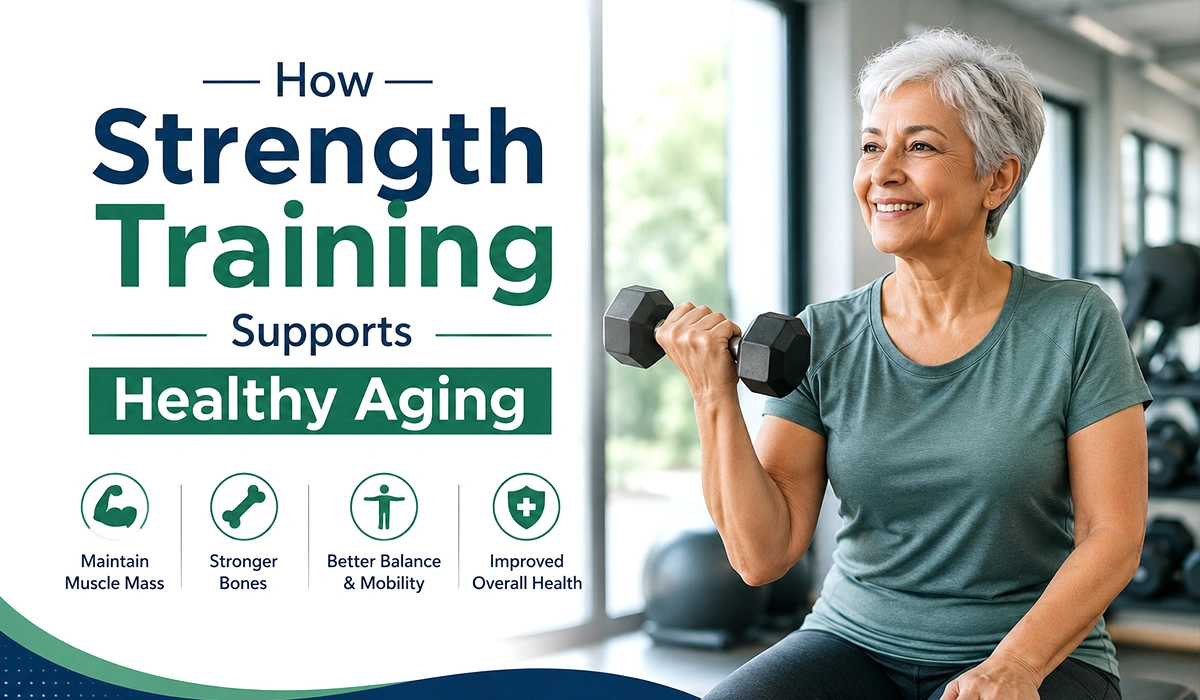
Strength training supports healthy aging by preserving muscle mass, increasing bone density, improving balance, reducing fall risk, boosting metabolism, enhancing mental health, and helping maintain independence throughout life. Experts recommend performing resistance exercises at least two to three times per week alongside regular aerobic activity.
What Is Strength Training?
Strength training is any exercise that makes muscles work against resistance, helping them become stronger, healthier, and more resilient over time.
Definition
Also called:
- Resistance training
- Weight training
- Muscle strengthening exercise
- Functional strength exercise
Resistance may come from:
- Dumbbells
- Resistance bands
- Machines
- Body weight
- Kettlebells
- Medicine balls
The goal isn’t necessarily building large muscles—it is maintaining physical function throughout life.
Why Does Aging Cause Muscle Loss?
Beginning around age 30, adults naturally start losing muscle mass.
This process is called sarcopenia.
Without regular exercise:
| Age | Average Muscle Loss |
|---|---|
| 30–50 years | 3–8% per decade |
| After 60 | Loss accelerates |
| 70+ | Higher risk of weakness and falls |
Factors include:
- Reduced physical activity
- Hormonal changes
- Poor nutrition
- Chronic inflammation
- Medical conditions
Strength training significantly slows—and often reverses—many of these changes.
Benefits of Strength Training for Healthy Aging
1. Preserves Muscle Mass
Strength training stimulates muscle protein synthesis, helping maintain and rebuild muscle tissue.
Benefits
- Stronger muscles
- Better posture
- Easier daily activities
- Greater endurance
Example:
Carrying groceries, climbing stairs, and lifting grandchildren become easier.
2. Improves Bone Health
Bone density naturally declines with age.
Weight-bearing exercises stimulate bone remodeling, reducing osteoporosis risk.
Benefits include:
- Stronger bones
- Reduced fracture risk
- Better joint support
- Improved mobility
3. Improves Balance and Prevents Falls
Falls are among the leading causes of injury in older adults.
Strength training improves:
- Core stability
- Leg strength
- Coordination
- Reaction time
Combined with balance exercises, it significantly lowers fall risk.
4. Supports Joint Health
Contrary to popular belief, properly performed resistance training protects joints.
Benefits include:
- Better joint stability
- Improved flexibility
- Reduced stiffness
- Easier movement
Low-impact resistance exercises are particularly beneficial for people with arthritis.
5. Boosts Metabolism
Muscle tissue burns more calories than fat, even at rest.
As muscle mass increases:
- Basal metabolic rate improves
- Fat management becomes easier
- Energy expenditure rises
This supports healthy weight management during aging.
6. Improves Heart Health
Strength training complements cardiovascular exercise by helping:
- Lower blood pressure
- Improve circulation
- Enhance insulin sensitivity
- Support cholesterol management
Combined with walking or cycling, it creates a comprehensive fitness routine.
7. Supports Brain Health
Emerging research suggests resistance exercise benefits cognitive function.
Potential improvements include:
- Better memory
- Sharper concentration
- Improved executive function
- Lower risk of cognitive decline
Exercise also increases blood flow to the brain.
8. Enhances Mental Well-being
Physical strength often translates into emotional confidence.
Regular training helps reduce:
- Stress
- Anxiety
- Mild depression
- Fatigue
Many people also report:
- Better sleep
- Higher confidence
- Greater motivation
9. Supports Healthy Weight
Strength training helps:
- Preserve lean muscle
- Reduce body fat
- Improve body composition
- Maintain healthy metabolism
Unlike crash diets, building muscle supports long-term weight management.
10. Promotes Independence
Perhaps the greatest benefit is maintaining independence.
Strength enables older adults to:
- Walk confidently
- Drive comfortably
- Carry groceries
- Climb stairs
- Live independently longer
Best Strength Training Exercises for Healthy Aging
| Exercise | Benefits |
|---|---|
| Squats | Leg strength, balance |
| Wall Push-ups | Upper body strength |
| Resistance Band Rows | Back and posture |
| Step-ups | Mobility |
| Glute Bridges | Hip stability |
| Seated Shoulder Press | Shoulder strength |
| Farmer’s Carry | Grip and core |
| Chair Sit-to-Stand | Functional independence |
Weekly Strength Training Plan
| Day | Activity |
|---|---|
| Monday | Full-body strength |
| Tuesday | Walking + stretching |
| Wednesday | Upper body resistance |
| Thursday | Balance exercises |
| Friday | Lower body strength |
| Saturday | Yoga or mobility |
| Sunday | Active recovery |
Experts generally recommend 2–3 strength-training sessions per week, allowing recovery between sessions.
Nutrition for Muscle Health
Exercise alone isn’t enough.
Healthy muscles require:
Protein
Examples:
- Lentils
- Eggs
- Fish
- Dairy
- Soy products
- Lean poultry
Calcium
Supports bone health.
Vitamin D
Helps calcium absorption.
Magnesium
Supports muscle function.
Hydration
Essential for recovery and overall performance.
Common Mistakes to Avoid
Many beginners make avoidable errors:
- Skipping warm-ups
- Using excessive weight
- Poor technique
- Inconsistent workouts
- Ignoring recovery
- Insufficient protein intake
- Not progressing gradually
Consistency matters more than intensity.
Strength Training Myths
| Myth | Reality |
|---|---|
| Older adults shouldn’t lift weights. | Proper resistance training is safe for most people. |
| Strength training causes bulky muscles. | Most people build strength rather than excessive muscle size. |
| Walking alone is enough. | Walking is beneficial, but resistance exercise provides additional muscle and bone benefits. |
| It’s too late to start. | People can benefit from strength training at almost any age with appropriate guidance. |
Who Should Consider Strength Training?
Strength training is suitable for:
- Adults over 30
- Older adults
- Office workers
- Individuals recovering after medical clearance
- Women after menopause
- Men experiencing age-related muscle loss
- People aiming to improve long-term mobility
Those with medical conditions should consult a healthcare professional before starting a new exercise program.
Expert Tips for Safe Strength Training
- Begin with bodyweight exercises.
- Learn proper technique.
- Increase resistance gradually.
- Focus on controlled movements.
- Rest between sessions.
- Include flexibility and balance exercises.
- Eat balanced meals with adequate protein.
- Stay hydrated.
- Listen to your body.
- Make strength training a lifelong habit.
Real-Life Example
Consider two individuals in their late 60s.
One remains mostly inactive, while the other performs strength training three times a week, walks regularly, and eats a balanced diet.
Over time, the active individual is more likely to maintain muscle strength, mobility, balance, and independence, making everyday tasks easier and reducing the likelihood of falls and frailty.
While individual results vary, consistent resistance training is strongly associated with healthier aging outcomes.
Frequently Asked Questions About Strength Training and Healthy Aging
Is strength training safe for older adults?
Yes. When performed with proper technique and appropriate resistance, strength training is considered safe and beneficial for most older adults.
How many days a week should I do strength training?
Most health organizations recommend two to three sessions per week, targeting all major muscle groups.
Can strength training reverse muscle loss?
Regular resistance exercise can help rebuild strength and improve muscle mass, especially when combined with adequate protein intake and healthy lifestyle habits.
Is walking enough for healthy aging?
Walking supports cardiovascular health, but adding strength training provides additional benefits for muscles, bones, balance, and metabolism.
Do I need a gym?
No. Bodyweight exercises, resistance bands, and light dumbbells can provide effective strength training at home.
When will I notice results?
Many people begin noticing improvements in strength, energy, and daily function within several weeks of consistent training, though results vary.
Conclusion
Healthy aging is not about avoiding growing older—it’s about maintaining the strength, mobility, and confidence to enjoy life at every stage. Strength training is one of the most effective, research-backed ways to preserve muscle, support bone health, improve balance, and remain independent as you age.
Starting with simple resistance exercises and progressing consistently can deliver lasting benefits for physical and mental well-being. Combined with balanced nutrition, adequate rest, and regular movement, strength training becomes a powerful investment in lifelong health.
Whether you’re beginning your fitness journey or returning after a break, it’s never too early—or too late—to make strength training part of your routine. Small, consistent efforts today can help you stay stronger, healthier, and more active for years to come.