Introduction: Could Your Diet Be Changing the Environment Inside Your Colon?
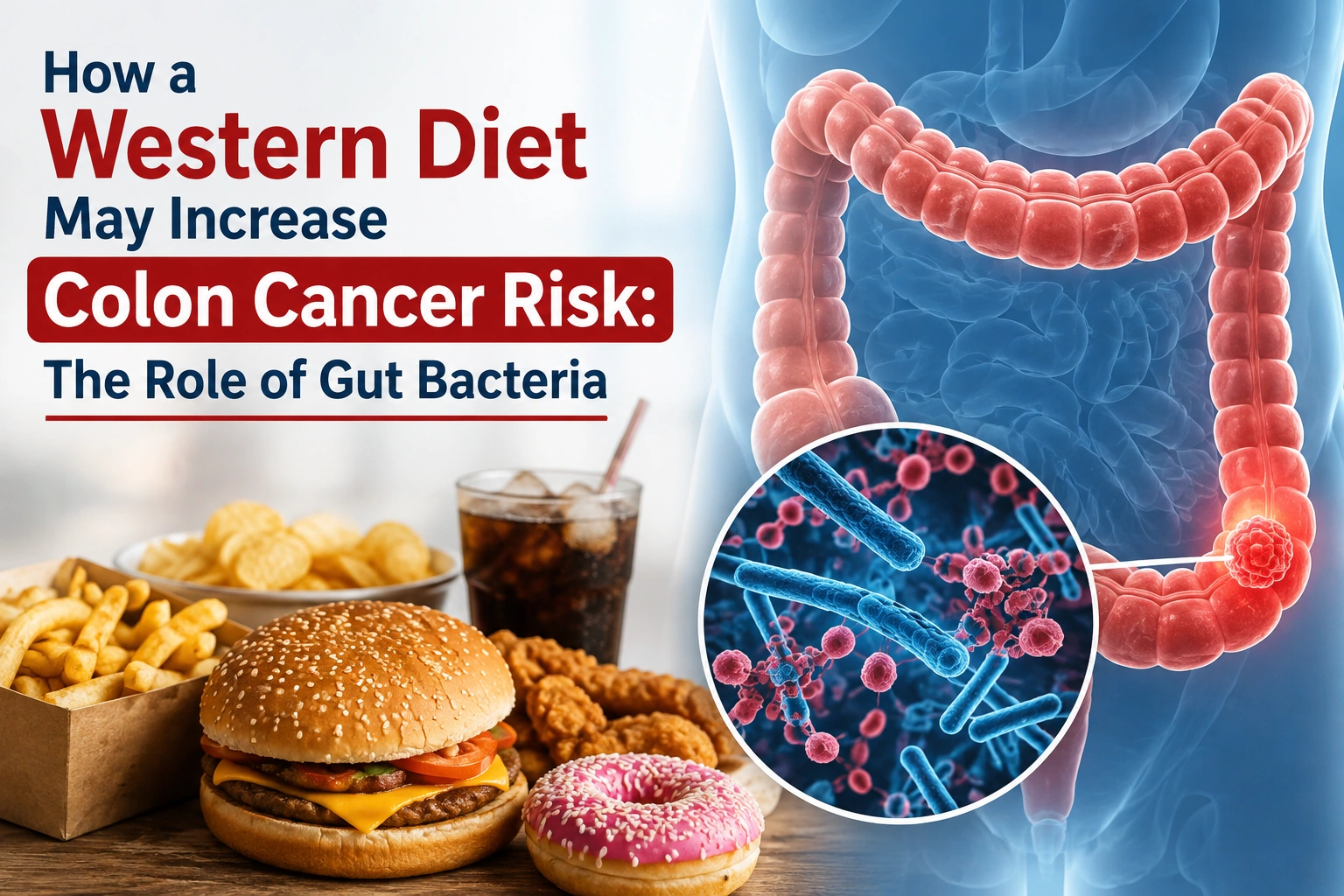
A burger, fries, sugary drink, or heavily processed meal may seem like an ordinary food choice. The bigger picture, however, is what happens after that food reaches the digestive system.
Inside the human gut lives a vast community of microorganisms known as the gut microbiome. These bacteria interact with food, produce chemical compounds, influence inflammation, and communicate with cells lining the intestine.
Researchers have increasingly been studying whether this relationship helps explain why certain dietary patterns are associated with colorectal cancer.
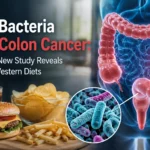
A recent study published in Gut provides another important piece of the puzzle. Researchers investigated how a Western-style diet could interact with specific gut bacteria and bile acids in experimental models. The study found that certain bacteria capable of producing secondary bile acids were linked to increased tumour development in experimental models.
This does not mean that eating a particular meal causes cancer. It also does not mean that changing gut bacteria can prevent every case of colorectal cancer.
Instead, the research highlights a more complex idea:
What we eat may influence the microorganisms living in our gut, and those microorganisms may influence the biological environment in which colorectal cancer develops.
This matters in India as dietary patterns change, particularly in urban areas where traditional meals increasingly coexist with fast food, packaged foods, refined carbohydrates, sugary beverages, and processed meats.
What Is a Western Diet?
A Western-style diet generally refers to a dietary pattern high in processed and red meat, refined grains, added sugars, energy-dense foods, and saturated fats, while often being relatively low in fibre-rich plant foods such as wholegrains, legumes, fruits, and vegetables.
Detailed Explanation
There is no single official “Western diet.” Researchers use different definitions, but common characteristics include:
- High consumption of processed foods
- Higher intake of red and processed meat
- Refined grains
- Sugary drinks
- Foods high in saturated fat
- Fast food
- Low intake of dietary fibre
- Lower variety of plant foods
It is important to understand that not every food commonly eaten in Western countries is unhealthy, and people in India or other countries can also follow a Western-style dietary pattern.
The concern is the overall pattern, rather than one specific food.
The World Cancer Research Fund recommends a dietary pattern rich in wholegrains, vegetables, fruit and beans while limiting red and processed meat, sugary drinks, foods high in fat, salt and sugar, and alcohol.
What Is the Gut Microbiome?
The gut microbiome is the community of microorganisms living throughout the digestive tract, particularly the colon. These organisms interact with dietary components and produce metabolites that can influence digestion, immunity, inflammation, and the intestinal environment.
Detailed Explanation
Your colon is home to a large microbial ecosystem.
Some microorganisms can support normal intestinal functions, while others may produce substances that can be harmful under particular conditions.
The important point is that the microbiome is not simply divided into “good bacteria” and “bad bacteria.”
It is a dynamic ecosystem influenced by:
- Diet
- Age
- Genetics
- Physical activity
- Medications
- Antibiotic exposure
- Alcohol
- Smoking
- Health conditions
- Environment
A diet containing a wide variety of plant foods provides different types of fibre and other compounds that gut microorganisms can use.
Practical Tip
Instead of focusing on buying a particular “gut health” product, start with the basics: increase the variety of fibre-rich foods in your regular meals.
How Could a Western Diet Affect Gut Bacteria?
A diet low in fibre and high in certain fats, processed foods and meat can change the composition and activity of gut microorganisms. These changes may affect microbial metabolites, inflammation, the intestinal barrier and other biological pathways involved in colorectal health.
Detailed Explanation
Food does not simply provide calories.
It also provides substrates that bacteria can metabolize.
For example, dietary fibre reaches the colon largely undigested, where microorganisms can ferment some forms of fibre and produce metabolites such as short-chain fatty acids.
By contrast, certain dietary patterns can increase the availability of compounds that may encourage microbial pathways associated with inflammation or potentially harmful metabolites.
This is one reason scientists are interested in the connection between:
Diet → Gut microbiome → Microbial metabolites → Colon environment → Cancer risk
But this pathway is complex.
There is no single bacterium that explains all colorectal cancers.
What Did the New Gut Bacteria Study Find?
A recent Gut study investigated bacteria that can convert primary bile acids into secondary bile acids, particularly deoxycholic acid (DCA). In experimental models, these bacteria were associated with increased intestinal cell proliferation and greater tumour burden, providing evidence for a possible biological mechanism linking a Western-style diet with colorectal tumour development.
What Researchers Studied
Researchers used several experimental approaches, including:
- Genetically modified pigs
- Gnotobiotic mice
- Human colon tissue
- Microbial data from people with and without colorectal cancer
The study focused on 7α-dehydroxylating bacteria, which can transform bile acids.
Researchers found that a Western diet increased secondary bile acids, particularly DCA, in experimental models.
They also found that specific bacteria increased tumour burden in two mouse models, whereas a mutant strain unable to perform the same bile-acid transformation did not produce the same effect.
Why This Is Important
Previous research had already established associations between diet and colorectal cancer.
The newer work attempts to explain how the connection might work biologically.
That distinction is important.
What Are Bile Acids and Why Do They Matter?
Bile acids help the body digest fats. After their initial role in digestion, gut bacteria can chemically modify some bile acids into secondary bile acids. Some secondary bile acids, including deoxycholic acid, have been investigated for their effects on intestinal cells and colorectal tumour biology.
Detailed Explanation
The liver produces bile acids, which are released into the digestive tract to help process dietary fats.
Some bile acids reach the colon, where bacteria can modify them.
The resulting compounds can interact with intestinal cells.
The recent Gut study found that higher levels of secondary bile acids, particularly DCA, were associated with increased epithelial cell proliferation in experimental models.
This is one possible biological pathway through which dietary patterns could influence colorectal cancer development.
However, human cancer biology is more complicated than any single pathway.
Another Gut Bacteria Connection: pks+ E. coli
Research has also linked Western-style dietary patterns with colorectal tumours containing higher levels of a particular toxin-producing strain of E. coli. These bacteria can carry the pks genetic island, which enables production of colibactin, a substance capable of damaging DNA.
A large prospective analysis involving 134,775 participants examined the relationship between Western-style diet and colorectal tumours containing pks-positive E. coli. The association was stronger for tumours with high levels of these bacteria.
This research provides another example of how diet and microbial activity may interact.
Importantly, the study was observational and cannot establish that the Western diet directly caused those cancers.
The researchers also noted limitations, including the characteristics of the study population and the need for further research in other populations.
Does a Western Diet Directly Cause Colon Cancer?
It is more accurate to say that certain dietary patterns are associated with increased colorectal cancer risk rather than claiming that a Western diet directly causes cancer in every individual. Colorectal cancer develops through multiple interacting factors, including genetics, age, lifestyle, body weight, alcohol, tobacco and dietary exposures.
The World Health Organization identifies diets high in processed and red meat, low fruit and vegetable intake, physical inactivity, overweight and obesity, smoking and alcohol consumption among colorectal cancer risk factors.
Think of Risk as a Combination
| Factor | Possible influence |
|---|---|
| Diet | Modifiable |
| Physical activity | Modifiable |
| Body weight | Modifiable |
| Alcohol | Modifiable |
| Smoking | Modifiable |
| Age | Non-modifiable |
| Family history | Non-modifiable |
| Genetic conditions | Non-modifiable |
| Previous bowel disease | Medical risk factor |
This is why one person’s dietary choice should never be used to predict whether they will develop cancer.
Why Is Fibre Important for Colon Health?
Fibre-rich foods support colorectal health by increasing stool bulk, influencing bowel transit and providing fuel for microbial fermentation. Strong evidence links higher intake of dietary fibre and wholegrains with lower colorectal cancer risk.
Fibre-Rich Foods Include
Indian meal options:
- Dal
- Chana
- Rajma
- Black-eyed peas
- Whole-wheat roti
- Oats
- Brown rice
- Barley
- Fruits
- Vegetables
- Nuts
- Seeds
The World Cancer Research Fund recommends aiming for around 30 g of fibre per day and obtaining it from a variety of foods.
Practical Tip
Don’t suddenly double your fibre intake.
Increase it gradually and drink enough fluids, particularly if your current diet is low in fibre.
Red and Processed Meat: What Does the Evidence Say?
Strong evidence links processed meat with colorectal cancer, while red meat is considered a probable cause. The World Cancer Research Fund recommends eating little, if any, processed meat and limiting red meat to approximately three portions per week, or 350–500 g cooked weight.
Processed Meat Includes
- Bacon
- Ham
- Sausages
- Salami
- Hot dogs
- Pepperoni
- Some deli meats
- Cured meats
Processing methods may include smoking, curing, salting or adding preservatives.
What About Red Meat?
Red meat includes:
- Beef
- Pork
- Lamb
- Mutton
- Goat
Red meat can provide useful nutrients such as protein, iron, zinc and vitamin B12. The issue is amount and frequency, not the idea that every serving is inherently harmful.
What Should You Eat Instead?
A colon-friendly dietary pattern emphasizes a variety of plant foods, wholegrains, pulses, vegetables, fruits, nuts and seeds while reducing processed meat, limiting red meat and minimizing sugary drinks and alcohol.
Simple Food Swap Table
| Instead of | Try |
|---|---|
| Processed meat sandwich | Egg, hummus or grilled chicken sandwich |
| Refined white bread | Wholegrain bread |
| Sugary soft drink | Water or unsweetened drink |
| Large meat portion | Smaller meat portion + dal/vegetables |
| Fried snack | Roasted chana or nuts |
| Refined rice every meal | Mix with brown rice or other wholegrains |
| Processed snack | Fruit + nuts |
The goal is not perfection.
The goal is to gradually improve the overall pattern.
Can Indian Food Support a Healthier Gut?
Yes. Traditional Indian meals can naturally include many foods associated with a fibre-rich dietary pattern, including lentils, beans, vegetables, fruits, wholegrains, nuts and seeds. The health impact depends on the overall meal pattern, preparation methods and portion sizes.
A simple Indian plate could include:
½ plate: vegetables
¼ plate: wholegrain or other high-fibre carbohydrate
¼ plate: protein such as dal, beans, eggs, fish or another suitable source
Examples include:
- Dal + roti + sabzi
- Rajma + brown rice + salad
- Chana + vegetables + wholegrain roti
- Vegetable khichdi + curd
- Oats + fruit + nuts
This doesn’t mean every traditional Indian meal is automatically healthy.
Deep-fried foods, excessive refined carbohydrates, sugary drinks and highly processed foods can still contribute to an unhealthy dietary pattern.
Does Gut Health Mean You Need Probiotics?
Not necessarily. Probiotic foods or supplements may have specific uses, but there is currently no universal probiotic recommendation that guarantees protection from colorectal cancer. A diverse, fibre-rich diet is a more established foundation for supporting overall gut health.
Be cautious about products that promise to “detox” the colon or prevent cancer.
No supplement should replace:
- A balanced diet
- Physical activity
- Medical screening
- Appropriate treatment
- Professional medical advice
Lifestyle Habits That Support Colorectal Health
Diet is only one part of the picture.
The WHO identifies physical inactivity, overweight and obesity, smoking and alcohol consumption among colorectal cancer risk factors.
Helpful habits include:
1. Stay Physically Active
Regular activity supports healthy body weight and is associated with lower colorectal cancer risk.
2. Maintain a Healthy Weight
Excess body fat is associated with increased risk of several cancers, including colorectal cancer.
3. Avoid Tobacco
Smoking is associated with multiple cancers and should be avoided.
4. Limit Alcohol
Alcohol consumption increases colorectal cancer risk. For cancer prevention, WCRF recommends avoiding alcohol.
5. Eat More Fibre
Make wholegrains, pulses, vegetables, fruits, nuts and seeds regular parts of your diet.
Warning Signs of Colorectal Cancer
Colorectal cancer can develop without obvious symptoms, particularly during early stages. Possible warning signs include blood in the stool, persistent changes in bowel habits, abdominal pain, unexplained weight loss, fatigue and low iron levels. Anyone with persistent or concerning symptoms should seek medical evaluation.
Symptoms to Watch For
- Blood in stool
- Persistent constipation
- Persistent diarrhea
- Change in bowel habits
- Abdominal pain
- Unexplained weight loss
- Persistent fatigue
- Iron-deficiency anemia
These symptoms do not automatically mean cancer.
Hemorrhoids, infections, inflammatory bowel disease and other conditions can cause similar symptoms.
But persistent symptoms should not simply be ignored.
Does Age Matter?
Yes.
Colorectal cancer is more common in older adults, but the WHO notes that some countries are experiencing a rising burden among adults aged 30–50.
This is one reason people should understand symptoms rather than assuming colorectal cancer is exclusively an older person’s disease.
Screening recommendations depend on:
- Age
- Family history
- Personal medical history
- Genetic risk
- Local guidelines
- Previous screening results
If you have a strong family history or concerning symptoms, discuss screening with a qualified healthcare professional.
Western Diet vs Fibre-Rich Dietary Pattern
| Feature | Western-Style Pattern | Fibre-Rich Pattern |
|---|---|---|
| Processed meat | Often higher | Limited |
| Red meat | Often higher | Moderate/limited |
| Wholegrains | Often lower | Higher |
| Vegetables | Often lower | Higher |
| Fruits | Often lower | Higher |
| Pulses | Often lower | Higher |
| Sugary drinks | Often higher | Lower |
| Dietary fibre | Often lower | Higher |
| Gut microbial diversity | May be affected | Supported by diverse plant foods |
| Colorectal health | Higher-risk pattern | More protective pattern |
This is a general comparison, not a diagnosis or guarantee of cancer prevention.
Can Changing Your Diet Prevent Colon Cancer?
Healthy dietary habits can help reduce colorectal cancer risk, but no diet can guarantee cancer prevention. Risk reduction works best as part of a broader approach that includes physical activity, healthy weight, avoiding tobacco, limiting alcohol, appropriate screening and understanding family history.
WCRF emphasizes that following multiple cancer-prevention recommendations together provides greater benefit than focusing on one isolated habit.
A Simple 7-Day Approach to Improve Your Diet
Instead of changing everything overnight, try a gradual approach.
Day 1
Add one extra serving of vegetables.
Day 2
Replace refined grains with a wholegrain option.
Day 3
Add dal, beans or chickpeas to one meal.
Day 4
Replace a sugary drink with water.
Day 5
Choose fruit instead of a packaged sweet snack.
Day 6
Have a meat-free meal based on pulses and vegetables.
Day 7
Review your week and identify one habit you can maintain.
The objective is consistency rather than perfection.
What This Research Means for India
India has a diverse food culture, so “Western diet” should not be interpreted simply as “foreign food.”
The more useful question is:
Are modern dietary habits reducing fibre-rich plant foods while increasing processed foods, sugary beverages, refined carbohydrates and processed meat?
Urban lifestyles can make convenience foods attractive because they are quick and easily available.
For people living in cities such as Delhi, Mumbai, Bengaluru, Hyderabad, Chennai, Kolkata or Varanasi, practical dietary changes can often begin at home without abandoning familiar Indian foods.
A dal, vegetable, wholegrain roti and fruit-based eating pattern can fit naturally into a healthy lifestyle.
For people looking for a dietitian or gastroenterologist near me, the right professional can help personalize nutrition and screening recommendations according to age, medical history and risk factors.
Why Choose Evidence-Based Health Information?
Health content should not turn emerging research into frightening headlines.
A trustworthy explanation should distinguish between:
Association: Two things occur together.
Mechanism: Researchers identify a biological pathway that could explain the relationship.
Causation: Evidence demonstrates that one factor directly causes another.
The recent gut-bacteria research is valuable because it explores mechanisms using experimental models. However, findings from pigs and mice cannot automatically be translated into a guaranteed outcome for every human.
Similarly, observational human studies can identify important associations but have limitations.
That distinction is central to responsible health communication.
Expert-Informed Practical Checklist
For everyday colorectal wellness:
Eat more:
- Vegetables
- Fruits
- Wholegrains
- Beans
- Lentils
- Nuts
- Seeds
Eat less:
- Processed meat
- Excess red meat
- Sugary drinks
- Highly processed foods
- Foods high in added fats, salt and sugar
Lifestyle:
- Stay physically active
- Maintain a healthy weight
- Avoid tobacco
- Limit or avoid alcohol
- Pay attention to persistent symptoms
- Follow appropriate screening recommendations
These recommendations align with major cancer-prevention guidance.
Frequently Asked Questions
1. Can a Western diet increase colon cancer risk?
A Western-style dietary pattern is associated with increased colorectal cancer risk, particularly when it is high in processed and red meat and low in fibre-rich plant foods. Research suggests gut bacteria may be one pathway connecting diet with colorectal cancer biology.
2. How do gut bacteria affect colon cancer?
Gut bacteria can transform dietary components and bile acids into metabolites that interact with intestinal cells. Some microbial activities may promote inflammation, DNA damage or abnormal cell growth, although the microbiome-cancer relationship is complex.
3. What foods are good for gut health?
Vegetables, fruits, wholegrains, beans, lentils, nuts and seeds provide fibre and other compounds that support a diverse diet and healthy gut environment.
4. Does eating red meat cause colon cancer?
Red meat is considered a probable cause of colorectal cancer, while there is strong evidence that processed meat causes colorectal cancer. Risk depends on amount, frequency and other individual factors.
5. Should I completely stop eating red meat?
Not necessarily for everyone. WCRF recommends limiting red meat to approximately 350–500 g cooked weight per week and eating little, if any, processed meat.
6. Can fibre reduce colon cancer risk?
Yes. Strong evidence indicates that higher consumption of dietary fibre and wholegrains is associated with lower colorectal cancer risk.
7. Can probiotics prevent colon cancer?
There is not enough evidence to say that taking a probiotic supplement prevents colorectal cancer. A varied, fibre-rich diet remains an important foundation for overall gut health.
8. Is colon cancer becoming more common in younger adults?
The global pattern is complex, but the WHO reports a rising burden among adults aged 30–50 in some settings.
9. What are early warning signs of colon cancer?
Possible symptoms include blood in the stool, persistent changes in bowel habits, abdominal pain, unexplained weight loss, fatigue and low iron levels.
10. Can changing my diet eliminate my cancer risk?
No. Diet can influence risk, but cancer develops through multiple factors. Healthy eating should be combined with physical activity, avoiding tobacco, limiting alcohol, appropriate screening and medical care.
11. Is Indian food healthier than Western food?
Neither category is automatically healthy or unhealthy. An Indian diet rich in vegetables, pulses, wholegrains and fruits can support a healthy dietary pattern, while highly processed Indian foods can also contribute to poor health.
12. Should I see a doctor for changes in bowel habits?
Yes, particularly if changes are persistent, severe, recurrent or accompanied by blood in the stool, unexplained weight loss, significant abdominal pain or fatigue.
Conclusion: Your Gut Is Part of the Story
The relationship between food and colorectal cancer is more complicated than simply labeling foods as “good” or “bad.”
Emerging research suggests that diet, gut bacteria and microbial metabolites may interact in ways that influence the environment inside the colon. A recent Gut study adds evidence for a possible role of bacteria that produce secondary bile acids in Western-diet-associated colorectal tumour development, although much of this evidence remains experimental and requires further human research.
At the same time, the broader evidence is already clear enough to support practical action.
Eat more fibre-rich plant foods.
Limit processed meat.
Moderate red meat.
Stay physically active.
Maintain a healthy weight.
Avoid tobacco.
Limit alcohol.
Do not ignore persistent bowel symptoms.
Follow appropriate screening advice.
The goal is not to fear food.
The goal is to build a dietary pattern that supports your health—one meal, one habit, and one informed choice at a time.