Introduction
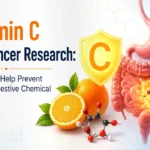
Can something as simple as Vitamin C play a role in protecting the body from serious diseases like cancer?
For decades, Vitamin C has been known as an immunity-supporting nutrient. Many people associate it with oranges, lemons, and cold remedies. But today, scientists are exploring a much bigger question: can Vitamin C help reduce cancer risk?
Recent research suggests that Vitamin C may support the body in several important ways, including protecting cells from damage, supporting digestive health, reducing oxidative stress, and strengthening immune function. While Vitamin C is not a cure for cancer, understanding its role in long-term wellness is becoming increasingly important in the United States and worldwide.
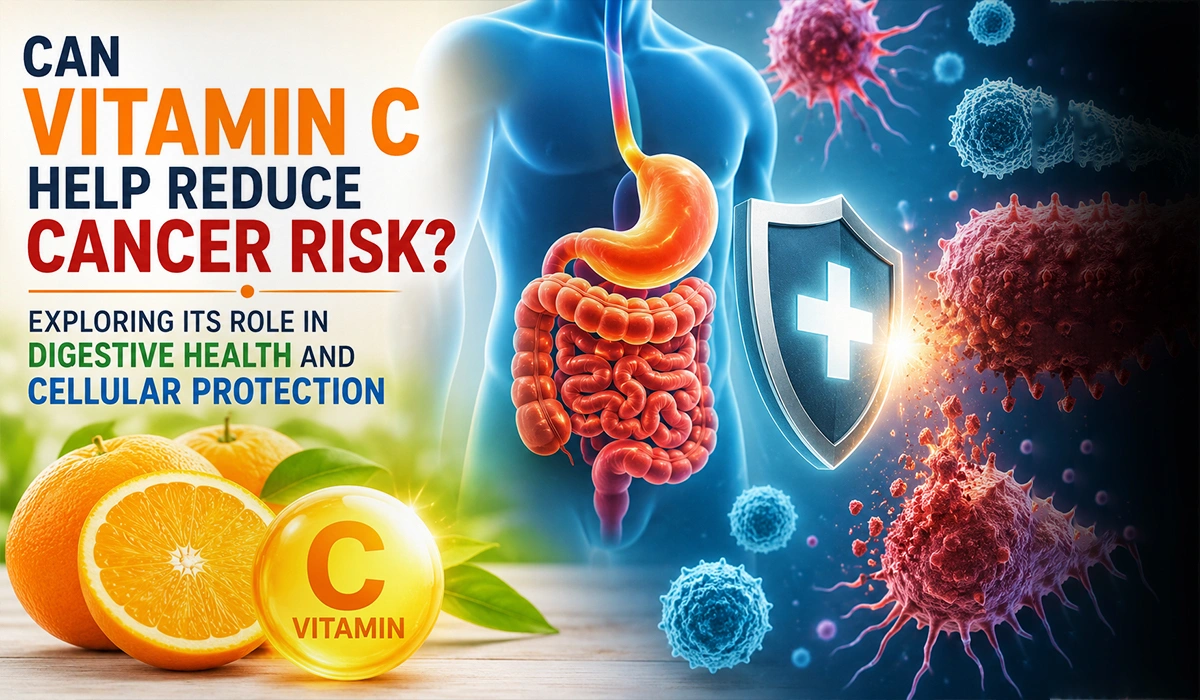
This article explores Can Vitamin C Help Reduce Cancer Risk? Exploring Its Role in Digestive Health and Cellular Protection through scientific research, digestive health insights, and practical lifestyle recommendations.
What Is Vitamin C?
Vitamin C, also called ascorbic acid, is a water-soluble vitamin essential for human health.
The body cannot produce or store Vitamin C naturally, which means people must get it from:
- Fruits
- Vegetables
- Supplements
Common Vitamin C-rich foods:
- Oranges
- Lemons
- Kiwi
- Strawberries
- Bell peppers
- Broccoli
Vitamin C supports many critical body functions, including:
- Immune defense
- Skin health
- Wound healing
- Iron absorption
- Cellular repair
Why Is Vitamin C Important for Cellular Protection?
Every day, the body faces damage from:
- Pollution
- Stress
- Poor diet
- Smoking
- Environmental toxins
These factors create unstable molecules called free radicals.
What are free radicals?
Free radicals damage healthy cells and may contribute to:
- Aging
- Inflammation
- Chronic diseases
- Cancer development
Vitamin C acts as an antioxidant, helping neutralize these harmful molecules.
This is one reason researchers are studying Vitamin C and cancer prevention more closely.
Can Vitamin C Help Reduce Cancer Risk?
This is one of the most discussed topics in nutritional science.
Research suggests Vitamin C may help reduce certain cancer risks indirectly by:
- Protecting cells from oxidative damage
- Supporting immune health
- Reducing inflammation
- Improving digestive health
However, experts also clarify:
Vitamin C alone cannot prevent or cure cancer.
Cancer is influenced by many factors, including:
- Genetics
- Lifestyle
- Environment
- Diet
- Smoking
- Physical activity
Still, maintaining healthy Vitamin C levels may support overall wellness and lower long-term health risks.
The Link Between Vitamin C and Digestive Health
Digestive health plays a major role in overall immunity and disease prevention.
A healthy digestive system helps:
- Absorb nutrients properly
- Maintain gut bacteria balance
- Reduce inflammation
- Support immune response
Researchers believe poor gut health may increase chronic inflammation, which is linked to various diseases, including colorectal cancer.
How Vitamin C supports digestive health:
- Supports healthy gut lining
- Helps tissue repair
- Reduces oxidative stress in digestive tissues
- Supports beneficial immune responses
This connection makes Vitamin C for digestive health and cellular protection an important topic in preventive healthcare.
Understanding Oxidative Stress and Cancer
Oxidative stress occurs when the body has too many free radicals and not enough antioxidants.
Over time, oxidative stress can:
- Damage DNA
- Affect healthy cell function
- Increase inflammation
Scientists believe long-term oxidative stress may contribute to cancer development.
Vitamin C helps reduce oxidative stress by protecting healthy cells from damage.
This protective effect is one reason why antioxidant-rich diets are often associated with better long-term health outcomes.
Vitamin C and Immune System Support
The immune system helps the body detect and remove abnormal cells.
Vitamin C supports immunity by:
- Supporting white blood cell function
- Helping immune defense mechanisms
- Supporting recovery and healing
A stronger immune system may help the body respond more effectively to infections and abnormal cellular activity.
Can Vitamin C Help Support Colon Health?
Colon health is becoming a major healthcare focus globally.
Research suggests diets rich in fruits and vegetables may support:
- Better gut health
- Reduced inflammation
- Healthier digestion
Vitamin C-rich foods are commonly included in colon-friendly diets because of their antioxidant and fiber content.
Healthy digestive habits include:
- Eating fiber-rich foods
- Staying hydrated
- Reducing processed foods
- Consuming antioxidant-rich fruits and vegetables
These habits work together to support digestive wellness.
Natural Food Sources vs Supplements
One common question is whether food or supplements are better sources of Vitamin C.
Natural food sources provide:
- Fiber
- Phytochemicals
- Additional antioxidants
- Better nutrient balance
Whole foods often provide broader health benefits than isolated supplements.
Supplements may help:
- Individuals with deficiencies
- Poor dietary intake
- Increased nutritional needs
However, excessive supplementation is not always beneficial.
Can Too Much Vitamin C Be Harmful?
Vitamin C is generally considered safe, but extremely high doses may cause:
- Digestive discomfort
- Nausea
- Diarrhea
- Kidney stone risk in some individuals
Moderation and medical guidance are important, especially for long-term supplementation.
Lifestyle Habits That Work Alongside Vitamin C
Vitamin C works best as part of a healthy lifestyle—not as a standalone solution.
Important preventive health habits:
- Regular exercise
- Balanced diet
- Adequate sleep
- Stress management
- Avoiding smoking
- Limiting alcohol intake
These habits support long-term wellness and cellular protection.
What Research Says About High-Dose Vitamin C Therapy
Researchers are also studying high-dose intravenous Vitamin C therapy in cancer care.
Some studies suggest it may:
- Support treatment tolerance
- Reduce fatigue
- Improve quality of life in some patients
However, research is still ongoing, and high-dose Vitamin C therapy is not considered a standard cancer cure.
Medical supervision is essential for any advanced treatment approach.
Why Preventive Nutrition Matters More Than Ever
Modern lifestyles often include:
- Processed foods
- Stress
- Poor sleep
- Low nutrient intake
Preventive nutrition focuses on supporting the body before major health issues develop.
Nutrients like Vitamin C play an important role in:
- Cellular health
- Immune defense
- Healthy aging
- Digestive balance
This is why healthcare experts increasingly encourage nutrient-rich diets.
The Global Rise of Preventive Healthcare
Countries like the USA are seeing growing interest in:
- Preventive wellness
- Nutritional healthcare
- Functional foods
- Immunity support
Consumers today are becoming more proactive about long-term health.
This growing awareness is driving interest in topics like:
- Vitamin C and cancer risk
- Digestive health protection
- Antioxidant-rich nutrition
Practical Ways to Increase Vitamin C Naturally
Adding Vitamin C to daily life can be simple.
Easy ways to improve Vitamin C intake:
- Eat citrus fruits regularly
- Add fresh salads to meals
- Include berries and kiwi
- Drink enough water
- Reduce processed foods
Consistency matters more than extreme supplementation.
Common Myths About Vitamin C and Cancer
There are many misconceptions online.
Myth 1: Vitamin C cures cancer
There is no scientific proof that Vitamin C alone cures cancer.
Myth 2: More Vitamin C is always better
Excessive intake may cause side effects.
Myth 3: Supplements replace healthy food
Whole foods provide broader nutritional benefits.
Balanced healthcare decisions are always best.
Conclusion
Understanding Can Vitamin C Help Reduce Cancer Risk? Exploring Its Role in Digestive Health and Cellular Protection helps people make more informed health decisions.
Vitamin C supports the body in several important ways, including antioxidant protection, immune support, digestive wellness, and cellular health. While it is not a cure for cancer, maintaining healthy Vitamin C levels through balanced nutrition may help support long-term wellness and reduce oxidative stress.
The bigger message is simple:
Good health is built daily through healthy habits, proper nutrition, preventive care, and informed choices.
Supporting digestive health and cellular protection today may contribute to a healthier future tomorrow.