Introduction
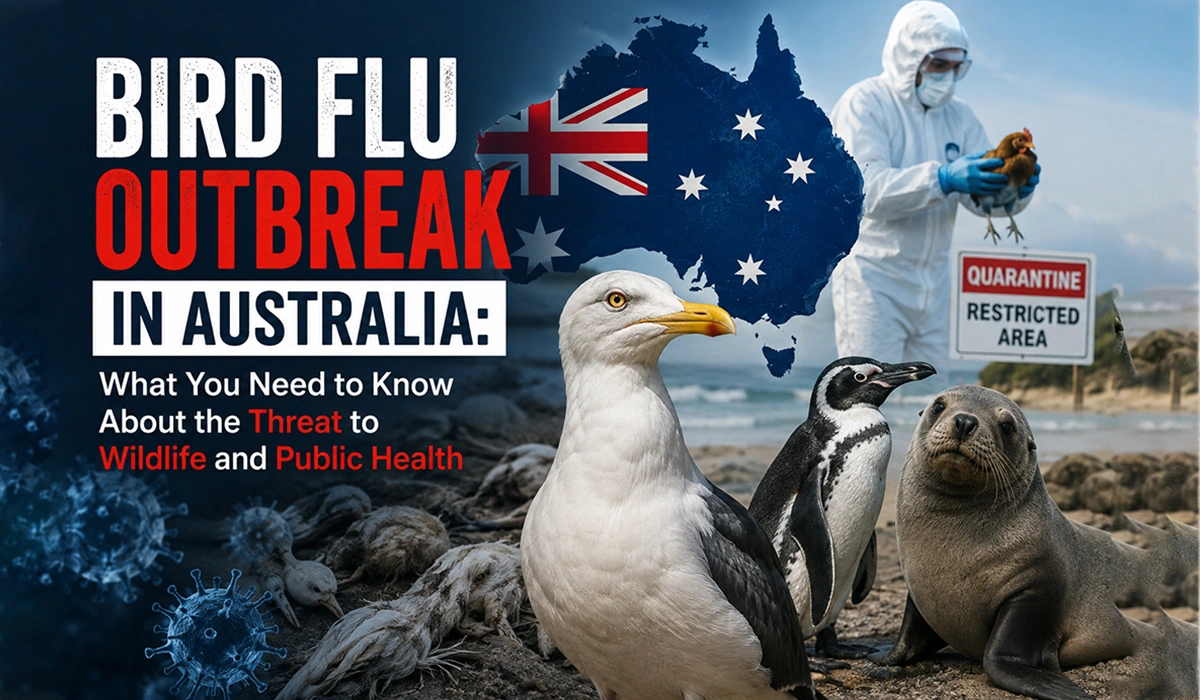
Imagine visiting Australia’s breathtaking coastline and seeing penguins, seals, dolphins, and seabirds struggling to survive—not because of pollution or climate change alone, but because of a rapidly spreading virus.
This is the growing reality of the bird flu outbreak in Australia. What was once considered a disease mainly affecting poultry has now expanded into wild birds and several mammal species. Scientists and wildlife experts are increasingly concerned because the virus is affecting ecosystems, biodiversity, food production, and potentially public health.
Although the overall risk to the general public remains low, the outbreak highlights why continuous surveillance, biosecurity, and wildlife conservation are more important than ever.
Whether you are in India, Australia, or anywhere else in the world, understanding bird flu can help you stay informed without unnecessary fear.
Quick Facts About Bird Flu
| Topic | Details |
|---|---|
| Disease | Avian Influenza (Bird Flu) |
| Virus Type | Influenza A virus |
| Common Strains | H5N1, H7N9 |
| Primary Hosts | Wild birds and poultry |
| Can Humans Be Infected? | Yes, but uncommon |
| Main Transmission | Contact with infected birds or contaminated environments |
| Current Concern | Spread to wildlife, including some mammals |
| Prevention | Biosecurity, surveillance, hygiene, avoiding sick or dead birds |
What Is Bird Flu?
Bird flu, also known as avian influenza, is a viral infection that mainly affects birds. Certain strains can infect mammals and, in rare cases, humans after close exposure to infected animals.
Understanding Bird Flu
Bird flu is caused by Influenza A viruses, which naturally circulate among wild waterfowl such as ducks, geese, and seabirds. Many wild birds carry the virus without appearing sick, but highly pathogenic strains can cause severe disease and high mortality in domestic poultry and some wild species.
The virus continues to evolve over time, which is why scientists closely monitor new outbreaks across different countries.
Why Is Australia’s Bird Flu Outbreak Making Headlines?
Australia is facing increased concern because bird flu is affecting not only birds but also wildlife, raising questions about ecosystem health and disease monitoring.
Why Experts Are Concerned
Recent outbreaks have drawn attention because they involve:
- Wild bird populations
- Marine mammals in some regions globally
- Increased surveillance efforts
- Wildlife conservation challenges
- Potential economic impacts on agriculture
Unlike traditional poultry outbreaks, wildlife infections are much harder to control because infected birds migrate across long distances.
This makes international cooperation essential for monitoring disease spread.
Why Does Bird Flu Matter Beyond Birds?
Many people assume bird flu only affects chickens or ducks.
In reality, bird flu can influence:
- Wildlife populations
- Food production
- Poultry farming
- International trade
- Tourism
- Public health preparedness
- Biodiversity conservation
Healthy ecosystems depend on balanced wildlife populations. When diseases spread rapidly through wild animals, the effects can ripple across entire food chains.
How Does Bird Flu Spread?
Bird flu spreads mainly through infected birds, their saliva, nasal secretions, droppings, and contaminated surfaces or water sources.
Common Ways Bird Flu Spreads
Direct Contact
Healthy birds coming into contact with infected birds.
Contaminated Water
Wild water birds may spread the virus through lakes and wetlands.
Bird Droppings
Virus particles can survive in contaminated feces.
Equipment
Farm equipment, shoes, clothing, and vehicles may carry the virus between locations.
Migratory Birds
Seasonal migration allows viruses to travel across countries and continents.
Which Animals Can Be Affected?
Although birds remain the primary hosts, researchers have reported infections in several mammal species during recent outbreaks worldwide.
These include:
- Penguins
- Seals
- Sea lions
- Foxes
- Cats
- Dolphins (under investigation in some situations)
- Other wild mammals exposed to infected birds
Scientists continue studying how often transmission occurs between different animal species.
Is Bird Flu Dangerous to Humans?
The risk to the general public is currently considered low. Human infections are uncommon and usually occur after close contact with infected birds or contaminated environments.
Human Risk Factors
Higher-risk groups include:
- Poultry workers
- Veterinarians
- Wildlife rescue workers
- Bird handlers
- Laboratory personnel
Most people are unlikely to become infected during normal daily activities.
However, anyone handling sick or dead birds should follow public health guidance and use appropriate protective equipment.
Symptoms of Bird Flu in Birds
Birds may show:
- Sudden death
- Swollen head
- Lack of energy
- Difficulty breathing
- Reduced egg production
- Purple discoloration of comb or wattles
- Loss of appetite
- Neurological signs
Wild birds may simply appear weak or unable to fly.
Symptoms in Humans
Although uncommon, symptoms may include:
- Fever
- Cough
- Sore throat
- Muscle pain
- Fatigue
- Eye redness (conjunctivitis)
- Difficulty breathing in severe cases
Anyone with symptoms after exposure to infected birds should seek medical advice promptly.
Why Wildlife Conservation Matters
Healthy wildlife populations help maintain:
- Balanced ecosystems
- Natural food chains
- Pollination
- Pest control
- Biodiversity
Large outbreaks among wild species can disrupt these ecological functions and threaten vulnerable animal populations.
Bird Flu and India: Should People Be Concerned?
India has experienced bird flu outbreaks in poultry from time to time, making surveillance and biosecurity important. Authorities monitor domestic poultry, migratory birds, and wildlife to help detect outbreaks early.
For the general public, following official guidance, avoiding contact with sick or dead birds, and reporting unusual bird deaths to local authorities remain sensible precautions.
How Does Bird Flu Affect Wildlife?
Bird flu can spread rapidly among wild bird populations and, in some cases, infect mammals that come into contact with infected birds. Large outbreaks may disrupt ecosystems, reduce biodiversity, and threaten endangered species.
Wildlife experts are particularly concerned because highly pathogenic avian influenza (HPAI) is no longer limited to poultry farms. The virus has increasingly been detected in wild birds and has been associated with illness and deaths in various mammal species in different parts of the world.
Australia is home to thousands of native bird species and unique wildlife. Protecting these populations is essential not only for biodiversity but also for maintaining healthy ecosystems.
Species that may be affected include:
- Seabirds
- Ducks
- Pelicans
- Gulls
- Penguins
- Raptors
- Shorebirds
- Some marine mammals
When outbreaks occur in breeding colonies, large numbers of birds can become infected within a short period.
Practical Tip
Never approach or handle sick or dead wild birds. Report unusual wildlife deaths to the appropriate local wildlife or biosecurity authorities.
Why Are Penguins, Dolphins, and Marine Mammals at Risk?
Marine mammals may become infected after exposure to infected birds or contaminated environments. Researchers continue to study how transmission occurs between different wildlife species.
The concern is not limited to birds.
Recent international outbreaks have shown infections in:
- Seals
- Sea lions
- Foxes
- Otters
- Cats
- Dolphins (under investigation in some cases)
- Other marine mammals
Scientists believe exposure may occur through:
- Contact with infected birds
- Feeding on infected carcasses
- Shared coastal habitats
- Contaminated water sources
Australia’s rich marine biodiversity makes ongoing wildlife surveillance especially important.
How Does Bird Flu Spread?
Bird flu spreads mainly through infected birds, respiratory secretions, saliva, droppings, and contaminated water or surfaces.
Main Transmission Routes
| Source | How It Spreads |
|---|---|
| Wild Birds | Migration and direct contact |
| Bird Droppings | Contaminate soil and water |
| Water Bodies | Shared habitats spread infection |
| Poultry Farms | Close contact between birds |
| Equipment | Boots, cages, vehicles, tools |
| Wildlife | Predators and scavengers may be exposed |
Migratory birds can carry viruses across thousands of kilometers, making international monitoring essential.
Can Humans Catch Bird Flu?
Human infections are uncommon and usually occur after close contact with infected birds or contaminated environments. For the general public, the overall risk remains low.
Most people do not become infected through everyday activities.
Higher-risk groups include:
- Poultry farm workers
- Veterinarians
- Wildlife rescue teams
- Laboratory professionals
- Bird handlers
People should avoid touching sick or dead birds without proper protection.
Symptoms of Bird Flu in Birds
Infected birds may develop sudden illness, breathing problems, weakness, or die unexpectedly.
Common signs include:
- Sudden death
- Difficulty breathing
- Swollen head
- Reduced appetite
- Weakness
- Lack of coordination
- Reduced egg production
- Purple comb or wattles in poultry
Wild birds may simply appear unable to fly or unusually inactive.
Symptoms of Bird Flu in Humans
Although uncommon, bird flu symptoms in humans can resemble seasonal flu but may become severe in some cases.
Possible symptoms include:
- Fever
- Persistent cough
- Sore throat
- Muscle aches
- Fatigue
- Headache
- Red or irritated eyes
- Shortness of breath
Anyone who develops symptoms after exposure to infected birds should seek medical evaluation promptly.
Why Is This Outbreak Important for Public Health?
Monitoring bird flu helps protect both wildlife and people by identifying outbreaks early and reducing opportunities for the virus to spread.
Public health experts monitor bird flu because influenza viruses can change over time. Continuous surveillance allows authorities to:
- Detect outbreaks early
- Protect poultry farms
- Monitor wildlife
- Assess potential risks to humans
- Improve emergency preparedness
The current focus is on preventing spread rather than creating unnecessary alarm.
Bird Flu vs Seasonal Flu
| Feature | Bird Flu | Seasonal Flu |
|---|---|---|
| Cause | Avian Influenza A Virus | Human Influenza Virus |
| Primary Host | Birds | Humans |
| Human Infection | Rare | Common |
| Main Spread | Bird exposure | Person-to-person |
| Wildlife Impact | Significant | None |
| Public Risk | Generally Low | Seasonal |
How Can You Protect Yourself?
Simple hygiene practices and avoiding contact with sick or dead birds are the best ways to reduce your risk.
Prevention Tips
- Avoid handling sick or dead birds.
- Wash your hands thoroughly after contact with poultry.
- Cook poultry and eggs thoroughly.
- Follow local public health and biosecurity advice.
- Wear protective equipment if working with birds.
- Report unusual bird deaths to authorities.
Even simple precautions can help reduce disease transmission and support wildlife protection.