Introduction
Imagine visiting a beach where thousands of seabirds once nested, only to find it unusually quiet. Nearby, a stranded seal lies on the shore, while wildlife experts work urgently to understand what is happening. Across different parts of the world, similar scenes are becoming more common as highly pathogenic avian influenza (HPAI), commonly known as bird flu, spreads beyond birds.
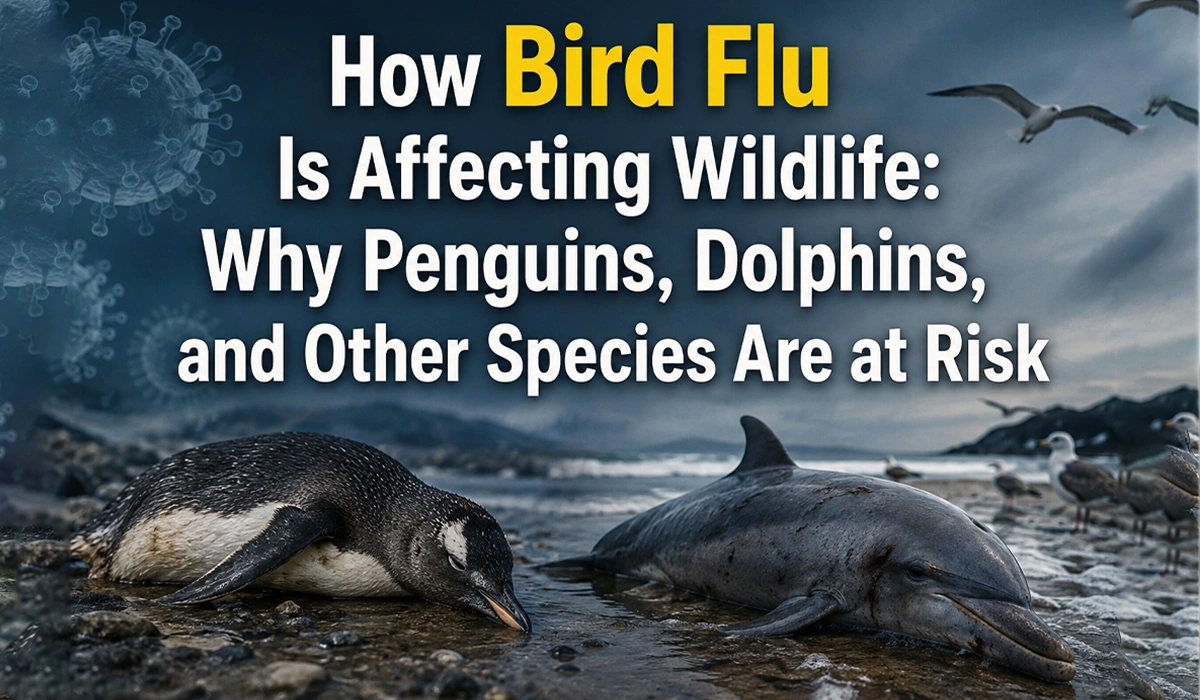
What was once considered a disease affecting mainly poultry and wild birds is now impacting mammals such as seals, sea lions, foxes, dolphins, and even polar bears. Scientists are closely monitoring this trend because it represents an important wildlife conservation challenge and may increase opportunities for the virus to infect new animal species.
Understanding how bird flu affects wildlife is essential for protecting biodiversity, supporting conservation efforts, and improving disease surveillance worldwide.
What Is Bird Flu?
Bird flu, or avian influenza, is a viral disease that primarily infects birds. Certain strains, particularly H5N1, can also infect mammals under specific conditions.
Detailed Explanation
Avian influenza viruses naturally circulate among wild waterfowl such as ducks, geese, and swans. These birds often carry the virus without becoming seriously ill. However, when the virus spreads to domestic poultry or susceptible wildlife, it can cause severe disease and high mortality.
The H5N1 strain has become one of the most closely monitored because of its ability to infect multiple animal species across continents.
Why Is Bird Flu Spreading Beyond Birds?
Bird flu spreads beyond birds when mammals come into contact with infected birds, contaminated environments, or infected carcasses.
How Transmission Happens
Common transmission pathways include:
- Eating infected birds
- Scavenging dead wildlife
- Contact with contaminated water
- Exposure to infected bird droppings
- Close interaction among marine mammals
Scientists believe environmental contamination also plays an important role, especially in coastal ecosystems.
Wildlife Species Most at Risk
Bird flu is now affecting a wider variety of wildlife than ever before.
| Wildlife | Risk Level | Main Source of Infection |
|---|---|---|
| Penguins | Very High | Infected seabirds |
| Seals | Very High | Coastal bird colonies |
| Sea Lions | Very High | Contact within colonies |
| Dolphins | Moderate | Marine ecosystem exposure |
| Foxes | High | Eating infected birds |
| Polar Bears | Moderate | Hunting infected birds |
| Otters | Moderate | Contaminated habitats |
This expanding host range has raised concerns among wildlife conservationists worldwide.
Why Are Penguins Especially Vulnerable?
Penguins live in large breeding colonies, making it easier for contagious diseases to spread rapidly.
Detailed Explanation
Many penguin species spend much of their lives in densely populated colonies where thousands of birds nest close together.
If bird flu reaches one colony:
- Infection can spread rapidly.
- Chicks may have lower survival rates.
- Breeding success declines.
- Entire colonies can experience significant losses.
Species already facing threats from climate change may become even more vulnerable.
How Dolphins May Be Affected
Although dolphins are not birds, marine ecosystems connect many wildlife species.
Researchers believe dolphins may become infected through:
- Contact with infected marine mammals
- Contaminated coastal waters
- Shared food sources
Scientists continue studying how frequently dolphins become infected and how the virus behaves in marine environments.
Why Marine Mammals Are Becoming Infected
Marine mammals such as seals and sea lions often share habitats with seabirds.
Several factors increase their risk:
- Feeding near bird colonies
- Contact with infected carcasses
- Large breeding groups
- Shared coastal environments
Mass mortality events among marine mammals have been reported in several regions, highlighting the importance of ongoing surveillance.
How Bird Flu Impacts Entire Ecosystems
Bird flu affects more than individual animals. It can disrupt ecological balance by reducing populations of key species.
Possible impacts include:
- Fewer predators controlling prey populations
- Changes in food webs
- Reduced biodiversity
- Disrupted breeding cycles
- Long-term ecosystem changes
Healthy wildlife populations are essential for maintaining resilient ecosystems.
Climate Change and Disease Spread
Changing environmental conditions may influence how diseases spread among wildlife.
Factors include:
- Altered migration patterns
- Warmer temperatures
- Habitat loss
- Increased overlap between species
- Environmental stress
While climate change does not directly cause bird flu, it can affect interactions between wildlife and influence disease dynamics.
Is Bird Flu Dangerous to Humans?
The current risk to the general public remains low, but people should avoid handling sick or dead wild birds and follow guidance from public health authorities.
Safety Tips
- Do not touch dead wildlife.
- Report unusual wildlife deaths to local authorities.
- Wash hands after outdoor activities.
- Cook poultry products thoroughly.
- Follow official health advisories.
Individuals who work with poultry or wildlife may require additional protective measures.
How Scientists Monitor Bird Flu
Wildlife experts use several methods to track outbreaks:
- Laboratory testing
- Bird migration monitoring
- Satellite tracking
- Wildlife surveillance
- Environmental sampling
- Genetic sequencing of viruses
Early detection helps conservation agencies respond more effectively.
What Conservation Organizations Are Doing
Wildlife agencies around the world are working together to:
- Monitor bird populations
- Test infected animals
- Protect endangered species
- Improve disease surveillance
- Study virus evolution
- Share information internationally
Collaboration between governments, veterinarians, researchers, and conservation groups is essential.
How People Can Help Protect Wildlife
Everyone can contribute to wildlife conservation by following simple practices:
- Avoid disturbing wild animals.
- Never feed wild birds or marine mammals.
- Report sick or dead wildlife.
- Support conservation programs.
- Respect protected habitats.
- Stay informed through reliable sources.
Small actions can make a meaningful difference.
Why This Matters for India
India lies along important migratory bird routes and regularly monitors avian influenza in wild birds and poultry. Strong surveillance, public awareness, and rapid response help protect wildlife, livestock, and public health.
People living near wetlands, bird sanctuaries, and coastal areas should follow guidance from local wildlife and animal health authorities if unusual bird deaths are observed.
Conclusion
Bird flu is no longer only a concern for birds. The virus has affected a growing range of wildlife, including penguins, seals, sea lions, foxes, dolphins, and other mammals. This expanding impact highlights the importance of protecting ecosystems, monitoring wildlife health, and strengthening global disease surveillance.
Scientists continue to study how the virus spreads between species and how future outbreaks can be managed. While the current public health risk remains low, protecting wildlife through conservation, responsible behavior, and ongoing research is essential.
Healthy wildlife populations are a cornerstone of healthy ecosystems—and safeguarding them benefits both nature and people.