Imagine waking up every morning feeling overwhelmed, exhausted, or anxious without knowing why. You smile at work, attend family gatherings, and continue your daily routine, yet something feels missing inside. Millions of people experience this every day, often without speaking about it.
Mental health is no longer a topic that should remain hidden behind closed doors. In today’s fast-paced world, where work pressure, financial responsibilities, social media, and personal expectations continue to grow, taking care of your mental well-being has become just as important as caring for your physical health.
Whether you live in a busy metropolitan city like Delhi or Mumbai, or a culturally rich city like Varanasi, mental health challenges can affect anyone regardless of age, profession, or background.
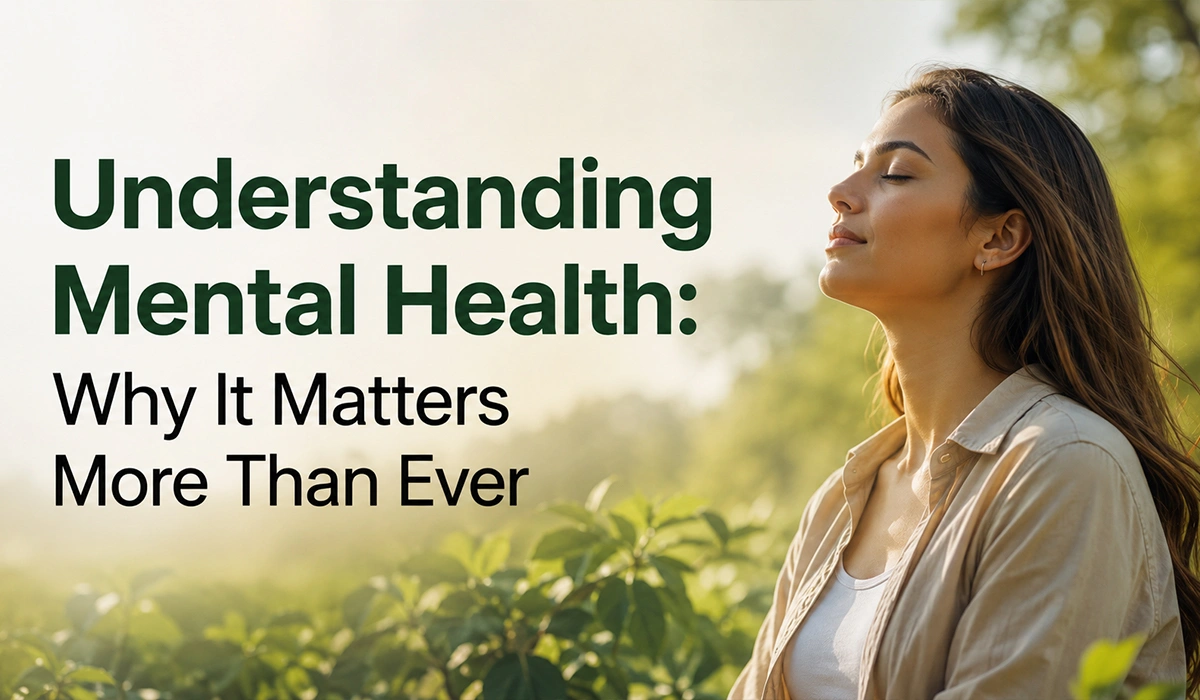
Understanding mental health is the first step toward living a healthier, happier, and more balanced life.
What Is Mental Health?
Mental health refers to a person’s emotional, psychological, and social well-being. It affects how we think, feel, make decisions, handle stress, build relationships, and respond to life’s challenges.
Detailed Explanation
Mental health is not simply the absence of mental illness. A mentally healthy person is capable of managing stress, maintaining meaningful relationships, making informed decisions, and contributing positively to society.
Just like physical fitness requires regular exercise and proper nutrition, mental wellness also requires consistent care and attention.
Good mental health helps people:
- Think clearly
- Manage emotions effectively
- Build healthy relationships
- Handle life’s challenges
- Stay productive
- Maintain overall well-being
Poor mental health, on the other hand, can impact every aspect of daily life, including work performance, education, family relationships, sleep quality, and physical health.
Why Mental Health Matters More Than Ever
Mental health influences every decision we make, every relationship we build, and every challenge we face. With increasing stress, digital overload, and changing lifestyles, maintaining good mental health has become essential for overall quality of life.
Why It Matters Today
Several factors have made mental health one of the most important public health concerns worldwide:
- Increasing workplace stress
- Academic pressure among students
- Social media comparison
- Financial uncertainty
- Loneliness and social isolation
- Lifestyle disorders
- Sleep deprivation
- Post-pandemic emotional challenges
Modern lifestyles often prioritize productivity while neglecting emotional well-being, leading to higher levels of stress, anxiety, and burnout.
Mental Health by the Numbers
Understanding the scale of mental health challenges highlights why awareness and early support are so important.
| Global Mental Health Facts | Overview |
|---|---|
| Mental health conditions affect millions of people worldwide. | Mental health challenges are among the leading causes of disability globally. |
| Anxiety and depression are among the most common mental health conditions. | They affect people of all ages and backgrounds. |
| Many people delay seeking help due to stigma or lack of awareness. | Early support often leads to better outcomes. |
| Workplace stress continues to rise globally. | Organizations are increasingly investing in employee mental well-being. |
In India, awareness of mental health is growing, but access to professional care, especially in smaller cities and rural areas, still needs improvement. Cities such as Varanasi are seeing increasing awareness through healthcare professionals, educational institutions, and community initiatives.
Common Signs That Your Mental Health Needs Attention
Persistent changes in mood, sleep, energy, concentration, or behavior may indicate that your mental health needs attention. Seeking support early can make a meaningful difference.
Common Signs
- Feeling anxious most of the time
- Constant sadness or low mood
- Difficulty concentrating
- Poor sleep quality
- Lack of motivation
- Loss of interest in hobbies
- Increased irritability
- Feeling overwhelmed
- Changes in appetite
- Social withdrawal
Experiencing one or more of these symptoms does not automatically mean someone has a mental health disorder, but persistent symptoms should not be ignored.
Mental Health vs Physical Health
Many people separate mental health from physical health, but they are deeply connected.
| Mental Health | Physical Health |
|---|---|
| Affects thoughts and emotions | Affects body systems |
| Influences decision-making | Influences physical functioning |
| Can impact sleep quality | Poor sleep affects mental wellness |
| Stress affects emotional balance | Stress can increase blood pressure and fatigue |
| Healthy mind supports healthy habits | Healthy body supports mental resilience |
Research consistently shows that people who maintain both physical and mental wellness often experience a better overall quality of life.
Why Talking About Mental Health Is Important
One of the biggest barriers to mental wellness is stigma. Many people hesitate to discuss emotional struggles because they fear being judged or misunderstood.
Open conversations can:
- Reduce stigma
- Encourage early intervention
- Improve relationships
- Increase awareness
- Help people seek professional support sooner
- Create healthier families, workplaces, and communities
Mental health is a part of everyone’s life. Asking for help is a sign of strength, not weakness.