Introduction
Have you ever noticed more hair fall during stressful weeks? Or found your skin looking dull after long working hours, poor sleep, and endless screen time?
You are not alone.
Modern lifestyles have changed the way we live, work, eat, and care for ourselves. While technology and convenience have improved life in many ways, they have also introduced new challenges for our health—especially our skin and hair.
Today, how modern lifestyles affect skin and hair health has become an important topic in preventive wellness. Pollution, stress, processed food, poor sleep, dehydration, and excessive screen exposure are silently affecting millions of people across the USA, India, and worldwide.
The good news is simple: once you understand the root causes, small daily habits can make a big difference.
What Does Skin and Hair Health Really Mean?
Skin and hair health refers to the overall condition, strength, appearance, and function of your skin and hair.
Healthy skin acts as a protective barrier, while healthy hair reflects internal nutrition and wellness.
Signs of healthy skin:
- Natural glow
- Smooth texture
- Balanced hydration
- Even tone
Signs of healthy hair:
- Strong roots
- Good density
- Smooth texture
- Minimal breakage
When lifestyle habits become unhealthy, both skin and hair often show early warning signs.
Why Modern Lifestyles Are Affecting Skin and Hair More Than Ever
Fast-paced lifestyles increase stress, reduce recovery, and expose the body to environmental damage.
Major lifestyle changes affecting skin and hair include:
- Long screen time
- Poor diet
- High stress
- Lack of sleep
- Air pollution
- Sedentary routines
- Dehydration
These factors may weaken skin barriers and affect scalp health.
The Impact of Stress on Skin and Hair
Chronic stress can trigger acne, dull skin, premature aging, and hair fall.
When stress increases, the body releases cortisol.
High cortisol levels may cause:
- Increased oil production
- Acne breakouts
- Skin inflammation
- Hair thinning
Example:
Many working professionals notice more hair fall during stressful project deadlines.
Practical Tip:
Practice stress management through:
- Exercise
- Meditation
- Deep breathing
- Proper rest
Poor Sleep and Its Effect on Skin Health
Sleep is essential for skin repair and recovery.
During sleep, the body repairs damaged skin cells.
Poor sleep may cause:
- Dark circles
- Puffy eyes
- Dull skin
- Fine lines
Sleep also affects hair growth cycles.
Practical Tip:
Aim for 7–8 hours of quality sleep daily.
How Diet Impacts Skin and Hair Health
Your diet directly influences skin glow, scalp health, and hair growth.
Poor nutrition may lead to:
- Hair fall
- Dry skin
- Weak nails
- Poor healing
Key nutrients include:
| Nutrient | Benefit |
|---|---|
| Protein | Hair growth |
| Vitamin C | Collagen support |
| Iron | Oxygen circulation |
| Zinc | Hair strength |
| Biotin | Hair health |
Best foods:
- Fruits
- Vegetables
- Nuts
- Seeds
- Protein-rich foods
Dehydration and Skin Problems
Dehydration reduces skin moisture and elasticity.
Low water intake may cause:
- Dry skin
- Dullness
- Rough texture
- Tired appearance
Hydration is one of the easiest ways to improve skin health.
Practical Tip:
Drink enough water throughout the day.
Pollution and Environmental Damage
Pollution damages both skin and hair.
Daily exposure to pollution may cause:
- Clogged pores
- Acne
- Skin irritation
- Hair dryness
- Scalp buildup
Pollutants generate free radicals that accelerate skin aging.
Protection Tips:
- Daily cleansing
- Sunscreen
- Scalp hygiene
- Antioxidant-rich skincare
Screen Time and Digital Stress
Long screen exposure can indirectly affect skin health.
Extended screen time often leads to:
- Poor posture
- Eye strain
- Mental fatigue
- Reduced sleep quality
This can worsen overall skin wellness.
Blue light exposure is also becoming a growing skincare concern.
Excessive Use of Chemical Products
Using too many harsh products may damage skin and hair barriers.
Common problems include:
- Skin irritation
- Scalp dryness
- Hair damage
- Sensitivity
Choose gentle and skin-friendly products.
Products with herbal ingredients may help support healthier care routines.
Hormonal Imbalance and Lifestyle
Lifestyle habits influence hormones that affect skin and hair.
Hormonal imbalance may trigger:
- Acne
- Oily skin
- Hair thinning
- Hair loss
Poor sleep, unhealthy diet, and stress often worsen hormonal issues.
How Exercise Supports Skin and Hair Wellness
Regular exercise improves circulation and supports healthier skin and hair.
Benefits include:
- Better oxygen flow
- Improved nutrient delivery
- Reduced stress
- Better sleep
Even 30 minutes of daily activity helps.
Herbal Personal Care in Modern Wellness
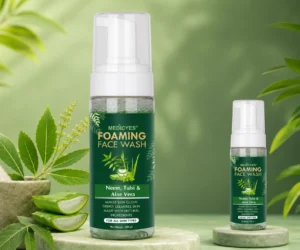
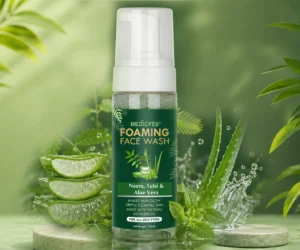
Herbal products support skin and hair care using nature-inspired ingredients.
Popular herbal ingredients include:
- Aloe Vera
- Neem
- Tea Tree
- Turmeric
- Amla
Benefits include:
- Gentle care
- Better hydration
- Reduced harsh chemical exposure
Herbal personal care is becoming increasingly popular worldwide.
Healthy Habits for Better Skin and Hair
Simple daily habits can improve long-term wellness.
Best habits:
✔ Sleep well
✔ Eat nutritious foods
✔ Stay hydrated
✔ Manage stress
✔ Exercise regularly
✔ Use quality products
✔ Protect against pollution
Consistency matters more than perfection.
Skin Care Routine vs Poor Lifestyle Habits
| Healthy Routine | Poor Lifestyle |
|---|---|
| Good sleep | Sleep deprivation |
| Hydration | Dehydration |
| Healthy food | Junk food |
| Exercise | Sedentary lifestyle |
| Stress control | Chronic stress |
Healthy routines create healthier skin and stronger hair.
Why Preventive Wellness Matters
Modern healthcare is shifting toward prevention.
Preventive wellness focuses on:
- Healthy habits
- Early awareness
- Daily care
The best skincare and haircare routine begins with overall wellness.
Why Choose Nukind Personal Care?
Nukind focuses on preventive wellness through quality personal care solutions.
Benefits:
- Herbal support
- Quality ingredients
- Skin-friendly formulations
- Daily wellness approach
Nukind combines wellness, personal care, and healthier lifestyle support.
How Modern Lifestyles Affect Skin and Hair Health Frequently Asked Questions
Can stress cause hair fall?
Yes. Chronic stress can affect hair growth cycles and trigger hair fall.
Does poor sleep affect skin?
Yes. Poor sleep may cause dull skin, dark circles, and slower skin repair.
Can diet improve skin and hair health?
Yes. Balanced nutrition supports healthy skin, hair growth, and overall wellness.
Is pollution harmful for hair?
Yes. Pollution may cause scalp buildup, dryness, and hair damage.
Are herbal personal care products better?
Many herbal products offer gentle daily care and reduce exposure to harsh chemicals.
Conclusion
Understanding how modern lifestyles affect skin and hair health is the first step toward healthier living.
Stress, poor sleep, unhealthy diet, pollution, dehydration, and excessive screen time can quietly damage skin and hair over time.
The solution is not complicated.
Small daily habits—better nutrition, quality sleep, hydration, stress management, and proper personal care—can create lasting results.
Healthy skin and strong hair begin with healthy choices.
Take care from within, and the results will show outside.