Introduction
Have you ever wondered how small daily habits can make a big difference in your health?
Most people think good health only depends on eating healthy food or exercising regularly. While these are important, one often overlooked factor is hygiene. Daily hygiene habits play a major role in protecting the body from infections, illnesses, and long-term health issues.
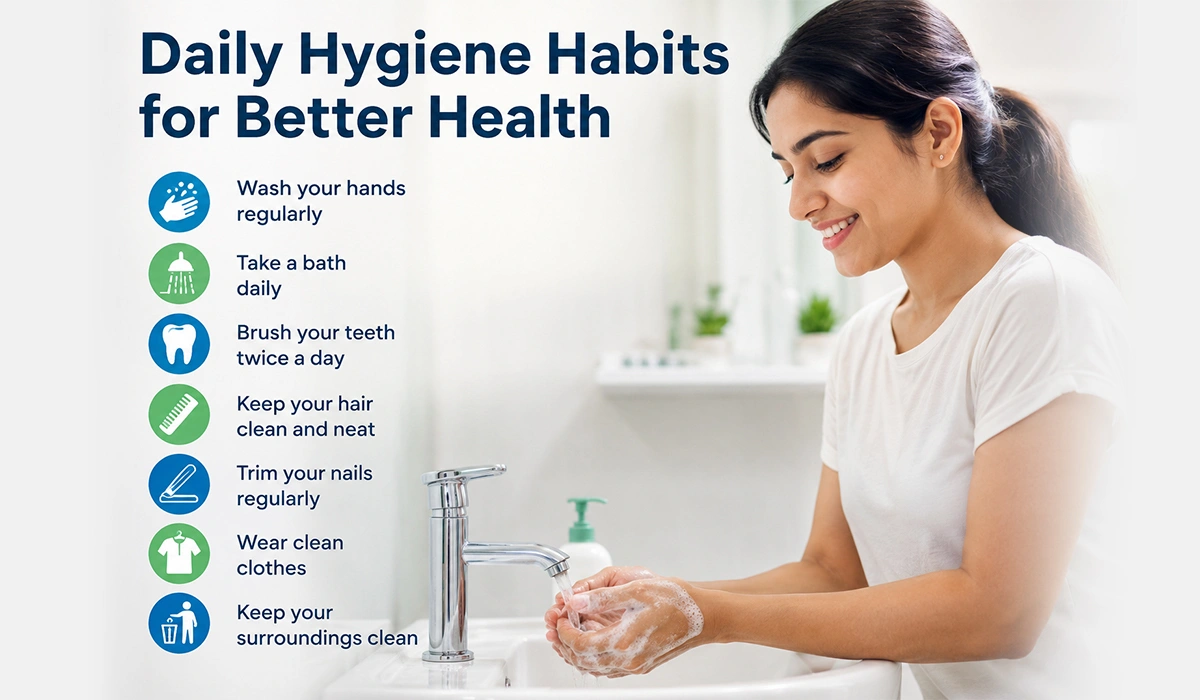
Simple routines like washing hands, brushing teeth, bathing regularly, wearing clean clothes, and maintaining personal cleanliness can significantly improve overall health and well-being.
In today’s fast-moving world, maintaining hygiene is more important than ever. Whether at home, school, office, or while traveling, good hygiene practices help reduce health risks and improve quality of life.
Understanding daily hygiene habits for better health is essential for individuals and families worldwide.
What Are Daily Hygiene Habits?
Daily hygiene habits are personal cleanliness practices followed every day to maintain health and prevent disease.
These habits include:
- Handwashing
- Bathing
- Oral care
- Hair care
- Nail care
- Clean clothing
- Food hygiene
Good hygiene helps reduce exposure to harmful germs, bacteria, and viruses.
Why Hygiene Matters for Better Health
Good hygiene helps prevent infections, supports immunity, and improves physical and mental well-being.
Poor hygiene can lead to:
- Skin infections
- Dental issues
- Stomach infections
- Body odor
- Viral illnesses
Benefits of hygiene include:
- Better health
- Improved confidence
- Reduced infection risk
- Cleaner environment
Handwashing: The Most Important Hygiene Habit
Handwashing is one of the easiest and most effective ways to prevent infections.
Hands carry germs from:
- Phones
- Door handles
- Public surfaces
- Money
- Shared equipment
Wash hands:
- Before eating
- After using the restroom
- After coughing or sneezing
- After touching public surfaces
Wash with soap and water for at least 20 seconds.
Oral Hygiene and Dental Health
Oral hygiene prevents cavities, gum disease, and bad breath.
Daily oral care habits include:
- Brushing twice daily
- Flossing
- Cleaning tongue
- Using mouthwash
Poor oral hygiene may lead to:
- Tooth decay
- Gum disease
- Bad breath
- Infections
Healthy teeth support overall wellness.
Bathing and Skin Hygiene
Regular bathing helps remove sweat, dirt, bacteria, and dead skin cells.
Benefits include:
- Fresh skin
- Reduced odor
- Lower infection risk
- Better comfort
Use mild skincare products suitable for your skin type.
Hair Hygiene and Scalp Health
Clean hair and scalp improve comfort and reduce dandruff or infections.
Good habits:
- Wash hair regularly
- Use suitable shampoo
- Keep scalp clean
- Avoid sharing combs
Hair hygiene supports both appearance and scalp health.
Nail Hygiene and Germ Prevention
Dirty nails can carry harmful bacteria.
Maintain clean nails by:
- Trimming regularly
- Cleaning under nails
- Avoiding nail biting
This helps reduce germ transfer.
Clean Clothes and Personal Hygiene
Wearing clean clothes supports comfort and hygiene.
Change:
- Undergarments daily
- Socks daily
- Workout clothes after use
Clean clothes reduce odor and skin irritation.
Food Hygiene for Better Health
Food hygiene prevents foodborne illness.
Key habits:
- Wash fruits and vegetables
- Store food properly
- Cook thoroughly
- Keep kitchen surfaces clean
Safe food handling reduces health risks.
Hygiene at Work and Public Places
Offices and public spaces expose people to shared surfaces.
Maintain hygiene by:
- Sanitizing hands
- Cleaning desks
- Using tissues
- Staying hydrated
Good workplace hygiene reduces illness spread.
Hygiene and Mental Well-Being
Cleanliness also impacts mental health.
Benefits include:
- Better mood
- Improved confidence
- Lower stress
- Greater productivity
Clean surroundings often improve focus and emotional wellness.
Daily Hygiene Routine Table
| Habit | Frequency | Main Benefit |
|---|---|---|
| Handwashing | Multiple times daily | Infection prevention |
| Brushing Teeth | Twice daily | Oral health |
| Bathing | Daily | Skin hygiene |
| Hair Care | 2–3 times weekly | Scalp health |
| Nail Care | Weekly | Germ control |
| Clean Clothes | Daily | Personal hygiene |
Common Hygiene Mistakes
Avoid these mistakes:
- Skipping handwashing
- Poor oral care
- Reusing dirty towels
- Ignoring nail hygiene
- Poor food handling
Small mistakes can increase health risks.
Best Hygiene Products for Daily Care
Useful hygiene essentials include:
- Soap
- Hand sanitizer
- Toothbrush
- Toothpaste
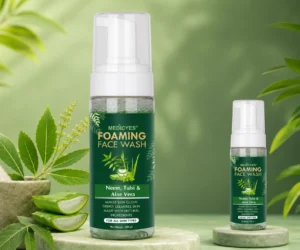
- Face wash
- Shampoo
- Personal care products
Choose products based on skin type and needs.
Why Choose Quality Personal Care Products?
High-quality personal care products support:
- Skin health
- Hygiene
- Comfort
- Daily wellness
Using trusted personal care solutions improves hygiene routines.
Daily Hygiene Habits for Better Health Frequently Asked Questions
Why are daily hygiene habits important?
Daily hygiene habits reduce infection risk and support overall wellness.
How often should I wash my hands?
Wash hands frequently, especially before meals and after public contact.
What are basic hygiene habits?
Handwashing, bathing, oral care, clean clothes, and food hygiene.
Can hygiene improve health?
Yes. Good hygiene helps prevent illness and improves physical well-being.
How does hygiene affect mental health?
Cleanliness improves confidence, mood, and mental comfort.
Conclusion
Good health starts with small daily habits.
Understanding daily hygiene habits for better health helps people build healthier routines that protect against infections and improve overall well-being.
Simple habits like washing hands, brushing teeth, maintaining clean clothes, and following food hygiene practices can make a major difference.
The secret to better health is consistency. Small actions done daily create long-term wellness.
Because better hygiene leads to better health.