Introduction
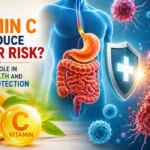
Can a simple vitamin found in oranges, lemons, and everyday fruits help protect the body from harmful digestive chemical reactions linked to cancer risk?
This question has become one of the most interesting topics in modern nutrition and cancer research. Scientists worldwide are studying how Vitamin C may support the body’s natural defense system and reduce harmful chemical activity inside the digestive tract.
In the United States and across the globe, digestive health concerns, processed food consumption, and lifestyle-related diseases are increasing rapidly. As a result, healthcare researchers are exploring how nutrition may play a role in long-term disease prevention.
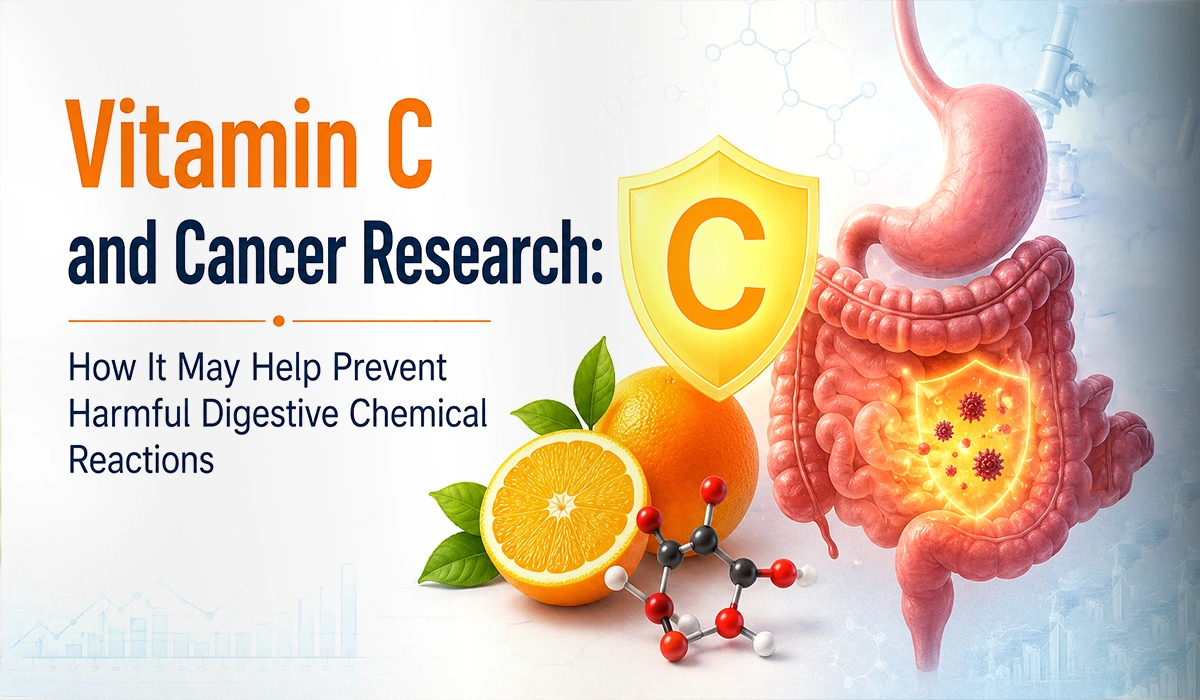
Understanding Vitamin C and cancer research: how it may help prevent harmful digestive chemical reactions is important because it connects everyday nutrition with cellular protection, immune health, and digestive wellness.
This article explores the science behind Vitamin C, how harmful digestive reactions occur, and why researchers believe this essential nutrient may support better long-term health.
What Is Vitamin C?
Vitamin C, also called ascorbic acid, is a water-soluble vitamin essential for human health.
The body uses Vitamin C for:
- Immune support
- Collagen production
- Wound healing
- Antioxidant protection
- Iron absorption
Unlike some animals, humans cannot naturally produce Vitamin C. This means it must come from foods or supplements.
Common Vitamin C-rich foods include:
- Oranges
- Lemons
- Strawberries
- Kiwi
- Bell peppers
- Broccoli
Vitamin C is widely known for immunity benefits, but researchers are now studying its deeper connection to digestive and cellular health.
Understanding Harmful Digestive Chemical Reactions
The digestive system processes everything we eat and drink. During digestion, certain chemical reactions naturally occur.
Some of these reactions can create harmful compounds under specific conditions.
One major concern involves:
Nitrites + stomach acids = nitrosamines
Nitrosamines are chemical compounds that have been linked to increased cancer risk in some studies.
These compounds may form when:
- Processed meats are consumed frequently
- High nitrate foods interact with stomach acids
- Digestive conditions create chemical imbalance
Researchers studying Vitamin C and cancer research: how it may help prevent harmful digestive chemical reactions believe Vitamin C may help reduce the formation of some harmful compounds.
How Vitamin C Works as an Antioxidant
Vitamin C is one of the body’s most important antioxidants.
Antioxidants help:
- Neutralize free radicals
- Reduce oxidative stress
- Protect cells from damage
Free radicals are unstable molecules that may damage DNA and cells over time.
Oxidative stress has been linked to:
- Aging
- Inflammation
- Chronic diseases
- Cancer development
Vitamin C helps support the body’s natural defense system against this damage.
The Link Between Vitamin C and Nitrosamine Prevention
One of the most important areas in Vitamin C and cancer research: how it may help prevent harmful digestive chemical reactions involves nitrosamine formation.
Research suggests Vitamin C may:
- Interfere with nitrosamine production
- Reduce chemical reactions in the stomach
- Support safer digestion processes
Scientists believe Vitamin C reacts with nitrites before harmful compounds fully form.
This protective mechanism is why Vitamin C remains an important focus in digestive health research.
Why Processed Foods Raise Concern
Modern diets often include processed foods high in:
- Preservatives
- Sodium nitrites
- Artificial additives
Common examples:
- Processed meats
- Sausages
- Bacon
- Smoked foods
Frequent consumption may increase exposure to compounds associated with digestive stress and long-term health risks.
Researchers recommend balancing processed foods with antioxidant-rich fruits and vegetables.
Vitamin C and Digestive Health
Vitamin C may support digestive wellness in several ways.
Possible digestive benefits:
- Supports healthy stomach lining
- Helps reduce oxidative stress
- Supports immune response in the gut
- Helps improve iron absorption
A healthier digestive environment may reduce the chances of harmful chemical activity inside the body.
The Role of Inflammation in Cancer Research
Chronic inflammation is a major focus in cancer science.
Inflammation can result from:
- Poor diet
- Smoking
- Stress
- Obesity
- Gut imbalance
Long-term inflammation may damage cells and create an unhealthy environment for tissues.
Vitamin C’s antioxidant properties may help support the body’s anti-inflammatory defenses.
Can Vitamin C Prevent Cancer?
This is one of the most searched questions online.
Current scientific evidence suggests:
Vitamin C alone cannot prevent or cure cancer.
However, diets rich in fruits and vegetables containing Vitamin C may help support:
- Cellular protection
- Immune function
- Reduced oxidative stress
Cancer prevention depends on multiple factors, including:
- Healthy diet
- Exercise
- Avoiding smoking
- Weight management
- Regular screenings
Vitamin C is one part of a broader healthy lifestyle.
Why Researchers Continue Studying Vitamin C
Scientists remain interested in Vitamin C because it influences several important biological functions.
Research areas include:
- Oxidative stress reduction
- Immune health
- DNA protection
- Digestive health
- Cancer cell behavior
Some laboratory studies continue exploring how Vitamin C interacts with abnormal cells under controlled conditions.
However, more large-scale human research is still needed.
Best Natural Sources of Vitamin C
Natural food sources are often considered the safest and most effective way to obtain Vitamin C.
Excellent sources include:
- Citrus fruits
- Guava
- Kiwi
- Papaya
- Tomatoes
- Spinach
- Broccoli
Whole foods also provide:
- Fiber
- Phytochemicals
- Additional antioxidants
These nutrients work together to support overall health.
Can Vitamin C Deficiency Affect Health?
Low Vitamin C levels may weaken the body’s defense systems.
Deficiency symptoms include:
- Fatigue
- Weak immunity
- Slow wound healing
- Gum problems
- Weakness
Long-term nutritional deficiencies may increase vulnerability to oxidative stress and inflammation.
Vitamin C Supplements: Are They Necessary?
Some people may benefit from supplementation, especially if:
- Diet quality is poor
- Nutritional deficiencies exist
- Medical conditions affect absorption
However, excessive supplementation may not always provide additional benefits.
Healthcare professionals usually recommend balanced intake rather than very high doses without supervision.
Gut Health and Long-Term Wellness
The digestive system plays a major role in:
- Immunity
- Nutrient absorption
- Inflammation control
Researchers studying Vitamin C and cancer research: how it may help prevent harmful digestive chemical reactions emphasize the importance of overall gut health.
Gut-friendly habits include:
- Eating fiber-rich foods
- Staying hydrated
- Limiting processed foods
- Including antioxidants in the diet
These habits support healthier digestion and long-term wellness.
Lifestyle Choices Matter More Than One Nutrient
No single vitamin determines overall health.
Long-term wellness depends on:
- Balanced nutrition
- Physical activity
- Sleep quality
- Stress management
- Preventive healthcare
Vitamin C works best when combined with healthy lifestyle habits.
The Future of Nutrition and Cancer Research
Modern healthcare is increasingly focused on preventive nutrition.
Future research may explore:
- Personalized nutrition plans
- Antioxidant therapies
- Gut microbiome interactions
- Nutritional disease prevention
Vitamin C continues to remain an important area of interest in nutritional science and digestive health studies.
Conclusion
Understanding Vitamin C and cancer research: how it may help prevent harmful digestive chemical reactions highlights the growing connection between nutrition, digestive wellness, and long-term health.
Vitamin C plays an important role in antioxidant protection, immune support, and potentially reducing harmful digestive chemical activity linked to oxidative stress.
While no nutrient alone can prevent cancer, maintaining a healthy diet rich in fruits, vegetables, and natural antioxidants may help support the body’s natural defense systems.
The future of healthcare is increasingly focused on prevention, awareness, and smarter nutrition choices—and Vitamin C remains an important part of that conversation.