Introduction
What happens when a deadly virus outbreak thousands of miles away begins raising concerns across the globe?
As Ebola cases continue to rise in parts of Africa, with reports of the death toll crossing 100, countries worldwide are reviewing their emergency response systems, airport screenings, healthcare preparedness, and disease surveillance networks. India is among the nations taking precautionary steps to strengthen public health readiness and prevent potential risks.
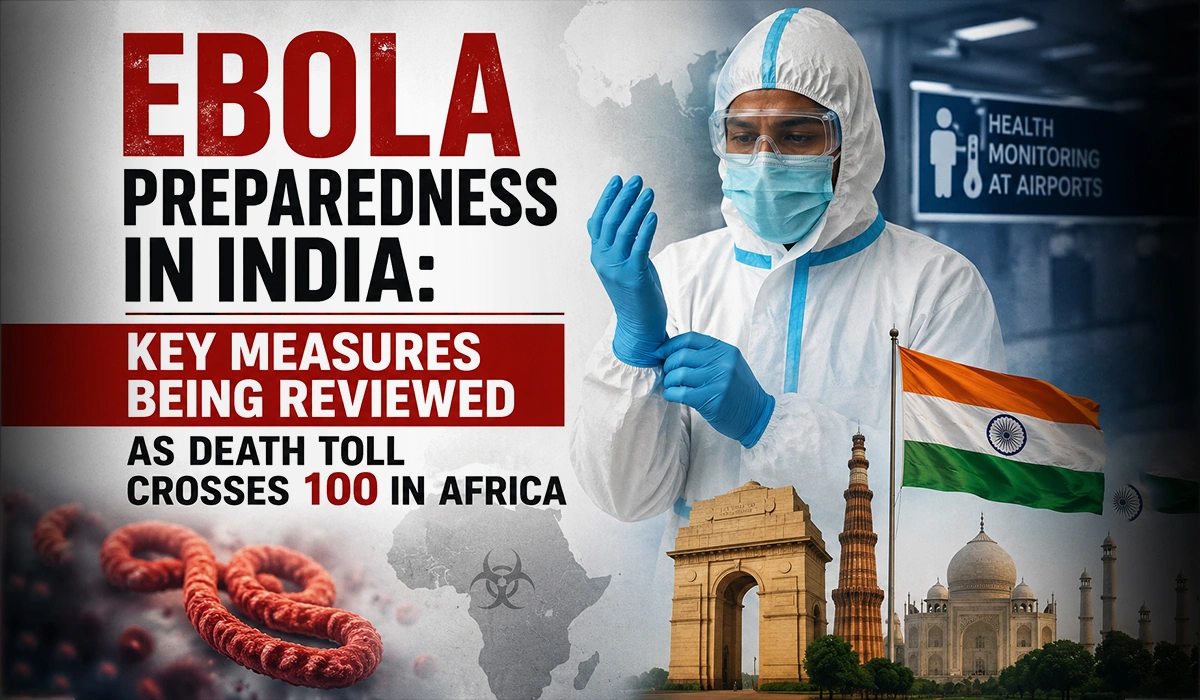
The growing focus on Ebola Preparedness in India: Key Measures Being Reviewed as Death Toll Crosses 100 in Africa reflects how interconnected global healthcare has become. In today’s world, a health emergency in one region can quickly become a global concern due to international travel, trade, and population movement.
This article explains what Ebola is, why India is monitoring the situation closely, the preparedness measures under review, and how healthcare systems worldwide are learning from past outbreaks to improve future response strategies.
Understanding Ebola Virus Disease
Ebola Virus Disease (EVD) is a severe and often fatal illness caused by the Ebola virus.
The virus was first identified in 1976 near the Ebola River in Central Africa. Since then, several outbreaks have occurred, mainly in African countries.
Ebola spreads through:
- Direct contact with infected body fluids
- Contact with contaminated surfaces
- Exposure to infected animals
Unlike airborne viruses, Ebola does not spread through normal air transmission like the flu or COVID-19.
However, the virus remains highly dangerous because of its severe symptoms and high fatality rate.
Why the Current Ebola Situation Is Raising Global Concern
Recent reports from Africa showing the death toll crossing 100 have increased international concern.
Health authorities worldwide are closely monitoring:
- Cross-border travel risks
- International airport exposure
- Healthcare worker safety
- Emergency disease surveillance
The situation has renewed discussions about Ebola Preparedness in India: Key Measures Being Reviewed as Death Toll Crosses 100 in Africa and whether healthcare systems are fully prepared for rapid response if imported cases appear.
What Are the Symptoms of Ebola?
Early Ebola symptoms may resemble common viral illnesses, making early detection difficult.
Common symptoms include:
- Fever
- Severe weakness
- Muscle pain
- Sore throat
- Headache
As the disease progresses, patients may develop:
- Vomiting
- Diarrhea
- Internal bleeding
- Organ failure
Early medical isolation is critical to prevent spread.
Why India Is Reviewing Ebola Preparedness
India has not experienced a major Ebola outbreak, but the country remains alert due to international travel and global health risks.
India’s healthcare authorities are reviewing preparedness because:
- Thousands of international travelers enter India daily
- Imported infections are possible
- Rapid response is essential during outbreaks
The focus of Ebola Preparedness in India: Key Measures Being Reviewed as Death Toll Crosses 100 in Africa is prevention, early detection, and containment.
Airport Screening and Travel Monitoring Measures
One of the first lines of defense is airport surveillance.
Measures being reviewed include:
- Thermal screening at airports
- Monitoring travelers from affected regions
- Health declaration forms
- Isolation protocols for symptomatic passengers
International airports often become critical checkpoints during infectious disease outbreaks.
Strengthening Hospital Preparedness
Hospitals play a central role in outbreak management.
India is reviewing:
- Isolation ward readiness
- Emergency response teams
- Availability of PPE kits
- Infection control protocols
Healthcare workers require specialized training to safely handle infectious diseases like Ebola.
Importance of Rapid Detection and Testing
Quick diagnosis is essential during outbreaks.
Preparedness strategies include:
- Faster laboratory testing
- Improved disease surveillance
- Reporting systems for suspected cases
- Coordination with global health organizations
Rapid identification helps prevent wider transmission.
Lessons Learned from COVID-19
The COVID-19 pandemic changed how countries approach infectious disease preparedness.
Important lessons include:
- Importance of early response
- Public awareness communication
- Hospital resource management
- Supply chain readiness
Many healthcare systems are now better prepared for emergency outbreak response compared to previous years.
The Role of WHO and International Collaboration
The World Health Organization (WHO) plays an important role during global outbreaks.
WHO supports:
- Disease monitoring
- Research coordination
- Public health guidelines
- International outbreak response
India works closely with global healthcare agencies to stay updated on infectious disease risks.
Public Awareness and Preventive Measures
Public awareness is one of the strongest tools during any outbreak.
Recommended preventive practices:
- Avoid unnecessary travel to outbreak regions
- Maintain hygiene practices
- Follow official health advisories
- Seek medical help for symptoms after travel
Panic can often create more problems than the disease itself, which is why factual communication is important.
Is Ebola a Risk to the General Public in India?
Currently, Ebola risk to the general Indian population remains low.
However, preparedness matters because:
- Global travel continues daily
- Imported infections are always possible
- Early response saves lives
Healthcare experts emphasize vigilance rather than fear.
How Ebola Preparedness Benefits Overall Healthcare Systems
Preparedness for diseases like Ebola improves healthcare systems overall.
Benefits include:
- Better emergency response systems
- Stronger infection control
- Improved hospital infrastructure
- Faster disease surveillance
These improvements also help manage future outbreaks of other infectious diseases.
The Importance of Healthcare Infrastructure
Modern healthcare preparedness depends heavily on infrastructure.
Important factors include:
- Laboratory capacity
- Hospital readiness
- Emergency communication systems
- Skilled healthcare professionals
Countries investing in healthcare infrastructure are generally more prepared for health emergencies.
Vaccine Research and Treatment Developments
Over the years, scientists have developed vaccines and treatments that improve Ebola outbreak control.
Medical advancements include:
- Ebola vaccines
- Experimental antiviral therapies
- Improved supportive care
Research continues to reduce fatality rates and improve outbreak management globally.
The Role of Preventive Healthcare
Preventive healthcare is no longer limited to lifestyle diseases.
It now includes:
- Infectious disease monitoring
- Public health awareness
- Emergency preparedness
- Vaccination strategies
The discussion around Ebola Preparedness in India: Key Measures Being Reviewed as Death Toll Crosses 100 in Africa highlights the growing importance of preventive public health systems.
Balancing Preparedness Without Panic
One major challenge during outbreaks is balancing awareness with calm communication.
Healthcare authorities aim to:
- Prevent misinformation
- Provide accurate updates
- Avoid unnecessary panic
- Encourage responsible behavior
Trusted information is essential during global health situations.
Future of Global Outbreak Preparedness
The future of infectious disease management will likely focus on:
- Faster detection systems
- AI-based disease tracking
- Global health collaboration
- Vaccine innovation
- Stronger emergency healthcare systems
Modern healthcare is becoming increasingly proactive instead of reactive.
Conclusion
The growing attention around Ebola Preparedness in India: Key Measures Being Reviewed as Death Toll Crosses 100 in Africa reflects the importance of global healthcare readiness in today’s interconnected world.
While the current public risk in India remains low, preventive action, healthcare preparedness, rapid surveillance, and public awareness remain essential tools in managing infectious disease threats.
Modern healthcare systems are learning from every outbreak to build stronger emergency response networks, improve hospital readiness, and protect public health more effectively.
Preparedness is not about fear—it is about readiness, responsibility, and resilience.