Introduction
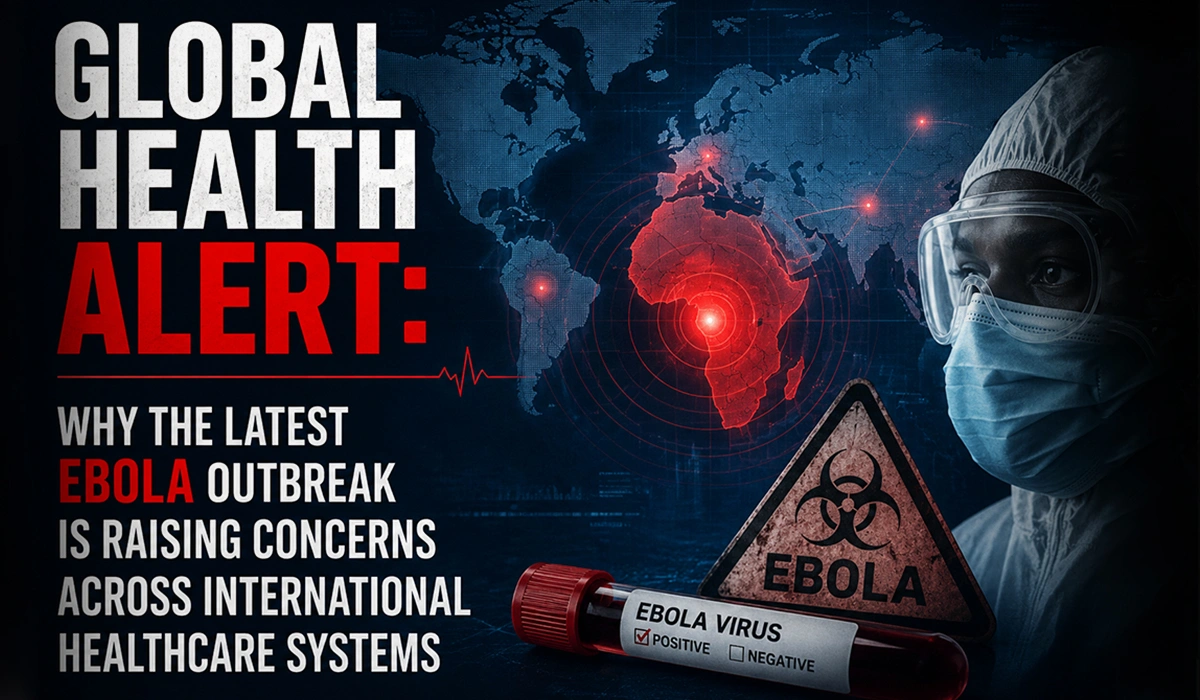
A single outbreak in one part of the world can quickly become a global concern. That reality became clear during past public health emergencies—and now, the latest Ebola outbreak is once again drawing international attention.
Healthcare officials across the United States, Africa, Europe, and Asia are monitoring developments carefully. Hospitals, researchers, and global health organizations are asking important questions:
How serious is the current Ebola outbreak? Could healthcare systems be prepared for another major global health challenge? And why does Ebola continue to raise concern even after decades of research?
Understanding Global Health Alert: Why the Latest Ebola Outbreak Is Raising Concerns Across International Healthcare Systems is important because infectious diseases no longer stay limited to one country. International travel, urbanization, climate change, and healthcare inequalities all influence how outbreaks spread and how quickly healthcare systems respond.
This article explains the science, risks, healthcare impact, prevention strategies, and global response efforts related to the latest Ebola concerns in a simple and easy-to-understand way.
What Is Ebola Virus Disease?
Ebola Virus Disease (EVD) is a rare but serious viral illness that affects humans and some animals.
It is caused by infection with viruses from the Ebola virus family.
Common symptoms include:
- Fever
- Severe weakness
- Muscle pain
- Vomiting
- Diarrhea
- Internal and external bleeding in severe cases
Ebola spreads through direct contact with:
- Blood
- Body fluids
- Contaminated surfaces
- Infected animals
The disease can become life-threatening if not treated quickly.
Why the Latest Ebola Outbreak Is Raising Global Concern
The topic Global Health Alert: Why the Latest Ebola Outbreak Is Raising Concerns Across International Healthcare Systems is becoming increasingly important because outbreaks today affect far more than local communities.
Healthcare experts worry about:
- Rapid international movement
- Pressure on hospitals
- Limited healthcare resources
- Delayed diagnosis
- Public panic and misinformation
Modern healthcare systems remain connected globally. Even a localized outbreak can create international preparedness challenges.
Understanding How Ebola Spreads
Unlike airborne viruses such as COVID-19, Ebola spreads mainly through direct physical contact.
Ebola transmission may occur through:
- Infected bodily fluids
- Medical equipment contamination
- Caregiving without protective gear
- Unsafe burial practices
Healthcare workers are often among the highest-risk groups during outbreaks.
This is why infection prevention systems remain essential.
Why Healthcare Systems Are Paying Close Attention
International healthcare systems are more alert today because outbreaks can strain medical infrastructure rapidly.
Key concerns include:
- Hospital preparedness
- Protective equipment shortages
- Staff training needs
- Emergency isolation units
- Laboratory testing capacity
The latest Ebola outbreak has renewed discussions about global healthcare readiness and emergency response planning.
The Global Impact of Infectious Disease Outbreaks
Infectious disease outbreaks affect far more than public health.
Wider impacts include:
- Economic disruption
- Travel restrictions
- Supply chain delays
- Public anxiety
- Pressure on healthcare workers
Global health emergencies remind governments and organizations why preventive healthcare systems are critical.
Why Ebola Remains One of the World’s Most Feared Viruses
Ebola continues to create fear because of:
- High fatality rates in severe outbreaks
- Intense symptoms
- Rapid deterioration in some patients
- Historical outbreak experiences
Images and reports from previous Ebola outbreaks left strong emotional memories worldwide.
However, medical science and outbreak management have improved significantly over the years.
How International Healthcare Systems Respond to Ebola
Modern outbreak management involves multiple healthcare layers working together.
Key response strategies:
- Rapid case identification
- Isolation protocols
- Contact tracing
- Border health screening
- Vaccination campaigns
- Community awareness programs
Organizations such as the World Health Organization (WHO) and Centers for Disease Control and Prevention (CDC) help coordinate international response efforts.
The Role of Vaccines in Ebola Prevention
Vaccines have become one of the biggest advancements in Ebola prevention.
Benefits of Ebola vaccines:
- Reduced infection risk
- Faster outbreak containment
- Protection for healthcare workers
- Improved public confidence
Vaccination strategies are now used during outbreak response in high-risk regions.
Researchers continue improving vaccine accessibility and effectiveness.
Why Early Detection Matters
Early detection saves lives during infectious disease outbreaks.
Quick diagnosis helps:
- Prevent wider transmission
- Start treatment earlier
- Protect healthcare workers
- Improve survival rates
Healthcare awareness campaigns encourage people to recognize symptoms and seek help quickly.
Challenges Facing Developing Healthcare Systems
Many Ebola outbreaks occur in regions facing healthcare infrastructure challenges.
Common difficulties include:
- Limited medical facilities
- Shortage of healthcare staff
- Lack of protective equipment
- Poor laboratory access
- Limited public awareness
These factors can slow outbreak control efforts.
Global healthcare partnerships are essential for supporting vulnerable regions.
The Importance of Global Healthcare Collaboration
No country can manage global outbreaks alone.
International collaboration supports:
- Research sharing
- Medical supply distribution
- Emergency response funding
- Vaccine access
- Training and preparedness
The latest Ebola outbreak highlights the importance of stronger international healthcare coordination.
How Misinformation Creates Additional Risk
False information spreads quickly during health emergencies.
Common misinformation problems:
- Fake cures
- Panic-driven rumors
- Distrust in healthcare systems
- Vaccine myths
Reliable healthcare communication helps reduce fear and improve public cooperation.
Trusted medical organizations play a major role in public education.
Lessons Learned from Previous Global Health Emergencies
Past outbreaks—including Ebola and COVID-19—taught healthcare systems several important lessons:
- Early action matters
- Healthcare preparedness is essential
- Public awareness saves lives
- Strong surveillance systems are necessary
Countries are now investing more in:
- Emergency healthcare infrastructure
- Disease monitoring systems
- Public health education
These improvements may help future outbreak responses become faster and more effective.
The Psychological Impact of Global Health Alerts
Outbreaks affect mental health as well as physical health.
People may experience:
- Anxiety
- Stress
- Fear of infection
- Social stigma
Healthcare systems now recognize mental wellness as an important part of emergency response planning.
Preventive Healthcare Is More Important Than Ever
One major message from the latest Ebola outbreak is the importance of preventive healthcare.
Preventive strategies include:
- Hygiene awareness
- Strong healthcare systems
- Vaccination programs
- Early screenings
- Public education
The future of global health depends heavily on prevention rather than reaction alone.
What Individuals Can Do During Global Health Alerts
Most people can reduce risk by following basic public health guidance.
Helpful safety habits include:
- Regular hand hygiene
- Following official health updates
- Avoiding misinformation
- Seeking medical care for symptoms
- Supporting community health awareness
Prepared communities respond better during health emergencies.
Conclusion
Understanding Global Health Alert: Why the Latest Ebola Outbreak Is Raising Concerns Across International Healthcare Systems helps explain why infectious disease preparedness remains a global priority.
The latest Ebola outbreak is not only a regional health issue—it is a reminder that modern healthcare systems must remain alert, connected, and prepared for emerging public health threats.
From vaccine development and hospital preparedness to public awareness and international cooperation, global healthcare continues evolving to respond more effectively to outbreaks.