A simple sore throat. Mild fever. Extreme fatigue that refuses to go away.
For millions of people worldwide, symptoms like these may seem harmless at first. But in some cases, they are linked to a virus that scientists have studied for decades—the Epstein-Barr Virus, commonly known as EBV.
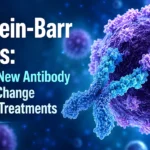
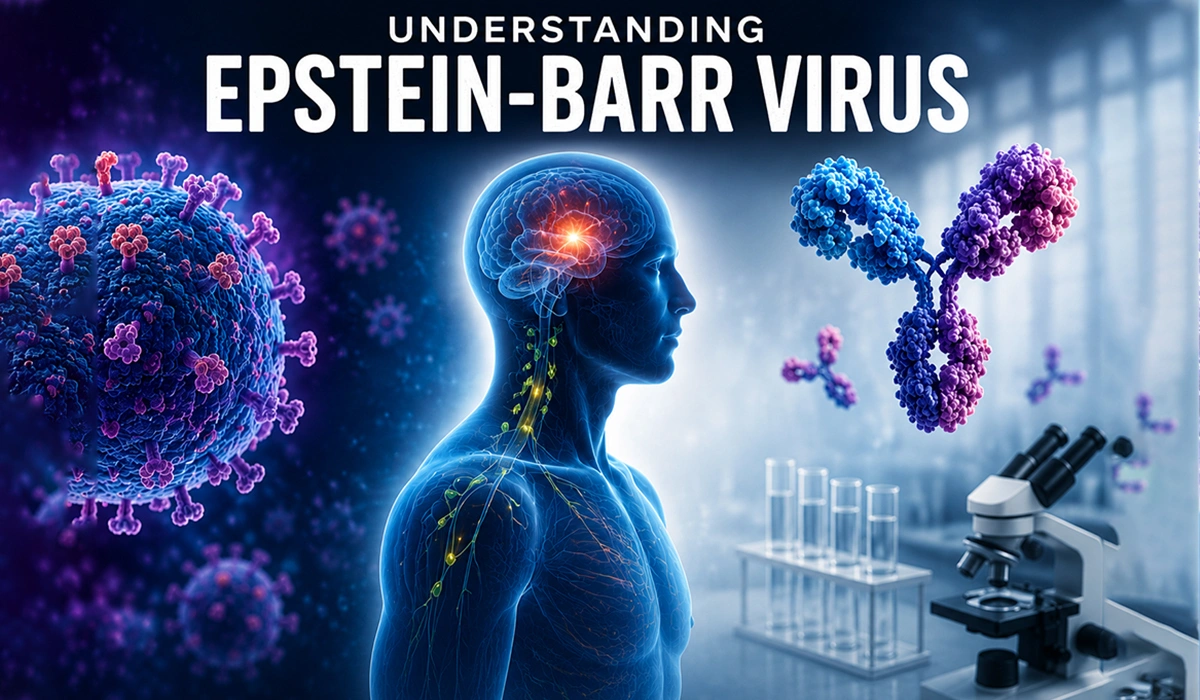
Today, researchers in the USA, India, and other global healthcare centers are focusing on understanding Epstein-Barr Virus and the promise of new antibody research because of its possible connection to chronic illnesses, autoimmune disorders, and even certain cancers.
The exciting part? New antibody-based research is changing how scientists detect, monitor, and potentially treat EBV-related conditions.
What Is Epstein-Barr Virus (EBV)?
Epstein-Barr Virus is one of the most common human viruses in the world.
It belongs to the herpesvirus family and spreads mainly through saliva. This is why EBV is sometimes called the “kissing disease.”
Common EBV symptoms include:
- Fever
- Fatigue
- Swollen lymph nodes
- Sore throat
- Weakness
Most people become infected at some point in their lives, often during childhood or adolescence.
Why Is Understanding Epstein-Barr Virus Important?
Scientists are paying closer attention to EBV because it may remain inactive inside the body for years after infection.
Research suggests EBV may be linked to:
- Chronic fatigue syndrome
- Multiple sclerosis (MS)
- Certain lymphomas
- Nasopharyngeal cancer
- Immune dysfunction
This makes understanding Epstein-Barr Virus and the promise of new antibody research highly relevant in modern healthcare.
How Does Epstein-Barr Virus Affect the Body?
After entering the body, EBV infects white blood cells called B cells.
The immune system usually controls the infection, but the virus may remain dormant for life.
Possible effects include:
- Ongoing inflammation
- Immune system activation
- Long-term fatigue
- Increased cellular stress
In some people, EBV may reactivate during periods of stress or weakened immunity.
What Makes EBV Different from Other Viruses?
Unlike short-term infections, EBV can stay hidden inside the body.
This long-term persistence makes it unique.
Scientists study EBV because:
- It can influence immune responses
- It may contribute to chronic disease
- It has potential links to cancer biology
This is where new antibody research becomes especially important.
The Role of Antibodies in EBV Research
Antibodies are proteins produced by the immune system to fight infections.
In EBV research, antibodies help scientists:
- Detect active infection
- Monitor immune response
- Study disease progression
New antibody technologies are improving how healthcare professionals understand viral behavior.
What Is New Antibody Research?
New antibody research focuses on creating advanced antibodies that can:
- Identify infected cells
- Block viral activity
- Improve diagnostic accuracy
- Support targeted therapies
Researchers believe these developments may improve future treatment strategies for EBV-related conditions.
Could Antibody Research Lead to Better Treatments?
This is one of the biggest questions in understanding Epstein-Barr Virus and the promise of new antibody research.
Scientists are exploring:
- Monoclonal antibodies
- Immunotherapy approaches
- Precision medicine techniques
These methods may help:
- Reduce viral activity
- Strengthen immune response
- Improve disease management
While research is ongoing, early findings are promising.
Epstein-Barr Virus and Cancer Research
One reason EBV research attracts global attention is its possible association with certain cancers.
EBV-linked cancers include:
- Hodgkin lymphoma
- Burkitt lymphoma
- Nasopharyngeal carcinoma
Researchers are investigating how viral proteins and immune responses may influence abnormal cell growth.
This is why antibody-based therapies are becoming an important area of study.
Can EBV Be Prevented?
Currently, there is no approved vaccine for Epstein-Barr Virus.
However, preventive strategies may help reduce risk:
- Good hygiene practices
- Avoid sharing drinks or utensils
- Supporting immune health
- Managing stress levels
Scientists are also exploring vaccine research as part of future EBV prevention efforts.
How Lifestyle and Immunity Influence EBV
A strong immune system may help the body manage viral infections more effectively.
Helpful habits include:
- Balanced nutrition
- Regular sleep
- Exercise
- Stress reduction
- Hydration
Healthy lifestyle habits support overall immune resilience.
Why Early Detection Matters
Early recognition of EBV-related complications may improve long-term outcomes.
Symptoms that should not be ignored include:
- Persistent fatigue
- Swollen glands
- Recurrent fever
- Unexplained weakness
New antibody research may help healthcare professionals identify these conditions earlier and more accurately.
Global Interest in EBV Research
Healthcare organizations across the USA, India, Europe, and Asia are investing heavily in viral and immune-system research.
Reasons for growing attention:
- Rising autoimmune disease cases
- Cancer research advancements
- Precision medicine developments
- Improved diagnostic technologies
This global collaboration is accelerating progress in EBV science.
Challenges in Epstein-Barr Virus Research
Despite progress, challenges remain.
Current limitations:
- EBV stays dormant in the body
- Symptoms vary widely
- Long-term effects are complex
Researchers continue working to better understand how the virus behaves over time.
Future of Epstein-Barr Virus Antibody Research
The future of EBV research looks promising.
Emerging areas include:
- Personalized immunotherapy
- Advanced antibody engineering
- Early biomarker detection
- AI-driven viral analysis
These innovations may transform how chronic viral infections are managed in the future.
Related Health Guides
- Understanding Immune Health and Viral Infections
- How Chronic Inflammation Impacts Long-Term Wellness
- The Role of Preventive Healthcare in Modern Medicine
Conclusion
Understanding Epstein-Barr Virus and the promise of new antibody research is helping scientists unlock important insights into immunity, chronic disease, and cancer biology.
Although EBV infects millions worldwide, new research offers hope for earlier diagnosis, better disease management, and more targeted therapies in the future.
As healthcare science continues to evolve, antibody-based innovations may become powerful tools in improving global health outcomes.
Staying informed, supporting immune health, and following medical guidance remain essential steps toward long-term wellness.