Introduction
Vitamins are often seen as harmless health boosters. Many people take them daily to improve immunity, energy, bone health, or overall wellness. But what happens when “more” becomes too much?
Imagine someone starting their day with multiple supplements—Vitamin D for bones, Vitamin C for immunity, and multivitamins for energy. It feels healthy and responsible. Yet growing research suggests that excessive intake of certain vitamins may sometimes create unexpected health concerns, including questions about cancer risk.
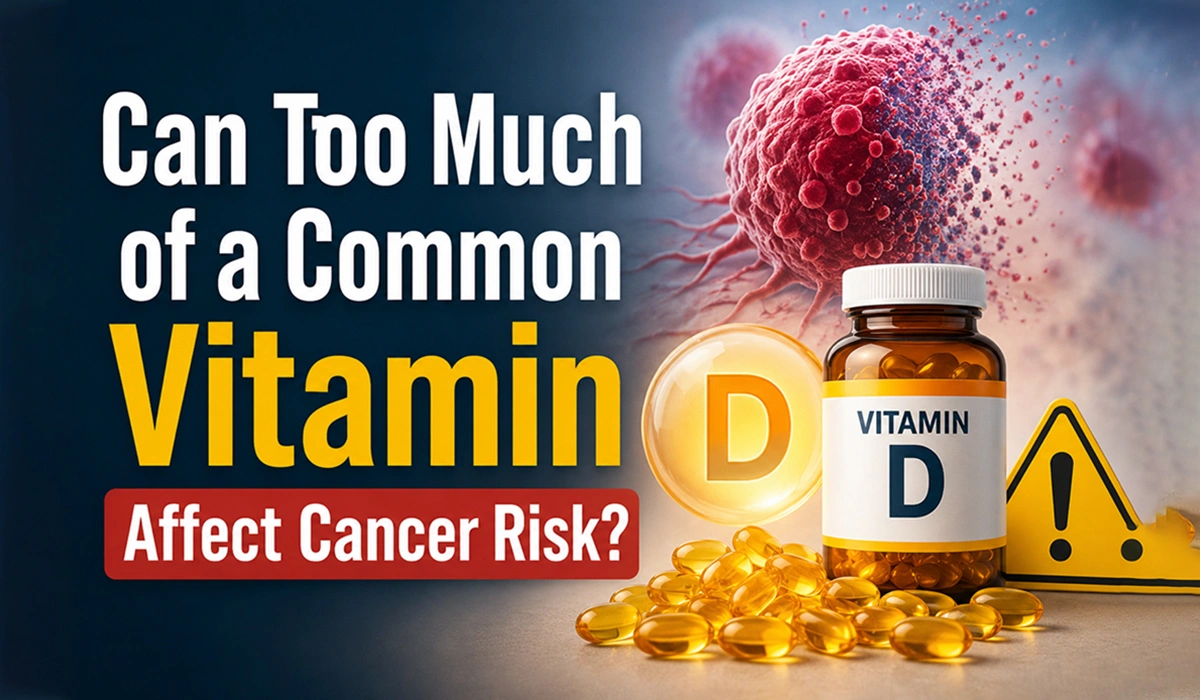
The topic “Can Too Much of a Common Vitamin Affect Cancer Risk?” has gained attention in both the USA and India as supplement use continues to rise. While vitamins are essential for the body, balance is equally important. Deficiency can harm health, but overconsumption may also create risks.
This article explores the science behind vitamin intake, how excessive supplementation may affect cancer risk, and how to maintain a healthy balance for long-term wellness.
Understanding Vitamins and Their Role in the Body
Vitamins are nutrients the body needs in small amounts to function properly.
They help support:
- Immunity
- Bone health
- Cell repair
- Energy production
- Brain function
Without vitamins, the body cannot perform essential processes effectively.
However, vitamins work best within a healthy range. Too little can lead to deficiencies, while too much may disrupt normal body functions.
This is why the question “Can Too Much of a Common Vitamin Affect Cancer Risk?” matters today more than ever.
Why Vitamin Supplements Have Become So Popular
Modern lifestyles have increased reliance on supplements.
Common reasons people take vitamins:
- Busy schedules and poor diet
- Limited sun exposure
- Stress and fatigue
- Preventive healthcare awareness
- Social media wellness trends
In the USA and India, supplement industries have grown rapidly as people seek convenient ways to support health.
But self-medication and excessive use without medical guidance can become problematic.
Which Common Vitamins Raise Concerns?
Not all vitamins carry the same level of concern.
Research often focuses on:
- Vitamin A
- Vitamin E
- Vitamin D
- Beta-carotene supplements
- High-dose antioxidants
These nutrients are beneficial in appropriate amounts but may pose risks when consumed excessively over long periods.
Can Too Much of a Common Vitamin Affect Cancer Risk? Understanding the Research
Scientists continue studying how excess vitamins interact with the body.
What research suggests:
- Very high doses may affect cell growth
- Some antioxidants may interfere with natural defense mechanisms
- Excessive supplementation may impact inflammation and oxidative stress balance
For example, certain studies found that smokers taking high-dose beta-carotene supplements had an increased risk of lung cancer.
This does not mean vitamins directly cause cancer, but it highlights the importance of proper dosage and medical supervision.
The Difference Between Natural Food Sources and Supplements
One major factor is how vitamins are consumed.
Natural food sources:
- Fruits
- Vegetables
- Nuts
- Dairy products
- Whole grains
Foods provide balanced nutrition along with fiber and beneficial compounds.
Supplements:
- Deliver concentrated doses
- May exceed daily recommended intake
- Are easier to overconsume
Most experts recommend getting nutrients primarily from food whenever possible.
Vitamin D: Helpful or Harmful in Excess?
Vitamin D is widely used in both India and the USA.
It supports:
- Bone strength
- Immunity
- Muscle health
However, excessive Vitamin D supplementation can lead to:
- High calcium levels
- Kidney stress
- Digestive problems
Researchers are also studying whether extremely high Vitamin D levels may influence cancer-related pathways in the body.
Moderation remains key.
The Link Between Antioxidants and Cancer Risk
Antioxidants help protect cells from damage.
Common antioxidant vitamins include:
- Vitamin C
- Vitamin E
- Beta-carotene
While antioxidants are generally beneficial, very high supplemental doses may sometimes interfere with how the body handles abnormal cells.
Some studies suggest that excessive antioxidants might unintentionally help damaged cells survive instead of being naturally removed.
This is one reason why the topic “Can Too Much of a Common Vitamin Affect Cancer Risk?” continues to receive global attention.
Why Self-Prescribing Supplements Can Be Risky
Many people assume vitamins are always safe because they are easily available.
But excessive use can happen through:
- Multiple supplements taken together
- High-dose wellness products
- Long-term use without testing
- Social media health advice
Without professional guidance, people may unknowingly exceed safe intake levels.
How Doctors Determine Safe Vitamin Levels
Healthcare professionals use several methods:
- Blood tests
- Medical history review
- Lifestyle analysis
- Dietary evaluation
These help identify whether supplementation is truly needed.
In countries like the USA, routine screening for Vitamin D deficiency is common in certain groups. In India, deficiency is also widespread due to lifestyle and dietary factors.
The goal is personalized supplementation—not excessive intake.
Common Signs of Excess Vitamin Intake
Too much supplementation may cause symptoms such as:
- Nausea
- Headaches
- Fatigue
- Digestive discomfort
- Kidney issues
- Calcium imbalance
Fat-soluble vitamins like A, D, E, and K are stored in the body, increasing the risk of toxicity when overused.
The Importance of Balanced Nutrition
Balanced nutrition is safer and more sustainable than relying heavily on supplements.
Healthy dietary habits include:
- Eating colorful fruits and vegetables
- Including lean proteins
- Staying hydrated
- Limiting processed foods
Food-based nutrition provides vitamins naturally in balanced amounts.
Cancer Prevention Requires More Than Supplements
No single vitamin can prevent cancer.
True cancer prevention involves:
- Healthy diet
- Regular exercise
- Avoiding smoking
- Limiting alcohol
- Managing stress
- Routine medical check-ups
Supplements should support health—not replace healthy living.
Understanding Recommended Daily Allowances (RDA)
RDA guidelines help prevent both deficiency and excess.
These recommendations vary based on:
- Age
- Gender
- Health condition
- Pregnancy status
- Geographic region
Following medically recommended doses is essential for safe supplementation.
Why Personalized Healthcare Matters
Every person has different nutritional needs.
Factors influencing vitamin requirements include:
- Genetics
- Lifestyle
- Existing medical conditions
- Diet patterns
- Climate and sunlight exposure
This is why personalized healthcare is becoming increasingly important in both India and the USA.
The Role of Preventive Healthcare
Modern healthcare emphasizes prevention rather than treatment alone.
Preventive wellness includes:
- Regular health screenings
- Monitoring deficiencies
- Lifestyle improvements
- Responsible supplementation
This approach helps reduce long-term disease risks while maintaining balanced health.
Can Too Much of a Common Vitamin Affect Cancer Risk? What Experts Say
Experts generally agree on one thing:
Vitamins are beneficial when:
- Taken in appropriate amounts
- Used for diagnosed deficiencies
- Recommended by healthcare professionals
Risks increase when:
- High doses are taken unnecessarily
- Multiple supplements are combined
- Supplements replace proper nutrition
Balance remains the foundation of safe health practices.
Practical Tips for Safe Supplement Use
Follow these simple steps:
✔ Consult a healthcare professional before starting supplements
✔ Avoid mega-dose products unless prescribed
✔ Read labels carefully
✔ Do not combine similar supplements unnecessarily
✔ Focus on nutrition from food first
✔ Schedule regular health check-ups
Conclusion
The question “Can Too Much of a Common Vitamin Affect Cancer Risk?” highlights an important truth about health: balance matters.
Vitamins are essential for wellness, immunity, and overall body function. But more is not always better. Excessive supplementation without medical guidance may create unnecessary health risks.
For people in both the USA and India, awareness around responsible supplement use is becoming increasingly important. The safest approach combines:
- Balanced nutrition
- Professional medical advice
- Preventive healthcare habits
- Personalized wellness plans
Healthy living is not about taking the highest dose—it’s about making informed choices every day.