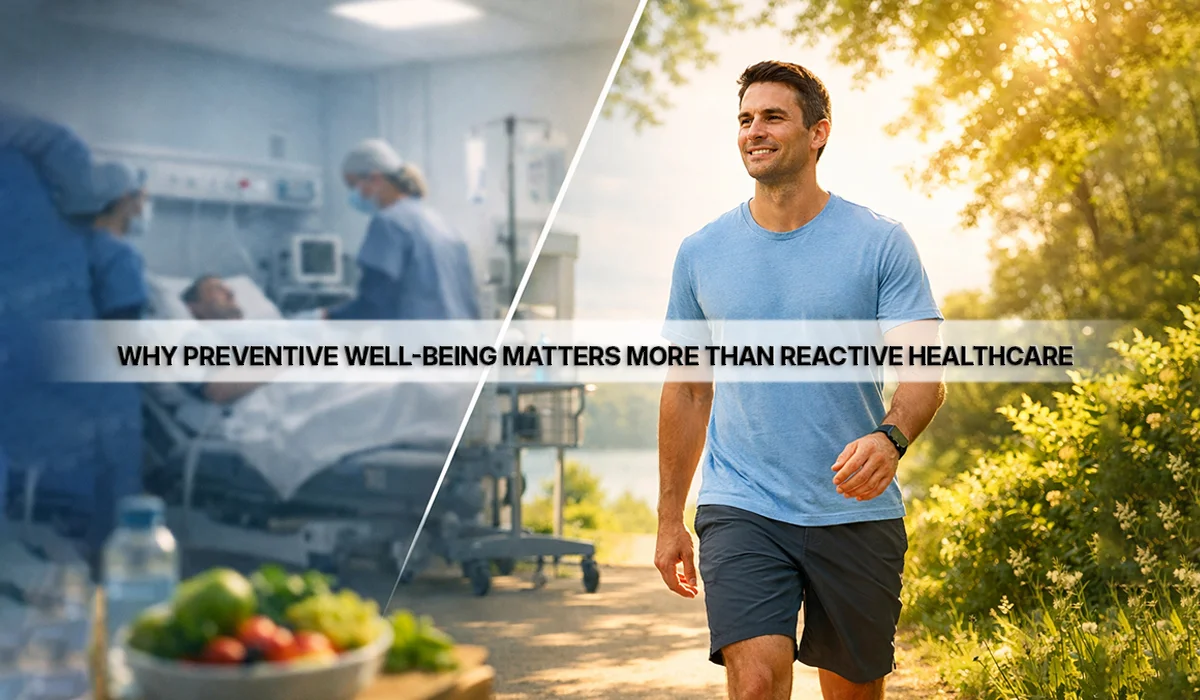
Have you ever waited until something broke before fixing it? Most of us wouldn’t ignore a strange noise in our car or skip servicing our air conditioner for years. Yet when it comes to our health, many people still wait for symptoms before taking action.
This is where preventive well-being changes the story.
Across the United States and many other countries, healthcare systems are built largely around treatment. We react when disease appears. But rising healthcare costs, increasing chronic illness, and longer life expectancy are forcing a rethink. The question is no longer “How do we treat disease?” but “How do we prevent it in the first place?”
This article explores why preventive well-being matters more than reactive healthcare, how it works in real life, and why combining prevention with smart medical care creates stronger, longer-lasting health outcomes.
What Is Preventive Well-Being?
Preventive well-being is a proactive approach to health that focuses on maintaining physical, mental, and emotional balance before illness develops. Instead of waiting for disease to appear, preventive well-being aims to reduce risk factors, detect problems early, and strengthen resilience.
Reactive healthcare, by contrast, responds after symptoms begin. It is essential and life-saving—but often late, costly, and more complex.
Preventive well-being includes:
- Regular health screenings
- Vaccinations
- Healthy nutrition
- Physical activity
- Mental health care
- Stress management
- Sleep optimization
- Avoiding harmful habits like smoking
The core idea is simple: protect health early so serious intervention is less likely later.
Why Reactive Healthcare Became the Default
Modern medicine achieved major breakthroughs in surgery, antibiotics, and emergency care. Hospitals became centers of life-saving treatment. Over time, this shaped public expectations. We go to the doctor when we are sick.
However, chronic diseases such as diabetes, heart disease, obesity, and certain cancers often develop slowly over years. By the time symptoms appear, damage may already be advanced.
Reactive healthcare excels in emergencies. But for long-term conditions, prevention often delivers better outcomes.
The Rising Cost of Ignoring Preventive Well-Being
In the U.S., healthcare spending continues to rise. A significant portion of these costs is linked to preventable chronic diseases.
Conditions such as:
- Type 2 diabetes
- Hypertension
- Cardiovascular disease
- Certain cancers
- Chronic respiratory disease
are often influenced by lifestyle, environment, and early intervention gaps.
Preventive well-being reduces:
- Hospital admissions
- Emergency visits
- Advanced-stage treatments
- Long-term medication dependency
It also improves productivity, mental clarity, and overall life satisfaction.
Preventive Well-Being and Early Detection: A Powerful Combination
Preventive well-being is not just about lifestyle. It also includes early detection tools such as:
- Annual physical exams
- Blood pressure monitoring
- Cholesterol testing
- Cancer screening
- Blood sugar checks
- Kidney function tests
When diseases are detected early, treatment is usually:
- Less invasive
- More affordable
- More successful
- Less disruptive to daily life
Prevention reduces risk. Early detection catches what prevention may miss.
Lifestyle Medicine: The Foundation of Preventive Well-Being
Preventive well-being often begins with everyday habits.
Nutrition and Chronic Disease Prevention
Diets rich in fruits, vegetables, whole grains, lean protein, and healthy fats are linked to lower risks of heart disease, diabetes, and some cancers. Excess sugar, processed foods, and unhealthy fats increase inflammation and metabolic strain. Small dietary improvements over time can significantly shift long-term outcomes.
Physical Activity and Long-Term Health
Regular movement strengthens the heart, improves insulin sensitivity, supports mental health, and reduces inflammation. Even moderate exercise—such as brisk walking 30 minutes a day—can reduce disease risk dramatically.
Sleep as Preventive Healthcare
Poor sleep disrupts hormones, immunity, and metabolism. Chronic sleep deprivation increases the risk of:
- Heart disease
- Obesity
- Depression
- Diabetes
Preventive well-being includes prioritizing sleep as much as diet and exercise.
Mental Health: The Overlooked Preventive Tool
Stress is often underestimated. Chronic stress increases inflammation, blood pressure, and cortisol levels.
Preventive well-being integrates:
- Mindfulness practices
- Social connection
- Therapy when needed
- Work-life balance
Mental resilience strengthens physical resilience.
The Role of Technology in Preventive Well-Being
Modern technology is reshaping preventive healthcare:
- Wearable devices track heart rate and sleep patterns
- Telemedicine increases screening access
- Health apps encourage habit tracking
- Data analytics identify risk patterns early
When used responsibly, technology enhances awareness and accountability.
Preventive Well-Being Across Life Stages
Prevention looks different at each age.
Children and Adolescents
- Vaccinations
- Balanced nutrition
- Physical activity
- Mental health support
Adults
- Blood pressure monitoring
- Cancer screening
- Stress management
- Metabolic health checks
Seniors
- Bone density testing
- Cardiovascular monitoring
- Cognitive health evaluation
- Fall prevention strategies
Preventive well-being adapts as life evolves.
Preventive Well-Being in the Workplace
Employers are increasingly investing in wellness programs because prevention reduces absenteeism and improves productivity.
Corporate wellness initiatives may include:
- Health screenings
- Stress management workshops
- Fitness incentives
- Nutritional guidance
A healthier workforce benefits both employees and organizations.
Global Perspectives on Preventive Well-Being
Countries with strong preventive healthcare systems often see:
- Lower hospitalization rates
- Longer life expectancy
- Lower long-term healthcare costs
Public health campaigns focusing on smoking cessation, obesity reduction, and vaccination demonstrate the impact of coordinated prevention.
Preventive well-being is not just personal—it’s societal.
Common Misconceptions About Preventive Healthcare
Some believe prevention is expensive. In reality, routine screenings cost far less than advanced treatments. Others assume genetics determine everything. While genetics matter, lifestyle plays a major role in risk modification. Prevention does not eliminate all disease—but it significantly shifts probability.
The Human Side of Prevention
Imagine two individuals of the same age and background. One waits until symptoms appear before visiting a doctor. The other invests in preventive well-being—regular screenings, balanced nutrition, exercise, stress management. Years later, the second person often experiences fewer complications, greater mobility, and lower healthcare costs. Prevention does not promise perfection. It improves odds.
Why Preventive Well-Being Matters More Than Reactive Healthcare
Reactive healthcare saves lives. It will always be essential.
But preventive well-being changes the timeline. It shifts focus from crisis management to long-term strength.
In many cases, prevention:
- Reduces suffering
- Preserves independence
- Lowers financial burden
- Improves quality of life
The most effective healthcare system does not choose one over the other—it integrates both.
Conclusion
Preventive well-being matters more than reactive healthcare because it addresses the root causes of disease rather than just its consequences. By embracing preventive habits, early detection, and balanced lifestyle choices, individuals can reduce risk, extend vitality, and build resilience. Healthcare is not only about curing illness—it is about protecting life before illness takes hold. The next time you consider postponing a checkup or ignoring small warning signs, ask yourself: would you rather repair damage—or prevent it?
Web Stories