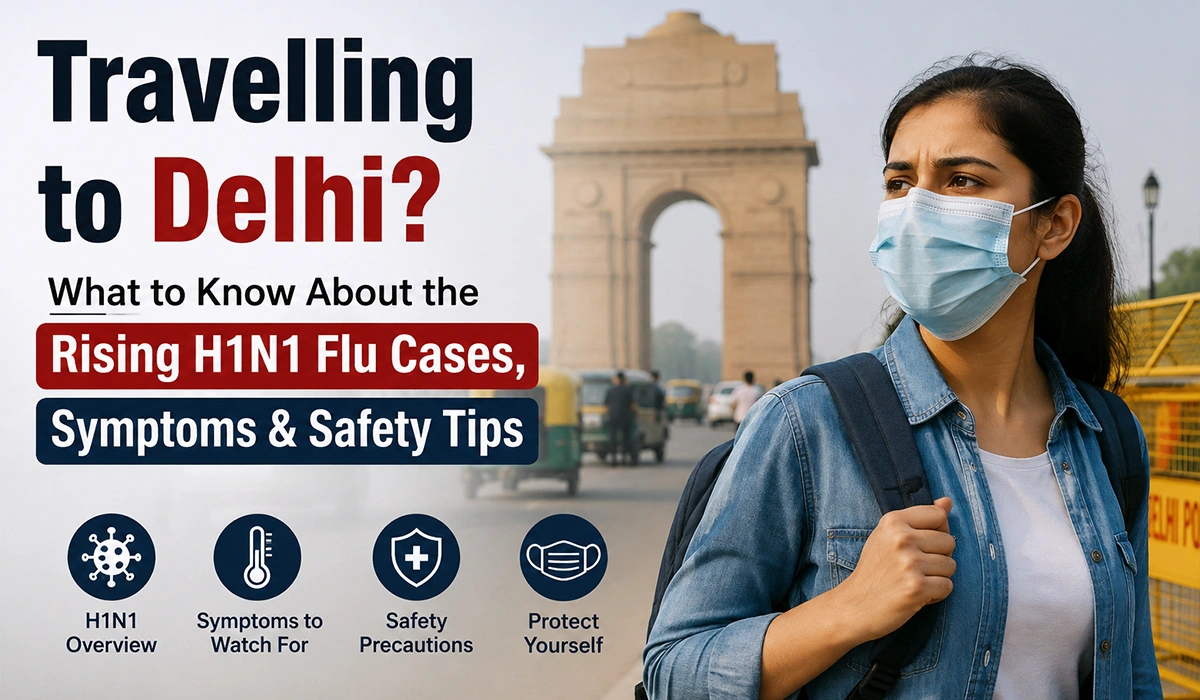
Introduction: Why Are People Talking About H1N1 in Delhi?
If you are planning a trip to Delhi, you may have noticed recent headlines about a sharp increase in H1N1 flu cases in Delhi. The rise is real, but it is important to understand the situation without unnecessary panic.
Delhi has reported a substantial increase in H1N1 infections during August 2026. According to Delhi government data reported on August 27, the city had recorded 2,612 H1N1 cases, including 166 new cases in the preceding 24 hours. Earlier figures showed 1,777 cases by August 20 and 2,308 by August 25, illustrating how quickly reported numbers were changing.
At the same time, health authorities have stressed caution rather than panic. The Indian Council of Medical Research has said the increase is not being driven by a newly emerged, more dangerous H1N1 strain. The virus reported in India is a known lineage that has been circulating since 2025.
So, should travellers avoid Delhi?
Not necessarily. The more useful approach is to understand how influenza spreads, recognize symptoms early and take sensible precautions—particularly if you or someone travelling with you belongs to a higher-risk group.
What Is H1N1 Flu?
H1N1 is a subtype of influenza A virus that causes respiratory infection. It is commonly called “swine flu,” although modern seasonal H1N1 is primarily a human seasonal influenza virus. It can cause anything from a mild flu-like illness to serious respiratory complications, particularly in people at higher risk.
Influenza is different from an ordinary cold because symptoms often begin more suddenly and can be more intense.
Typical symptoms include:
- Fever
- Cough
- Sore throat
- Headache
- Muscle or body aches
- Chills
- Fatigue
- Runny or blocked nose
WHO notes that influenza commonly produces sudden fever, cough, headache, muscle and joint pain, sore throat and a feeling of severe weakness or malaise.
Practical tip
If you develop a sudden fever and cough after travelling, do not automatically assume it is H1N1. Several respiratory infections can produce similar symptoms. A healthcare professional can determine whether testing or treatment is appropriate.
How Serious Is the Current H1N1 Situation in Delhi?
Delhi is experiencing a significant increase in reported H1N1 infections, but current evidence does not indicate that a new, unusually lethal H1N1 strain has emerged. The important concern is the number of infections and the possibility of complications in vulnerable people.
The numbers have risen rapidly:
| Reporting period | Reported H1N1 cases in Delhi |
|---|---|
| Same period in 2025 | 229 |
| August 12, 2026 | 1,449 |
| August 20, 2026 | 1,777 |
| August 25, 2026 | 2,308 |
| August 27, 2026 | 2,612 |
These figures come from reports citing Delhi government/NCDC surveillance data and should be interpreted according to their respective reporting dates.
The increase is therefore significant, but a rising case count alone does not mean that every infection will become severe.
Why the situation deserves attention
Doctors have reported more influenza-like illness in Delhi-NCR, while health authorities have increased surveillance and reviewed hospital preparedness.
For travellers, the key message is simple:
Be aware, not alarmed.
Why Are H1N1 Cases Increasing in Delhi?
Influenza activity can increase because of seasonal and environmental factors, changing weather patterns, population movement and increased opportunities for respiratory transmission. Delhi doctors have reported a rise in respiratory infections during the current humid and variable-weather period.
Influenza spreads efficiently when infected people are in close proximity to others.
Delhi is a particularly busy travel hub, with:
- Airports
- Railway stations
- Metro systems
- Intercity buses
- Offices
- Schools and colleges
- Shopping areas
- Restaurants
- Tourist attractions
These settings create many opportunities for respiratory viruses to move between people.
WHO explains that influenza can spread through tiny particles released when an infected person coughs, sneezes, talks or breathes, particularly when people share close or enclosed spaces.
Practical tip
Travelling does not automatically mean you will get H1N1. Instead, reduce avoidable exposure and pay attention to symptoms during and after your journey.
H1N1 Symptoms: What Should Travellers Watch For?
H1N1 commonly causes sudden fever, cough, sore throat, headache, body aches and fatigue. Some people may also experience a runny nose, chills or gastrointestinal symptoms. Symptoms can overlap with COVID-19 and other respiratory infections, so symptoms alone cannot confirm H1N1.
Common symptoms
| Symptom | What it may feel like |
|---|---|
| Fever | Sudden rise in body temperature |
| Cough | Often dry or persistent |
| Sore throat | Pain or irritation while swallowing |
| Body aches | Muscle and joint discomfort |
| Headache | Mild to severe headache |
| Fatigue | Unusual tiredness or weakness |
| Chills | Feeling cold or shivering |
| Runny nose | Nasal discharge or congestion |
The flu often has a more abrupt onset than a typical cold. (CDC)
What about children?
Children can develop the same general symptoms but may also show reduced activity, poor feeding or other changes in behaviour.
Parents should pay particular attention to breathing difficulties, unusual sleepiness or worsening symptoms.
H1N1 vs Common Cold: What Is the Difference?
A cold often develops gradually and tends to be milder. Influenza usually begins more abruptly and is more likely to cause fever, pronounced body aches, chills, headache and significant fatigue. However, symptoms overlap, so the difference cannot always be determined at home.
| Feature | Common cold | Influenza |
|---|---|---|
| Onset | Usually gradual | Often sudden |
| Fever | Less common | Common |
| Body aches | Usually mild | Often more noticeable |
| Fatigue | Variable | Often significant |
| Headache | Less common | Common |
| Cough | Usually mild/moderate | Can be significant |
| Sore throat | Common | Possible |
This comparison is useful for awareness but should not be used as a self-diagnosis tool.
Who Is at Higher Risk of Complications?
Influenza can become more serious in young children, older adults, pregnant women and people with certain chronic or immune-related conditions. These groups should seek medical advice early if they develop flu-like symptoms.
Higher-risk groups include:
- Children, particularly those under 5
- Adults aged 65 and above
- Pregnant women
- People with chronic lung conditions
- People with heart disease
- People with diabetes
- People with certain kidney, liver or neurological conditions
- People with weakened immune systems
- People receiving cancer treatment
WHO and CDC both identify these groups as being at greater risk of serious influenza complications. (CDC)
Travel tip for high-risk travellers
If you fall into a higher-risk category, discuss your travel plans and influenza vaccination with your doctor before travelling.
Is It Safe to Travel to Delhi During the H1N1 Rise?
For most healthy people, the presence of increased influenza activity does not automatically mean that travel to Delhi must be cancelled. The decision should consider your health, the purpose of travel, current official guidance and your ability to take precautions.
For people at higher risk of complications, medical advice before travel is particularly important.
Before travelling
Consider:
- Are you currently sick?
- Do you have a chronic health condition?
- Are you travelling with an elderly person or young child?
- Are you pregnant?
- Are you vaccinated against seasonal influenza?
- Will you spend substantial time in crowded indoor environments?
If you already have a flu-like illness, unnecessary travel can expose other people to infection.
CDC guidance recommends staying home when sick and limiting contact with others except when seeking medical care or when necessary.
How Can Travellers Reduce Their H1N1 Risk?
No single precaution provides complete protection. The best approach combines vaccination where appropriate, hand hygiene, respiratory etiquette, ventilation, avoiding close contact with sick people and staying home when ill. WHO recommends vaccination as the best way to reduce the risk of influenza and severe disease.
Follow these practical measures
1. Wash your hands regularly
Use soap and water or an alcohol-based hand rub, especially after travelling through crowded public spaces.
2. Avoid touching your face
Try not to touch your eyes, nose and mouth with unwashed hands.
3. Cover coughs and sneezes
Use a tissue or your elbow rather than coughing directly into your hands.
4. Improve ventilation
Opening windows and avoiding crowded, poorly ventilated indoor spaces can reduce respiratory transmission risk.
5. Avoid close contact with sick people
If someone around you has obvious flu-like symptoms, maintain reasonable distance where possible.
6. Stay home when sick
Do not continue sightseeing, attending meetings or using public transport unnecessarily while experiencing an acute flu-like illness.
Should You Wear a Mask in Delhi?
A mask can be a useful additional precaution in crowded or poorly ventilated settings, particularly during periods of increased respiratory-virus activity. It should be considered alongside other measures rather than as a replacement for them.
Places where travellers may consider additional respiratory protection include:
- Airports
- Railway stations
- Metro trains
- Crowded buses
- Busy indoor venues
- Healthcare facilities
WHO’s 2026 guidance on public-health measures for influenza includes personal protection, environmental measures and travel-related actions as part of a broader approach to reducing transmission.
Practical tip
A mask is most useful when combined with good hand hygiene, ventilation and avoiding close contact with people who are unwell.
Can the Flu Vaccine Help?
Yes. Seasonal influenza vaccination is the primary preventive measure recommended by WHO for reducing influenza illness and, importantly, severe outcomes. Vaccines are updated as influenza viruses evolve, and protection takes time to develop after vaccination.
WHO recommends annual influenza vaccination particularly for groups at higher risk, including:
- Pregnant women
- Older adults
- Young children
- People with chronic medical conditions
- Healthcare workers
NCDC’s current seasonal influenza resource page also provides information on the 2026 vaccine composition, technical guidelines and influenza surveillance in India.
Important
Vaccination decisions should be discussed with a qualified healthcare professional, especially for children, pregnant women and people with existing medical conditions.
What Should You Do If You Develop Symptoms While in Delhi?
If you develop flu-like symptoms, reduce contact with other people, rest, maintain hydration and contact a healthcare professional when appropriate. People at higher risk or with worsening symptoms should seek medical advice promptly. (CDC)
A practical approach is:
Step 1: Stop unnecessary travel and social activities.
Step 2: Avoid close contact with family members, older adults and other vulnerable people.
Step 3: Contact a healthcare professional if symptoms are significant, worsening or if you belong to a high-risk group.
Step 4: Follow medical advice about testing and treatment.
Step 5: Take prescribed medicines exactly as directed.
Do not start prescription antiviral medicines on your own simply because you suspect H1N1.
WHO notes that antiviral medicines can be particularly important for people at high risk or those with severe illness, and early treatment can be beneficial.
When Should You Seek Urgent Medical Care?
Most influenza infections are mild, but severe symptoms require prompt medical evaluation. Difficulty breathing, chest pain, bluish lips or face, severe weakness, confusion or rapidly worsening illness are warning signs that should not be ignored. (CDC)
Seek urgent medical attention if you experience symptoms such as:
- Difficulty breathing
- Shortness of breath
- Chest pain or pressure
- Bluish lips or face
- Severe or persistent weakness
- Confusion or altered consciousness
- Symptoms that improve and then suddenly worsen
- Severe dehydration
- In children, fast or difficult breathing or ribs pulling in during breathing
People with serious underlying conditions should have a lower threshold for contacting their healthcare provider.
Does Everyone With H1N1 Need Hospitalization?
No. Most people with seasonal influenza recover without hospitalization. Hospital care is generally considered when symptoms are severe, complications develop or the person has significant risk factors requiring closer monitoring.
This distinction matters because headlines about rising cases can make it appear that every infection is an emergency.
In reality, influenza severity varies significantly between individuals.
A healthy young adult with mild symptoms may require only supportive care and monitoring, while an older adult with a chronic heart or lung condition may require earlier medical assessment.
What Is Delhi Doing About the Rise in H1N1 Cases?
Delhi health authorities have increased surveillance and reviewed hospital preparedness as reported H1N1 cases have risen. Health officials have also emphasized following central government guidance and taking precautions rather than panicking.
Reported preparedness measures have included monitoring influenza-like illness and severe respiratory infections, reviewing hospital capacity and assessing availability of medicines, diagnostics and critical-care resources.
The National Centre for Disease Control maintains a dedicated seasonal influenza resource containing technical guidelines covering patient categorization, home care, masks, clinical protocols, laboratory procedures and surveillance.
This is important because influenza surveillance is continually updated.
What Travellers Should Carry for a Delhi Trip
A small health kit can be useful during periods of increased respiratory illness.
Consider carrying:
- Hand sanitizer
- Tissues
- A suitable mask for crowded settings
- Regular prescription medicines
- A thermometer
- Drinking water
- Basic personal hygiene supplies
Do not carry or take prescription medicines such as antivirals simply for self-treatment without medical advice.
Travel checklist
| Before leaving | During travel | If symptoms appear |
|---|---|---|
| Check your health | Wash hands | Limit contact |
| Consider vaccination | Avoid unnecessary close contact | Rest |
| Carry medicines | Improve ventilation | Contact a doctor if needed |
| Pack hygiene supplies | Consider a mask in crowds | Watch for warning signs |
H1N1 Travel Safety: Common Mistakes to Avoid
1. Ignoring sudden symptoms
A fever and persistent cough should not automatically be dismissed as “just weather.”
2. Travelling while significantly unwell
Continuing a trip while sick increases the chance of exposing other passengers and contacts.
3. Self-medicating with antibiotics
H1N1 is caused by a virus. Antibiotics do not treat influenza itself and should not be taken unless prescribed for a bacterial infection.
4. Assuming every fever is H1N1
Other viruses can cause similar symptoms. A healthcare professional can determine whether further evaluation is necessary.
5. Panicking over headlines
Current evidence does not indicate that a new, more lethal H1N1 strain is suddenly circulating in Delhi. ICMR has specifically addressed this concern.
H1N1 in Delhi: Myths vs Facts
| Myth | Fact |
|---|---|
| H1N1 means there is a new pandemic | H1N1 is a seasonal influenza A subtype |
| Every H1N1 infection is dangerous | Severity varies; many cases are mild |
| Antibiotics cure H1N1 | Antibiotics do not treat viral influenza |
| A mask alone guarantees protection | Prevention works best as a combination of measures |
| Every fever means H1N1 | Many infections can cause fever |
| Current rise means a new lethal strain | ICMR says no new H1N1 strain has been identified as driving the current rise |
| Sick travellers should continue their plans | Staying home when ill helps reduce transmission |
Why Reliable Health Information Matters
During a disease surge, accurate information is as important as precaution. Case numbers can change rapidly, headlines may use different reporting dates and symptoms often overlap with other respiratory illnesses. The safest approach is to rely on official health authorities and qualified healthcare professionals.
For India, the National Centre for Disease Control (NCDC) provides seasonal influenza resources, while WHO provides international influenza guidance.
When reading an H1N1 news report, check:
- Publication date
- Reporting date of case numbers
- Whether figures are confirmed cases or suspected cases
- Source of the statistics
- Whether the information comes from health authorities
- Whether the article is discussing H1N1 specifically or influenza overall
This prevents outdated numbers from being presented as current information.
H1N1 Flu Cases in Delhi Frequently Asked Questions
Is H1N1 increasing in Delhi in 2026?
Yes. Delhi has experienced a substantial rise in reported H1N1 cases during August 2026. Delhi government data reported on August 27 showed 2,612 cumulative H1N1 cases, with 166 new cases reported in the preceding 24 hours.
What are the main H1N1 symptoms?
Common symptoms include sudden fever, cough, sore throat, headache, body aches, chills and fatigue. A runny nose may also occur.
Is H1N1 the same as swine flu?
H1N1 is commonly referred to as “swine flu,” a term associated with the 2009 H1N1 pandemic. Today, H1N1 is also part of seasonal human influenza circulation.
Should I cancel my Delhi trip because of H1N1?
Not automatically. Healthy travellers should follow practical precautions and monitor official guidance. People at higher risk of complications should discuss travel plans with a healthcare professional.
Can I travel if I have flu symptoms?
It is generally better to avoid unnecessary travel while acutely ill. Staying home and limiting contact with others reduces the opportunity to spread influenza.
Does the flu vaccine protect against H1N1?
Seasonal influenza vaccines are designed to protect against the influenza viruses expected to circulate, including an H1N1 component. Vaccine composition is periodically updated based on global surveillance.
Who is most vulnerable to severe influenza?
Young children, older adults, pregnant women and people with certain chronic diseases or weakened immunity have a higher risk of complications.
Can H1N1 be treated?
Yes. Treatment depends on the individual’s symptoms and risk level. Antiviral medicines may be recommended by clinicians, particularly for people at higher risk or with severe illness. Early treatment can be important.
Do I need an H1N1 test if I have a fever and cough?
Not necessarily. Testing decisions depend on symptoms, risk factors, clinical assessment and the healthcare setting. A doctor can determine whether testing is appropriate.
What should I do if breathing becomes difficult?
Difficulty breathing is a warning sign requiring urgent medical attention. Do not delay seeking care because you are waiting for symptoms to resolve.
Key Takeaways for Anyone Travelling to Delhi
The current H1N1 flu cases in Delhi deserve attention, but they should not automatically create fear.
Remember these five points:
1. H1N1 activity is currently elevated in Delhi.
Reported cases increased rapidly through August 2026.
2. There is no evidence that a new, unusually dangerous H1N1 strain is driving the increase.
ICMR has said the circulating virus is a known lineage.
3. Know the symptoms.
Sudden fever, cough, sore throat, body aches, headache and fatigue are common influenza symptoms.
4. Prevention matters.
Vaccination where appropriate, hand hygiene, respiratory etiquette, ventilation and avoiding close contact with sick people can reduce risk.
5. Know when to seek help.
High-risk individuals and people with severe or worsening symptoms should contact a healthcare professional promptly.
Final Word
Delhi remains an important travel, business and cultural destination, and an increase in seasonal influenza does not mean that every traveller is in danger.
The smarter approach is awareness without panic.
Check reliable health updates before travelling, recognize flu symptoms early, protect vulnerable family members, maintain respiratory hygiene and avoid unnecessary contact with others if you become sick.
When it comes to H1N1, informed precautions are more useful than fear.