From Acute Care to Chronic Management: The Evolution of Healthcare

Introduction: When Did Healthcare Stop Being Just About Emergencies?

Imagine a hospital in the 1950s. Most patients arrive with infections, injuries, or sudden illnesses. Doctors focus on treating immediate problems. Once the crisis passes, the patient goes home.

Now picture a hospital today.

Many patients aren’t there for emergencies. They’re managing diabetes, heart disease, cancer, asthma, arthritis, or long-term complications. Their journey doesn’t end in a few days. It lasts months, even years.

This shift defines From Acute Care to Chronic Management: The Evolution of Healthcare.

Healthcare has transformed from treating short-term emergencies to managing lifelong conditions. In countries like the USA and India — and across the world — chronic diseases now account for the majority of healthcare spending, hospital visits, and patient care strategies.

Understanding this evolution helps us see where healthcare is headed next.

What Does “From Acute Care to Chronic Management: The Evolution of Healthcare” Really Mean?

At its core, this phrase describes a major shift in medical focus:

  • Acute Care = Short-term treatment for sudden illness or injury.
  • Chronic Management = Long-term care for ongoing health conditions.

Acute Care Examples:

  • Broken bones
  • Pneumonia
  • Heart attack
  • Appendicitis

Chronic Conditions:

  • Diabetes
  • Hypertension
  • COPD
  • Cancer
  • Kidney disease
  • Autoimmune disorders

In the United States, according to the CDC, 6 in 10 adults live with at least one chronic disease. In India, non-communicable diseases account for over 60% of deaths.

Healthcare systems have had to evolve.

The Era of Acute Care: A Brief Historical Perspective

In the early 20th century, infectious diseases were the biggest threat. Polio, tuberculosis, and influenza shaped healthcare priorities.

Hospitals were designed for:

  • Emergency response
  • Surgery
  • Infection control
  • Short hospital stays

Public health improvements — sanitation, vaccines, antibiotics — reduced infectious deaths. But something else emerged.

People started living longer.

And with longer life came chronic illness.

Why Did Chronic Diseases Increase Worldwide?

Several global trends changed the health landscape:

1. Longer Life Expectancy

Medical advances extended life, especially in the USA, Europe, and parts of Asia.

2. Urbanization

Sedentary lifestyles increased.

3. Processed Food Consumption

High sugar, salt, and fat diets became common.

4. Stress and Pollution

Modern life introduced new health risks.

5. Reduced Physical Activity

Technology replaced physical labor.

As a result, healthcare systems moved from acute care to chronic management.

How Healthcare Systems Adapted to Chronic Management

Managing chronic disease requires a different model.

Instead of:

One doctor, one visit, one treatment.

It became:

  • Long-term monitoring
  • Lifestyle guidance
  • Medication adherence
  • Multi-specialty teams
  • Digital health tracking

In the USA, programs like Medicare Chronic Care Management (CCM) support continuous patient monitoring. In India, telemedicine platforms now support rural chronic care management.

Healthcare is no longer event-based — it is relationship-based.

The Rise of Preventive Healthcare

A key part of From Acute Care to Chronic Management: The Evolution of Healthcare is prevention.

Healthcare shifted from:
“Treat the disease.”

To:
“Prevent the disease.”

Preventive Strategies Include:

  • Regular screenings
  • Blood pressure monitoring
  • Cholesterol checks
  • Diabetes risk assessment
  • Lifestyle counseling

Preventive healthcare reduces hospital costs and improves quality of life.

According to the WHO, up to 80% of heart disease and type 2 diabetes cases are preventable through lifestyle changes.

Technology’s Role in Chronic Disease Management

Technology accelerated this evolution.

Wearable Devices

Track heart rate, sleep, glucose levels.

Telemedicine

Remote consultations improve access.

Electronic Health Records (EHRs)

Enable coordinated care.

AI Diagnostics

Predict disease progression.

Mobile Health Apps

Encourage medication adherence.

In India, digital health missions are expanding telehealth services. In the USA, remote patient monitoring is becoming standard for heart and diabetes patients.

Healthcare is becoming continuous, not episodic.

The Economic Impact of Chronic Disease

Chronic disease management significantly affects national economies.

In the USA:

  • 90% of healthcare spending goes to chronic conditions.

In India:

  • Rising urbanization is increasing diabetes and cardiac care costs.

The shift from acute care to chronic management requires:

  • Insurance reforms
  • Public-private partnerships
  • Community health programs

Governments now focus on sustainable healthcare models.

Patient-Centered Care: A Cultural Shift

Chronic disease management demands active patient participation.

Instead of being passive recipients of treatment, patients now:

  • Monitor their own health
  • Track blood sugar
  • Log symptoms
  • Follow long-term care plans

Healthcare professionals emphasize:

  • Education
  • Shared decision-making
  • Emotional support

This cultural change marks a critical phase in the evolution of healthcare.

Mental Health and Chronic Conditions

One overlooked aspect of chronic management is mental health.

Long-term illness often leads to:

  • Anxiety
  • Depression
  • Stress
  • Burnout

Modern healthcare integrates:

  • Behavioral therapy
  • Counseling
  • Support groups
  • Digital mental health tools

This holistic approach reflects the deeper transformation in care philosophy.

Acute Care Still Matters — But It’s Changing

Acute care has not disappeared.

Emergency medicine, trauma care, and surgeries remain essential.

However, acute care is now integrated with chronic management plans.

For example:
A heart attack is acute.
But post-heart attack recovery requires lifelong management.

The two systems now work together.

Global Differences: USA vs India vs Worldwide

USA:

  • Advanced digital monitoring
  • Insurance-driven care models
  • High chronic disease burden

India:

  • Growing telehealth sector
  • Rising lifestyle diseases
  • Government preventive initiatives

Global Trends:

  • Aging populations
  • Increased chronic illness
  • Emphasis on cost efficiency

The evolution is universal — but implementation varies by country.

Future Trends in Healthcare Evolution

Healthcare is continuing to evolve.

Emerging Trends:

  • Personalized medicine
  • Genomic-based treatment
  • Remote ICU monitoring
  • AI-based chronic disease prediction
  • Community-based preventive programs

The future of healthcare will likely blend technology, lifestyle medicine, and preventive science

Conclusion: Healthcare Is No Longer Just About Saving Lives — It’s About Sustaining Them

From Acute Care to Chronic Management: The Evolution of Healthcare represents one of the most significant transformations in modern medicine.

We have moved from crisis response to lifelong care. From hospital-centered treatment to patient-centered management. From reactive medicine to preventive health. As chronic diseases rise worldwide, healthcare systems must remain adaptable, technology-driven, and focused on long-term wellness. The future of healthcare depends not only on innovation — but on education, prevention, and partnership. If you found this article helpful, explore related topics on preventive healthcare and digital health transformation.

Healthcare
Modern Healthcare Solutions: Bridging Prevention, Treatment, and Recovery
How Patient-Centric Healthcare Improves Long-Term Health Outcomes
The Importance of Early Diagnosis in Effective Healthcare Management
From Acute Care to Chronic Management: The Evolution of Healthcare
Healthcare Innovation: Improving Access, Safety, and Treatment Quality

Web Stories

The Importance of Early Diagnosis in Effective Healthcare Management

Introduction: A Small Test That Changed Everything

Ravi was 42 when he finally went for a routine health check. He felt fine—just a little tired from long workdays. His wife insisted on the visit. That simple blood test revealed early-stage diabetes.

The doctor told him something that stayed with him:
“You came at the right time. Early diagnosis gives us control.”

Ravi’s story is not unique. Across the USA, India, and many parts of the world, people delay medical checkups because they feel “okay.” Yet many serious conditions—cancer, heart disease, diabetes, kidney disorders—begin silently.

That is why The Importance of Early Diagnosis in Effective Healthcare Management cannot be overstated. Early detection saves lives, reduces costs, improves recovery rates, and helps families avoid emotional and financial stress.

Healthcare is not only about treatment. It is about timing.

What Is Early Diagnosis in Healthcare Management?

Early diagnosis means identifying a disease or health condition at its initial stage—often before noticeable symptoms appear.

In effective healthcare management, early diagnosis involves:

  • Routine screening tests
  • Preventive health checkups
  • Risk assessment based on age and family history
  • Diagnostic imaging and lab testing
  • Monitoring chronic conditions

When healthcare systems prioritize early diagnosis, they shift focus from reactive treatment to preventive care.

This approach supports better planning, timely intervention, and improved long-term outcomes.

Why The Importance of Early Diagnosis in Effective Healthcare Management Matters Globally

Healthcare systems in the USA and India face different challenges—but both struggle with late detection of diseases.

In the USA:

  • Chronic diseases account for 70% of deaths.
  • Preventive screenings are available but often delayed.

In India:

  • Many patients visit hospitals only when symptoms become severe.
  • Access and awareness gaps lead to late-stage diagnosis.

Despite these differences, the solution remains the same: detect early, treat early, recover faster.

How Early Diagnosis Saves Lives

Early detection directly impacts survival rates.

Example: Cancer

  • Stage 1 breast cancer survival rate: over 90%
  • Stage 4 survival rate: significantly lower

Example: Heart Disease

Detecting high blood pressure early can prevent:

  • Stroke
  • Heart attack
  • Kidney damage

The earlier the problem is found, the more treatment options exist.

Financial Benefits of Early Diagnosis

One often overlooked aspect of The Importance of Early Diagnosis in Effective Healthcare Management is cost control.

Late-stage treatment often involves:

  • Surgery
  • Intensive care
  • Long-term medication
  • Extended hospital stays

Early detection may require:

  • Lifestyle changes
  • Medication management
  • Minor procedures

Preventive healthcare costs far less than emergency treatment.

In the USA, preventive services reduce long-term healthcare expenses. In India, early intervention prevents catastrophic out-of-pocket spending.

The Role of Preventive Screening Programs

Screening programs are central to effective healthcare management.

Common screenings include:

  • Mammograms
  • Blood sugar testing
  • Cholesterol checks
  • Colonoscopy
  • Blood pressure monitoring
  • Thyroid testing

Governments and hospitals increasingly promote annual health check packages.

Screening bridges the gap between prevention and treatment.

Early Diagnosis and Chronic Disease Management

Chronic diseases develop slowly. Without early diagnosis, they remain hidden.

Diabetes

Early detection allows:

  • Diet adjustments
  • Exercise routines
  • Medication management
  • Blood sugar monitoring

Hypertension

Silent but dangerous. Early detection prevents:

  • Stroke
  • Heart failure

Chronic disease management becomes effective only when diagnosis happens early.

Technology’s Role in Early Diagnosis

Modern healthcare solutions now use:

  • AI-assisted imaging
  • Wearable devices
  • Telemedicine
  • Genetic testing
  • Digital health records

In the USA, remote monitoring devices help detect abnormal heart rhythms early.

In India, mobile diagnostic camps bring testing to rural areas.

Technology is narrowing the gap between symptoms and detection.

Mental Health and Early Diagnosis

Physical health is not the only area where early detection matters.

Early diagnosis of:

  • Depression
  • Anxiety
  • ADHD
  • Cognitive decline

Improves recovery outcomes significantly.

Mental health awareness campaigns are increasing globally, encouraging people to seek help early.

Barriers to Early Diagnosis

Despite its benefits, challenges remain.

Common Barriers:

  • Fear of results
  • Cost concerns
  • Lack of awareness
  • Cultural stigma
  • Limited access to healthcare

Healthcare management must address these barriers through:

  • Education campaigns
  • Affordable screening programs
  • Insurance coverage expansion
  • Community outreach

Early Diagnosis in Rural vs Urban Settings

Urban populations often have better access to hospitals and labs.

Rural communities may rely on:

  • Health camps
  • Primary care centers
  • Government initiatives

Improving diagnostic access in rural areas strengthens overall healthcare management systems.

The Human Side of Early Detection

Early diagnosis is not only clinical—it is emotional.

Families gain:

  • Peace of mind
  • Treatment options
  • Time to prepare
  • Better recovery chances

Patients feel empowered when conditions are caught early rather than during crisis.

Healthcare becomes proactive rather than reactive.

Policy and Healthcare System Improvements

Governments worldwide are shifting policies to emphasize preventive care.

Examples include:

  • Mandatory insurance coverage for screenings
  • Workplace health programs
  • School health check initiatives
  • Public awareness campaigns

Effective healthcare management requires policy-level support for early diagnosis.

Conclusion

Ravi’s story could have ended differently if he had waited. The Importance of Early Diagnosis in Effective Healthcare Management lies in one simple truth: timing changes outcomes.

Early detection:

  • Saves lives
  • Reduces suffering
  • Controls costs
  • Improves recovery
  • Strengthens healthcare systems

Healthcare should not begin at the emergency room. It should begin at awareness. If you have not scheduled a routine checkup recently, consider doing so. Prevention is always stronger than cure.

How Patient-Centric Healthcare Improves Long-Term Health Outcomes

Introduction: What If Healthcare Truly Listened?

When Maria moved from Chicago to Houston, she expected her new doctor to review her reports, prescribe medicines, and move on. Instead, something different happened. The doctor asked her about her daily routine, her work stress, her family support, and even what foods she grew up eating.

For the first time, Maria felt seen — not just treated.

That moment captures the heart of patient-centric healthcare. It shifts the focus from diseases to people. And research across the USA, India, the UK, and other major countries shows that when healthcare revolves around patients’ needs, values, and preferences, long-term health outcomes improve.

But how exactly does patient-centric healthcare improve long-term health outcomes? Let’s explore the story behind this powerful shift in modern medicine.

What Is Patient-Centric Healthcare?

Patient-centric healthcare is a care model that places patients at the center of decision-making. Instead of focusing only on symptoms, providers consider:

  • Personal goals
  • Lifestyle habits
  • Cultural background
  • Emotional well-being
  • Social support systems

The goal is simple: treat the whole person, not just the condition.

Core Principles of Patient-Centric Healthcare

  1. Respect for patient preferences
  2. Shared decision-making
  3. Clear communication
  4. Emotional support
  5. Coordinated care

In both the USA and India, healthcare systems are increasingly adopting patient-centered care models to improve outcomes and reduce costs.

Why Long-Term Health Outcomes Matter

Short-term treatment can relieve symptoms. But long-term health outcomes determine:

  • Life expectancy
  • Quality of life
  • Chronic disease control
  • Hospital readmission rates
  • Mental well-being

When healthcare focuses only on immediate fixes, patients may relapse or struggle with complications. Patient-centric healthcare improves long-term health outcomes by building trust, encouraging adherence, and addressing root causes.

How Patient-Centric Healthcare Improves Long-Term Health Outcomes

Let’s break it down clearly.

1. Better Treatment Adherence

Patients are more likely to follow treatment plans when they understand and agree with them.

For example:

  • A diabetic patient involved in meal planning is more likely to maintain glucose control.
  • A cardiac patient who understands lifestyle changes reduces the risk of repeat hospitalization.

Studies from the Agency for Healthcare Research and Quality (AHRQ) show that patient engagement improves medication adherence significantly.

2. Stronger Doctor-Patient Relationships

Trust improves communication.

When patients feel comfortable:

  • They report symptoms early.
  • They share mental health concerns.
  • They ask questions.

This early reporting helps prevent complications — a major reason patient-centric healthcare improves long-term health outcomes.

3. Improved Chronic Disease Management

Chronic diseases like:

  • Diabetes
  • Hypertension
  • Arthritis
  • Heart disease

require long-term monitoring.

Patient-centered care models use:

  • Personalized care plans
  • Digital health tracking
  • Continuous follow-ups

These approaches improve disease control rates in both developed and developing healthcare systems.

The Role of Shared Decision-Making in Healthcare

Shared decision-making is a core part of patient-centric healthcare.

Instead of doctors making unilateral decisions, they discuss:

  • Risks and benefits
  • Alternative treatments
  • Lifestyle adjustments
  • Financial implications

In the USA, hospitals using shared decision-making programs report lower readmission rates. In India, patient education initiatives are improving rural healthcare outcomes.

Emotional and Mental Health Support

Physical and emotional health are connected.

When patients face serious illnesses, fear and anxiety often follow. Patient-centric healthcare includes:

  • Counseling support
  • Mental health screenings
  • Family involvement

Long-term recovery improves when emotional support is integrated into medical care.

Cultural Sensitivity and Personalized Care

Healthcare must adapt to cultural and regional contexts.

For example:

  • Dietary advice differs between the USA and India.
  • Family involvement may be more significant in Asian healthcare settings.
  • Language barriers affect treatment understanding.

Patient-centric healthcare improves long-term health outcomes by respecting cultural preferences and adapting care accordingly.

Technology and Digital Patient-Centered Care

Technology plays a vital role in modern patient-centered healthcare systems.

Examples include:

  • Telemedicine consultations
  • Remote patient monitoring
  • Health apps
  • Electronic health records

These tools improve follow-ups, track chronic conditions, and reduce emergency visits.

During the COVID-19 pandemic, telehealth adoption in the USA increased dramatically. India also expanded digital health missions to reach rural populations.

Preventive Care and Early Intervention

Prevention is one of the strongest ways patient-centric healthcare improves long-term health outcomes.

When patients are actively engaged, they are more likely to:

  • Schedule regular screenings
  • Follow vaccination programs
  • Maintain healthy lifestyles

Preventive healthcare reduces healthcare costs and improves survival rates.

Comparing Traditional vs. Patient-Centric Healthcare

Traditional ModelPatient-Centric Model
Disease-focusedPerson-focused
Limited communicationOpen dialogue
Standard treatment plansPersonalized care
Reactive approachPreventive approach

The difference lies in partnership.

Real-Life Example: Managing Diabetes

In a traditional model:
A doctor prescribes insulin and advises diet control.

In a patient-centric model:

  • The provider discusses food habits.
  • They explore stress triggers.
  • They set realistic goals.
  • They use digital monitoring tools.

The second approach leads to better glycemic control and reduced complications.

Economic Benefits of Patient-Centric Healthcare

Improving long-term health outcomes also reduces healthcare costs.

Benefits include:

  • Fewer hospital readmissions
  • Reduced emergency visits
  • Lower medication wastage
  • Better chronic disease control

The World Health Organization emphasizes integrated, patient-centered health services as a cost-effective strategy worldwide.

Challenges in Implementing Patient-Centric Healthcare

Despite its benefits, challenges remain:

  • Time constraints in busy clinics
  • Limited healthcare infrastructure
  • Financial barriers
  • Resistance to change

However, healthcare systems in the USA and India are investing in training programs and digital tools to overcome these barriers.

Conclusion

Healthcare is changing. Patients no longer want to be passive recipients of treatment. They want partnership, respect, and clarity.

Patient-centric healthcare improves long-term health outcomes by building trust, improving adherence, supporting prevention, and addressing emotional well-being. Whether in the USA, India, or anywhere else, the future of medicine lies in listening, understanding, and collaborating. When healthcare sees the person behind the diagnosis, recovery becomes sustainable.

Healthcare
Modern Healthcare Solutions: Bridging Prevention, Treatment, and Recovery
How Patient-Centric Healthcare Improves Long-Term Health Outcomes
The Importance of Early Diagnosis in Effective Healthcare Management
From Acute Care to Chronic Management: The Evolution of Healthcare
Healthcare Innovation: Improving Access, Safety, and Treatment Quality

Web Stories

Modern Healthcare Solutions: Bridging Prevention, Treatment, and Recovery

A middle-aged father in Texas ignores his rising blood pressure for years. A young professional in Mumbai skips annual checkups because she feels “fine.” An elderly woman in London struggles to recover after surgery because no one focused on her rehabilitation plan.

These stories are common. And they all share one problem — healthcare often begins too late.

That’s why Modern Healthcare Solutions: Bridging Prevention, Treatment, and Recovery are changing the way the world thinks about health. Instead of focusing only on treating illness, modern systems now connect three essential pillars:

  • Prevention
  • Timely treatment
  • Long-term recovery

From the United States to India and beyond, healthcare is evolving into a more integrated, patient-centered model. This article explores how modern healthcare solutions are transforming lives — and why this shift matters now more than ever.

What Are Modern Healthcare Solutions?

Modern Healthcare Solutions: Bridging Prevention, Treatment, and Recovery refer to integrated systems that combine:

  • Preventive care
  • Advanced diagnostics
  • Evidence-based treatment
  • Rehabilitation and long-term wellness

Unlike traditional models that focus mainly on disease treatment, modern healthcare emphasizes the full health journey.

Core Features of Modern Healthcare Systems

  • Digital health tools (telemedicine, remote monitoring)
  • Preventive screenings and early detection
  • Personalized medicine
  • Multidisciplinary care teams
  • Data-driven decision making

In the U.S., preventive healthcare programs have significantly reduced cardiovascular disease mortality. In India, digital health initiatives are expanding access to rural populations.

Healthcare is no longer reactive — it is proactive.

Why Prevention Is the Foundation of Modern Healthcare

Prevention saves lives — and money.

According to the CDC, nearly 60% of adults in the U.S. live with at least one chronic condition. Many of these conditions are preventable.

Examples of Preventive Care

  • Vaccinations
  • Routine blood tests
  • Cancer screenings
  • Lifestyle counseling
  • Nutritional guidance

In India, rising diabetes rates have made preventive screening critical. Early diagnosis reduces complications and long-term treatment costs.

Prevention is the first bridge in Modern Healthcare Solutions: Bridging Prevention, Treatment, and Recovery.

Early Detection: The Power of Timely Intervention

Early detection often means the difference between simple treatment and complex surgery.

Tools That Support Early Diagnosis

  • AI-powered imaging
  • Genetic testing
  • Wearable health monitors
  • Mobile diagnostic labs

For example, wearable devices now track heart rate irregularities. These tools alert patients before serious events occur.

In both developed and developing countries, technology is narrowing the gap between symptoms and diagnosis.

Treatment in the Era of Personalized Medicine

Treatment today is more precise than ever.

Modern healthcare solutions use:

  • Genomic data
  • Patient history analytics
  • Targeted therapies
  • Minimally invasive procedures

In oncology, personalized cancer treatment plans are based on tumor genetics. This improves survival rates and reduces side effects. Similarly, in orthopedic care, minimally invasive procedures shorten hospital stays and improve recovery speed. The treatment phase is no longer isolated — it connects directly to prevention and recovery planning.

The Often Ignored Stage: Recovery and Rehabilitation

Recovery is not just about discharge from the hospital.

True healing includes:

  • Physical therapy
  • Nutritional rehabilitation
  • Mental health support
  • Chronic disease management

Post-surgical rehabilitation programs in the U.S. have reduced readmission rates. In India, physiotherapy access is improving outcomes in orthopedic patients.

Without structured recovery, treatment alone is incomplete.

Technology Driving Modern Healthcare Solutions

Technology is central to bridging prevention, treatment, and recovery.

Telemedicine

  • Expands rural access
  • Reduces travel time
  • Enables specialist consultations

Artificial Intelligence

  • Improves diagnostic accuracy
  • Predicts disease risks
  • Enhances patient monitoring

Electronic Health Records (EHR)

  • Improve continuity of care
  • Reduce medical errors
  • Support data sharing

These innovations make healthcare more efficient and accessible worldwide.

How Modern Healthcare Solutions Improve Patient Experience

Healthcare is no longer provider-centered. It is patient-centered.

Patients now expect:

  • Transparency
  • Easy appointment booking
  • Clear communication
  • Follow-up support

Digital portals allow patients to track lab results, schedule appointments, and consult doctors remotely.

This continuity strengthens trust between providers and patients.

Public Health and Community-Based Care

Modern healthcare goes beyond hospitals.

Community-based programs include:

  • Mobile clinics
  • Health awareness campaigns
  • Vaccination drives
  • School health programs

India’s public health outreach programs and the U.S. community wellness initiatives show how preventive care can reach underserved populations.

Healthcare must meet people where they are.

Cost Efficiency and Long-Term Sustainability

Preventive care reduces emergency visits.
Early treatment reduces surgical costs.
Structured recovery reduces readmissions.

According to the World Health Organization, preventive healthcare can significantly lower national healthcare expenditures.

By integrating prevention, treatment, and recovery, healthcare systems become more sustainable.

Global Perspectives: USA and India

United States

  • Advanced insurance systems
  • Strong preventive screening programs
  • High technological integration

India

  • Rapid digital health expansion
  • Government health schemes (Ayushman Bharat)
  • Growing private healthcare sector

Both countries demonstrate that modern healthcare solutions must adapt to local needs while maintaining global standards.

Challenges in Implementing Modern Healthcare Solutions

Despite progress, challenges remain:

  • Rural healthcare gaps
  • Healthcare workforce shortages
  • Data privacy concerns
  • High treatment costs

Bridging prevention, treatment, and recovery requires collaboration between governments, private sectors, and communities.

Conclusion: A Future Built on Connection

Healthcare is no longer about reacting to illness. It is about building systems that prevent disease, treat effectively, and support recovery. Modern Healthcare Solutions: Bridging Prevention, Treatment, and Recovery represent a shift toward holistic, integrated, and patient-focused care. From New York to New Delhi, the message is clear: Health must be continuous — not fragmented. The future of healthcare belongs to systems that connect every stage of the journey.

Healthcare
Modern Healthcare Solutions: Bridging Prevention, Treatment, and Recovery
How Patient-Centric Healthcare Improves Long-Term Health Outcomes
The Importance of Early Diagnosis in Effective Healthcare Management
From Acute Care to Chronic Management: The Evolution of Healthcare
Healthcare Innovation: Improving Access, Safety, and Treatment Quality

Web Stories

Well Being Across Life Stages: From Childhood to Healthy Aging

What if the most powerful medicine wasn’t in a bottle—but in your daily routine?

Across the United States and around the world, lifestyle-related diseases such as heart disease, type 2 diabetes, obesity, and high blood pressure continue to rise. According to global health data, many of these conditions are linked to daily habits—what we eat, how much we move, how we sleep, and how we manage stress.

That’s where The Role of Daily Wellness in Reducing Lifestyle-Related Diseases becomes essential. Daily wellness is not about dramatic changes or extreme diets. It’s about consistent, realistic habits that protect long-term health. This article explores how simple, everyday actions can lower disease risk, improve quality of life, and reduce healthcare burdens—especially in countries like the USA, where chronic diseases are among the leading causes of death.

Understanding The Role of Daily Wellness in Reducing Lifestyle-Related Diseases

At its core, The Role of Daily Wellness in Reducing Lifestyle-Related Diseases centers on prevention. Daily wellness refers to regular habits that support physical, mental, and emotional health. These include:

  • Balanced nutrition
  • Regular physical activity
  • Quality sleep
  • Stress management
  • Preventive health screenings
  • Avoiding harmful habits like smoking

Lifestyle-related diseases develop gradually. They often result from years of small, repeated behaviors. Daily wellness works in the opposite direction—small positive actions that build resilience over time.

When practiced consistently, daily wellness can:

  • Lower blood pressure
  • Improve blood sugar control
  • Reduce inflammation
  • Strengthen immunity
  • Improve heart health
  • Support healthy weight management

It shifts healthcare from reactive treatment to proactive prevention.

Why Lifestyle-Related Diseases Are Increasing Globally

In the United States, heart disease remains the leading cause of death. Diabetes rates continue to climb. Similar patterns are seen across Europe, Asia, and other regions.

Several modern factors contribute:

  • Sedentary work environments
  • Processed food consumption
  • Increased screen time
  • Chronic stress
  • Urban lifestyles with limited physical movement

The Role of Daily Wellness in Reducing Lifestyle-Related Diseases becomes critical in this environment. When unhealthy patterns are common, intentional wellness habits become protective shields.

How Nutrition Shapes Long-Term Health

Balanced nutrition is one of the strongest pillars in The Role of Daily Wellness in Reducing Lifestyle-Related Diseases.

A diet rich in:

  • Fruits and vegetables
  • Whole grains
  • Lean proteins
  • Healthy fats
  • Fiber

can reduce the risk of cardiovascular disease, certain cancers, and metabolic disorders.

In contrast, diets high in sugar, sodium, and processed foods increase inflammation and strain on organs.

Daily wellness does not demand perfection. It focuses on consistent improvements—like replacing sugary drinks with water or adding vegetables to one meal per day.

The Power of Daily Physical Activity

Regular movement improves almost every system in the body. Even moderate exercise such as walking 30 minutes a day can:

  • Improve insulin sensitivity
  • Lower cholesterol
  • Support mental health
  • Strengthen bones and muscles

The Role of Daily Wellness in Reducing Lifestyle-Related Diseases includes integrating movement into daily routines rather than relying solely on gym memberships.

Examples:

  • Taking stairs instead of elevators
  • Walking during phone calls
  • Short stretching breaks during work

Consistency matters more than intensity.

Sleep: The Overlooked Wellness Factor

Sleep is often underestimated. Poor sleep contributes to:

  • Weight gain
  • High blood pressure
  • Hormonal imbalance
  • Increased stress hormones

Adults generally need 7–9 hours of quality sleep per night. Improving sleep hygiene—limiting screen time before bed, maintaining a routine, and creating a calm sleep environment—plays a major role in reducing chronic disease risk.

In The Role of Daily Wellness in Reducing Lifestyle-Related Diseases, sleep functions as a daily reset button for the body.

Stress Management and Chronic Disease Risk

Chronic stress triggers long-term hormonal changes. Elevated cortisol levels can:

  • Increase blood pressure
  • Affect blood sugar
  • Weaken immune function

Simple daily practices like:

  • Deep breathing
  • Meditation
  • Journaling
  • Time in nature

can lower stress levels significantly. In fast-paced societies, stress reduction is not optional—it’s essential.

Preventive Screenings and Early Detection

Daily wellness also includes regular health check-ups. Screening for:

  • Blood pressure
  • Blood sugar
  • Cholesterol
  • Cancer markers

helps detect early changes before they become severe diseases.

The Role of Daily Wellness in Reducing Lifestyle-Related Diseases combines prevention with early intervention.

The Economic Impact of Daily Wellness

Lifestyle-related diseases cost billions annually in healthcare spending, lost productivity, and disability.

Workplace wellness programs, community health initiatives, and school-based health education can:

  • Lower healthcare costs
  • Reduce absenteeism
  • Improve overall productivity

Countries investing in prevention often see long-term economic benefits.

Cultural and Global Perspectives on Wellness

Different regions approach wellness differently:

  • Mediterranean diets emphasize fresh produce and healthy fats.
  • Asian cultures integrate herbal practices and balanced meals.
  • Scandinavian countries promote outdoor activity and work-life balance.

The Role of Daily Wellness in Reducing Lifestyle-Related Diseases adapts across cultures but shares the same foundation—balanced habits and moderation.

Real-Life Example: Small Changes, Big Results

Consider a middle-aged office worker who replaces daily fast food lunches with home-prepared meals, walks 20 minutes each evening, and improves sleep routines. Over a year, blood pressure decreases, weight stabilizes, and energy improves.

No extreme programs. Just daily adjustments.

This is how The Role of Daily Wellness in Reducing Lifestyle-Related Diseases works in practice.

Barriers to Daily Wellness—and How to Overcome Them

Common obstacles include:

  • Time constraints
  • Financial concerns
  • Lack of knowledge
  • Social environment

Solutions:

  • Meal prepping
  • Affordable home workouts
  • Community support groups
  • Digital health apps

Wellness must be practical to be sustainable.

Daily Wellness in the Digital Age

Technology now supports daily wellness through:

  • Fitness trackers
  • Health monitoring apps
  • Telemedicine
  • Online nutrition guidance

When used responsibly, digital tools can strengthen preventive habits.

Conclusion: Prevention Begins Today

The Role of Daily Wellness in Reducing Lifestyle-Related Diseases is not about perfection. It is about consistency. Small daily decisions—what we eat, how we move, how we rest—shape long-term health outcomes. Prevention is not dramatic. It is steady. And it works. By embracing balanced habits, communities and individuals can reduce chronic disease risk, improve longevity, and create healthier futures worldwide.

Well-Being
Well-Being in Everyday Life: Small Habits That Create Long-Term Health
Why Preventive Well-Being Matters More Than Reactive Healthcare
Mental, Physical, and Nutritional Well-Being: A Holistic Health Approach
The Role of Daily Wellness in Reducing Lifestyle-Related Diseases
Well-Being Across Life Stages: From Childhood to Healthy Aging

Web Stories

The Role of Daily Wellness in Reducing Lifestyle-Related Diseases

Introduction: The Small Habits That Shape Big Outcomes

What if the most powerful medicine wasn’t in a bottle—but in your daily routine?

Across the United States and around the world, lifestyle-related diseases such as heart disease, type 2 diabetes, obesity, and high blood pressure continue to rise. According to global health data, many of these conditions are linked to daily habits—what we eat, how much we move, how we sleep, and how we manage stress.

That’s where The Role of Daily Wellness in Reducing Lifestyle-Related Diseases becomes essential. Daily wellness is not about dramatic changes or extreme diets. It’s about consistent, realistic habits that protect long-term health. This article explores how simple, everyday actions can lower disease risk, improve quality of life, and reduce healthcare burdens—especially in countries like the USA, where chronic diseases are among the leading causes of death.

Understanding The Role of Daily Wellness in Reducing Lifestyle-Related Diseases

At its core, The Role of Daily Wellness in Reducing Lifestyle-Related Diseases centers on prevention. Daily wellness refers to regular habits that support physical, mental, and emotional health. These include:

  • Balanced nutrition
  • Regular physical activity
  • Quality sleep
  • Stress management
  • Preventive health screenings
  • Avoiding harmful habits like smoking

Lifestyle-related diseases develop gradually. They often result from years of small, repeated behaviors. Daily wellness works in the opposite direction—small positive actions that build resilience over time.

When practiced consistently, daily wellness can:

  • Lower blood pressure
  • Improve blood sugar control
  • Reduce inflammation
  • Strengthen immunity
  • Improve heart health
  • Support healthy weight management

It shifts healthcare from reactive treatment to proactive prevention.

Why Lifestyle-Related Diseases Are Increasing Globally

In the United States, heart disease remains the leading cause of death. Diabetes rates continue to climb. Similar patterns are seen across Europe, Asia, and other regions.

Several modern factors contribute:

  • Sedentary work environments
  • Processed food consumption
  • Increased screen time
  • Chronic stress
  • Urban lifestyles with limited physical movement

The Role of Daily Wellness in Reducing Lifestyle-Related Diseases becomes critical in this environment. When unhealthy patterns are common, intentional wellness habits become protective shields.

How Nutrition Shapes Long-Term Health

Balanced nutrition is one of the strongest pillars in The Role of Daily Wellness in Reducing Lifestyle-Related Diseases.

A diet rich in:

  • Fruits and vegetables
  • Whole grains
  • Lean proteins
  • Healthy fats
  • Fiber

can reduce the risk of cardiovascular disease, certain cancers, and metabolic disorders.

In contrast, diets high in sugar, sodium, and processed foods increase inflammation and strain on organs.

Daily wellness does not demand perfection. It focuses on consistent improvements—like replacing sugary drinks with water or adding vegetables to one meal per day.

The Power of Daily Physical Activity

Regular movement improves almost every system in the body. Even moderate exercise such as walking 30 minutes a day can:

  • Improve insulin sensitivity
  • Lower cholesterol
  • Support mental health
  • Strengthen bones and muscles

The Role of Daily Wellness in Reducing Lifestyle-Related Diseases includes integrating movement into daily routines rather than relying solely on gym memberships.

Examples:

  • Taking stairs instead of elevators
  • Walking during phone calls
  • Short stretching breaks during work

Consistency matters more than intensity.

Sleep: The Overlooked Wellness Factor

Sleep is often underestimated. Poor sleep contributes to:

  • Weight gain
  • High blood pressure
  • Hormonal imbalance
  • Increased stress hormones

Adults generally need 7–9 hours of quality sleep per night. Improving sleep hygiene—limiting screen time before bed, maintaining a routine, and creating a calm sleep environment—plays a major role in reducing chronic disease risk.

In The Role of Daily Wellness in Reducing Lifestyle-Related Diseases, sleep functions as a daily reset button for the body.

Stress Management and Chronic Disease Risk

Chronic stress triggers long-term hormonal changes. Elevated cortisol levels can:

  • Increase blood pressure
  • Affect blood sugar
  • Weaken immune function

Simple daily practices like:

  • Deep breathing
  • Meditation
  • Journaling
  • Time in nature

can lower stress levels significantly.

In fast-paced societies, stress reduction is not optional—it’s essential.

Preventive Screenings and Early Detection

Daily wellness also includes regular health check-ups. Screening for:

  • Blood pressure
  • Blood sugar
  • Cholesterol
  • Cancer markers

helps detect early changes before they become severe diseases.

The Role of Daily Wellness in Reducing Lifestyle-Related Diseases combines prevention with early intervention.

The Economic Impact of Daily Wellness

Lifestyle-related diseases cost billions annually in healthcare spending, lost productivity, and disability.

Workplace wellness programs, community health initiatives, and school-based health education can:

  • Lower healthcare costs
  • Reduce absenteeism
  • Improve overall productivity

Countries investing in prevention often see long-term economic benefits.

Cultural and Global Perspectives on Wellness

Different regions approach wellness differently:

  • Mediterranean diets emphasize fresh produce and healthy fats.
  • Asian cultures integrate herbal practices and balanced meals.
  • Scandinavian countries promote outdoor activity and work-life balance.

The Role of Daily Wellness in Reducing Lifestyle-Related Diseases adapts across cultures but shares the same foundation—balanced habits and moderation.

Real-Life Example: Small Changes, Big Results

Consider a middle-aged office worker who replaces daily fast food lunches with home-prepared meals, walks 20 minutes each evening, and improves sleep routines. Over a year, blood pressure decreases, weight stabilizes, and energy improves.

No extreme programs. Just daily adjustments.

This is how The Role of Daily Wellness in Reducing Lifestyle-Related Diseases works in practice.

Barriers to Daily Wellness—and How to Overcome Them

Common obstacles include:

  • Time constraints
  • Financial concerns
  • Lack of knowledge
  • Social environment

Solutions:

  • Meal prepping
  • Affordable home workouts
  • Community support groups
  • Digital health apps

Wellness must be practical to be sustainable.

Daily Wellness in the Digital Age

Technology now supports daily wellness through:

  • Fitness trackers
  • Health monitoring apps
  • Telemedicine
  • Online nutrition guidance

When used responsibly, digital tools can strengthen preventive habits.

Conclusion: Prevention Begins Today

The Role of Daily Wellness in Reducing Lifestyle-Related Diseases is not about perfection. It is about consistency. Small daily decisions—what we eat, how we move, how we rest—shape long-term health outcomes.

Prevention is not dramatic. It is steady. And it works.

By embracing balanced habits, communities and individuals can reduce chronic disease risk, improve longevity, and create healthier futures worldwide.

Well-Being
Well-Being in Everyday Life: Small Habits That Create Long-Term Health
Why Preventive Well-Being Matters More Than Reactive Healthcare
Mental, Physical, and Nutritional Well-Being: A Holistic Health Approach
The Role of Daily Wellness in Reducing Lifestyle-Related Diseases
Well-Being Across Life Stages: From Childhood to Healthy Aging

Web Stories

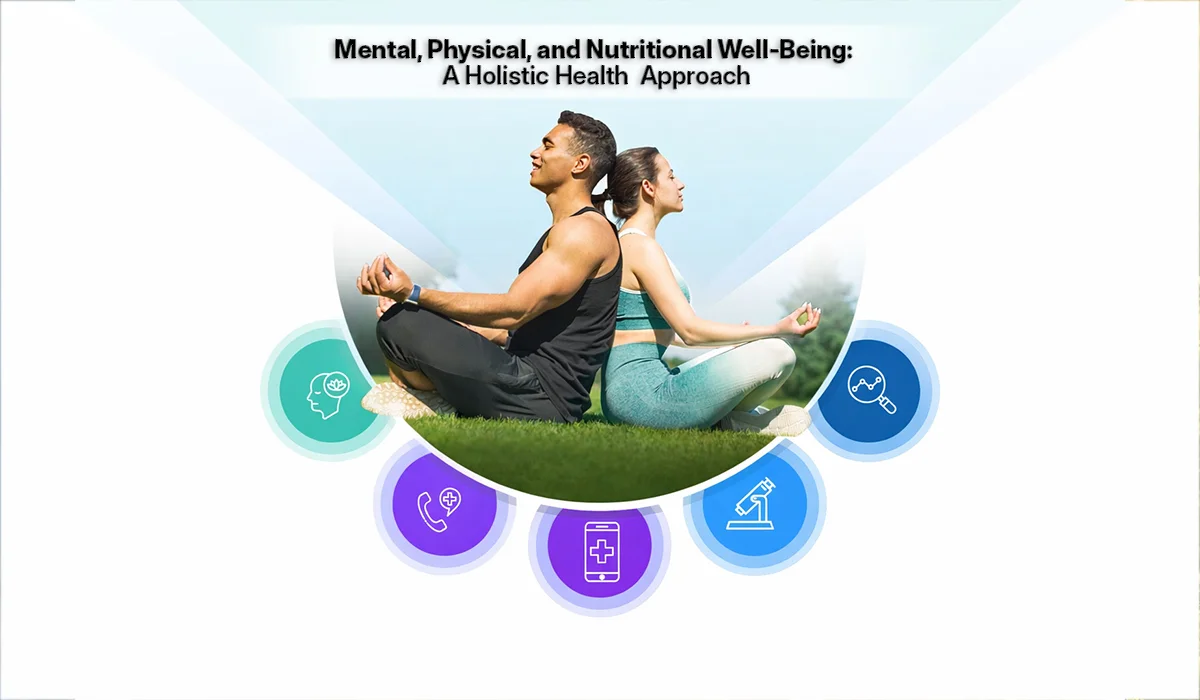
Mental, Physical, and Nutritional Well-Being: A Holistic Health Approach

Introduction: Why Do Some People Feel Healthy—Even When They’re Busy?

Have you ever met someone who seems balanced, energetic, and calm—even during stressful times? It’s rarely luck. In most cases, that balance comes from a deliberate focus on mental, physical, and nutritional well-being: a holistic health approach.

In today’s fast-paced world, many people focus on one part of health while ignoring the rest. Some exercise daily but neglect mental rest. Others eat well but struggle with stress. True wellness doesn’t happen in pieces. It happens when the mind, body, and nutrition work together.

Across the United States and worldwide, people are recognizing that long-term health requires more than quick fixes. It requires a connected, sustainable strategy. That is where mental, physical, and nutritional well-being: a holistic health approach becomes powerful—not as a trend, but as a way of life.

What Is Mental, Physical, and Nutritional Well-Being: A Holistic Health Approach?

At its core, mental, physical, and nutritional well-being: a holistic health approach means treating health as an interconnected system. Instead of viewing mental health, physical fitness, and nutrition as separate areas, this approach sees them as deeply linked.

  • Mental well-being involves emotional balance, stress management, clarity, and resilience.
  • Physical well-being includes strength, movement, sleep, and cardiovascular health.
  • Nutritional well-being focuses on balanced eating patterns that support energy, immunity, and long-term disease prevention.

When these areas align, the body functions more efficiently. Energy improves. Recovery speeds up. Focus sharpens. This integrated view moves beyond short-term solutions and supports sustainable health.

Why a Holistic Health Approach Matters More Today

Modern life brings unique challenges. Long work hours, digital overload, processed foods, and sedentary routines can disrupt the balance between mind and body.

Research from global health organizations consistently shows that lifestyle-related conditions—such as heart disease, diabetes, and anxiety disorders—are rising. Many of these issues are influenced by:

  • Chronic stress
  • Poor dietary habits
  • Lack of movement
  • Inadequate sleep

Mental, physical, and nutritional well-being: a holistic health approach addresses root causes rather than symptoms alone. It recognizes that preventing illness is often more effective than treating it later.

The Mental Well-Being Component: Building Emotional Resilience

Mental well-being is often overlooked until stress becomes overwhelming. However, emotional balance directly influences physical health.

Chronic stress increases inflammation, weakens immunity, and disrupts sleep. Over time, this can contribute to serious health conditions.

Key elements of mental well-being include:

  • Stress management practices (breathing exercises, meditation)
  • Social connection
  • Setting boundaries
  • Seeking professional support when needed

In a holistic health approach, mental care is not optional. It is foundational.

The Physical Well-Being Component: Movement as Medicine

Physical activity supports more than muscle tone. It improves circulation, strengthens the heart, enhances mood, and reduces the risk of chronic disease.

Regular movement helps:

  • Lower blood pressure
  • Improve insulin sensitivity
  • Boost mental clarity
  • Enhance sleep quality

Even moderate activity—such as walking 30 minutes daily—can have measurable health benefits.

In mental, physical, and nutritional well-being: a holistic health approach, movement is not about appearance. It is about function, longevity, and vitality.

The Nutritional Well-Being Component: Fueling the Body Correctly

Nutrition plays a direct role in mental clarity and physical performance. Balanced meals that include:

  • Whole grains
  • Lean proteins
  • Healthy fats
  • Fruits and vegetables

provide the nutrients needed for stable energy and immune strength. Poor dietary habits can contribute to mood swings, fatigue, and long-term health complications. On the other hand, a consistent, balanced diet supports both brain and body health.

Holistic health does not promote extreme dieting. It emphasizes sustainable eating patterns.

How Mind, Body, and Nutrition Influence Each Other

One of the most important principles of mental, physical, and nutritional well-being: a holistic health approach is understanding interaction.

For example:

  • Poor sleep affects appetite hormones.
  • High stress levels can trigger unhealthy food choices.
  • Inadequate nutrition reduces physical stamina.
  • Lack of exercise impacts mood regulation.

These systems are connected. Improving one area often improves the others.

Practical Daily Habits for Holistic Health

Holistic health does not require dramatic life changes. It often begins with small, consistent actions:

  • Prioritize 7–8 hours of sleep.
  • Include vegetables in most meals.
  • Take short walking breaks during the day.
  • Limit screen time before bed.
  • Practice mindful breathing during stressful moments.

Consistency matters more than intensity.

Common Misconceptions About Holistic Health

Some believe holistic health means alternative medicine only. Others think it requires expensive programs or supplements. In reality, mental, physical, and nutritional well-being: a holistic health approach is practical and accessible. It combines evidence-based medicine with lifestyle strategies.

It does not replace medical care. Instead, it complements it.

The Role of Preventive Healthcare

Preventive care supports holistic health by identifying risks early. Regular check-ups, screenings, and health assessments allow individuals to adjust habits before problems escalate. In countries like the United States, preventive services—such as cholesterol checks and cancer screenings—play a critical role in long-term wellness strategies.

Prevention and lifestyle alignment go hand in hand.

Cultural Perspectives on Holistic Health

Different cultures have long embraced interconnected wellness models. Traditional systems in Asia, Europe, and the Americas often recognized that emotional balance and diet affect physical strength. Modern research now confirms many of these insights. While approaches differ, the shared message remains: health is integrated.

Workplace and Community Applications

Holistic health is not limited to individuals. Workplaces and schools increasingly promote wellness programs that address mental health support, fitness initiatives, and healthy meal options. Communities that encourage active living and nutritious food access see measurable improvements in public health outcomes.

Product and Support Systems in Holistic Health

Supplements, wellness tools, and digital health apps can support this approach—but they are not substitutes for foundational habits. Before using products, individuals should consult healthcare professionals to ensure safety and relevance.

Conclusion: Health Is Not a Single Choice—It’s a Pattern

True health is not built in a single workout or meal. It is built through patterns of behavior that respect the connection between mind, body, and nutrition.

Mental, physical, and nutritional well-being: a holistic health approach reminds us that health works best when systems work together. By focusing on balance rather than extremes, individuals can build resilience, reduce risk, and improve quality of life.

If this approach resonates with you, consider evaluating your daily habits. Small adjustments today can shape long-term health outcomes.

Well-Being
Well-Being in Everyday Life: Small Habits That Create Long-Term Health
Why Preventive Well-Being Matters More Than Reactive Healthcare
Mental, Physical, and Nutritional Well-Being: A Holistic Health Approach
The Role of Daily Wellness in Reducing Lifestyle-Related Diseases
Well-Being Across Life Stages: From Childhood to Healthy Aging

Web Stories

Why Preventive Well-Being Matters More Than Reactive Healthcare

Have you ever waited until something broke before fixing it? Most of us wouldn’t ignore a strange noise in our car or skip servicing our air conditioner for years. Yet when it comes to our health, many people still wait for symptoms before taking action.

This is where preventive well-being changes the story.

Across the United States and many other countries, healthcare systems are built largely around treatment. We react when disease appears. But rising healthcare costs, increasing chronic illness, and longer life expectancy are forcing a rethink. The question is no longer “How do we treat disease?” but “How do we prevent it in the first place?”

This article explores why preventive well-being matters more than reactive healthcare, how it works in real life, and why combining prevention with smart medical care creates stronger, longer-lasting health outcomes.

What Is Preventive Well-Being?

Preventive well-being is a proactive approach to health that focuses on maintaining physical, mental, and emotional balance before illness develops. Instead of waiting for disease to appear, preventive well-being aims to reduce risk factors, detect problems early, and strengthen resilience.

Reactive healthcare, by contrast, responds after symptoms begin. It is essential and life-saving—but often late, costly, and more complex.

Preventive well-being includes:

  • Regular health screenings
  • Vaccinations
  • Healthy nutrition
  • Physical activity
  • Mental health care
  • Stress management
  • Sleep optimization
  • Avoiding harmful habits like smoking

The core idea is simple: protect health early so serious intervention is less likely later.

Why Reactive Healthcare Became the Default

Modern medicine achieved major breakthroughs in surgery, antibiotics, and emergency care. Hospitals became centers of life-saving treatment. Over time, this shaped public expectations. We go to the doctor when we are sick.

However, chronic diseases such as diabetes, heart disease, obesity, and certain cancers often develop slowly over years. By the time symptoms appear, damage may already be advanced.

Reactive healthcare excels in emergencies. But for long-term conditions, prevention often delivers better outcomes.

The Rising Cost of Ignoring Preventive Well-Being

In the U.S., healthcare spending continues to rise. A significant portion of these costs is linked to preventable chronic diseases.

Conditions such as:

  • Type 2 diabetes
  • Hypertension
  • Cardiovascular disease
  • Certain cancers
  • Chronic respiratory disease

are often influenced by lifestyle, environment, and early intervention gaps.

Preventive well-being reduces:

  • Hospital admissions
  • Emergency visits
  • Advanced-stage treatments
  • Long-term medication dependency

It also improves productivity, mental clarity, and overall life satisfaction.

Preventive Well-Being and Early Detection: A Powerful Combination

Preventive well-being is not just about lifestyle. It also includes early detection tools such as:

  • Annual physical exams
  • Blood pressure monitoring
  • Cholesterol testing
  • Cancer screening
  • Blood sugar checks
  • Kidney function tests

When diseases are detected early, treatment is usually:

  • Less invasive
  • More affordable
  • More successful
  • Less disruptive to daily life

Prevention reduces risk. Early detection catches what prevention may miss.

Lifestyle Medicine: The Foundation of Preventive Well-Being

Preventive well-being often begins with everyday habits.

Nutrition and Chronic Disease Prevention

Diets rich in fruits, vegetables, whole grains, lean protein, and healthy fats are linked to lower risks of heart disease, diabetes, and some cancers. Excess sugar, processed foods, and unhealthy fats increase inflammation and metabolic strain. Small dietary improvements over time can significantly shift long-term outcomes.

Physical Activity and Long-Term Health

Regular movement strengthens the heart, improves insulin sensitivity, supports mental health, and reduces inflammation. Even moderate exercise—such as brisk walking 30 minutes a day—can reduce disease risk dramatically.

Sleep as Preventive Healthcare

Poor sleep disrupts hormones, immunity, and metabolism. Chronic sleep deprivation increases the risk of:

  • Heart disease
  • Obesity
  • Depression
  • Diabetes

Preventive well-being includes prioritizing sleep as much as diet and exercise.

Mental Health: The Overlooked Preventive Tool

Stress is often underestimated. Chronic stress increases inflammation, blood pressure, and cortisol levels.

Preventive well-being integrates:

  • Mindfulness practices
  • Social connection
  • Therapy when needed
  • Work-life balance

Mental resilience strengthens physical resilience.

The Role of Technology in Preventive Well-Being

Modern technology is reshaping preventive healthcare:

  • Wearable devices track heart rate and sleep patterns
  • Telemedicine increases screening access
  • Health apps encourage habit tracking
  • Data analytics identify risk patterns early

When used responsibly, technology enhances awareness and accountability.

Preventive Well-Being Across Life Stages

Prevention looks different at each age.

Children and Adolescents

  • Vaccinations
  • Balanced nutrition
  • Physical activity
  • Mental health support

Adults

  • Blood pressure monitoring
  • Cancer screening
  • Stress management
  • Metabolic health checks

Seniors

  • Bone density testing
  • Cardiovascular monitoring
  • Cognitive health evaluation
  • Fall prevention strategies

Preventive well-being adapts as life evolves.

Preventive Well-Being in the Workplace

Employers are increasingly investing in wellness programs because prevention reduces absenteeism and improves productivity.

Corporate wellness initiatives may include:

  • Health screenings
  • Stress management workshops
  • Fitness incentives
  • Nutritional guidance

A healthier workforce benefits both employees and organizations.

Global Perspectives on Preventive Well-Being

Countries with strong preventive healthcare systems often see:

  • Lower hospitalization rates
  • Longer life expectancy
  • Lower long-term healthcare costs

Public health campaigns focusing on smoking cessation, obesity reduction, and vaccination demonstrate the impact of coordinated prevention.

Preventive well-being is not just personal—it’s societal.

Common Misconceptions About Preventive Healthcare

Some believe prevention is expensive. In reality, routine screenings cost far less than advanced treatments. Others assume genetics determine everything. While genetics matter, lifestyle plays a major role in risk modification. Prevention does not eliminate all disease—but it significantly shifts probability.

The Human Side of Prevention

Imagine two individuals of the same age and background. One waits until symptoms appear before visiting a doctor. The other invests in preventive well-being—regular screenings, balanced nutrition, exercise, stress management. Years later, the second person often experiences fewer complications, greater mobility, and lower healthcare costs. Prevention does not promise perfection. It improves odds.

Why Preventive Well-Being Matters More Than Reactive Healthcare

Reactive healthcare saves lives. It will always be essential.

But preventive well-being changes the timeline. It shifts focus from crisis management to long-term strength.

In many cases, prevention:

  • Reduces suffering
  • Preserves independence
  • Lowers financial burden
  • Improves quality of life

The most effective healthcare system does not choose one over the other—it integrates both.

Conclusion

Preventive well-being matters more than reactive healthcare because it addresses the root causes of disease rather than just its consequences. By embracing preventive habits, early detection, and balanced lifestyle choices, individuals can reduce risk, extend vitality, and build resilience. Healthcare is not only about curing illness—it is about protecting life before illness takes hold. The next time you consider postponing a checkup or ignoring small warning signs, ask yourself: would you rather repair damage—or prevent it?

Well-Being
Well-Being in Everyday Life: Small Habits That Create Long-Term Health
Why Preventive Well-Being Matters More Than Reactive Healthcare
Mental, Physical, and Nutritional Well-Being: A Holistic Health Approach
The Role of Daily Wellness in Reducing Lifestyle-Related Diseases
Well-Being Across Life Stages: From Childhood to Healthy Aging

Web Stories

Well-Being in Everyday Life: Small Habits That Create Long-Term Health

Have you ever noticed how small choices shape your day? A glass of water in the morning. A short walk after dinner. A few minutes away from your phone before bed. These actions may seem minor, yet over time they build something powerful: long-term health.

Well-being in everyday life is not about dramatic changes or strict routines. It is about steady, simple habits that support your body and mind day after day. In the United States and across the world, rising stress, sedentary work, and processed diets are affecting millions. The good news is that small habits can help reverse that trend.

This article explores how well-being in everyday life works, why it matters, and which small daily habits can lead to lasting health.

What Is Well-Being in Everyday Life?

Well-being in everyday life refers to the consistent actions and mindset that support physical, mental, and emotional health. It includes daily routines that protect energy, improve resilience, and reduce disease risk over time.

Unlike short-term fitness programs or crash diets, everyday well-being focuses on sustainability. It values:

  • Balanced nutrition
  • Regular movement
  • Restful sleep
  • Emotional awareness
  • Preventive care

The benefit is long-term stability rather than quick results.

Why Small Habits Matter More Than Big Changes

Many people believe health requires dramatic effort. In reality, research in behavioral science shows that habits form through repetition, not intensity.

For example:

  • Drinking water daily supports kidney function and digestion.
  • Ten minutes of walking reduces cardiovascular risk.
  • Consistent sleep improves hormone balance.

Small habits reduce resistance. They are easier to repeat. Over months and years, they compound into measurable health benefits.

Morning Habits That Set the Tone for Long-Term Health

Morning routines strongly influence well-being in everyday life.

Consider starting with:

  • Hydration before caffeine
  • Gentle stretching
  • Exposure to natural sunlight
  • A balanced breakfast with protein and fiber

These habits stabilize blood sugar, regulate circadian rhythms, and reduce stress.

A steady morning routine supports focus, mood, and metabolic health throughout the day.

The Role of Nutrition in Everyday Well-Being

Food is not only fuel; it is information for the body.

Healthy daily nutrition includes:

  • Whole grains instead of refined sugars
  • Lean proteins
  • Healthy fats
  • Vegetables and fruits
  • Limited processed foods

Small adjustments—like adding one extra vegetable serving per day—improve gut health and reduce inflammation.

Well-being in everyday life grows stronger when meals are consistent and balanced.

Movement: The Most Underestimated Health Habit

You do not need intense workouts to improve health. Regular movement throughout the day is powerful.

Examples:

  • Walking meetings
  • Taking stairs
  • Light strength exercises at home
  • Stretching breaks during work

Sedentary lifestyles are linked to heart disease and diabetes. Daily movement lowers these risks.

Consistency matters more than duration.

Sleep: The Silent Foundation of Well-Being

Sleep is often sacrificed, yet it influences almost every body system.

Quality sleep supports:

  • Immune function
  • Mental clarity
  • Hormonal regulation
  • Weight balance

Small habits improve sleep hygiene:

  • Fixed bedtime
  • Reduced screen time
  • Cool, dark bedroom
  • Limiting late caffeine

When sleep improves, long-term health outcomes improve.

Mental and Emotional Health in Everyday Life

Physical health cannot be separated from emotional well-being.

Daily emotional habits include:

  • Short mindfulness sessions
  • Journaling
  • Limiting news overload
  • Practicing gratitude

Chronic stress raises inflammation and blood pressure. Small daily stress-reduction habits protect long-term health.

Well-being in everyday life requires attention to both mind and body.

Preventive Care as a Habit

Many people seek care only when symptoms appear. Preventive care supports long-term stability.

Examples include:

  • Annual checkups
  • Blood pressure monitoring
  • Vaccinations
  • Routine screenings

Preventive healthcare reduces long-term disease burden and improves early detection.

The Science of Habit Formation and Health

Psychologists explain that habits follow a loop: cue, routine, reward.

For example:

Cue: Morning wake-up
Routine: Drink water
Reward: Feeling refreshed

Repeating small routines wires the brain for consistency.

Building well-being in everyday life depends on habit design rather than motivation alone.

Barriers to Daily Well-Being

Common obstacles include:

  • Time constraints
  • Work stress
  • Digital distractions
  • Lack of access to healthy foods

Addressing these barriers may require small structural changes, such as preparing meals ahead or scheduling walking breaks.

Well-being is not about perfection; it is about gradual progress.

Comparing Quick Fixes vs Sustainable Habits

Quick fixes promise rapid results but often fail long-term.

Sustainable habits:

  • Require less energy
  • Build resilience
  • Adapt to lifestyle changes
  • Reduce relapse risk

Well-being in everyday life prioritizes steady progress over dramatic change.

Cultural Perspectives on Everyday Well-Being

Across cultures, daily wellness practices vary but share themes:

  • Mediterranean diets emphasize plant-based foods.
  • Japanese routines include mindful eating.
  • Nordic cultures promote outdoor activity.

These traditions highlight that small daily habits shape population health.

Conclusion

Well-being in everyday life is not about extreme routines. It is about repeatable, sustainable habits that quietly build long-term health. A glass of water. A short walk. A consistent bedtime. A mindful pause. These simple actions, repeated daily, shape stronger immunity, balanced hormones, and clearer thinking over time. Long-term health is not created in one dramatic moment. It is built in small steps, every day.

What small habit will you start today?

Well-Being
Well-Being in Everyday Life: Small Habits That Create Long-Term Health
Why Preventive Well-Being Matters More Than Reactive Healthcare
Mental, Physical, and Nutritional Well-Being: A Holistic Health Approach
The Role of Daily Wellness in Reducing Lifestyle-Related Diseases
Well-Being Across Life Stages: From Childhood to Healthy Aging

Web Stories

Lifestyle Choices and Chronic Disease Prevention: Diet, Smoking, and Long-Term Health Outcomes

Introduction: One Choice at a Time, a Lifetime in the Making

What if the most powerful medicine you’ll ever take isn’t found in a pill bottle—but in your daily routine?

Every morning, millions of people wake up and make choices without a second thought: what to eat, whether to move, whether to smoke, whether to rest. These small decisions may feel ordinary, but over time, they quietly shape our future health. In the United States and around the world, chronic diseases such as heart disease, diabetes, cancer, and respiratory conditions have become the leading causes of illness and death. What’s striking is that many of these conditions share common roots.

This is where lifestyle choices and chronic disease prevention intersect. The food we eat, the habits we form, and the risks we take—or avoid—can significantly reduce or increase our chances of living a long, healthy life.

This article explores how diet, smoking, physical activity, and other lifestyle factors influence long-term health outcomes. Written for a general audience, it blends science with real-world insight to show why prevention works best when healthy choices become part of everyday life.

Understanding Lifestyle Choices and Chronic Disease Prevention

Lifestyle choices and chronic disease prevention refers to the intentional actions individuals take to reduce their risk of long-term, non-communicable diseases. Chronic diseases develop slowly, often over years or decades, and are influenced heavily by behavior rather than infection

These include conditions such as:

  • Heart disease and stroke
  • Type 2 diabetes
  • Certain cancers
  • Chronic lung disease
  • Obesity and metabolic disorders

Unlike acute illnesses, chronic diseases are rarely caused by a single factor. Instead, they result from ongoing exposure to unhealthy habits—poor nutrition, smoking, inactivity, stress, and lack of preventive care.

The good news is that many of these diseases are preventable or manageable when lifestyle choices support long-term health.

Why Chronic Diseases Dominate Global Health Today

Across the United States, Europe, Asia, and developing regions, chronic diseases account for the majority of healthcare costs and lost productivity. Longer lifespans, urban living, processed foods, and sedentary lifestyles have contributed to this shift.

Modern medicine has improved survival rates, but treatment alone cannot solve the chronic disease crisis. Prevention must start long before symptoms appear.

This reality has brought renewed focus to lifestyle choices and chronic disease prevention as a cornerstone of public health.

The Role of Diet in Long-Term Health Outcomes

How Food Shapes Disease Risk

Diet is one of the most powerful tools for chronic disease prevention. What we eat affects inflammation, blood sugar, cholesterol levels, and body weight—all key factors in disease development.

Diets high in processed foods, added sugars, and unhealthy fats are strongly linked to:

  • Cardiovascular disease
  • Type 2 diabetes
  • Obesity
  • Certain cancers

On the other hand, nutrient-rich diets help protect the body at a cellular level.

Dietary Patterns That Support Chronic Disease Prevention

Research consistently shows that the following dietary approaches support lifestyle choices and chronic disease prevention:

  • Diets rich in fruits and vegetables
  • Whole grains instead of refined grains
  • Lean proteins such as legumes, fish, and poultry
  • Healthy fats from nuts, seeds, and olive oil

Rather than focusing on restriction, successful dietary habits emphasize balance and consistency.

Smoking and Its Impact on Chronic Disease Risk

Smoking as a Leading Preventable Cause of Disease

Smoking remains one of the strongest contributors to chronic disease worldwide. It damages nearly every organ in the body and increases the risk of:

  • Lung cancer
  • Heart disease
  • Stroke
  • Chronic obstructive pulmonary disease (COPD)

No level of smoking is considered safe.

How Quitting Smoking Improves Long-Term Health Outcomes

One of the most powerful steps in lifestyle choices and chronic disease prevention is smoking cessation. Benefits begin almost immediately:

  • Heart rate and blood pressure improve within days
  • Lung function begins to recover
  • Cancer risk decreases over time

Former smokers who quit earlier in life see the greatest long-term benefit, but quitting at any age improves outcomes.

Physical Activity: A Foundation of Disease Prevention

Why Movement Matters

Regular physical activity supports nearly every system in the body. It improves insulin sensitivity, strengthens the heart, supports mental health, and helps maintain a healthy weight.

Inactivity, by contrast, increases the risk of:

  • Heart disease
  • Diabetes
  • Certain cancers
  • Depression

How Much Activity Is Enough?

Health experts recommend:

  • At least 150 minutes of moderate activity per week
  • Muscle-strengthening activities twice weekly

Even small increases in movement can significantly support lifestyle choices and chronic disease prevention.

Weight Management and Metabolic Health

Excess body weight increases strain on the heart, joints, and metabolic system. Obesity is closely linked with:

  • Type 2 diabetes
  • Hypertension
  • Fatty liver disease
  • Cardiovascular disease

Healthy weight management is not about extremes. Sustainable changes—balanced nutrition, physical activity, and stress management—are more effective than short-term diets.

Stress, Sleep, and Their Hidden Role in Chronic Disease

Chronic Stress and Inflammation

Long-term stress triggers hormonal changes that promote inflammation, high blood pressure, and insulin resistance. Over time, this increases the risk of chronic illness.

Sleep as a Protective Factor

Poor sleep is associated with:

  • Weight gain
  • Diabetes
  • Cardiovascular disease

Adequate sleep supports immune function and metabolic balance, reinforcing lifestyle choices and chronic disease prevention.

Alcohol Consumption and Health Outcomes

Moderate alcohol consumption may fit into some lifestyles, but excessive intake raises the risk of:

  • Liver disease
  • Certain cancers
  • Heart problems

Reducing alcohol intake is an often overlooked but important preventive step.

Preventive Screenings and Early Detection

Lifestyle choices work best when combined with preventive healthcare. Screenings help detect conditions early, when treatment is most effective.

Examples include:

  • Blood pressure and cholesterol checks
  • Diabetes screening
  • Cancer screenings based on age and risk

Early detection strengthens the impact of lifestyle choices and chronic disease prevention.

Socioeconomic and Environmental Influences on Lifestyle Choices

Access to healthy food, safe spaces for exercise, education, and healthcare significantly influence lifestyle decisions. Public health efforts must address these broader factors to support population-wide disease prevention.

Technology and Modern Tools Supporting Healthy Choices

Digital health tools, fitness trackers, nutrition apps, and telehealth services are helping people monitor habits and stay engaged in long-term health management.

These tools make lifestyle choices and chronic disease prevention more accessible and measurable.

Cultural Perspectives on Lifestyle and Prevention

Different cultures approach food, movement, and wellness in unique ways. Successful prevention strategies respect cultural preferences while promoting evidence-based practices.

Conclusion: Prevention Is a Daily Investment

Chronic diseases don’t appear overnight. They develop slowly, shaped by years of choices—some intentional, others habitual. The evidence is clear: lifestyle choices and chronic disease prevention work best together.

Healthy eating, physical activity, smoking cessation, stress management, and preventive care form a powerful defense against long-term illness. While no single choice guarantees perfect health, each positive step strengthens the body’s ability to resist disease.

Long-term health is not about perfection. It’s about consistency, awareness, and choosing prevention today for a healthier tomorrow.

If you found this information valuable, explore related resources, talk with healthcare professionals, and consider which small changes could make the biggest difference in your own life.

Latest Post

Web Stories

Add to cart
Quitting smoking doesn’t just reduce risk — it changes what screening can save Quitting smoking doesn’t just reduce risk—it strengthens the impact of lung cancer screening. Nukind Healthcare Bird Flu Antibodies Found in Europe: What the Dutch Dairy Farm Discovery Signals A Virus Few People Know, But Many Need to Watch Out For