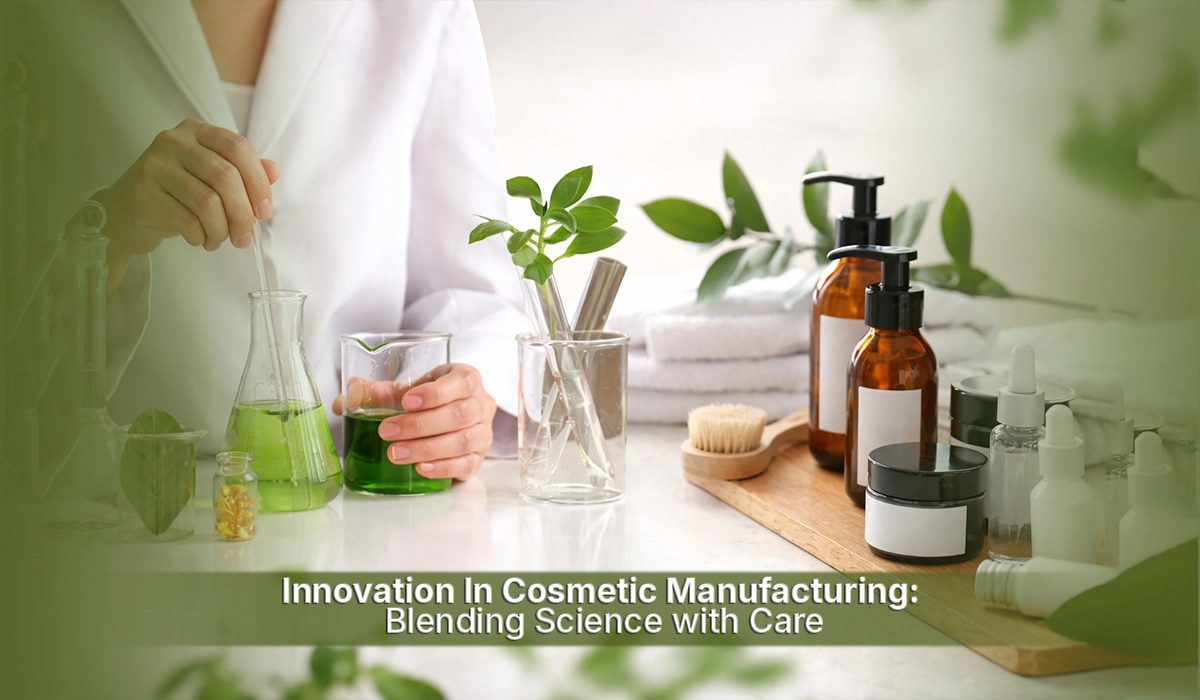
Innovation in Cosmetic Manufacturing: Blending Science with Care

Introduction

Have you ever wondered what truly goes into the cream you apply every morning or the serum you trust for your skin? Behind every smooth texture and glowing result lies a world of research, precision, and responsibility. Innovation in Cosmetic Manufacturing: Blending Science with Care is more than a trend—it is a shift in how beauty products are developed, tested, and delivered.

Across the United States and globally, consumers are demanding safer ingredients, transparent labeling, and products that genuinely work. At the same time, cosmetic manufacturers are investing in advanced research, sustainable processes, and smart technology. The result is a new era where science and care meet to create products that support both beauty and well-being.

What Is Innovation in Cosmetic Manufacturing: Blending Science with Care?

Innovation in Cosmetic Manufacturing: Blending Science with Care refers to the integration of advanced scientific research, safe formulation practices, sustainable production methods, and consumer-centered design in the development of cosmetic products.

It goes beyond simply creating new beauty items. It focuses on:

  • Evidence-based ingredients
  • Dermatologically tested formulations
  • Clean manufacturing processes
  • Ethical sourcing
  • Regulatory compliance
  • Sustainable packaging

At its core, it means developing products that are effective, safe, and aligned with consumer expectations.

Why Cosmetic Innovation Matters More Today Than Ever

The beauty industry has changed dramatically in the last decade. Consumers now:

  • Read ingredient labels
  • Research product safety
  • Demand cruelty-free testing
  • Care about sustainability
  • Expect real results

In the U.S., regulatory oversight from the FDA and increasing consumer awareness have raised the standards for cosmetic brands. Innovation in Cosmetic Manufacturing: Blending Science with Care ensures companies meet these expectations without compromising quality.

This shift is not about marketing claims. It is about measurable safety, transparency, and performance.

The Science Behind Modern Cosmetic Formulations

Modern cosmetic manufacturing relies heavily on scientific research. Laboratories test ingredients for:

  • Stability
  • Skin compatibility
  • Absorption rates
  • Long-term effects

Advanced technologies such as microencapsulation allow active ingredients to penetrate deeper layers of the skin safely. Biotechnology enables the creation of plant-derived actives with enhanced purity. Clinical trials help confirm product effectiveness before launch.

Science reduces guesswork. It replaces assumptions with data.

Clean Beauty and Responsible Ingredient Selection

One of the strongest drivers of innovation is the clean beauty movement. Consumers now seek products free from harmful chemicals such as parabens, phthalates, and harsh sulfates.

Innovation in Cosmetic Manufacturing: Blending Science with Care supports this demand by:

  • Using plant-based alternatives
  • Ensuring transparent ingredient sourcing
  • Conducting dermatological testing
  • Avoiding unnecessary additives

This does not mean every natural ingredient is safe, nor every synthetic one is harmful. Instead, it means carefully evaluating each ingredient based on scientific evidence.

Technology’s Role in Cosmetic Manufacturing

Technology is transforming how cosmetics are produced.

Smart Manufacturing Systems

Automated production lines reduce contamination risks and ensure consistent product quality.

AI in Product Development

Artificial intelligence analyzes consumer data to identify skin trends and ingredient combinations that perform well.

3D Skin Analysis

Advanced imaging tools allow personalized skincare recommendations.

Technology supports innovation by improving accuracy, efficiency, and safety.

Sustainability in Cosmetic Production

Modern cosmetic innovation is closely tied to environmental responsibility.

Sustainable practices include:

  • Eco-friendly packaging
  • Water-efficient production systems
  • Renewable energy use
  • Biodegradable formulations

Consumers increasingly favor brands that reduce their environmental footprint. Innovation in Cosmetic Manufacturing: Blending Science with Care includes protecting the planet while enhancing beauty.

Regulatory Compliance and Safety Standards

In the United States, cosmetic products must comply with FDA regulations. In Europe, stricter cosmetic directives require additional testing.

Innovation ensures:

  • Accurate labeling
  • Safe ingredient limits
  • Proper documentation
  • Transparent claims

Compliance builds trust. It protects both consumers and brands.

Personalization: The Future of Cosmetic Manufacturing

One growing trend is personalized skincare.

Instead of a one-size-fits-all approach, companies now develop:

  • Customized serums
  • Targeted skin treatments
  • DNA-based beauty recommendations

Data-driven innovation allows manufacturers to design products suited to individual needs.

This is where science meets personal care in a very direct way.

The Human Side of Cosmetic Innovation

While science is central, care remains equally important.

Innovation in Cosmetic Manufacturing: Blending Science with Care means understanding:

  • Consumer lifestyle
  • Skin diversity
  • Cultural beauty standards
  • Emotional well-being

Beauty is personal. Products must respect different skin tones, sensitivities, and concerns.

Comparing Traditional vs. Modern Cosmetic Manufacturing

Traditional Manufacturing:

  • Limited ingredient research
  • Basic testing methods
  • Mass production focus

Modern Innovative Manufacturing:

  • Advanced dermatological testing
  • Sustainable ingredient sourcing
  • Personalized formulation
  • Data-driven development

The difference lies in responsibility and precision.

Real-World Example: From Lab to Shelf

Imagine a new anti-aging cream in development.

Step 1: Researchers identify a safe peptide through lab trials.
Step 2: Stability tests ensure the ingredient remains active over time.
Step 3: Clinical testing confirms wrinkle reduction.
Step 4: Packaging is designed using recyclable materials.
Step 5: Regulatory approval ensures safety compliance.

This is Innovation in Cosmetic Manufacturing: Blending Science with Care in action.

Global Impact of Cosmetic Innovation

The global cosmetic industry continues to grow. Countries across North America, Europe, and Asia are adopting higher standards in manufacturing.

Innovation supports:

  • Export readiness
  • International regulatory compliance
  • Cross-border consumer trust

As global awareness increases, innovation becomes essential for competitiveness.

Conclusion

Innovation in Cosmetic Manufacturing: Blending Science with Care represents a new standard in beauty production. It combines scientific research, advanced technology, ethical sourcing, regulatory compliance, and environmental responsibility.

In today’s world, consumers expect more than attractive packaging. They expect safety, transparency, and proven results.

As science advances and awareness grows, cosmetic innovation will continue shaping a safer, more responsible beauty industry—one that truly blends science with care.
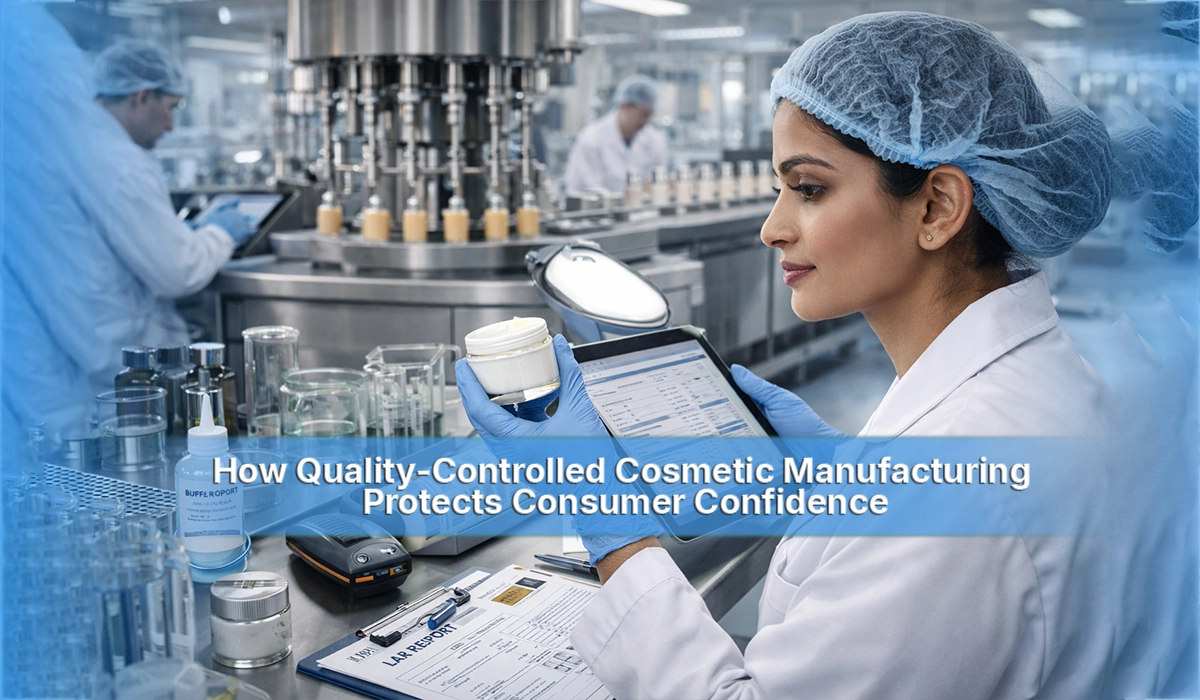
How Quality-Controlled Cosmetic Manufacturing Protects Consumer Confidence

Introduction

Have you ever picked up a skincare product and wondered, “Can I really trust what’s inside this bottle?”

In today’s beauty market, consumers are more informed than ever. They read ingredient lists. They research brands. They care about safety, transparency, and ethical production. That is why Quality-Controlled Cosmetic Manufacturing Protects Consumer Confidence in ways that go far beyond appearance.

Behind every trusted cosmetic product lies a system of checks, testing, compliance standards, and manufacturing discipline. When done right, it builds long-term trust. When ignored, it damages reputation overnight.

Let’s explore how quality control in cosmetic manufacturing directly influences consumer confidence—and why it matters more today than ever before.

What Is Quality-Controlled Cosmetic Manufacturing?

At its core, quality-controlled cosmetic manufacturing refers to a structured production process where every stage—from raw materials to final packaging—is tested, documented, and monitored for safety, consistency, and compliance.

This includes:

  • Ingredient verification
  • Stability testing
  • Microbiological testing
  • Batch consistency checks
  • Regulatory compliance
  • Safe packaging procedures

When companies follow strict quality control in cosmetics, they reduce contamination risks, ensure ingredient accuracy, and maintain product performance across batches.

This is not optional in modern markets like the USA or Europe. It is foundational.

Why Consumer Confidence Matters in the Beauty Industry

Cosmetics are personal. They touch skin. They affect appearance. They influence self-esteem.

Consumer confidence grows when buyers believe:

  • The product is safe
  • Ingredients are accurately labeled
  • Claims are honest
  • The brand is transparent

If one product causes irritation or fails quality standards, trust erodes quickly. Social media amplifies both praise and criticism.

That’s why Quality-Controlled Cosmetic Manufacturing Protects Consumer Confidence by preventing avoidable risks before they reach the shelf.

The Growing Demand for Safe Cosmetic Manufacturing Standards

Over the past decade, safety regulations have tightened worldwide.

In the United States:

  • The FDA monitors cosmetic safety.
  • Brands must ensure products are not adulterated or misbranded.

Globally:

  • GMP (Good Manufacturing Practices) certification is increasingly expected.
  • Stability and microbial testing are standard requirements.

Consumers now search for:

  • “Safe cosmetic manufacturing process”
  • “How cosmetics are tested for safety”
  • “What does GMP mean in cosmetics?”

This shift reflects a deeper awareness. Buyers want evidence—not marketing promises.

How Quality Control Works in Cosmetic Manufacturing

Raw Material Verification

Before production begins, every ingredient must be tested. This includes checking for purity, contamination, and compliance with safety guidelines.

Without this step, even natural ingredients can introduce bacteria or impurities.

Controlled Production Environment

Manufacturing facilities must maintain:

  • Clean air systems
  • Controlled temperature
  • Hygienic handling processes
  • Trained personnel

These steps reduce cross-contamination risks.

Batch Testing and Documentation

Each production batch undergoes:

  • Physical stability tests
  • Microbial testing
  • Texture and color consistency checks

Proper documentation ensures traceability. If a concern arises, the company can identify affected batches quickly.

The Role of GMP in Cosmetic Manufacturing

Good Manufacturing Practices (GMP) provide a framework that standardizes cosmetic production.

GMP ensures:

  • Equipment is properly maintained
  • Staff are trained
  • Procedures are documented
  • Safety protocols are enforced

When brands follow GMP cosmetic manufacturing guidelines, they create predictable, repeatable quality.

That predictability builds trust.

Transparency: The Bridge Between Quality and Trust

Quality control alone is not enough. Consumers must know it exists.

Brands that openly communicate:

  • Ingredient sourcing
  • Testing standards
  • Compliance certifications
  • Manufacturing audits

create stronger emotional loyalty.

When Quality-Controlled Cosmetic Manufacturing Protects Consumer Confidence, transparency turns quality into reputation.

What Happens When Quality Control Fails?

History shows the consequences:

  • Product recalls
  • Allergic reactions
  • Brand lawsuits
  • Social media backlash
  • Long-term reputation damage

One contamination incident can undo years of marketing investment.

In contrast, strong quality systems act as preventive shields.

How Quality Control Impacts Brand Reputation

Reputation in the cosmetic industry is fragile.

Consumers often choose brands based on:

  • Reviews
  • Ingredient transparency
  • Manufacturing credibility
  • Certifications

When quality systems are visible and reliable, brands enjoy:

  • Higher repeat purchase rates
  • Stronger retailer partnerships
  • Greater global expansion opportunities

In competitive markets, manufacturing discipline becomes a strategic advantage.

The Psychological Side of Consumer Confidence

Trust is not built through ads alone. It is built through consistency. When a consumer buys the same moisturizer three times and receives identical texture, scent, and performance each time, trust deepens. Consistency is the visible outcome of quality-controlled cosmetic manufacturing. Without it, doubt replaces loyalty.

The Future of Cosmetic Manufacturing Quality Standards

Technology is reshaping quality systems.

Modern cosmetic manufacturers use:

  • Automated filling systems
  • Real-time contamination detection
  • Digital batch tracking
  • AI-driven formulation testing

These innovations improve precision and reduce human error.

In the coming years, brands that invest in quality infrastructure will likely lead the market.

Real-World Example: A Consumer’s Perspective

Imagine buying a serum that promises hydration. The first bottle works beautifully. The second feels different—thicker texture, strange scent. Even if the issue is minor, doubt creeps in. Now imagine consistent performance every time. That reliability reinforces belief in the brand. This simple example shows how Quality-Controlled Cosmetic Manufacturing Protects Consumer Confidence through repeatable excellence.

The Connection Between Compliance and Global Market Access

Brands seeking international expansion must meet strict regulatory standards.

Compliance helps:

  • Enter US markets
  • Meet EU cosmetic regulations
  • Expand into Asia-Pacific markets

Without documented quality control, expansion becomes difficult. Quality is not just safety—it is access.

Conclusion

In a world where consumers read labels, compare ingredients, and demand transparency, manufacturing quality is no longer hidden behind factory walls. It defines brand credibility. Quality-Controlled Cosmetic Manufacturing Protects Consumer Confidence by ensuring safety, consistency, compliance, and transparency. When brands prioritize quality systems, they do more than produce cosmetics. They protect trust. And in the beauty industry, trust is everything.

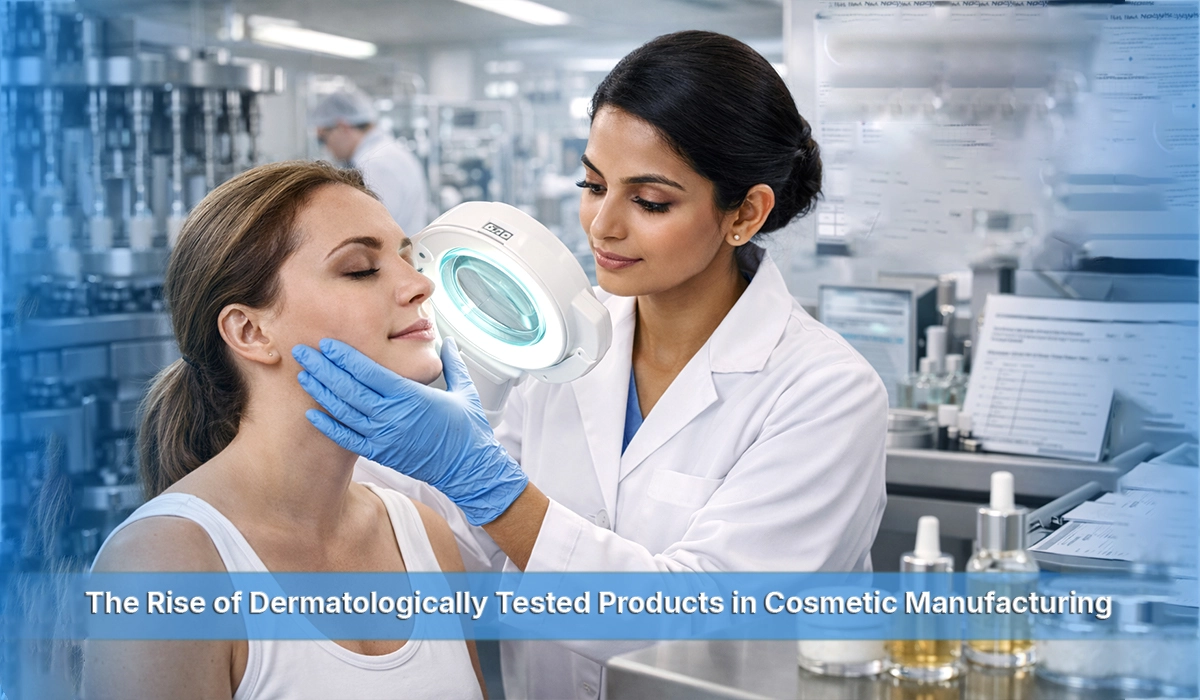
The Rise of Dermatologically Tested Products in Cosmetic Manufacturing

Introduction: A Simple Label That Changed Consumer Trust

Have you ever turned a skincare bottle around just to check one phrase — “dermatologically tested”?

For many consumers today, that small label means safety, credibility, and reassurance. In a world where sensitive skin issues, allergies, and product recalls make headlines, buyers are becoming more cautious. They want products that are not only effective but also safe and clinically evaluated.

This growing demand has fueled The Rise of Dermatologically Tested Products in Cosmetic Manufacturing, reshaping how cosmetic brands formulate, test, and market their products. What started as a niche requirement is now becoming an industry expectation.

Across the United States and global markets, dermatological testing has evolved from a competitive advantage to a core standard. But what does it really mean? And why is it transforming cosmetic manufacturing?

What Is The Rise of Dermatologically Tested Products in Cosmetic Manufacturing?

At its core, The Rise of Dermatologically Tested Products in Cosmetic Manufacturing refers to the growing industry shift toward clinical skin safety testing before products reach consumers.

“Dermatologically tested” means that a product has been evaluated under the supervision of a dermatologist to assess its skin compatibility.

It does not automatically mean:

  • Hypoallergenic
  • 100% irritation-free
  • Suitable for all skin types

Instead, it indicates structured safety testing conducted on human volunteers under controlled conditions.

In cosmetic manufacturing, this rise signals a broader commitment to:

  • Consumer safety
  • Regulatory compliance
  • Scientific validation
  • Transparency

Manufacturers are no longer relying solely on ingredient safety data. They are conducting real-world testing to validate finished formulations.

Why Consumers Are Driving This Shift

The cosmetic industry has changed because consumers have changed.

Today’s buyer:

  • Reads ingredient labels
  • Checks certifications
  • Searches product reviews
  • Follows dermatologists online
  • Questions brand claims

In the U.S., sensitive skin concerns are increasingly common. Pollution, stress, diet, and overuse of cosmetic actives contribute to irritation, breakouts, and inflammation.

As a result, consumers look for reassurance. “Dermatologically tested” offers that confidence.

This demand has accelerated The Rise of Dermatologically Tested Products in Cosmetic Manufacturing, forcing brands to invest in stronger safety protocols.

The Role of Clinical Testing in Modern Cosmetic Manufacturing

Dermatological testing is not just marketing. It involves structured evaluation processes such as:

Patch Testing

Small amounts of product are applied to the skin under controlled conditions to check for irritation.

Repeat Insult Patch Testing (RIPT)

Assesses long-term sensitivity after repeated exposure.

Safety Assessment Protocols

Monitoring redness, itching, inflammation, and allergic reactions.

Cosmetic manufacturers now integrate these protocols during product development rather than after launch.

This proactive approach reduces:

  • Product recalls
  • Consumer complaints
  • Legal risks
  • Brand damage

Regulatory Influence in the United States and Global Markets

Regulatory frameworks are also fueling The Rise of Dermatologically Tested Products in Cosmetic Manufacturing.

In the U.S., cosmetic regulations are evolving toward greater transparency and safety requirements.

While dermatological testing is not always legally mandatory, it strengthens compliance readiness and reduces risk exposure.

International markets such as:

  • European Union
  • Canada
  • Australia

often require stricter safety documentation. Manufacturers aiming for global distribution are adopting dermatological testing as a standard practice.

Sensitive Skin Awareness and Ingredient Scrutiny

Consumers today are more informed about ingredients like:

  • Parabens
  • Sulfates
  • Fragrances
  • Retinoids
  • Acids

This ingredient awareness has increased anxiety around skin reactions.

Dermatologically tested products help bridge the gap between active performance and skin tolerance.

Cosmetic manufacturers now balance:

  • Efficacy
  • Stability
  • Skin compatibility

This balance is central to the rise in dermatological testing practices.

The Marketing Value of Dermatological Testing

Beyond safety, there is a strategic advantage.

When brands label products as dermatologically tested, they signal:

  • Professional validation
  • Scientific credibility
  • Responsibility
  • Premium positioning

In competitive retail environments, that label influences buying decisions quickly.

This explains why The Rise of Dermatologically Tested Products in Cosmetic Manufacturing is also a branding shift.

Innovation in Cosmetic Formulation

Dermatological testing has reshaped how products are formulated.

Manufacturers now prioritize:

  • Non-comedogenic bases
  • Fragrance-free options
  • Barrier-support ingredients
  • Lower irritation profiles

Testing data informs reformulation when irritation thresholds exceed acceptable limits.

This cycle of test, analyze, adjust, and retest strengthens final product quality.

Dermatologists as Industry Partners

Modern cosmetic manufacturing increasingly collaborates with dermatologists during:

  • Product development
  • Testing phases
  • Marketing validation
  • Consumer education

Dermatologist endorsements build authority and trust.

This partnership model has become central to The Rise of Dermatologically Tested Products in Cosmetic Manufacturing.

Practical Example: How a Brand Adapts

Consider a skincare brand launching an acne serum.

Previously, it may have relied on ingredient studies alone.

Today, to meet market expectations, it:

  1. Conducts clinical patch testing.
  2. Documents irritation rates.
  3. Adjusts concentration if reactions exceed acceptable thresholds.
  4. Includes dermatologist-supervised claims.

The result?
Lower consumer risk and higher brand credibility.

Misunderstandings About Dermatologically Tested Products

Some common myths include:

  • It guarantees zero irritation.
  • It means dermatologist-approved.
  • It ensures suitability for all skin types.

These misunderstandings highlight the need for consumer education.

The rise of dermatological testing also increases demand for transparent communication.

Economic Impact on Cosmetic Manufacturers

Dermatological testing increases production costs due to:

  • Clinical study expenses
  • Testing facilities
  • Volunteer compensation
  • Documentation compliance

However, it reduces long-term risks.

Brands that invest in dermatological testing often experience:

  • Lower return rates
  • Higher customer retention
  • Improved brand trust
  • Better global expansion opportunities

Sustainability and Ethical Considerations

Consumers also care about:

  • Cruelty-free testing
  • Ethical human testing practices
  • Transparency in clinical methods

Modern dermatological testing avoids animal testing and prioritizes ethical human trials.

This alignment supports both safety and sustainability.

The Future of Dermatologically Tested Products

Looking ahead, The Rise of Dermatologically Tested Products in Cosmetic Manufacturing is likely to expand into:

  • AI-assisted skin analysis
  • Personalized dermatology-backed skincare
  • Biometric skin tolerance tracking
  • Data-driven formulation adjustments

As consumer expectations grow, dermatological testing may become a universal baseline standard rather than a premium feature.

Conclusion

The cosmetic industry is no longer driven only by beauty trends. It is shaped by safety, transparency, and scientific validation. The Rise of Dermatologically Tested Products in Cosmetic Manufacturing reflects a deeper shift — from marketing promises to measurable skin compatibility standards. Consumers want proof. Brands want credibility. Regulators demand responsibility. Dermatological testing connects all three. As awareness grows, dermatologically tested products will likely become the new normal — not just a label, but a sign of accountable manufacturing.

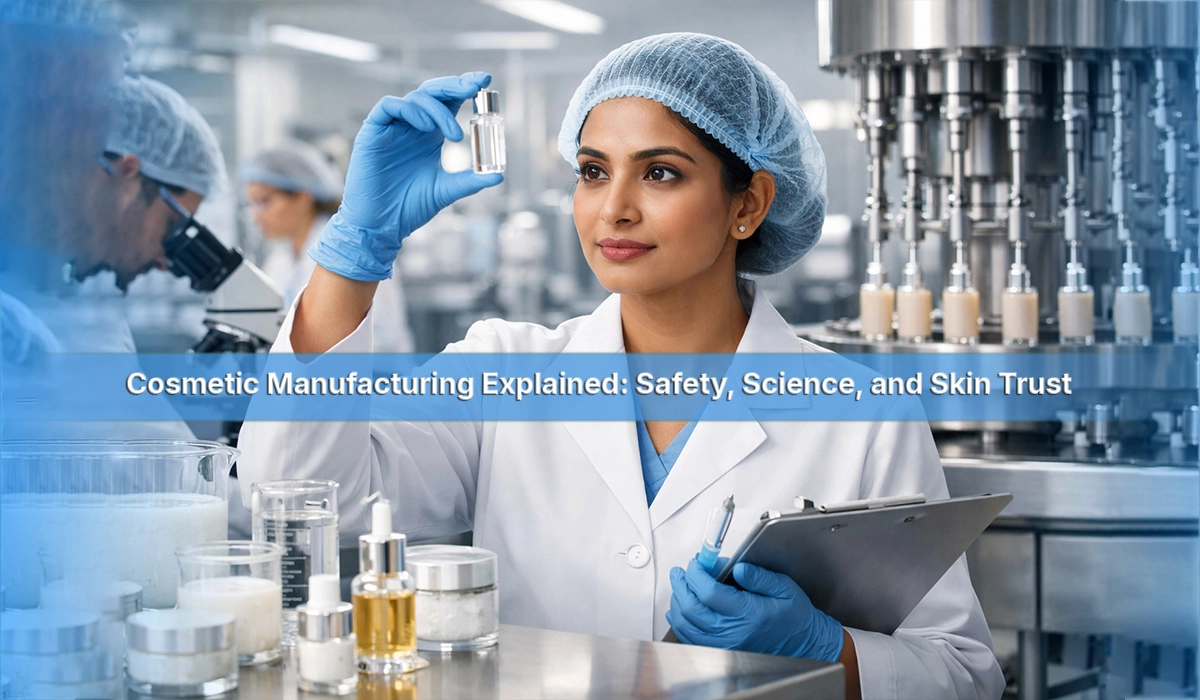
Cosmetic Manufacturing Explained: Safety, Science, and Skin Trust

Introduction

Have you ever picked up a skincare product and wondered what really goes into it before it touches your skin?

From moisturizers to serums and cleansers, we use cosmetics every single day. Yet most people rarely think about the process behind those products. Cosmetic manufacturing is not just about mixing ingredients and filling bottles. It is about safety testing, scientific formulation, strict quality control, and earning long-term consumer trust.

In today’s world—especially in the USA and global markets—consumers demand transparency, clean formulations, and regulatory compliance. Understanding cosmetic manufacturing helps you make better choices and builds confidence in what you apply to your skin.

This guide explains cosmetic manufacturing clearly, simply, and honestly—focusing on safety, science, and skin trust.

What Is Cosmetic Manufacturing?

Cosmetic manufacturing is the process of developing, testing, producing, and packaging beauty and personal care products under controlled scientific and regulatory standards.

It includes:

  • Ingredient sourcing
  • Formula development
  • Stability and safety testing
  • Quality control
  • Regulatory compliance
  • Packaging and labeling

Modern cosmetic manufacturing combines chemistry, dermatology, microbiology, and engineering. The goal is simple: create products that are safe, stable, effective, and consistent.

It is not just production. It is structured scientific development.

Why Cosmetic Manufacturing Matters More Than Ever

Consumers today are more informed. They read labels. They question ingredients. They look for cruelty-free, clean beauty, dermatologist-tested, and FDA-compliant products.

Because of this shift, cosmetic manufacturing has evolved in three major ways:

  1. Higher safety expectations
  2. Stricter regulatory frameworks
  3. Demand for transparency

A product that looks attractive on the shelf is not enough. It must prove safety, maintain stability, and deliver performance.

Trust is built in the factory—long before it reaches the store.

The Science Behind Cosmetic Formulations

Every cosmetic product starts with formulation science.

A cosmetic formula includes:

  • Active ingredients (like niacinamide or retinol)
  • Base ingredients (water, oils, emulsifiers)
  • Preservatives
  • Stabilizers
  • Fragrance or color components

Formulators carefully balance pH levels, texture, absorption rate, and compatibility. Even small changes in ingredient ratios can affect performance.

For example:
A cream that is too acidic may irritate skin.
A serum without proper preservation may grow bacteria.

Cosmetic manufacturing ensures formulas remain stable, effective, and safe over time.

Ingredient Safety in Cosmetic Manufacturing

One of the most important parts of cosmetic manufacturing is ingredient safety evaluation.

Before any ingredient is approved:

  • Toxicity data is reviewed
  • Irritation studies are analyzed
  • Allergen potential is examined
  • Regulatory approvals are verified

In the United States, cosmetic products must comply with FDA guidelines. In Europe, regulations are even stricter under EU Cosmetic Regulation (EC) No 1223/2009.

Reputable manufacturers also conduct:

  • Patch testing
  • Microbial testing
  • Stability testing
  • Dermatological assessments

Safety is not assumed—it is documented.

Quality Control and Good Manufacturing Practices (GMP)

Good Manufacturing Practices (GMP) are the backbone of cosmetic manufacturing.

GMP ensures:

  • Clean production environments
  • Controlled temperature and humidity
  • Proper equipment sanitation
  • Batch traceability
  • Documentation of every production step

If a problem occurs, manufacturers can trace it back to a specific batch. This system protects consumers and strengthens brand reliability.

The Role of Testing in Cosmetic Manufacturing

Testing ensures product safety and performance before launch.

Key tests include:

Stability Testing

Checks if the product maintains consistency over time under heat, humidity, and light.

Microbial Testing

Ensures no harmful bacteria, yeast, or mold are present.

Compatibility Testing

Confirms the packaging does not react with the formula.

Dermatological Testing

Assesses skin tolerance and irritation potential.

Testing is what separates serious cosmetic manufacturing from low-quality production.

Clean Beauty and Modern Cosmetic Manufacturing

The rise of clean beauty has changed cosmetic manufacturing significantly.

Consumers now look for:

  • Paraben-free formulas
  • Sulfate-free cleansers
  • Silicone-free skincare
  • Natural or plant-based ingredients

However, “natural” does not automatically mean safer. Scientific validation remains essential.

Responsible cosmetic manufacturing blends traditional ingredients with modern safety science.

Sustainability in Cosmetic Manufacturing

Sustainability has become central to cosmetic production worldwide.

Modern facilities focus on:

  • Reduced water usage
  • Eco-friendly packaging
  • Responsible ingredient sourcing
  • Cruelty-free practices
  • Carbon footprint reduction

Sustainable cosmetic manufacturing protects both skin and the environment.

Consumers increasingly choose brands aligned with environmental responsibility.

Private Label and Contract Cosmetic Manufacturing

Many beauty brands do not own factories. Instead, they work with contract manufacturers.

Contract cosmetic manufacturing includes:

  • Custom formula development
  • Private label production
  • Bulk manufacturing
  • Regulatory documentation

This model allows entrepreneurs to launch products while ensuring compliance and safety standards are met.

Choosing the right manufacturing partner is critical for brand credibility.

How Cosmetic Manufacturing Builds Skin Trust

Skin trust is earned when:

  • Products do not cause irritation
  • Results are consistent
  • Labels are transparent
  • Safety standards are documented

Consumers return to brands they trust. Cosmetic manufacturing is invisible to most people—but it is the foundation of that trust.

When science supports every bottle, confidence follows.

Common Myths About Cosmetic Manufacturing

Myth 1: Natural products need no testing

Even plant-based ingredients can cause allergies. Testing is always necessary.

Myth 2: Expensive products are always safer

Price does not determine safety. Manufacturing standards do.

Myth 3: Preservatives are harmful

Preservatives prevent bacterial growth. Without them, products can become unsafe.

Understanding these realities helps consumers make informed decisions.

Regulatory Compliance in the USA and Globally

In the USA, cosmetic manufacturing must comply with FDA guidelines. While cosmetics do not require pre-market approval like drugs, manufacturers are legally responsible for product safety.

Globally:

  • Europe enforces strict cosmetic regulation
  • Canada follows Health Canada cosmetic rules
  • Asia has varying compliance requirements

International cosmetic manufacturing requires careful regulatory planning.

Innovation and the Future of Cosmetic Manufacturing

Technology is transforming cosmetic production.

Emerging trends include:

  • AI-driven formulation development
  • Biotechnology ingredients
  • Microbiome-friendly skincare
  • Personalized cosmetics
  • Advanced stability simulation software

The future of cosmetic manufacturing is smarter, cleaner, and more transparent.

Conclusion

Cosmetic manufacturing is more than production—it is a system of safety, science, and responsibility.

From ingredient selection to final packaging, every step influences skin health and consumer trust. In a world where people apply products daily, understanding cosmetic manufacturing empowers smarter choices.

When science leads the process, safety follows.
And when safety is proven, skin trust grows naturally.

From Formulation to Finished Product: How Reliable Pharma Manufacturing Works

introduction:

When you open a strip of tablets or a bottle of syrup, you probably think about relief. Relief from pain. Relief from infection. Relief from discomfort.

But have you ever wondered what happened before that medicine reached you?

Behind every safe and effective product is a long, carefully controlled journey. That journey is called reliable pharma manufacturing — and it begins long before production starts.

From research labs in India to distribution channels across the USA and Europe, modern pharmaceutical manufacturing connects science, regulation, precision, and responsibility. In today’s world, where quality and compliance matter more than ever, understanding how reliable pharma manufacturing works helps patients, healthcare providers, and businesses make informed decisions.

Let’s take a closer look at the full journey — from formulation to finished product.

What Is Reliable Pharma Manufacturing?

At its core, reliable pharma manufacturing refers to the structured, compliant, and quality-controlled process of producing medicines that meet strict safety and regulatory standards.

It includes:

  • Research and formulation development
  • Raw material sourcing
  • Production under GMP standards
  • Quality testing
  • Packaging and labeling
  • Regulatory documentation
  • Distribution

A reliable pharmaceutical manufacturer ensures that every batch produced is consistent, safe, and effective.

In India, for example, pharmaceutical manufacturing follows WHO-GMP, Schedule M, and increasingly USFDA-compliant systems to serve both domestic and global markets.

Step 1: Research and Formulation Development

Everything begins with a question:

How can we solve a medical need effectively and safely?

Pharmaceutical formulation development involves:

  • Selecting active pharmaceutical ingredients (APIs)
  • Determining dosage strength
  • Studying bioavailability
  • Testing stability

Formulation scientists test different combinations until they find the right balance between safety, effectiveness, and stability.

For example, a simple pain relief tablet requires careful control of:

  • Dissolution rate
  • Absorption profile
  • Shelf life
  • Moisture sensitivity

Reliable pharma manufacturing ensures that the formula works the same way every time.

Step 2: Raw Material Sourcing and Vendor Qualification

A medicine is only as good as its ingredients.

Before manufacturing begins, companies:

  • Audit raw material suppliers
  • Test incoming materials
  • Verify purity and identity
  • Maintain traceability documentation

In global pharmaceutical manufacturing, supplier qualification is critical. Manufacturers serving the USA or Europe must ensure raw materials meet international pharmacopeia standards like:

  • USP (United States Pharmacopeia)
  • EP (European Pharmacopeia)
  • IP (Indian Pharmacopeia)

Reliable pharma manufacturing includes strict supplier approval programs and batch-level verification.

Step 3: Manufacturing Under GMP Guidelines

GMP stands for Good Manufacturing Practices.

It is the backbone of reliable pharmaceutical production.

Under GMP:

  • Equipment must be validated.
  • Staff must be trained.
  • Facilities must be hygienic.
  • Processes must be documented.
  • Cross-contamination must be prevented.

In India, GMP-certified pharmaceutical manufacturers are inspected regularly by regulatory bodies.

A GMP facility includes:

  • Clean rooms
  • Air filtration systems
  • Controlled humidity zones
  • Separate production areas for different dosage forms

Without GMP, reliability is impossible.

Step 4: Quality Control and Testing

Quality is not checked at the end — it is monitored at every stage.

Reliable pharma manufacturing includes:

In-Process Testing

  • Weight variation
  • Hardness testing
  • Dissolution testing
  • pH analysis

Finished Product Testing

  • Microbial analysis
  • Stability testing
  • Chemical assay
  • Packaging integrity

Each batch must pass quality checks before release.

A single failure can stop the entire production line.

Step 5: Documentation and Regulatory Compliance

In pharmaceutical manufacturing, documentation is as important as production.

Every step must be recorded:

  • Batch manufacturing records
  • Equipment cleaning logs
  • Calibration reports
  • Quality testing reports
  • Deviation handling

Regulatory compliance differs slightly across countries:

RegionRegulatory Authority
IndiaCDSCO
USAUSFDA
EuropeEMA
UKMHRA

Reliable pharma manufacturing ensures documentation meets international standards for exports.

Step 6: Packaging and Labeling Standards

Packaging is not just about branding. It protects product stability.

Packaging must:

  • Prevent moisture damage
  • Block light exposure
  • Maintain sterility (for injectables)
  • Ensure tamper evidence

Labeling must include:

  • Dosage instructions
  • Batch number
  • Manufacturing date
  • Expiry date
  • Regulatory approvals

Incorrect labeling can lead to product recalls.

Step 7: Storage and Distribution Control

Reliable pharmaceutical manufacturing extends beyond the factory.

Medicines must be stored under controlled conditions:

  • Temperature monitoring
  • Cold chain systems
  • Warehouse audits
  • Distribution tracking

Global exports require validated logistics partners.

Why India Is a Global Hub for Reliable Pharma Manufacturing

India is known as the “Pharmacy of the World.”

Reasons include:

  • Large skilled workforce
  • Cost-efficient production
  • Strong regulatory upgrades
  • USFDA-approved facilities
  • WHO-GMP compliance

Indian pharma manufacturers supply over 200 countries worldwide.

Reliable pharma manufacturing in India balances affordability with global compliance.

How Reliable Pharma Manufacturing Builds Trust

Trust is earned through:

  • Batch consistency
  • Transparent documentation
  • Ethical practices
  • Regulatory compliance
  • Pharmacovigilance systems

Healthcare providers rely on manufacturers who maintain strict quality benchmarks.

Patients depend on medicines that work exactly as intended.

Practical Example: Tablet Manufacturing Process

Let’s simplify it:

  1. Raw materials are weighed.
  2. Ingredients are blended.
  3. Granulation occurs.
  4. Tablets are compressed.
  5. Coating is applied.
  6. Quality tests are performed.
  7. Packaging is completed.
  8. Batch release approval is granted.

Each step includes checks.

That is how reliable pharma manufacturing protects safety.

Challenges in Modern Pharmaceutical Manufacturing

Reliable pharma manufacturing must manage:

  • Supply chain disruptions
  • Regulatory audits
  • Rising compliance costs
  • Counterfeit risks
  • Global quality expectations

Manufacturers must constantly upgrade technology and training.

Technology and Automation in Reliable Pharma Manufacturing

Modern facilities now use:

  • Automated production lines
  • ERP systems
  • Real-time monitoring
  • AI-based quality inspection
  • Electronic batch records

Automation improves consistency and reduces human error.

Conclusion

From formulation development to finished packaging, reliable pharma manufacturing is a detailed, regulated, and science-driven process.

It combines:

  • Precision
  • Compliance
  • Technology
  • Ethical responsibility

Whether in India, the USA, or Europe, reliable pharmaceutical manufacturing protects global health. The next time you hold a medicine strip, remember — it represents years of expertise, strict standards, and an entire system built on trust.

Pharma Manufacturing
Inside Pharmaceutical Manufacturing: Quality, Compliance, and Innovation
Why Quality Standards Matter in Pharma Manufacturing
The Role of Research and Development in Modern Pharma Manufacturing
Pharma Manufacturing in India: Meeting Global Regulatory Expectations
From Formulation to Finished Product: How Reliable Pharma Manufacturing Works

Pharma Manufacturing in India: Meeting Global Regulatory Expectations

Introduction: How Did India Become the “Pharmacy of the World”?

Imagine walking into a pharmacy in New York, London, Nairobi, or Sydney. There’s a strong chance that at least one medicine on the shelf was manufactured in India.

That is not a coincidence. It is the result of decades of investment, compliance, and commitment to quality.

Today, Pharma Manufacturing in India: Meeting Global Regulatory Expectations is not just a headline — it is a global reality. India supplies over 20% of the world’s generic medicines and is one of the largest vaccine producers globally. But reaching that level required more than scale. It required trust.

In a world where patient safety is everything, global regulators such as the US FDA, EMA (Europe), MHRA (UK), WHO, and TGA (Australia) expect strict compliance. Indian pharmaceutical manufacturers have had to align with these expectations to remain competitive worldwide.

This article explores how India’s pharmaceutical industry has grown, how it meets global regulatory standards, and why it continues to be a trusted global partner.

What Is Pharma Manufacturing in India: Meeting Global Regulatory Expectations?

At its core, Pharma Manufacturing in India: Meeting Global Regulatory Expectations refers to the ability of Indian pharmaceutical companies to produce medicines that comply with international quality, safety, and regulatory standards.

This includes:

  • Good Manufacturing Practices (GMP)
  • Data integrity compliance
  • FDA-approved facilities
  • WHO prequalification
  • EU-GMP certifications
  • ICH guideline alignment

It is not just about producing medicines in bulk. It is about ensuring:

  • Consistency in quality
  • Regulatory documentation accuracy
  • Traceability of raw materials
  • Strict quality control

The goal is simple: medicines manufactured in India must be accepted and trusted globally.

The Rise of India as a Global Pharma Hub

India’s journey in pharmaceutical manufacturing began in the 1970s after patent reforms allowed local production of generic medicines. Over time, the industry evolved.

Today:

  • India has over 3,000 pharma companies.
  • More than 650 US FDA-approved manufacturing plants are located in India.
  • India exports medicines to over 200 countries.
  • It supplies over 60% of global vaccine demand.

The country’s strength lies in:

  • Skilled workforce
  • Strong chemistry expertise
  • Cost-effective manufacturing
  • Government support policies
  • Regulatory alignment

These factors helped India transform into a regulatory-compliant global supplier.

Understanding Global Regulatory Expectations

Global regulatory agencies demand strict standards. Some of the major authorities include:

US FDA (United States)

The United States Food and Drug Administration inspects facilities for:

  • GMP compliance
  • Data integrity
  • Validation processes
  • Quality control systems

EMA (European Medicines Agency)

European regulators emphasize:

  • Risk management systems
  • Pharmacovigilance
  • Product lifecycle management

WHO-GMP

WHO ensures manufacturing quality standards for global public health supply. To succeed globally, Indian manufacturers must meet all these requirements simultaneously.

How Indian Pharma Companies Meet US FDA Standards

Meeting US FDA requirements is one of the biggest achievements in Pharma Manufacturing in India: Meeting Global Regulatory Expectations.

Key compliance steps include:

  • Strict batch documentation
  • Process validation
  • Equipment qualification
  • Cleanroom classification
  • Data security systems

Many Indian companies undergo regular FDA audits. These inspections ensure:

  • Manufacturing consistency
  • Proper training of staff
  • Quality assurance systems
  • Corrective and preventive actions (CAPA)

Failure to comply results in warning letters or import alerts. Therefore, compliance is not optional — it is essential.

Good Manufacturing Practices (GMP): The Backbone of Compliance

GMP is the foundation of pharmaceutical manufacturing.

It ensures that:

  • Products are consistently produced and controlled.
  • Risks are minimized.
  • Contamination is prevented.
  • Labeling is accurate.

GMP includes:

  • SOP documentation
  • Hygiene standards
  • Controlled environments
  • Raw material verification
  • Quality testing protocols

Indian pharmaceutical plants invest heavily in GMP infrastructure, including:

  • Automated production lines
  • HEPA filtration systems
  • Digital monitoring
  • Electronic batch records

Data Integrity and Digital Transformation

One major global concern in pharmaceutical regulation is data integrity.

Regulators expect:

  • Accurate electronic records
  • Audit trails
  • Secure documentation
  • Real-time reporting

Indian pharma companies have increasingly adopted:

  • ERP systems
  • Digital quality management systems
  • Automated lab systems (LIMS)
  • Serialization tracking

Digital transformation strengthens compliance and transparency.

Cost Advantage Without Compromising Quality

A common question is:

How does India remain affordable while meeting strict regulatory standards?

The answer lies in:

  • Economies of scale
  • Efficient supply chains
  • Skilled technical manpower
  • Strong domestic API production

Lower operational costs do not mean lower quality. Instead, they create competitive pricing for global buyers.

This is why many US and European companies partner with Indian manufacturers.

Export Markets and Global Partnerships

Pharma Manufacturing in India: Meeting Global Regulatory Expectations has allowed India to export to:

  • USA
  • UK
  • Germany
  • Canada
  • Australia
  • Africa
  • Middle East
  • Latin America

Indian contract manufacturing organizations (CMOs) and CDMOs support:

  • Formulation development
  • Clinical trial supplies
  • Scale-up production
  • Regulatory filing support

This flexibility makes India attractive to global pharmaceutical brands.

Challenges Faced by Indian Pharma Manufacturers

Despite success, challenges remain:

  • Changing regulatory requirements
  • Frequent inspections
  • Rising compliance costs
  • Supply chain disruptions
  • API import dependency (especially from China)

However, the industry is adapting through:

  • Backward integration
  • Domestic API incentives
  • Automation
  • Risk-based quality systems

Role of Government in Strengthening Compliance

The Indian government supports pharmaceutical manufacturing through:

  • Production Linked Incentive (PLI) schemes
  • API development incentives
  • Infrastructure development
  • Regulatory harmonization with global agencies

These initiatives strengthen India’s global position.

The Future of Pharma Manufacturing in India

The future includes:

  • Biologics manufacturing
  • Vaccine innovation
  • Advanced drug delivery systems
  • Personalized medicine
  • Green manufacturing practices

India is not just focusing on generics. It is expanding into:

  • Biosimilars
  • Complex injectables
  • Oncology products
  • Specialty medicines

Meeting global regulatory expectations will remain central to this growth.

Conclusion

The story of Pharma Manufacturing in India: Meeting Global Regulatory Expectations is a story of evolution, discipline, and global trust.

India’s pharmaceutical sector has moved beyond cost competitiveness. Today, it represents:

  • Compliance
  • Quality assurance
  • Regulatory excellence
  • Global partnerships

As healthcare demands increase worldwide, India’s ability to meet international standards will continue to shape the future of medicine supply.

For global buyers, regulators, and patients, the message is clear: Indian pharma manufacturing is not just scalable — it is dependable.

Pharma Manufacturing
Inside Pharmaceutical Manufacturing: Quality, Compliance, and Innovation
Why Quality Standards Matter in Pharma Manufacturing
The Role of Research and Development in Modern Pharma Manufacturing
Pharma Manufacturing in India: Meeting Global Regulatory Expectations
From Formulation to Finished Product: How Reliable Pharma Manufacturing Works

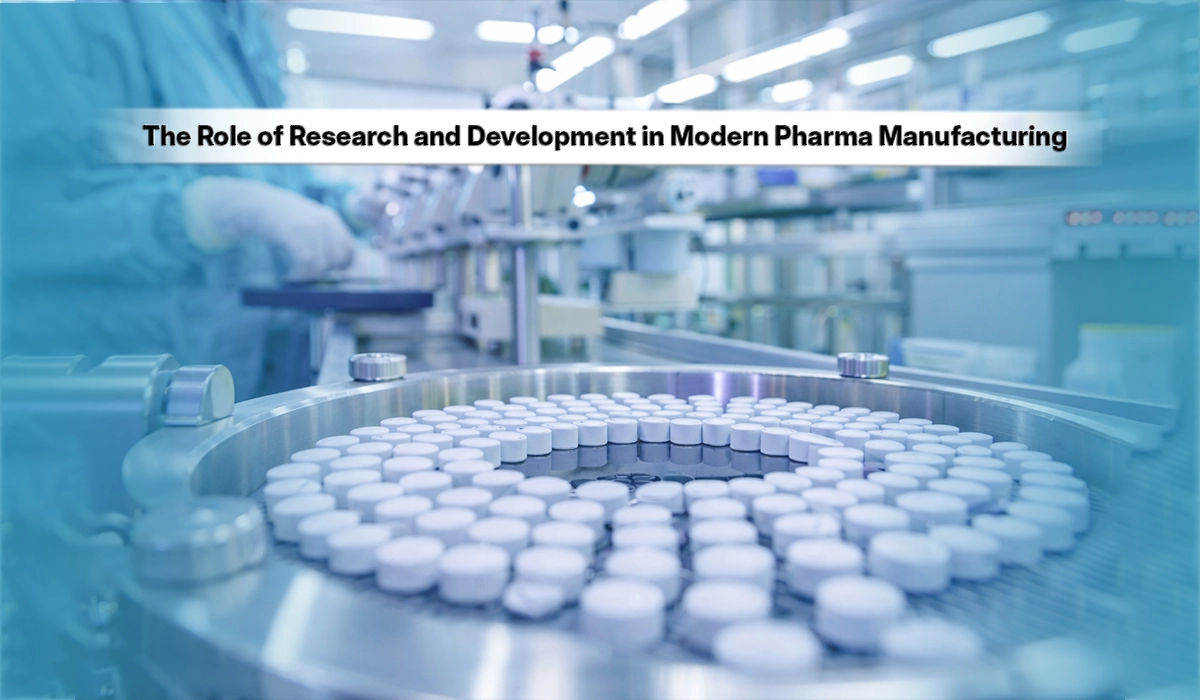
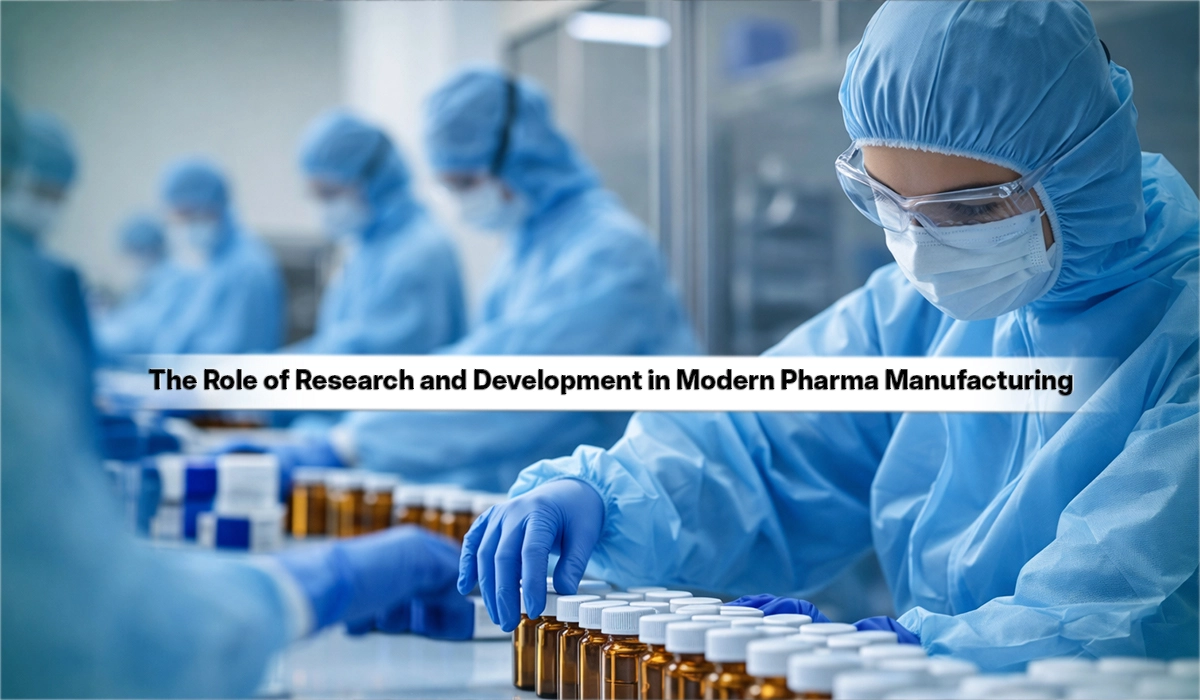
The Role of Research and Development in Modern Pharma Manufacturing

Introduction: Every Breakthrough Begins With a Question

A young scientist stands in a laboratory late at night. On the table lies a compound that might one day save thousands of lives. But right now, it is just an idea — a possibility.

Behind every life-saving tablet, vaccine, or injectable lies years of testing, failures, adjustments, and discoveries. What most people see is the final product on a pharmacy shelf. What they do not see is the powerful engine driving it all: Research and Development in Modern Pharma Manufacturing.

From India’s growing pharmaceutical hubs to advanced laboratories in the United States and Europe, research and development (R&D) shape the future of healthcare. It ensures medicines are safe, effective, affordable, and innovative. In today’s fast-changing healthcare world, R&D is not optional — it is the backbone of pharmaceutical progress.

Let us explore how The Role of Research and Development in Modern Pharma Manufacturing defines innovation, safety, global competitiveness, and long-term healthcare impact.

What Is Research and Development in Modern Pharma Manufacturing?

At its core, Research and Development (R&D) refers to the systematic process of discovering, designing, testing, and improving pharmaceutical products.

In modern pharma manufacturing, R&D includes:

  • Drug discovery and formulation
  • Clinical research and trials
  • Bioavailability and stability studies
  • Process optimization
  • Regulatory documentatio
  • Technology transfer to manufacturing units

Without R&D, pharmaceutical companies would simply produce copies. With R&D, they create safer, more effective, and improved therapies.

Why It Matters

  • Ensures patient safety
  • Improves drug efficacy
  • Reduces side effects
  • Supports regulatory approval
  • Drives innovation

Countries like India, known as the “Pharmacy of the World,” rely heavily on strong R&D systems to supply high-quality generic and specialty medicines globally.

How Did Pharma R&D Evolve Over Time?

In the early 20th century, drug discovery often happened by chance. Today, R&D is data-driven and technology-powered.

Modern pharma R&D uses:

  • Artificial intelligence for molecule screening
  • Advanced lab equipment
  • Biotechnology platforms
  • Data analytics
  • Genomic research

The shift from traditional research to advanced scientific development has dramatically improved precision and speed in drug manufacturing.

Drug Discovery: Where Innovation Begins

Every new medicine starts with identifying a problem — a disease or unmet medical need.

The Discovery Process Includes:

  1. Target Identification
  2. Compound Screening
  3. Laboratory Testing
  4. Preclinical Trials

Only a small percentage of tested compounds move forward. According to global pharma data, less than 10% of compounds entering clinical trials reach final approval.

This highlights why The Role of Research and Development in Modern Pharma Manufacturing is so critical — it filters, refines, and validates solutions before they reach patients.

Formulation Development: Turning Science Into Medicine

Once a molecule is approved, scientists work on formulation.

This stage answers key questions:

  • Should it be a tablet, capsule, syrup, or injection?
  • How can we improve absorption?
  • What is the ideal dosage?
  • How stable is the product?

Formulation development ensures medicines are:

  • Easy to consume
  • Long-lasting
  • Stable under different temperatures
  • Suitable for global markets

India’s pharmaceutical manufacturers are globally recognized for formulation expertise, especially in generics and complex injectables.

Clinical Research: Ensuring Safety and Efficacy

Clinical trials are among the most important steps in pharmaceutical R&D.

They occur in three main phases:

  • Phase 1: Safety testing
  • Phase 2: Effectiveness testing
  • Phase 3: Large-scale validation

Modern pharma manufacturing depends on strong clinical data to meet global regulatory standards like:

  • US FDA
  • CDSCO (India)
  • EMA (Europe)
  • WHO GMP

Without rigorous clinical research, medicines cannot enter the global market.

Process Development and Scale-Up

Creating a formula in a lab is different from producing millions of units in a manufacturing plant.

Process development ensures:

  • Consistent batch quality
  • Cost-effective production
  • GMP compliance
  • Reduced wastage

This stage bridges R&D and manufacturing — a crucial link in modern pharmaceutical production.

The Role of R&D in Generic Drug Manufacturing

India is a global leader in generic medicines.

But generic manufacturing still requires strong R&D in:

  • Bioequivalence studies
  • Stability testing
  • Regulatory filings
  • Process optimization

Even though generics replicate existing molecules, they must match the reference product in safety and performance.

Thus, R&D remains essential.

Innovation in Biologics and Specialty Medicines

Modern pharma manufacturing is expanding into:

  • Biologics
  • Biosimilars
  • Targeted therapies
  • Personalized medicine

These advanced therapies require deeper research in molecular biology and biotechnology.

R&D teams now collaborate across borders, sharing scientific data to accelerate innovation.

How R&D Supports Regulatory Compliance

Pharmaceutical regulations are strict worldwide.

Research teams prepare:

  • Drug Master Files (DMF)
  • Stability reports
  • Clinical data
  • Safety profiles

Strong R&D ensures faster regulatory approvals and fewer compliance issues.

This is especially important for export-focused companies in India serving the US and EU markets.

Cost vs Investment: Why R&D Is Worth It

Developing a new drug can cost billions globally. Even generic development requires significant investment.

However, R&D delivers long-term returns:

  • Brand reputation
  • Patent protection
  • Market leadership
  • Improved patient outcomes

Companies that underinvest in R&D often struggle to compete internationally.

Technology and Digital Transformation in Pharma R&D

Digital tools are transforming research processes:

  • AI-powered drug discovery
  • Automated lab systems
  • Real-time data monitoring
  • Digital twins in manufacturing

This reduces development time and improves precision.

Modern pharma manufacturing is now a combination of science and smart technology.

Collaboration: The Global Nature of Pharma R&D

Pharma research is no longer isolated.

Companies collaborate with:

  • Universities
  • Research institutions
  • Biotech startups
  • Government bodies

India’s pharma industry often partners with US-based research organizations to bring cost-effective yet high-quality medicines to global markets.

Conclusion

Every medicine tells a story — not just of treatment, but of years of research, testing, and scientific dedication.

The Role of Research and Development in Modern Pharma Manufacturing goes beyond laboratories. It protects patient safety, strengthens global healthcare systems, and drives innovation.

As healthcare challenges grow, strong R&D systems will determine which companies lead and which fall behind.

Whether in India, the USA, or anywhere in the world, the future of pharma manufacturing depends on research-driven excellence.

Pharma Manufacturing
Inside Pharmaceutical Manufacturing: Quality, Compliance, and Innovation
Why Quality Standards Matter in Pharma Manufacturing
The Role of Research and Development in Modern Pharma Manufacturing
Pharma Manufacturing in India: Meeting Global Regulatory Expectations
From Formulation to Finished Product: How Reliable Pharma Manufacturing Works

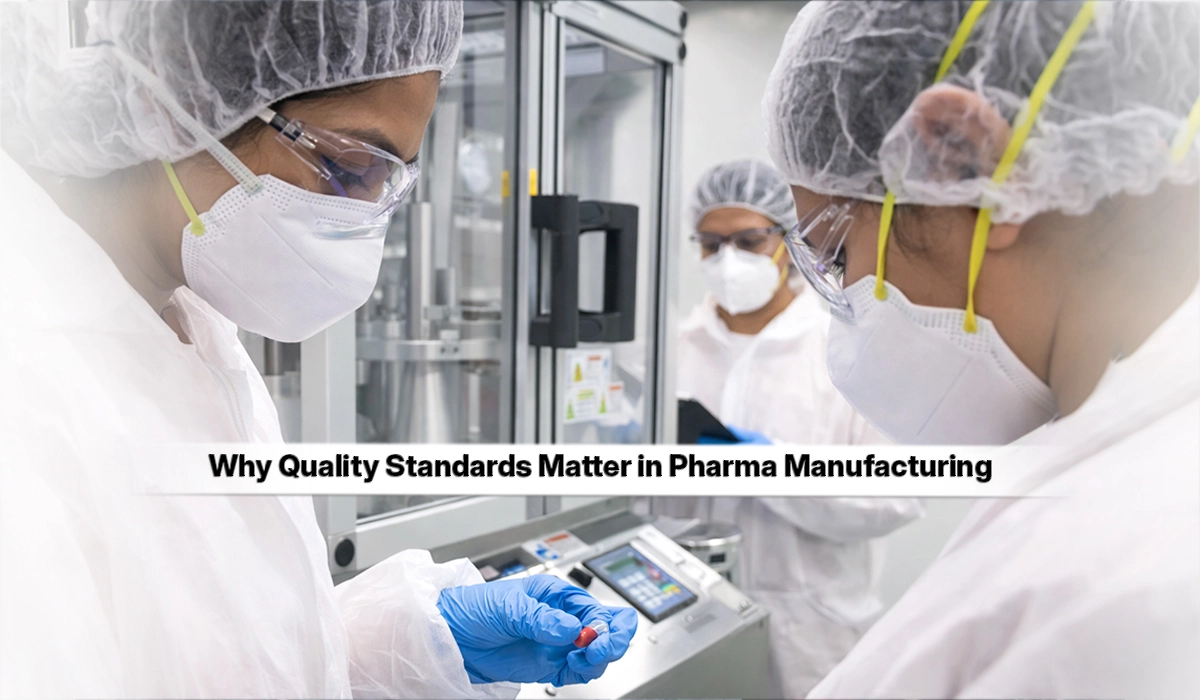
Why Quality Standards Matter in Pharma Manufacturing

Introduction: A Simple Question With a Life-Changing Answer

Imagine walking into a pharmacy and buying medicine for your child’s fever. You trust that what’s inside that small tablet is safe, effective, and exactly what the label says it is. But have you ever wondered what ensures that trust?

Behind every pill, injection, or syrup lies a complex system of rules, inspections, testing, and strict procedures. These are known as quality standards in pharma manufacturing—and they are the backbone of safe healthcare worldwide.

In India, the United States, Europe, and other major markets, pharmaceutical companies must follow strict regulations to protect patients. Without quality standards in pharma manufacturing, medicines could vary in strength, contain impurities, or fail to work when needed most.

This article explains why quality standards matter in pharma manufacturing, how they protect public health, and why they are critical for global trust in medicines.

What Are Quality Standards in Pharma Manufacturing?

Quality standards in pharma manufacturing are strict rules and systems that ensure medicines are:

  • Safe
  • Effective
  • Consistent
  • Free from contamination
  • Properly labeled

These standards are guided by regulations such as:

  • WHO-GMP (World Health Organization – Good Manufacturing Practices)
  • US FDA regulations
  • EU GMP guidelines
  • CDSCO regulations in India

Good Manufacturing Practices (GMP) are the foundation. They define how medicines should be manufactured, tested, stored, and distributed.

In simple words, quality standards in pharma manufacturing make sure that every batch of medicine is as safe as the first.

Why Quality Standards Matter in Pharma Manufacturing

1. Protecting Patient Safety

Medicines directly affect human health. Even small errors can cause serious harm.

Quality standards prevent:

  • Incorrect dosage
  • Contamination
  • Cross-mixing of drugs
  • Expired raw materials

For example, if sterile injectable medicines are not manufactured in clean environments, infections can occur. GMP ensures sterile zones, air filtration systems, and strict hygiene.

2. Ensuring Consistency in Every Batch

Imagine buying the same medicine twice and getting different results each time. That would destroy trust.

Quality standards in pharma manufacturing ensure:

  • Same potency in every tablet
  • Same dissolution rate
  • Same bioavailability
  • Same therapeutic effect

Consistency is not optional—it is mandatory.

3. Meeting Global Regulatory Requirements

Pharmaceutical companies in India export to more than 200 countries. To enter markets like the US or Europe, manufacturers must comply with strict audits.

Without compliance:

  • Products are rejected
  • Licenses are suspended
  • Imports are banned

Quality standards are not just about safety—they are about global business credibility.

Understanding GMP: The Core of Pharmaceutical Quality

Good Manufacturing Practices (GMP) include:

Clean Facilities

Controlled environments prevent contamination.

Validated Equipment

Machines must be calibrated and tested regularly.

Trained Personnel

Workers are trained in hygiene, documentation, and procedures.

Documentation and Record Keeping

Every step is recorded to ensure traceability.

Documentation is often called the “heart” of quality standards in pharma manufacturing because it proves compliance.

How Quality Standards Prevent Contamination

Contamination is one of the biggest risks in pharma manufacturing.

There are three main types:

  • Physical (dust, particles)
  • Chemical (residual solvents)
  • Microbial (bacteria, fungi)

Modern pharmaceutical facilities use:

  • HEPA air filters
  • Pressure-controlled rooms
  • Sterile gowning procedures
  • Environmental monitoring systems

These safeguards reduce risks and maintain drug purity.

The Role of Quality Control and Quality Assurance

Quality Control (QC) and Quality Assurance (QA) are often confused but serve different roles.

Quality Control

Focuses on testing products:

  • Raw material testing
  • In-process testing
  • Finished product analysis

Quality Assurance

Focuses on system management:

  • SOP development
  • Compliance audits
  • Training programs
  • Process validation

Together, they uphold quality standards in pharma manufacturing.

Why Documentation Is So Important

If it’s not documented, it didn’t happen.

Pharmaceutical manufacturing requires:

  • Batch Manufacturing Records (BMR)
  • Standard Operating Procedures (SOPs)
  • Cleaning logs
  • Equipment calibration reports

Documentation ensures traceability. If a problem arises, companies can trace exactly which batch was affected.

How Quality Standards Impact Drug Effectiveness

A medicine must not only be safe but also effective.

Quality standards ensure:

  • Correct active ingredient levels
  • Proper dissolution time
  • Stability over shelf life
  • Accurate labeling

Stability testing simulates different climates. For example, India’s hot climate requires medicines to withstand high temperatures.

Quality Standards and Ethical Responsibility

Pharma companies carry ethical responsibility.

Patients trust them with their lives.

Failing to maintain quality standards in pharma manufacturing can lead to:

  • Product recalls
  • Legal penalties
  • Brand damage
  • Loss of public trust

Quality is not only regulatory—it is moral.

Case Example: Why Recalls Happen

Drug recalls usually occur due to:

  • Incorrect labeling
  • Contamination
  • Potency issues
  • Packaging defects

Each recall damages reputation and costs millions.

Strong quality systems reduce recall risks dramatically.

The Global Perspective: India and the World

India is known as the “Pharmacy of the World.” It supplies affordable medicines globally.

To maintain this reputation:

  • Indian manufacturers follow WHO-GMP
  • US FDA audits Indian plants
  • EU inspectors evaluate facilities

Global trust depends on strict quality standards in pharma manufacturing.

Digital Transformation in Pharma Quality

Modern pharma companies now use:

  • Automated quality management systems
  • Electronic batch records
  • AI-driven inspection systems
  • Real-time environmental monitoring

Technology strengthens compliance and reduces human error.

How Patients Benefit Directly

When quality standards are strong:

  • Medicines work as expected
  • Side effects are minimized
  • Trust in healthcare improves
  • Treatment outcomes are better

Patients may never see manufacturing plants—but they benefit from their discipline.

Conclusion

Quality standards in pharma manufacturing are not just regulatory checkboxes. They are life-saving systems.

They protect patients.
They maintain consistency.
They enable global trade.
They build trust.

Whether in India, the USA, or anywhere in the world, quality standards ensure that every tablet, capsule, and injection performs exactly as intended.

The next time you pick up a medicine, remember: behind it stands a network of strict rules and professionals dedicated to safety.

Pharma Manufacturing
Inside Pharmaceutical Manufacturing: Quality, Compliance, and Innovation
Why Quality Standards Matter in Pharma Manufacturing
The Role of Research and Development in Modern Pharma Manufacturing
Pharma Manufacturing in India: Meeting Global Regulatory Expectations
From Formulation to Finished Product: How Reliable Pharma Manufacturing Works

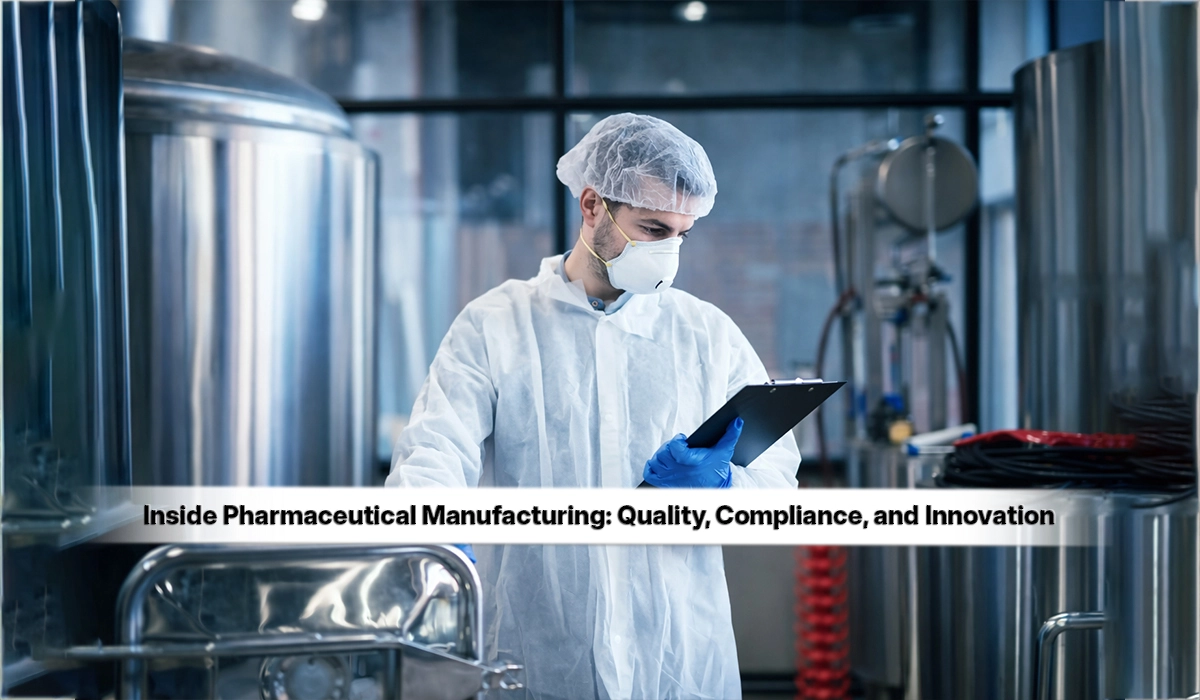
Inside Pharmaceutical Manufacturing: Quality, Compliance, and Innovation

Introduction: What Really Happens Before a Medicine Reaches Your Hands?

When you hold a tablet or syrup bottle, it may look simple. A small pill. A clear liquid. A labeled strip.

But behind that product lies a complex world of science, strict regulation, skilled professionals, and advanced technology.

Inside Pharmaceutical Manufacturing: Quality, Compliance, and Innovation is a story of precision, responsibility, and trust. Every medicine must be safe, effective, and consistent — whether it is produced in India, the USA, Europe, or any other part of the world.

In countries like India, which is often called the “Pharmacy of the World,” pharmaceutical manufacturing plays a critical role in global healthcare. India supplies affordable medicines to over 200 countries, including highly regulated markets such as the USA and Europe. That level of responsibility demands world-class standards.

Let’s step inside pharmaceutical manufacturing and understand how quality, compliance, and innovation come together to protect patient lives.

What Is Pharmaceutical Manufacturing?

At its core, pharmaceutical manufacturing is the process of producing medicines in a controlled, regulated environment to ensure safety, effectiveness, and consistency.

It includes:

  • Sourcing raw materials
  • Formulation development
  • Manufacturing and processing
  • Quality testing
  • Packaging and labeling
  • Distribution

This process applies to:

  • Tablets and capsules
  • Injectables
  • Syrups and suspensions
  • Topical creams
  • Nutraceuticals
  • Biologics

Pharmaceutical manufacturing is not just about producing drugs. It is about protecting public health.

Why Quality Is the Foundation of Pharmaceutical Manufacturing

In most industries, a defect may mean inconvenience. In pharmaceutical manufacturing, a defect can risk lives.

Quality in pharmaceutical manufacturing ensures:

  • Correct dosage strength
  • Purity of ingredients
  • Absence of contamination
  • Stability over shelf life
  • Consistent performance

Quality is not tested at the end. It is built into every step.

Quality by Design (QbD)

Modern pharmaceutical manufacturing follows the principle of Quality by Design. This means:

  • Understanding how ingredients behave
  • Controlling variables during production
  • Monitoring each stage in real time

The goal is simple: make quality predictable, not accidental.

Understanding GMP in Pharmaceutical Manufacturing

One of the most important pillars inside pharmaceutical manufacturing is Good Manufacturing Practices (GMP).

GMP guidelines are issued by regulatory bodies such as:

  • US FDA (United States)
  • CDSCO (India)
  • EMA (Europe)
  • WHO

GMP ensures that:

  • Facilities are clean and controlled
  • Staff are trained
  • Equipment is validated
  • Documentation is accurate
  • Processes are traceable

Without GMP compliance, a pharmaceutical manufacturer cannot legally supply medicines in regulated markets.

The Role of Regulatory Compliance

Regulatory compliance in pharmaceutical manufacturing goes beyond internal checks. It involves external audits and inspections.

Key Regulatory Requirements

  • US FDA inspections for exports to America
  • EU-GMP certification for European markets
  • WHO-GMP approval for global distribution
  • Schedule M compliance in India

Regulatory bodies review:

  • Batch records
  • Quality control data
  • Cleanroom conditions
  • Stability studies

Compliance is not a one-time event. It is ongoing.

Step-by-Step: How Medicines Are Manufactured

Let’s walk through the pharmaceutical manufacturing journey.

1. Raw Material Procurement

Only approved vendors supply active pharmaceutical ingredients (APIs) and excipients.

Each material is tested before use.

2. Formulation Development

Scientists design the correct combination of:

  • Active ingredients
  • Fillers
  • Binders
  • Stabilizers

The goal is proper absorption and effectiveness.

3. Manufacturing Process

Depending on dosage form:

  • Tablets are granulated and compressed
  • Capsules are filled
  • Syrups are mixed in controlled tanks
  • Injectables are prepared in sterile environments

4. Quality Testing

Each batch undergoes:

  • Chemical analysis
  • Microbial testing
  • Dissolution testing
  • Stability testing

Only after passing all tests is a batch released.

Sterile vs Non-Sterile Pharmaceutical Manufacturing

Inside pharmaceutical manufacturing, there is a major difference between sterile and non-sterile production.

Non-Sterile Manufacturing

  • Tablets
  • Capsules
  • Oral syrups
  • Creams

Requires controlled cleanliness but not full sterility.

Sterile Manufacturing

  • Injectables
  • Eye drops
  • IV infusions

Requires:

  • Cleanrooms
  • HEPA filtration
  • Laminar airflow
  • Strict gowning protocols

Sterile facilities are among the most highly controlled environments in healthcare.

Innovation in Pharmaceutical Manufacturing

Modern pharmaceutical manufacturing is no longer manual and repetitive. Technology drives efficiency and safety.

Automation

  • Robotic filling lines
  • Automated inspection systems
  • Digital batch records

Data Integrity Systems

Electronic systems track:

  • Temperature
  • Humidity
  • Equipment calibration

This ensures transparency and traceability.

Continuous Manufacturing

Instead of producing in large batches, some manufacturers now use continuous production systems for improved consistency.

Pharmaceutical Manufacturing in India: A Global Leader

India plays a central role inside pharmaceutical manufacturing globally.

Why India Is Important

  • Supplies over 20% of global generics
  • Largest provider of vaccines worldwide
  • Cost-efficient production
  • Strong regulatory ecosystem

Many Indian pharmaceutical manufacturers export to:

  • USA
  • UK
  • Canada
  • Australia
  • Africa

India’s strength lies in combining affordability with regulatory compliance.

Challenges Inside Pharmaceutical Manufacturing

Despite advancements, pharmaceutical manufacturing faces challenges.

Rising Regulatory Standards

Regulations continue to evolve.

Supply Chain Disruptions

API sourcing disruptions affect production.

Cost Pressure

Maintaining quality while keeping medicines affordable.

Counterfeit Risks

Ensuring product authenticity through serialization.

Modern pharmaceutical manufacturing responds with better monitoring, stricter audits, and digital tracking systems.

Quality Control vs Quality Assurance

People often confuse these terms inside pharmaceutical manufacturing.

Quality Control (QC)

Testing finished products.

Quality Assurance (QA)

Ensuring processes prevent defects before they occur.

Both work together to maintain compliance.

The Importance of Documentation

In pharmaceutical manufacturing, documentation is everything.

“If it is not documented, it did not happen.”

Every process step must be recorded, including:

  • Equipment cleaning logs
  • Batch manufacturing records
  • Calibration reports
  • Deviation reports

Documentation ensures traceability in case of product recall or investigation.

Sustainability in Pharmaceutical Manufacturing

Modern pharmaceutical manufacturing is also focusing on sustainability.

Green Manufacturing Initiatives

  • Reduced water usage
  • Waste management systems
  • Energy-efficient plants
  • Solvent recovery systems

Environmental responsibility is now part of compliance.

Conclusion

Inside Pharmaceutical Manufacturing: Quality, Compliance, and Innovation reveals a world built on responsibility and precision. From raw material sourcing to global export, pharmaceutical manufacturing ensures that every medicine is safe, effective, and reliable. As regulations grow stricter and technology advances, pharmaceutical manufacturing continues to evolve — bridging science and trust for patients worldwide. The next time you hold a medicine, remember the layers of quality and compliance behind it.

Pharma Manufacturing
Inside Pharmaceutical Manufacturing: Quality, Compliance, and Innovation
Why Quality Standards Matter in Pharma Manufacturing
The Role of Research and Development in Modern Pharma Manufacturing
Pharma Manufacturing in India: Meeting Global Regulatory Expectations
From Formulation to Finished Product: How Reliable Pharma Manufacturing Works

Healthcare Innovation: Improving Access, Safety, and Treatment Quality

Introduction

Last year, a rural patient in India spoke to a specialist in Delhi without leaving her village. Around the same time in Texas, a heart patient avoided a hospital stay because a wearable device alerted his doctor early.

Two different countries. Two very different systems. One common factor: healthcare innovation.

Today, Healthcare Innovation: Improving Access, Safety, and Treatment Quality is reshaping how care is delivered. It is helping hospitals reduce errors, expanding access in remote areas, and improving outcomes for millions.

But what exactly does healthcare innovation mean? And why does it matter so much now?

Let’s explore how innovation is building a smarter, safer, and more connected healthcare future.

What Is Healthcare Innovation?

Healthcare Innovation: Improving Access, Safety, and Treatment Quality refers to new ideas, technologies, systems, and approaches that improve how healthcare services are delivered.

It includes:

  • Digital health tools
  • Artificial intelligence in diagnostics
  • Telemedicine platforms
  • Smart medical devices
  • Data-driven hospital systems
  • Safer drug manufacturing processes
  • Patient-centered care models

Healthcare innovation is not just about advanced machines. It is about solving real problems:

  • Long waiting times
  • Medical errors
  • Limited rural access
  • High treatment costs
  • Poor coordination between providers

In both the USA and India, innovation is becoming the bridge between demand and quality care.

Why Is Healthcare Innovation So Important Today?

The world faces major healthcare challenges:

  • Aging populations
  • Rising chronic diseases
  • Increasing healthcare costs
  • Shortage of healthcare professionals
  • Pandemic preparedness needs

According to the World Health Organization, millions lack access to essential health services. In the United States, healthcare spending exceeds $4 trillion annually. In India, rural access remains a major challenge.

Healthcare innovation helps:

  • Reduce system burden
  • Improve patient outcomes
  • Increase efficiency
  • Expand coverage

Without innovation, systems collapse under pressure.

How Is Healthcare Innovation Improving Access?

Access is the first step toward better health.

1. Telemedicine and Virtual Care

Telemedicine allows patients to consult doctors through video calls. During COVID-19, telehealth visits in the USA increased dramatically.

Benefits:

  • Saves travel time
  • Reduces hospital crowding
  • Reaches rural populations

In India, telehealth platforms connect villages with urban specialists. This reduces treatment delays.

2. Mobile Health Apps

Mobile apps now allow patients to:

  • Book appointments
  • Track medications
  • Monitor blood pressure
  • Access lab reports

Smartphone penetration makes digital healthcare scalable worldwide.

3. Community Health Innovations

Innovative community programs train local health workers to deliver basic care. This improves maternal and child health in underserved regions.

Healthcare innovation ensures that care reaches people where they live.

How Innovation Improves Patient Safety

Patient safety is a global concern. Medical errors remain a significant cause of preventable harm.

1. Electronic Health Records (EHR)

Digital records reduce errors caused by poor handwriting or missing data.

2. AI-Powered Diagnostics

Artificial intelligence can analyze scans faster and often more accurately than traditional methods.

Example:
AI systems detect early-stage cancer patterns in radiology scans.

3. Smart Monitoring Devices

Wearables track heart rate, glucose levels, and oxygen saturation.

Doctors can intervene early before complications arise.

Healthcare innovation is reducing preventable hospital admissions.

Improving Treatment Quality Through Technology

Quality treatment means accurate diagnosis, effective therapy, and consistent follow-up.

1. Precision Medicine

Personalized treatment based on genetic profiles improves effectiveness.

2. Robotics in Surgery

Robotic-assisted surgeries provide:

  • Smaller incisions
  • Faster recovery
  • Reduced complications

3. Data Analytics

Hospitals analyze patient data to improve care pathways.

For example:
Tracking readmission rates helps hospitals identify system gaps.

Healthcare innovation ensures that treatment is not just faster—but smarter.

The Role of Artificial Intelligence in Healthcare Innovation

AI is reshaping healthcare in powerful ways.

It helps with:

  • Predictive analytics
  • Early disease detection
  • Drug discovery
  • Workflow automation

In the USA, AI is used to predict hospital readmissions.
In India, AI supports rural diagnostic services.

AI reduces human workload and improves decision-making.

Pharmaceutical Innovation and Safer Drug Manufacturing

Innovation is not limited to hospitals.

Modern pharmaceutical manufacturing focuses on:

  • Quality compliance
  • Automated production lines
  • Real-time quality monitoring
  • GMP-certified facilities

Advanced pharma systems reduce contamination risk and ensure consistent drug potency.

Healthcare innovation in drug manufacturing directly improves treatment safety.

Digital Health and Data Security

As healthcare becomes digital, protecting patient data becomes critical.

Modern innovations include:

  • Blockchain health records
  • Secure cloud-based systems
  • Encrypted patient portals

Data security is essential for trust.

Healthcare innovation must balance convenience with confidentiality.

Healthcare Innovation in the USA vs. India

While systems differ, goals are similar.

USA:

  • Advanced hospital technology
  • AI-driven research
  • Insurance-based system improvements
  • Precision medicine growth

India:

  • Cost-effective innovation
  • Telemedicine expansion
  • Government health schemes
  • Scalable digital health platforms

Both countries show that healthcare innovation can adapt to different economic models.

Challenges Facing Healthcare Innovation

Innovation is powerful—but not without challenges.

  • High implementation costs
  • Regulatory hurdles
  • Data privacy concerns
  • Technology adoption gaps
  • Infrastructure limitations

Healthcare leaders must balance innovation with affordability.

The Future of Healthcare Innovation

The next decade will focus on:

  • Remote patient monitoring
  • AI-powered triage systems
  • Preventive health analytics
  • Value-based healthcare models
  • Global health data collaboration

Healthcare Innovation: Improving Access, Safety, and Treatment Quality will define healthcare transformation worldwide.

Conclusion

Healthcare systems worldwide face increasing pressure. Aging populations, chronic diseases, and rising costs demand smarter solutions.

Healthcare Innovation: Improving Access, Safety, and Treatment Quality offers a path forward. By combining technology, data, safety standards, and patient-centered care, innovation bridges gaps in access and improves outcomes across borders. Whether in the USA, India, or anywhere else, healthcare innovation is no longer optional. It is essential.

Explore how innovation can strengthen your healthcare system—and share your perspective on the future of healthcare.

Healthcare
Modern Healthcare Solutions: Bridging Prevention, Treatment, and Recovery
How Patient-Centric Healthcare Improves Long-Term Health Outcomes
The Importance of Early Diagnosis in Effective Healthcare Management
From Acute Care to Chronic Management: The Evolution of Healthcare
Healthcare Innovation: Improving Access, Safety, and Treatment Quality

Web Stories

Add to cart
Quitting smoking doesn’t just reduce risk — it changes what screening can save Quitting smoking doesn’t just reduce risk—it strengthens the impact of lung cancer screening. Nukind Healthcare Bird Flu Antibodies Found in Europe: What the Dutch Dairy Farm Discovery Signals A Virus Few People Know, But Many Need to Watch Out For