Introduction
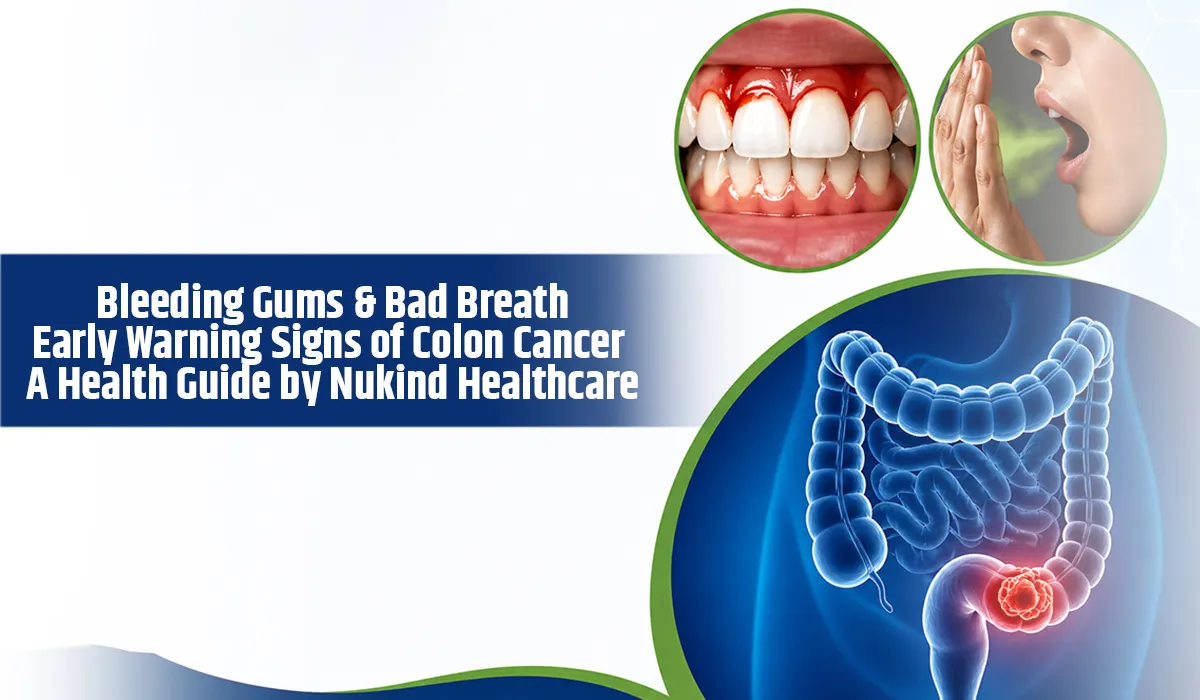
What if something as common as bleeding gums or bad breath wasn’t just a dental issue—but a signal from your body that something deeper needs attention?
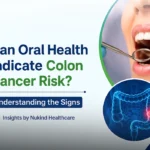
Many people ignore early health signs, assuming they are minor or temporary. But sometimes, the body gives subtle warnings long before a serious condition develops. Understanding bleeding gums & bad breath: early warning signs of colon cancer can help individuals recognize potential risks early and take timely action.
Colon cancer is one of the most common cancers worldwide, including in the United States. Early detection significantly improves outcomes. While symptoms like abdominal pain or changes in bowel habits are widely known, lesser-known signs such as oral health changes can also provide important clues.
This guide explores how oral symptoms may connect to overall health, the science behind these warning signs, and what steps you can take to protect yourself.
What Does “Bleeding Gums & Bad Breath: Early Warning Signs of Colon Cancer” Mean?
The phrase bleeding gums & bad breath: early warning signs of colon cancer highlights the possible link between oral health and systemic conditions.
While bleeding gums and bad breath are often caused by:
- Poor oral hygiene
- Gum disease (gingivitis or periodontitis)
- Bacterial infections
In some cases, they may reflect deeper issues such as:
- Chronic inflammation
- Immune system imbalance
- Changes in gut microbiome
These factors are also associated with colorectal health.
It’s important to note that these symptoms do not directly mean someone has colon cancer, but they can serve as early indicators that warrant further medical evaluation.
Understanding Colon Cancer: A Global Health Concern
Colon cancer, also known as colorectal cancer, affects the large intestine and rectum.
Key facts:
- It is one of the leading causes of cancer-related deaths globally
- Early detection significantly improves survival rates
- Risk increases with age, lifestyle factors, and genetics
In countries like the USA, regular screening is recommended after the age of 45, but awareness of early signs remains crucial.
The Connection Between Oral Health and Gut Health
The human body is interconnected. The mouth and gut are part of the same digestive system.
How they are linked:
- Oral bacteria can travel to the gut
- Imbalance in oral microbiome affects gut microbiome
- Chronic inflammation in gums may contribute to systemic inflammation
Research suggests that certain bacteria linked to gum disease may also play a role in colorectal cancer development.
This explains why bleeding gums & bad breath: early warning signs of colon cancer are being studied as potential early indicators.
Why Bleeding Gums Should Not Be Ignored
Bleeding gums are often dismissed as a minor issue. However, persistent gum bleeding can indicate:
- Periodontal disease
- Vitamin deficiencies
- Immune dysfunction
- Chronic inflammation
Chronic inflammation is a known risk factor for cancer, including colon cancer.
If gum bleeding continues despite proper oral care, it is important to investigate further.
Bad Breath: More Than Just a Dental Issue
Bad breath (halitosis) is usually linked to oral bacteria, but it can also reflect internal health conditions.
Possible causes beyond oral hygiene:
- Digestive issues
- Gut imbalance
- Infections
- Systemic diseases
In some cases, persistent bad breath may be associated with gastrointestinal conditions, making it relevant in understanding bleeding gums & bad breath: early warning signs of colon cancer.
Common Early Signs of Colon Cancer
While oral symptoms are indirect indicators, colon cancer has more specific early signs:
- Changes in bowel habits
- Blood in stool
- Persistent abdominal discomfort
- Unexplained weight loss
- Fatigue
Recognizing these symptoms early can lead to timely diagnosis and treatment.
Risk Factors That Increase Concern
Certain risk factors make it more important to pay attention to early warning signs:
- Family history of colorectal cancer
- Poor diet (low fiber, high processed food)
- Smoking and alcohol use
- Obesity
- Sedentary lifestyle
If oral symptoms appear alongside these risk factors, medical consultation becomes even more important.
The Role of Inflammation in Disease Development
Inflammation plays a key role in many chronic diseases, including cancer.
How it works:
- Long-term inflammation damages tissues
- It disrupts normal cell growth
- It creates an environment where cancer cells can develop
Gum disease is a form of chronic inflammation, which is why it is linked to broader health conditions.
Practical Steps to Protect Your Health
Taking proactive steps can reduce your risk:
Maintain Oral Health:
- Brush twice daily
- Floss regularly
- Visit a dentist for check-ups
Support Gut Health:
- Eat a high-fiber diet
- Include probiotics
- Stay hydrated
Lifestyle Changes:
- Exercise regularly
- Avoid smoking
- Limit alcohol consumption
These habits help maintain both oral and digestive health.
When Should You See a Doctor?
Seek medical advice if you notice:
- Persistent bleeding gums
- Chronic bad breath
- Changes in bowel habits
- Blood in stool
- Unexplained fatigue
Early evaluation can prevent complications and improve outcomes.
Importance of Regular Screening
Screening is one of the most effective ways to detect colon cancer early.
Common screening methods:
- Colonoscopy
- Stool tests
- CT colonography
In the USA, routine screening is recommended starting at age 45 or earlier for high-risk individuals.
Preventive Healthcare: A Holistic Approach
Modern healthcare focuses on prevention rather than treatment alone.
Understanding bleeding gums & bad breath: early warning signs of colon cancer encourages a holistic approach:
- Monitor your body
- Address small symptoms early
- Maintain overall wellness
This approach helps reduce long-term health risks.
Conclusion
Understanding bleeding gums & bad breath: early warning signs of colon cancer highlights the importance of paying attention to subtle health changes.
While these symptoms are often harmless, they can sometimes signal deeper issues. Early awareness, regular check-ups, and a healthy lifestyle play a critical role in preventing serious conditions.
Your body often speaks in small signals—listening to them can make a significant difference in long-term health.
If you found this guide helpful, consider exploring more health insights and preventive care tips to stay informed and proactive.