Introduction: Are You Getting the Most Nutrition from Your Vegetables?
Imagine preparing a fresh salad with crunchy carrots, juicy tomatoes, cucumber slices, and colourful bell peppers. It takes only a few minutes, requires minimal preparation, and adds a variety of nutrients to your everyday diet.
But have you ever wondered whether eating vegetables raw is actually healthier than cooking them?
The answer depends on the vegetable, the nutrient you want to obtain, and how you prepare your food. Some nutrients, particularly vitamin C, can be reduced by heat. Other nutrients, such as lycopene in tomatoes, may become easier for the body to access after cooking.
Understanding these differences can help you make smarter food choices without changing your entire diet.
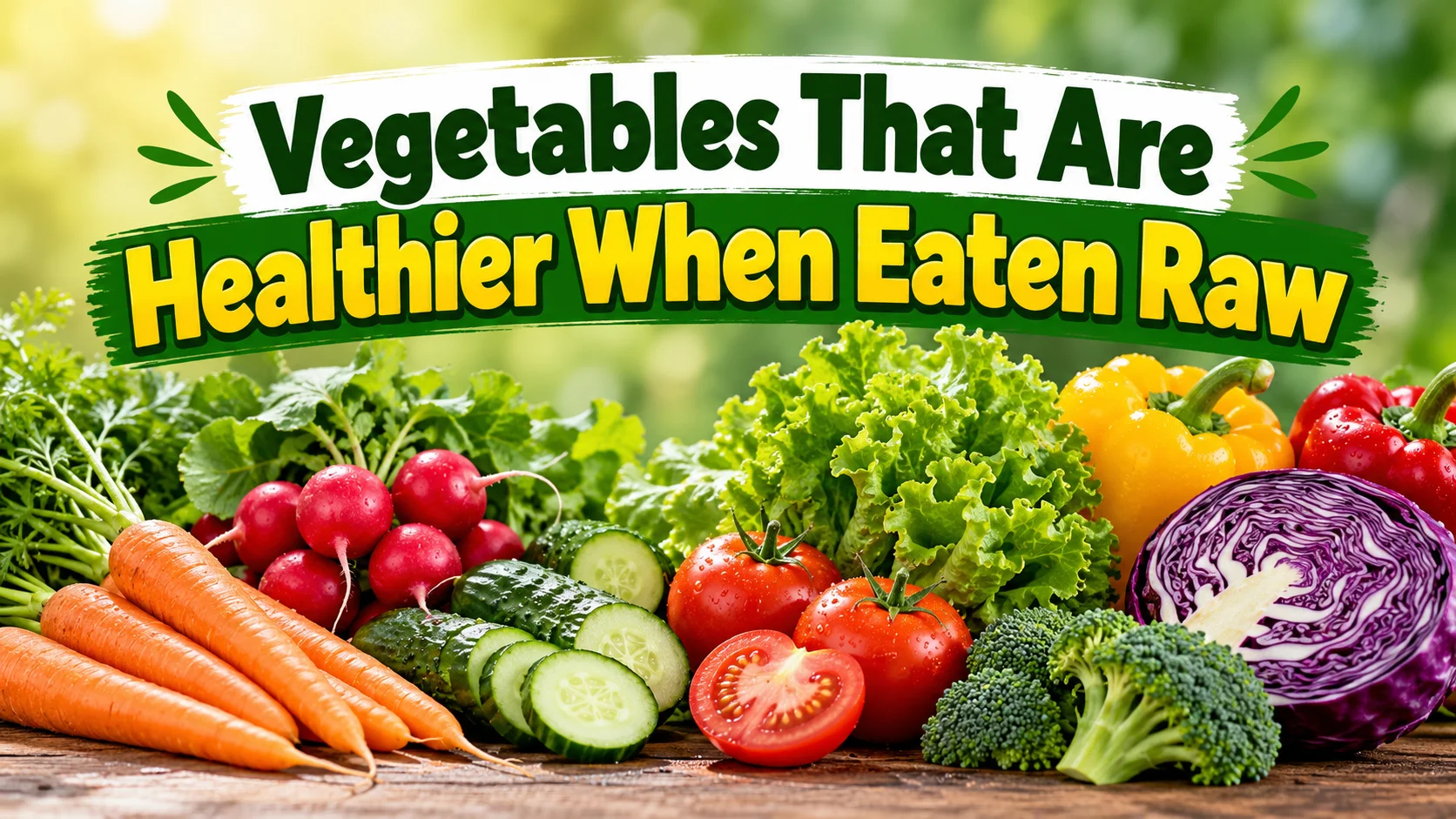
Vegetables that are healthier when eaten raw often include those that provide heat-sensitive nutrients, such as bell peppers, cabbage, and certain leafy greens. Cucumbers, carrots, and tomatoes can also be nutritious raw choices, although their nutritional advantages vary.
For Indian households, raw vegetables can be included in salads, sandwiches, wraps, raita, and everyday meals. However, washing vegetables properly and choosing appropriate preparation methods are equally important.
This guide explores 10 vegetables worth considering for raw consumption, their nutritional benefits, how to include them in your meals, and when cooking may be the better option.
1. Which Vegetables Are Healthier When Eaten Raw?
Quick answer: Bell peppers, cabbage, carrots, cucumbers, tomatoes, radishes, and some leafy greens are nutritious choices for raw consumption. Raw broccoli and cauliflower can also provide valuable nutrients. However, no single preparation method is best for every vegetable because cooking can improve the availability of certain nutrients while reducing others.
Raw vegetables can contribute vitamins, minerals, dietary fibre, water, and plant compounds to a balanced diet. Eating a variety of vegetables is generally more useful than relying on one particular food.
Here are 10 vegetables you can consider adding to your raw-food routine.
| Vegetable | Nutritional advantage when eaten raw | Easy way to eat it |
|---|---|---|
| Bell peppers | Provides vitamin C and colourful plant compounds | Slice into salads |
| Cabbage | Provides vitamin C, fibre, and other micronutrients | Prepare fresh slaw |
| Carrots | Provides beta-carotene and fibre | Eat as sticks |
| Cucumber | Provides water and a small amount of fibre | Add to meals or salads |
| Tomatoes | Provides vitamin C and lycopene | Add to sandwiches or salads |
| Broccoli | Provides vitamin C, fibre, and glucosinolates | Add small florets to salads |
| Cauliflower | Provides vitamin C and fibre | Use finely chopped florets |
| Radishes | Provides vitamin C, fibre, and plant compounds | Slice into a salad |
| Spinach | Provides folate and vitamin C | Add to a thoroughly washed salad |
| Lettuce | Provides water, folate, and varying amounts of vitamins | Use as a salad base |
The exact nutrient content depends on the variety, growing conditions, freshness, storage, serving size, and preparation method.
Practical tip: Start with two or three vegetables you enjoy. Add more variety gradually rather than forcing yourself to eat a large raw salad every day.
2. Bell Peppers: A Vitamin C-Rich Raw Vegetable
Quick answer: Bell peppers, particularly red and green varieties, are excellent raw choices because they provide vitamin C. Since vitamin C is sensitive to heat, eating bell peppers raw can help preserve more of this nutrient than prolonged cooking.
Why are bell peppers nutritious?
Bell peppers contain vitamin C, which contributes to normal immune function, collagen formation, and the absorption of non-haem iron from plant foods.
They also provide colourful plant compounds, including carotenoids. Different colours have different nutritional profiles, so including a variety can add diversity to your diet.
According to the US National Institutes of Health, raw red and green sweet peppers are among the notable food sources of vitamin C. Cooking can reduce vitamin C content, although the amount lost depends on the cooking method and duration.
How can you eat bell peppers raw?
Try these simple options:
- Slice red, yellow, or green peppers into a salad.
- Add chopped peppers to a sandwich or whole-wheat wrap.
- Combine them with cucumber, tomatoes, and lemon juice.
- Serve pepper strips with a yoghurt-based dip.
Practical tip: Wash bell peppers under running water before cutting them. Remove the seeds and inner membrane if you prefer, then slice them just before serving.
3. Cabbage: A Crunchy Addition to Your Daily Diet
Quick answer: Cabbage is a useful raw vegetable because it provides dietary fibre, vitamin C, and naturally occurring plant compounds. Eating it raw avoids heat-related vitamin losses, while finely slicing it can make its texture easier to manage in salads and slaws.
What makes cabbage a healthy choice?
Cabbage belongs to the cruciferous vegetable family, alongside broccoli and cauliflower. It contains glucosinolates, plant compounds that can be converted into other biologically active substances when the vegetable is cut, chewed, or digested.
Cabbage also adds crunch and volume to meals. Its fibre contributes to digestive health, while its vitamin C content supports normal body functions.
Green and red cabbage can both be included in a balanced diet. Red cabbage adds anthocyanins, the pigments responsible for its colour.
How can you eat raw cabbage?
- Prepare a cabbage and carrot salad.
- Mix shredded cabbage with cucumber and lemon.
- Add thinly sliced cabbage to sandwiches and wraps.
- Combine it with a modest amount of plain yoghurt for a creamy slaw.
Practical tip: Slice cabbage thinly and prepare only what you need. If you have digestive discomfort after eating raw cabbage, try a smaller portion or lightly cook it instead.
4. Carrots: A Convenient Source of Beta-Carotene
Quick answer: Carrots are nutritious both raw and cooked. Raw carrots provide fibre and beta-carotene, which the body can convert into vitamin A. Cooking can improve the accessibility of some carotenoids, so carrots do not need to be eaten exclusively raw to obtain their nutritional benefits.
Why should you include raw carrots?
Carrots contain beta-carotene, a pigment that gives them their characteristic orange colour. The body uses beta-carotene to produce vitamin A, which supports normal vision, immune function, and other physiological processes.
Raw carrots also provide dietary fibre and a satisfying crunch. Their firm texture makes them convenient for snacks, salads, and lunch boxes.
However, it would be inaccurate to claim that raw carrots are always healthier than cooked carrots. Heating can soften their structure and increase the accessibility of some carotenoids, particularly when carrots are cooked with a small amount of fat.
How can you eat carrots raw?
- Cut them into sticks for a snack.
- Grate them into a salad.
- Combine them with cabbage and lemon juice.
- Add finely grated carrot to a sandwich or wrap.
Practical tip: Wash carrots thoroughly before eating them. Scrub firm vegetables with a clean produce brush when needed. Peel them if preferred, but peeling is not always necessary when the surface is clean and intact.
5. Cucumber: A Refreshing Vegetable for Hydration
Quick answer: Cucumber is a refreshing raw vegetable because it contains a high proportion of water and contributes a small amount of fibre, particularly when the peel is eaten. It can add volume and freshness to meals, but it should not be considered a replacement for drinking enough water.
What are the benefits of raw cucumber?
Cucumber is naturally low in calories and contains water, making it an easy addition to meals for people who enjoy fresh, light foods.
It also provides small amounts of vitamin K and other nutrients. Keeping the peel on can retain fibre and nutrients found in or near the outer layer, provided the cucumber is thoroughly washed.
Cucumber is especially practical in hot Indian weather, when chilled cucumber slices can make meals feel refreshing.
However, its nutritional contribution should be viewed as part of an overall balanced diet rather than as a special detoxifying food.
How can you eat cucumber raw?
- Add slices to lunch or dinner.
- Prepare cucumber, tomato, and onion salad.
- Combine cucumber with curd, roasted cumin, and herbs.
- Add thin slices to a whole-wheat sandwich.
Practical tip: Wash cucumbers before cutting or peeling them. Scrub the skin gently with a clean vegetable brush if needed. Refrigerate cut cucumber and consume it promptly.
6. Tomatoes: A Source of Vitamin C and Lycopene
Quick answer: Raw tomatoes provide vitamin C, water, and lycopene, a plant pigment associated with their red colour. However, cooking tomatoes can increase the bioavailability of lycopene. Both raw and cooked tomatoes therefore have a place in a balanced diet.
Are raw tomatoes healthier than cooked tomatoes?
Not necessarily. The answer depends on the nutrient being considered.
Raw tomatoes provide vitamin C, which can be reduced by heat. They also contain lycopene, a carotenoid that has attracted research interest because of its antioxidant properties.
When tomatoes are cooked, their cellular structure changes, potentially making lycopene easier for the body to absorb. Eating tomatoes with a source of dietary fat can also help with carotenoid absorption.
This means that choosing between raw and cooked tomatoes does not have to be an either-or decision.
How can you eat raw tomatoes?
- Add sliced tomatoes to sandwiches.
- Combine them with cucumber and onions.
- Prepare a fresh tomato salad with coriander and lemon.
- Add chopped tomatoes to a vegetable wrap.
Practical tip: Alternate between raw tomatoes and cooked tomato dishes. This gives you flexibility while allowing you to obtain different nutritional benefits.
7. Broccoli: A Nutrient-Dense Cruciferous Vegetable
Quick answer: Raw broccoli provides vitamin C, fibre, and glucosinolates. Chopping or chewing broccoli helps initiate reactions involving enzymes that act on these plant compounds. However, raw broccoli can be difficult to digest for some people, and light cooking may make it easier to tolerate.
What makes broccoli nutritionally valuable?
Broccoli is a cruciferous vegetable that contains several vitamins, minerals, and plant compounds. It is also a source of fibre, which supports normal digestive function.
One compound of interest is sulforaphane, which can form from a precursor called glucoraphanin through the action of the enzyme myrosinase.
Preparation matters because heat can affect myrosinase activity. However, the relationship between preparation methods, compound formation, absorption, and long-term health is complex. Eating raw broccoli should not be presented as a guaranteed way to prevent or treat disease.
How can you eat raw broccoli?
- Cut it into small florets.
- Combine it with carrots and bell peppers.
- Add it to a crunchy vegetable salad.
- Serve it with a yoghurt-based dip.
Practical tip: Begin with a small serving if raw broccoli causes gas or bloating. If you find it difficult to digest, lightly steaming it is a reasonable alternative.
8. Cauliflower: A Versatile Raw Vegetable
Quick answer: Cauliflower can be eaten raw to obtain vitamin C, fibre, and other nutrients without heat-related vitamin losses. Its mild flavour makes it suitable for salads and finely chopped vegetable mixes, although lightly cooking it may improve texture and digestive comfort for some people.
What nutrients does cauliflower provide?
Cauliflower belongs to the same cruciferous family as cabbage and broccoli. It contains vitamin C, fibre, and naturally occurring plant compounds.
Its relatively mild flavour allows it to combine easily with other vegetables. Finely chopped cauliflower can also add texture to salads without dominating the taste.
As with other vegetables, the exact nutritional advantage of eating cauliflower raw depends on the nutrient and preparation method. Cooking may reduce some heat-sensitive nutrients but can make the vegetable softer and easier to eat.
How can you include raw cauliflower in meals?
- Cut it into small, manageable florets.
- Finely chop it into a mixed vegetable salad.
- Combine it with grated carrots and lemon juice.
- Serve small florets alongside a meal.
Practical tip: Wash cauliflower carefully and inspect it for dirt or insects between the florets. People who experience digestive discomfort may prefer steamed cauliflower.
9. Radishes: A Peppery Addition to Salads
Quick answer: Radishes are useful raw vegetables because they provide vitamin C, fibre, and plant compounds while adding a crisp texture and peppery flavour to meals. They can be eaten in moderate portions as part of a varied diet, although their flavour and digestibility vary by variety.
Why are radishes worth eating raw?
Radishes contain water, fibre, vitamin C, and naturally occurring compounds associated with the mustard family of plants.
Their sharp flavour can add variety to meals without requiring complicated preparation. In Indian cuisine, sliced radishes are often served with meals or used in salads.
Radishes are not a miracle food, and eating them raw does not guarantee better digestion or immunity. Their value comes from the nutrients and variety they contribute to an overall healthy eating pattern.
How can you eat radishes raw?
- Slice them thinly and add lemon juice.
- Mix them with cucumber and carrots.
- Add a few slices to a fresh salad.
- Serve them with a meal that includes whole grains and protein.
Practical tip: Wash radishes thoroughly, especially around the root and leafy areas. If their strong flavour is unpleasant, start with a small amount.
10. Spinach: A Leafy Green That Provides Folate
Quick answer: Raw spinach provides folate, vitamin C, and other nutrients, making it a useful addition to salads and sandwiches when handled safely. However, spinach also contains oxalates, which can affect mineral availability. Light cooking reduces its volume and may improve the availability of some nutrients.
Is raw spinach better than cooked spinach?
The answer depends on what you want from it.
Spinach contains folate, vitamin C, carotenoids, and minerals. Folate is important for cell division and normal physiological function, while vitamin C supports collagen formation and iron absorption.
However, spinach contains oxalates, naturally occurring compounds that bind to certain minerals. Cooking methods such as boiling can reduce some soluble oxalates, although this may also cause losses of water-soluble nutrients if the cooking water is discarded.
Raw spinach is not automatically superior. Both raw and cooked spinach can contribute to a nutritious diet.
How can you eat raw spinach?
- Use thoroughly washed leaves in a salad.
- Add small leaves to a sandwich or wrap.
- Combine spinach with cucumber and tomatoes.
- Mix it with other salad greens for variety.
Practical tip: Wash spinach leaves carefully under clean running water and remove damaged leaves. People who have been advised to limit oxalates, or who have certain kidney-related conditions, should follow their healthcare professional’s dietary guidance.
11. Lettuce: A Simple Base for Healthy Salads
Quick answer: Lettuce is a convenient raw vegetable that contributes water, folate, and varying amounts of vitamins and minerals depending on the variety. It can make salads more substantial and help increase vegetable variety, provided the leaves are fresh and washed carefully before eating.
What are the benefits of raw lettuce?
Lettuce varieties differ in their nutritional content. Darker leaves often provide more of certain micronutrients than paler varieties, although the precise amount depends on the type and serving size.
Lettuce also provides texture and freshness, making it easy to combine with other vegetables and protein-rich foods.
A salad containing only lettuce may not provide a broad range of nutrients. Combining it with bell peppers, tomatoes, carrots, beans, or another protein source can create a more balanced meal.
How can you eat lettuce raw?
- Use lettuce leaves as a salad base.
- Add tomatoes, cucumber, and bell peppers.
- Wrap cooked beans or paneer in large leaves.
- Use fresh lettuce in a whole-wheat sandwich.
Practical tip: Separate the leaves, wash them thoroughly, and dry them with a clean towel or salad spinner. Store washed leaves in a clean container in the refrigerator.
12. Raw vs Cooked Vegetables: Which Is Healthier?
Quick answer: Neither raw nor cooked vegetables are universally healthier. Raw preparation can preserve some heat-sensitive nutrients, while cooking can improve the availability of certain plant compounds, soften fibre-rich structures, and reduce harmful microorganisms. The healthiest approach is usually to eat a variety of vegetables prepared in different ways.
Key differences between raw and cooked vegetables
| Factor | Raw vegetables | Cooked vegetables |
|---|---|---|
| Vitamin C | Often retain more because they are not exposed to cooking heat | Some vitamin C may be lost, depending on time and method |
| Folate | Can avoid cooking-related losses | May decrease with prolonged cooking and water loss |
| Lycopene in tomatoes | Present in raw tomatoes | Cooking can improve lycopene bioavailability |
| Carotenoids in carrots | Present, but some may be less accessible | Cooking can improve the accessibility of some carotenoids |
| Digestibility | Can be harder for some people to tolerate | Softening can make some vegetables easier to chew and digest |
| Food safety | Requires careful washing and handling | Thorough cooking can reduce many harmful microorganisms |
| Convenience | Often quick to prepare | May require more time and equipment |
Vitamin C is water-soluble and sensitive to heat, so prolonged cooking can reduce its content. Steaming and microwaving may limit some nutrient losses compared with boiling in large amounts of water.
Which cooking methods preserve nutrients?
If you prefer cooked vegetables, consider these methods:
- Steaming: Uses relatively little water and can help limit losses of water-soluble nutrients.
- Microwaving: Often requires short cooking times and little water.
- Light sautéing: Can improve flavour and provide an opportunity to include a small amount of healthy oil.
- Boiling: Can be useful, but some nutrients may move into the cooking water. Use the liquid in soups or other dishes when appropriate.
Practical tip: Instead of choosing between raw and cooked vegetables, combine both. For example, eat raw cucumber and tomatoes at lunch and lightly cooked carrots, spinach, or broccoli at dinner.
13. How to Eat Raw Vegetables Safely in India
Quick answer: Wash raw vegetables thoroughly under clean running water, remove damaged portions, use clean utensils, and prevent cross-contamination. Choose fresh produce from reliable sources and refrigerate cut vegetables promptly. Washing reduces surface contamination but cannot eliminate every harmful microorganism.
Why does raw vegetable safety matter?
Raw vegetables do not receive a cooking step that can kill many harmful microorganisms. Contamination can occur during growing, harvesting, transport, storage, or preparation.
The US Food and Drug Administration recommends washing produce under running water before eating or cutting it. It also advises against washing vegetables with soap or household detergents.
The Food Safety and Standards Authority of India (FSSAI) similarly emphasises washing produce, maintaining kitchen hygiene, and preventing cross-contamination.
Follow these steps before eating raw vegetables
Step 1: Choose fresh vegetables. Avoid produce that is rotten, mouldy, or badly damaged.
Step 2: Wash your hands. Use soap and clean water before preparing food.
Step 3: Rinse the vegetables. Wash them under clean running water. Scrub firm vegetables such as carrots and cucumbers with a clean brush.
Step 4: Remove damaged areas. Cut away bruised or spoiled portions using a clean knife.
Step 5: Prevent cross-contamination. Keep ready-to-eat vegetables away from raw meat, poultry, seafood, and unclean kitchen surfaces.
Step 6: Refrigerate cut produce. Store it in a clean, covered container and avoid leaving it at room temperature for extended periods.
Step 7: Be cautious with vulnerable groups. Pregnant people, older adults, young children, and people with weakened immune systems may need additional food-safety precautions. Thoroughly cooked vegetables may be a safer choice in some circumstances.
Practical tip: Do not assume that soaking vegetables in salt water, vinegar, or lemon juice guarantees that harmful microorganisms have been removed. Thorough rinsing with clean running water and good food-handling practices are essential.
14. How to Add More Raw Vegetables to Your Daily Diet
Quick answer: The easiest way to eat more raw vegetables is to include them in meals you already enjoy. Add cucumber and tomatoes to lunch, bell peppers to sandwiches, carrots as snacks, or a small mixed salad alongside dinner. Start with manageable portions and increase variety gradually.
A simple Indian meal plan featuring raw vegetables
You do not need to follow a complicated diet to enjoy raw vegetables. Small additions to familiar meals can make your eating routine more varied.
| Meal | Raw vegetable idea | Practical benefit |
|---|---|---|
| Breakfast | Cucumber and tomato with a meal | Adds freshness and variety |
| Mid-morning | Carrot sticks | Convenient, crunchy snack |
| Lunch | Cabbage, carrot, and cucumber salad | Adds fibre and texture |
| Evening snack | Bell pepper strips with yoghurt dip | Provides variety and vitamin C |
| Dinner | Small salad with tomatoes and lettuce | Complements the main meal |
This is an example rather than a personalised dietary prescription. Portion sizes and food choices should reflect individual energy needs, health conditions, preferences, and tolerance.
How can you make raw vegetables more enjoyable?
- Combine crunchy and soft textures.
- Use lemon, coriander, mint, or roasted cumin for flavour.
- Add beans, chickpeas, paneer, or another protein source to make a salad more filling.
- Prepare smaller portions to reduce food waste.
- Rotate vegetables according to seasonal availability and affordability.
Practical tip: If you rarely eat raw vegetables, begin with one small serving a day. A sustainable routine is more valuable than a strict plan that is difficult to maintain.
15. Common Myths About Raw Vegetables
Quick answer: Raw vegetables are nutritious, but they are not automatically healthier, detoxifying, or more effective for weight loss than cooked vegetables. Nutrient availability depends on the food and preparation method, while health benefits depend on the overall diet, portion sizes, food safety, and individual needs.
Myth 1: Raw vegetables always contain more nutrients
Fact: Some heat-sensitive nutrients may be better preserved raw, but cooking can increase the availability of other nutrients. The result varies by vegetable and cooking method.
Myth 2: Eating raw vegetables detoxifies the body
Fact: Raw vegetables provide fibre, vitamins, minerals, and plant compounds. However, there is no good basis for claiming that a particular raw salad detoxifies the body. Normal waste processing depends on organs such as the liver and kidneys.
Myth 3: Raw vegetables automatically cause weight loss
Fact: Many vegetables are relatively low in calories and provide fibre and water. They can support a balanced eating pattern, but weight management depends on overall energy intake, physical activity, sleep, and other factors.
Myth 4: Cooking destroys all vitamins
Fact: Cooking can reduce certain nutrients, especially when vegetables are exposed to heat and excess water for long periods. However, many nutrients remain, and some become more accessible after cooking.
Myth 5: Washing vegetables makes them completely germ-free
Fact: Washing under running water helps reduce surface contamination but does not eliminate all harmful microorganisms. Good storage, clean utensils, and appropriate cooking remain important food-safety measures.
Practical tip: Focus on dietary variety rather than rigid rules about raw versus cooked foods.
Conclusion: Make Raw Vegetables Part of a Balanced Diet
Vegetables that are healthier when eaten raw can be a valuable part of your daily eating routine. Bell peppers and cabbage are useful sources of vitamin C, cucumber adds freshness, carrots provide beta-carotene, and tomatoes offer vitamin C and lycopene. Broccoli, cauliflower, radishes, spinach, and lettuce also bring different nutrients to the table.
However, raw is not always better. Cooking can improve the availability of certain nutrients, make vegetables easier to digest, and reduce food-safety risks when done properly.
For most people, the best approach is simple: eat a variety of vegetables, combine raw and cooked options, and prepare them safely.
Start with a fresh salad at lunch, add carrots or cucumber to your snack routine, and experiment with different combinations. Choose vegetables you enjoy and build habits you can maintain.
A healthier diet does not depend on eating every vegetable raw. It begins with making vegetables a regular part of your meals.
Frequently Asked Questions About Vegetables That Are Healthier When Eaten Raw
1. Which vegetables are healthiest to eat raw?
Bell peppers, cabbage, carrots, cucumber, tomatoes, radishes, broccoli, cauliflower, spinach, and lettuce can all be nutritious raw choices. Each provides a different combination of vitamins, minerals, fibre, water, or plant compounds.
2. Which vegetables lose nutrients when cooked?
Vegetables containing vitamin C and folate can lose some of these water-soluble nutrients during cooking. The amount depends on cooking time, temperature, and the quantity of water used.
3. Is eating raw vegetables every day healthy?
For many people, eating raw vegetables daily can be part of a healthy diet. Wash them properly, vary your choices, and include cooked vegetables as well. People with specific medical or food-safety concerns may need individual guidance.
4. Are raw carrots healthier than cooked carrots?
Neither is universally healthier. Raw carrots provide fibre and beta-carotene, while cooking can make some carotenoids more accessible to the body. Both are nutritious choices.
5. Should tomatoes be eaten raw or cooked?
Both forms are useful. Raw tomatoes provide vitamin C, while cooking can improve the bioavailability of lycopene. Including both in your diet offers flexibility.
6. Can raw vegetables help with weight management?
Yes, they can support a balanced eating pattern because many vegetables provide fibre and water with relatively few calories. However, weight management depends on overall dietary intake and lifestyle rather than any single food.
7. Are raw vegetables good for digestion?
Many vegetables contain dietary fibre, which supports normal digestive function. However, large portions of raw cruciferous vegetables may cause gas or bloating in some people. Smaller portions or lightly cooked vegetables may be easier to tolerate.
8. Is it safe to eat raw broccoli and cauliflower?
They can be eaten raw if fresh and thoroughly washed, but they may cause digestive discomfort in some people. Light cooking is a reasonable alternative, particularly for people who find them difficult to digest.
9. How should vegetables be washed before eating raw?
Wash your hands first, then rinse vegetables under clean running water. Scrub firm produce with a clean brush when needed, remove damaged areas, and use clean knives and cutting boards. Do not use household soap or detergent on produce.
10. Which raw vegetables are best for an Indian diet?
Cucumber, carrots, tomatoes, cabbage, radishes, bell peppers, and suitable leafy greens are practical options. Choose fresh, affordable vegetables that suit your preferences, seasonal availability, and digestive tolerance.
11. Is raw spinach better than cooked spinach?
Raw spinach provides folate and vitamin C, while cooking reduces its volume and can lower some soluble oxalates. The better choice depends on your nutritional priorities and individual health needs.
12. Should people with weak immunity eat raw vegetables?
People with weakened immune systems may be at greater risk from foodborne illness. They should follow their healthcare professional’s food-safety guidance; thoroughly cooked vegetables may be preferable in some situations