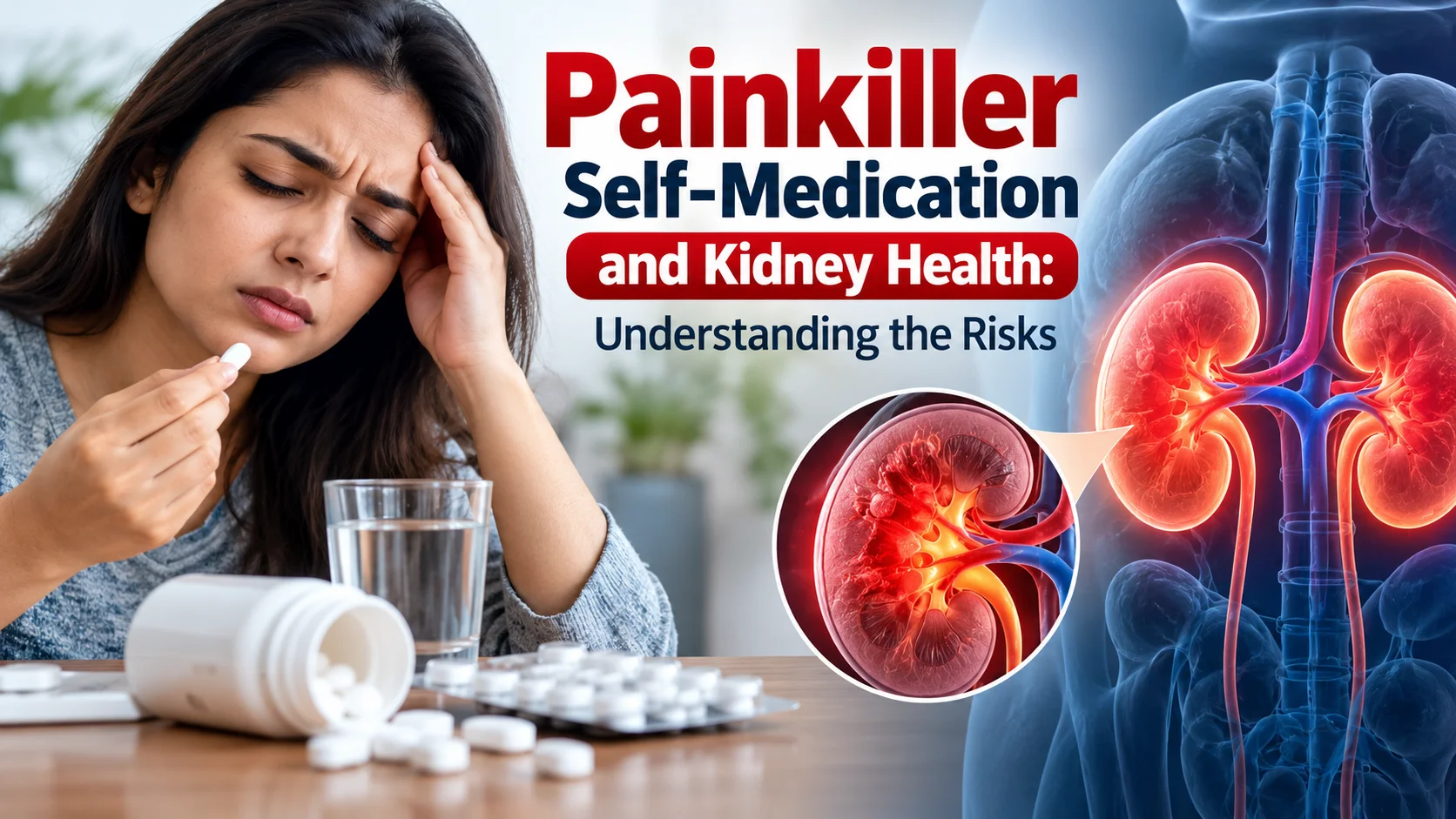
A headache, backache or fever can make reaching for an over-the-counter painkiller feel like the easiest solution. But for people with kidney disease, diabetes, high blood pressure, dehydration or other risk factors, some pain medicines can create additional kidney stress.
This concern has received renewed attention in India. On September 22, 2026, the Central Drugs Standard Control Organisation (CDSCO) listed a circular concerning the indiscriminate use of NSAIDs, antibiotics and their associated risk of chronic kidney disease.
What Is Painkiller Self-Medication?
Quick answer: Painkiller self-medication means taking a medicine for pain without appropriate advice from a doctor or pharmacist, or using it at a higher dose or for longer than recommended.
Some pain medicines are available without a prescription. However, “over the counter” does not mean “risk-free.” The National Institute of Diabetes and Digestive and Kidney Diseases (NIDDK) warns that certain NSAIDs can damage the kidneys with prolonged use or contribute to acute kidney injury in situations such as dehydration.
How Can Painkillers Affect the Kidneys?
Quick answer: NSAIDs can reduce blood flow to the kidneys. This may become particularly concerning when kidney function is already reduced or when other factors, such as dehydration, are present.
The kidneys need adequate blood flow to filter waste and maintain fluid and electrolyte balance. NSAIDs interfere with prostaglandins involved in maintaining kidney blood flow. In susceptible people, this can contribute to acute kidney injury or worsening kidney disease.
Which Painkillers Are NSAIDs?
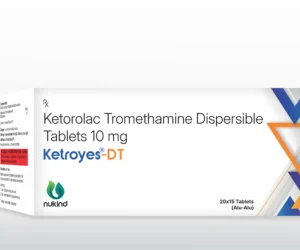
Quick answer: Common NSAIDs include medicines such as ibuprofen and naproxen. Some prescription pain medicines, including certain forms of diclofenac, ketorolac and other NSAIDs, also belong to this group.
| Medicine group | Kidney consideration |
|---|---|
| NSAIDs | Can reduce kidney blood flow and increase AKI risk |
| Acetaminophen/paracetamol | Different from NSAIDs; kidney safety still depends on individual circumstances and correct dosing |
| Prescription pain medicines | May require dose adjustment according to kidney function |
| Topical pain relievers | Generally have lower systemic exposure, but should still be used as directed |
The National Kidney Foundation emphasizes that medication choice should consider kidney function, other health conditions and other medicines being taken.
Who Is at Higher Risk?
Quick answer: People with chronic kidney disease are particularly vulnerable, but kidney risk can also increase with diabetes, high blood pressure, heart disease, dehydration and certain medication combinations.
NIDDK specifically identifies kidney disease, diabetes and high blood pressure as conditions that can increase concern about NSAID-related kidney injury.
Older adults and people taking multiple medicines may also need additional medication review.
Why Does Dehydration Matter?
Quick answer: Dehydration can reduce blood flow to the kidneys. Taking an NSAID while dehydrated may further increase the risk of acute kidney injury.
This is particularly relevant during vomiting, diarrhea, fever, heavy sweating or inadequate fluid intake. NIDDK notes that NSAIDs can cause AKI when taken in situations where a person is dehydrated or has low blood pressure.
Can Painkillers Cause Chronic Kidney Problems?
Quick answer: Certain pain medicines can contribute to kidney injury, particularly with inappropriate, high-dose or prolonged use. The risk varies according to the medicine, dose, duration and a person’s underlying health.
The National Kidney Foundation notes that high-dose or long-term NSAID use can damage kidney function and worsen chronic kidney disease.
This does not mean every occasional dose causes kidney damage.
What Should Kidney Patients Do?
Quick answer: People with kidney disease should not self-treat with NSAIDs without discussing them with a healthcare professional.
Before taking a pain medicine, ask:
- Is this medicine an NSAID?
- What is my current kidney function?
- Could it interact with my other medicines?
- What dose and duration are appropriate?
- Are there non-drug approaches that may help?
Keeping an updated list of medicines and supplements can also help doctors and pharmacists identify potential problems. NIDDK
How Can Self-Medication Be Reduced?
Simple habits can improve medicine safety:
- Read the active ingredients on the label.
- Avoid taking multiple products containing the same medicine.
- Do not exceed the recommended dose.
- Avoid prolonged self-treatment.
- Tell your doctor or pharmacist about kidney disease.
- Ask before using OTC painkillers if you have CKD or other risk factors.
Why Medication Review Matters
Quick answer: Kidney function can affect how medicines are processed, while some medicines can affect the kidneys themselves.
For people with CKD, some medicines may need a lower dose or less frequent dosing as kidney function declines. Regular medication reviews can therefore be an important part of kidney care.
Painkiller Self-Medication and Kidney Health: FAQs
Can painkillers damage the kidneys?
Some painkillers, particularly NSAIDs, can contribute to kidney injury, especially with high doses, prolonged use or certain risk factors.
Are NSAIDs safe for people with kidney disease?
People with CKD should not self-treat with NSAIDs without professional advice. The National Kidney Foundation recommends discussing their use with a healthcare professional.
Can dehydration make NSAIDs riskier?
Yes. Dehydration or low blood pressure can increase susceptibility to NSAID-related acute kidney injury.
Should people with diabetes be careful with painkillers?
Yes. NIDDK identifies diabetes as one factor associated with increased concern about NSAID-related kidney injury.
What should I do before taking an OTC painkiller?
Check the active ingredient and ask a doctor or pharmacist if you have kidney disease, diabetes, high blood pressure, heart disease or take multiple medicines.
Conclusion
Pain relief should not come at the expense of kidney safety. NSAIDs can be useful medicines, but they can also create kidney risks in susceptible people, particularly with inappropriate or prolonged use.
With CDSCO highlighting the concern about indiscriminate NSAID use in its September 22, 2026 circular, medication awareness is especially relevant for kidney health in India.
When it comes to painkillers, the safest choice is an informed choice—check the medicine, consider your kidney health, and ask a healthcare professional when in doubt.