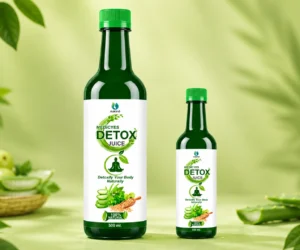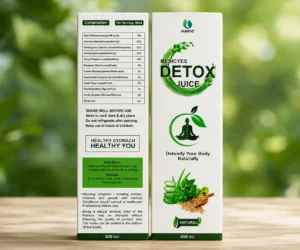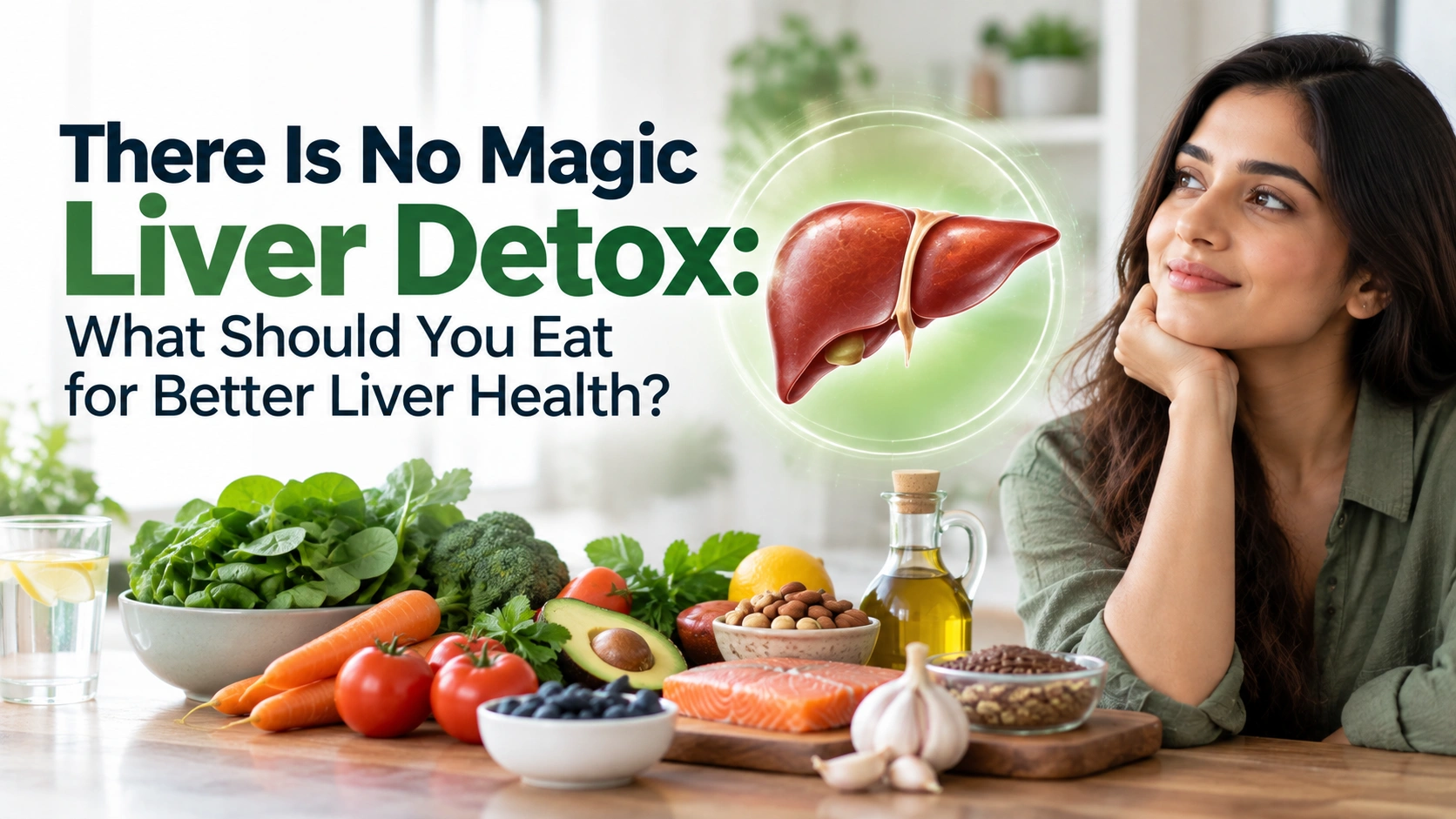
A “liver detox” drink, cleanse or supplement may sound like an easy solution after a week of heavy meals. But your liver does not need a special juice to perform its normal functions. For most people, better liver health is about consistent eating habits, physical activity, healthy weight management, and limiting alcohol rather than a short-term cleanse.
The liver performs hundreds of essential functions, including processing nutrients and helping the body handle substances from food, medicines and the environment. WHO recommends a balanced, diverse diet built around minimally processed foods, while liver-health guidance emphasizes nutrition, physical activity and management of metabolic risk factors.
What Does “Liver Detox” Actually Mean?
Quick answer: A liver detox or cleanse usually refers to a diet, drink or supplement marketed as helping remove “toxins.” There is no need for a special detox routine to make a healthy liver work normally.
Your liver already has sophisticated systems for processing substances in the body. Instead of searching for a quick cleanse, focus on habits that reduce factors associated with liver disease.
Practical tip: Think “liver-supportive lifestyle” rather than “liver cleanse.”
What Should You Eat for Better Liver Health?
Quick answer: Build meals around vegetables, fruits, whole grains, legumes, nuts, seeds and appropriate protein sources while limiting highly processed foods, excess added sugars and unhealthy fats.
WHO recommends a varied diet containing foods such as cereals, legumes, vegetables, fruits and animal-source foods where appropriate.
1. Eat More Vegetables and Fruits
Vegetables and fruits provide fibre and a range of vitamins, minerals and other nutrients.
Try adding:
- Leafy greens
- Carrots and other colourful vegetables
- Tomatoes
- Apples, oranges and other whole fruits
- Seasonal produce available locally in India
Simple idea: Make vegetables a regular part of lunch and dinner rather than relying on a “detox” drink.
2. Choose Whole Grains and Legumes
Quick answer: Whole grains and legumes can provide fibre and useful nutrients while fitting into a balanced diet.
Options include oats, whole-wheat roti, brown rice, barley, dal, chickpeas and beans.
The goal is not to completely eliminate carbohydrates. Instead, choose nutrient-rich sources and maintain an overall balanced diet.
3. Include Healthy Protein Sources
Protein is important for maintaining muscle and overall nutrition. Depending on dietary preferences, meals can include dal, beans, fish, eggs, dairy, nuts, seeds or lean meat.
For people who already have liver disease, nutritional requirements can vary considerably. Medical or dietetic guidance may be needed rather than following a generic internet diet.
4. Cut Down on Added Sugar
Quick answer: Reducing sugary drinks, sweets and highly processed foods is a practical step toward a healthier overall diet.
WHO recommends limiting free sugars and choosing minimally processed foods as the foundation of a healthy diet.
Instead of making sugary beverages a daily habit, choose water or other unsweetened options.
5. Be Careful With Alcohol
Alcohol deserves particular attention because excessive consumption can contribute to liver injury. WHO states that less alcohol is better, and none is best for health.
People with certain liver conditions may need to avoid alcohol completely and should discuss this with their healthcare professional.
6. Don’t Ignore Your Weight and Metabolic Health
Quick answer: Maintaining a healthy weight and managing conditions such as diabetes, high blood pressure and abnormal cholesterol can be important parts of liver health.
WHO highlights healthy weight, blood-pressure and diabetes management alongside reducing alcohol as important for liver health.
For people with metabolic liver disease, even modest weight loss can improve liver-related outcomes.
7. What About Coffee?
Coffee is an interesting area of liver-health research. Some liver guidance associates coffee consumption with less advanced liver disease, but this does not mean everyone needs to start drinking coffee or that coffee is a treatment.
If you already drink coffee, discuss the amount with your healthcare professional if you have a liver condition or other medical concerns.
8. Do Liver Detox Juices Work?
Quick answer: A juice should not be considered a replacement for a balanced diet or medical treatment.
A drink made from fruits or vegetables can be part of a healthy diet, but calling it a “detox” does not automatically make it beneficial for the liver. Whole foods can also provide fibre that may be reduced when foods are processed into juice.
Better approach: Focus on your overall eating pattern rather than one “superfood.”
9. Can Exercise Help Liver Health?
Yes. Liver health is connected to overall metabolic health, and regular physical activity is an important lifestyle habit. WHO includes physical activity among core self-care practices.
Choose activities you can maintain, such as walking, cycling, swimming, strength training or yoga.
10. When Should You See a Doctor?
Persistent fatigue, jaundice, abdominal swelling, unexplained weight changes or other concerning symptoms should not be treated with a detox diet.
People with known liver disease, hepatitis, diabetes, obesity or abnormal liver tests should seek appropriate medical advice. Liver problems can sometimes have few obvious symptoms in their early stages.
Liver Detox vs Liver-Friendly Habits
| Popular Detox Approach | Better Long-Term Approach |
|---|---|
| Short-term juice cleanse | Balanced eating pattern |
| “Detox” supplements | Evidence-based healthcare |
| Extreme food restriction | Adequate, varied nutrition |
| Quick weight-loss plan | Sustainable weight management |
| Ignoring alcohol intake | Reduce or avoid alcohol |
| One “superfood” | Overall healthy diet |
A Simple Indian Liver-Friendly Plate
A practical meal could include vegetables + dal or another protein source + whole-grain roti or rice + curd, with fruit as an additional snack.
The exact diet should reflect your health conditions, medications, culture, budget and dietary preferences. WHO notes that healthy diets vary according to individual needs and local food availability.
The Bottom Line
There is no magic liver detox that can replace healthy daily habits. A varied diet rich in minimally processed foods, regular physical activity, healthy weight management and avoiding excessive alcohol are more meaningful ways to support liver health.
Your liver does not need a quick cleanse. It needs consistent care.
Frequently Asked Questions
Does the liver need a detox cleanse?
No special cleanse is required for a healthy liver. Focus on balanced nutrition and healthy lifestyle habits.
Which foods are good for liver health?
Vegetables, fruits, whole grains, legumes, nuts, seeds and appropriate protein sources can form part of a balanced liver-friendly diet.
Is fruit juice good for the liver?
Fruit juice can contain significant amounts of free sugars and generally should not replace whole fruit. Whole fruits provide fibre.
Is alcohol bad for the liver?
Alcohol can contribute to liver injury, particularly with higher consumption. Less is better, and some people with liver disease may need complete avoidance.
Can diet reverse fatty liver?
Lifestyle changes can improve metabolic liver disease, and weight loss may improve liver abnormalities in people who are overweight or obese. Individual treatment should be guided by a healthcare professional.